Est. 1853 · National Register of Historic Places · Antebellum Greek Revival Architecture · Natchez Pilgrimage
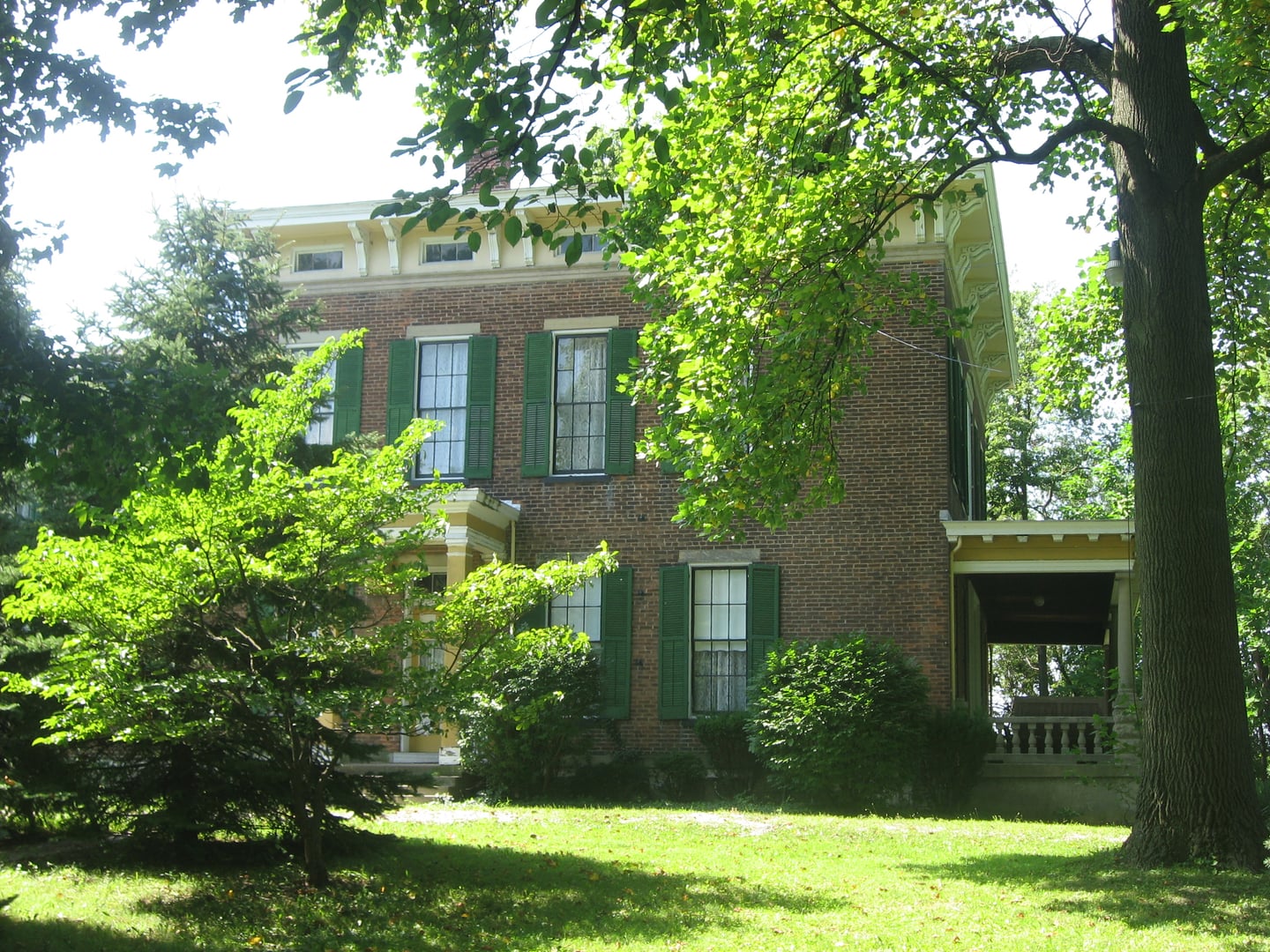
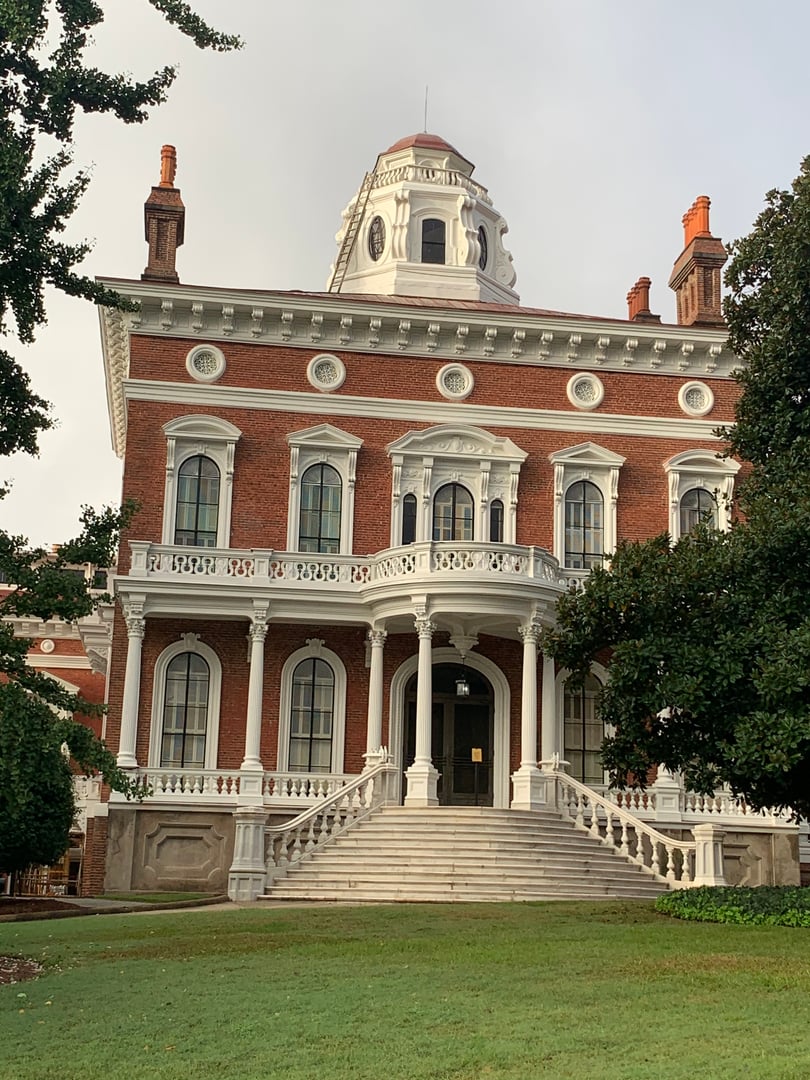
Lansdowne was built in 1853 on land that had passed through generations of the Dunbar and Hunt families - prominent figures in the Natchez planter economy of the early nineteenth century. George M. Marshall and his wife Charlotte Hunt Marshall received the property as Charlotte's inheritance and commissioned the house. George's father Levin R. Marshall was a Natchez banker and one of the thirty-five U.S. millionaires recorded in the 1860 census.
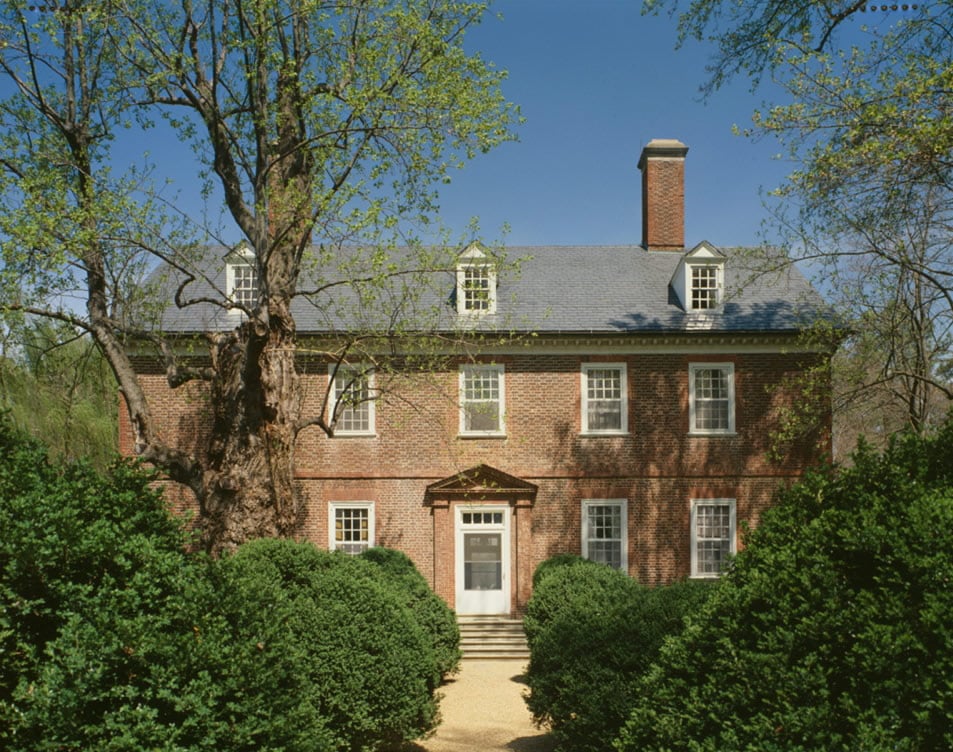
The 1853 house is Greek Revival in plan and detailing, with a hipped roof, central hall, and the symmetrical wings characteristic of the form in the Mississippi Black Belt. The property at its 1860 peak comprised 727 acres organized as a hunting estate rather than primarily a cotton plantation. Federal census records document that George Marshall enslaved sixteen people on the Lansdowne property in 1860; the family's primary cotton operation was at Arcola Plantation in Tensas Parish, Louisiana, where the enslaved labor force was larger. The Civil War and emancipation transformed the family's economic position; Arcola was lost in the war, and Lansdowne shifted to a mixed-agricultural operation - cotton, corn, sheep, and cattle - that continued until approximately 1960.
Beginning in 1932, the Marshall family opened the house for paid tours as part of the Natchez Pilgrimage, an annual heritage tourism program that was developed during the Depression as a way for Natchez planter families to generate income from their antebellum properties. Lansdowne has participated in the Pilgrimage continuously since. The original residence and 120 acres of the estate remain in the Marshall family.
Lansdowne was added to the National Register of Historic Places on July 24, 1978. The Historic American Buildings Survey holds detailed photographs and architectural drawings at the Library of Congress.
Sources
- https://en.wikipedia.org/wiki/Lansdowne_(Natchez,_Mississippi)
- http://www.lansdowneplantation.com/
- https://www.apps.mdah.ms.gov/nom/prop/2143.pdf
- https://www.loc.gov/item/2017892879/
ApparitionsPhantom footsteps
Lansdowne's paranormal reputation belongs more to the broader Natchez Pilgrimage circuit than to a single anchoring incident. Natchez houses participating in the Pilgrimage program have historically incorporated family folklore and ghost storytelling as part of the tour narrative; Lansdowne is consistent with this regional pattern.
Visitors and tour participants have reported figures observed in upper-floor windows, the sound of footsteps in unoccupied rooms, and the figure of a woman in nineteenth-century dress observed on the stairs. The Marshall family descendants who lead the tours generally treat these accounts as part of the house's character; specific named entities are not consistently identified across the published material.
The richer engagement with Lansdowne is architectural and historical rather than paranormal. The 1853 Greek Revival structure, the survival of original furnishings, the continuous family occupation, and the National Register documentation give the property substance independent of any ghost story. Visitors interested in the genuinely difficult history of Black Belt plantations should pair a Lansdowne visit with the Forks of the Road slave market interpretive site, also in Natchez, which presents the documented history of one of the largest slave markets in the antebellum South.