Overnight Stay Booking Required
Overnight stay at Dunleith
Luxury overnight lodging in the 1856 main house or estate outbuildings on a 40-acre property, with access to The Castle restaurant on-site.
- Duration:
- 12 hr
HauntBound archive · catalog record
Reported phenomena, as catalogued
1856 Natchez Greek Revival mansion famous for its encircling 26 Tuscan columns and for the legend of 'Miss Percy,' whose phantom harp is said to drift from upstairs rooms.
84 Homochitto St, Natchez, MS 39120
Research updated September 2026
Age
All Ages
Cost
$$$
Overnight rates typically run $200-$400 per night; restaurant and event pricing varies.
Access
Limited Access
Historic mansion with stairs; some ground-floor and outbuilding rooms more accessible than upper floors.
Equipment
Photos OK
Est. 1856 · National Historic Landmark (1974) · Only surviving Mississippi antebellum mansion with a fully encircling 26-column Tuscan colonnade · Site of the earlier Routh family Routhland estate
The Dunleith site was first occupied by Routhland, a late-1700s house built by Job Routh and his wife on what became a 40-acre estate. Their daughter Mary Routh, widowed in her teens, married Mississippi banker and planter Charles G. Dahlgren as her second husband and inherited the house. In 1855, lightning struck the Routhland chimney and the original home burned to the ground.
Charles Dahlgren rebuilt on the same site in 1856 in a strongly classical Greek Revival idiom. The new house, designed with two-story porches that encircle the entire building, is the only Mississippi antebellum mansion with a fully encircling 26-column Tuscan colonnade. Mary died shortly after the new house was completed.
Dahlgren sold the property to wealthy cotton planter Alfred Vidal Davis for $30,000. Davis renamed the estate Dunleith. As a major Natchez planter's residence, Dunleith's antebellum economy was inseparable from enslaved labor, both on the city estate and on the surrounding plantation holdings that funded the family's lifestyle.
Dunleith was designated a National Historic Landmark in 1974. The 40-acre grounds retain an 1790s carriage house, dairy barn, poultry house, greenhouse, and a three-story brick dependency. The property operates today as the Dunleith Historic Inn, a luxury bed-and-breakfast with on-site dining, daytime mansion tours, and an event venue program.
Sources
The most-cited Dunleith ghost story is the legend of Miss Percy, recorded by folklorist Kathryn Tucker Windham in her 1974 collection 'Thirteen Mississippi Ghosts and Jeffrey' and retold by Southern Spirit Guide, Mississippi Haunted Houses, Haunted Places, and Haunted Houses. According to the legend, Miss Percy was a relative of Mary Routh Dahlgren who traveled unaccompanied to France to be with her lover. The man eventually refused to marry her, and she returned to Natchez as a 'lonely spinster' to live out her days with her Routh family relatives. The lore holds that she played her harp for hours every day, still dreaming of the man in France.
The specific phenomenon most often reported is the sound of a harp played by a female apparition somewhere in the upper rooms of the mansion. Southern Spirit Guide cites a 1983 Hattiesburg American article that records the firsthand testimony of Ella Mae Green, a cook who worked in the house and reported hearing the harp music.
The Miss Percy narrative is well-attested across multiple aggregators and is anchored in a published folklore source (Windham 1974), but the documentary record on Miss Percy's actual identity is thin — Windham herself acknowledged that her exact identity is unknown. Treat the legend as the central Dunleith ghost story it has become rather than as verified biography. As with every antebellum Natchez property, the lore exists alongside the unwritten histories of the enslaved people who lived and worked at Routhland and Dunleith.
Notable Entities
Media Appearances
Luxury overnight lodging in the 1856 main house or estate outbuildings on a 40-acre property, with access to The Castle restaurant on-site.
Daytime guided tour of the only Mississippi mansion with a fully encircling 26-column Tuscan colonnade, with interpretation of the Routhland, Dahlgren, and Davis ownership history.
Some links on this page may earn HauntBound a small commission when you book, at no extra cost to you. Our editorial picks are independent. Full disclosure
See current room rates and availability at Dunleith Historic Inn.
Check rates and bookRates come from booking partners, so a small property may not be listed. Book direct with Dunleith Historic Inn
Every HauntBound history is researched from documented sources. We clearly separate verified historical fact from paranormal folklore.
Free Guide
10 verified stops, rated for families, mapped in order. Free.
One email to confirm, then the guide link. Unsubscribe anytime.
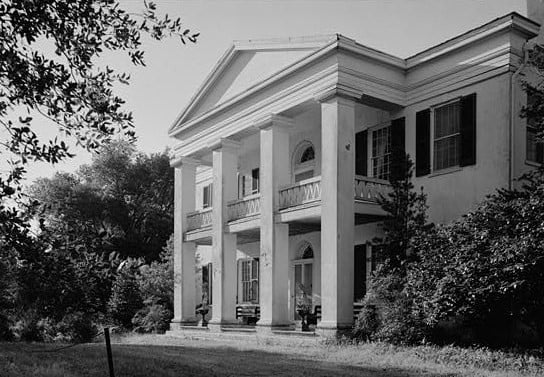
Natchez, MS
Monmouth is an 1818 Natchez mansion built by John Hankinson and acquired in 1826 by John A. Quitman, the lawyer-soldier-politician who served as a Mexican-American War general, Mississippi governor, and U.S. congressman. Quitman renovated the house in the Greek Revival style and held it until his death in 1858. It is a National Historic Landmark and operates today as a luxury inn.
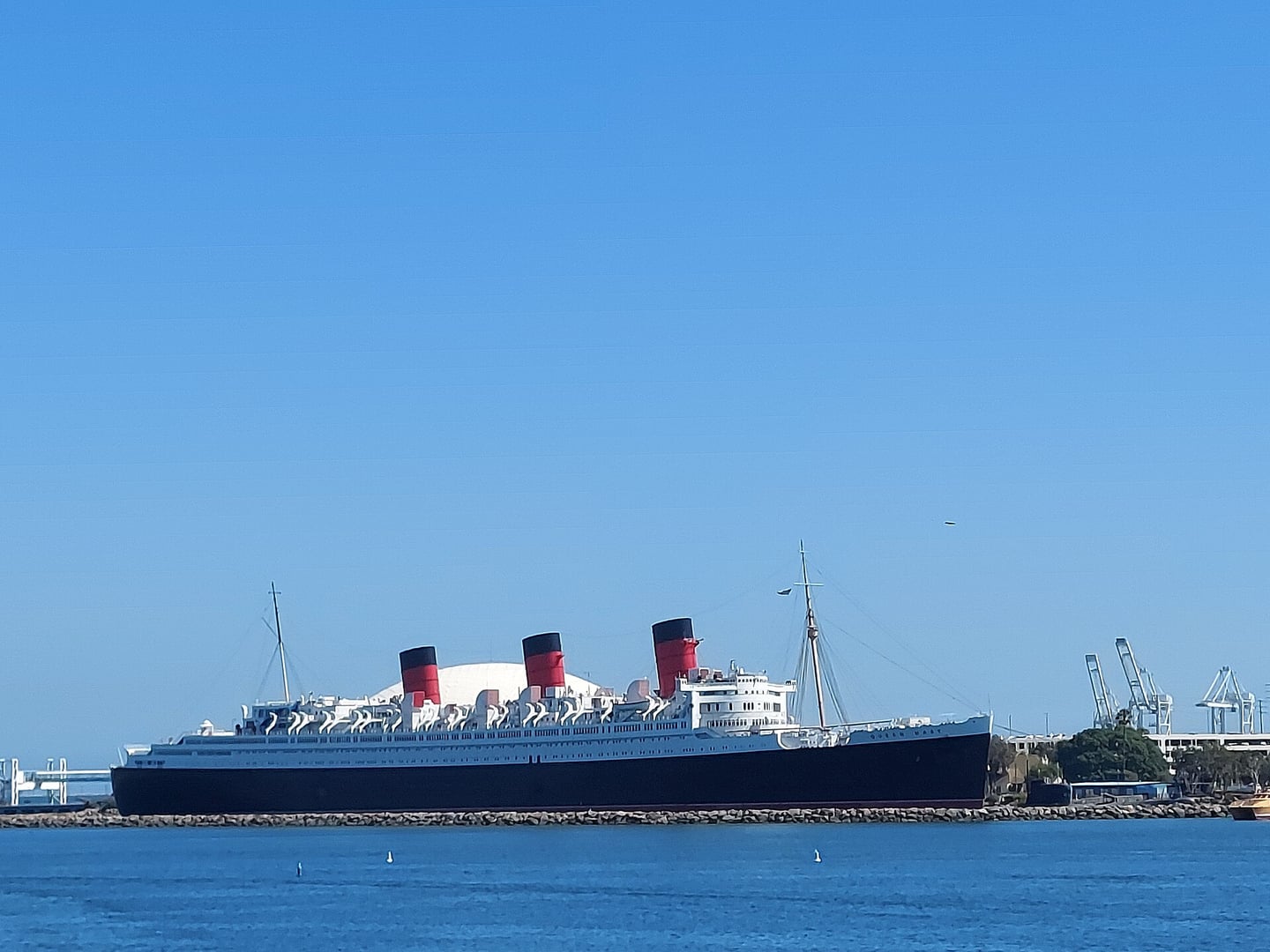
Long Beach, CA
The RMS Queen Mary was constructed at John Brown & Company's Clydebank shipyard beginning in 1930, launched September 26, 1934, and sailed her maiden voyage on May 27, 1936. Requisitioned as a troopship in 1939, she carried 810,000 soldiers under the nickname 'The Grey Ghost.' The ship has been permanently moored in Long Beach, California since December 1967.
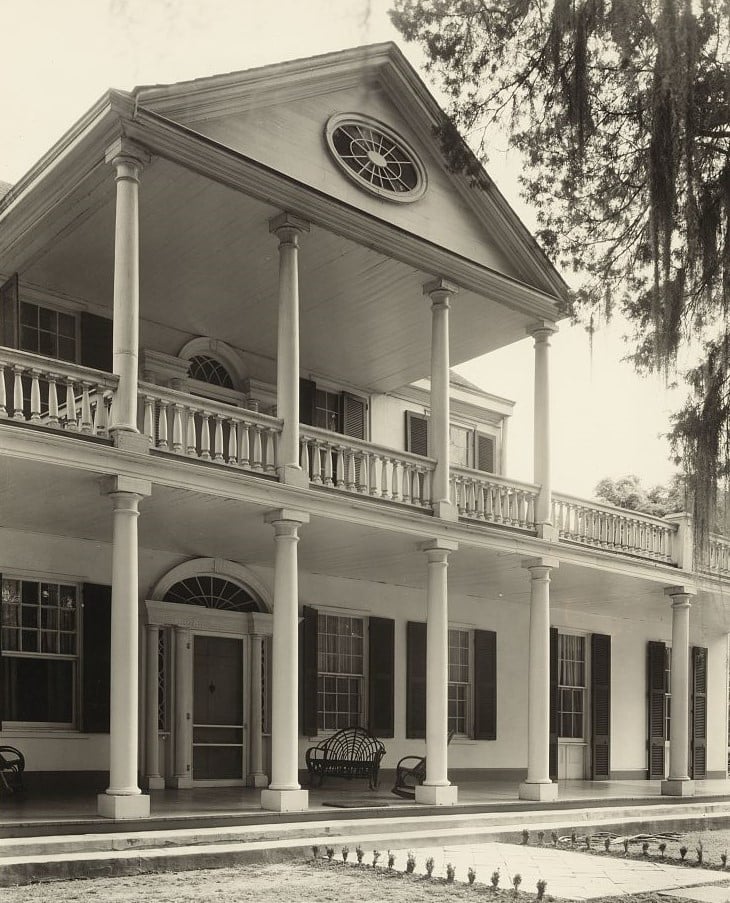
Natchez, MS
Linden is a circa-1785 Federal-style mansion on a 7-acre estate in Natchez, originally called Oaklands by builder Alexander Moore. U.S. Senator Thomas Buck Reed renamed it Reedland in 1818, and Dr. John Ker renamed it Linden in 1829. Jane Gustine Conner purchased the property in 1849 to raise her ten children, and the Conner family has retained ownership for six generations.