Overnight Stay Booking Required
Overnight stay in the 1818 mansion or estate cottages
Luxury overnight lodging in the main house or surrounding cottages on a 26-acre estate, with access to Restaurant 1818 and the Quitman Lounge.
- Duration:
- 12 hr
HauntBound archive · catalog record
Reported phenomena, as catalogued
1818 Natchez mansion and former plantation of slaveholder, Mexican-American War general, and Mississippi governor John A. Quitman; now a luxury inn whose halls report a uniformed apparition.
1358 John A. Quitman Blvd, Natchez, MS 39120
Research updated September 2026
Age
All Ages
Cost
$$$
Overnight rates typically range $200-$400+ per night; restaurant and tour pricing varies by package.
Access
Limited Access
Historic mansion with stairs; some ground-floor rooms and gardens are more accessible than upper floors.
Equipment
Photos OK
Est. 1818 · National Historic Landmark (1988) · Mississippi Landmark (1986) · Home of Mexican-American War general and Mississippi governor John A. Quitman · Documented slaveholding household in antebellum Natchez
Monmouth was built in 1818 by John Hankinson on a tract on the eastern edge of Natchez. New York-born attorney John Anthony Quitman purchased the property in 1826 for his wife Eliza Turner and their growing family, and Monmouth remained in the Quitman family for roughly a century. Quitman expanded and renovated the mansion in the fashionable Greek Revival style around 1853.
Quitman's career arc made him one of the most prominent figures in pre-Civil War Mississippi. He served in the state legislature and as a brigadier general of Mississippi volunteers in the Mexican-American War, where he led U.S. forces in the southern assault on the citadel of Chapultepec and received the surrender of Mexico City in 1847. He served briefly as governor of Mississippi in 1835-1836 and again in 1850-1851, then served in the U.S. House of Representatives until his death at Monmouth on July 17, 1858.
Quitman was also one of the leading slaveholders in the lower Mississippi Valley and an outspoken proponent of Southern secession in the years before the Civil War. By 1858 his estate included Monmouth and four working plantations operated with the labor of hundreds of enslaved people. Monmouth's own timeline documents specific enslaved individuals attached to the household, including an enslaved woman known as Aunt Dicey who was forced to serve as nursemaid to the Quitman children, and an enslaved valet named Harry Nichols. When U.S. forces took Natchez in 1862, several enslaved men from the Monmouth household — including Charles Vessels, Richard Austin, and Isaac — self-emancipated and enlisted in the Union Army.
The Quitman family held Monmouth until the early twentieth century, after which the property changed hands several times. It was designated a Mississippi Landmark in 1986 and a National Historic Landmark in 1988. Monmouth operates today as Monmouth Historic Inn & Gardens, a luxury bed-and-breakfast on a 26-acre estate that includes the original mansion, period gardens, and the on-site Restaurant 1818.
Sources
According to Haunted Rooms America and Paranormal Traveler, the central paranormal narrative at Monmouth concerns John A. Quitman himself. Guests and staff have reported a tall male apparition in full 19th-century military uniform appearing in hallways, on the gallery, and in the gardens, with at least one Room 30 guest account describing a uniformed figure standing in the room.
Haunted Rooms America and Mississippi Haunted Houses both describe the presence as protective or watchful rather than aggressive — a 'checking in on the property' tone that fits Quitman's documented identification with the house. No first-person paranormal investigation reports appear in the published archival record, and the inn does not formally market itself as a paranormal destination. Treat the lore as a consistent ghost-tour narrative cited by multiple aggregators rather than as documented evidence.
The paranormal narrative cannot be separated from the property's history of slavery. Any account that focuses only on the general's spirit while glossing over the enslaved people who built and maintained Monmouth — including Aunt Dicey, Harry Nichols, Charles Vessels, Richard Austin, and Isaac, all named in the inn's own timeline — is telling only half the story of who has the right to walk these halls.
Notable Entities
Luxury overnight lodging in the main house or surrounding cottages on a 26-acre estate, with access to Restaurant 1818 and the Quitman Lounge.
Daytime guided tour of the 1818 Greek Revival mansion and its formal gardens, with interpretation of the Quitman family era and the property's antebellum operations.
Some links on this page may earn HauntBound a small commission when you book, at no extra cost to you. Our editorial picks are independent. Full disclosure
See current room rates and availability at Monmouth Historic Inn & Gardens.
Check rates and bookRates come from booking partners, so a small property may not be listed. Book direct with Monmouth Historic Inn & Gardens
Every HauntBound history is researched from documented sources. We clearly separate verified historical fact from paranormal folklore.
Free Guide
10 verified stops, rated for families, mapped in order. Free.
One email to confirm, then the guide link. Unsubscribe anytime.
Natchez, MS
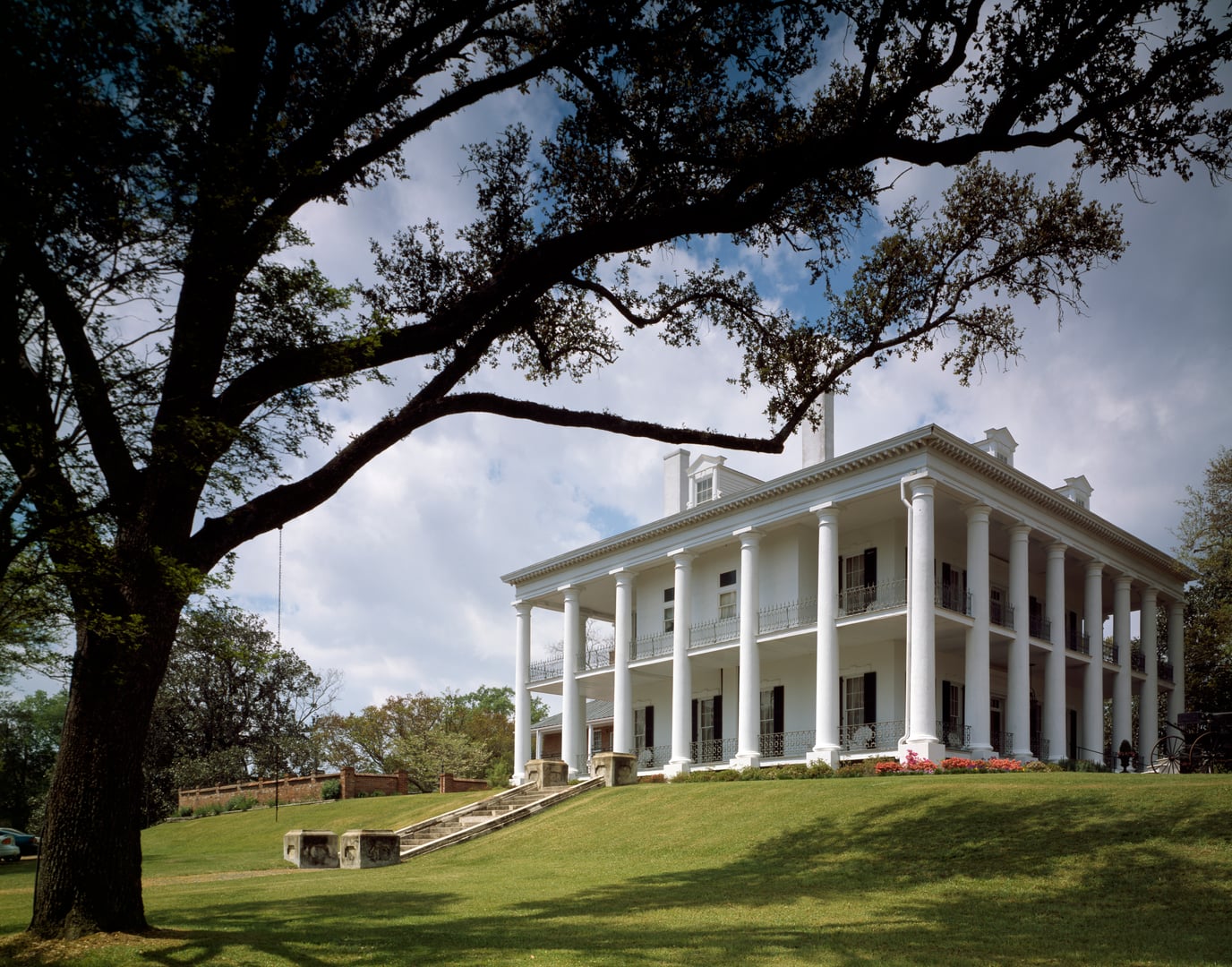
Dunleith is an antebellum mansion at 84 Homochitto Street in Natchez, built about 1855-1856 on the site of the earlier Routhland house. It is Mississippi's only surviving plantation house with a fully encircling 26-column Tuscan colonnade. After the original Routhland burned in 1855, Charles Dahlgren built the current house; planter Alfred Vidal Davis purchased it for $30,000 and renamed it Dunleith. It was designated a National Historic Landmark in 1974.
Long Beach, CA
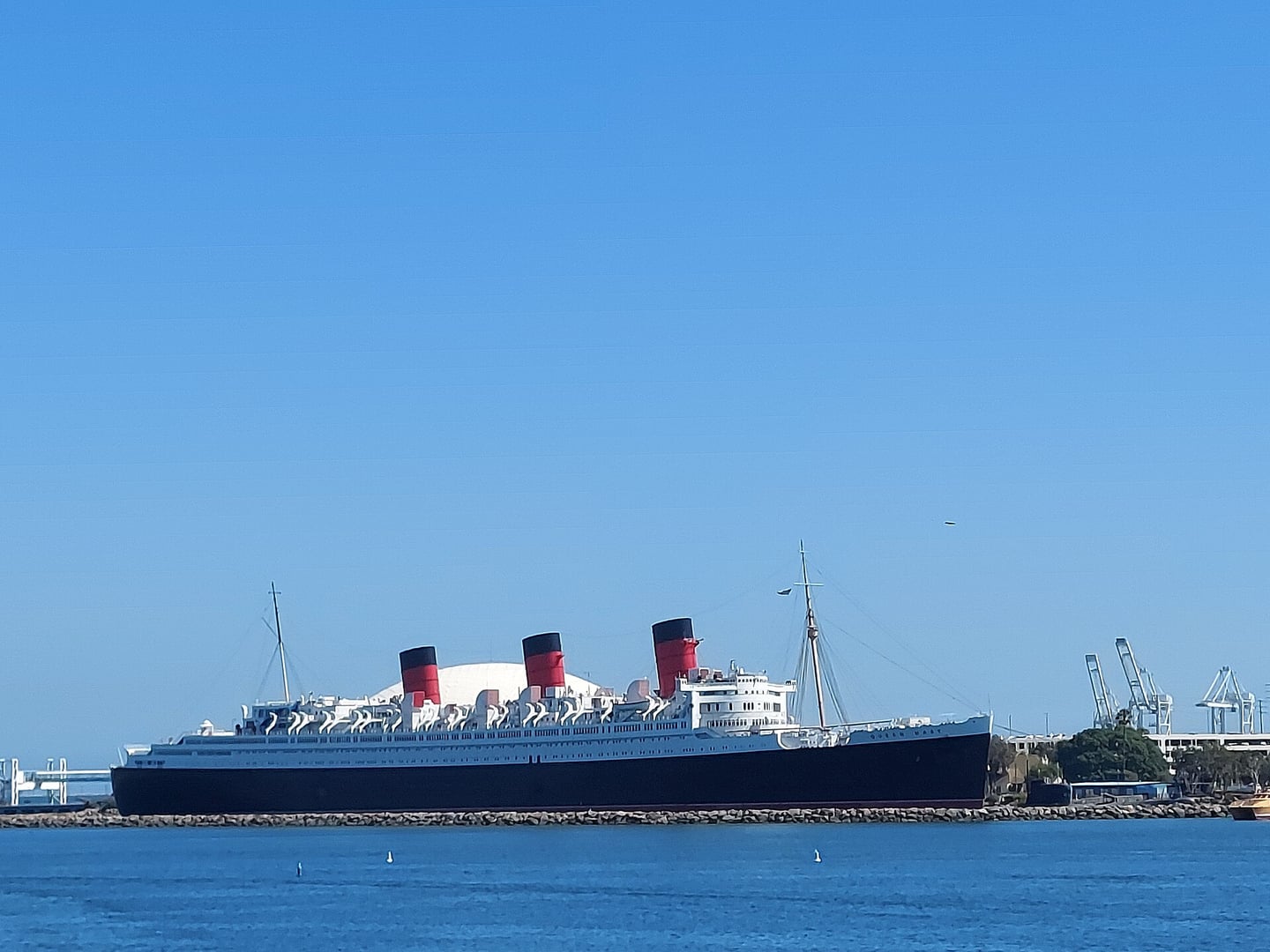
The RMS Queen Mary was constructed at John Brown & Company's Clydebank shipyard beginning in 1930, launched September 26, 1934, and sailed her maiden voyage on May 27, 1936. Requisitioned as a troopship in 1939, she carried 810,000 soldiers under the nickname 'The Grey Ghost.' The ship has been permanently moored in Long Beach, California since December 1967.
Natchez, MS
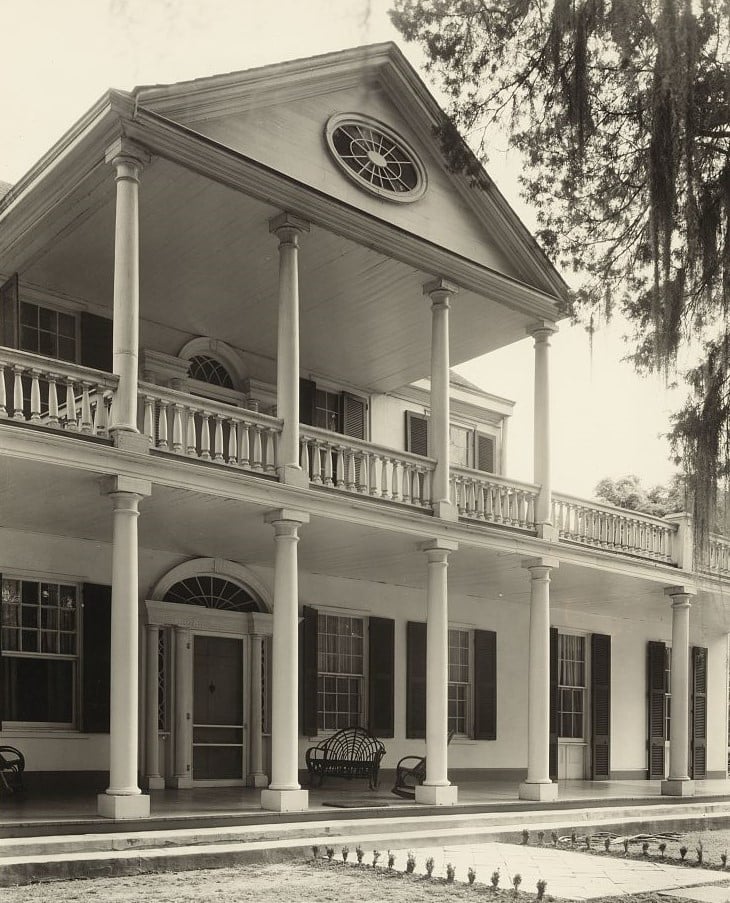
Linden is a circa-1785 Federal-style mansion on a 7-acre estate in Natchez, originally called Oaklands by builder Alexander Moore. U.S. Senator Thomas Buck Reed renamed it Reedland in 1818, and Dr. John Ker renamed it Linden in 1829. Jane Gustine Conner purchased the property in 1849 to raise her ten children, and the Conner family has retained ownership for six generations.