Est. 1899 · Civil War Strategic Turning Point · National Park Service · Vicksburg National Cemetery · USS Cairo Recovery
The Siege of Vicksburg ran from March 29 through July 4, 1863, the culmination of a five-month Union campaign by Major General Ulysses S. Grant's Army of the Tennessee against Confederate Lieutenant General John C. Pemberton's defending force. The campaign's strategic objective was Confederate control of the Mississippi River, anchored at Vicksburg by an elaborate hilltop fortification system overlooking the river bend.
Grant's army crossed the Mississippi south of Vicksburg in late April 1863 and conducted a campaign of maneuver through central Mississippi that included the captures of Port Gibson, Raymond, Jackson, Champion Hill, and Big Black River Bridge before pinning Pemberton's army inside the Vicksburg defenses. The siege itself opened with two unsuccessful Union assaults on May 19 and May 22, after which Grant settled into a sustained encirclement supported by artillery bombardment and naval guns on the river.
The civilian population of Vicksburg sheltered in caves dug into the hillsides during the bombardment. Food supplies dwindled to mule meat and rats by late June. Pemberton surrendered the city on July 4, 1863, the day after the Union victory at Gettysburg. The combined Union victories at Gettysburg and Vicksburg are commonly identified by Civil War historians as the strategic turning point of the war. Nearly 8,000 soldiers died across the campaign and siege.
Vicksburg National Military Park was established on February 21, 1899 to commemorate the siege and defense of the city. The park and the adjacent Vicksburg National Cemetery were transferred from the War Department to the National Park Service on August 10, 1933. The cemetery contains the graves of more than 17,000 Union dead from the Vicksburg campaign and surrounding engagements, the largest single concentration of Union Civil War burials.
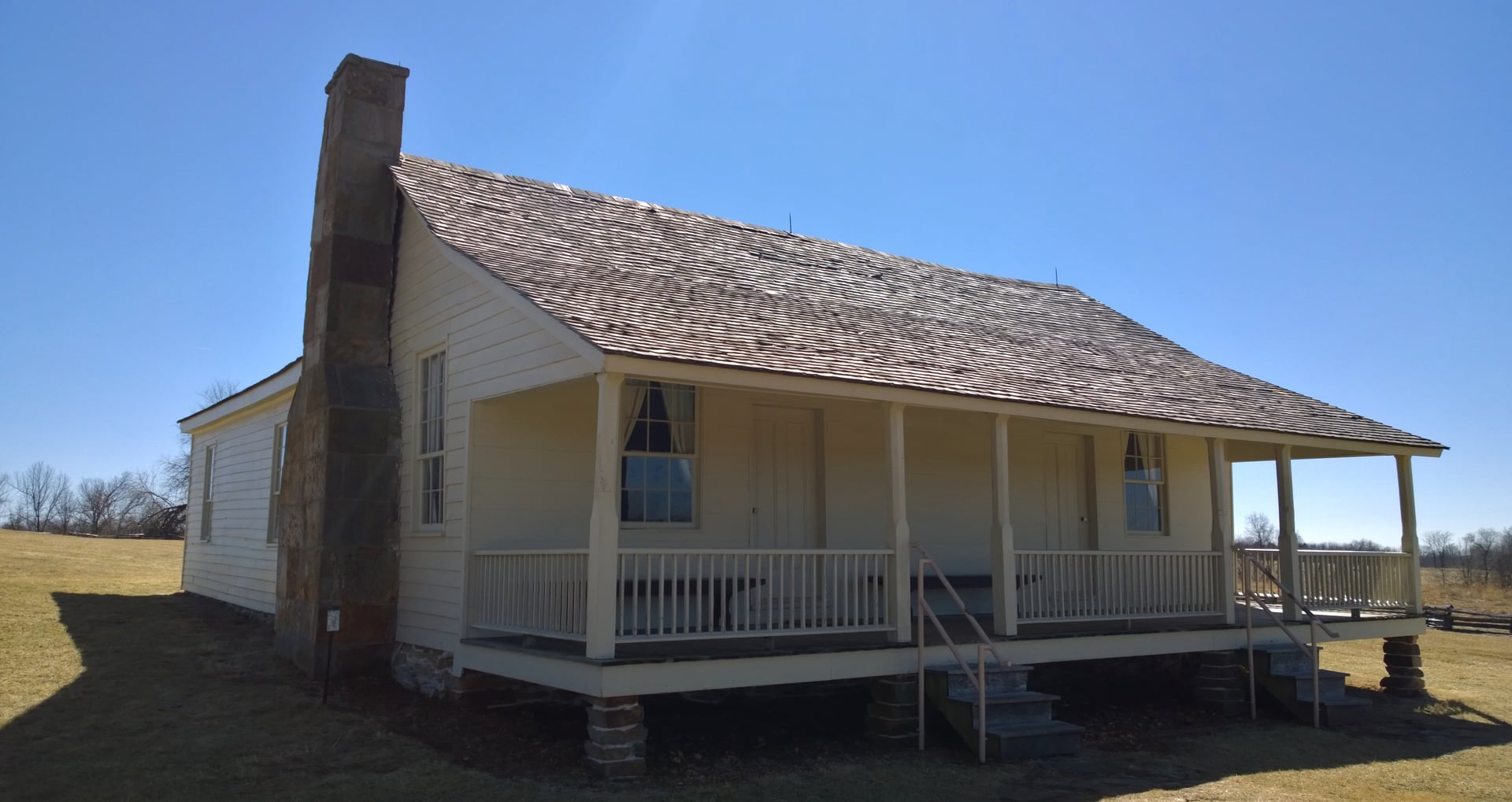
The park's 1,800 acres include 1,325 historic monuments and markers, 20 miles of preserved trenches and earthworks, a 16-mile auto-tour road, a 12.5-mile walking trail, two antebellum homes used during the siege (the Shirley House and the Pemberton House), 144 emplaced cannons, and the restored Union ironclad gunboat USS Cairo. The Cairo, sunk in the Yazoo River by an electrically detonated mine on December 12, 1862, was recovered in 1964 and reassembled within the park.
Sources
- https://en.wikipedia.org/wiki/Vicksburg_National_Military_Park
- https://www.nps.gov/vick/
- https://www.battlefields.org/visit/heritage-sites/vicksburg-national-military-park
- https://www.vicksburgpost.com/2023/02/25/spirits-of-the-siege-ghosts-haunting-vicksburg-long-after-battle-ends/
- https://www.visitvicksburg.com/blog/myths-of-vicksburg-national-military-park/
ApparitionsPhantom soundsPhantom footstepsShadow figures
Vicksburg's paranormal record reflects the scale of the documented casualty figure: nearly 8,000 soldier deaths across the surrounding campaign and the 47-day siege produced one of the densest concentrations of battlefield mortality in the Civil War's western theater. Visitors and park staff have reported the sounds of distant cannon and musket fire across the auto-tour route, particularly during the quiet hours just before sunset.
Reports describe the sound of marching boots and groups of unseen feet approaching from behind on the walking trails, with witnesses turning to find an empty trail. Soldier apparitions in both Union and Confederate uniforms have been reported at multiple tour stops, with the Shirley House and the surrounding Union siege positions producing the most consistent reports.
Vicksburg National Cemetery, with more than 17,000 Union burials, has produced reports of glowing roads at night, columns of light without an apparent source, and the figures of soldiers walking the grave rows. The granite and bronze monuments scattered across the park have generated their own folklore, including the tradition that the bronze figures cry tears that locals call blood-red during the anniversary of the siege.
The National Park Service does not actively promote the paranormal narrative. The park's closure to public access after dark, established in standard NPS policy, has the effect of restricting most nighttime paranormal-investigation activity to neighboring private properties. Visitors interested in the documented historical record will find substantially more depth in the NPS interpretive program and the American Battlefield Trust's published material than in the surrounding ghost-tour folklore. The substantive dark-tourism interest of the site lies in its preservation as a strategic-turning-point Civil War battlefield and in the scale of the Vicksburg National Cemetery.