Est. 1863 · National Historic Landmark · Civil War Turning Point · National Park Service Battlefield
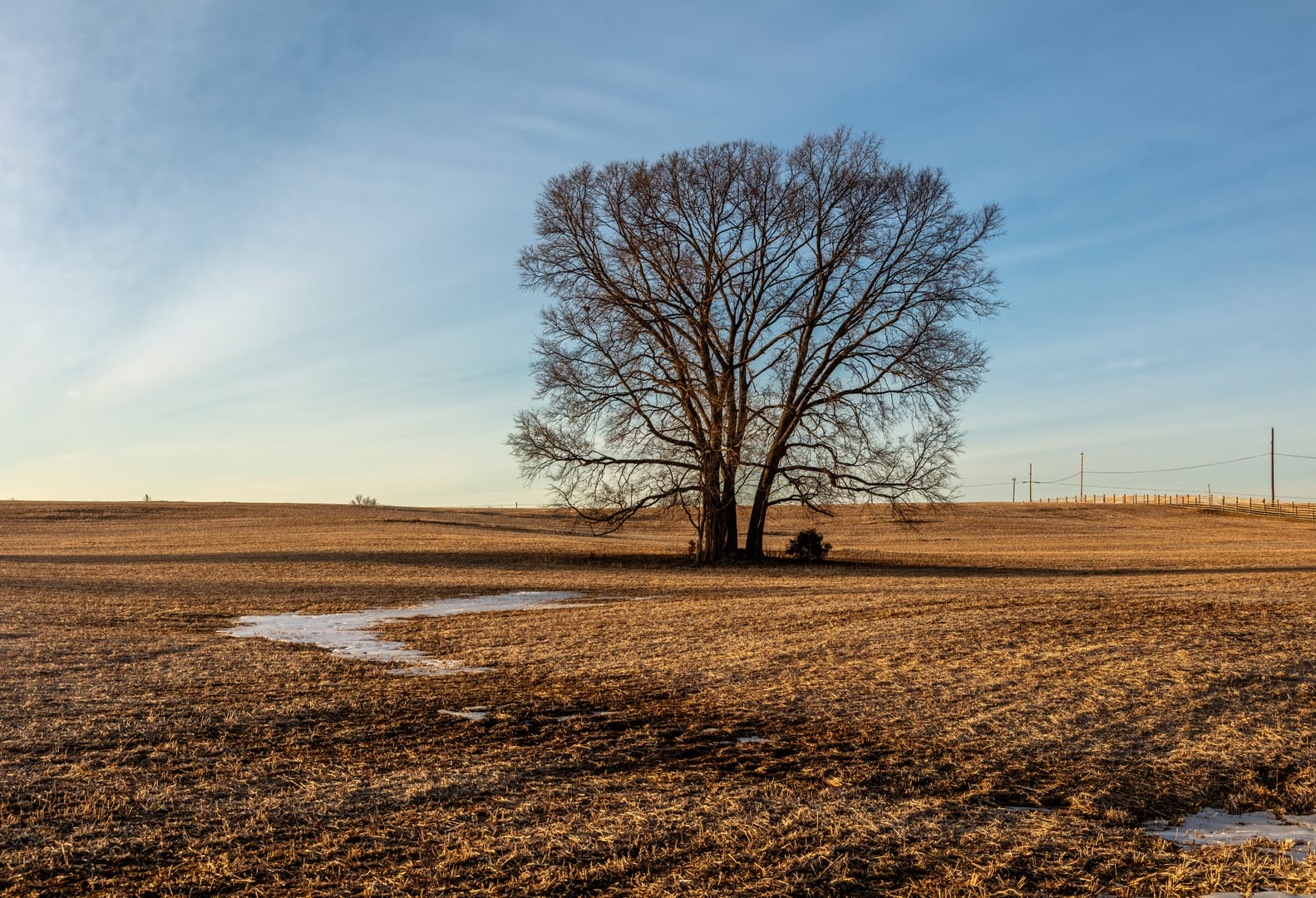
The Battle of Gettysburg unfolded July 1-3, 1863, when the Army of Northern Virginia under General Robert E. Lee collided with the Army of the Potomac under General George G. Meade on the rolling farmland north and south of the Pennsylvania town. The first day pushed Union forces back through Gettysburg to the high ground at Cemetery Hill and Culp's Hill. The second day produced the most-photographed terrain in American military history: Confederate assaults on Little Round Top, Devil's Den, the Wheatfield, and the Peach Orchard, met by Union counter-attacks that held the southern flank at heavy cost. On the third day, Lee ordered the assault now known as Pickett's Charge against the Union center on Cemetery Ridge; close to half of the roughly 12,500 attacking Confederates became casualties in under an hour.
Combined casualties across the three days reached approximately 51,000 killed, wounded, captured, or missing. Lee retreated to Virginia on July 4-5 in heavy rain. The Confederacy never again mounted a major offensive into the North, and the battle is widely regarded as the strategic turning point of the war.
The Gettysburg Battlefield Memorial Association acquired key parcels beginning in 1864. The site became Gettysburg National Military Park in 1895 and was transferred to the National Park Service in 1933. The park now encompasses roughly 6,000 acres, more than 1,300 monuments and markers, and one of the most complete collections of preserved Civil War terrain in the United States.
Sources
- https://www.nps.gov/gett/index.htm
- https://en.wikipedia.org/wiki/Gettysburg_Battlefield
- https://en.wikipedia.org/wiki/Battle_of_Gettysburg
- https://www.warhistoryonline.com/instant-articles/battle-of-gettysburg-the-haunted.html
- https://shsnews.org/53737/showcase/october-ghost-series-gettysburg-national-military-park/
ApparitionsShadow figuresPhantom soundsPhantom voicesEquipment malfunctionBattery drainPhantom footstepsResidual haunting
Gettysburg may be the most-documented haunted landscape in the United States. Mark Nesbitt, a former NPS ranger turned author and tour operator, published the first volume of Ghosts of Gettysburg in 1991 and has since collected thousands of first-person accounts from visitors, residents, and park employees.
Devil's Den, the boulder field where Texas and Georgia infantry held position on July 2, is the most-cited hotspot. Visitors describe figures in period dress glimpsed among the rocks; camera malfunctions specifically associated with attempts to photograph the area; and the sense of a presence on the adjacent Triangular Field, which slopes west from Devil's Den toward Rose Woods. Long-form accounts collected by Nesbitt describe sharpshooters' silhouettes seen along the tree line, drum rolls heard in still air, and impressions of motion through the tall grass.
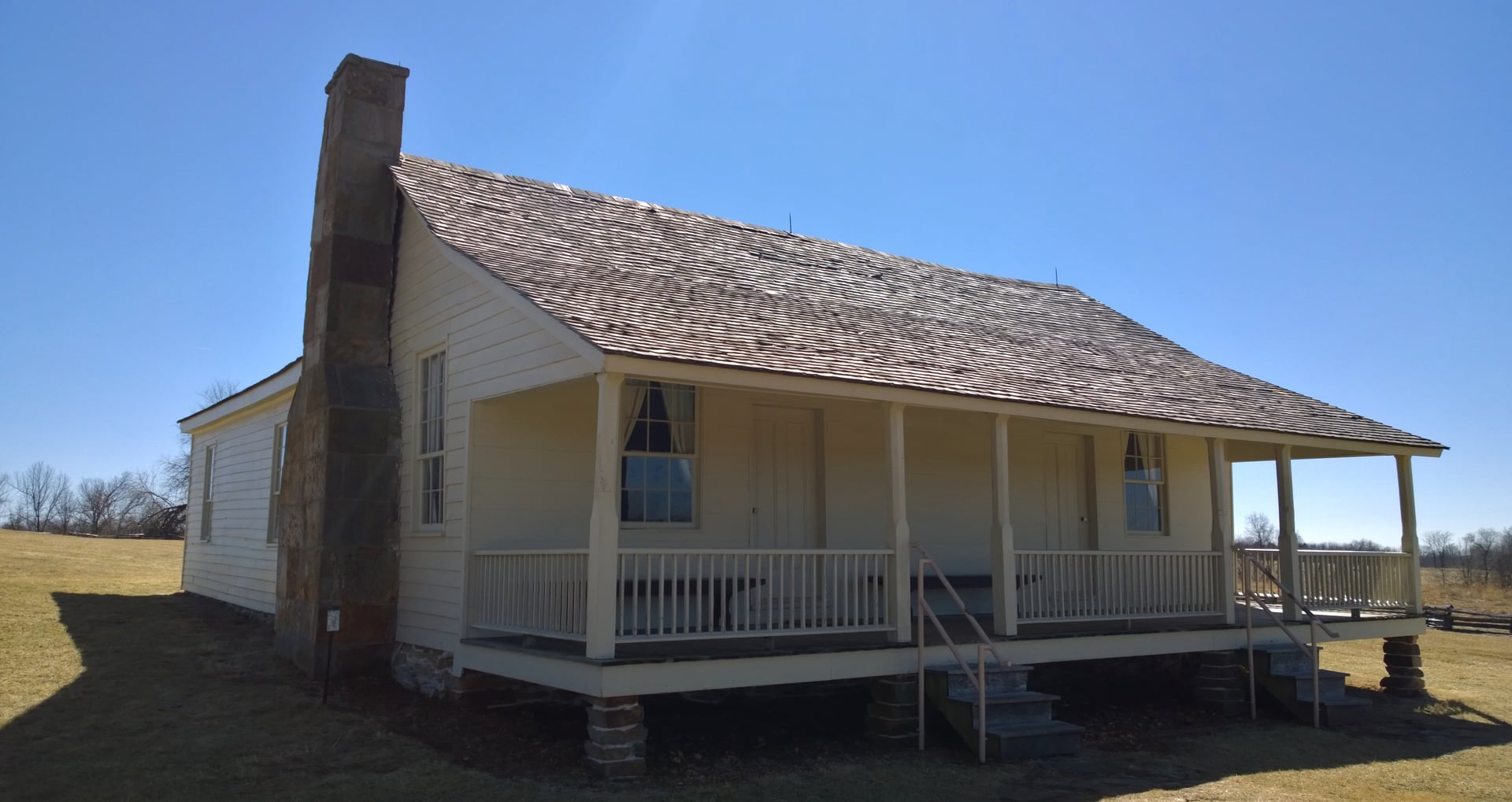
Little Round Top, the Wheatfield, and the Spangler Farm — used as a Confederate field hospital — appear frequently in collected reports. Pennsylvania Hall (now part of Gettysburg College) is the subject of a widely retold account from the late 1980s in which two administrators stepped off an elevator into what they described as a fully operational Civil War surgical ward. The account is reproduced in multiple published collections.
The National Park Service treats the paranormal interest as a sociological phenomenon: NPS does not endorse the reports, prohibits commercial ghost tours from operating inside park boundaries, and emphasizes the documented military and civilian history. Independent ghost-tour companies operate from the town and visit perimeter stops on public roads.
Notable Entities
Confederate sharpshooters at Devil's DenThe Pennsylvania Hall surgical ward apparitions
Media Appearances
- Ghost Adventures
- Ghost Hunters
- Most Terrifying Places in America
- Unsolved Mysteries: Ghosts of Gettysburg segment (1996)
- Ghosts of Gettysburg: Spirits, Apparitions and Haunted Places of the Battlefield by Mark Nesbitt (1991)
- Expedition X: Ghosts of Gettysburg (S11E18) (2026)
- Haunted History: Ghosts of Gettysburg (2013)
- Gettysburg (dir. Ronald F. Maxwell; first film granted NPS permission to shoot on park grounds, including Little Round Top and Devil's Den) (1993)
- The Civil War: The Universe of Battle (Ep. 5 of Ken Burns's PBS miniseries, anchored on the Battle of Gettysburg) (1990)