Est. 1956 · Assassination of Civil Rights Leader · NAACP Mississippi Campaign · Civil Rights Movement — Mississippi · US National Monument (designated 2019) · Byron De La Beckwith Murder Trial
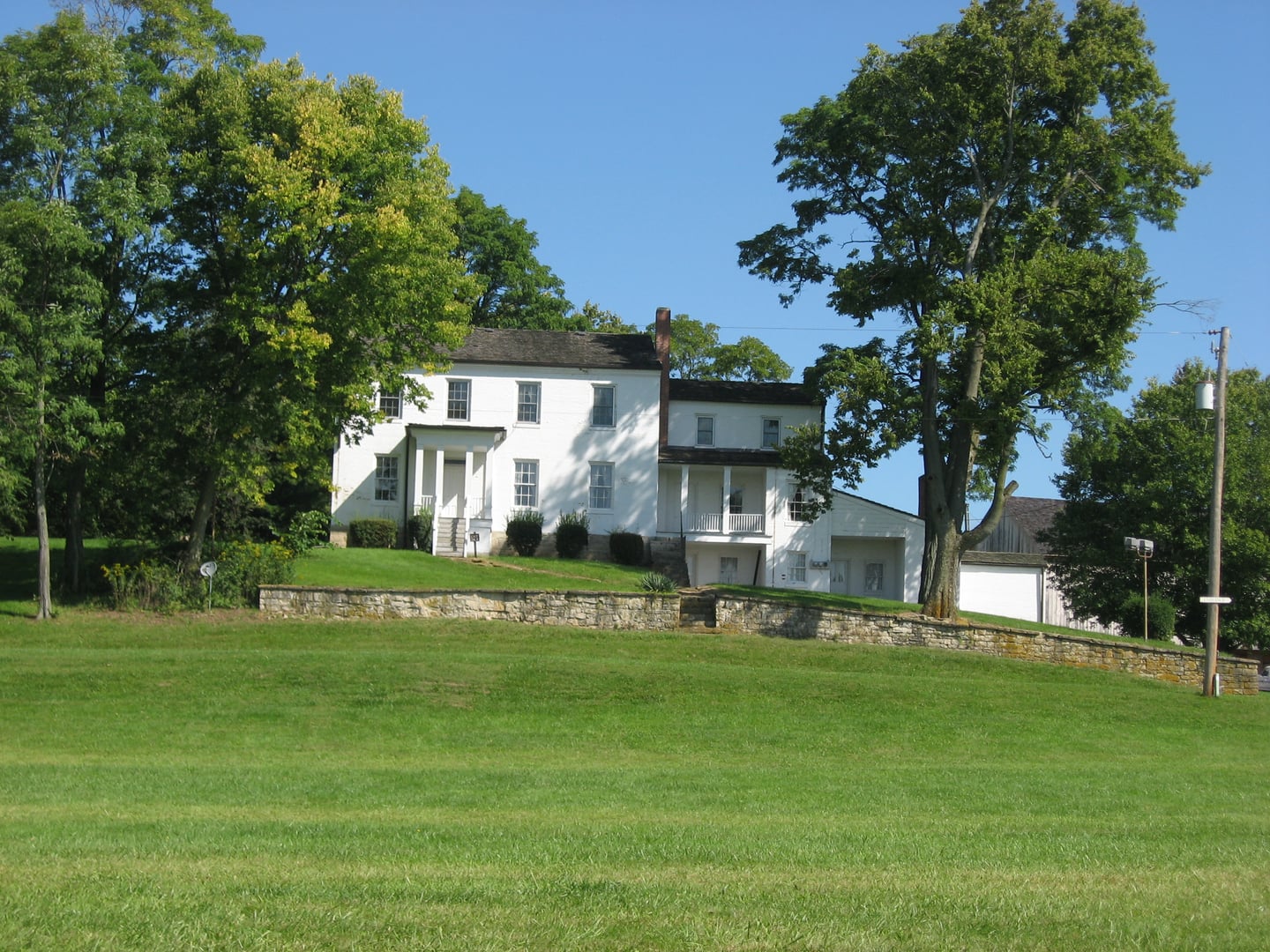
Medgar Wiley Evers was the NAACP's first field secretary in Mississippi, recruited to the role in 1954. His work in Jackson focused on voter registration, investigating racial violence (including the 1955 murder of Emmett Till), and organizing boycotts against businesses that discriminated against Black customers. The family chose the house at 2332 Margaret W Alexander Drive deliberately — it was a corner lot with sight lines the family believed made it safer.
On the night of June 11-12, 1963, President Kennedy delivered a nationally televised address on civil rights. Evers watched it with NAACP supporters and returned home after midnight. He was struck by a single rifle bullet in the back as he crossed his driveway. The bullet passed through him, ricocheted off the interior wall, and came to rest in the kitchen. He died at University of Mississippi Medical Center approximately 50 minutes later, having reportedly said "Turn me loose." He was 37 years old.
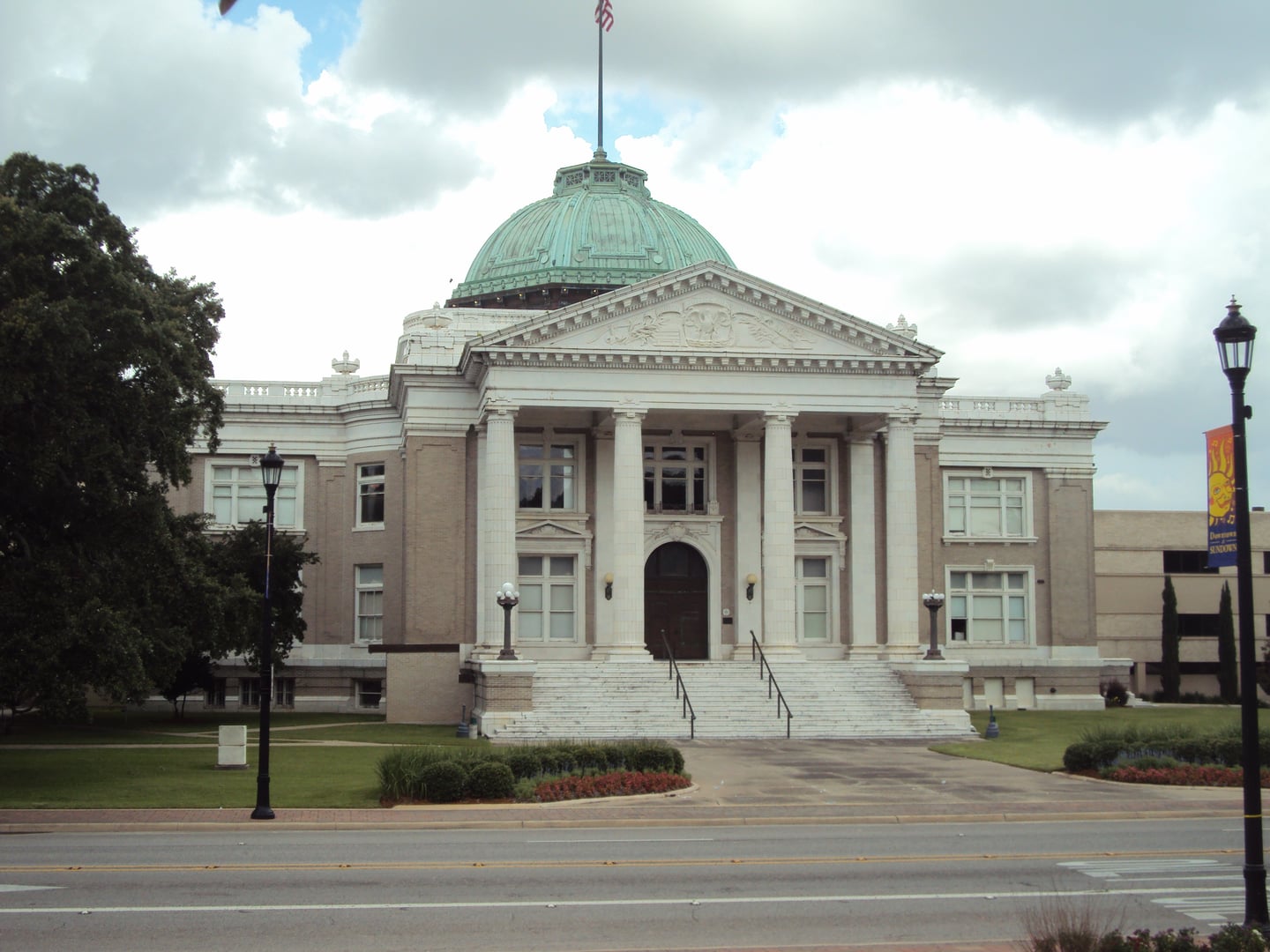
Byron De La Beckwith, a white supremacist and Citizens' Council member, was arrested and tried twice in 1964. Both all-white juries deadlocked. Beckwith lived free for the next three decades, occasionally boasting about the killing publicly. In 1994, District Attorney Ed Peters and prosecutor Bobby DeLaughter secured a third trial using new evidence; Beckwith was convicted of murder and sentenced to life in prison. He died in custody in 2001.
In 2019, the home was designated a National Monument under the Antiquities Act. The National Park Service completed restoration to the 1963 appearance and opened it for public tours. The monument is also listed on the US Civil Rights Trail. Myrlie Evers-Williams, who became NAACP board chair in 1995, was instrumental in bringing the case back to trial.
Sources
- https://en.wikipedia.org/wiki/Medgar_and_Myrlie_Evers_Home_National_Monument
- https://www.nps.gov/memy/planyourvisit/basicinfo.htm
- https://civilrightstrail.com/attraction/medgar-evers-home/
- https://www.fbi.gov/history/famous-cases/medgar-evers
The National Park Service operates the Evers Home as a historic monument rather than a paranormal site, and no organized paranormal claims have been associated with it. The site's power comes from physical specificity: the driveway where Evers collapsed, the kitchen where the bullet came to rest after passing through him, the children's rooms where his family slept through the night's aftermath.
Visitor accounts focus on the emotional weight of the restoration — the period-accurate furnishings, the layout that makes the events of June 12, 1963 spatially legible. Several accounts on civil rights travel platforms describe the tour as disorienting in its quiet domesticity against the magnitude of what occurred in that driveway.
The monument sits on the US Civil Rights Trail, and the NPS framing emphasizes legacy and ongoing struggle rather than the specific violence. No commercial paranormal programming has been associated with this site, and none would be appropriate given its designation and the living family members connected to it.
Notable Entities
Medgar Wiley Evers — NAACP Mississippi Field Secretary, assassinated June 12, 1963Myrlie Evers-Williams — Medgar's wife; later NAACP board chair; instrumental in securing Beckwith's 1994 convictionByron De La Beckwith — convicted murderer; died in custody 2001
Media Appearances
- Ghosts of Mississippi (film, 1996)