Est. 1872 · Civil War Recovery Era · Corinth Post-Battle Reconstruction · Victorian Architecture
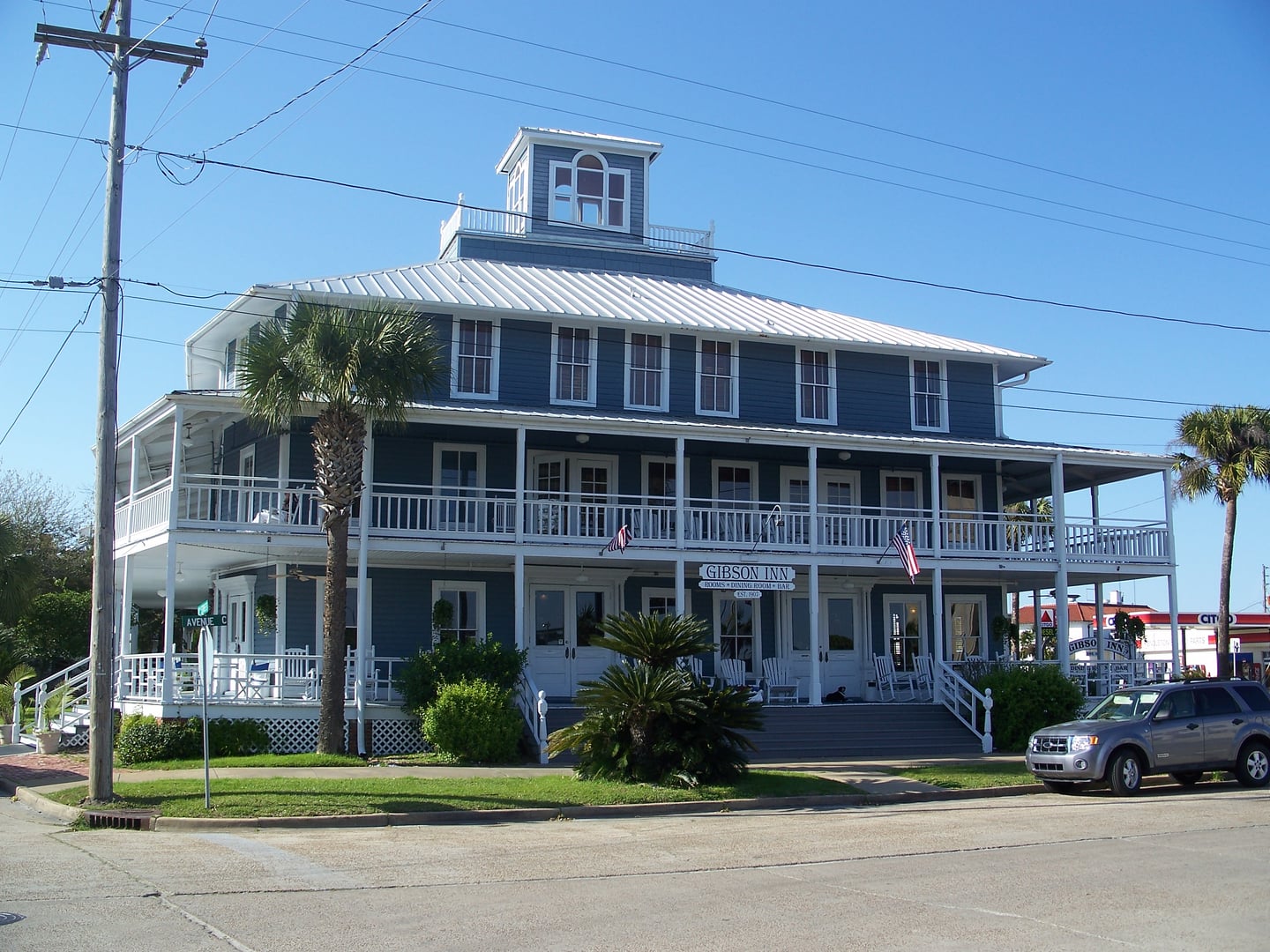
The two Grand Victorian homes at 924 Fillmore Street in Corinth were constructed circa 1872, in the recovery decade that followed the Civil War's most destructive period in northeastern Mississippi. Corinth had been the site of two major engagements: the Siege of Corinth in spring 1862 and the Battle of Corinth that October. The town's strategic position at the junction of two major rail lines made it a prize both armies contested at significant human cost. Following each engagement, Corinth's private homes, churches, and commercial buildings were converted into field hospitals and, eventually, mortuaries.
The homes on Fillmore Street were built as Corinth rebuilt after the war. By the time they were converted into a bed and breakfast—operating as the Generals' Quarters Inn—the town had accumulated a documented layer of Civil War history that pervades its architecture and its cemeteries.
The inn sits within proximity of the Siege and Battle of Corinth Sites, a collection of earthworks, breastworks, and preserved battle positions that earned National Historic Landmark designation as part of the broader effort to document the Corinth campaign. The Verandah-Curlee House, which served as Confederate and Union generals' headquarters during the same campaigns, is a short walk away.
Sources
- https://www.thegeneralsquarters.com/
- https://www.onlyinyourstate.com/stays/mississippi/most-haunted-places-to-stay-overnight-in-ms
Ghostly voicesDoors opening and closing without causeLights extinguishing without causePhantom footsteps on stairsElectronics malfunctioning
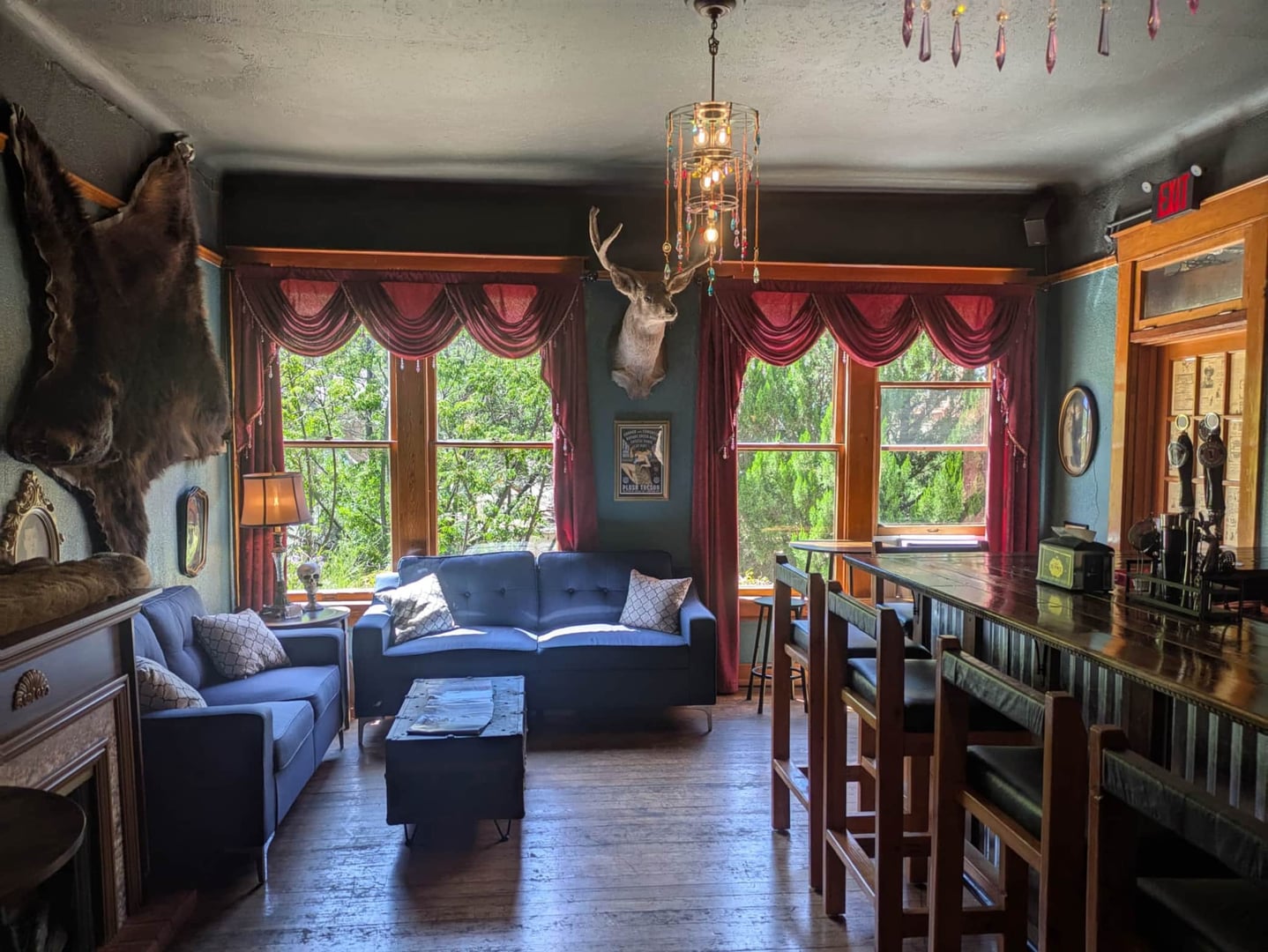
The Generals' Quarters Inn has accumulated paranormal reports consistent across multiple guest accounts. Second-floor guests have reported hearing voices with no identifiable source, doors opening and closing without anyone near them, and lights going out inexplicably. At least one guest reported a cell phone powering off overnight despite being plugged in; another described a vivid and disturbing experience in a first-floor room with storage doors mounted above the bed.
The spirit most frequently associated with the inn in aggregator sources is described as a servant who died after falling down a flight of stairs, whose presence is reported as the sound of footsteps ascending the stairs in the early morning hours. This account appears in haunted-places databases and is part of the inn's informal paranormal reputation in Corinth. The claim is drawn from aggregator sources rather than primary documentation and should be understood in that context.
The inn's location in Corinth—a town where the Civil War's two major 1862 engagements killed thousands and converted every standing structure into a hospital—provides a historical backdrop that local guides and dark-tourism writers consistently cite. The specific connection between the Civil War dead and the inn's reported activity is thematic rather than documented.