Overnight Stay Booking Required
Overnight Stay at Belle of the Bends
Stay overnight in the 1876 Italianate mansion on six acres in the Kleins Landing Historic Community above the Mississippi River.
- Duration:
- 12 hr
HauntBound archive · catalog record
Reported phenomena, as catalogued
1876 Italianate post-bellum mansion on the bluffs above the Mississippi River — built by State Senator Murray F. Smith and named for an 1898 packet steamboat — now a B&B with modest haunting reports.
508 Klein Street, Vicksburg, MS 39180
Research updated May 2026
Age
All Ages
Cost
$$
Overnight B&B rates; some sources list rooms from approximately $139 per night.
Access
Limited Access
1876 Italianate mansion with original staircase
Equipment
Photos OK
Est. 1876 · 1876 Italianate Post-Bellum Mansion · Built By Mississippi State Senator Murray F. Smith · Named After Steamboat 'Belle Of The Bends' (1898) · Vicksburg Historic Landmark
The Belle of the Bends mansion was built in 1876 by Mississippi State Senator Murray F. Smith, on a bluff overlooking the Mississippi River in what is now the Kleins Landing Historic Community, four blocks from the current riverfront casino. It is a Victorian Italianate house notable for hand-carved millwork and original crystal chandeliers.
The house was named after the steamboat Belle of the Bends, a Mississippi River packet built in 1898 that served as flagship of the parade celebrating the opening of the Yazoo Diversion Canal at Vicksburg in January 1903.
The mansion is listed as a Vicksburg Historic Landmark and is documented in the Vicksburg Pilgrimage records. It is currently owned and operated as a bed-and-breakfast by innkeepers Dan Ahern Lee and Mary Ahern Lee, who have given the property its current 'Ahern's Belle of the Bends' name.
As an 1876 post-bellum property the house's construction itself sits outside the slavery era, though it sits within Vicksburg's broader cotton-economy townscape on the Klein-estate uplands.
Sources
Belle of the Bends's haunting reports appear across HauntedPlaces.org, MississippiHauntedHouses, and the Ghosts & Getaways Vicksburg roundup. The owner-described account is of a 'gentleman spirit' said to have occupied a downstairs room during the Civil War era — note that the house itself postdates the war by more than a decade, so the alleged Civil War association would predate the current structure on adjoining land.
The gentleman spirit is reported moving between rooms, including visiting an upstairs room formerly occupied by a female resident. Guests describe sensing a feminine presence in some upstairs rooms and the smell of perfume; fleeting sightings of a gentleman in old-fashioned dress are also reported in multiple aggregator entries.
Reports remain modest in intensity relative to other Vicksburg antebellum and post-bellum properties, but lore is now corroborated across three independent paranormal-tourism outlets.
Notable Entities
Stay overnight in the 1876 Italianate mansion on six acres in the Kleins Landing Historic Community above the Mississippi River.
A daytime guided tour of the mansion's Italianate millwork, original crystal chandeliers, and grounds.
Some links on this page may earn HauntBound a small commission when you book, at no extra cost to you. Our editorial picks are independent. Full disclosure
Every HauntBound history is researched from documented sources. We clearly separate verified historical fact from paranormal folklore.
Free Guide
10 verified stops, rated for families, mapped in order. Free.
One email to confirm, then the guide link. Unsubscribe anytime.
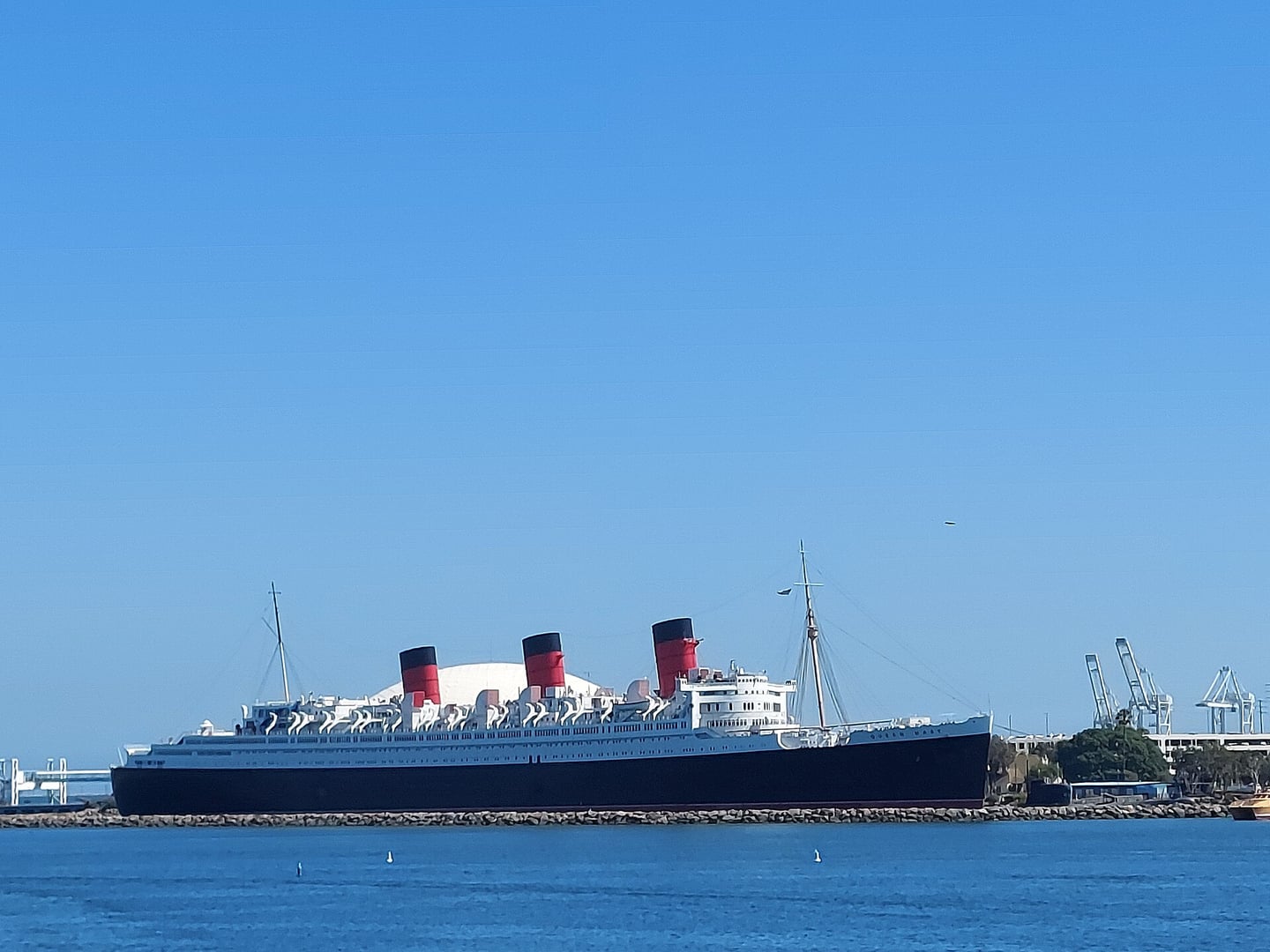
Long Beach, CA
The RMS Queen Mary was constructed at John Brown & Company's Clydebank shipyard beginning in 1930, launched September 26, 1934, and sailed her maiden voyage on May 27, 1936. Requisitioned as a troopship in 1939, she carried 810,000 soldiers under the nickname 'The Grey Ghost.' The ship has been permanently moored in Long Beach, California since December 1967.
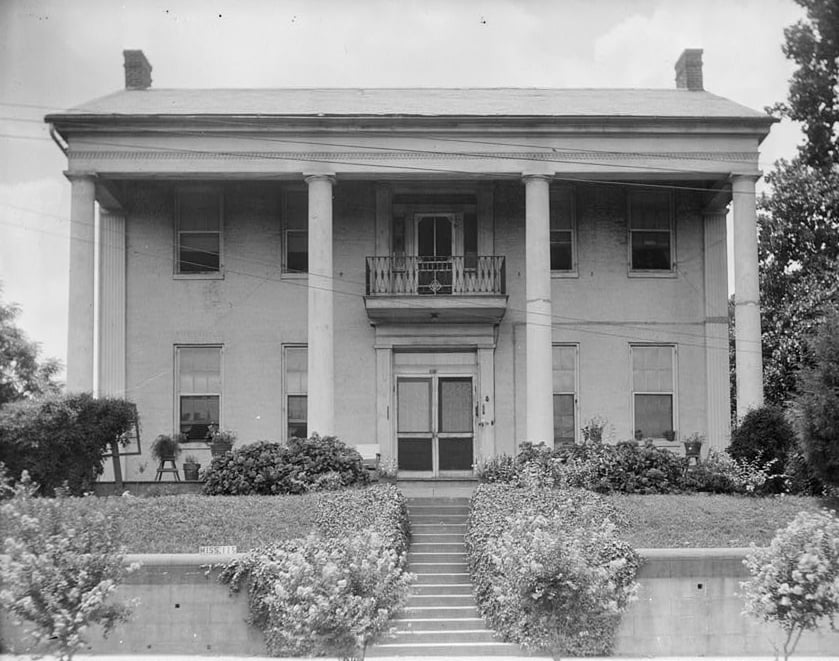
Vicksburg, MS
Anchuca is a Greek Revival mansion at 1010 First East Street in Vicksburg, Mississippi, built in 1830 in the Federal style by local politician J. W. Mauldin and enlarged in 1847 by merchant Victor Wilson with a two-story portico. The Archer family occupied the home from 1837. Listed on the National Register of Historic Places, the home survived the 1863 Siege of Vicksburg and was used afterward as a hospital; Jefferson Davis delivered a public address from its balcony in 1869.
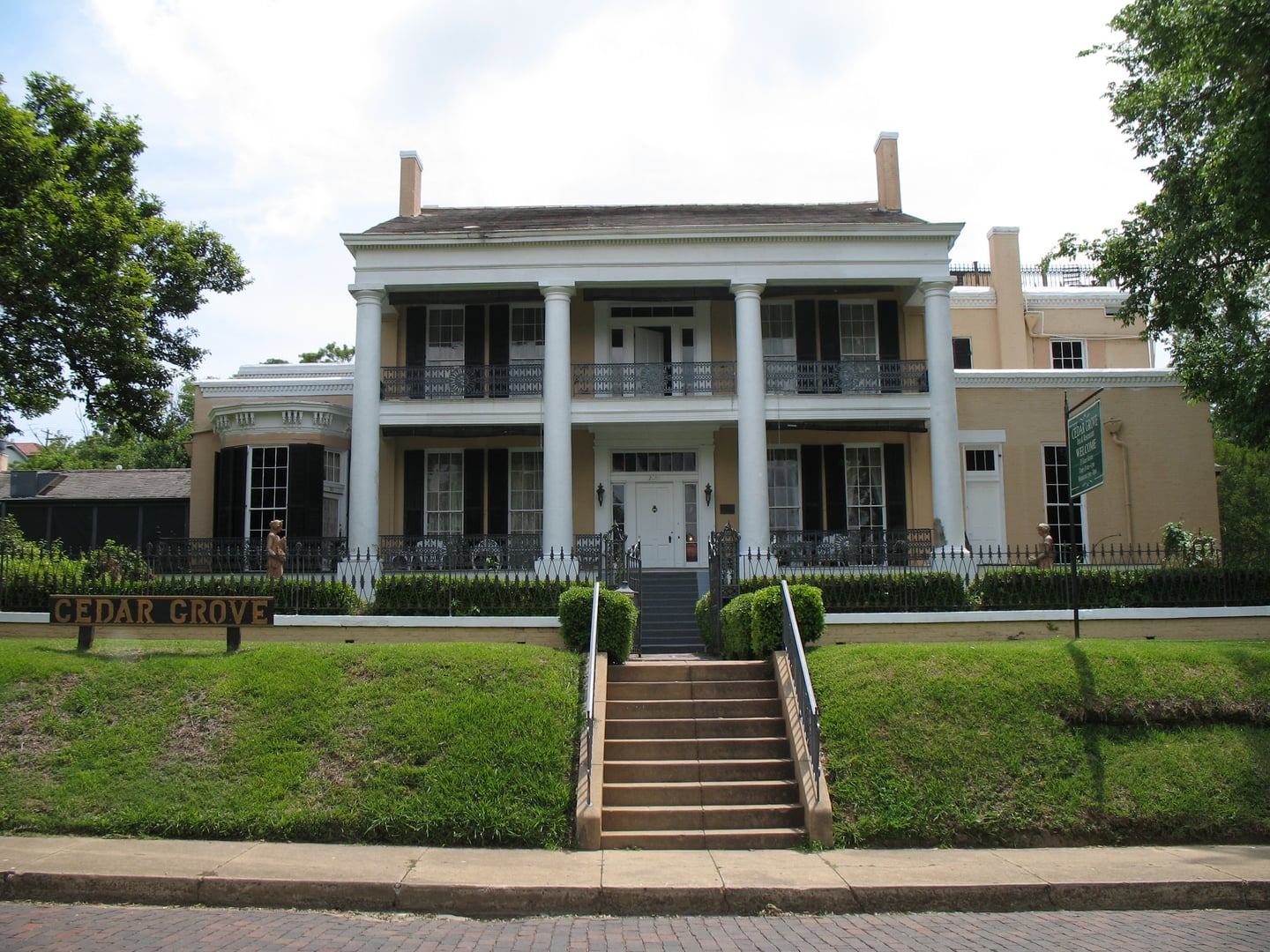
Vicksburg, MS
Cedar Grove Mansion is a Greek Revival antebellum house at 2200 Oak Street in Vicksburg, Mississippi, begun in 1840 by jeweler-banker John Alexander Klein for his bride Elizabeth Bartley Day and largely completed by 1842. The house was struck dozens of times during the 1863 Union siege of Vicksburg, and one cannonball remains lodged in a parlor wall. It now operates as an inn and restaurant.