Est. 1890 · Site of the historic Laura Kelly memorial statue · Italian-carved Victorian funerary monument · Local landmark in Attala County
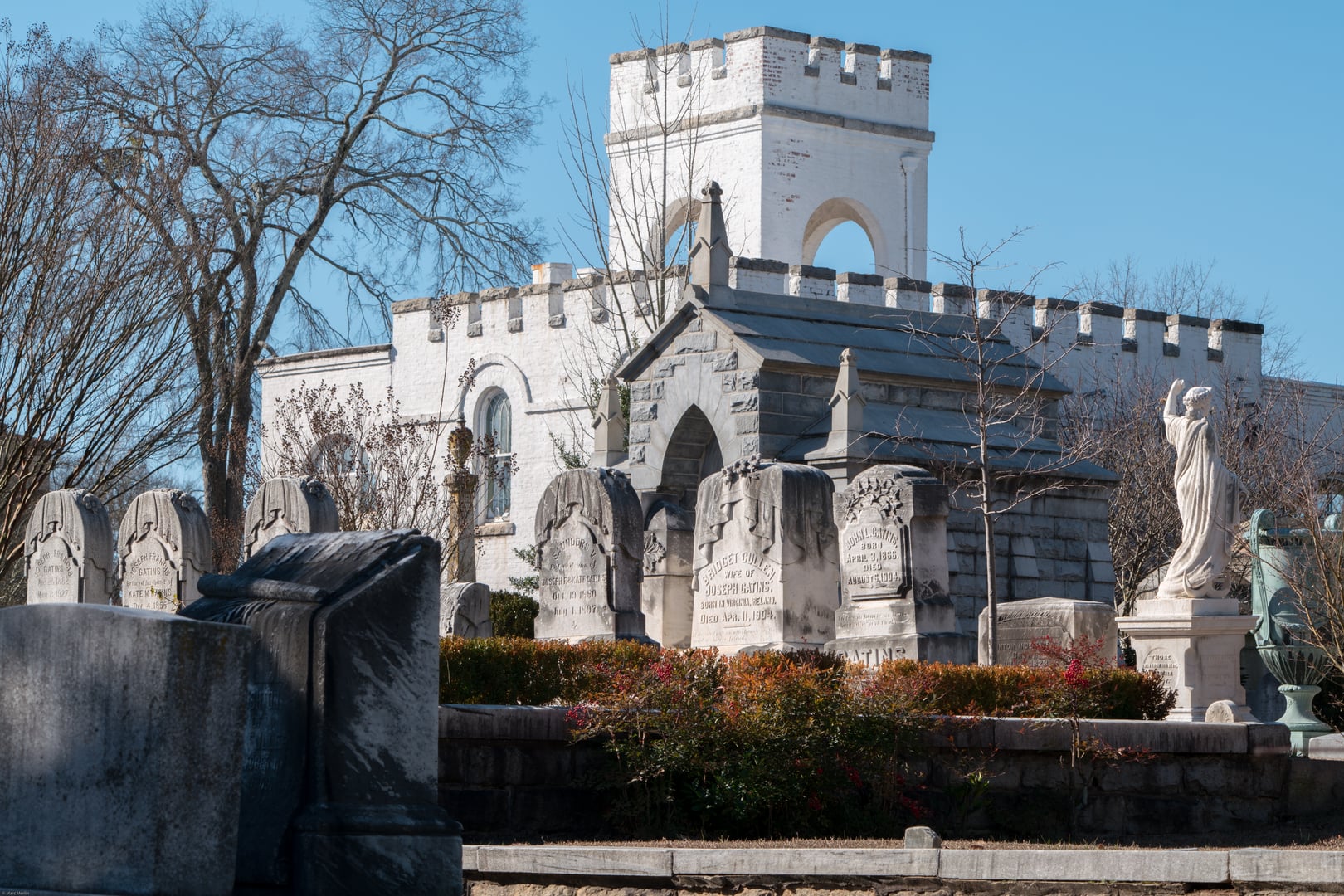
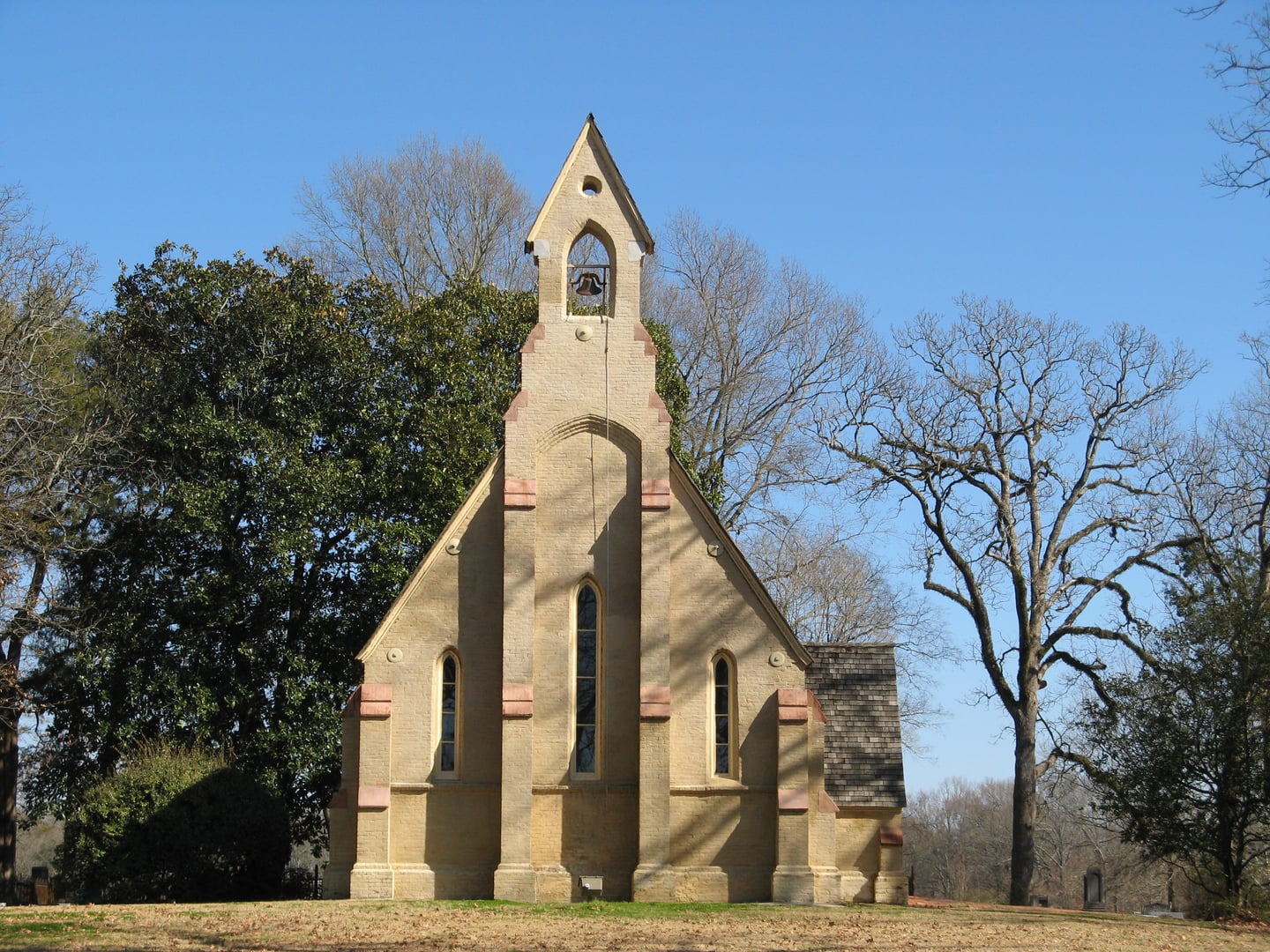
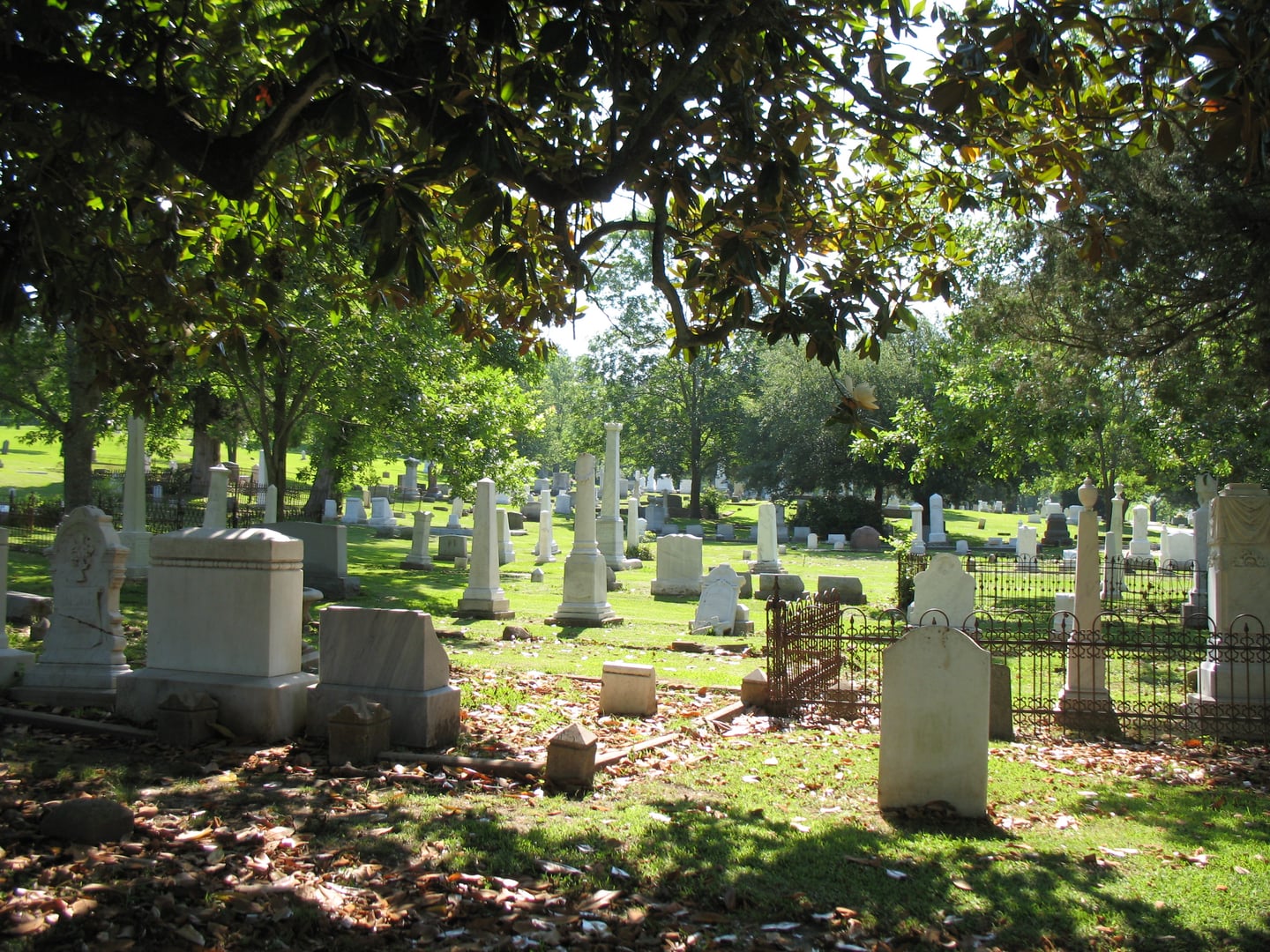
The Kosciusko City Cemetery serves the town of Kosciusko in Attala County, Mississippi, and is best known for the monument to Laura Van Mitchell Kelly. Laura was born November 15, 1852, and died November 29, 1890, at the age of 38. Of her five children, only one daughter, Alta, survived to adulthood.
After Laura's death, her husband, Clement Clay Kelly, commissioned a life-size statue in her memory. According to local accounts and the Kosciusko Star-Herald, the sculptor worked from a photograph and a dress sent to Italy so the figure would resemble Laura closely. The resulting monument, roughly fifteen feet tall on its granite base, is the tallest in the cemetery and a recognized local landmark.
A popular version of the story holds that Clay Kelly added a third story to the family home on East Jefferson Street so he could gaze upon his wife's monument. Local researchers have questioned this detail, noting that the cemetery lies a considerable distance from the house, making such a view unlikely; the third-story claim is regarded by some as an embellishment to an already poignant story. The Kelly residence itself is a documented three-story Victorian house.
The statue has been vandalized more than once, with its right hand severed and later restored through community fundraising and the efforts of Kelly descendants, including a great-granddaughter who compiled a book about Laura's life to support the restoration.
Sources
- https://thehauntedlibrarian.com/2021/09/07/the-lady-in-the-cemetery-laura-mitchell-kelly/
- https://www.starherald.net/news-kosciusko-kosciusko-front-page-slideshow/constructing-new-hand-kelly
- https://www.onlyinyourstate.com/experiences/mississippi/ms-cemeteries
Statue appearing to weepFresh rose said to appear in the statue's hand on the anniversary of deathReports the statue turns on its base at midnight
The folklore surrounding the Kosciusko City Cemetery centers on the Laura Kelly monument. According to visitor accounts collected by OnlyInYourState and other Mississippi folklore sources, the statue at times appears to weep, and on the anniversary of Laura's death a fresh rose is said to appear in her cupped hand. Some retellings add that the statue slowly rotates on its base at midnight.
The original Shadowlands submission that seeded this entry repeats the weeping and anniversary-rose details and attributes the identification of the figure as "Mrs. Kelly" to an elderly visitor. That identification is correct in substance: the documented subject is Laura Van Mitchell Kelly, and the broad outline of a grieving husband commissioning a lifelike statue abroad is well established in local history.
It should be noted that the more dramatic paranormal claims are anecdotal. Careful local research, such as that of The Haunted Librarian, finds that the best-documented lore historically associated with the statue involves visitors circling it, while the weeping, rose, and rotation phenomena are sustained largely through popular ghost-lore retellings rather than firsthand documentation.
Notable Entities
Laura Van Mitchell Kelly (1852-1890)
Media Appearances
- Mississippi folklore coverage (OnlyInYourState and others)