Haunted Minnesota

101 haunted destinations cataloged across Minnesota, spanning 45 counties. The collection features museum, haunted hotel, and outdoor — every listing verified with family ratings, accessibility info, and practical visit logistics.

101 locations 45 counties 10 classifications 60 wheelchair accessible

Featured in Minnesota

Top 6
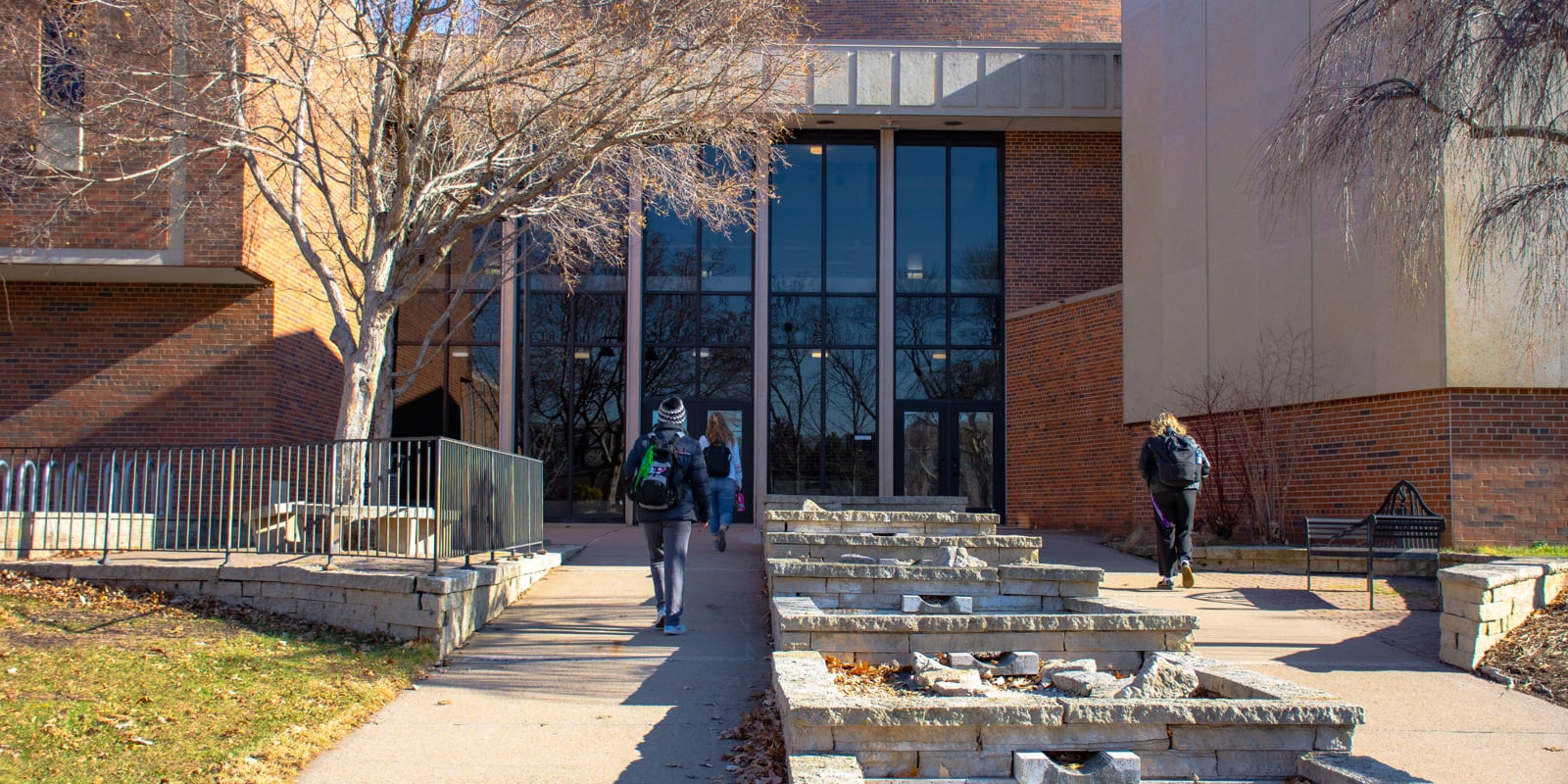
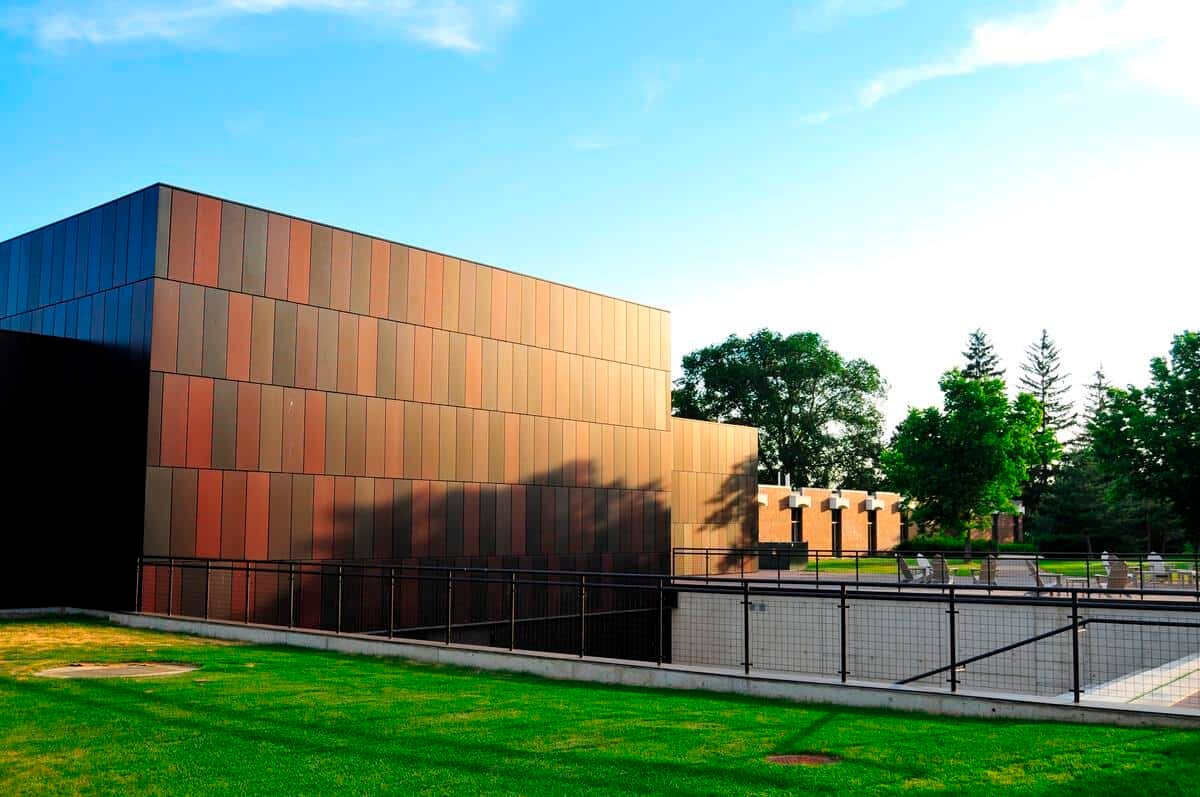
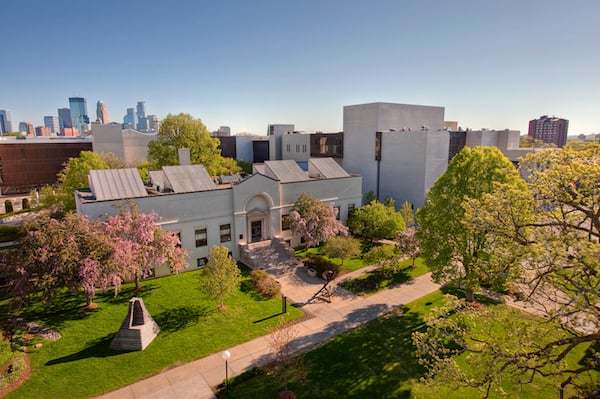
Minneapolis College of Art and Design campus building on Stevens Ave in South Minneapolis Minnesota
Other Dark Tourism Site

Minneapolis College of Art and Design

Minneapolis, MN

Minneapolis College of Art and Design was founded in 1886 as the Minneapolis School of Fine Arts, affiliated with the Minneapolis Society of Fine Arts (now the Minneapolis Institute of Art). The school moved to its current 2501 Stevens Ave campus in 1915; the Julia Morrison Memorial Building was completed in 1916 (architect Edwin Hawley Hewitt), with a 1974 expansion designed by Kenzo Tange. MCAD is an accredited four-year college offering BFA and MFA degrees.

$ All Ages Family: High
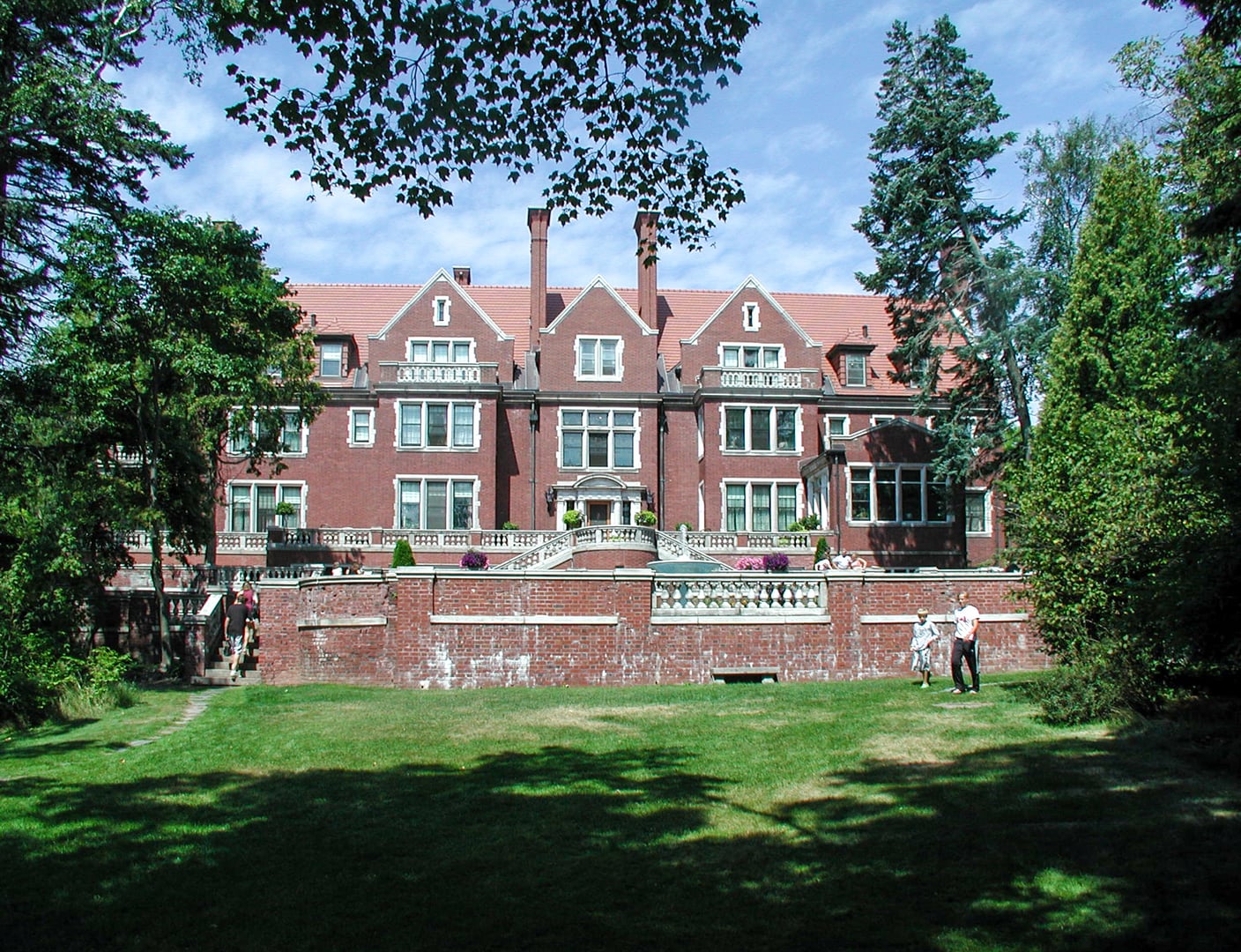
Lake Superior view of Glensheen Mansion, the historic Congdon estate in Duluth, Minnesota
Museum / Historical Site

Glensheen Mansion

Duluth, MN

Glensheen is a 39-room Jacobean Revival mansion on twelve acres of Lake Superior shoreline in Duluth, built between 1905 and 1908 for mining magnate Chester Adgate Congdon. The University of Minnesota Duluth has operated the estate as a historic-house museum since 1979. The site became internationally known after the June 27, 1977, murders of heiress Elisabeth Congdon and her night nurse Velma Pietila.

$$ All Ages Family: Moderate
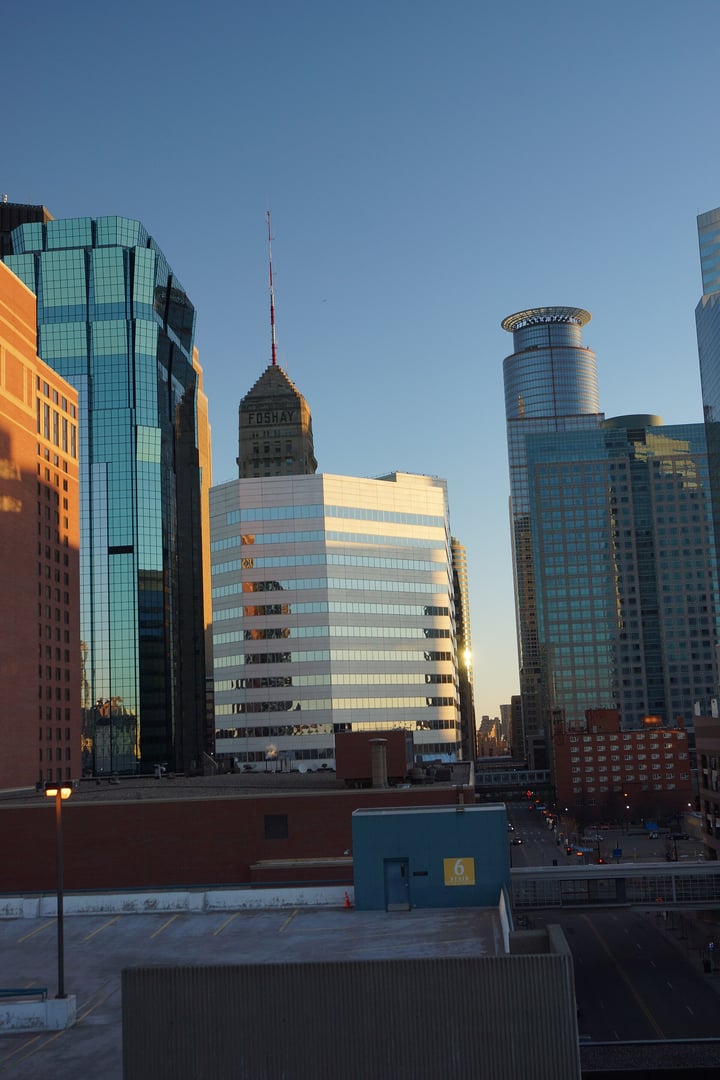
Exterior of the Foshay Tower in downtown Minneapolis, Minnesota — a 32-story Art Deco obelisk-form skyscraper completed in 1929 and modeled on the Washington Monument, now the W Minneapolis hotel
Haunted Hotel / Inn

Foshay Tower (W Minneapolis - The Foshay)

Minneapolis, MN

The Foshay Tower is a 32-story, 447-foot Art Deco skyscraper completed August 30, 1929 by utilities magnate Wilbur B. Foshay (1881-1957). Designed by Léon Eugène Arnal of Magney & Tusler and modeled on the Washington Monument, it was the tallest building in Minneapolis until 1972. Foshay's utility empire collapsed weeks after the dedication; he later served three years for mail fraud. The building was added to the National Register of Historic Places in 1978 and converted to the W Minneapolis hotel in 2008.

$$$ All Ages Family: High
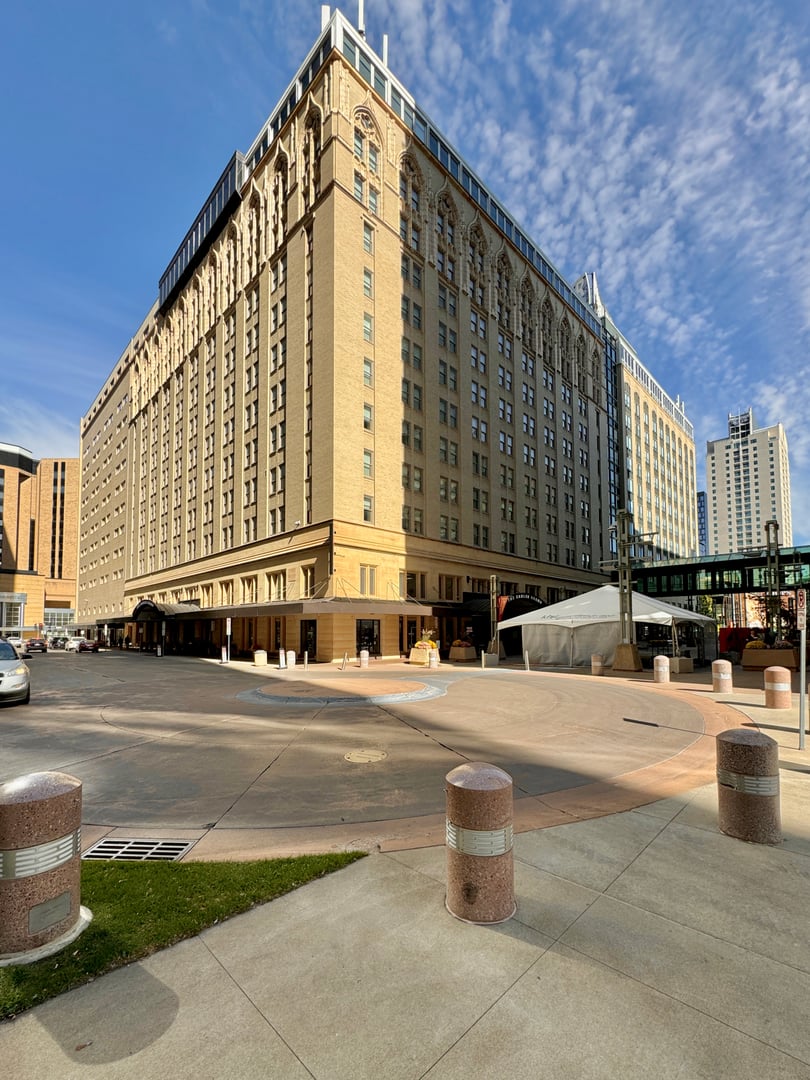
Exterior of the Kahler Grand Hotel at 2nd Avenue SW and 1st Street SW in Rochester, Minnesota, showing the 1921 Gothic Revival buff brick facade
Haunted Hotel / Inn

Kahler Grand Hotel

Rochester, MN

The Kahler Grand Hotel opened on September 27, 1921 at the corner of 2nd Avenue SW and 1st Street SW in Rochester, directly across from the Mayo Clinic's 1914 building and connected to it by tunnel. The eleven-story structure functioned simultaneously as an upscale hotel and a 210-bed hospital with operating suites; hospital functions were phased out in 1953.

$$$ All Ages Family: High
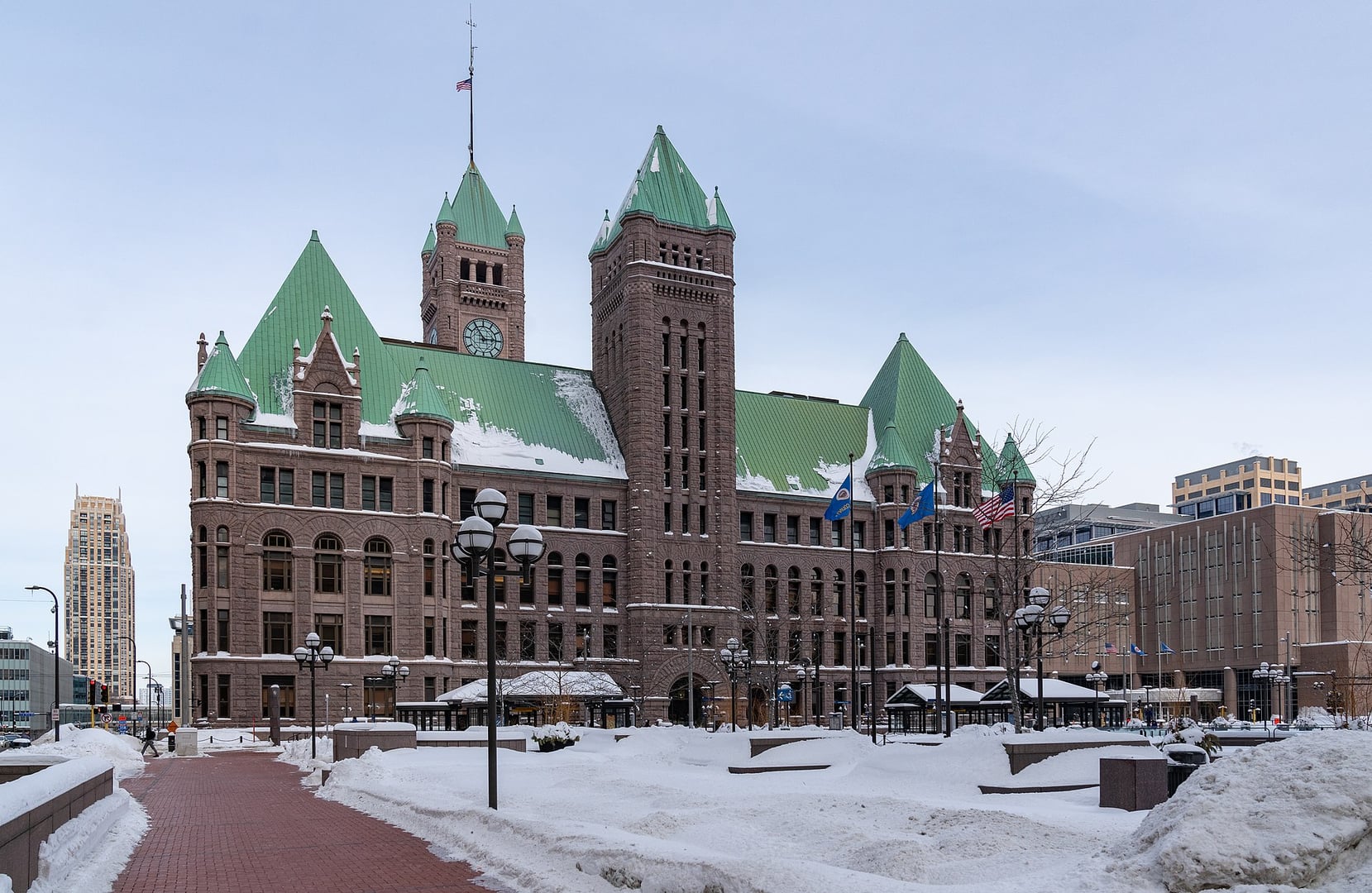
Minneapolis City Hall and Government Plaza in winter, showing the Richardsonian Romanesque rough-cut granite exterior and clock tower in downtown Minneapolis, Minnesota
Museum / Historical Site

Minneapolis City Hall

Minneapolis, MN

Minneapolis City Hall is a Richardsonian Romanesque municipal building designed by Long and Kees, with construction begun in 1888 and largely completed by 1906. It serves jointly as Minneapolis city hall and the Hennepin County Courthouse. The 345-foot clock tower carried the world's largest four-faced chiming clock when built. The building was added to the National Register of Historic Places in 1974.

$ All Ages Family: Moderate
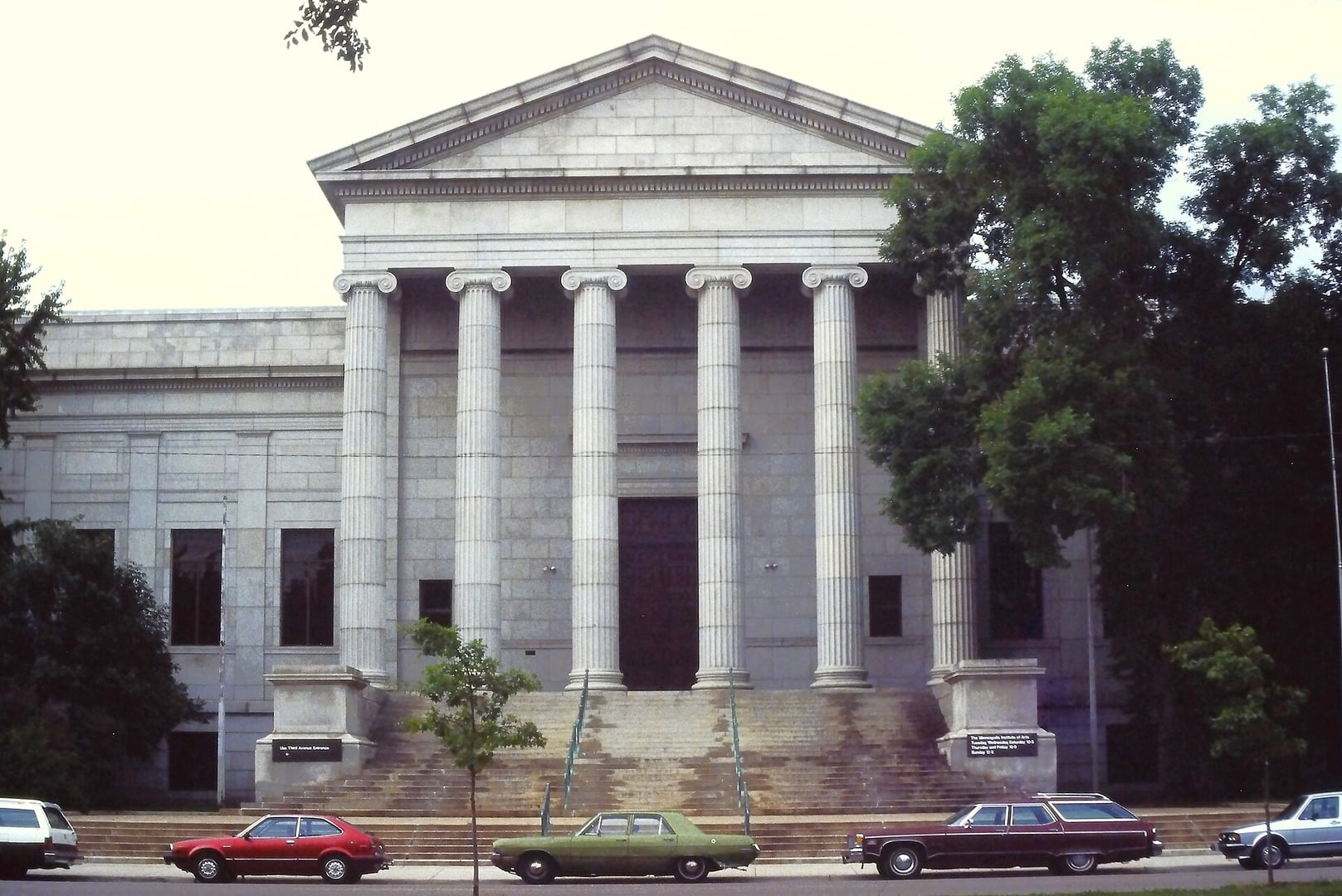
Exterior facade of the Minneapolis Institute of Art, the Beaux-Arts Neoclassical building designed by McKim, Mead and White at 2400 3rd Ave S, Minneapolis, Minnesota
Museum / Historical Site

Minneapolis Institute of Art

Minneapolis, MN

The Minneapolis Institute of Art (Mia) opened in 1915 as the public art museum of the Minneapolis Society of Fine Arts. The original Beaux-Arts building was designed by McKim, Mead & White and has been expanded multiple times. Mia's encyclopedic collection includes more than 90,000 objects spanning 5,000 years. Among its signature spaces are several period rooms — wholly reassembled historic interiors transplanted from older buildings — including the Tudor Room (ca. 1600, England) and the Connecticut Room (ca. 1740, near New Haven).

$ All Ages Family: High

More in Minnesota

Saint Paul — 8

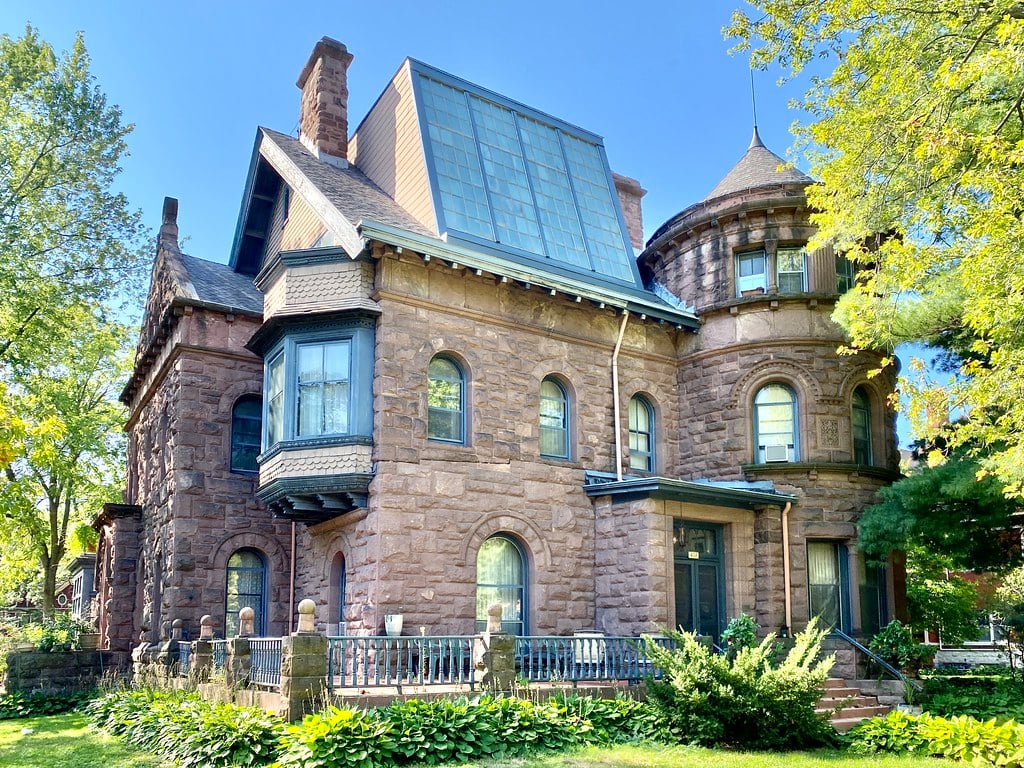
Photo of Chauncey Griggs Mansion
Haunted House / Historic Home

Chauncey Griggs Mansion

Saint Paul, MN

The Griggs Mansion at 476 Summit Avenue in St. Paul was built in 1883 for wholesale-grocery magnate Chauncey Wright Griggs at a reported cost of $35,000. Designed by architect Clarence Johnston in Romanesque style from Bayfield brownstone, the 24-room house was occupied by the Griggs family for only four years before they relocated to Tacoma. It later served as the St. Paul Arts and Science Center, a School of Art, and is now a private residence.

$ All Ages Family: High
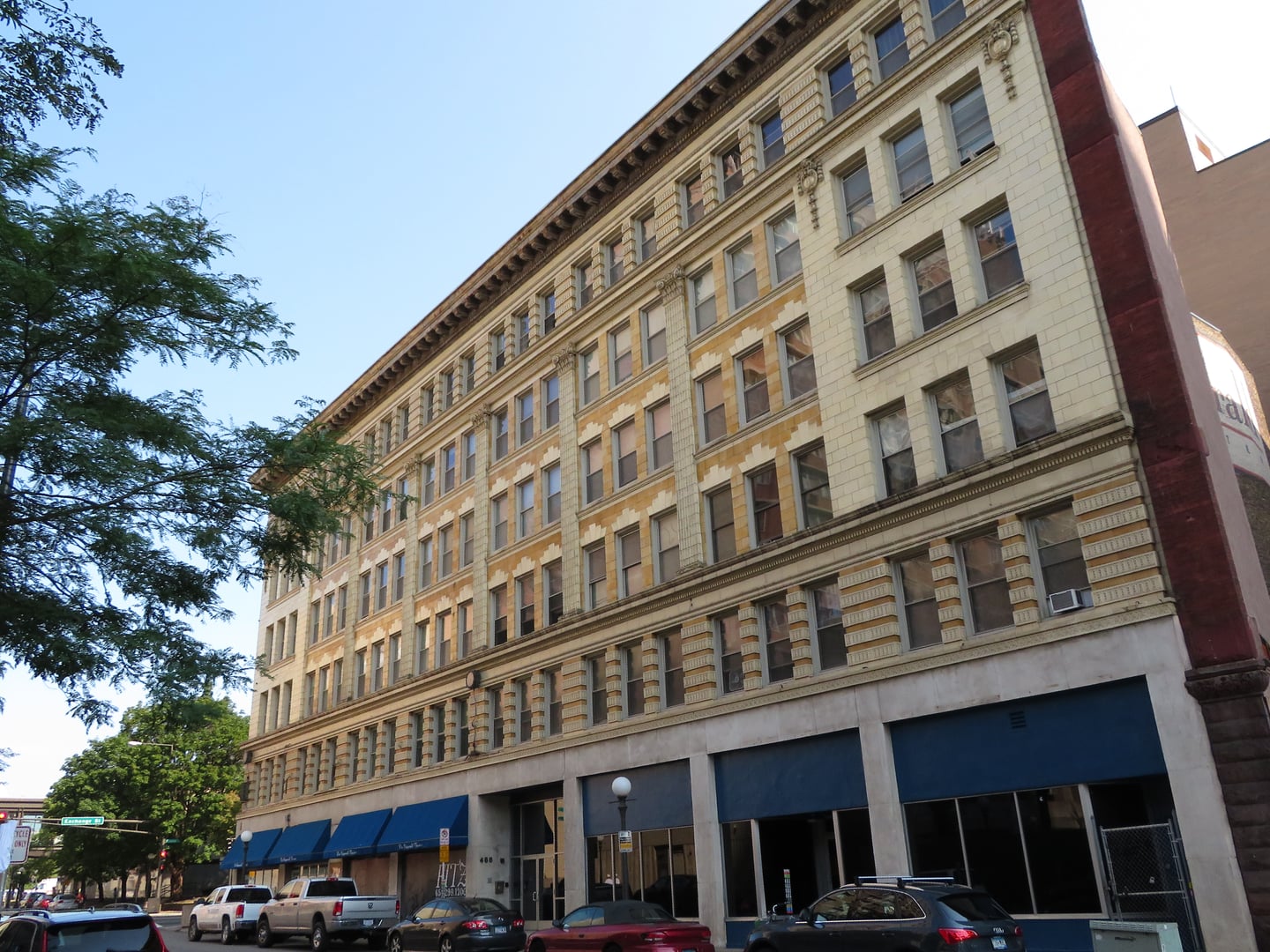
Exterior of the Fitzgerald Theater in downtown St. Paul, Minnesota
Theater / Performance Venue

Fitzgerald Theater

Saint Paul, MN

The Fitzgerald Theater at 10 E Exchange Street in St. Paul opened in 1910 as the Sam S. Shubert Theater, designed by the Chicago firm Marshall and Fox for the Shubert Theatre Corporation. It is Minnesota's oldest continuously operating theater. In 1933 it became a movie house called the World Theater; Minnesota Public Radio acquired it in 1980 and restored the stage in 1986. The theater was renamed the Fitzgerald in 1994 to honor F. Scott Fitzgerald, a St. Paul native. First Avenue, the Twin Cities venue operator, purchased it from MPR in March 2019.

$$ All Ages Family: High
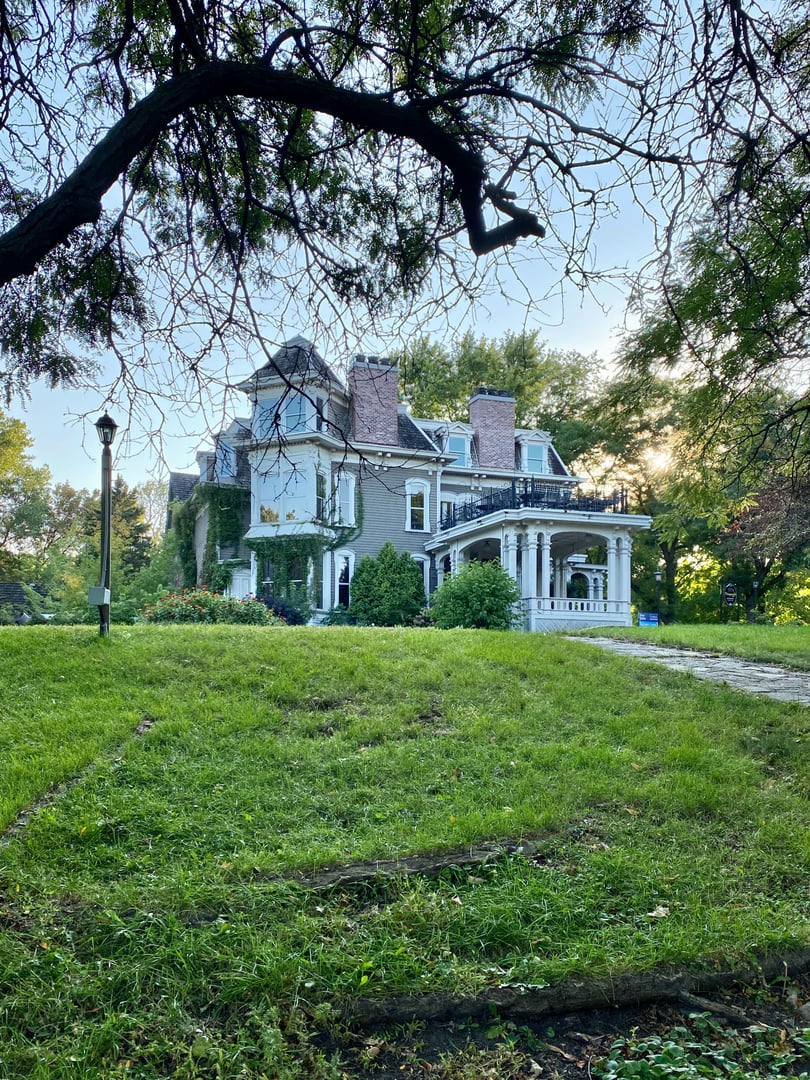
Second Empire Joseph Forepaugh mansion on Exchange Street in St. Paul's Irvine Park
Haunted Dining / Bar

Forepaugh's Restaurant

Saint Paul, MN

Forepaugh's Restaurant occupies a Victorian mansion built in 1870 by Joseph Forepaugh, a St. Paul dry goods merchant whose company generated half a million dollars annually by 1864. Forepaugh retired, traveled to Paris with his family, and died by suicide in 1892. The building later became a boarding house, was shuttered in 1973, reopened as a restaurant in 1976, and underwent extensive renovation before reopening in 2024.

$$$ All Ages Family: Moderate
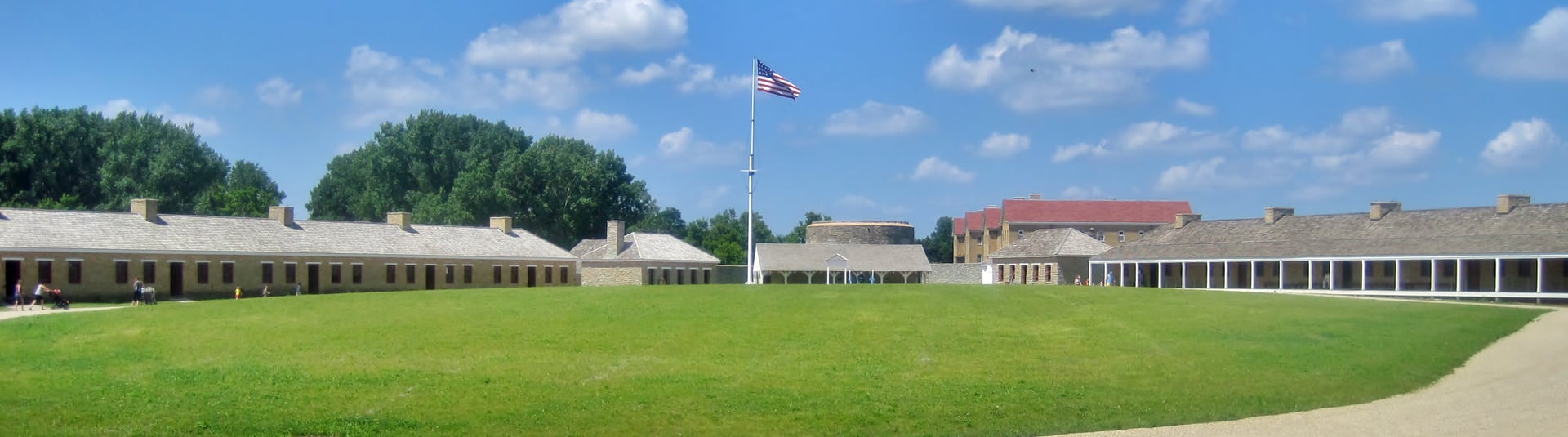
Limestone walls of Historic Fort Snelling at the confluence of the Minnesota and Mississippi rivers near Saint Paul, Minnesota
Battlefield / Military Site

Historic Fort Snelling

Saint Paul, MN

Fort Snelling was built between 1820 and 1825 at the confluence of the Minnesota and Mississippi rivers — land the Dakota called Bdote — and became a National Historic Landmark. The fort witnessed the enslavement of Dred and Harriet Scott in the 1830s and, following the US-Dakota War, the forced concentration of over 1,600 Dakota men, women, and children on the river flats below its walls during the winter of 1862–63, where an estimated 100–300 died.

$$ All Ages Family: Moderate
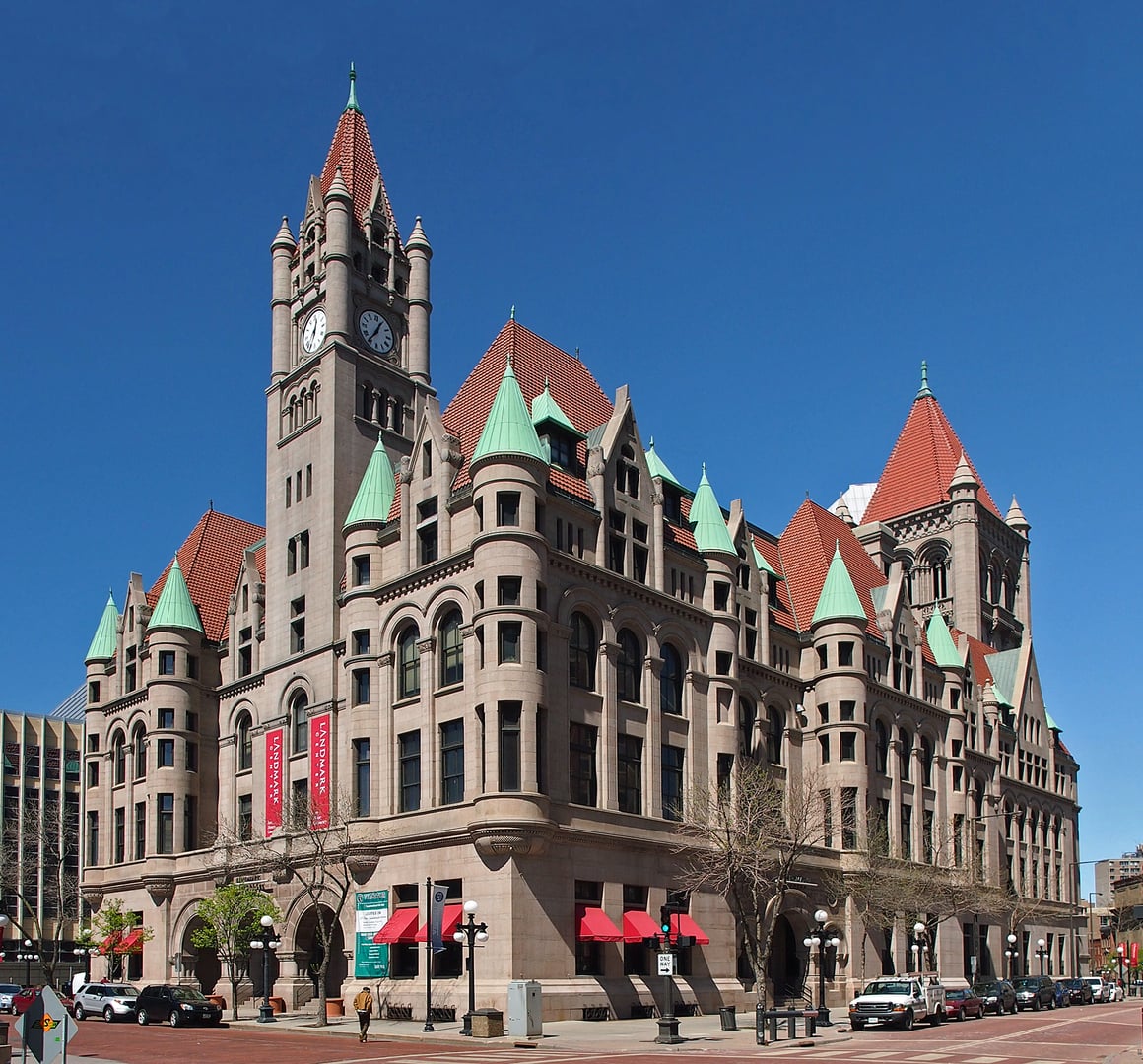
Southeast exterior view of Landmark Center, the 1902 Romanesque Revival former federal courthouse in St. Paul, Minnesota
Museum / Historical Site

Landmark Center

Saint Paul, MN

Landmark Center at 75 W 5th Street in St. Paul is a Richardsonian Romanesque federal building constructed between 1894 and 1902, designed by Treasury architect Willoughby J. Edbrooke. It served as the U.S. Post Office, Courthouse, and Custom House for Minnesota for seven decades. The building hosted Prohibition-era federal trials including the 1936 kidnapping trial of Jack Peifer, who swallowed a potassium cyanide capsule in Room 317 after conviction. Future Supreme Court Justice Harry Blackmun clerked there in 1932-33.

$ All Ages Family: Moderate
Haunted Dining / Bar

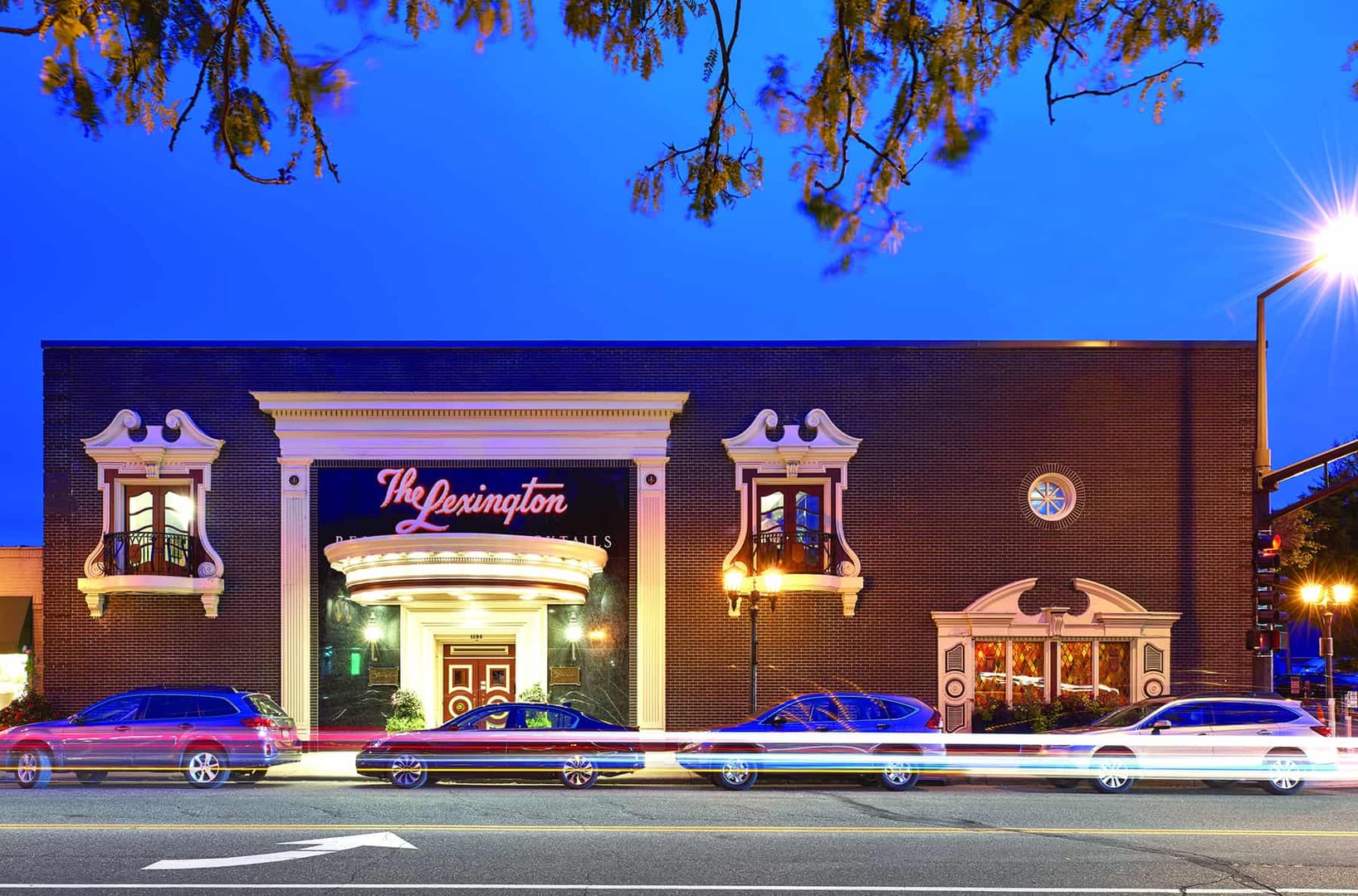
The Lexington

Saint Paul, MN

The Lexington has operated at 1096 Grand Avenue in St. Paul's Summit Hill neighborhood since 1935. The building predates the restaurant and features hidden compartments behind the wood paneling — artifacts of its alleged use as a speakeasy during Prohibition — including a concealed staircase behind the coat check area.

$$$ All Ages Family: Moderate
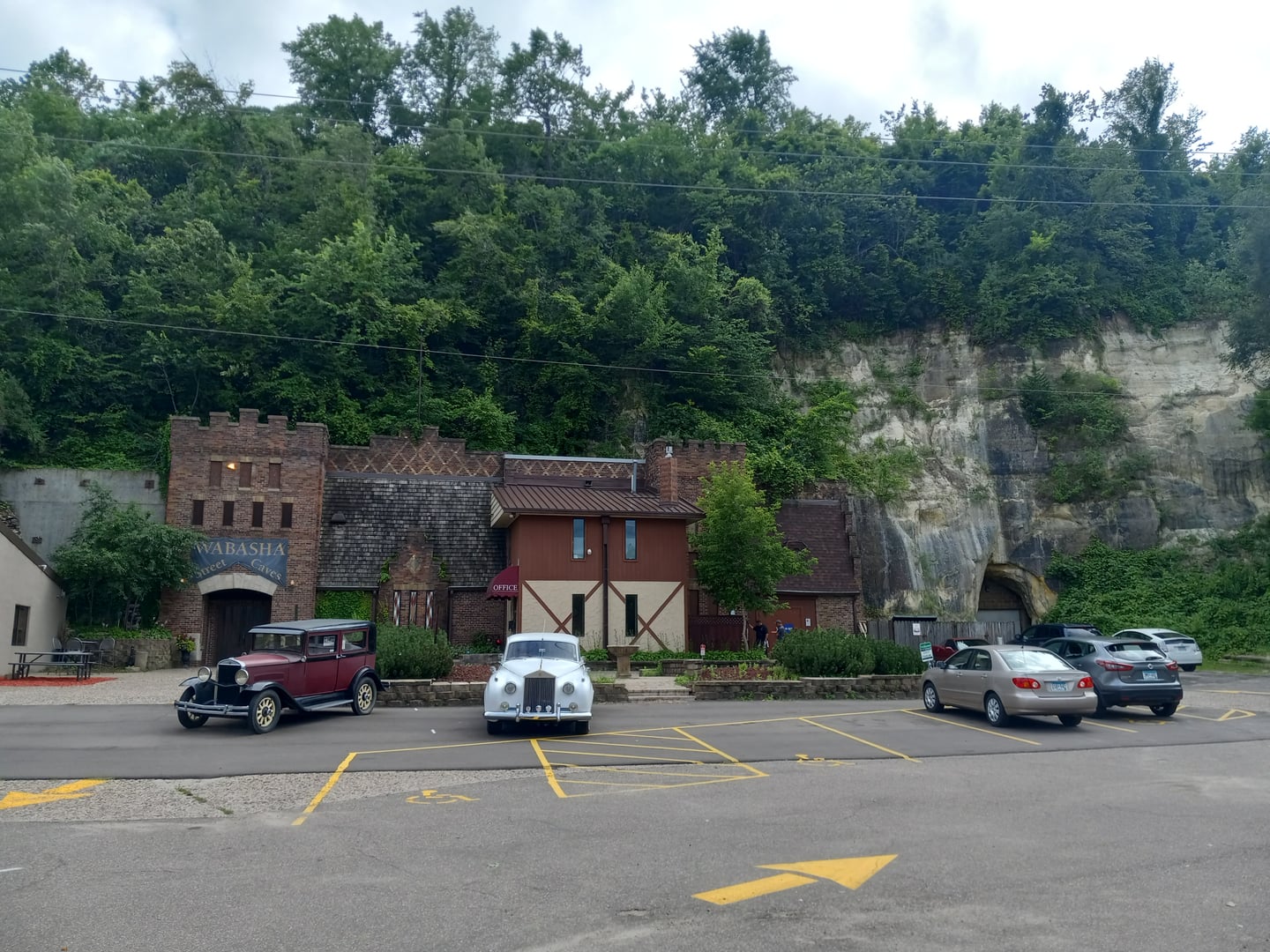
Wabasha Street Caves historic sandstone cave entrance in Saint Paul, Minnesota
Museum / Historical Site

Wabasha Street Caves

Saint Paul, MN

The Wabasha Street Caves are sandstone caverns carved beneath the bluffs of St. Paul's west side, originally mined for silica sand in the 19th century. French immigrant Albert Mouchnotte converted them to a mushroom farm in the early 1900s. His son-in-law William Lehmann later transformed the space into a Prohibition-era speakeasy and, after Repeal, the Castle Royal — a 1930s supper club described by local newspapers as the 'World's Most Gorgeous Underground Nightclub.'

$ All Ages Family: Moderate
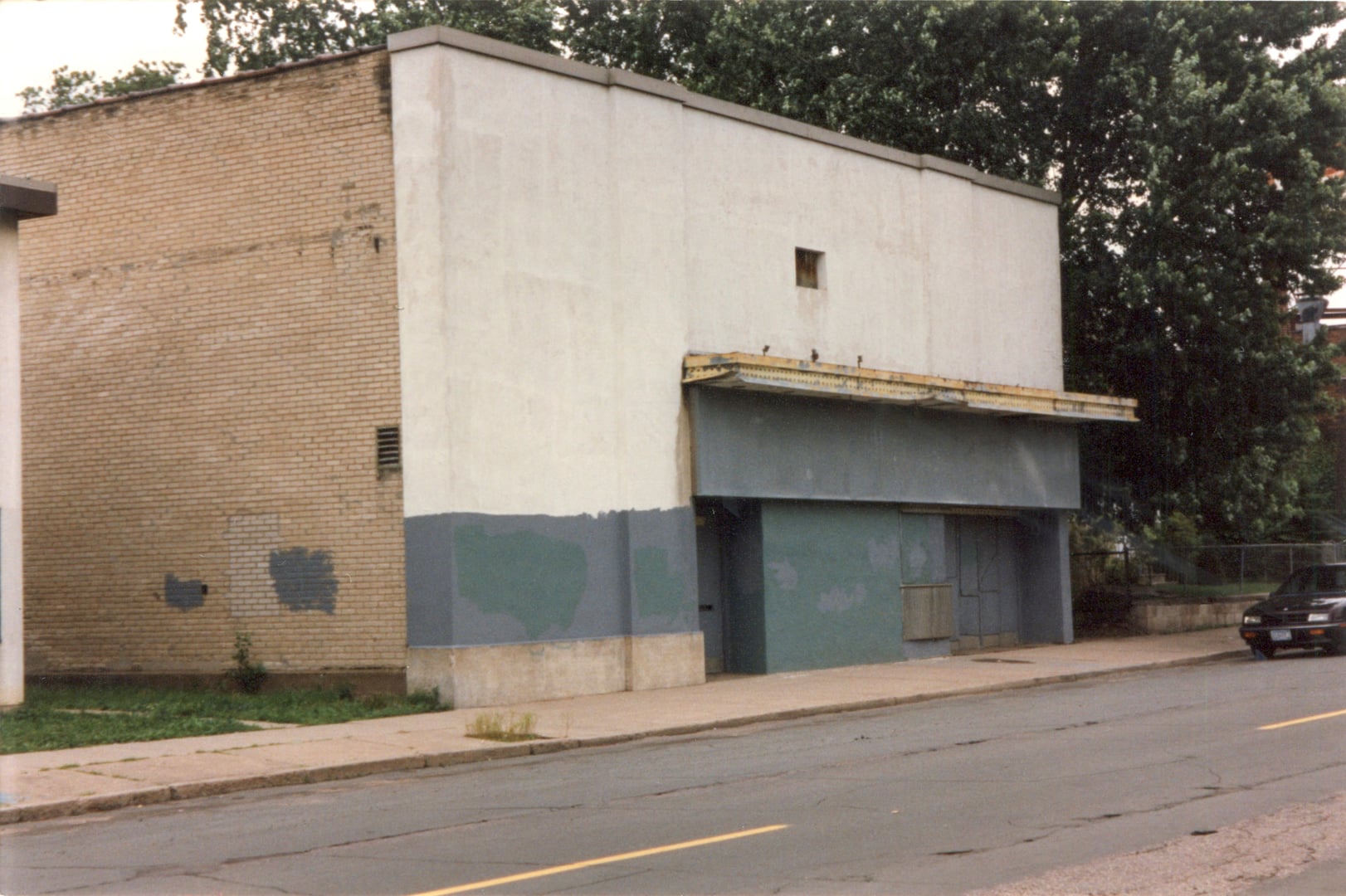
Photo of Mounds Theatre
Theater / Performance Venue

Mounds Theatre

Saint Paul, MN

Mounds Theatre at 1029 Hudson Road in St. Paul's Dayton's Bluff neighborhood was built in 1922 as a silent-film and vaudeville house operated by the Finkelstein & Rubens chain. It was among the first Twin Cities theaters to show sound films. The theater closed in the mid-1960s and sat dark until a 2003–2004 restoration returned it to community use. Workers during the restoration found candy wrappers and popcorn boxes from the last film shown in 1967.

$$ Minimum 13 Family: Moderate

Minneapolis — 6

Haunted Hotel / Inn

300 Clifton Mansion (Eugene J. Carpenter House)

Minneapolis, MN

300 Clifton Avenue was built in 1887 by coal-business owner C.M. Douglas in Queen Anne style. In 1905 lumber tycoons Eugene and Merrette (Lamb) Carpenter purchased the house and commissioned architect Edwin H. Hewitt and designer John S. Bradstreet to remodel it in 1906 in Arts and Crafts style. Eugene Carpenter was a leading patron of the arts and a co-founder of the Minneapolis Institute of Art, serving as chairman of the Minneapolis Society of Fine Arts from 1911 to 1922. The mansion has 14 bedrooms, 11 bathrooms, and sits on a one-acre Loring Park lot. It is a Minneapolis Heritage Landmark and now operates as a bed and breakfast.

$$$ All Ages Family: Moderate
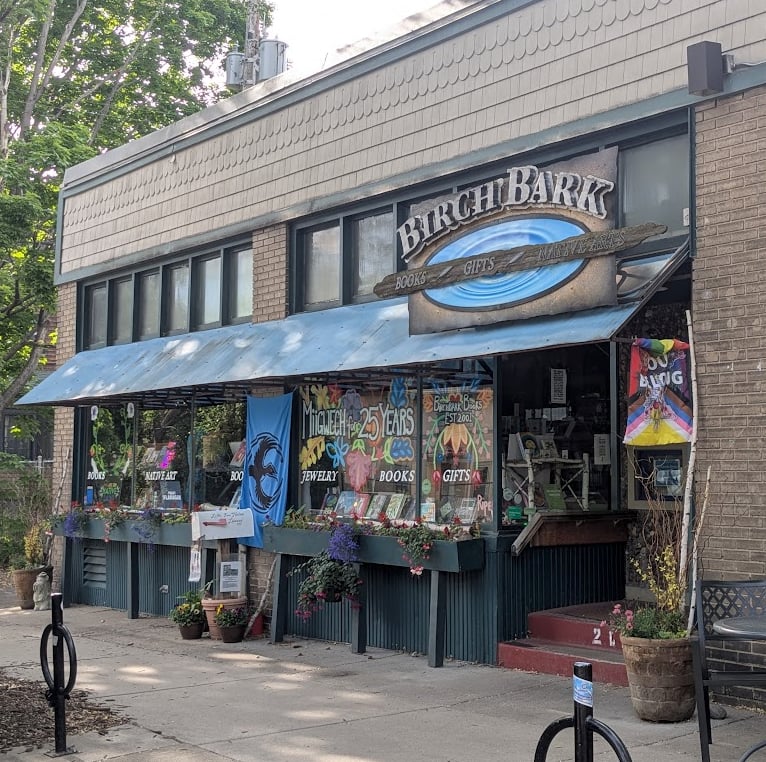
Photo of Birchbark Books & Native Arts
Other Dark Tourism Site

Birchbark Books & Native Arts

Minneapolis, MN

Louise Erdrich, a member of the Turtle Mountain Band of Chippewa Indians and a Pulitzer Prize winner, opened Birchbark Books in 2001 in Minneapolis's Kenwood neighborhood. The store concentrates on Indigenous literature and art and is decorated with cedar wood, birch logs, and a hanging canoe.

$ All Ages Family: High
Haunted Dining / Bar

Cuzzy's Bar & Grill (Maurer's Saloon Building)

Minneapolis, MN

The building at 507 Washington Avenue North in Minneapolis's North Loop has served alcohol continuously since 1885, making the location among the longest continuously-operating drinking establishments in Minnesota. It operated as Louis Maurer's Gluek's-affiliated saloon from 1894 to 1944, then under various owners, and has been Cuzzy's Bar & Grill since 1995 under owners John Lee and Bobby Goral. Louis Maurer, a German immigrant, ran the bar with his wife Elizabeth and sons Fritz and Charles until his death by suicide on June 25, 1909 at the family's Medicine Lake cottage; Elizabeth then ran the saloon as the only female saloon-keeper in Minneapolis at that time.

$ 21+ Family: Not Recommended
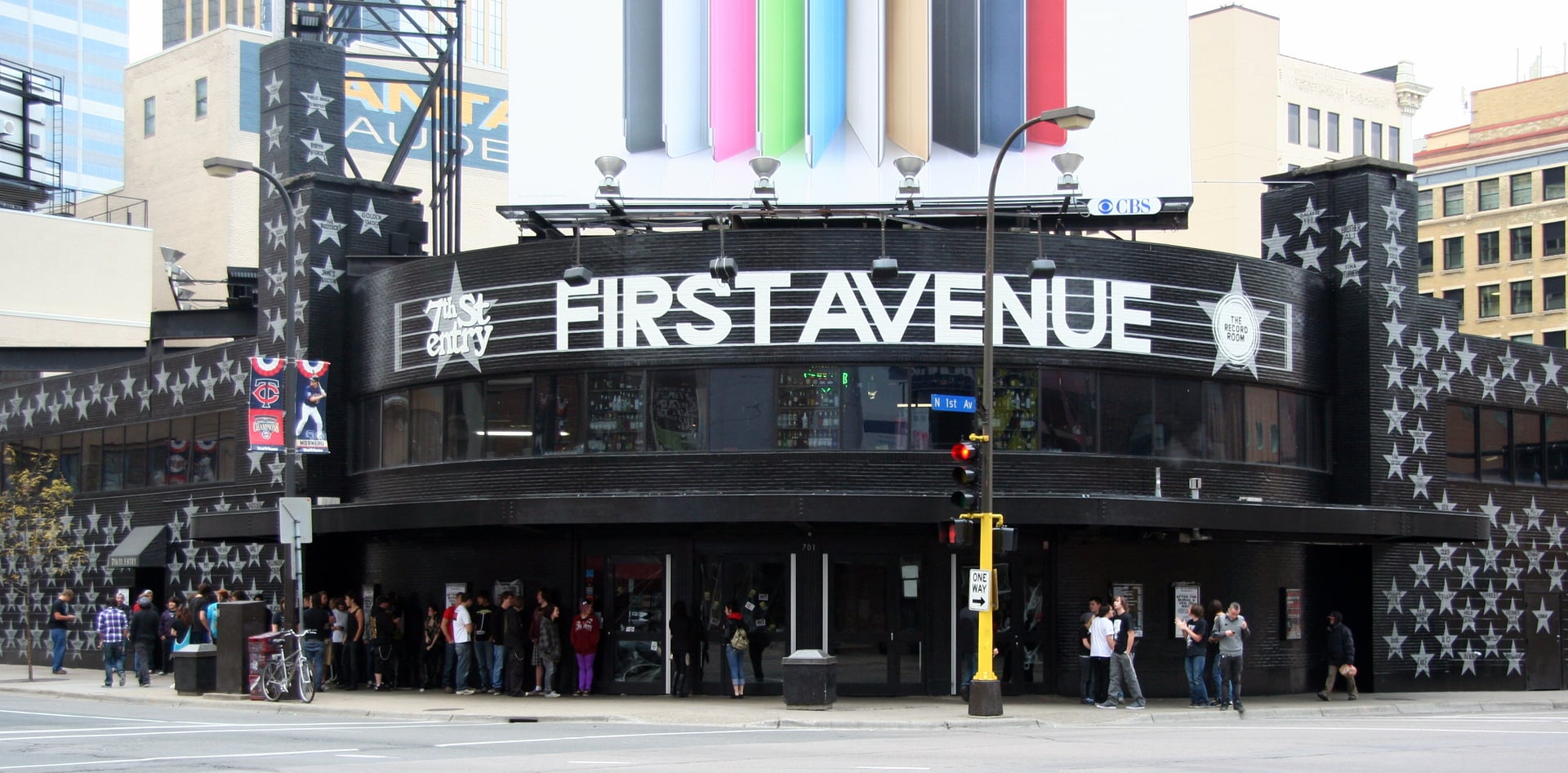
Exterior of the iconic First Avenue nightclub on First Avenue North in downtown Minneapolis
Theater / Performance Venue

First Avenue

Minneapolis, MN

First Avenue began its life in 1937 as the Minneapolis Greyhound Bus Depot, a Streamline Moderne structure with shiny blue-brick exterior, checkered terrazzo floors, and on-site shower rooms. Allan Fingerhut purchased and converted it to a nightclub in 1970, opening as The Depot. The club became First Avenue in 1981 and gained international recognition through Prince's 1984 film Purple Rain.

$$ 18+ for most evening events; all-ages shows available Family: Moderate
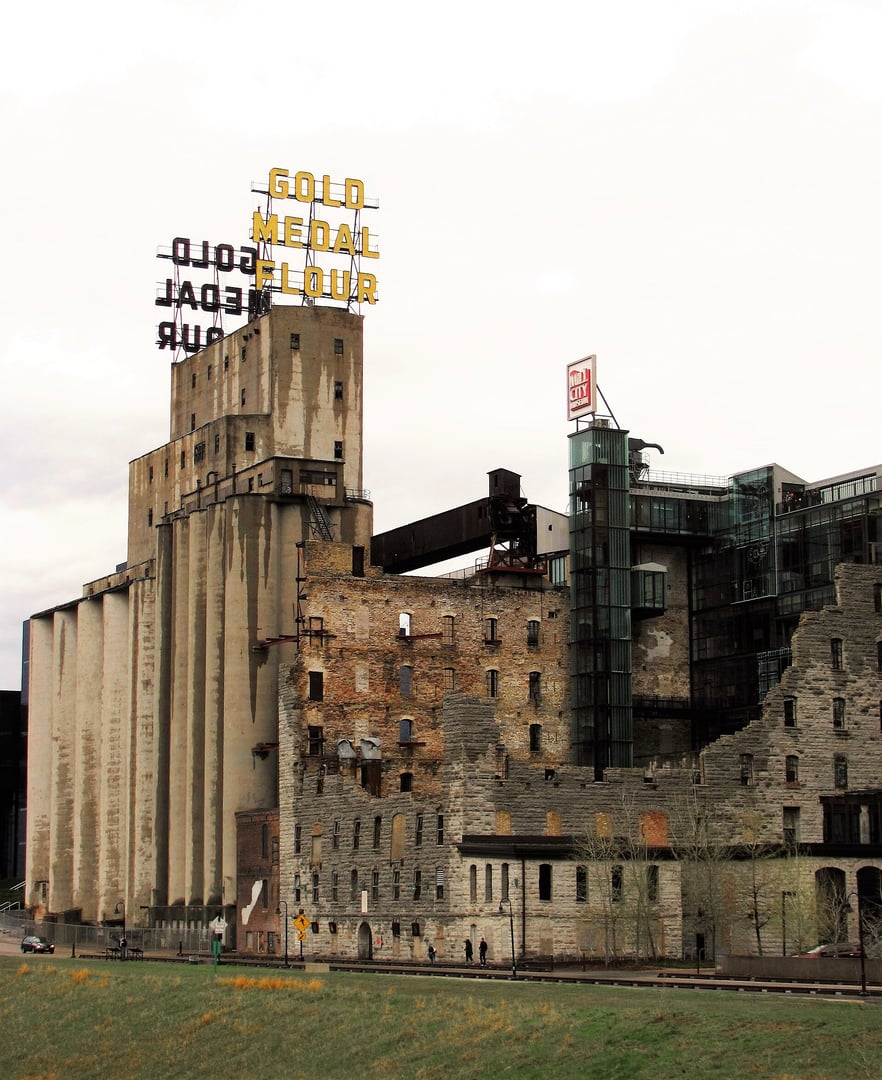
Limestone ruins of the Washburn A Mill Complex housing the Mill City Museum on the Minneapolis riverfront, Minnesota
Museum / Historical Site

Mill City Museum (Washburn A Mill Ruins)

Minneapolis, MN

The Washburn A Mill opened in 1874 on the Minneapolis riverfront and briefly stood as the largest flour mill in the world. On May 2, 1878 a flour-dust explosion destroyed the mill and killed 18 workers. A rebuilt mill operated on the same foundation from 1880 until 1965; it was gutted by an arson fire in 1991, and the ruins were stabilized for the Mill City Museum, which opened in 2003.

$$ All Ages Family: High
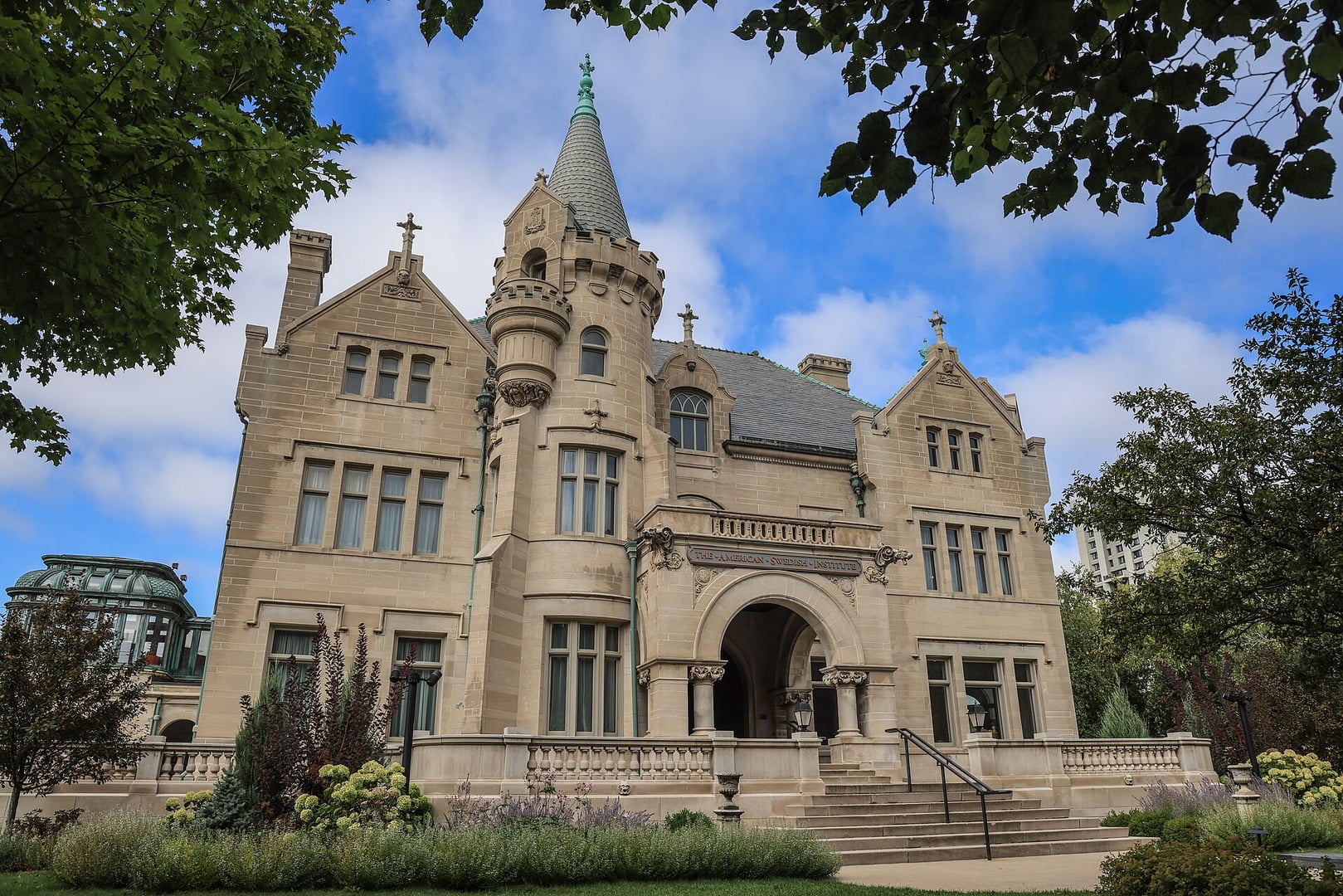
Châteauesque limestone Turnblad Mansion at 2600 Park Avenue, Minneapolis, home of the American Swedish Institute, photographed September 2025
Museum / Historical Site

Turnblad Mansion (American Swedish Institute)

Minneapolis, MN

The Turnblad Mansion is a 33-room Châteauesque limestone mansion built between 1904 and 1908 for Swan J. Turnblad, his wife Christina, and their only daughter Lillian. Designed by Minneapolis architects Christopher Boehme and Victor Cordella, it cost $1.5 million (roughly $54 million in 2025 dollars). The family lived there only briefly before donating it in 1929 to found what became the American Swedish Institute. The mansion was added to the National Register of Historic Places in 1971.

$$ All Ages Family: High

Duluth — 5

Open Graph image from duluthairport.com
Other Dark Tourism Site

Duluth International Airport

Duluth, MN

Duluth International Airport was established in 1930 as Williamson-Johnson Municipal Airport on 640 acres purchased by the City of Duluth in 1929. Renamed Duluth International in 1961, the facility now covers 3,020 acres at 1,428 feet elevation and operates as a joint civil-military field hosting the Minnesota Air National Guard's 148th Fighter Wing alongside commercial service and Cirrus Aircraft's headquarters. The current terminal, named for Congressman Jim Oberstar, opened in January 2013.

$ All Ages Family: High
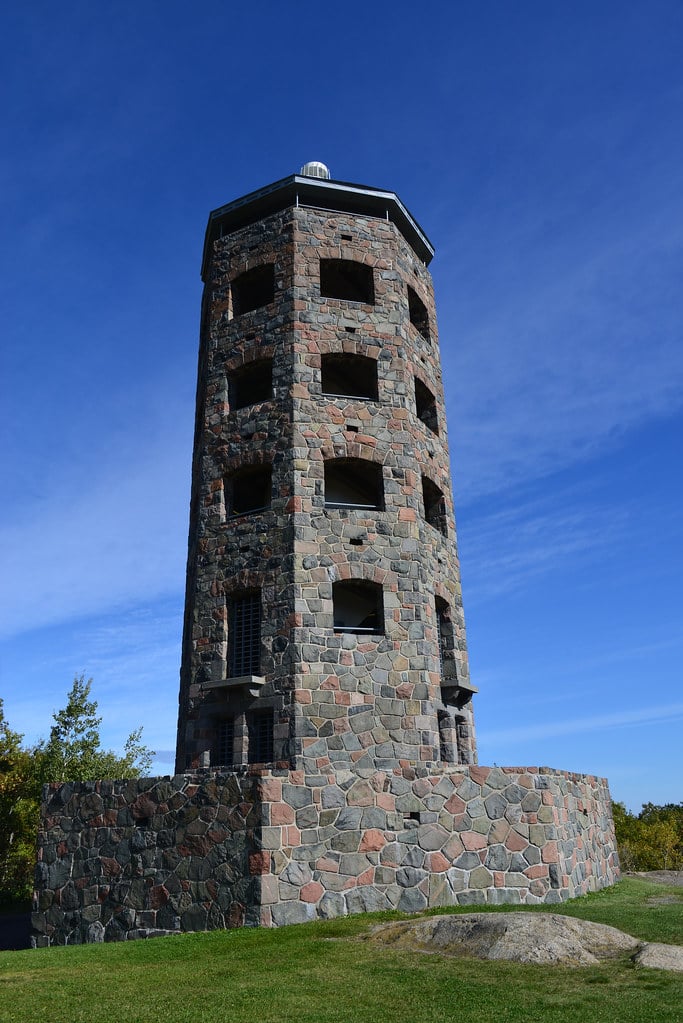
Photo of Enger Tower
Outdoor / Natural Site

Enger Tower

Duluth, MN

Enger Tower is an 80-foot bluestone observation tower inaugurated June 15, 1939, in Enger Park, Duluth. It honors Norwegian-American businessman Bert Enger (1864–1931), who bequeathed the hillside land and park to the city. Crown Prince Olav of Norway presided at the 1939 dedication; his son King Harald V re-dedicated the restored tower in 2011.

$ All Ages Family: Moderate
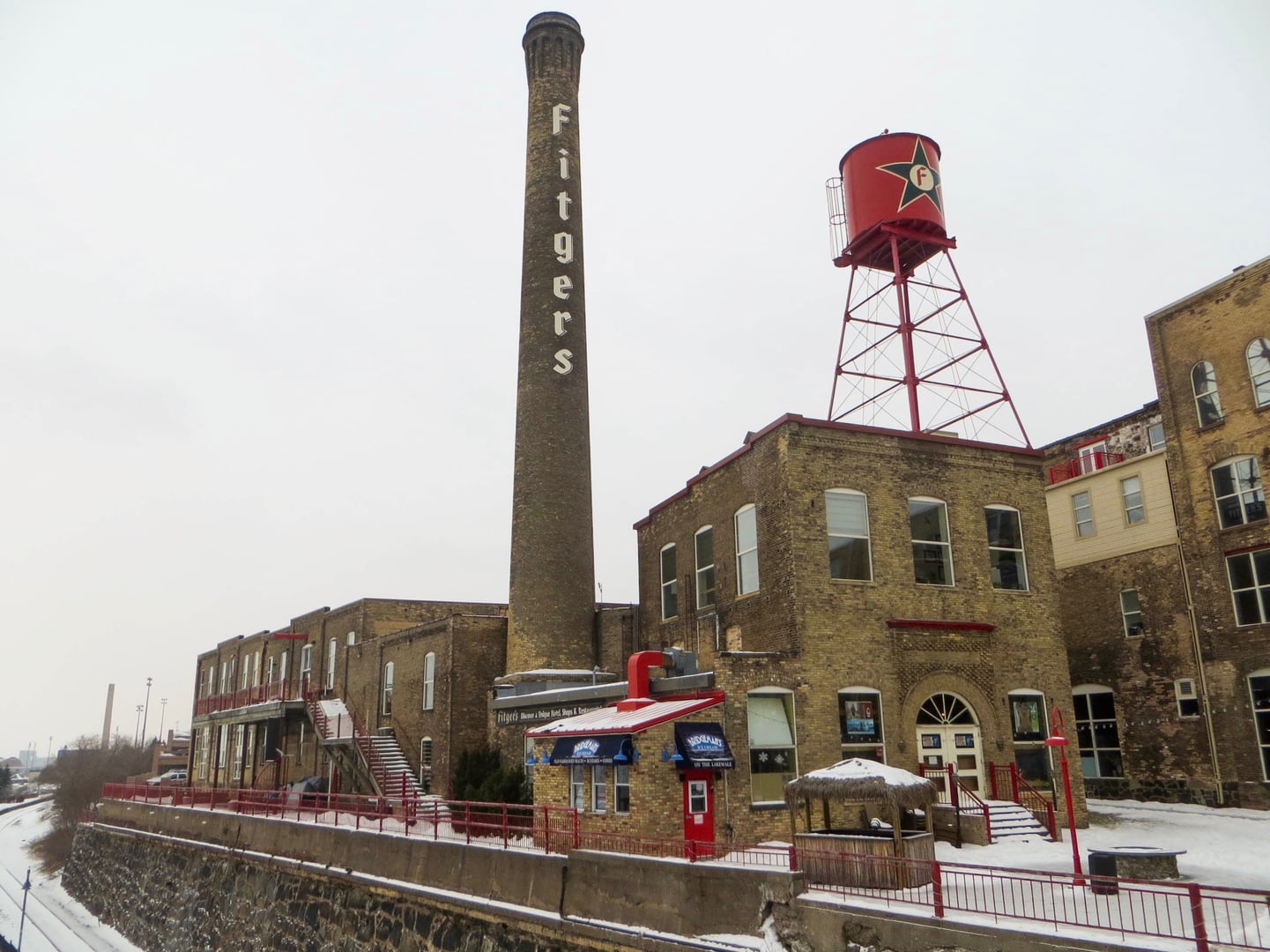
Photo of Fitger's Brewery Complex
Other Dark Tourism Site

Fitger's Brewery Complex

Duluth, MN

Four settlers established a brewery at Brewery Creek in 1859. After several ownership changes, German brewmaster August Fitger purchased half the operation in 1883 and gave the company its lasting name. The complex grew to ten buildings constructed between 1886 and 1930 along 720 feet of Lake Superior shoreline, brewing continuously — including through Prohibition via soft drinks and candy bars — until closure on September 30, 1972.

$ All Ages Family: High
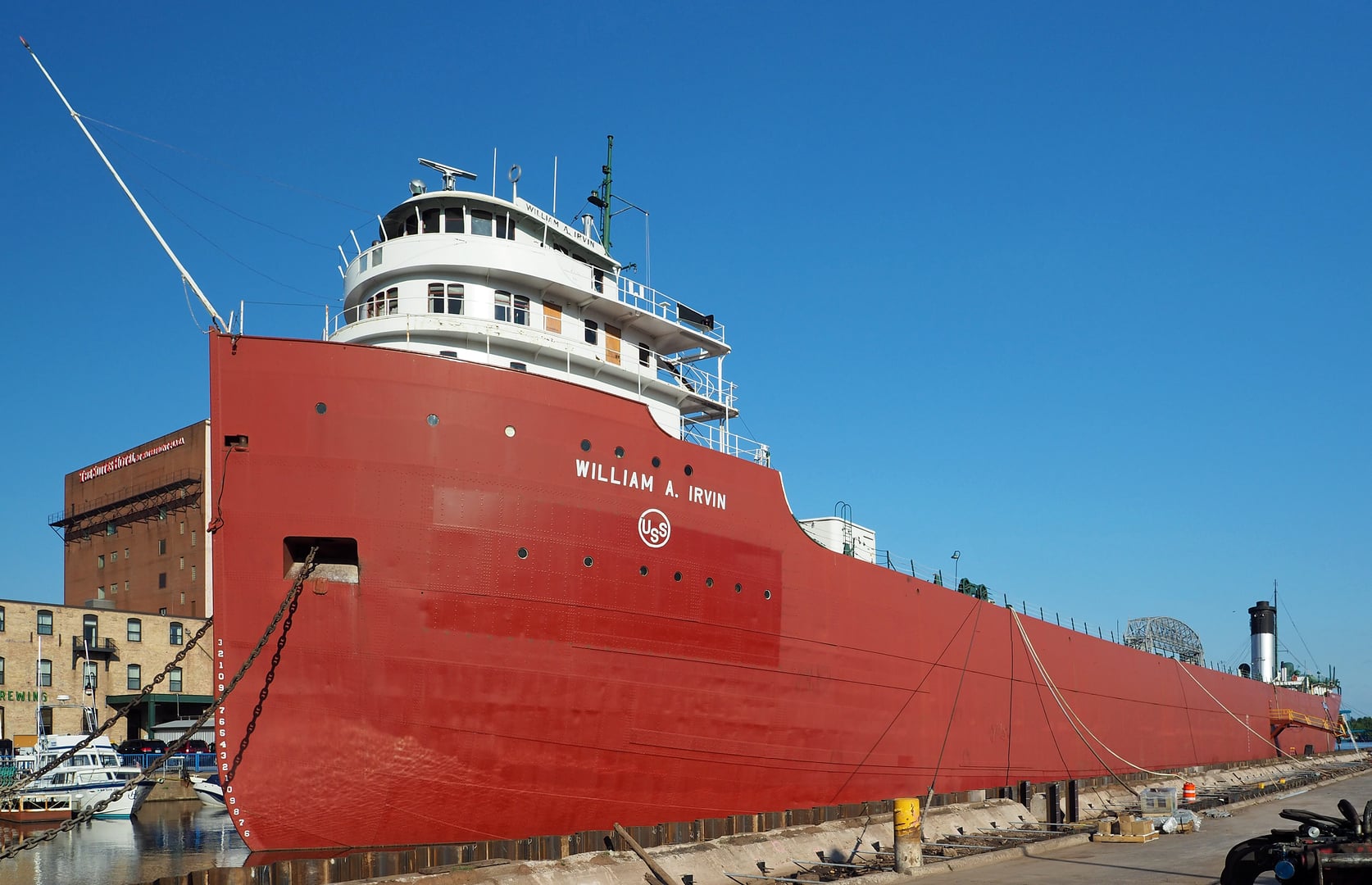
SS William A. Irvin museum ship at Minnesota Slip Duluth Harbor, 1938 Great Lakes ore freighter
Museum / Historical Site

SS William A. Irvin

Duluth, MN

The SS William A. Irvin was launched November 10, 1937, at American Ship Building Company in Lorain, Ohio, at a cost of $1.3 million. She served as the flagship of US Steel's Pittsburgh Steamship Division fleet from 1938 to 1975, hauling primarily taconite ore across the Great Lakes before retirement in 1978. The Duluth Entertainment Convention Center purchased the vessel in 1986 for $110,000 and refurbished it as a museum ship; it was listed on the National Register of Historic Places in 1989.

$$ 18+ for ghost hunts; all ages for museum visits Family: Moderate
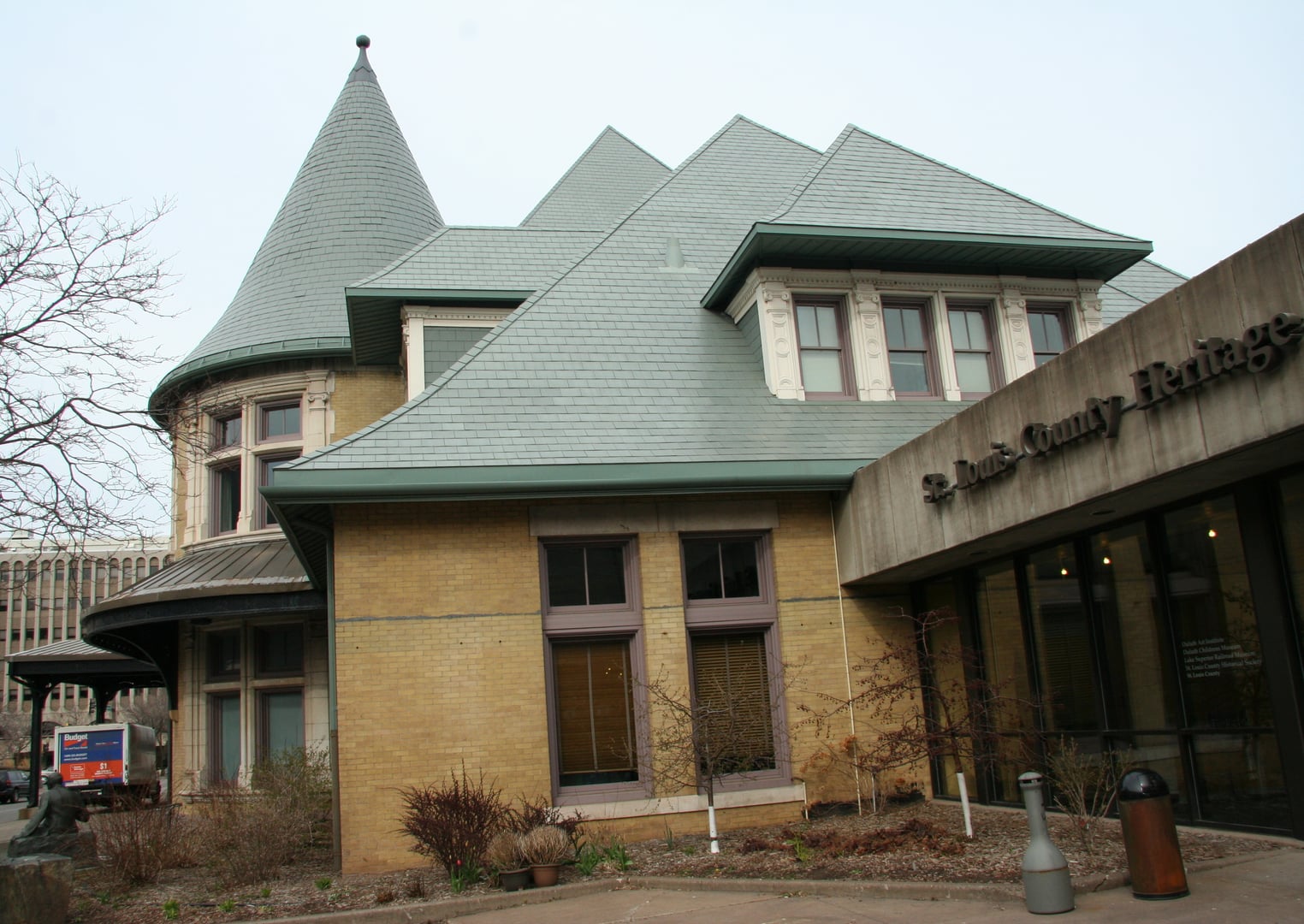
Exterior of the Duluth Union Depot, a Chateauesque train station at 506 W Michigan St in Duluth, Minnesota
Museum / Historical Site

St. Louis County Depot (Duluth Union Depot)

Duluth, MN

The Duluth Union Depot opened in 1892 to serve seven competing rail lines under one roof, designed in the Chateauesque style. It now houses the Lake Superior Railroad Museum, the Duluth Art Institute, and the St. Louis County Historical Society, and is listed on the National Register of Historic Places.

$$ All Ages Family: High

Stillwater — 5

Photo of Lowell Inn
Haunted Hotel / Inn

Lowell Inn

Stillwater, MN

The Lowell Inn opened in 1927, built on the site of the 1861 Sawyer House lumberjack boarding establishment. Named for Stillwater entrepreneur Elmore Lowell, the Colonial Revival building became known as the 'Mount Vernon of the Midwest' and is on the National Register of Historic Places.

$$$ All Ages Family: High
Aerial survey view of Oakwood Cemetery
Aerial survey · USDA NAIP
Cemetery / Burial Ground

Oakwood Cemetery

Stillwater, MN

Oakwood Cemetery in Stillwater, Minnesota, was established in 1867 on a wooded hillside overlooking the St. Croix River. The cemetery contains burials of Stillwater's lumber-era founders, Civil War veterans, and several generations of Washington County families.

$ All Ages Family: High
Warden's House Museum in Stillwater Minnesota, 1853 historic house, anchor of city ghost walk
Other Dark Tourism Site

Stillwater

Stillwater, MN

Stillwater, Minnesota was established in 1843 as a lumber trade center on the St. Croix River and served as the site of Minnesota's first prison, established in 1853. The Warden's House (1853) and the Water Street Inn occupy sites that have accumulated documented paranormal reports over more than a century. The original prison was demolished; the Warden's former residence is now a museum operated by the Washington County Historical Society.

$$ 13+ Family: Moderate
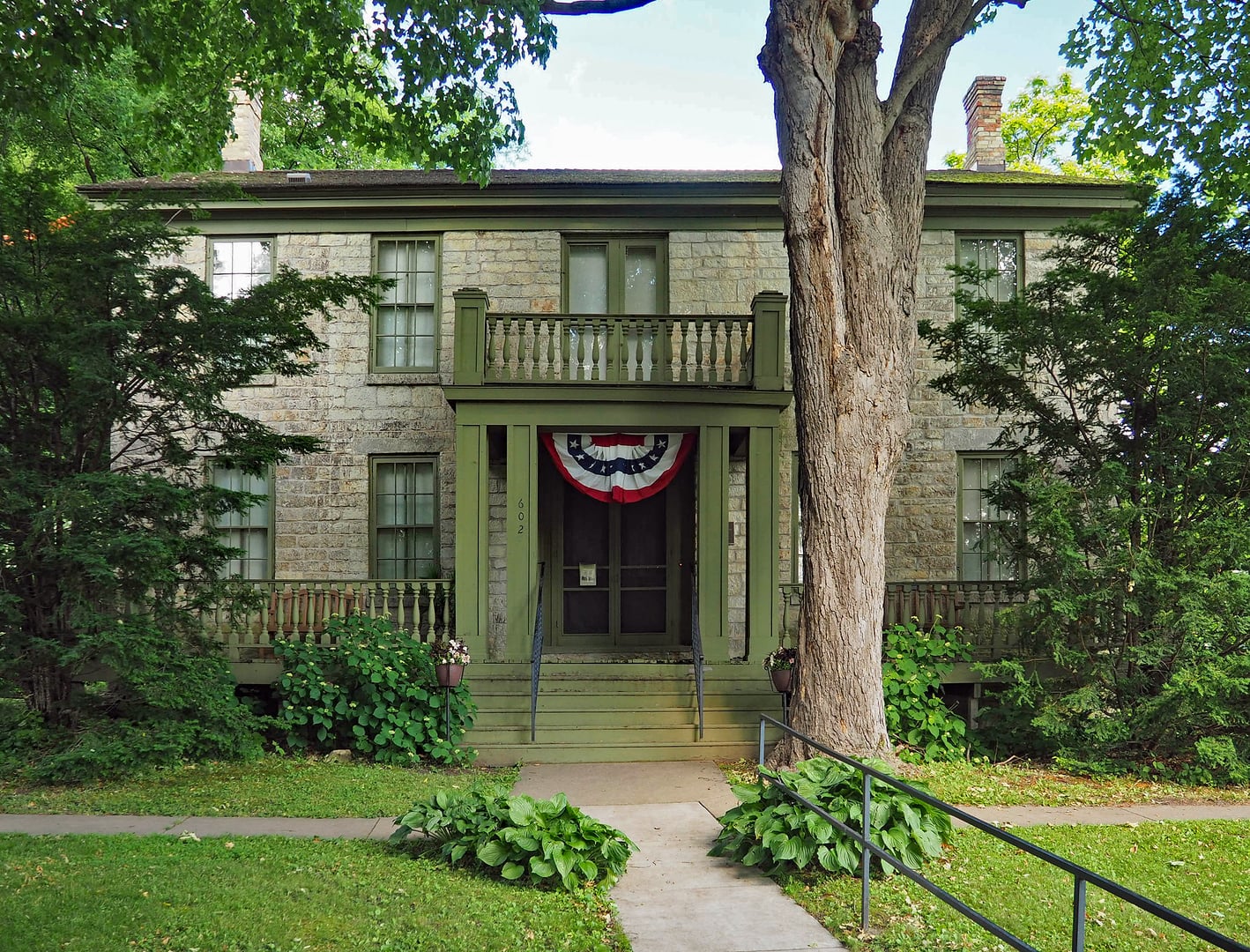
Two-story limestone Warden's House Museum building in Stillwater, Minnesota, viewed from the east
Museum / Historical Site

Warden's House Museum

Stillwater, MN

Built in 1853 as the official residence of Minnesota Territorial Prison wardens, the Warden's House in Stillwater hosted 13 wardens over 61 years. The Washington County Historical Society has operated it as a museum since 1941, making it the second-oldest house museum in Minnesota.

$ All Ages Family: High
Photo of Water Street Inn (Lumber Barons Exchange Building)
Haunted Hotel / Inn

Water Street Inn (Lumber Barons Exchange Building)

Stillwater, MN

The Lumber Exchange Building was constructed around 1890 by the Union Depot and Transfer Company during Stillwater's logging boom. Remarkably modern for its era — featuring electricity, indoor plumbing, and one of Minnesota's first commercial elevators — it housed wealthy lumber merchants and a street-level saloon. Today it operates as the Water Street Inn, expanded in 2019–2020 to 61 rooms.

$$$ All Ages Family: High

Mankato — 4

Aerial survey view of Calvary Cemetery
Aerial survey · USDA NAIP
Cemetery / Burial Ground

Calvary Cemetery

Mankato, MN

Calvary Catholic Cemetery opened in November 1886 as Mankato's second Catholic burial ground, replacing a crowded 1857 cemetery on North 6th Street. A 40-acre parcel was purchased for $2,020 from the estate of Thomas Reiger, and the first funeral — that of Frank Salfer — was held November 5, 1886. A limestone chapel was completed on the grounds in 1895.

$ All Ages Family: High
Aerial survey view of Minnesota State University Mankato — Crawford Hall
Aerial survey · USDA NAIP
Other Dark Tourism Site

Minnesota State University Mankato — Crawford Hall

Mankato, MN

Crawford Hall at Minnesota State University Mankato is an academic and office building on the campus's main hill. It serves as the central site of the university's ghost folklore, with legends dating to at least the 1960s documented in the Mankato Free Press and regional folklore collections.

$ All Ages Family: High
Photo of R.D. Hubbard House Museum
Haunted House / Historic Home

R.D. Hubbard House Museum

Mankato, MN

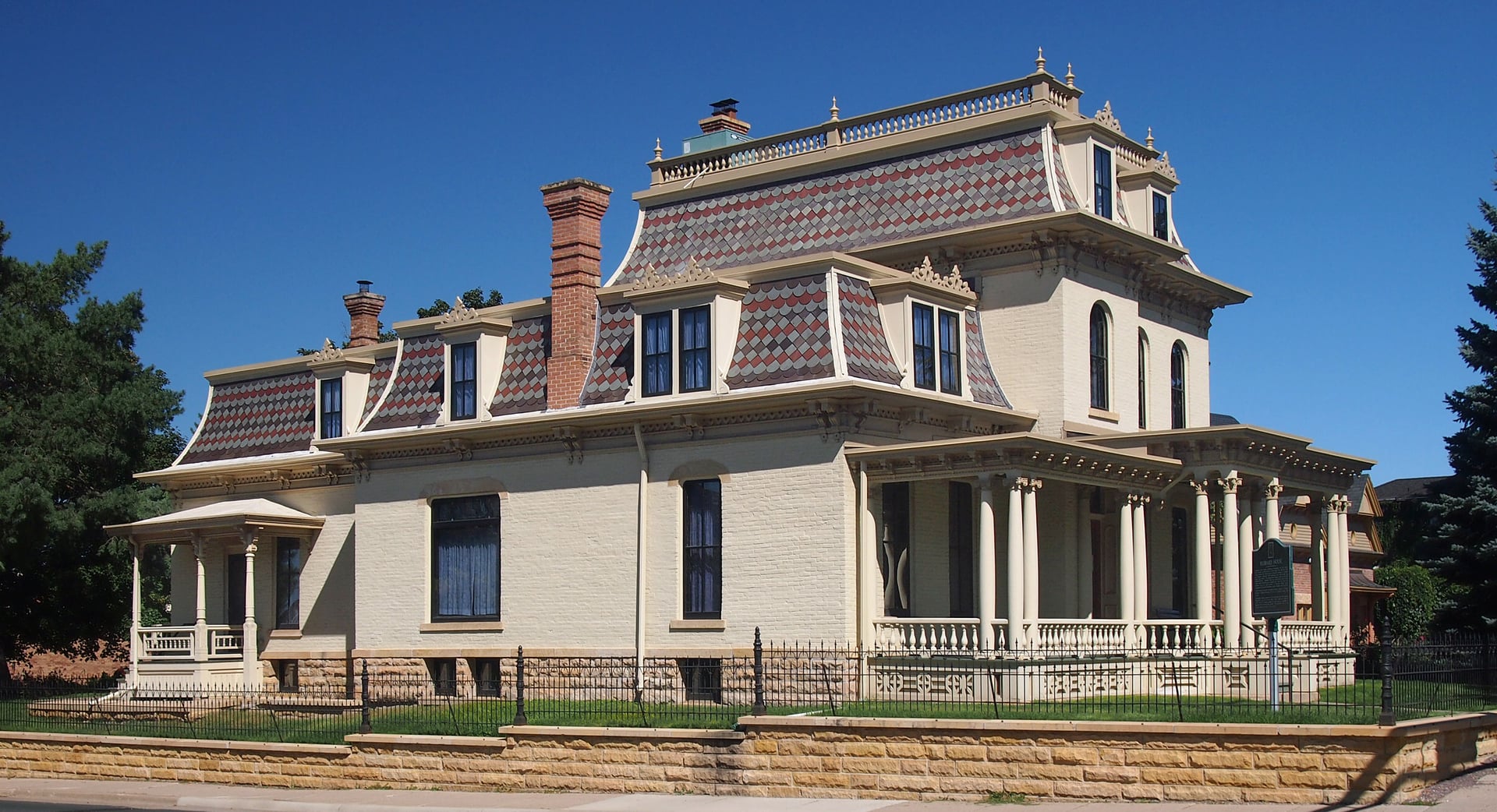
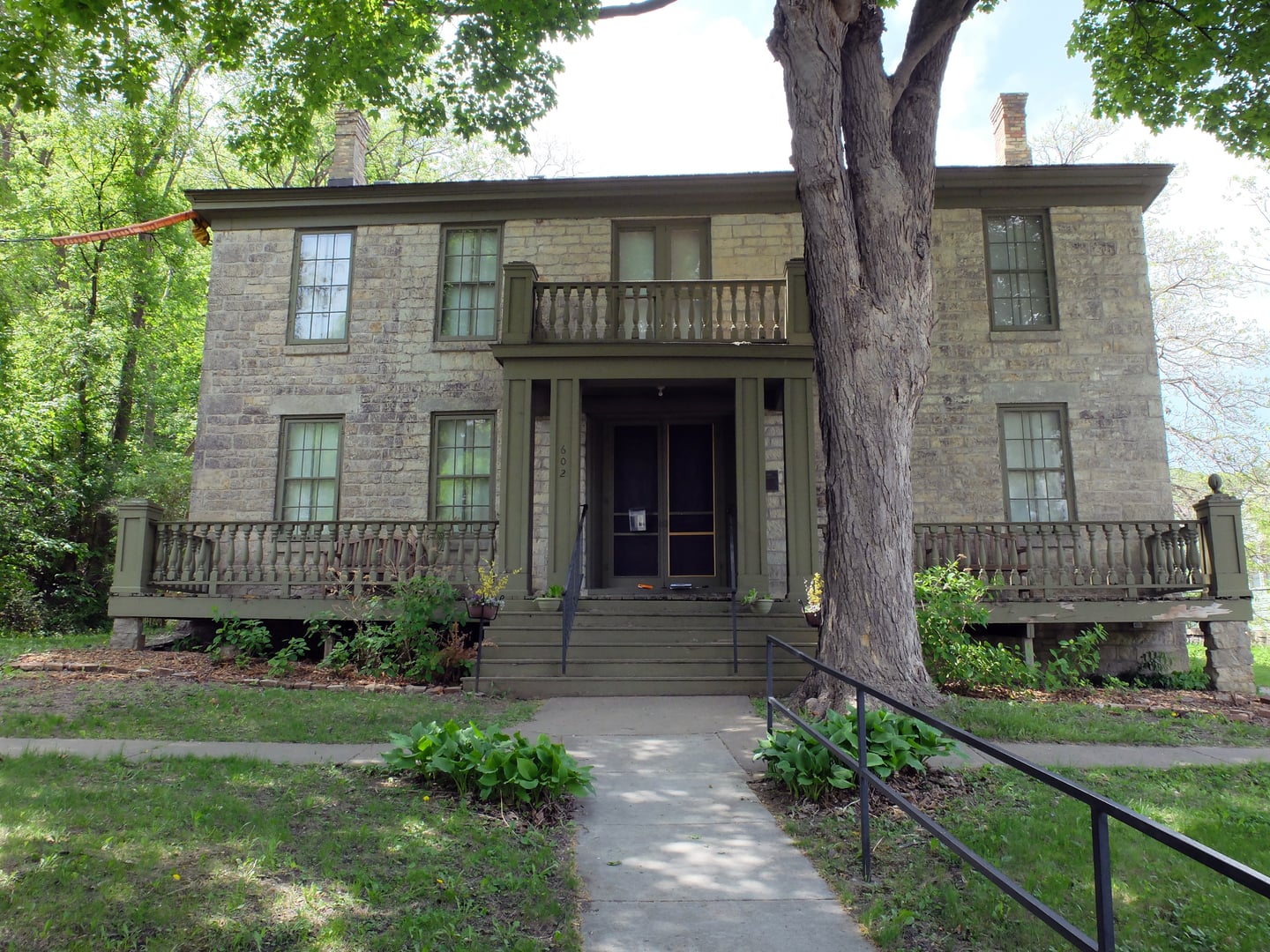
Rensselaer D. Hubbard built this Italianate-Victorian mansion at 606 S Broad Street in Mankato in 1871. Hubbard was a prominent local merchant and businessman; his home was a showpiece — the first private residence in Mankato to be wired for electricity, fitted with indoor plumbing, and connected by telephone. The Blue Earth County Historical Society now operates it as a museum and is listed on the National Register of Historic Places.

$ All Ages Family: High
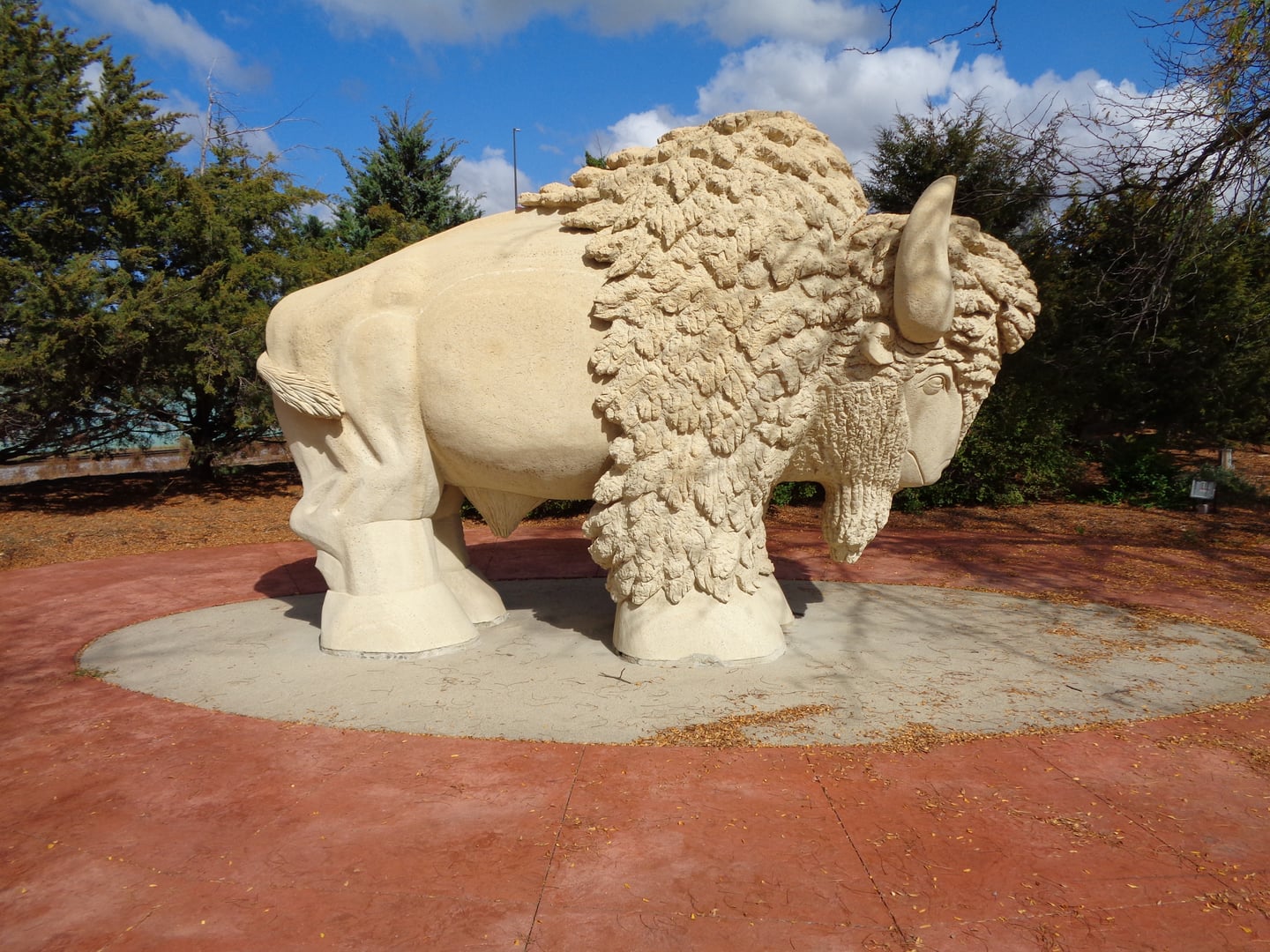
White buffalo limestone sculpture at Reconciliation Park in Mankato, Minnesota, memorial to the 38 Dakota men executed December 26, 1862
Other Dark Tourism Site

Reconciliation Park

Mankato, MN

Reconciliation Park was dedicated in 1997 on the riverfront site in Mankato where 38 Dakota men were hanged on December 26, 1862, in the largest mass execution in American history. The park was created through collaboration between the Bdewakaŋtuŋwaŋ Dakota and Mankato communities with the theme 'Forgive Everyone Everything.'

$ All Ages Family: High

Winona — 4

Aerial survey view of Winona State University — Richards Hall
Aerial survey · USDA NAIP
Other Dark Tourism Site

Winona State University — Richards Hall

Winona, MN

Richards Hall at Winona State University became the subject of campus ghost lore after a student died in Room 218 in 1978. The hall, an active residence building, carries the story in student publications and regional paranormal coverage.

$ All Ages Family: High
Theater / Performance Venue

Winona State University — Robert DuFresne Performing Arts Center

Winona, MN

Winona State University's performing arts center became the site of a campus legend in October 1973, when theater student Christopher Robb Neidringhaus fell from the fly gallery above the Main Stage and died the following day.

$ All Ages Family: High
Aerial survey view of Woodlawn Cemetery
Aerial survey · USDA NAIP
Cemetery / Burial Ground

Woodlawn Cemetery

Winona, MN

Founded in 1862, Woodlawn Cemetery is the oldest and largest public cemetery in Winona, with its first recorded burial in autumn of that year. Its 224 acres hold more than 22,000 interments, including a dedicated Potter's Field section.

$ All Ages Family: High

Hibbing — 3

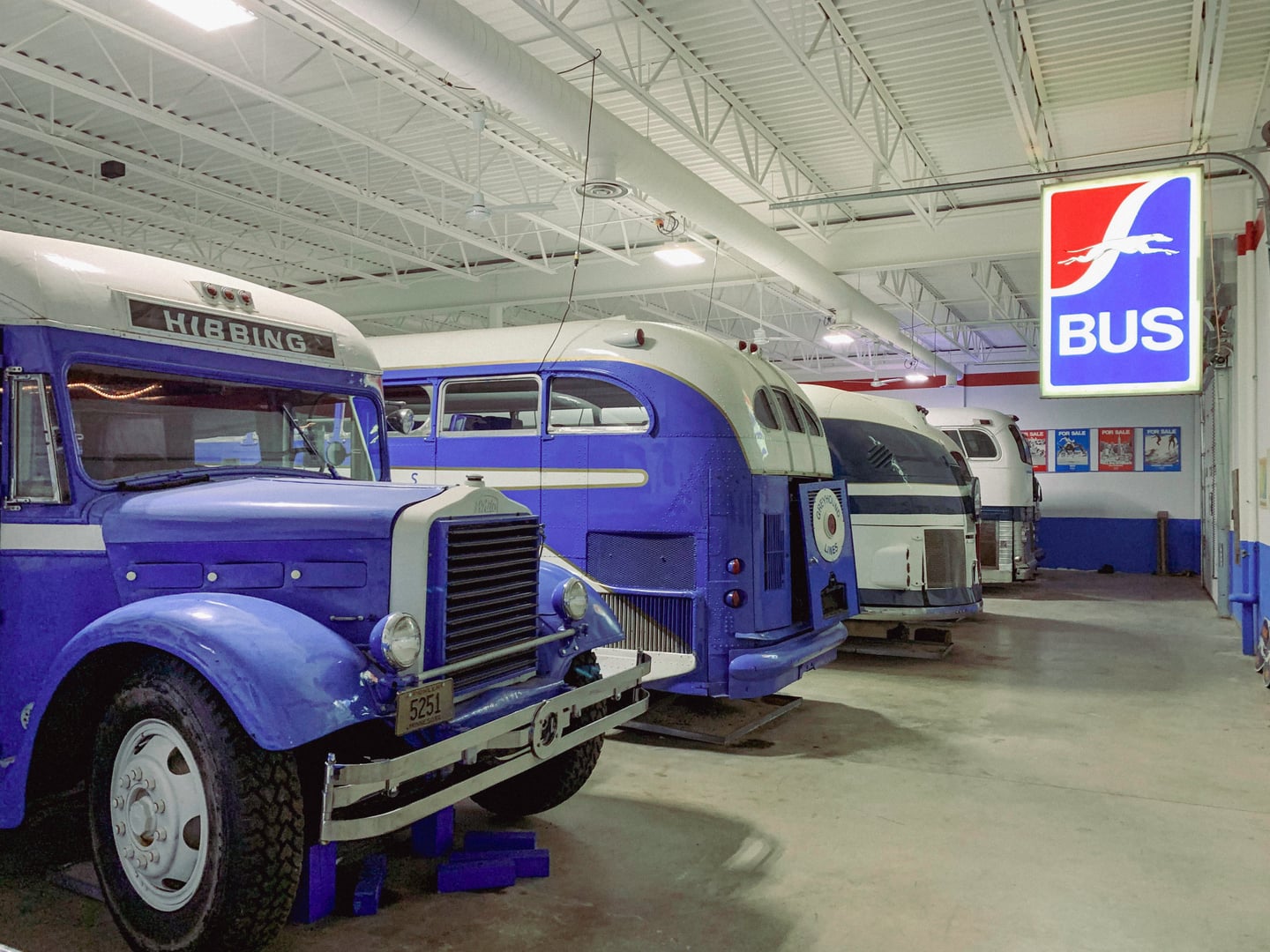
Photo of Greyhound Bus Museum
Museum / Historical Site

Greyhound Bus Museum

Hibbing, MN

American bus travel traces its origins to Hibbing, Minnesota, where in 1914 a man named Andrew Anderson drove workers along Howard Street in a Hupmobile automobile for five cents a fare — a route that would eventually become Greyhound Lines. The Greyhound Bus Museum, on Greyhound Boulevard adjacent to Hibbing Park Cemetery, preserves that founding history through restored coaches and transportation artifacts.

$ All Ages Family: High
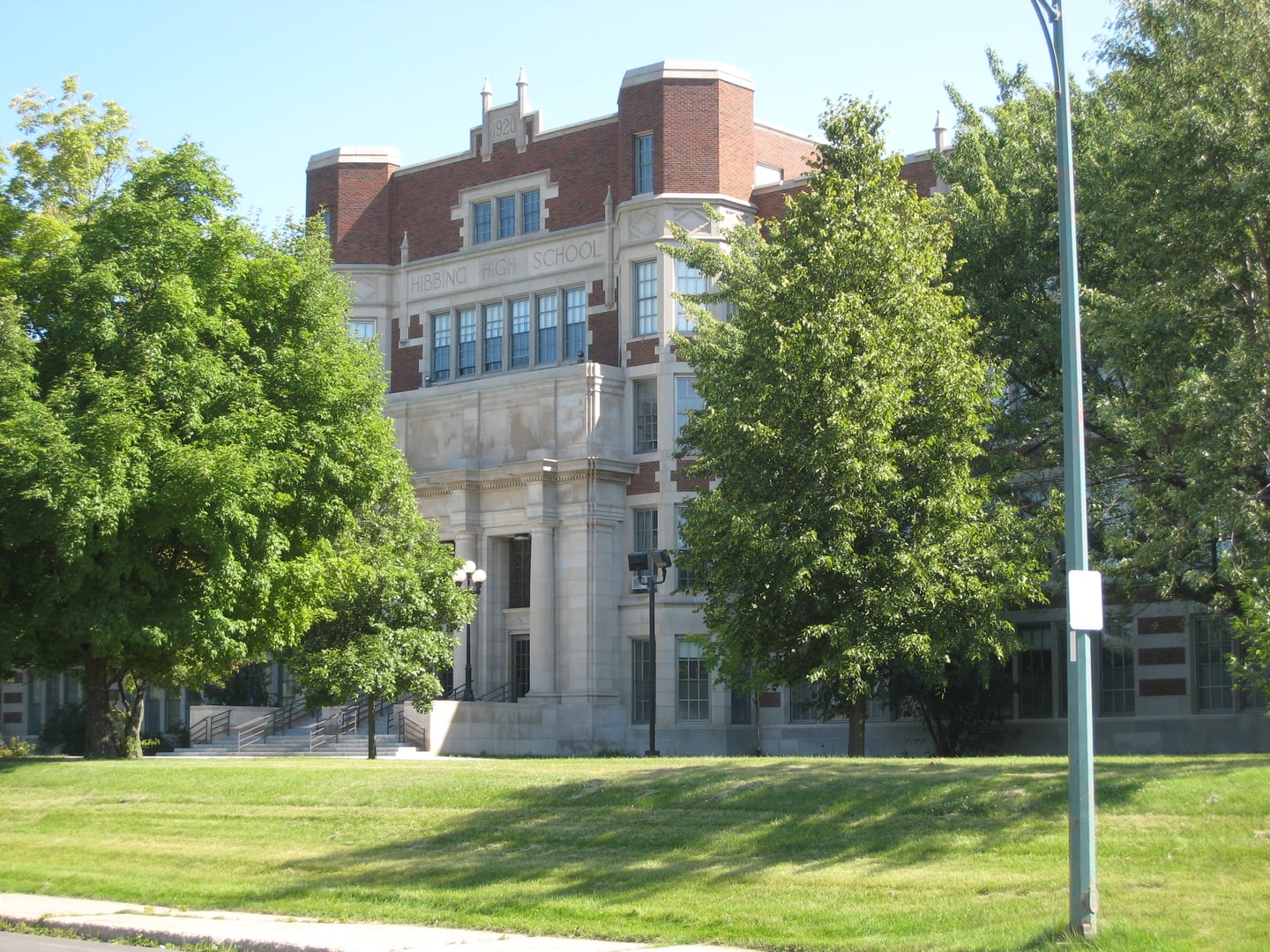
Photo of Hibbing High School Auditorium
Theater / Performance Venue

Hibbing High School Auditorium

Hibbing, MN

The Hibbing High School auditorium was constructed between 1922 and 1924 at a cost funded by the Oliver Iron Mining Company, which had profited enormously from the Mesabi Range ore beneath what was once the town's original site. Modeled on New York's Capitol Theatre, the 1,800-seat facility was listed on the National Register of Historic Places in 1980 and has served as both a community auditorium and a high school venue for over a century.

$ All Ages Family: High
Aerial survey view of North Hibbing Ghost Town
Aerial survey · USDA NAIP
Outdoor / Natural Site

North Hibbing Ghost Town

Hibbing, MN

When the Oliver Iron Mining Company determined in the early twentieth century that the richest iron ore deposits on the Mesabi Range lay directly beneath Hibbing's original townsite, it funded the physical relocation of approximately 185 buildings two miles south between 1919 and 1921. The original townsite — called North Hibbing — was left behind as an open-air skeleton of streets, curbs, foundations, and stairways leading to vanished doorways.

$ All Ages Family: Moderate

Hutchinson — 3

Aerial survey view of Attack on Hutchinson Stockade Monument — Library Square
Aerial survey · USDA NAIP
Battlefield / Military Site

Attack on Hutchinson Stockade Monument — Library Square

Hutchinson, MN

On September 4, 1862, a Dakota force under Chief Little Crow's command — approximately 200 warriors — attacked the town of Hutchinson during the US-Dakota War. About 200 settlers sheltered inside a hastily built stockade. Thirty-two people died in the attack, including non-combatants killed in the surrounding countryside. A monument rock in Library Square marks where the stockade stood.

$ All Ages Family: High
Aerial survey view of Death Spot of Little Crow
Aerial survey · USDA NAIP
Outdoor / Natural Site

Death Spot of Little Crow

Hutchinson, MN

On July 3, 1863, Dakota chief Taoyateduta — known to settlers as Little Crow — was shot and killed on this spot while picking raspberries with his teenage son Wowinape. Settlers Nathan Lamson and his son Chauncey fired the fatal shots, not recognizing him as the leader of the 1862 US-Dakota War. The pair collected a $500 scalp bounty plus a $25 bonus from the state.

$ All Ages Family: High
Exterior of the Harrington-Merrill House at 225 Washington Street West, Hutchinson, Minnesota — the only building to survive the September 4, 1862 Dakota attack on the town, viewed from the southeast
Haunted House / Historic Home

Harrington House

Hutchinson, MN

The Harrington House in Hutchinson, Minnesota, is the only town building that survived the September 4, 1862 attack on Hutchinson by Dakota warriors under Chief Taoyateduta (Little Crow) during the Dakota War of 1862. Local tradition holds that the house was spared because, as the largest in town, it was intended for Little Crow's own use after the war.

$ All Ages Family: Moderate

Pipestone — 3

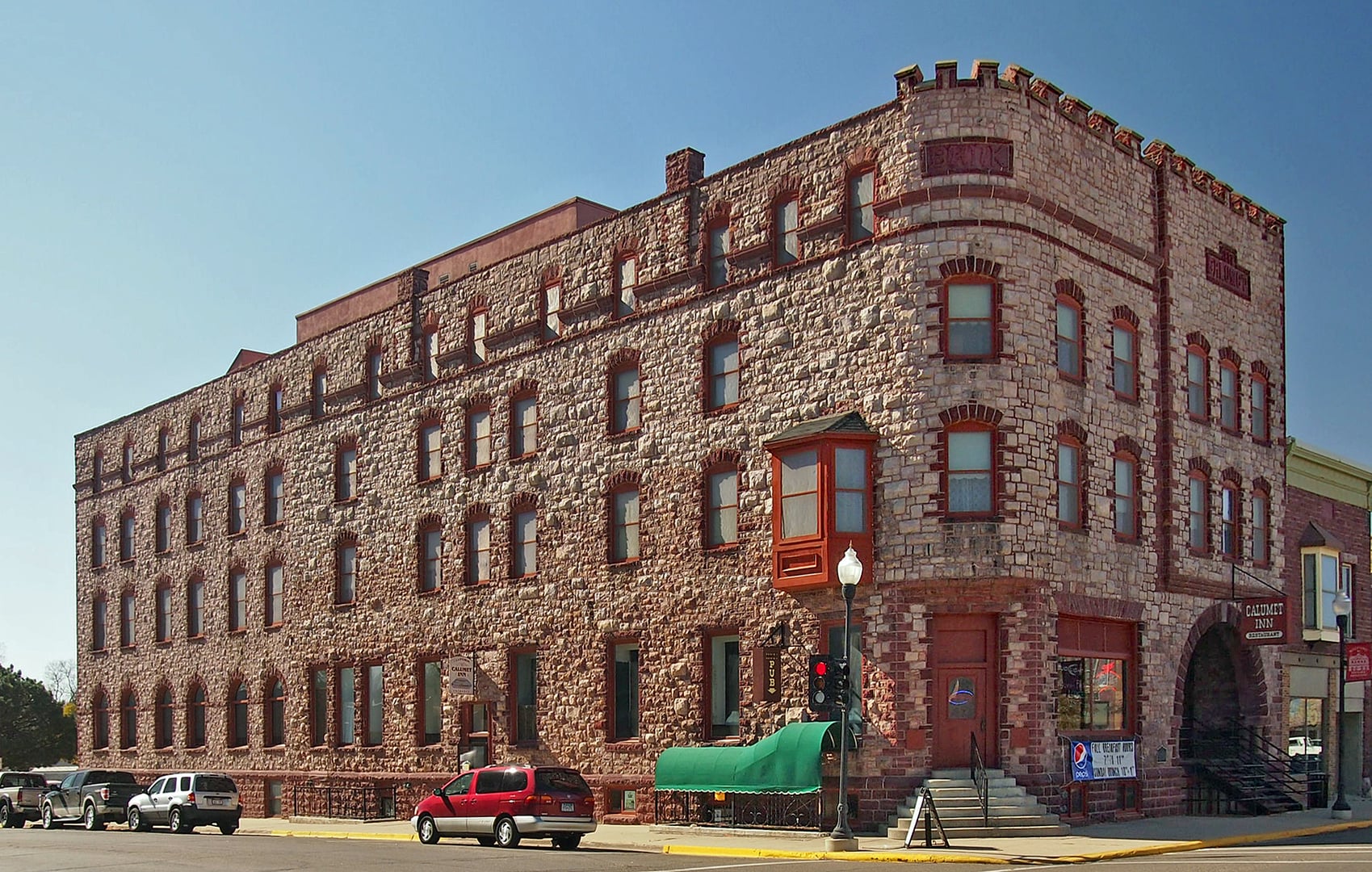
Exterior of the Historic Calumet Inn in Pipestone, Minnesota, showing pink Sioux quartzite facade
Haunted Hotel / Inn

Historic Calumet Inn

Pipestone, MN

Built in 1888 from Pipestone's distinctive pink Sioux quartzite to replace an 1886 fire-destroyed predecessor, the Calumet Inn opened on Thanksgiving Day and expanded to 90 rooms by 1913. Condemned in 1978, it was restored and has operated continuously since 1981.

$$ All Ages Family: Moderate
Museum / Historical Site

Pipestone County Museum (Former Poor Farm Building)

Pipestone, MN

The Pipestone County Museum occupies the 1896 Old City Hall, a National Register-listed Sioux quartzite building that originally housed the city's offices, jail, fire department, and first public library. The building is connected to the history of the Pipestone County poor farm, a county welfare institution that operated in the early 1900s to house widows, disabled veterans, and people with mental illness.

$ All Ages Family: Moderate
The Pipestone County Museum, housed in the 1896 Sioux quartzite Old City Hall building in Pipestone, Minnesota.
Museum / Historical Site

Pipestone County Museum

Pipestone, MN

The Pipestone County Museum occupies the city's 1896 Old City Hall, a three-story Sioux quartzite building designed by regional architect Wallace Dow in the Richardsonian Romanesque style. The building originally housed city offices, the jail, fire department, the city's first public library, and a large meeting hall. It was deeded to the Pipestone County Historical Society in 1967 and listed on the National Register of Historic Places in 1976.

$ All Ages Family: High

Rochester — 3

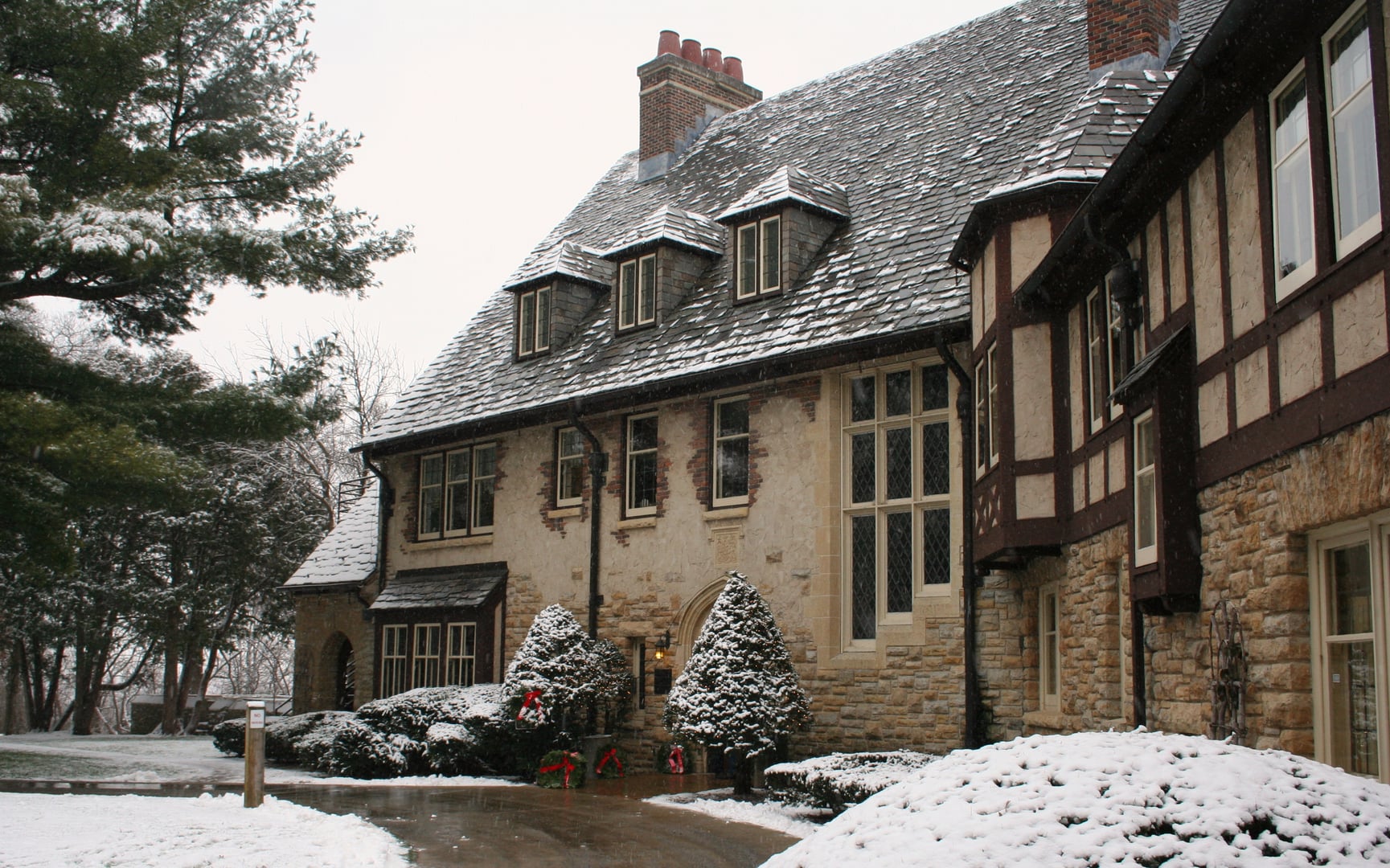
Photo of Plummer House
Haunted House / Historic Home

Plummer House

Rochester, MN

Dr. Henry Stanley Plummer joined the Mayo Clinic in 1901 and became one of its most influential figures, developing the linked medical record system, the thyroid clinic, and the clinic's internal telephone network. Construction on his English Tudor mansion on a hilltop above Rochester began in 1917 and was completed in 1924. Plummer died in the house on December 31, 1936. The City of Rochester acquired the property in 1948 and operates it as a public park and arts center.

$ All Ages Family: High
Aerial survey view of Quarry Hill Park & Nature Center
Aerial survey · USDA NAIP
Outdoor / Natural Site

Quarry Hill Park & Nature Center

Rochester, MN

Quarry Hill Park occupies land that was part of the Rochester State Hospital farm from the 1870s through 1965. The City of Rochester purchased 212 acres from the state in 1965 for $21,200. The park contains hand-dug sandstone caves from 1882, a fully documented cemetery of 2,019 former psychiatric patients buried between 1886 and 1965, and the Quarry Hill Nature Center, dedicated in 1973.

$ All Ages Family: High
Theater / Performance Venue

Rochester Civic Theatre

Rochester, MN

The Rochester Civic Theatre was founded in 1951 by a group of local performers calling themselves the Log Cabin Players. A capital campaign in the early 1960s funded the current 300-seat downtown building along Civic Center Drive SE. The organization has run continuously for over 70 seasons.

$$ All Ages Family: High

Saint Cloud — 3

Haunted Dining / Bar

D.B. Searle Building

Saint Cloud, MN

Daniel B. Searle — a Union veteran who witnessed President Lincoln's assassination at Ford's Theatre on April 14, 1865 — built the five-story brick block at 18 5th Ave S in Saint Cloud in 1886. The building housed a German-American bank on its ground floor and a Masonic hall on upper floors for decades before the Colbert Funeral Home occupied the space from 1939 to 1970, conducting its business there for thirty-one years.

$ All Ages Family: High
Theater / Performance Venue

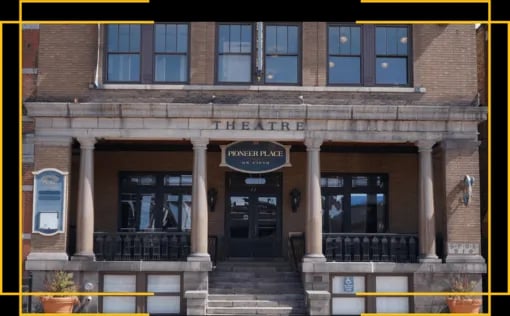
Pioneer Place on Fifth

Saint Cloud, MN

The building at 22 5th Ave S in Saint Cloud was constructed in 1913 as the headquarters of the local chapter of the Benevolent and Protective Order of Elks (BPOE). It opened as a music and performance venue in 1998.

$$ All Ages Family: High
Museum / Historical Site

St. Cloud State University — Lawrence Hall & Haunted Campus Sites

Saint Cloud, MN

The St. Cloud State University campus has four buildings with distinct ghost traditions rooted in historical events. The most concrete is the 1999 construction of the Miller Learning Resources Center, during which excavation revealed 24 graves from a nineteenth-century settler cemetery that had been lost to institutional memory.

$ All Ages Family: High

Two Harbors — 3

Black Woods Bar and Grill exterior at night, showing the illuminated building facade with Blackwoods sign at 612 7th Avenue in Two Harbors, Minnesota
Haunted Dining / Bar

Black Woods Bar and Grill

Two Harbors, MN

The Black Woods Bar and Grill at 612 7th Avenue in Two Harbors, Minnesota has operated at this location since 1994. The building previously served as a boarding house and bakery, according to the Lake County Historical Society. Lake County records document approximately 16 property owners or organizations since 1900, none of which were orphanages.

$$ All Ages Family: High
Haunted Dining / Bar

Blackwoods Bar and Grill

Two Harbors, MN

The building at 612 7th Avenue in Two Harbors has had approximately 16 owners or organizations since 1900, documented in Lake County records. It previously served as a boarding house and bakery, and opened as Blackwoods restaurant in 1994. A popular local legend that it once was an orphanage was specifically investigated and contradicted by Ellen Lynch of the Lake County Historical Society, who found no documentation to support the claim.

$$ All Ages Family: High
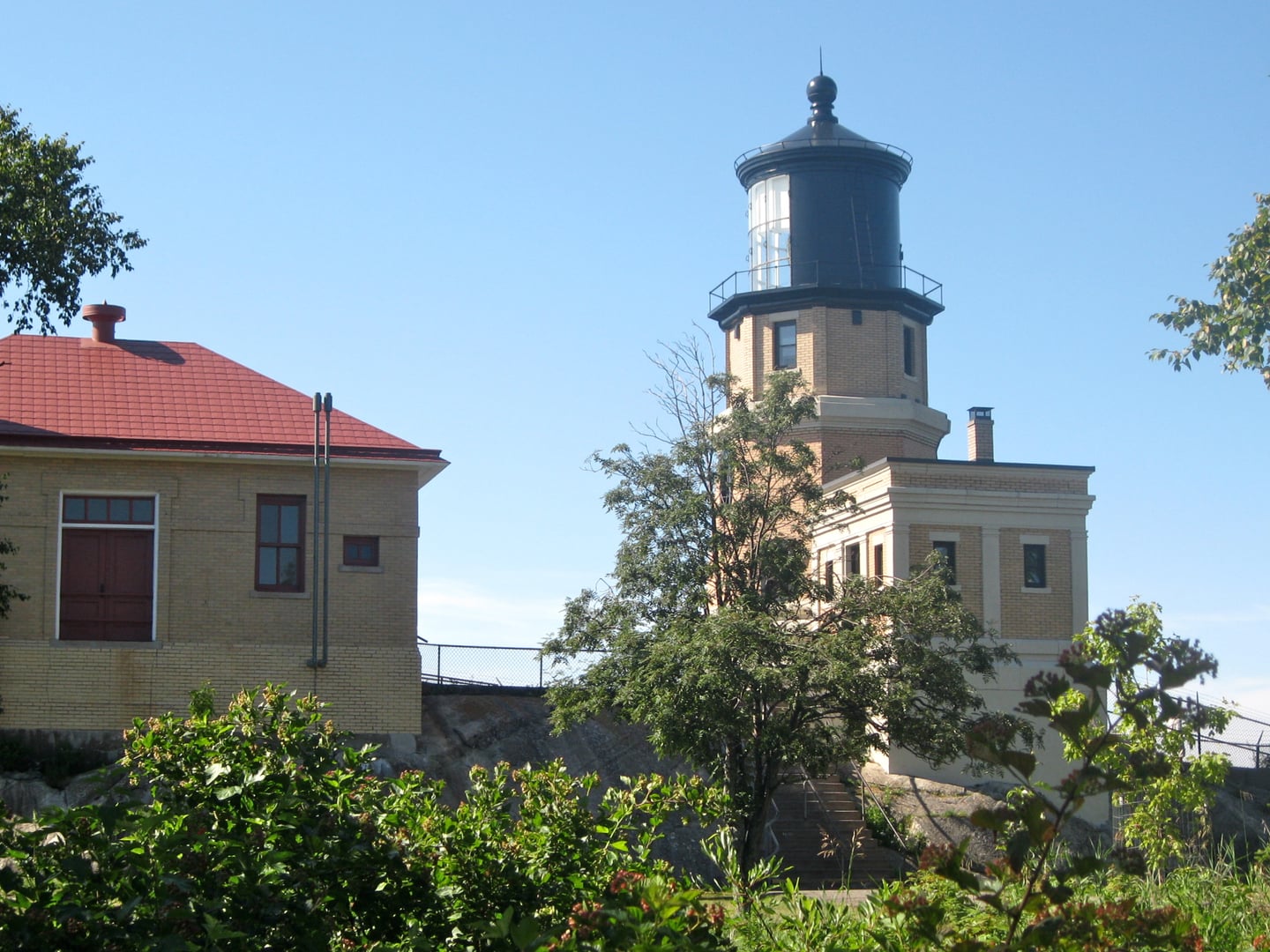
Photo of Split Rock Lighthouse
Outdoor / Natural Site

Split Rock Lighthouse

Two Harbors, MN

Split Rock Lighthouse was built in direct response to the Mataafa Storm of November 1905, during which 29 vessels were lost or damaged on Lake Superior. The lighthouse was completed in 1910, perched on a sheer 133-foot basalt cliff above Lake Superior. It operated until 1969, when the U.S. Coast Guard decommissioned it. The Minnesota Historical Society now administers the site, restored to its late 1920s appearance, as part of Split Rock Lighthouse State Park.

$ All Ages Family: Moderate

Anoka — 2

Asylum / Hospital

Anoka State Hospital

Anoka, MN

Opened in 1900 as Minnesota's first asylum built to the cottage plan, Anoka State Hospital housed patients deemed incurably insane and later expanded to include electroshock therapy. It closed in 1999 after a century of operation; several of its original cottages now serve as veteran housing and county offices.

$ All Ages Family: Moderate
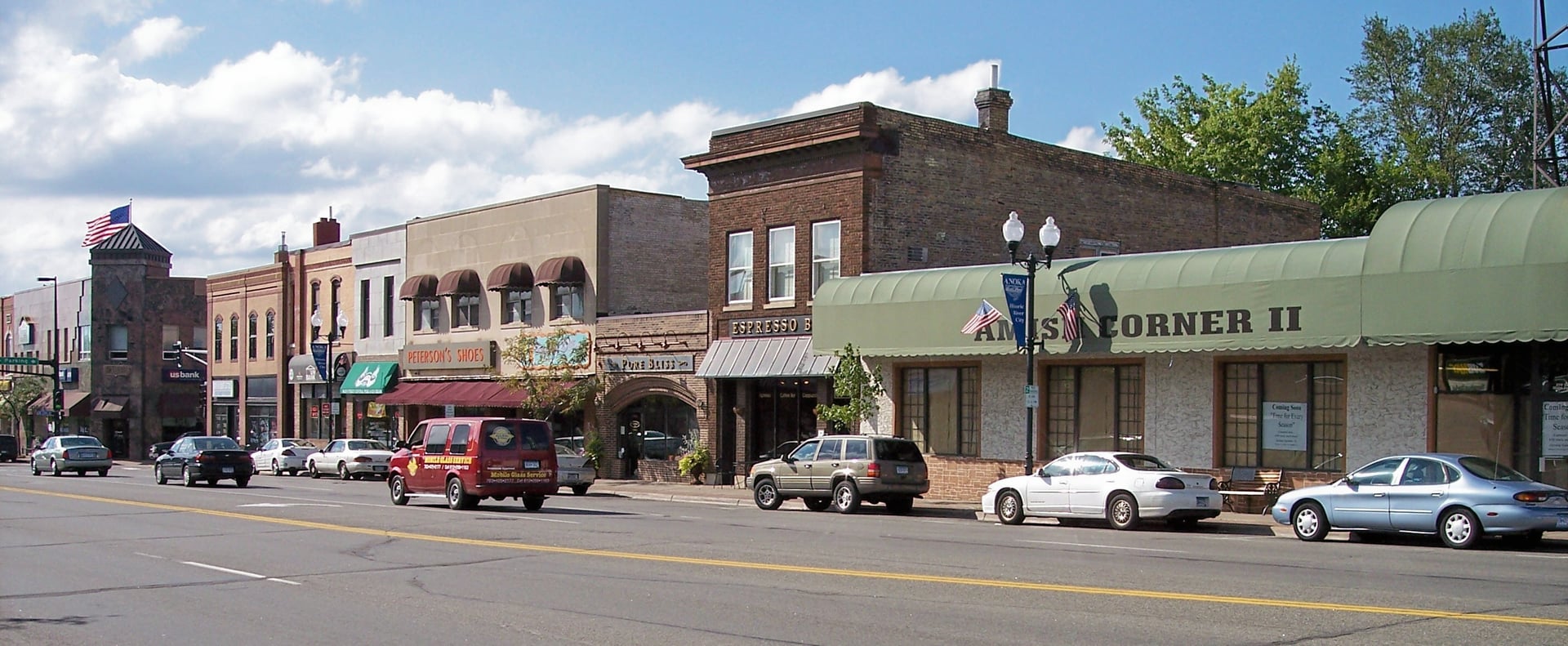
Historic Main Street in downtown Anoka, Minnesota, the late-1800s commercial district that includes the Jackson Hotel building housing Billy's Bar and Grill
Haunted Dining / Bar

Billy's Bar & Grill

Anoka, MN

Billy's Bar & Grill occupies the former Jackson Hotel at 214 Jackson Street in Anoka, Minnesota, built in the late 1800s by Swedish immigrant Charles G. Jackson. The building operated as an elegant hotel through the early 20th century before functioning as an unofficial brothel under Mrs. Jackson, then passing through multiple commercial uses including a French restaurant before becoming a bar and grill.

$$ All Ages Family: Moderate

Litchfield — 2

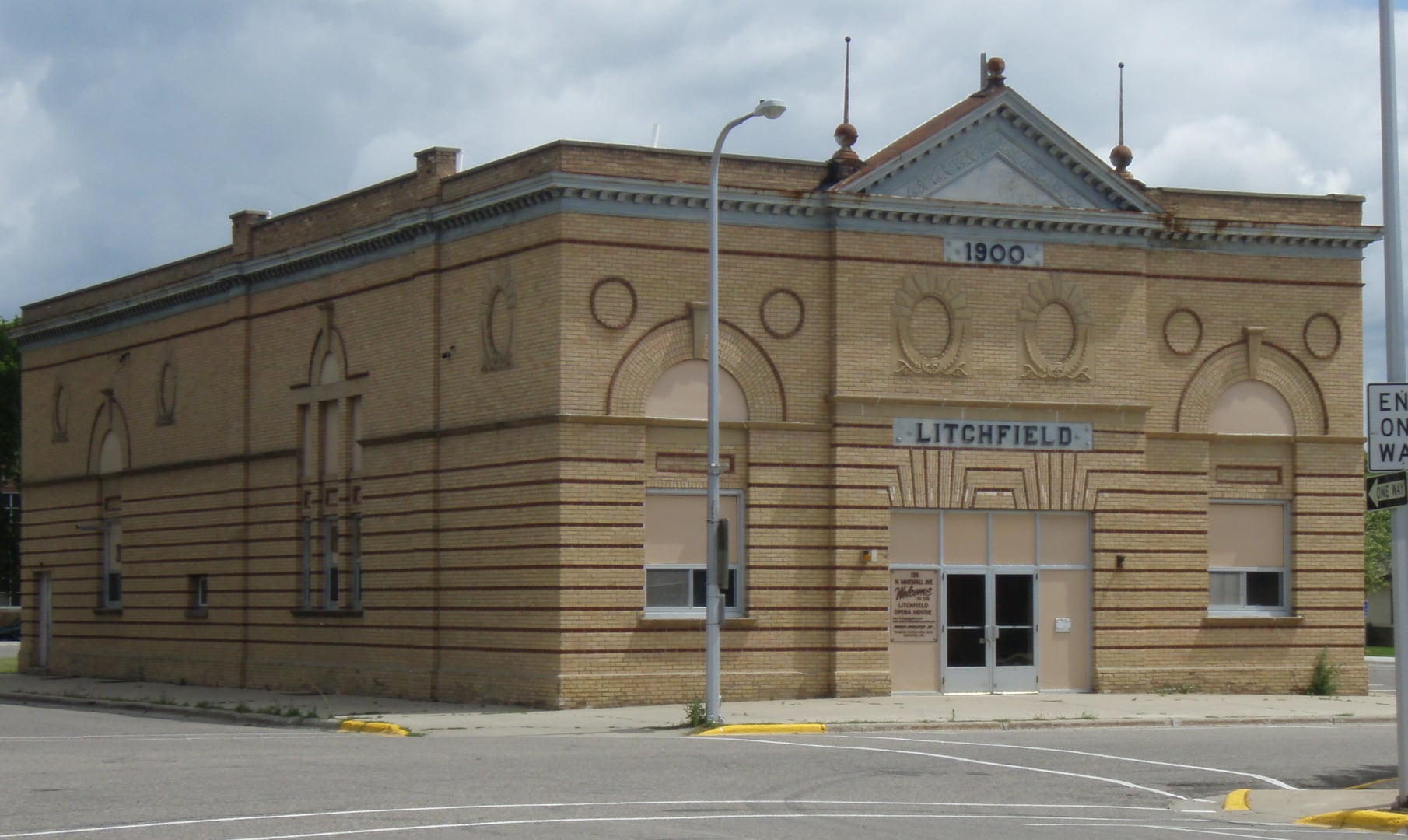
Photo of Litchfield Opera House
Theater / Performance Venue

Litchfield Opera House

Litchfield, MN

Litchfield's opera house was built in 1900 after a committee of local businessmen organized to replace the obsolete 1871 town hall. Designed by architect W.T. Towner and built by contractor N.P. Franzen in the Renaissance Revival style, the building opened November 8, 1900. It was listed on the National Register of Historic Places in 1984 and sold to the Greater Litchfield Opera House Association in 2008 for restoration.

$ All Ages Family: High
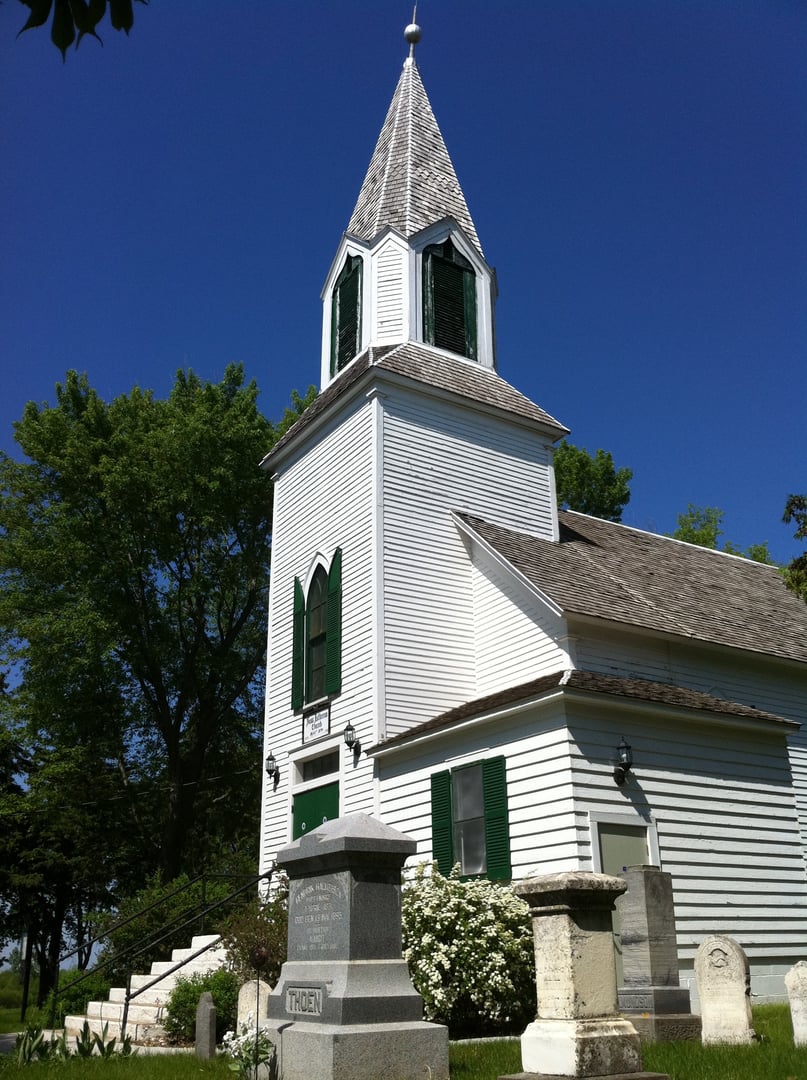
Historic Ness Lutheran Church, a white clapboard building from 1874 with the cemetery in the foreground
Cemetery / Burial Ground

Ness Lutheran Church & Cemetery

Litchfield, MN

Ness Lutheran Church was established in 1861 by Norwegian immigrant settlers in Meeker County and is the first organized Lutheran congregation in the county. The current church building dates to 1874. The cemetery holds the graves of the five settlers killed in the Acton Incident of August 17, 1862 — the event that triggered the U.S.-Dakota War — and has been a Minnesota Historical Site since 1970, added to the National Register of Historic Places in May 2025.

$ All Ages Family: Moderate

Mantorville — 2

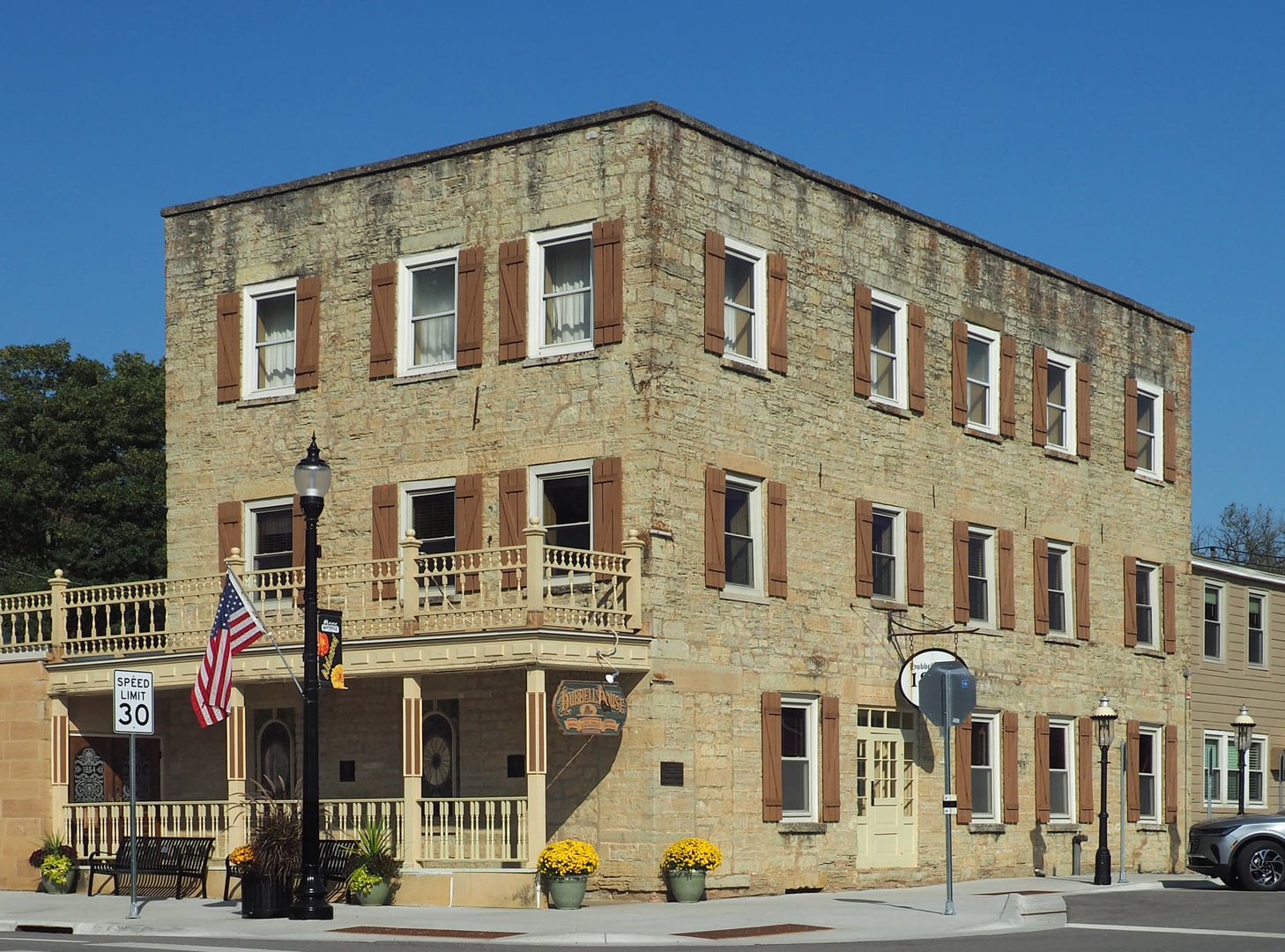
The limestone exterior of the Hubbell House restaurant at 502 N Main St in Mantorville, Minnesota, photographed in 2025
Haunted Dining / Bar

Hubbell House

Mantorville, MN

The Hubbell House was established in 1854 by John Hubbell in Mantorville, Minnesota — four years before statehood — as a two-room log waystation for mail carriers and stagecoach travelers. The current three-story limestone structure dates to 1856. It has operated continuously as a restaurant and is a contributing property to the Mantorville Historic District on the National Register of Historic Places.

$$ All Ages Family: High
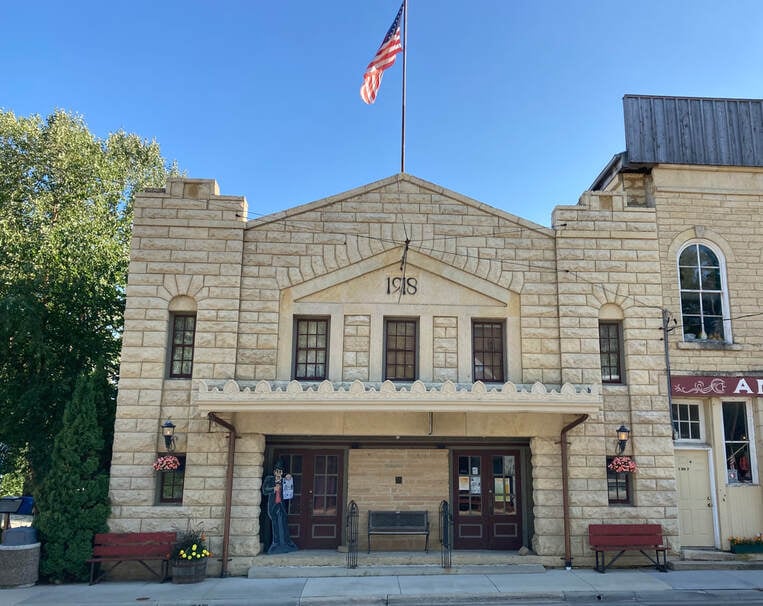
Exterior facade of the Mantorville Opera House, a 1918 limestone block theater on Fifth Street in Mantorville, Minnesota, with the date 1918 carved above the entrance
Theater / Performance Venue

Mantorville Opera House

Mantorville, MN

The Mantorville Opera House was built in 1918 after a fire destroyed much of the downtown, designed as a community arts and entertainment center. It has served as a speakeasy, silent movie theater, roller rink, and city hall before returning to its theatrical purpose. The Mantorville Restoration Association assumed management when the city could no longer maintain it; a major interior restoration occurred in 2005-2006.

$$ All Ages Family: High

Red Wing — 2

Aerial survey view of Sea Wing Disaster Memorial at Levee Park
Aerial survey · USDA NAIP
Outdoor / Natural Site

Sea Wing Disaster Memorial at Levee Park

Red Wing, MN

On July 13, 1890, the excursion steamer Sea Wing capsized on Lake Pepin during a sudden squall, killing 98 people — 77 of them Red Wing residents — in the worst inland waterway disaster in Minnesota history. A bronze plaque set in stone in Levee Park marks the site from which the boat departed and to which the grief-stricken community returned.

$ All Ages Family: High
Photo of St. James Hotel
Haunted Hotel / Inn

St. James Hotel

Red Wing, MN

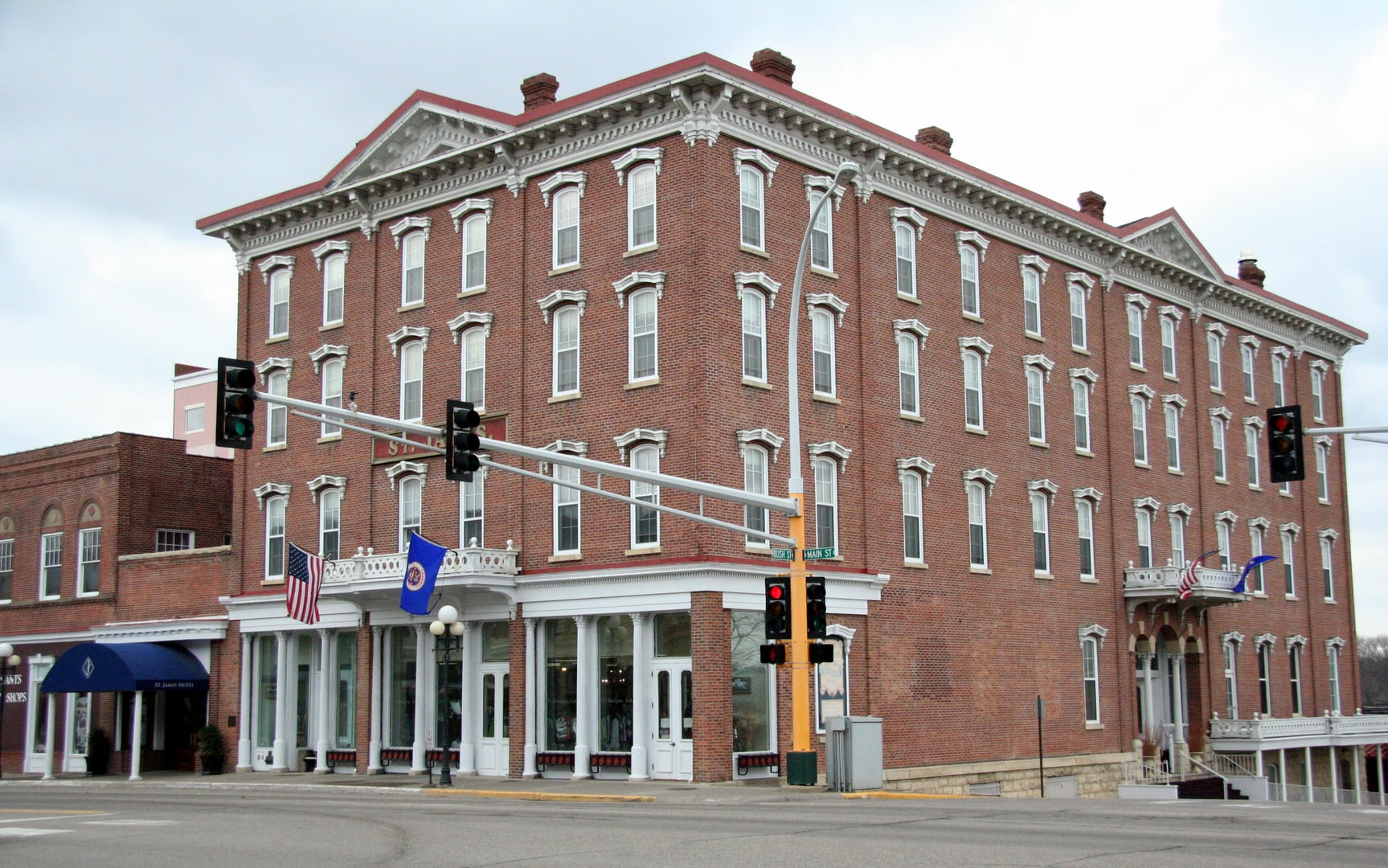
The St. James Hotel opened in 1875 as a luxury Italianate inn in Red Wing's growing river trade district. In July 1890, the hotel was pressed into service as a temporary morgue following the Sea Wing steamboat disaster on Lake Pepin, which killed 98 people — 77 of them Red Wing residents. Clara Lillyblad managed the hotel from 1931 until her death in 1972.

$$$ All Ages Family: High

Afton — 1

Photo of Afton House Inn
Haunted Hotel / Inn

Afton House Inn

Afton, MN

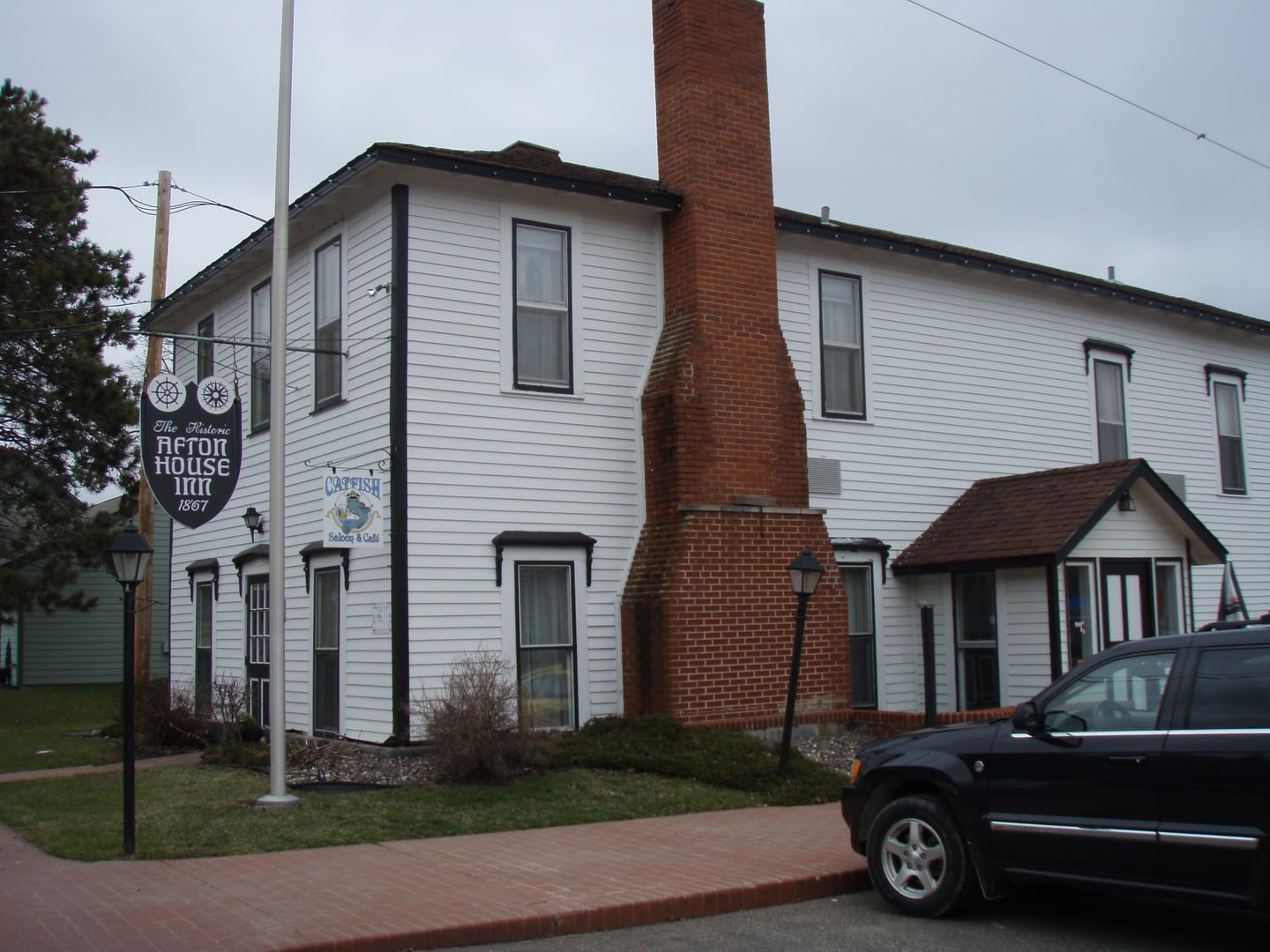
Charles Cushing, a Civil War veteran, built the Afton House Inn in 1867 to serve railroad workers, lumbermen, and travelers along the St. Croix River. It is the oldest continuously operating hotel in Minnesota and the earliest surviving example of a modest workingman's hotel above Point Douglass, the confluence of the St. Croix and Mississippi rivers. The property was added to the National Register of Historic Places in 1985.

$$$ All Ages Family: High

Annandale — 1

Thayer Hotel in Annandale Minnesota, 1895 historic three-story wooden hotel building
Haunted Hotel / Inn

The Thayer

Annandale, MN

The Thayer Hotel in Annandale, Minnesota was built in 1895 after the original Charles Hotel on the site burned down. The building has operated continuously as a lodging establishment through various ownerships and configurations, briefly closing for COVID-related renovations before reopening as a restaurant and event venue. The hotel reportedly hosted Al Capone during the Prohibition era.

$$ All Ages Family: Moderate

Apple Valley — 1

Apple Valley MN
Outdoor / Natural Site

Alimagnet Park

Apple Valley, MN

Alimagnet Park is an 85-acre municipal park in Apple Valley, Dakota County, Minnesota, administered by the city and featuring lake frontage on Lake Alimagnet, disc golf, canoe access, and a 1.6-mile nature trail. The park serves as a standard recreational green space in the Twin Cities south metro.

$ All Ages Family: High

Blaine — 1

Museum / Historical Site

Blaine High School

Blaine, MN

Blaine High School is a comprehensive secondary educational facility in Blaine, Minnesota, serving the Anoka-Hennepin school district. The school operates as an active community educational institution.

$ School hours for students Family: Moderate

Brainerd — 1

Museum / Historical Site

Minnesota Haunted Museum

Brainerd, MN

The Minnesota Haunted Museum opened in Brainerd as one of the state's first dedicated paranormal museums, building a collection of more than 400 objects claimed to be haunted or cursed. Unlike theatrical haunted attractions, the museum operates year-round as a museum-format venue, cataloguing the reported histories of its objects and offering structured investigation events.

$$ All Ages Family: Moderate

Breckenridge — 1

Theater / Performance Venue

Cinema 6 Theatre (Hotel Stratford Site)

Breckenridge, MN

The Cinema 6 Theatre stood at the corner of Fourth Street and Minnesota Avenue in downtown Breckenridge, on the former site of the Hotel Stratford. The Stratford, built in 1913, was destroyed in a fire on January 28, 1977, that killed 16 people during sub-zero weather; investigators concluded arson but no suspect was ever identified or charged. The theater that later occupied the site closed permanently in June 2020.

$ All Ages Family: Moderate

Buhl — 1

Aerial survey view of Lakeview Cemetery (Buhl)
Aerial survey · USDA NAIP
Cemetery / Burial Ground

Lakeview Cemetery (Buhl)

Buhl, MN

Lakeview Cemetery in Buhl, Minnesota, opened alongside the Shaw Hospital in 1913, which served patients with tuberculosis and mental illness in the Iron Range region. Patients who died without family or means were buried in an adjacent Potter's Field, their graves marked only by numbered cast-iron crosses rather than named headstones.

$ All Ages Family: High

Burnsville — 1

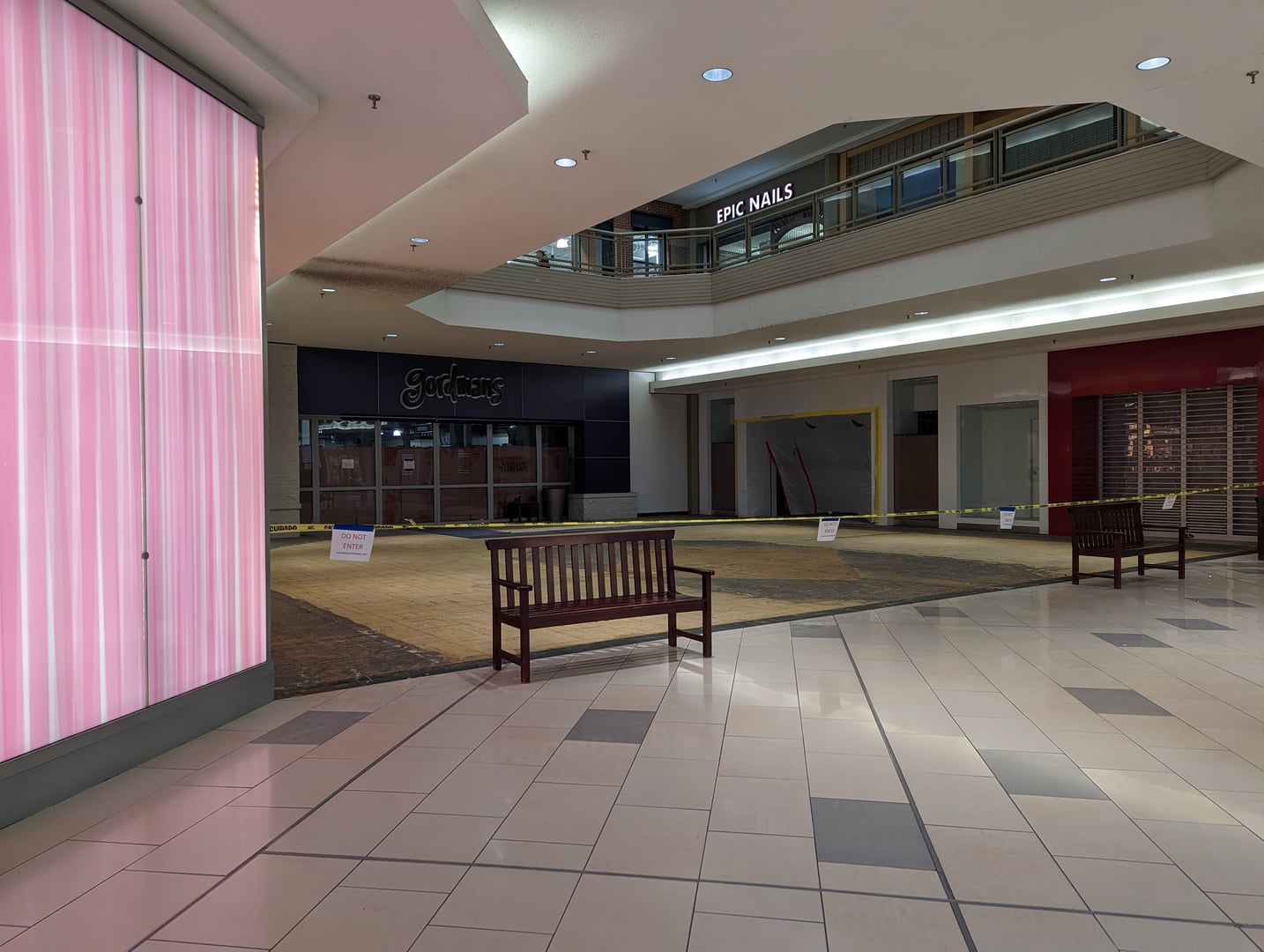
Former Gordmans wing on lower level, currently blocked off.  The upper level hosts a Dick's Sporting Goods and is currently open.
Other Dark Tourism Site

Burnsville Center

Burnsville, MN

Burnsville Center opened in 1977 as a major retail shopping destination in Burnsville, Minnesota. The mall serves the Twin Cities metropolitan area with over 100 stores and dining establishments. Construction of the original facility involved standard commercial development practices of the era.

$ All Ages Family: High

Chanhassen — 1

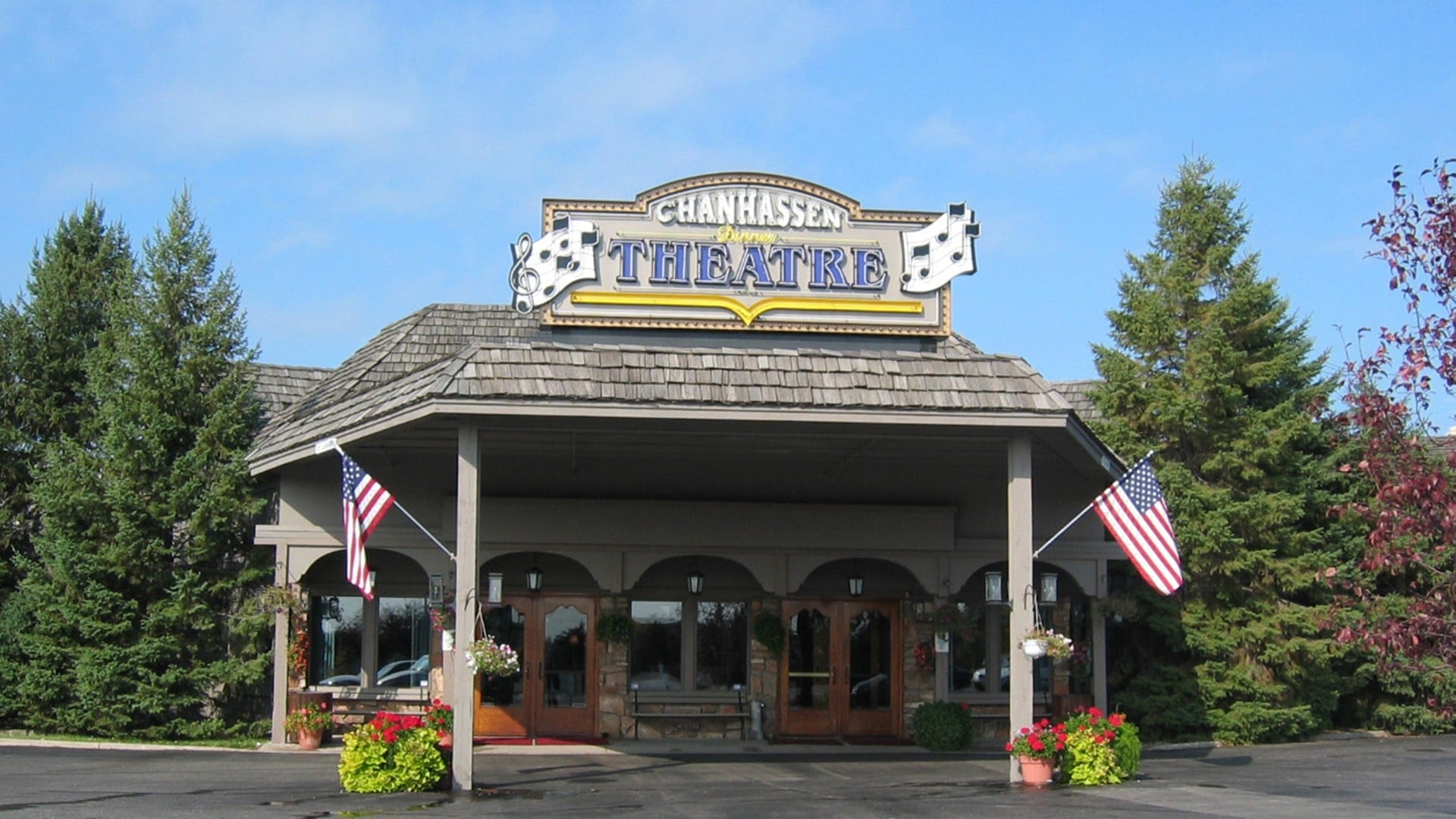
Exterior of Chanhassen Dinner Theatres at 501 W 78th Street in Chanhassen, Minnesota
Theater / Performance Venue

Chanhassen Dinner Theatres

Chanhassen, MN

Chanhassen Dinner Theatres opened in 1968 and operates today as the nation's largest Equity dinner theater, with four stages under one roof at 501 W 78th Street in Chanhassen, Minnesota. The complex is consistently ranked among the Twin Cities' top dining and entertainment destinations.

$$$ All Ages Family: High

Chisholm — 1

Aerial survey view of Minnesota Discovery Center / Glen Location Ghost Town
Aerial survey · USDA NAIP
Other Dark Tourism Site

Minnesota Discovery Center / Glen Location Ghost Town

Chisholm, MN

The Minnesota Discovery Center operates on the site of the former Glen Mine near Chisholm, Minnesota. Its trolley tours access Glen Location — an early 1900s Iron Range mining settlement that has stood largely unchanged since its abandonment, featuring a 1905 Finnish boarding house, an original mine shaft, and the street plan of a once-active immigrant community.

$$ All Ages Family: High

Crosby — 1

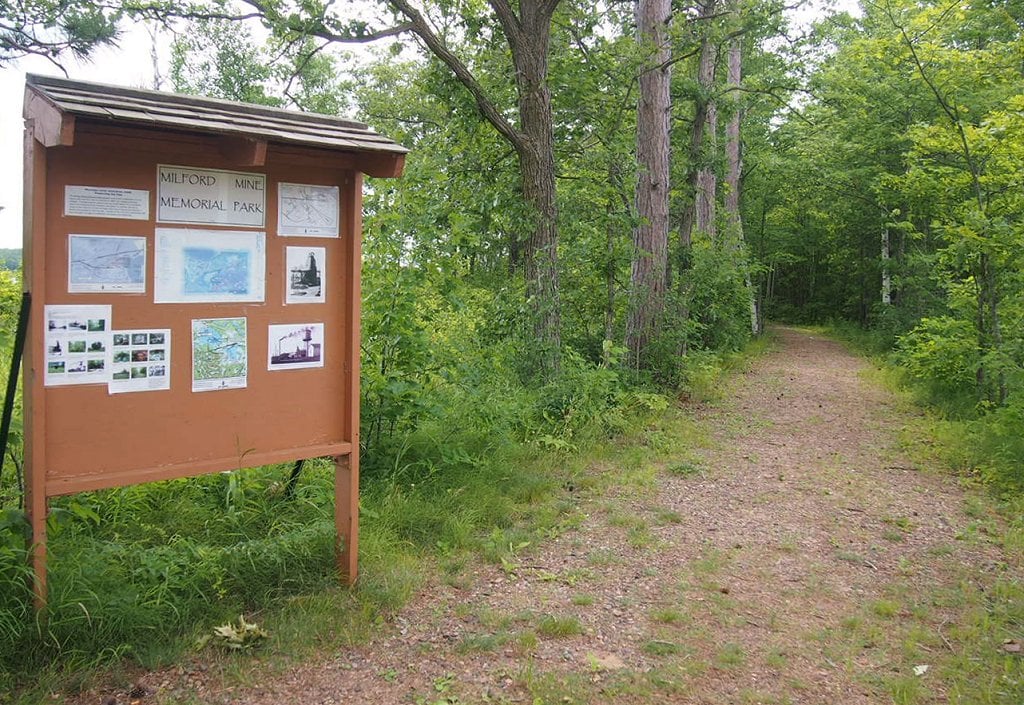
Milford Mine Memorial Park in Crow Wing County near Crosby, Minnesota, site of the 1924 mining disaster that killed 41 men, listed on the National Register of Historic Places.
Outdoor / Natural Site

Milford Mine Memorial Park

Crosby, MN

The Milford Mine opened in 1917 on the Cuyuna Iron Range near Crosby, Minnesota, extracting high-manganese iron ore from depths reaching 200 feet. On February 5, 1924, a surface cave-in at the mine's eastern end breached a mud layer connecting directly to Foley Lake. The flooded in under 20 minutes, killing 41 of the 48 miners then underground — the deadliest mining accident in Minnesota history. The site was listed on the National Register of Historic Places in 2011 and is now managed as Milford Mine Memorial Park by Crow Wing County.

$ All Ages Family: High

Fairfax — 1

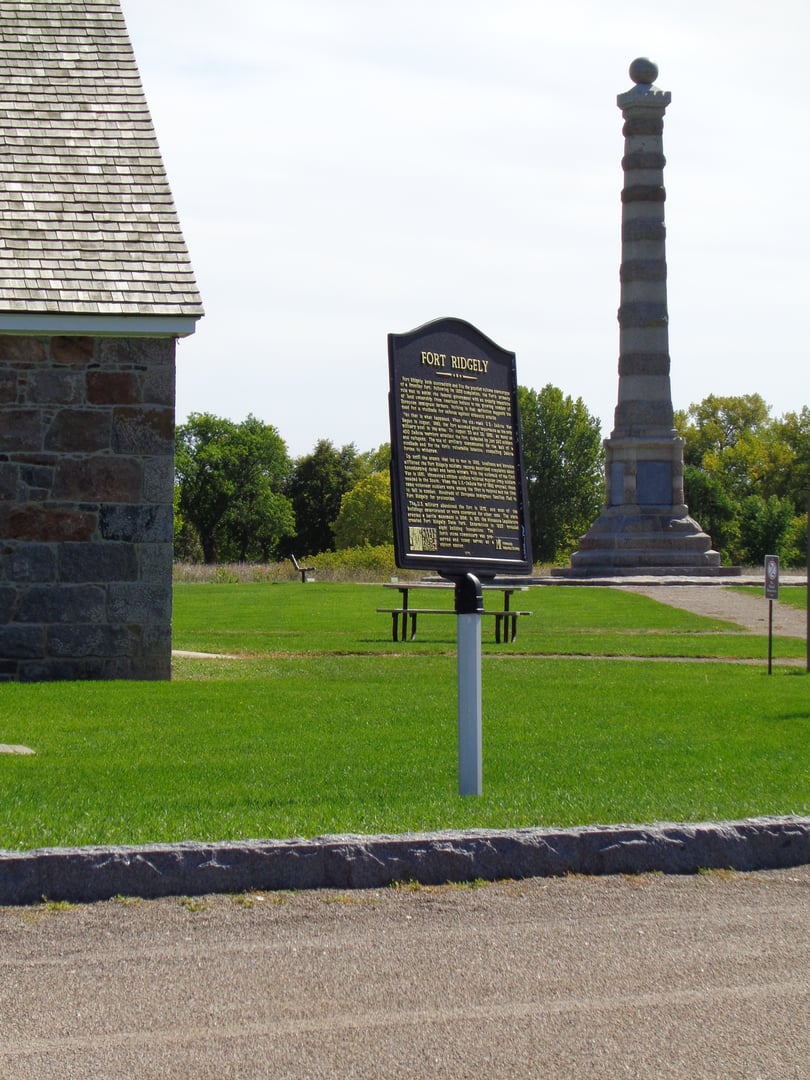
Fort Ridgely visitor center and historical monument at Fort Ridgely State Park near Fairfax, Minnesota
Battlefield / Military Site

Fort Ridgely State Park

Fairfax, MN

Fort Ridgely was built in 1853 along the Dakota reservation boundary and became the site of two Dakota assaults in August 1862 during the U.S.-Dakota War — one of the most consequential conflicts in Minnesota history. The Army abandoned the fort in 1867; the Minnesota Historical Society assumed stewardship in 1986.

$ All Ages Family: High

Faribault — 1

Asylum / Hospital

Faribault State Hospital — Walcott Mills Colony Farm

Faribault, MN

The Faribault State Hospital, founded in 1879 as the Minnesota Experimental School for Imbeciles, acquired 507 acres in Walcott Township in 1909 to establish a colony farm for its highest-functioning residents. The institution became the center of Minnesota's eugenics sterilization program.

$ All Ages Family: High

Fergus Falls — 1

Photo of Fergus Falls State Hospital
Asylum / Hospital

Fergus Falls State Hospital

Fergus Falls, MN

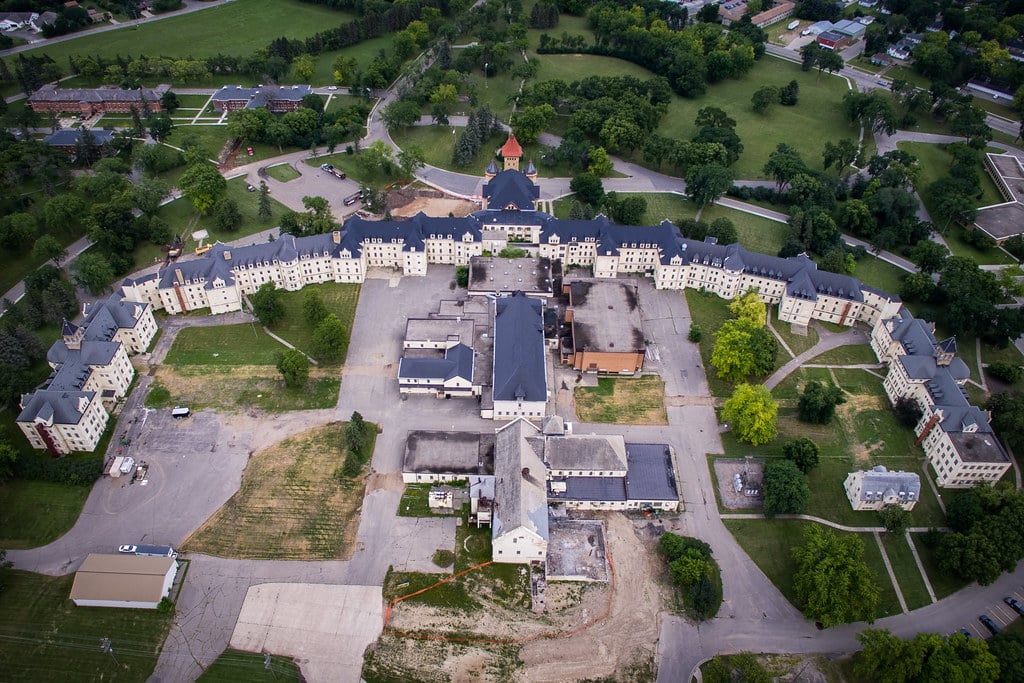
Designed by architect Warren B. Dunnell on the Kirkbride Plan, the hospital opened July 29, 1890 as the third Minnesota institution for the insane. It grew to house approximately 1,700 patients by the late 1920s before closing in 2005 after 115 years of operation.

$ All Ages Family: Moderate

Hastings — 1

Gothic Revival LeDuc Historic Estate mansion with decorative woodwork and pointed gables viewed from the west, Hastings, Minnesota
Museum / Historical Site

LeDuc Historic Estate

Hastings, MN

The LeDuc Historic Estate is one of the United States' best-preserved Gothic Revival residences in the Andrew Jackson Downing manner. William Gates LeDuc and his wife Mary built the Hastings, Minnesota home between 1862 and 1866 along the bluff above the Vermillion River. The estate is now operated by the Dakota County Historical Society.

$ All Ages Family: High

Hoyt Lakes — 1

Aerial survey view of Hoyt Lakes Memorial Cemetery
Aerial survey · USDA NAIP
Cemetery / Burial Ground

Hoyt Lakes Memorial Cemetery

Hoyt Lakes, MN

Hoyt Lakes Memorial Cemetery serves the community of Hoyt Lakes, a planned Iron Range city developed in the 1950s to house workers for the Erie Mining Company taconite operations. The cemetery sits on Hampshire Drive on the eastern edge of town, approximately one hour from Duluth.

$ All Ages Family: High

Jackson — 1

Aerial survey view of Loon Lake Cemetery
Aerial survey · USDA NAIP
Cemetery / Burial Ground

Loon Lake Cemetery

Jackson, MN

Loon Lake Cemetery in Jackson County, Minnesota was established in 1877, with the last recorded interment in 1926. Extensive vandalism stripped most headstones over several decades, until restoration work in 2018–2019 began to recover the grounds. A young woman named Mary Jane Terwillegar, who died in March 1880 at age 17, occupies the grave around which the cemetery's witch legend grew.

$ All Ages Family: High

Lanesboro — 1

Haunted Hotel / Inn

Hotel Lanesboro

Lanesboro, MN

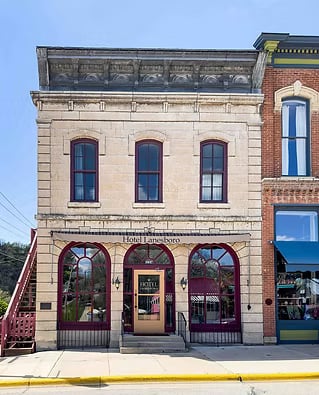
The building at 101 Parkway Avenue North in Lanesboro was constructed in 1872 from local limestone and is listed on the National Register of Historic Places. Before becoming an inn, it served at various points as a jail and funeral home. It operated for decades as Mrs. B's Bed and Breakfast before being rebranded as Hotel Lanesboro, with nine rooms.

$$$ All Ages Family: Moderate

Little Falls — 1

Photo of Charles Lindbergh House and Museum
Haunted House / Historic Home

Charles Lindbergh House and Museum

Little Falls, MN

Congressman Charles A. Lindbergh Sr. built this home on the Mississippi River banks in Little Falls in 1906, and it became the boyhood home of his son, aviator Charles Lindbergh Jr. The Minnesota Historical Society operates the property as a fully interpreted historic site with museum exhibits covering the Lindbergh family's history and Charles Jr.'s solo 1927 transatlantic flight.

$$ All Ages Family: High

Montgomery — 1

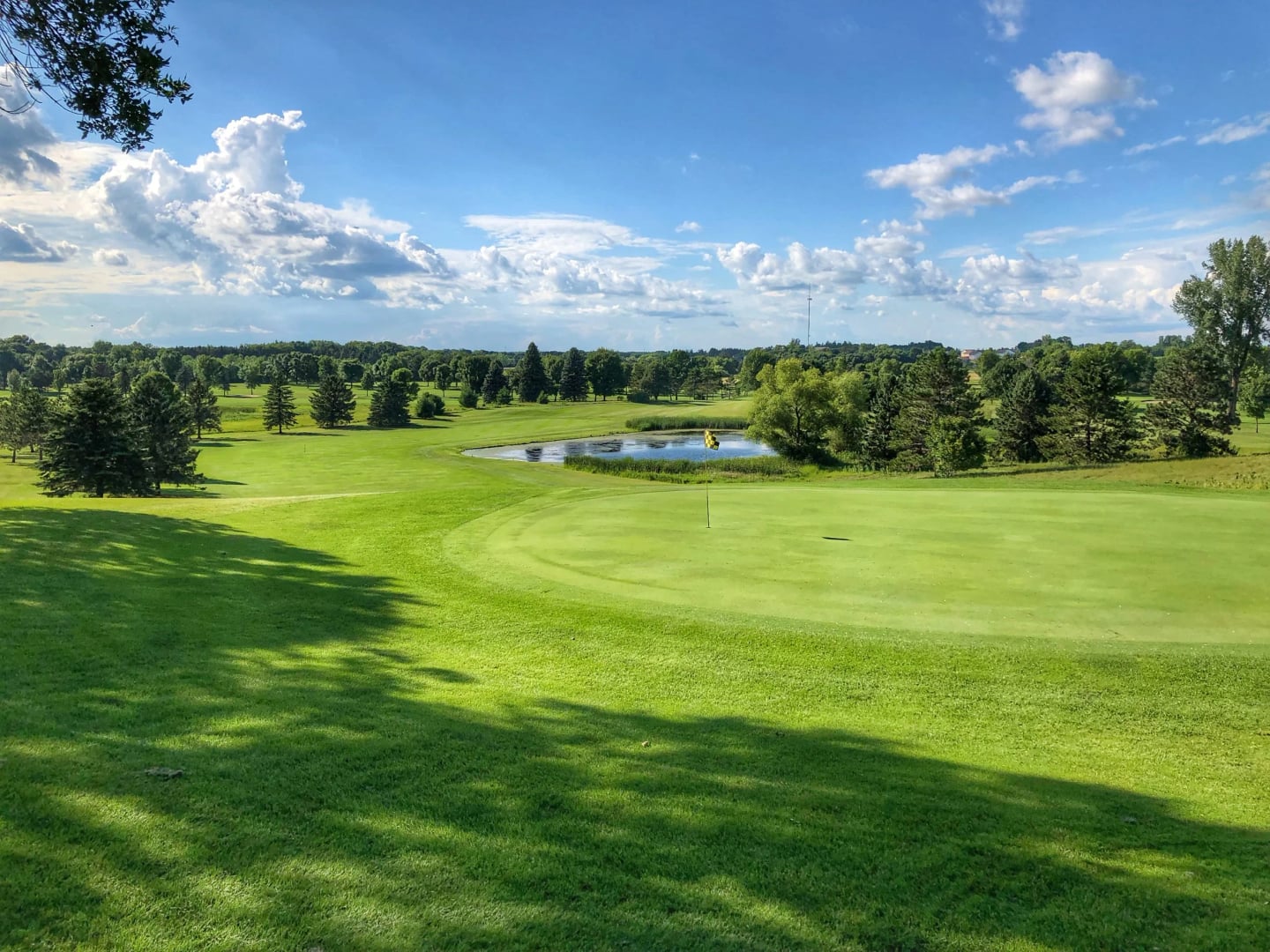
Montgomery National Golf Club in Montgomery Minnesota with fairways surrounding the cottonwood tree near the first hole marking the pioneer farmer's gravesite
Outdoor / Natural Site

Montgomery National Golf Club

Montgomery, MN

Montgomery National Golf Club at 900 Rogers Drive in Montgomery, Minnesota, is an 18-hole course built on farmland once owned by Benedict Burii, a nineteenth-century pioneer settler. Burii and his wife are buried beneath a large cottonwood tree near the first hole — their grave was present on the property before the course was developed. The club has marketed itself as one of the world's most haunted golf courses.

$$ All Ages Family: High

Moorhead — 1

Aerial survey view of Minnesota State University Moorhead — Weld Hall
Aerial survey · USDA NAIP
Other Dark Tourism Site

Minnesota State University Moorhead — Weld Hall

Moorhead, MN

Weld Hall, built in 1915, is the oldest building on the Minnesota State University Moorhead campus. Named after Frank Weld, the building houses Glasrud Auditorium with its balcony and backstage spiral staircases. A $23 million renovation of the building began in 2023, with reopening projected for fall 2026. The university was known as Moorhead State University until 2000, when it was renamed Minnesota State University Moorhead.

$ All Ages Family: Moderate

New London — 1

Sunset view from atop Mount Tom at Sibley State Park near New London, Minnesota, showing the wooded glacial moraine landscape of the Leaf Hills.
Outdoor / Natural Site

Sibley State Park

New London, MN

Sibley State Park was established in 1919 near New London, Minnesota, centered on Mount Tom, the highest point in the surrounding lake country. The 2,852-acre park preserves a wooded glacial landscape and provides camping, hiking, swimming, and interpretive programming year-round. The park's name honors General Henry Sibley, a figure whose legacy has prompted recent public debate.

$ All Ages Family: High

New Ulm — 1

Aerial survey view of New Ulm City Cemetery
Aerial survey · USDA NAIP
Cemetery / Burial Ground

New Ulm City Cemetery

New Ulm, MN

New Ulm City Cemetery was founded to bury settlers killed in the 1862 Dakota War sieges of August 19 and 23 — two battles that left the city burned and emptied. It holds battle dead, epidemic casualties, and nearly a century and a half of the city's dead, including the grave of 8-year-old Allie Peterson, which became the center of a local dare tradition.

$ All Ages Family: High

New York Mills — 1

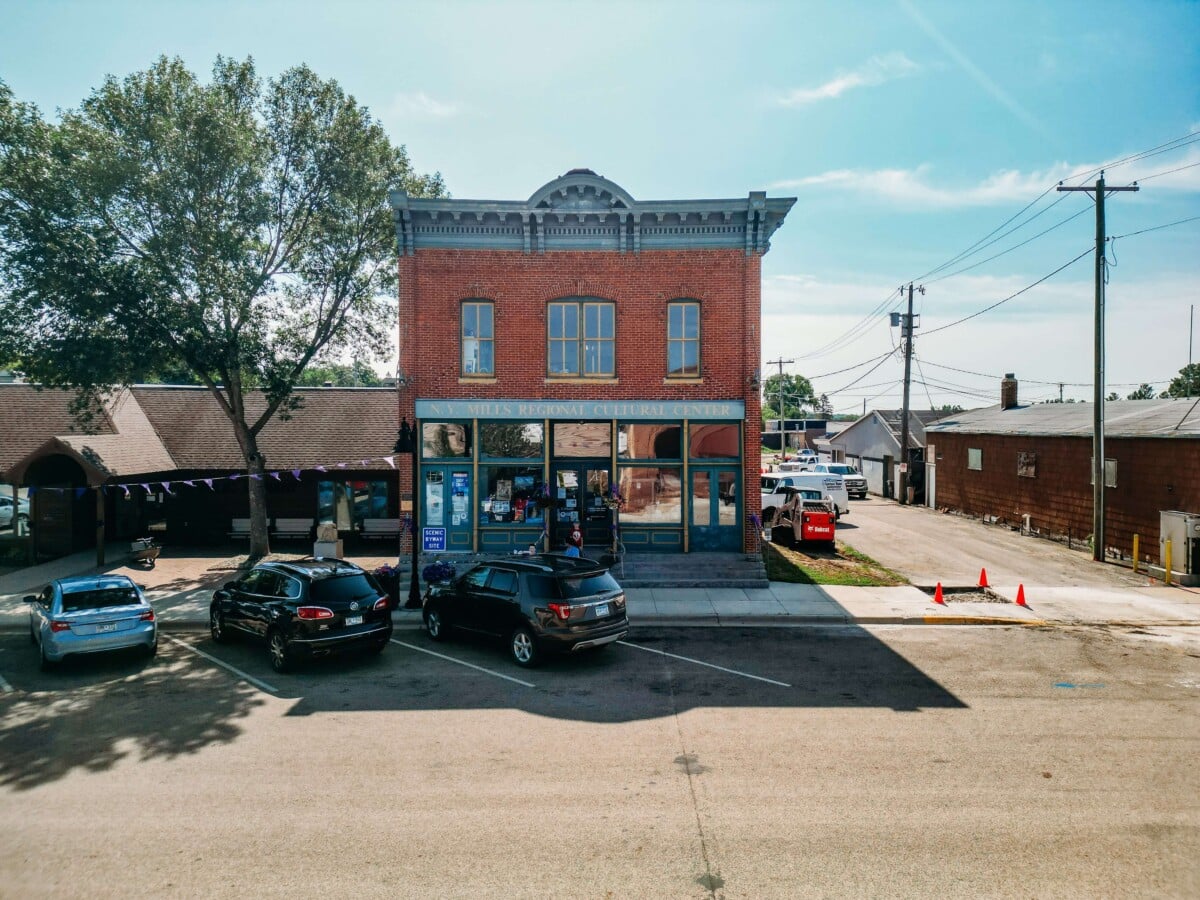
Aerial view of the New York Mills Regional Cultural Center building in New York Mills, Minnesota
Museum / Historical Site

New York Mills Regional Cultural Center

New York Mills, MN

The New York Mills Regional Cultural Center occupies a two-story commercial brick building constructed in 1885, originally built to house retail businesses including a general store. The building was later home to Karvonen Furniture for many years before being converted into a regional cultural center in 1992. The center has operated for more than 30 years offering visual arts, performing arts, artist residencies, and community programs.

$ All Ages Family: High

Owatonna — 1

Photo of Minnesota State Public School Orphanage Museum
Museum / Historical Site

Minnesota State Public School Orphanage Museum

Owatonna, MN

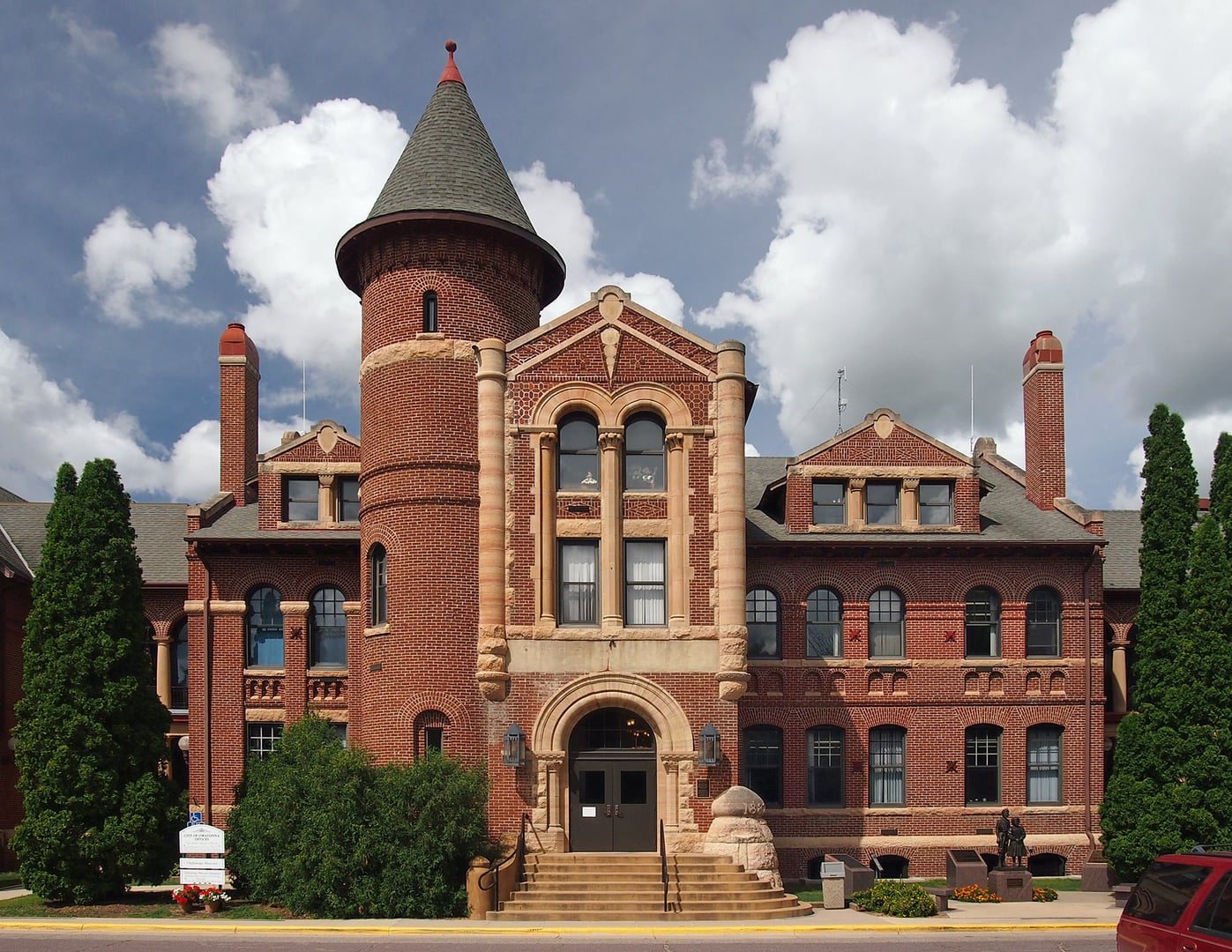
The Minnesota State Public School for Dependent and Neglected Children opened in Owatonna in 1886, eventually housing 10,635 orphaned, abandoned, or abused children over six decades. The institution closed in 1945. Of the children who lived there, 198 died on the grounds and were buried in a campus cemetery, with 151 originally interred under numbered markers rather than names. The campus is now the West Hills civic center, and the museum — the only one of its kind in the country dedicated to a state orphanage — operates in the original buildings.

$ All Ages Family: High

Plato — 1

Aerial survey view of Ferguson's Cemetery
Aerial survey · USDA NAIP
Cemetery / Burial Ground

Ferguson's Cemetery

Plato, MN

Ferguson's Cemetery is a small, historic burial ground in rural Carver County, near the community of Plato and Norwood Young America, Minnesota. It sits at the intersection of Yale Avenue and County Road 34, framed by tall pines and an iron gate and surrounded by cornfields. The cemetery contains graves of early settlers, including several children.

$ All Ages Family: Moderate

Randall — 1

Aerial survey view of Darling Church Site and Darling Cemetery
Aerial survey · USDA NAIP
Cemetery / Burial Ground

Darling Church Site and Darling Cemetery

Randall, MN

Darling Church was founded in 1893 as the Swedish Evangelical Lutheran Church of Darling by Scandinavian homesteaders in Morrison County, Minnesota. The church held its last service in 1969 and stood abandoned until it was destroyed by arson in March 2017. The adjacent Darling Cemetery remains in use.

$ All Ages Family: High

Richfield — 1

Aerial survey view of Adam's Hill
Aerial survey · USDA NAIP
Outdoor / Natural Site

Adam's Hill

Richfield, MN

Adam's Hill is a public park in Richfield, Hennepin County, Minnesota. The location carries historical significance related to early agricultural settlement of the region.

$ All Ages Family: High

Roseville — 1

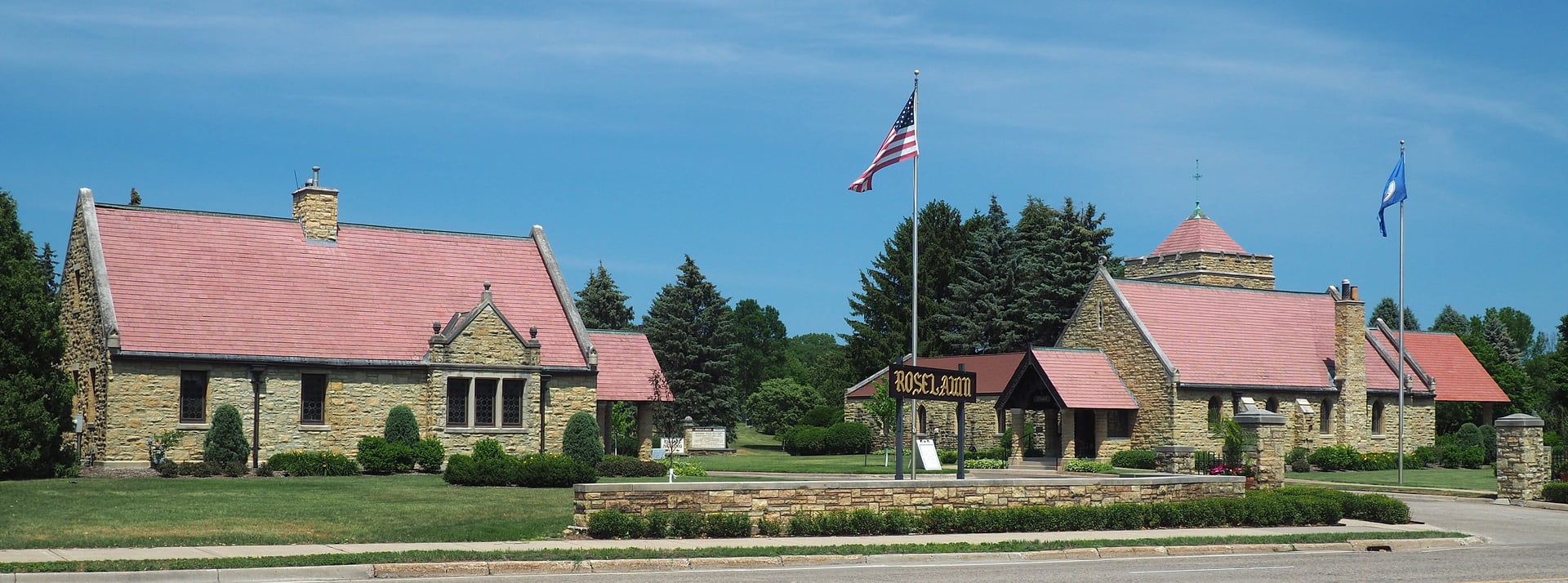
Roselawn Cemetery chapel and administration building in Roseville, Minnesota, designed by Cass Gilbert
Cemetery / Burial Ground

Roselawn Cemetery

Roseville, MN

Roselawn Cemetery was established in 1901 and dedicated in 1904, designed by architects Cass Gilbert and Thomas Holyoke. It holds over 27,000 interments across its landscaped grounds near the Ramsey-Hennepin county line in Roseville.

$ All Ages Family: High

Sauk Centre — 1

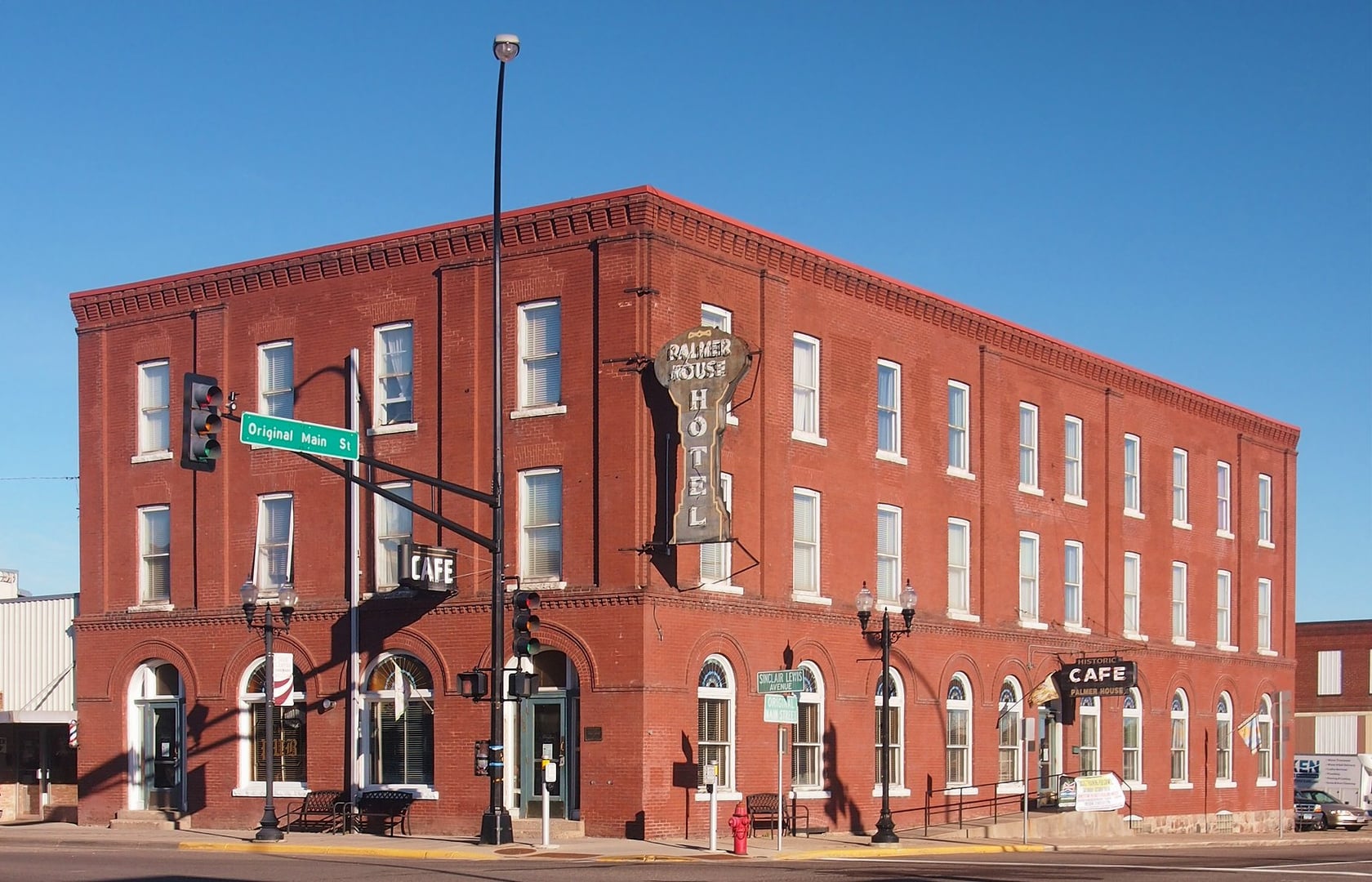
Palmer House Hotel three-story brick exterior, Sauk Centre Minnesota
Haunted Hotel / Inn

Palmer House Hotel

Sauk Centre, MN

The Palmer House Hotel in Sauk Centre, Minnesota was built in 1901 by Ralph and Christena Palmer on the site of the Sauk Centre House, which burned in 1900. Expanded in 1916 by architect Roland C. Buckley, the three-story brick building was the first in Sauk Centre to have electricity. Nobel Prize-winning author Sinclair Lewis worked two summers as a night desk clerk here before going on to write Main Street, in which he fictionalized the hotel as the 'Minniemashie House.'

$ All Ages Family: Moderate

Schroeder — 1

Aerial survey view of Taconite Harbor Ghost Town
Aerial survey · USDA NAIP
Outdoor / Natural Site

Taconite Harbor Ghost Town

Schroeder, MN

Erie Mining Company broke ground on Taconite Harbor in 1953 to support its Lake Superior ore-loading operation. By the early 1970s the site was a fully functioning company town — homes, a school, city hall, and a fire station — with ore docks capable of shipping 10–11 million tons of taconite pellets annually. After Erie's parent corporations restructured and withdrew financial support in 1986, the last resident families departed and the entire community was abandoned to the Lake Superior shore.

$ All Ages Family: Moderate

St. Joseph — 1

Photo of Benedicta Arts Center at College of St. Benedict's
Museum / Historical Site

Benedicta Arts Center at College of St. Benedict's

St. Joseph, MN

The Benedicta Arts Center was constructed in 1964 at the College of Saint Benedict in St. Joseph, Minnesota. The facility serves as a primary cultural and artistic venue for the college and surrounding community.

$ College community and authorized visitors Family: Moderate

St. Paul Park — 1

Aerial survey view of Grey Cloud Island
Aerial survey · USDA NAIP
Outdoor / Natural Site

Grey Cloud Island

St. Paul Park, MN

Grey Cloud Island has been continuously inhabited since at least 2,100 years ago, hosting Woodland mound-builders, Mississippian peoples, and the Mdewakanton Dakota into the 1830s. Named for Margaret Mooers (Marpiyahotawin, 'Grey Cloud Woman'), granddaughter of Chief Wabasha, the island saw European settlement after the Treaties of 1837 displaced the Dakota. The Grey Cloud Island Township Cemetery dates to 1873 and remains a private burial ground.

$ All Ages Family: Moderate

St. Peter — 1

Museum / Historical Site

St. Peter State Hospital Museum

St. Peter, MN

St. Peter State Hospital opened in 1866 as Minnesota's first institution for the mentally ill. In 1907 it added an Asylum for the Dangerous Insane. A prairie fire in 1895 destroyed the identification markers for between 521 and 574 patients buried in the original cemetery; all subsequent burials through 1913 were numbered only. The Remembering with Dignity project later named those graves.

$ All Ages Family: High

Taylors Falls — 1

Haunted Hotel / Inn

Old Jail Bed and Breakfast

Taylors Falls, MN

The Old Jail Bed and Breakfast in Taylors Falls combines two nineteenth-century buildings: a saloon and brewery cave originally built in 1869 by the Schottmuller Brothers, and an 1884 jail that is the oldest in Minnesota. The complex includes a Prohibition-era tunnel and a former funeral-home space, all converted to private guest suites.

$$$ All Ages Family: Moderate

Virginia — 1

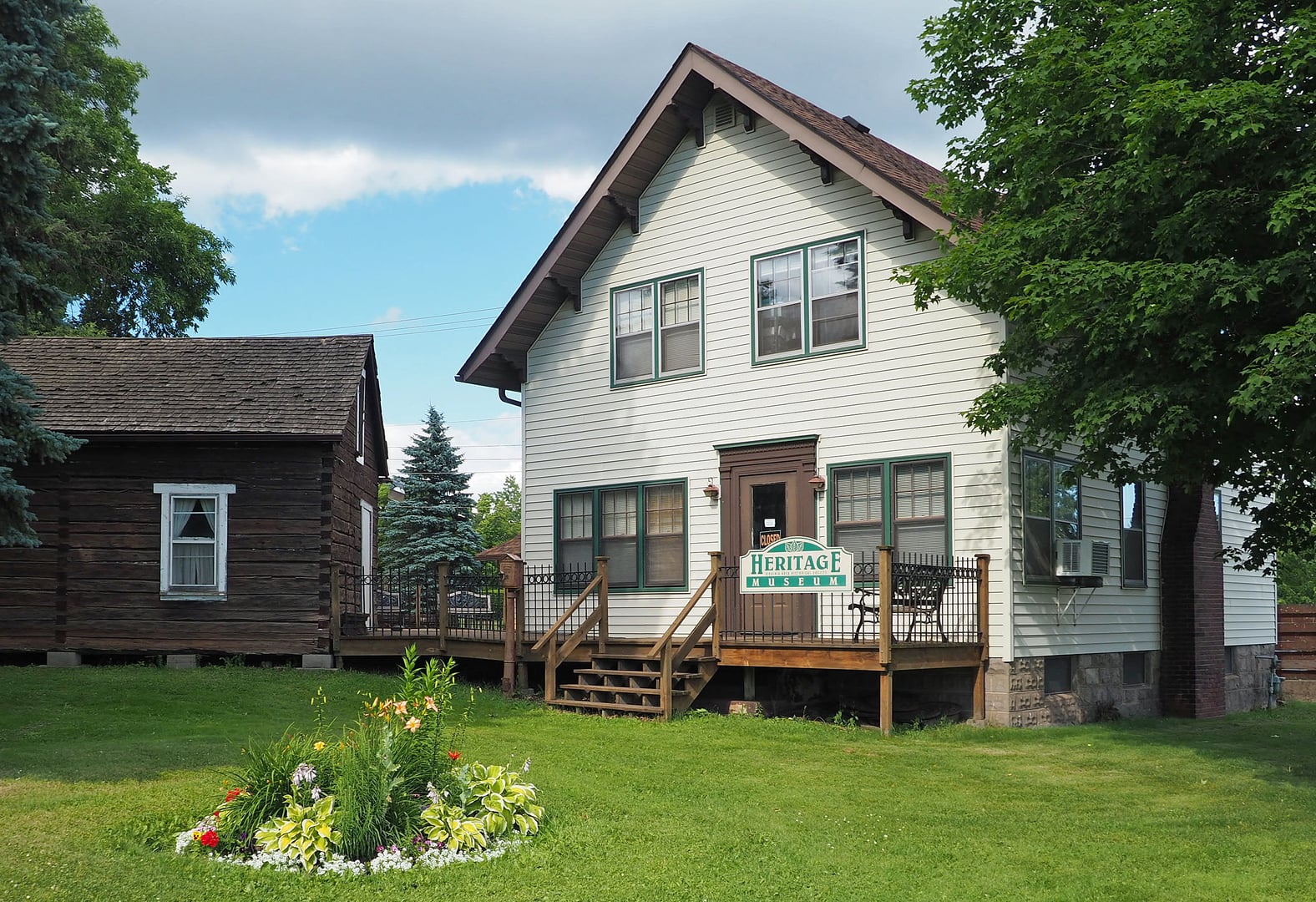
Photo of Virginia Heritage Museum
Museum / Historical Site

Virginia Heritage Museum

Virginia, MN

On June 18, 1893, a brush fire swept through Virginia, Minnesota, destroying nearly the entire city of approximately 5,000 residents. The city rebuilt in wood, then burned again in 1900 when a sawmill fire triggered a second conflagration. The twin disasters prompted Virginia to mandate that all new downtown construction use brick or stone, producing the Virginia Commercial Historic District listed on the National Register of Historic Places.

$ All Ages Family: High

Walker — 1

Photo of Chase on the Lake
Haunted Hotel / Inn

Chase on the Lake

Walker, MN

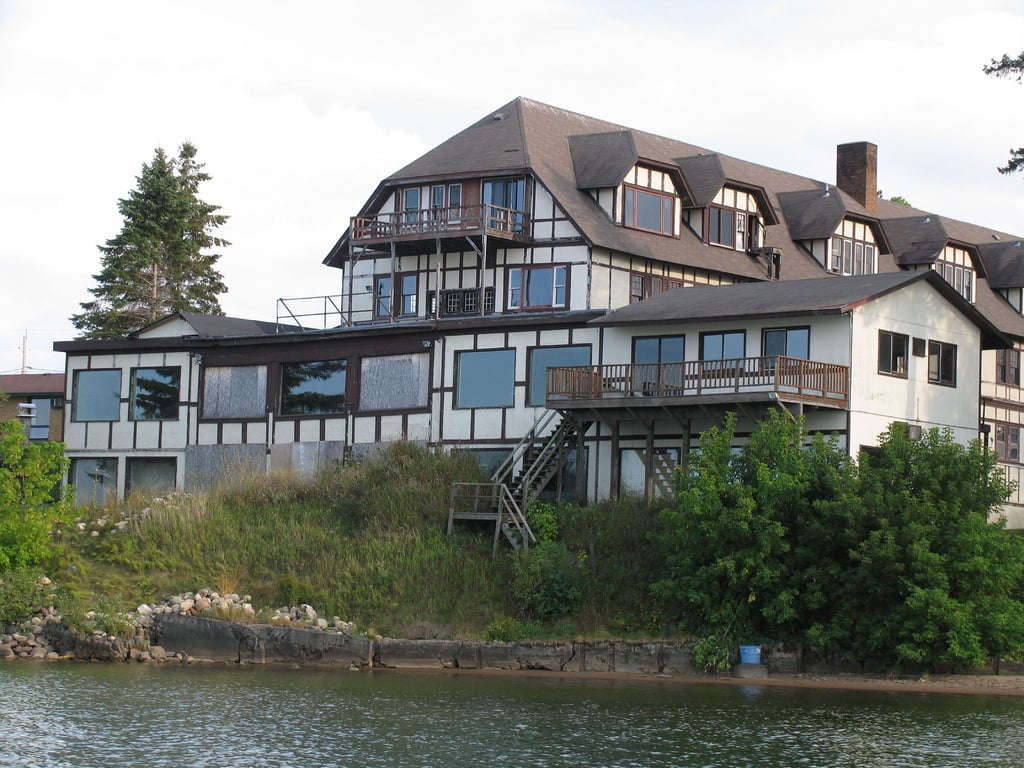
The current Chase on the Lake resort opened in 2008 on the shores of Leech Lake in Walker, Minnesota, replacing a historic predecessor that burned in a 1997 fire. The hotel's haunted reputation traces to 1898, when the original Hotel Chase's basement was reportedly used as a temporary morgue for soldiers killed at the Battle of Sugar Point — the last armed conflict between the U.S. Army and American Indians.

$$$ All Ages Family: Moderate

By type