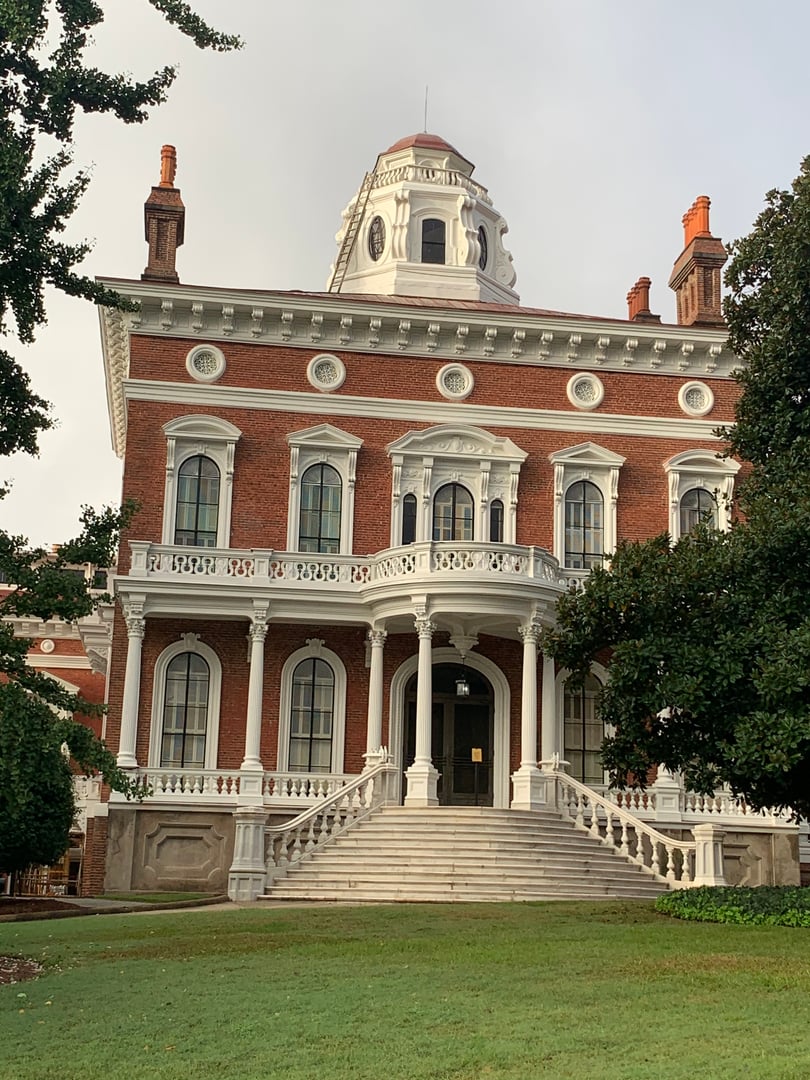
Est. 1871 · Victorian Italianate Architecture · Blue Earth County Historical Society Museum · National Register of Historic Places · First Mankato Private Home with Electricity, Plumbing, and Telephone
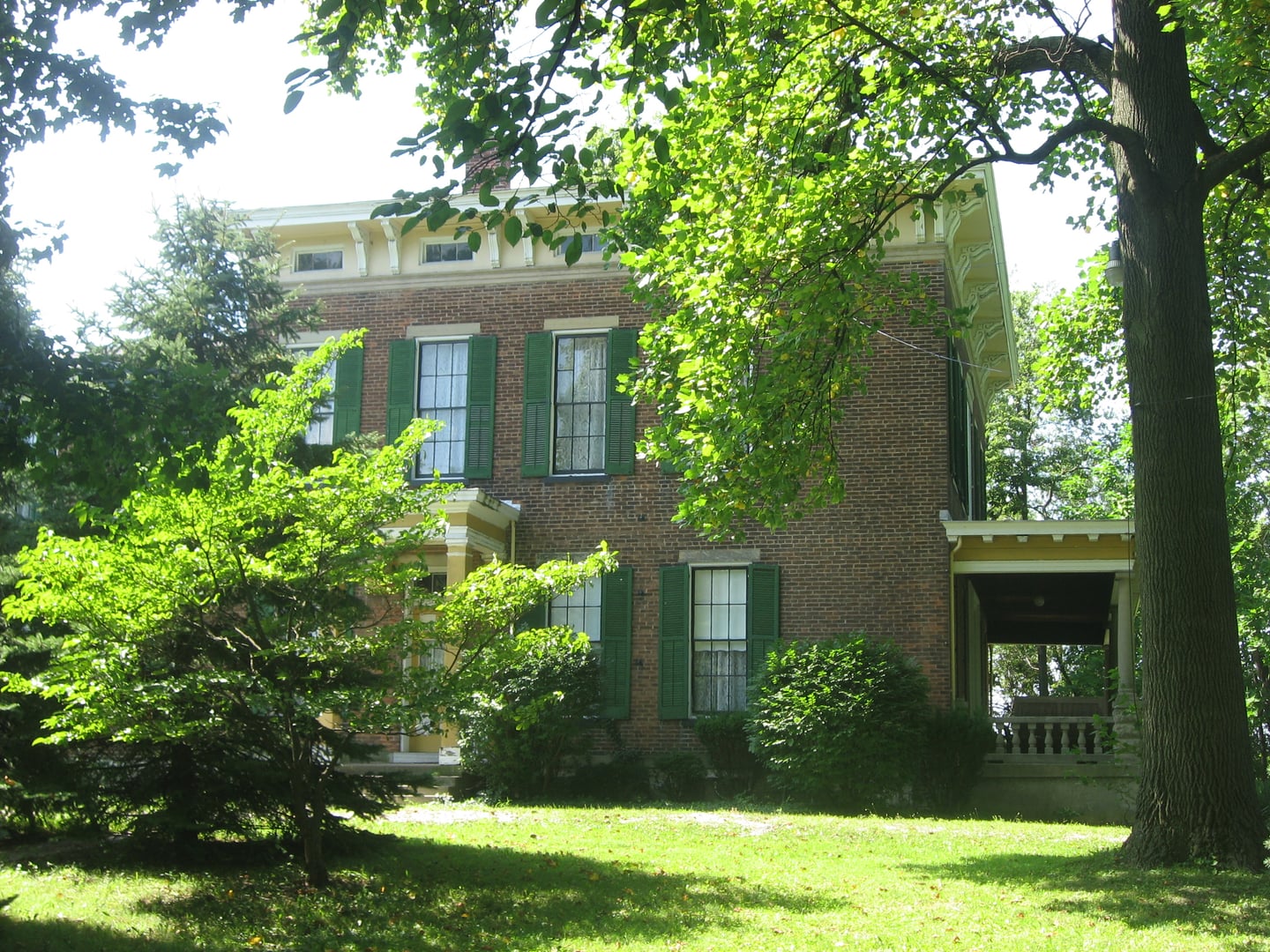
Rensselaer D. Hubbard arrived in southern Minnesota in the mid-19th century and built a commercial and civic presence in Mankato that tracked the region's growth during the post-Civil War decades. By 1871 he had accumulated enough to commission a substantial Italianate-style residence on South Broad Street, at a site that would become one of the more prominent addresses in the city.
The house that Hubbard built represented not just wealth but access to technology. It was the first private home in Mankato to have electrical wiring, indoor plumbing, and telephone service — each of those connections a significant demonstration in a frontier city still establishing its infrastructure. The mansion's interior reflects the Victorian taste for ornament: carved woodwork, period furnishings, and a room arrangement that signaled both domestic comfort and social standing.
The Blue Earth County Historical Society acquired the property and opened it as a museum, preserving the house and its period contents. It was listed on the National Register of Historic Places, recognizing both its architectural significance and its status as one of the better-preserved Victorian-era homes in southern Minnesota.
Visitors today encounter a house largely intact from its 19th-century form, staffed by docents who interpret the Hubbard family's domestic life alongside the broader context of Mankato's development. The mansion's paranormal reputation emerged gradually through staff accounts rather than any single dramatic incident.
Sources
- https://en.wikipedia.org/wiki/Rensselaer_D._Hubbard_House
- https://www.blueearth.org/hubbard-house
Full-body apparition in main bedroomUnexplained laughterPhantom footstepsSound of children running in empty rooms
The paranormal accounts at the Hubbard House are staff-generated rather than visitor legend: people who work the museum regularly have described encounters that recur across different individuals over time. The most specific report involves the main bedroom, where multiple staff members have described seeing what appears to be a man in period-appropriate clothing lying on the bed. The figure is described as solid enough to be convincing — not a shadow or a peripheral glimpse — until the observer moves to investigate, at which point it is simply gone.
Other reports involve sound: laughter described as coming from empty rooms, and the noise of children running through the upper floors during hours when no children are present in the building. The sounds have been attributed informally to the Hubbard children who lived in the house during its domestic era, though no specific identity has been attached to any of the reported phenomena.
The Hubbard House's paranormal reputation does not appear on the museum's official programming — it operates as a straightforward historical site — but staff accounts have circulated regionally in Minnesota paranormal writing and are documented in at least one dedicated haunted-sites resource. The accumulation of reports from people whose primary association with the building is professional rather than recreational lends the accounts a different character than visitor-driven ghost stories.
Notable Entities
Unidentified male figure in period dress
Where this legend is told