Overnight Stay
Room 308 History (Hotel Closed)
Room 308 appears in the inn's paranormal history, associated with a guest who died there during the February 14, 1944, fire.
Check for dates· · verified September 2026
HauntBound archive · catalog record
Reported phenomena, as catalogued
+ 2 further entries on record
1888 Quartzite Hotel in Pipestone Associated with Reports Following a 1944 Valentine's Day Fire Death
104 W Main St, Pipestone, MN 56164
Research updated October 2026
Age
All Ages
Cost
$$
Hotel lodging is currently closed. October Paranormal Weekend events priced separately by the Pipestone County Museum.
Access
Limited Access
Four-story historic hotel with stairs; original construction without elevator access noted in older reviews
Equipment
Photos OK
Est. 1887 · National Register of Historic Places · Pipestone Commercial Historic District · Richardsonian Romanesque Quartzite Architecture
The original Calumet Hotel was a wooden structure that burned on December 15, 1886, killing guest Reverend Alfred Stoddard Orcutt in the fire. A replacement quartzite building opened on Thanksgiving Day in 1888 with a capacity of 50 guests, designed by C. Smith and William Frost in the Richardsonian Romanesque style from the distinctive pink jasper quartzite quarried locally — the same stone used to make the ceremonial pipes that gave Pipestone its name.
A rear addition was added in 1900; work on a fourth floor and 30 additional rooms began in 1913. The property housed a First National Bank branch and various businesses at ground level over the decades. A fire on February 14, 1944, destroyed floors in the south section; a guest was found dead in the hallway near Room 308. The hotel reopened the following April.
By 1978 the building had been condemned by the Minnesota State Fire Marshal. New owners undertook two years of extensive renovation and reopened the Calumet in 1981 as the Historic Calumet Inn. The hotel has been on the National Register of Historic Places since 1975 as part of the Pipestone Commercial Historic District.
Sources
The 1944 Valentine's Day fire is the event anchoring the Calumet's ghost stories. A guest — identified in some accounts by the initials C.E.H. and described as a surveyor — was found dead near Room 308 during the blaze. Room 308 features in the inn's paranormal history.
Guest accounts collected in the hotel's binder over many years describe a presence that leans in doorways, makes phones ring, claps the toilet lid, nudges people, appears in mirrors, and writes in accumulated dust. Chairs have reportedly rocked without occupants; piano music has been heard when no one was playing. A second set of accounts involves the spirit of Reverend Orcutt, the 1886 fire victim from the predecessor building.
The annual October Pipestone Paranormal Weekend, organized by the Pipestone County Museum, centers the inn as its primary venue and draws participants from across the region. Summer Saturday-night ghost walks and spring investigator events provide additional access throughout the year.
Notable Entities
Media Appearances
Room 308 appears in the inn's paranormal history, associated with a guest who died there during the February 14, 1944, fire.
The annual October Paranormal Weekend organized by the Pipestone County Museum includes a candlelit walk-through of the Calumet Inn, cemetery tours, and ghost walks.
Some links on this page may earn HauntBound a small commission when you book, at no extra cost to you. Our editorial picks are independent. Full disclosure
See current room rates and availability at Historic Calumet Inn.
Check rates and bookRates come from booking partners, so a small property may not be listed. Book direct with Historic Calumet Inn
Every HauntBound history is researched from documented sources. We clearly separate verified historical fact from paranormal folklore.
Free Guide
11 verified stops, rated for families, mapped in order. Free.
One email to confirm, then the guide link. Unsubscribe anytime.
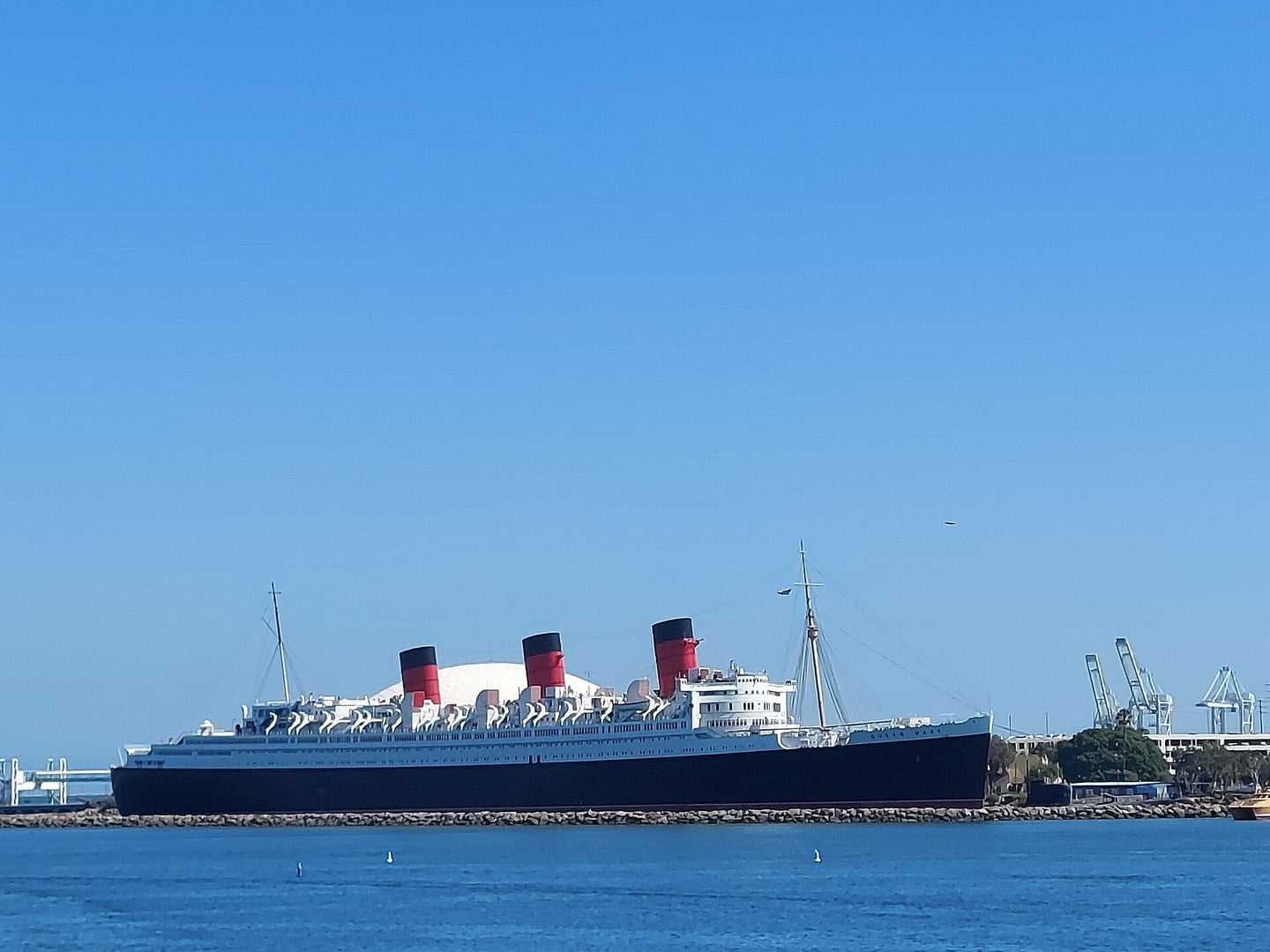
Long Beach, CA
The RMS Queen Mary was constructed at John Brown & Company's Clydebank shipyard beginning in 1930, launched September 26, 1934, and sailed her maiden voyage on May 27, 1936. Requisitioned as a troopship in 1939, she carried 810,000 soldiers under the nickname 'The Grey Ghost.' The ship has been permanently moored in Long Beach, California since December 1967.
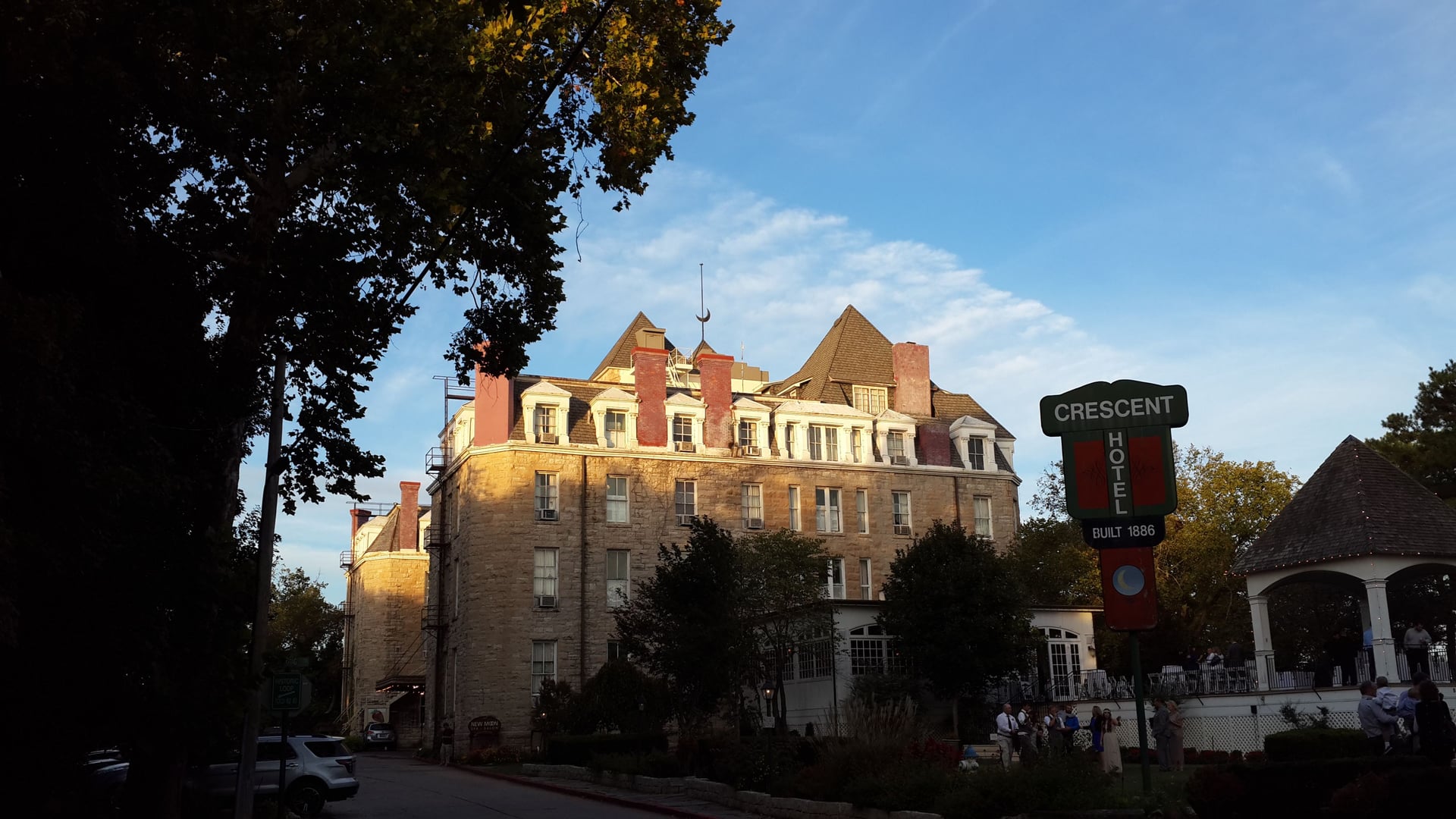
Eureka Springs, AR
The 1886 Crescent Hotel was built as a luxury Victorian resort atop the Ozark mountains of Eureka Springs, Arkansas, then briefly operated as a women's college before its most notorious chapter: Norman Baker's fraudulent cancer clinic from 1937 to 1940. Baker charged dying patients for treatments that offered no medical benefit, and the hotel retains his intact basement morgue.
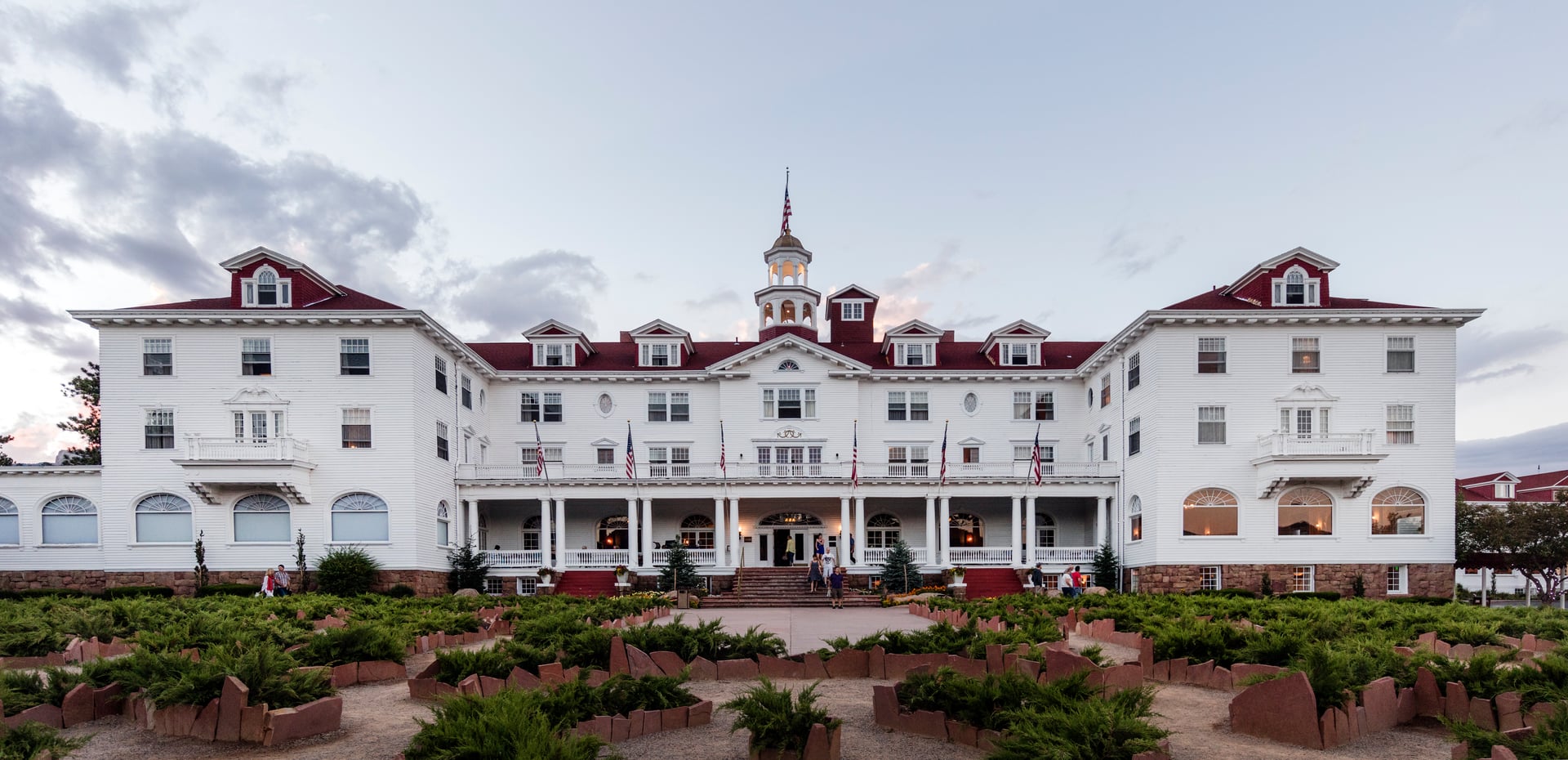
Estes Park, CO
The Stanley Hotel opened on July 4, 1909, built by Freelan Oscar Stanley, co-inventor of the Stanley Steamer automobile, as a summer resort for wealthy Eastern visitors. Stanley himself had relocated to Estes Park in 1903 seeking relief from tuberculosis, found it, and decided the Rocky Mountain air warranted a proper destination resort. The main building was among the first fully electrified hotels in the American West.