Est. 1919 · Minnesota State Parks · Glacial Geology · Indigenous History
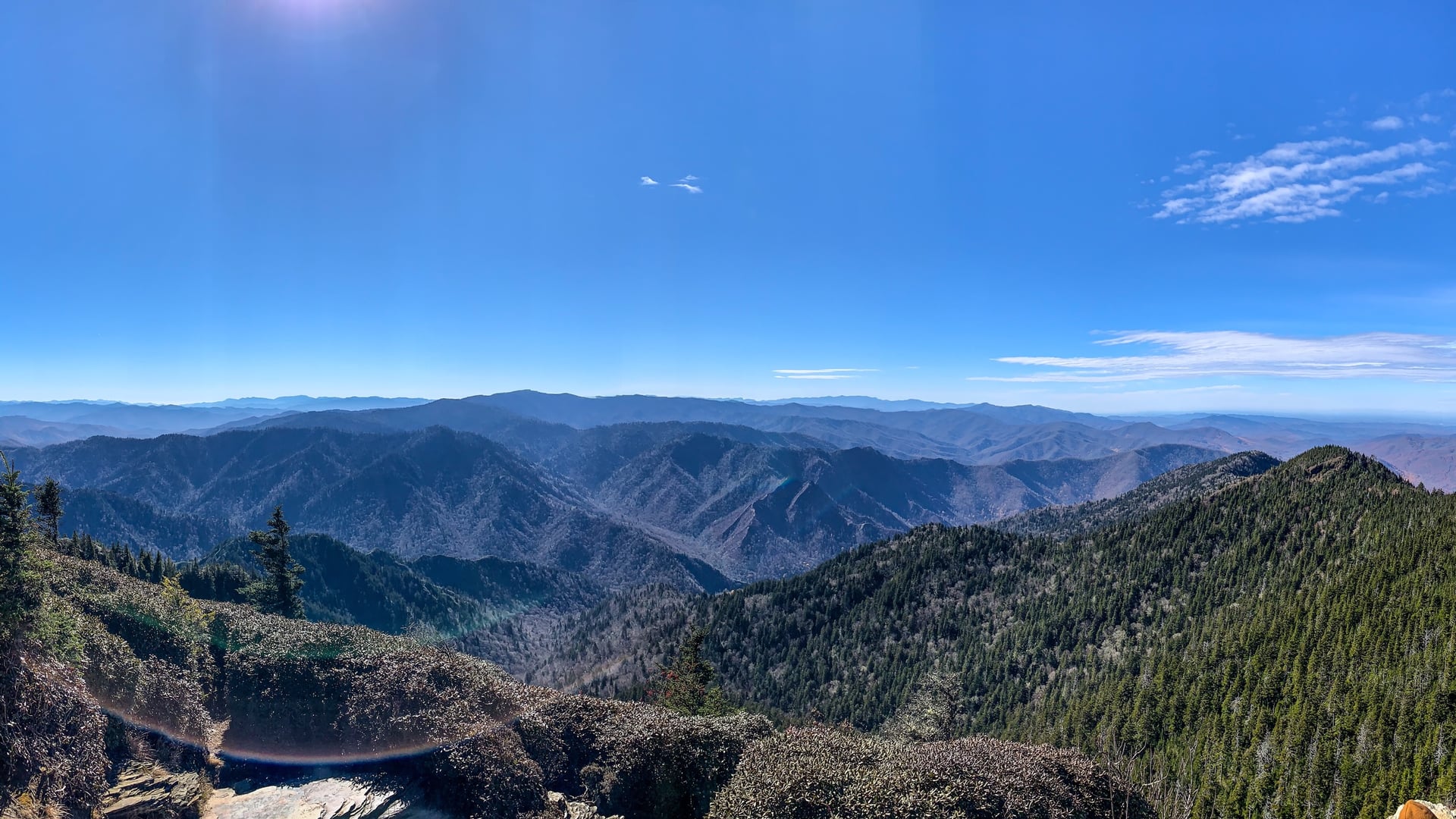
Sibley State Park was established in 1919 by the Minnesota Department of Natural Resources, with the primary draw being Mount Tom — a 1,375-foot glacial knob that provides views across the central Minnesota lake country. The park now encompasses approximately 2,852 acres of mixed forest, wetland, and prairie around the lake system.
The park takes its name from Henry Hastings Sibley, the first governor of Minnesota and a former fur trader whose military campaigns against the Dakota people in the 1860s following the U.S.-Dakota War of 1862 have made the name itself a subject of ongoing public debate. As of the mid-2020s, discussions about renaming the park have generated local news coverage and community dialogue.
The park offers 18 miles of hiking trails, a swimming beach, fishing access to Sibley Lake, horseback riding trails, and seasonal programs. Camper cabins are available Thursday through Sunday in winter and daily from April through October. The gift shop operates Memorial Day through Labor Day.
Sources
- https://www.dnr.state.mn.us/state_parks/sibley/
- https://en.wikipedia.org/wiki/Sibley_State_Park
- https://www.wctrib.com/news/local/sibley-state-park-name-change-proposal-sparks-debate
ApparitionsPhantom soundsDisembodied screaming
The haunted reputation associated with Sibley State Park centers not on the park itself but on Timber Lake Road, a country road running along the park's forested wetland boundary in Kandiyohi County.
The legend follows a domestic tragedy: a woman living near the road returned home one day to find her children had been killed. Overcome, she took her own life. According to the story, her spirit has wandered the road since, and a gated cemetery along Timber Lake Road holds the graves of the woman and her children. Visitors have reported seeing small figures among the graves after dark, hearing a woman's cry from the treeline, and encountering unexplained red points of light in the forest at night.
Paranormal investigators have searched for documentary evidence — court records, death certificates, newspaper accounts — and have not found records that match the legend's specifics. The Northern States Paranormal Society documented their investigation of Timber Lake Road and cemetery without finding corroborating historical evidence for the specific narrative.
The road itself, running through dense forest and wetland along the park boundary, creates the atmospheric conditions the legend requires regardless of its historical grounding. It has been described in multiple regional sources as one of the most unsettling rural drives in central Minnesota.