Lenni Lenape Territory · New Jersey State Forest System · Appalachian Highland Ecology
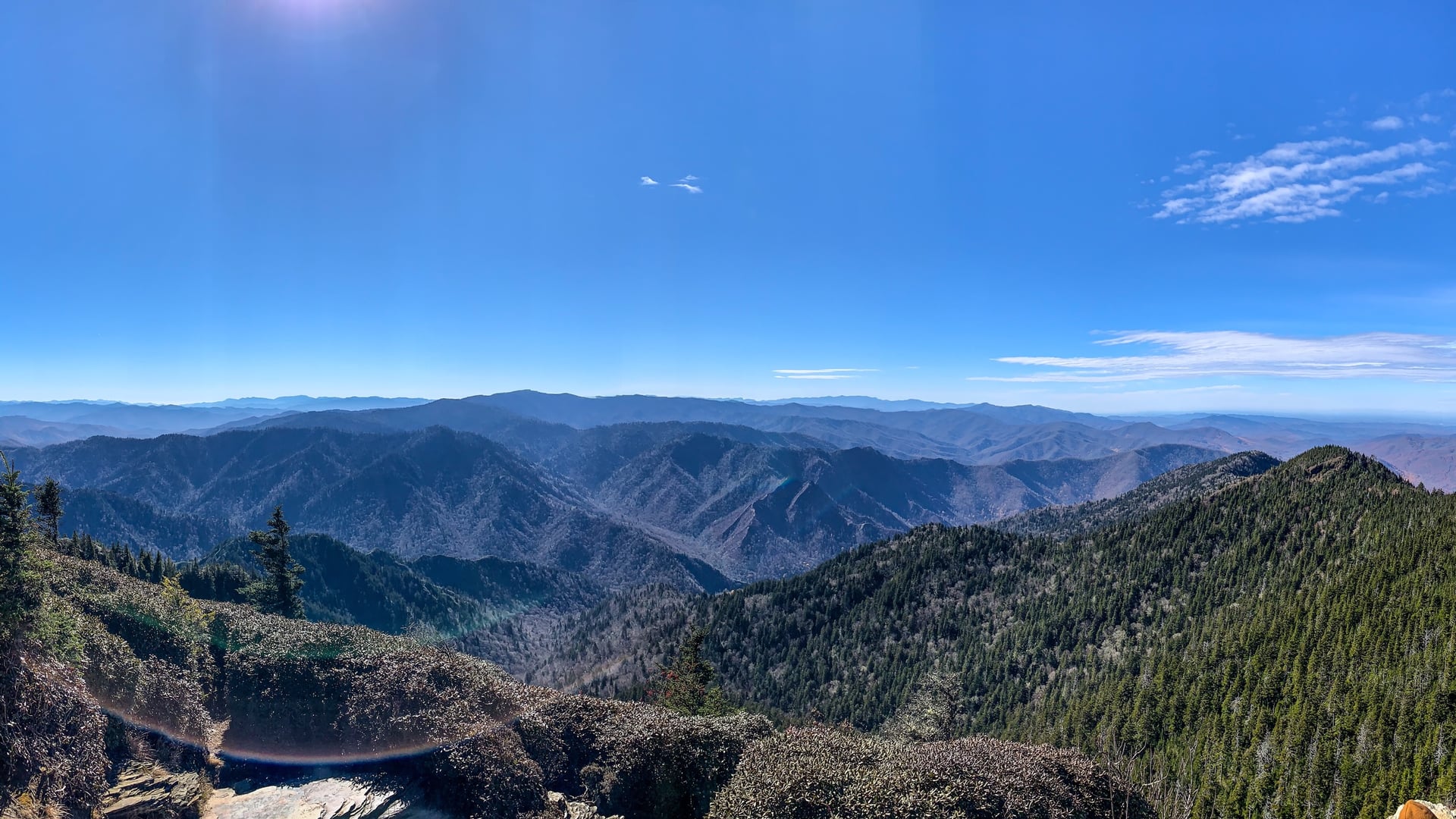
Warren County in northwestern New Jersey is highland country — rolling ridges, rocky outcroppings, and forest broken by small communities and dairy farms. Jenny Jump State Forest occupies 4,466 acres of this terrain along the Jenny Jump Mountain Range, offering views west to the Kittatinny Mountains and east to the Great Meadows.
The forest's name has several proposed origins. The most widely repeated is a folk legend: a young settler girl named Jenny, surprised by a Lenape warrior while playing on the rocks, heard her father shout 'Jump, Jenny, jump!' and jumped from a high cliff to her death. Historians and folklorists have noted that this legend may be a colonial-era narrative constructed after the fact to explain a place name, or may represent a mangled Anglicization of the area's original Lenape name.
The Minsi band of the Lenni Lenape occupied the Delaware River valley including Warren County before European colonization. The subsequent history of the region — the Lenape's displacement and forced movement westward through the 17th and 18th centuries — provides a more documented layer of history than the Jenny legend.
The Greenwood Observatory, operated by the United Astronomy Clubs of New Jersey, runs public stargazing programs on Saturday evenings from April through October, taking advantage of the forest's dark sky conditions. The state forest offers 22 campsites, 8 shelters, and 2 group sites, open April through October.
At the forest's eastern boundary, Shades of Death Road connects the forest to Ghost Lake, a reservoir created in the early 20th century. The lake's name predates modern dark tourism marketing — it was named for the mist formations that rise off the water's surface on cool mornings, resembling wraiths to observers on the shoreline.
Sources
- https://dep.nj.gov/parksandforests/state-park/jenny-jump-state-forest/
- https://www.atlasobscura.com/places/jenny-jump-state-forest
ApparitionsPhantom sounds
The legend is simple and brutal in equal measure: a nine-year-old girl, berries or rocks at her feet, turned to find a warrior standing nearby. She called to her father. He called back. She jumped.
Whether this event occurred is not documented outside the legend itself. The Lenape-European contact period in Warren County was marked by genuine violence, displacement, and territorial conflict that produced real tragedies — but the specific story of Jenny may be a later folk construction. Some researchers, cited by Weird NJ, have proposed that 'Jenny Jump' is an Anglicization of the area's original Lenape place name rather than a preserved account of an actual death.
A small girl's figure has been reported on the trails and rocky areas of the mountain, attributed by those who tell the legend to Jenny herself. The sightings are described as glimpsed movement — a figure seen at the edge of vision on the trail ahead, not present when the observer looks directly.
Ghost Lake is the forest's most evocative geographical feature for the dark-curious. The reservoir was created in the early 20th century when William Crouse Jr. and Leon G. Hull dammed a local stream. The two men named it for the wraithlike mist formations they repeatedly observed rising off the water on cool mornings — a straightforward meteorological phenomenon with a name that has since attracted its own mythology.
The lake lies at the end of Shades of Death Road. The road's origin story is genuinely contested: Weird NJ describes it winding past Murders Mountain and through Haunted Hollow but does not settle on an etymology, and multiple explanations circulate in local tradition (a gang of highwaymen, a malaria outbreak in the swamps, an unsolved murder in the 1920s). Pick one or hold all three — the road's reputation has absorbed them all.
The nearby Faery Hole, a cave near Ghost Lake, holds an actual archaeological record rather than a paranormal one. In 1936 the archaeologist Dorothy Cross excavated ten thousand bone fragments from the cave, representing 23 animal species — including a tooth from an extinct giant beaver found nowhere else in North America. The cave reminds visitors that the mountain has been occupied for far longer than the Jenny legend suggests.