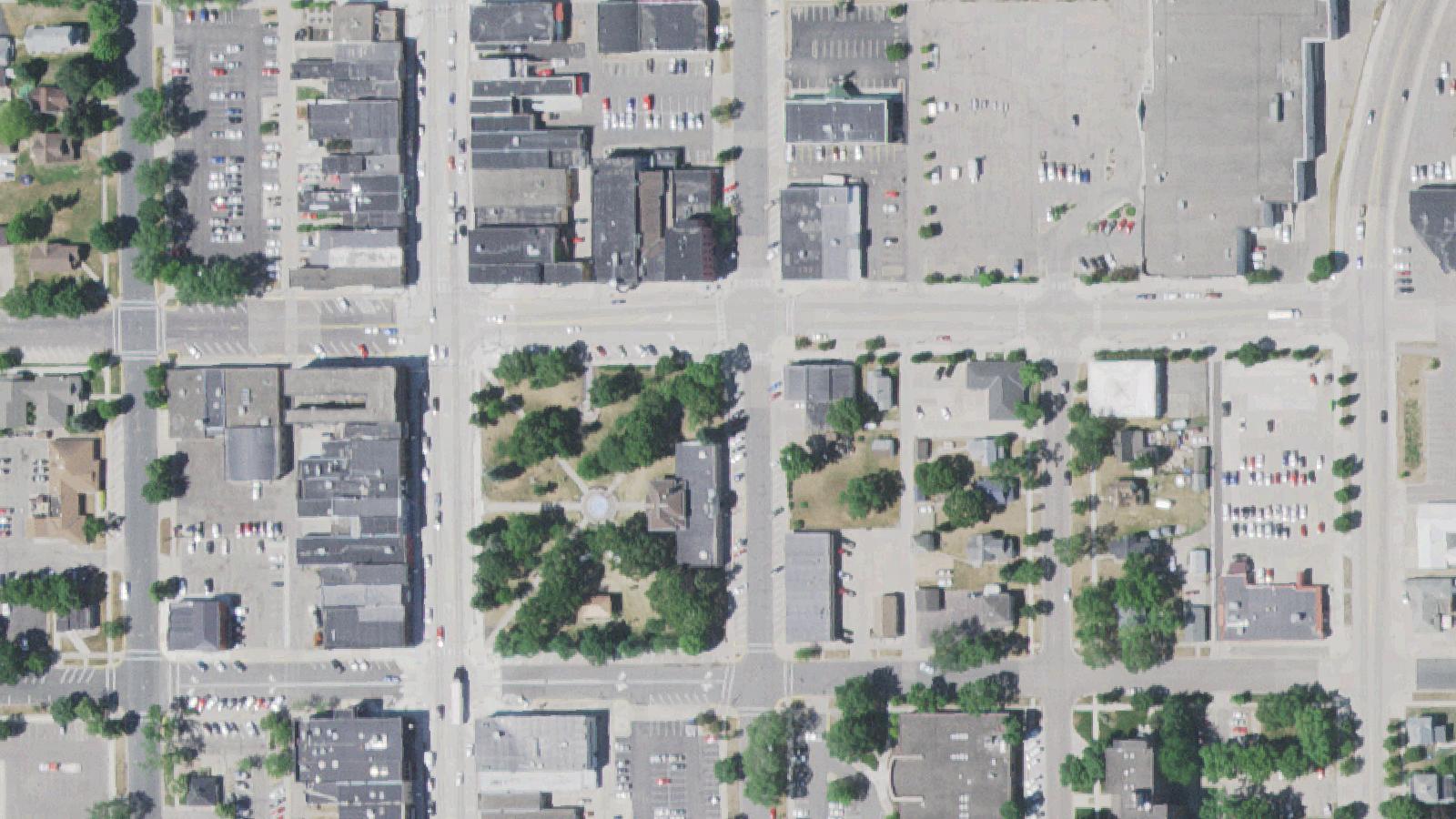
Aerial survey view of Attack on Hutchinson Stockade Monument — Library SquareAerial survey · USDA NAIP · public domain
Battlefield / Military Site

Attack on Hutchinson Stockade Monument — Library Square

A granite marker in Library Square commemorates the September 1862 Dakota attack that killed 32 people and burned much of Hutchinson.

Library Square (Hassan St S at 2nd Ave SW), Hutchinson, MN 55350

Wheelchair Accessible Research-Backed · 3 sources

Research updated June 2026

Age

All Ages

Cost

Free

No admission fee; public park.

Access

Wheelchair OK

Flat public park with paved paths adjacent to the Hutchinson Public Library.

Equipment

Photos OK

The Library Square monument is a civic marker, not a site with an established paranormal tradition. Hutchinson's broader connection to the 1862 US-Dakota War — including the September stockade attack and the death of Little Crow less than a year later, six miles north of town — gives the area considerable historical weight. Visitors familiar with the war's arc often pair a stop at Library Square with the Little Crow death marker on County Road 18. The dark history here is documented history, not legend.

Notable Entities

Taoyateduta (Little Crow)Mrs. Spaude
Plan Your Visit

1 way to experience
Outdoor Exploration

Self-Guided Battlefield Monument Walk

The Library Square monument rock commemorates the settler stockade that sheltered about 200 residents during the September 4, 1862 Dakota attack. A second marker near the former 3M plant site on the south side of town marks where Mrs. Spaude and her two children were killed. The two stops together cover the attack's perimeter in about 30 minutes by car.

Duration:
30 min
Get directions

Find a place to stay near Attack on Hutchinson Stockade Monument — Library Square

Lodging nearby

Some links on this page may earn HauntBound a small commission when you book, at no extra cost to you. Our editorial picks are independent. Full disclosure

Sources & Further Reading

Every HauntBound history is researched from documented sources. We clearly separate verified historical fact from paranormal folklore.

  1. 1.en.wikipedia.org/wiki/Attack_on_Hutchinson
  2. 2.crowrivermedia.com/hutchinsonleader/news/entertainment/more-to-the-story-a-memorial-that-stands-for-the-innocent/article_b47c0172-abf0-54be-b2b4-f9bfccb04fce.html
  3. 3.hmdb.org/m.asp?m=70048

Free Guide

Get the Minnesota Haunted Trail Guide

11 verified stops, rated for families, mapped in order. Free.

One email to confirm, then the guide link. Unsubscribe anytime.

Similar Destinations

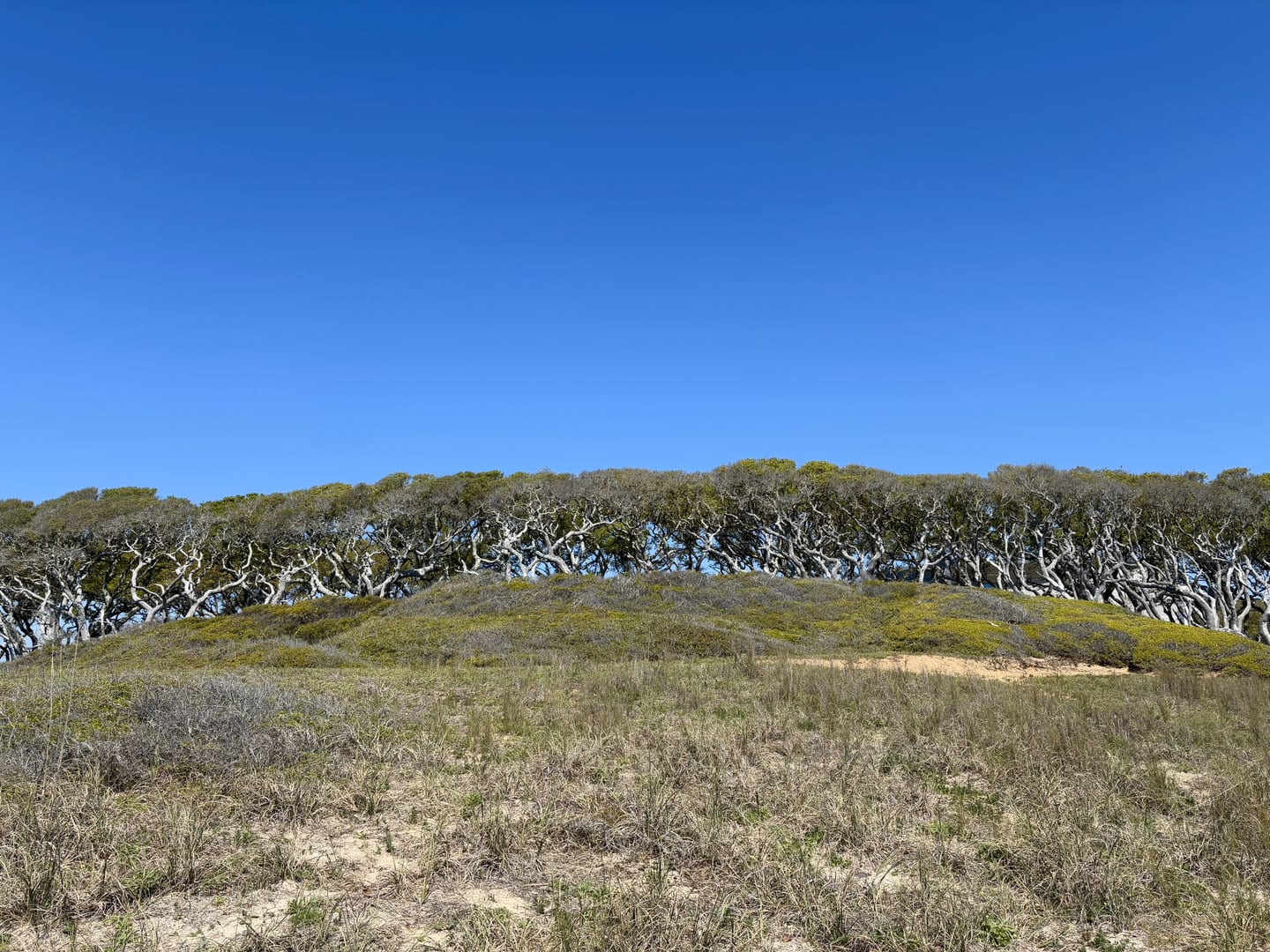
Earthwork mounds and grounds at Fort Fisher State Historic Site near Kure Beach, North Carolina, photographed April 2025.
Battlefield / Military Site

Fort Fisher State Historic Site

Kure Beach, NC

Fort Fisher was the largest earthwork fortification of the Civil War, built by the Confederacy beginning in 1861 to protect blockade-running traffic into the port of Wilmington. After a failed Christmas Eve 1864 assault, a combined Union land and naval bombardment captured the fort in January 1865. Fort Fisher's fall closed the last open Confederate seaport.

$ All Ages Family: High
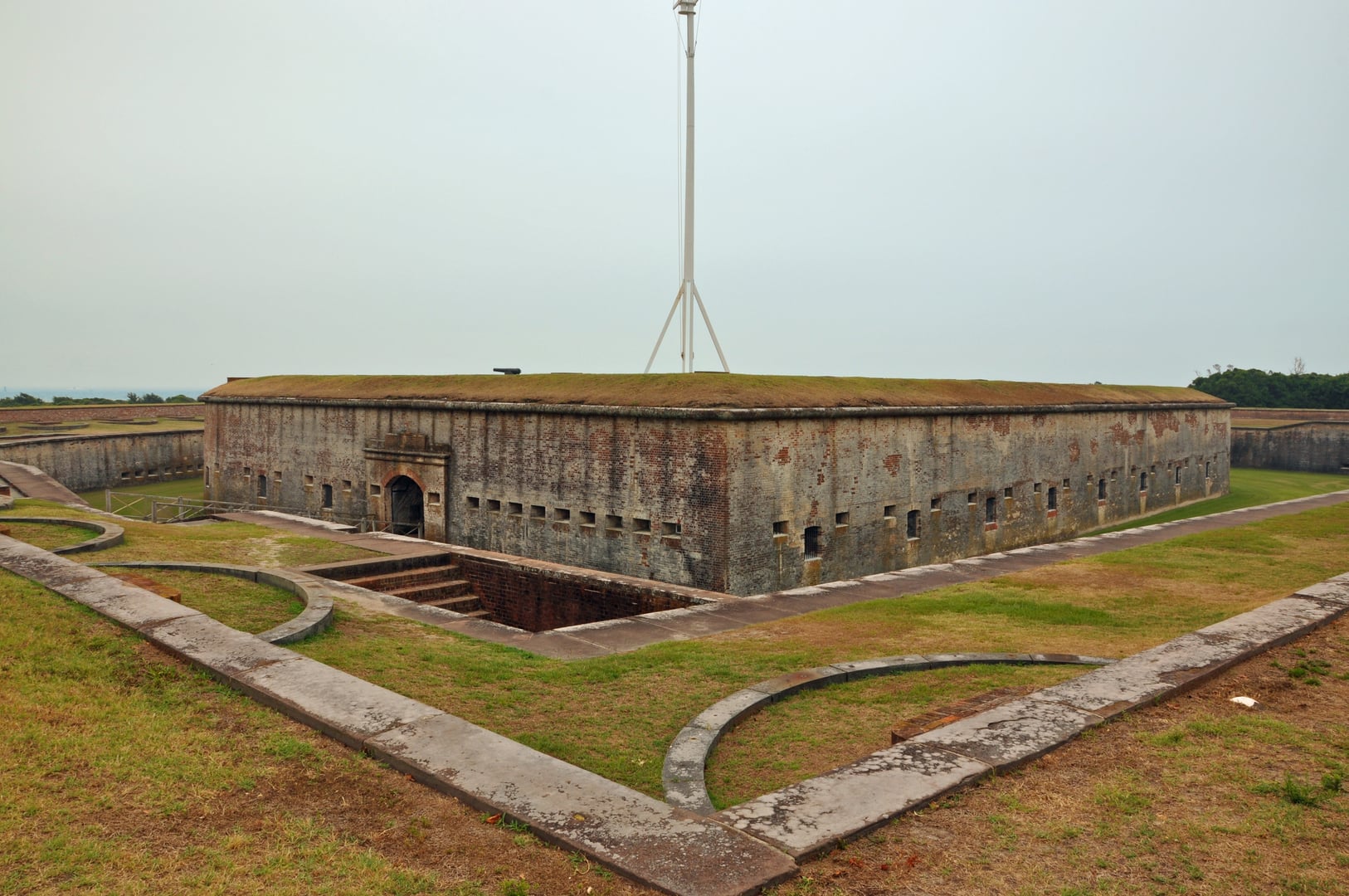
Brick shoreward walls of Fort Macon at Atlantic Beach, North Carolina
Battlefield / Military Site

Fort Macon State Park

Atlantic Beach, NC

Fort Macon is a Third System brick coastal fort built between 1826 and 1834 to guard Beaufort Inlet on the North Carolina coast, named for U.S. Senator Nathaniel Macon. North Carolina militia seized the fort for the Confederacy in April 1861, and Union forces under Major General Ambrose E. Burnside recaptured it in 1862. It is now the centerpiece of Fort Macon State Park.

$ All Ages Family: High
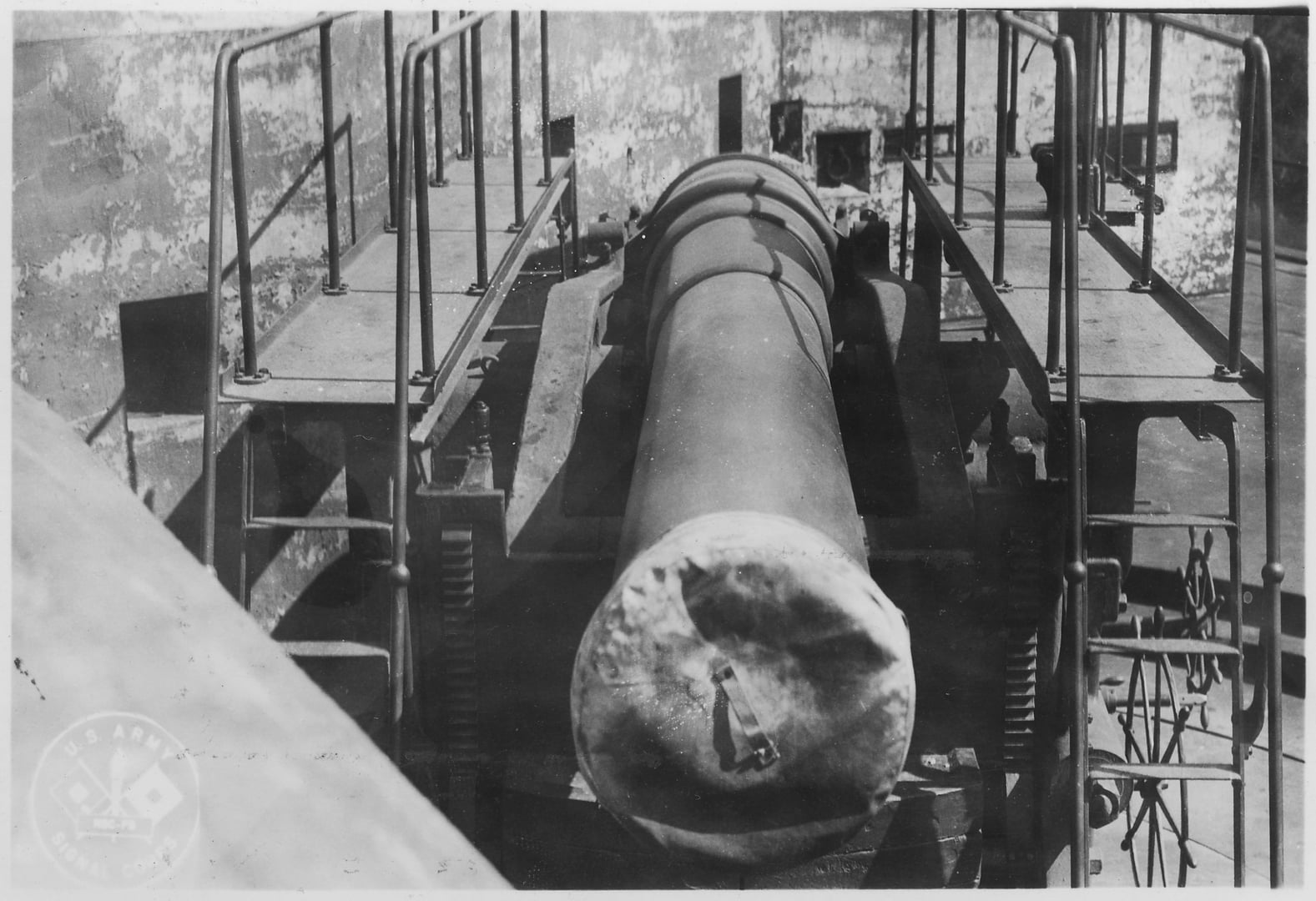
10-inch disappearing rifle gun emplacement at Battery Russell, Fort Stevens, Oregon, photographed during WWII service (c. 1942).
Battlefield / Military Site

Battery Russell at Fort Stevens

Hammond, OR

Battery Russell is one of nine concrete coastal-artillery emplacements built between 1897 and 1906 to defend the mouth of the Columbia River as part of Fort Stevens. Completed in 1904 and named for Civil War Brig. Gen. David A. Russell, the battery mounted two 10-inch M1888 'disappearing' rifles. It was decommissioned in 1944. On the night of June 21-22, 1942, the Japanese submarine I-25 surfaced offshore and fired roughly 17 shells in the direction of the fort — the first foreign attack on a mainland U.S. military installation since the War of 1812. The site is preserved within Fort Stevens State Park, Hammond, Oregon.

$ All Ages Family: Moderate

Frequently Asked Questions

Is Attack on Hutchinson Stockade Monument — Library Square family-friendly?
Outdoor public park, fully accessible. Content is historically sobering but presented through civic monument markers. Appropriate for all ages with adult context. Overall family fit: High.
How much does it cost to visit Attack on Hutchinson Stockade Monument — Library Square?
No admission fee; public park. This location is free to visit.
Do I need to book in advance?
No advance booking is required, but checking availability is recommended.
Is Attack on Hutchinson Stockade Monument — Library Square wheelchair accessible?
Yes, Attack on Hutchinson Stockade Monument — Library Square is wheelchair accessible. Terrain: Flat public park with paved paths adjacent to the Hutchinson Public Library..