Est. 1893 · Swedish American Heritage · Rural Minnesota History · Arson Case
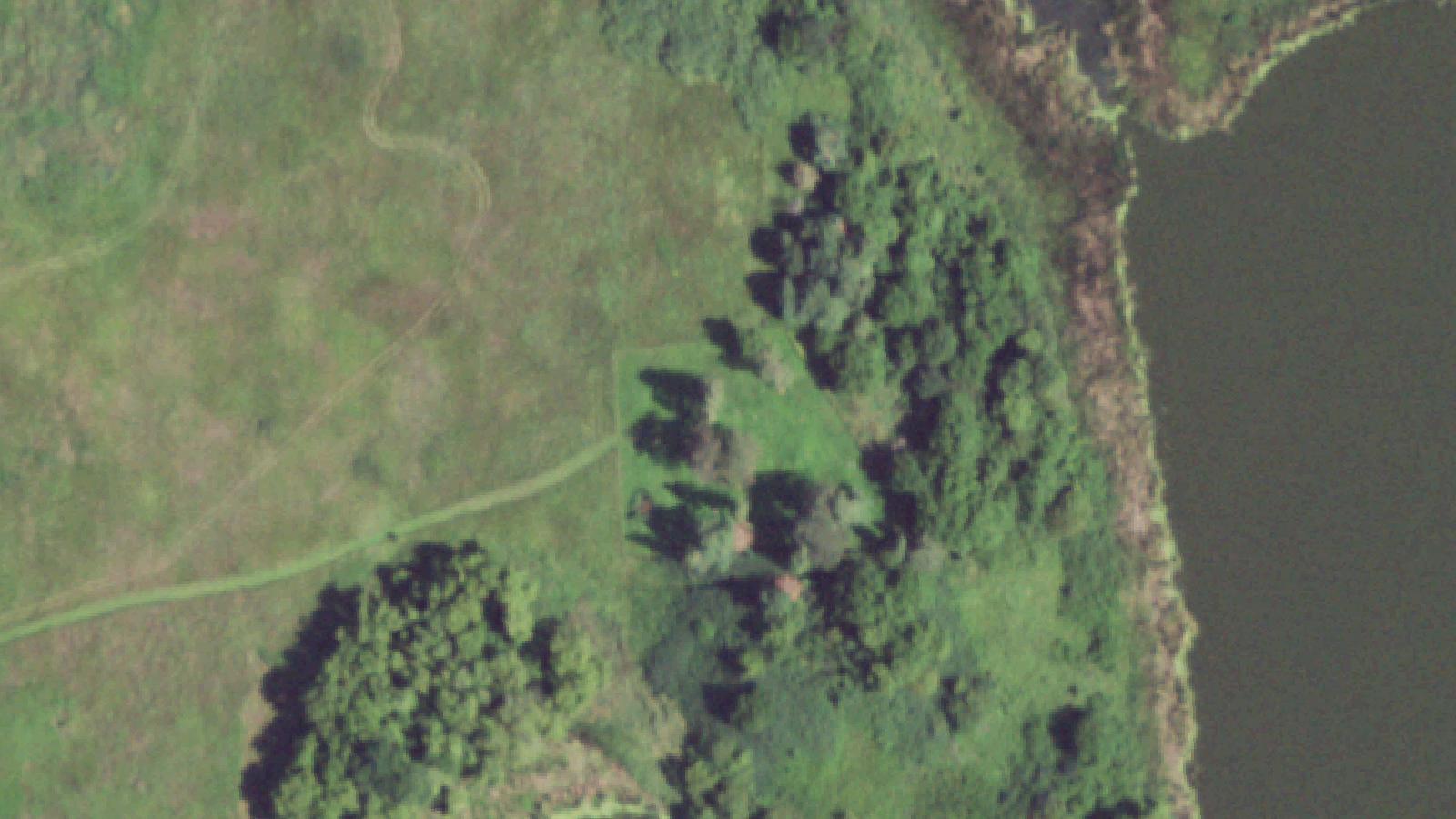
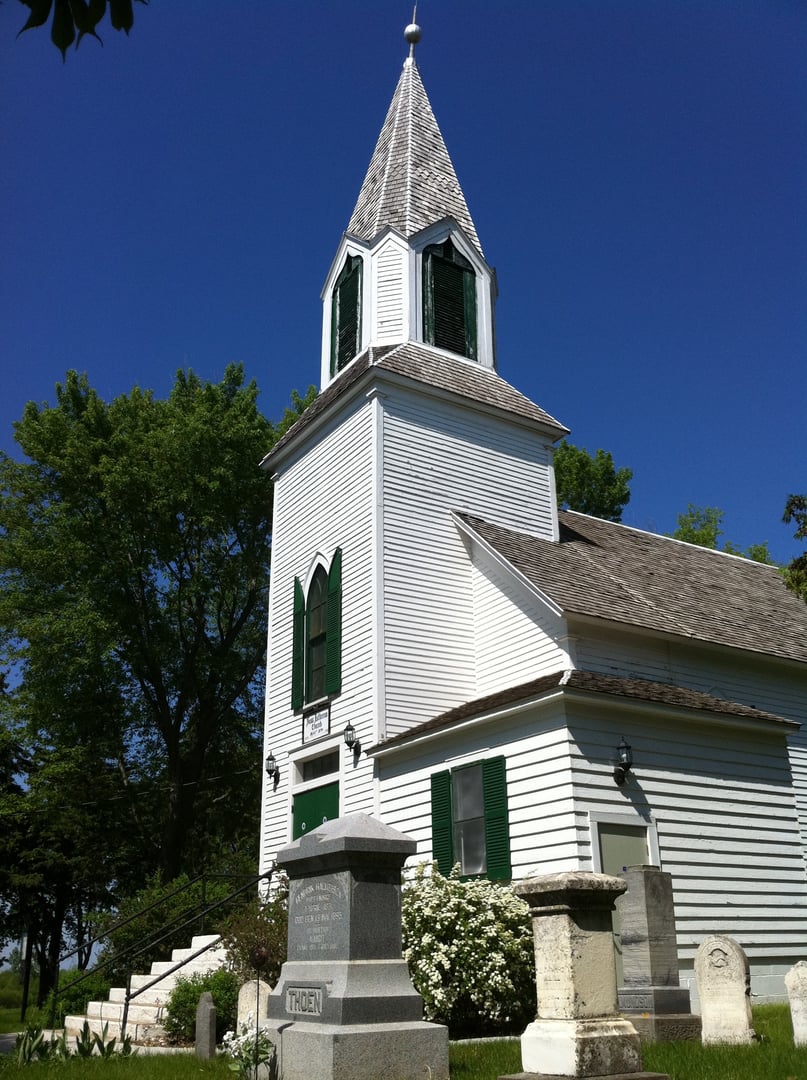
The Swedish Evangelical Lutheran Church of Darling, locally known as Darling Church, was founded in 1893 by Scandinavian homesteaders in the Darling Township of Morrison County, Minnesota. The small wood-frame chapel was modeled on traditional Swedish country churches and served the rural farming community along what is now Highway 10 between Little Falls and Randall.
Through the early 20th century the congregation gradually relocated to larger churches in Randall and Little Falls as automobiles and improved roads made the surrounding towns more accessible. The Darling congregation held its final service in 1969. The building stood vacant for decades afterward, becoming a roadside landmark known to motorists on Highway 10 north of Little Falls.
On March 24, 2017, the 124-year-old former church was destroyed in an early-morning fire. Investigators with the Morrison County Sheriff's Office and Minnesota State Fire Marshal classified the blaze as suspected arson. The case has not been publicly resolved. Small crowds gathered at the smoldering site the same night, reflecting the structure's place in regional memory.
In 2018, residents formed the Darling Church Memorial Inc. (DCMI), a registered 501(c)(3) nonprofit, to preserve the cemetery, install interpretive markers, and develop a permanent memorial on the church footprint. The Initiative Foundation has provided grant support to DCMI's preservation work. Darling Cemetery itself, founded alongside the church in the 1890s, remains active and is documented on Find a Grave.
Sources
- https://www.hometownsource.com/morrison_county_record/news/local/residents-mourn-the-loss-of-historic-darling-church-building/article_d51dda55-b1bf-5968-a937-156c9355bbdd.html
- https://www.fox9.com/news/darling-church-near-little-falls-destroyed-in-fire-arson-suspected
- https://www.darlingcemetery.com/dcmi-info.html
- https://www.thehistoryhandbook.com/2021/swedish-lutheran-church-darling/
- https://www.findagrave.com/cemetery/2206954/darling-cemetery
ApparitionsDisembodied screaming
Local folklore submitted anonymously to a 2000s-era online haunted-places index describes a female figure occasionally seen in the cemetery behind the former Darling Church and the sound of a woman's cry attributed to the building at night. The submitter framed the account through a story that has not been corroborated by Morrison County newspaper archives, Minnesota Historical Society records, or any other independent source located in research.
The original narrative as preserved on legacy folklore aggregators contains racially charged framing typical of late-1990s and early-2000s anonymous internet folklore. Hauntbound presents only the visual and auditory phenomena reportedly experienced at the site without endorsing the underlying narrative. With the church itself destroyed by arson in 2017, present-day visitors encounter the cemetery and the memorial footprint rather than the structure described in the older accounts.
The Darling Church Memorial nonprofit, established in 2018, focuses its public programming on the church's Swedish American homesteading heritage and on the unsolved arson case rather than on paranormal lore.
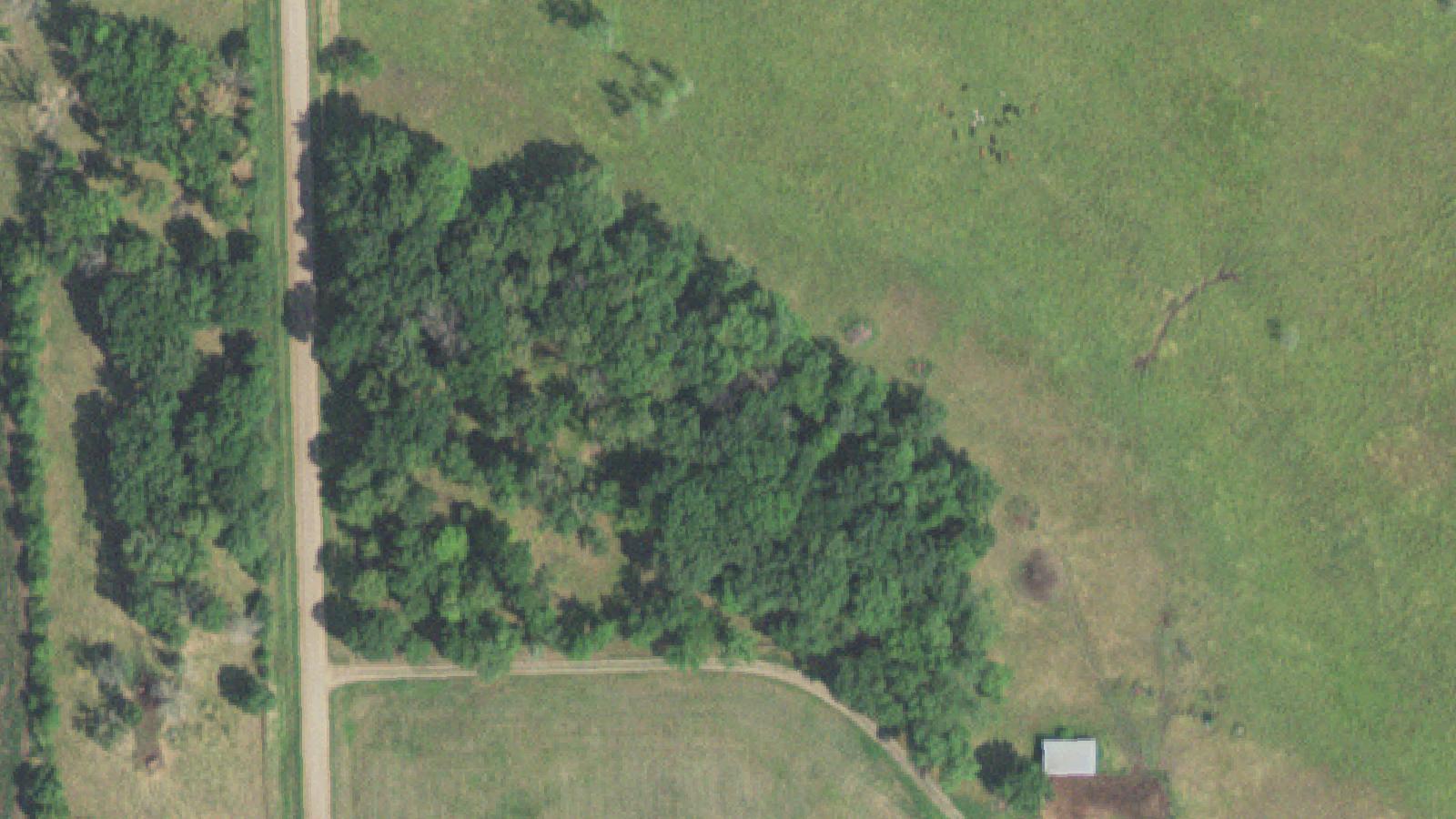
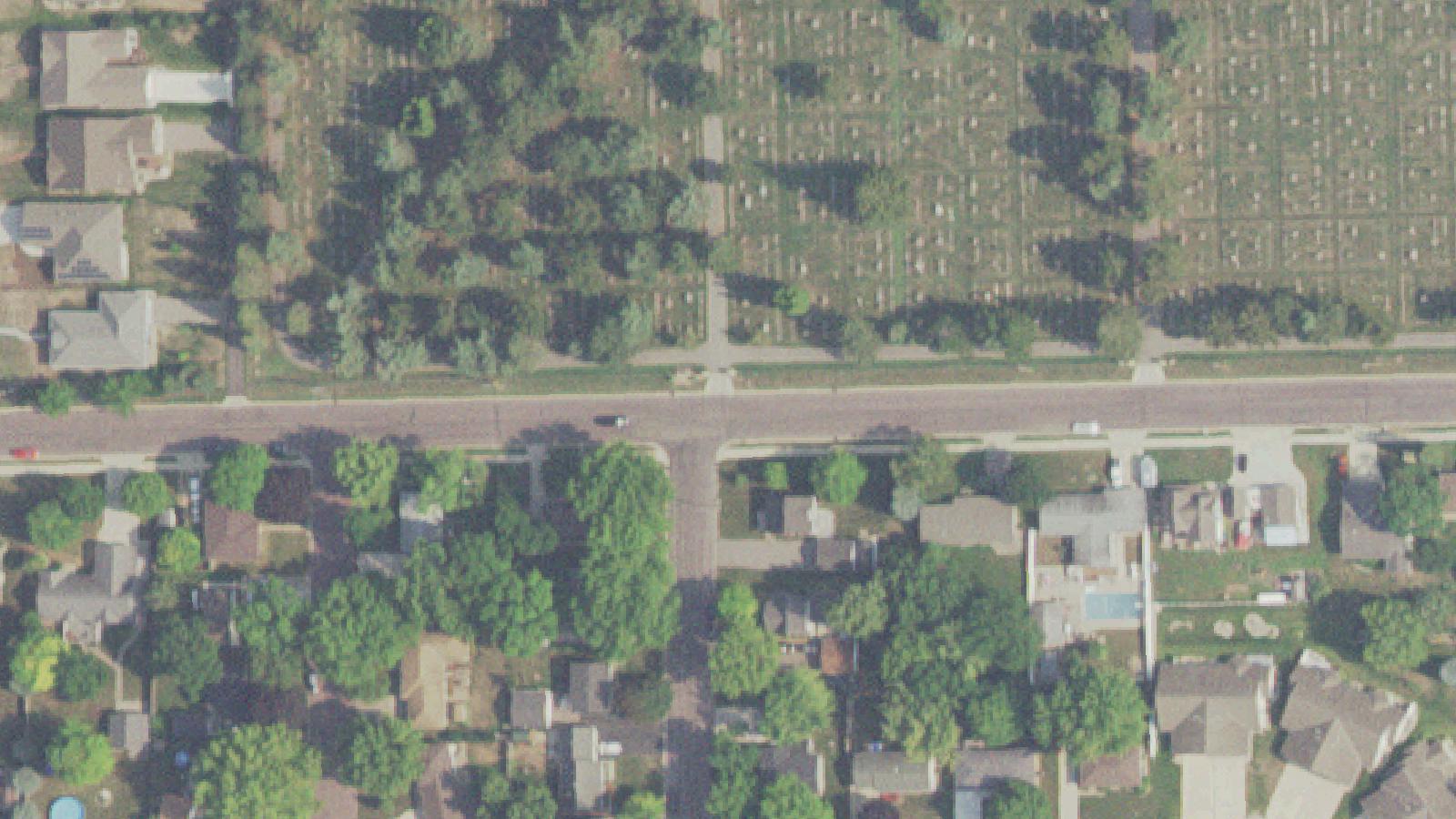 Aerial survey · USDA NAIP