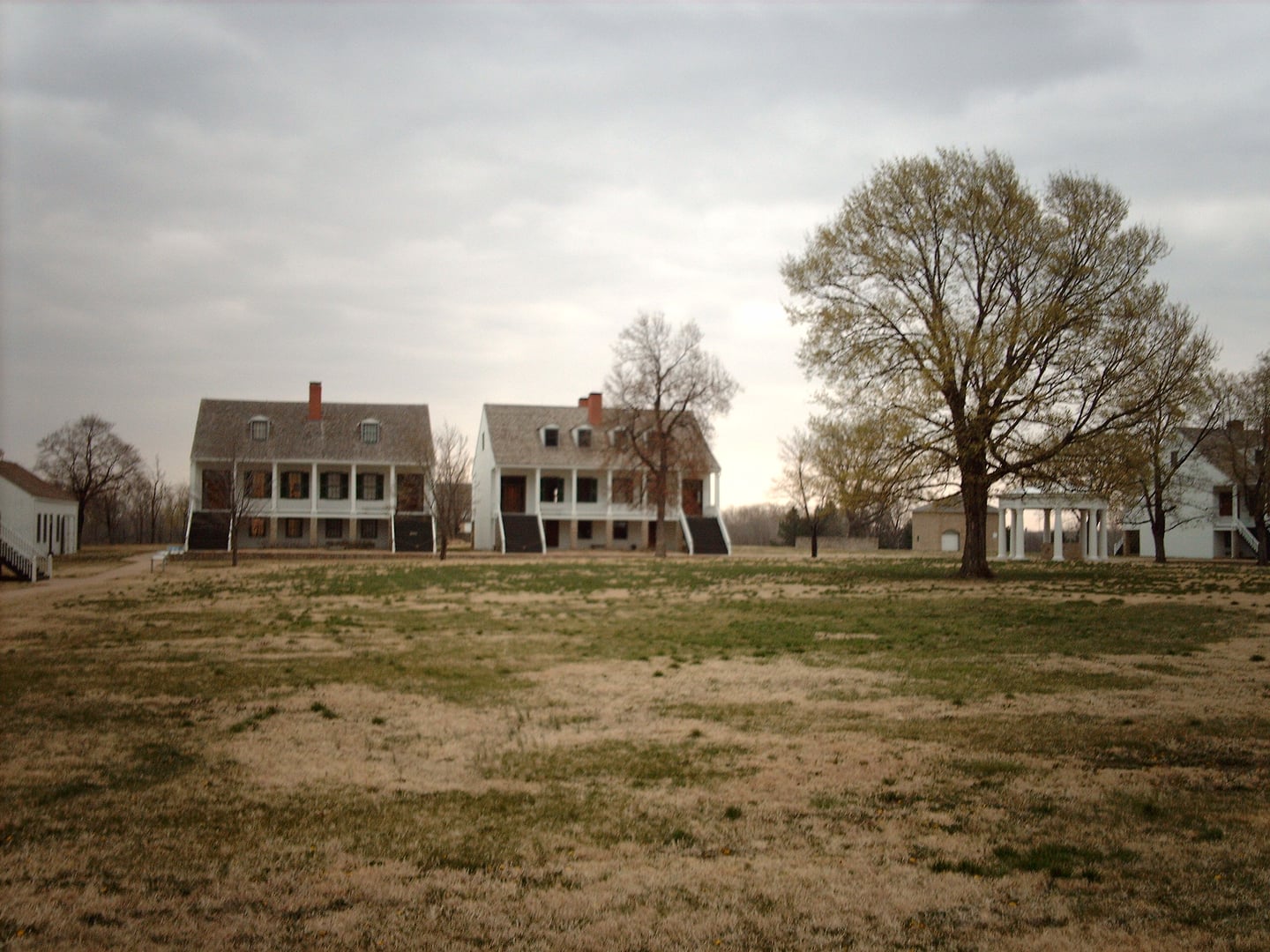
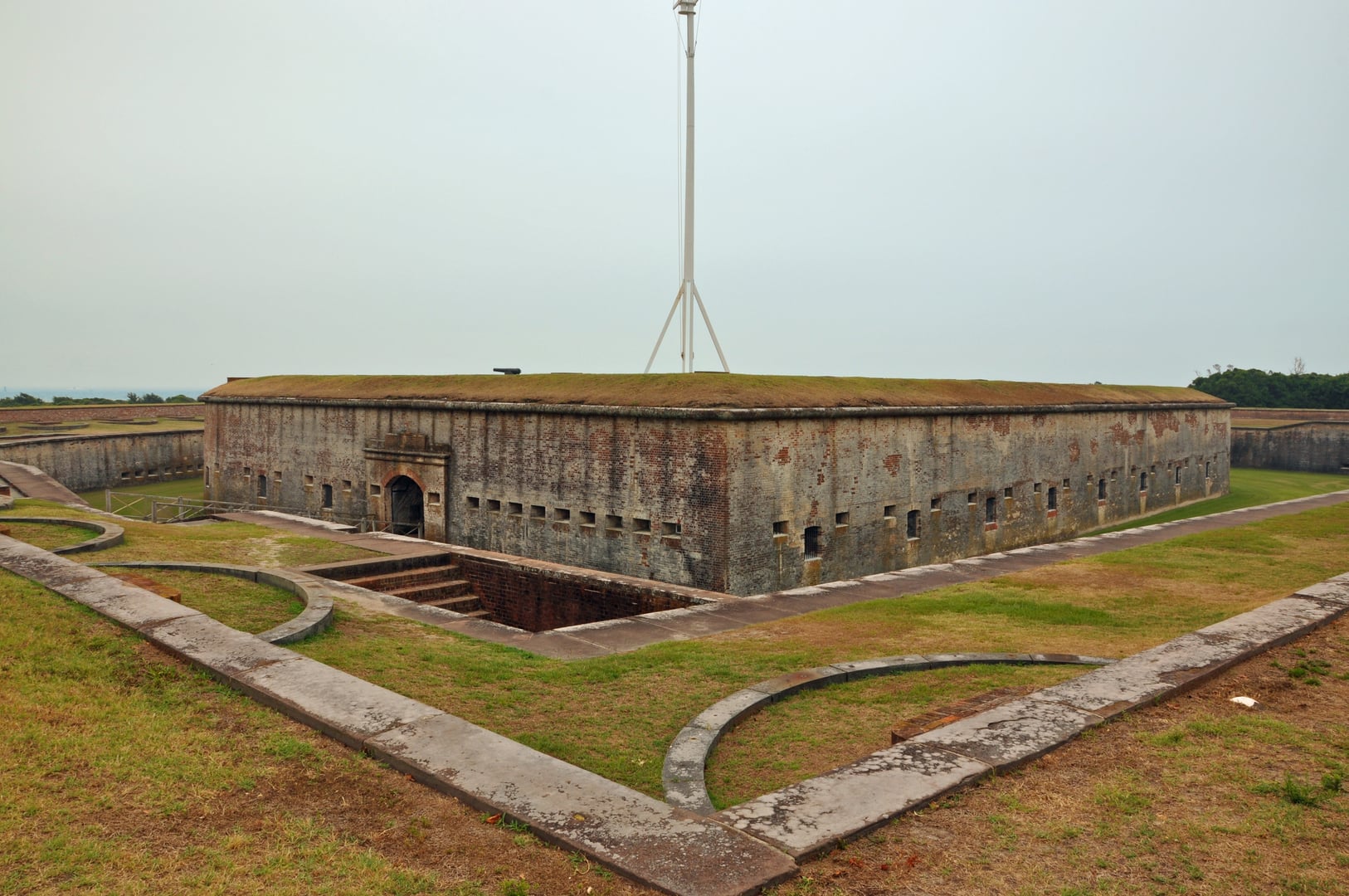
Est. 1820 · National Historic Landmark at the confluence of the Minnesota and Mississippi rivers (Bdote) · Site of enslavement of Dred and Harriet Scott in the 1830s · Forced concentration of 1,600+ Dakota people in 1862–63 following the US-Dakota War · Estimated 100–300 Dakota deaths during winter internment below the fort
The site sits at Bdote, the Dakota word for the meeting of waters — the confluence of the Minnesota and Mississippi rivers — a place the Dakota people considered sacred long before European settlement. In 1820, the U.S. Army began construction of the first permanent military fort in what would become Minnesota, completing the limestone fortifications by 1825 under the command of Colonel Josiah Snelling, for whom it was eventually named.
In the 1830s, U.S. Army Surgeon John Emerson brought the enslaved man Dred Scott to Fort Snelling, where Scott lived and worked. Scott later married Harriet Robinson at the fort under the legal authority of the fort's commanding officer. The Scotts' subsequent freedom suit, arguing that their residence on free soil at Fort Snelling negated their enslaved status, became the landmark Dred Scott v. Sandford case decided by the Supreme Court in 1857.
The fort's darkest chapter came in the aftermath of the US-Dakota War of 1862. Following the war's end, U.S. authorities forcibly marched and transported over 1,600 Dakota men, women, and children to a low-lying river camp below the fort's walls, where they were confined through the winter of 1862–63 in overcrowded conditions with inadequate food and shelter. Estimates of the deaths during that imprisonment range from 100 to 300 people. The following spring, the survivors were forcibly removed from Minnesota.
The Minnesota Historical Society now operates the site as a National Historic Landmark with seasonal living-history programs and permanent exhibits addressing all periods of the fort's history, including the enslavement and Dakota internment.
Sources
- https://www.mnhs.org/fortsnelling
- https://en.wikipedia.org/wiki/Historic_Fort_Snelling
Apparitions in the cemeteryPhantom footsteps in barracksUnexplained soundsSensation of being unwelcome
Ghost hunter and author Adrian Lee conducted paranormal investigations at Fort Snelling and documented the findings in 'Mysterious Minnesota,' published by Llewellyn in 2012. The book places Fort Snelling among the state's most thoroughly investigated haunted sites, citing phenomena consistent with the fort's layered history of occupation, conflict, and tragedy.
Visitor and researcher accounts, compiled in Minnesota paranormal surveys, describe phantom figures appearing in the historic cemetery on the fort grounds, with several accounts noting a uniformed figure observed between headstones during daylight hours. Unexplained sounds — footsteps in empty corridors, doors moving without physical cause — are reported across the barracks and officers' quarters. A number of investigators have noted an oppressive or unwelcome sensation in areas of the site associated with its most difficult history.
No accounts specifically name a figure as a member of the Dakota people interned below the fort in 1862–63, and it would be inappropriate to assign specific supernatural identities to individuals who died there. The site's paranormal reputation is best understood alongside its documented history: decades of violent conflict, forced removal, and death at a location the Dakota considered sacred, now managed with care by the Minnesota Historical Society's public programs.
Beyond the single published investigation, independent documentation of the haunting has not surfaced.
Media Appearances
- Mysterious Minnesota (book, 2012)
Where this legend is told