Est. 1853 · National Register of Historic Places · U.S.-Dakota War of 1862 · Minnesota Historical Society Site
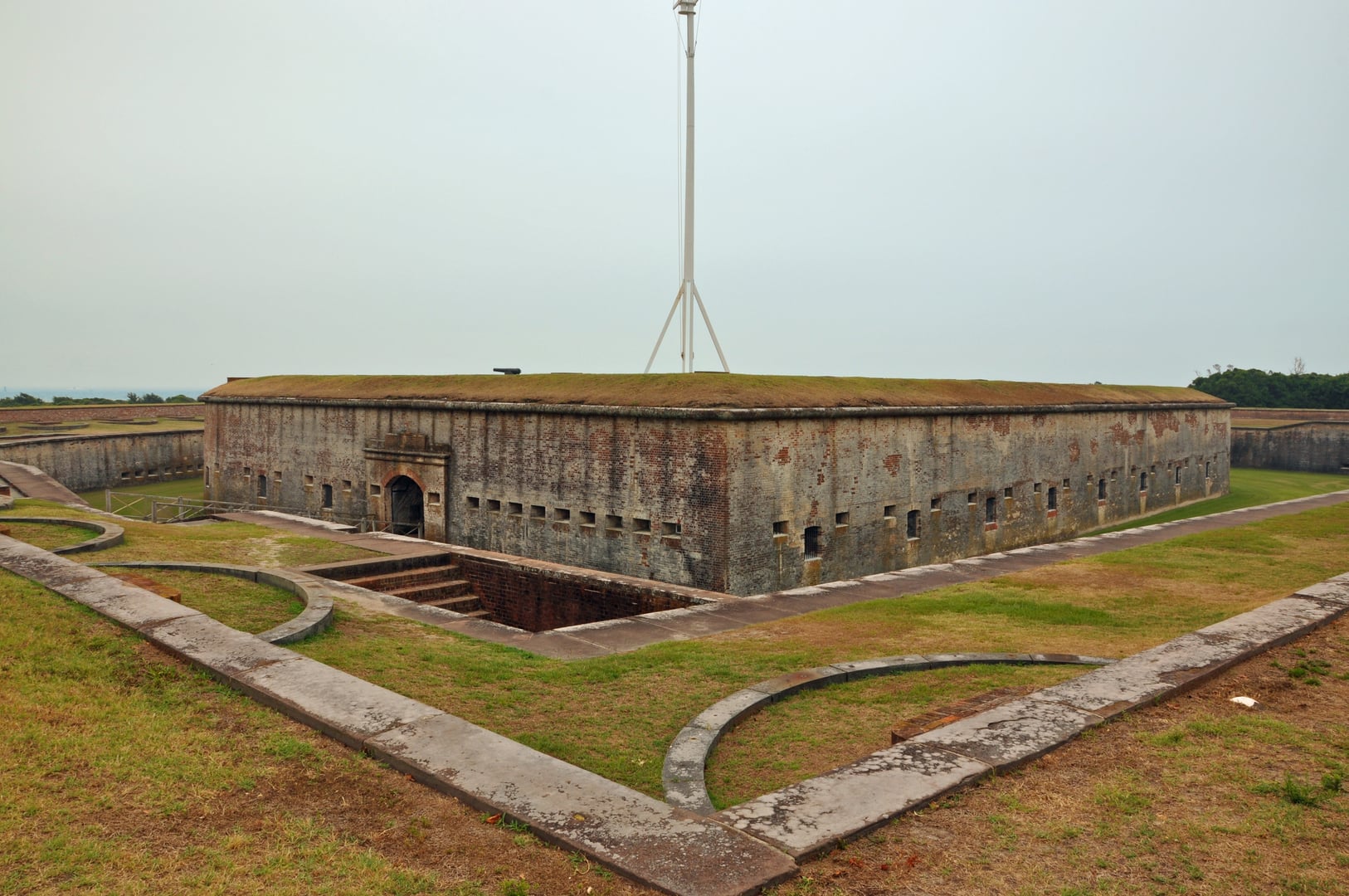
Fort Ridgely was constructed between 1853 and 1855 to serve as the Army's presence along the line between the Dakota reservation and the expanding zone of Euro-American settlement in the Minnesota River valley. Unlike a traditional fortified installation, the post had no stockade or defensive wall when it was built — an oversight that would matter when the U.S.-Dakota War began in August 1862.
The conflict erupted from the breakdown of treaty obligations. The federal government repeatedly failed to deliver annuity payments promised to the Dakota, and the summer of 1862 brought crop failure across the reservation. Dakota leaders including Little Crow concluded that armed resistance was the only remaining option. On August 18, 1862, Dakota warriors attacked settlements throughout the Minnesota River valley; Fort Ridgely came under assault on August 20 and again on August 22.
The fort's garrison of roughly 76 soldiers and two officers, commanded by Lieutenant Timothy J. Sheehan after Captain John S. Marsh was killed at the Redwood Ferry, held the position against approximately 800 Dakota warriors in the first attack and a larger force in the second. Artillery — particularly the howitzers operated by Ordnance Sergeant John Jones — proved decisive. When cannon ammunition ran low, defenders improvised by cutting iron bars from the blacksmith shop to the appropriate diameter. Three defenders were killed and 13 wounded in the two engagements. Colonel Henry Sibley arrived with 1,400 reinforcements on August 27, ending the siege.
The Army abandoned Fort Ridgely in 1867. The Veteran Conservation Corps reconstructed several buildings, including the commissary, between 1935 and 1942. The Minnesota Historical Society assumed stewardship of the historic site in 1986; it was added to the National Register of Historic Places in 1970.
Sources
- https://en.wikipedia.org/wiki/Battle_of_Fort_Ridgely
- https://www.mnhs.org/fortridgely/learn/history
- https://www.battlefields.org/visit/heritage-sites/fort-ridgely-state-historic-site
- https://www.usdakotawar.org/history/attack-fort-ridgely
Battle sounds at duskUnexplained movement on cleared groundSense of presence near fort ruins
The battle at Fort Ridgely in August 1862 is among the most documented and disputed episodes of the U.S.-Dakota War. Three soldiers were confirmed killed and additional soldiers were mortally wounded in the two engagements; Dakota casualty figures from the assault are harder to establish, with historical estimates varying from a handful to significantly higher numbers.
Local tradition, documented in regional travel writing, holds that both soldiers and Dakota warriors killed in the fighting linger at the site. Reports describe the sound of battle cries and movement on the cleared ground around the fort ruins, particularly at dusk. These accounts have circulated in the region since at least the mid-20th century, though they are not the subject of formal investigation.
The site's weight as a dark-tourism destination is more historical than paranormal. The U.S.-Dakota War resulted in the largest mass execution in American history — the December 26, 1862, hanging of 38 Dakota men in Mankato — and the forced exile of the remaining Dakota from Minnesota. Fort Ridgely represents the military pivot point of that conflict. The Renville County Historical Society has published a volume titled 'Ghosts of the US-Dakota War 1862' that explores the enduring cultural and historical dimensions of the conflict across the region.
Media Appearances
- Ghosts of the US-Dakota War 1862 (Book (Renville County Historical Society), 2013)
Where this legend is told