Est. 1862 · Confederate Military Prison April–December 1862 — approximately 700 Union POWs from Shiloh · Estimated 200 prisoner deaths during 8-month operation · Original warehouse exterior walls preserved as part of Riverwalk Stadium facade
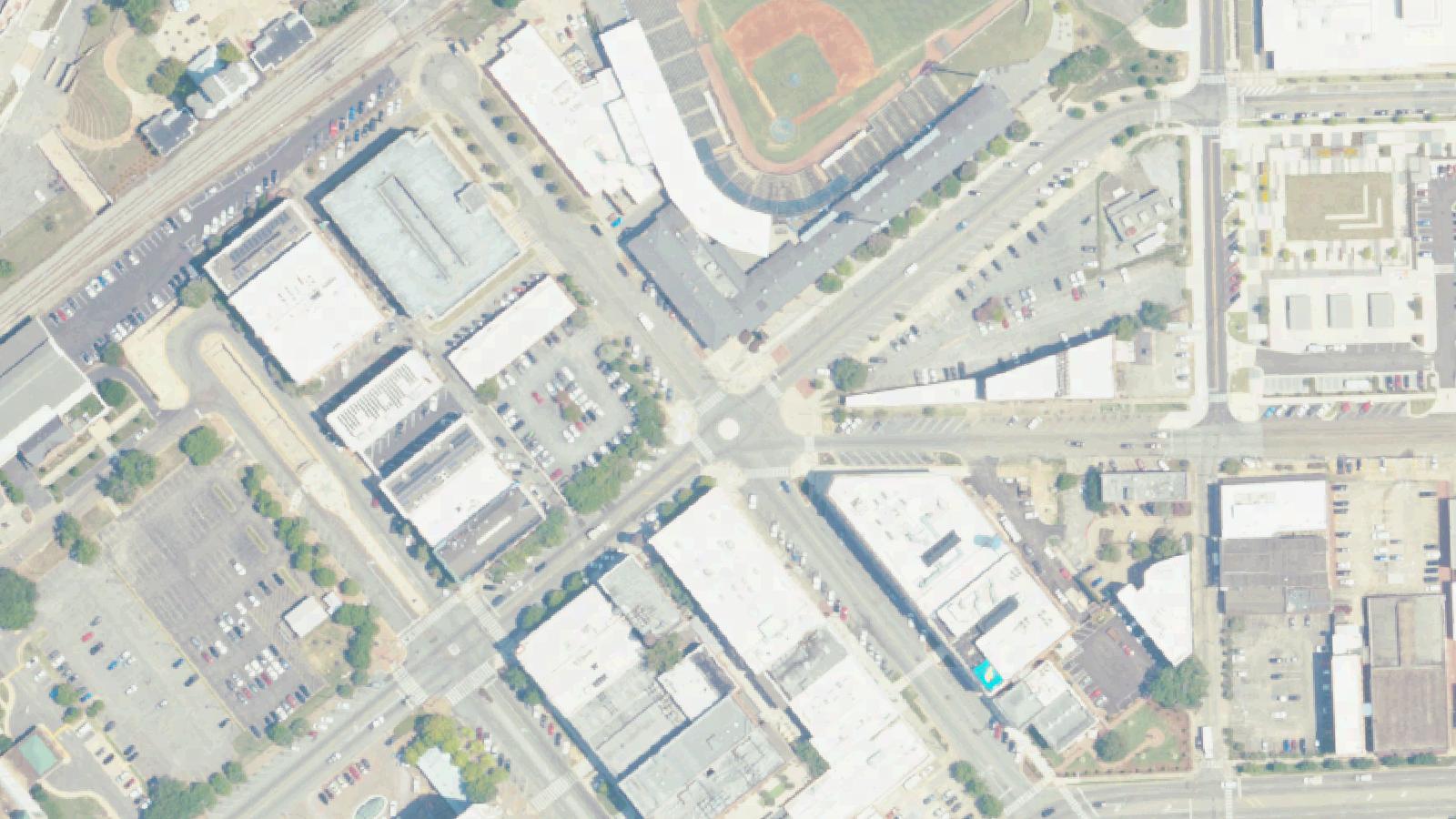
The site at 200 Coosa Street along the Alabama River was occupied by a cotton warehouse before the Civil War, a common industrial structure in Montgomery's antebellum riverfront economy. In April 1862, following the Confederate victory at Shiloh, approximately 700 Union prisoners were transported to Montgomery and confined in the warehouse, which was converted into a prisoner-of-war facility by Confederate authorities.
The conditions in the cotton warehouse were severe. The facility was designed for commerce, not for holding men — ventilation was poor, sanitation facilities were inadequate, and overcrowding was constant. According to documentation compiled by the Historical Marker Database and the Confederate POW records compiled at mycivilwar.com, nearly 200 prisoners died during the eight months of the camp's operation between April and December 1862, when the prisoners were transferred elsewhere.
When Montgomery built Riverwalk Stadium for its Double-A baseball franchise, the Montgomery Biscuits, the development incorporated the original warehouse exterior walls into the stadium structure. The warehouse facade now forms part of the stadium's outer skin, visible from both the Riverwalk and the stadium interior. A historical marker at the site, catalogued by the Historical Marker Database, documents the Confederate Military Prison that operated on the grounds.
Sources
- https://www.hmdb.org/m.asp?m=71369
- https://www.mycivilwar.com/pow/al-montgomery.html
- https://hauntedhaven.blogspot.com/2013/08/field-of-spirits-montgomery-alabamas.html
Shadow figures along the RiverwalkAudible weepingApparitions near the preserved warehouse walls
The paranormal lore at Riverwalk Stadium is documented by Faith Serafin, a paranormal researcher and blogger who has written about Montgomery's dark history, and by commercial Montgomery ghost tour operators. The reports center on the preserved warehouse exterior, which provides a physical and visual connection to the 1862 prison site that most converted historical locations lack.
Serafin's 2013 write-up, which she titled 'Field of Spirits,' describes the warehouse grounds as among the most actively reported paranormal locations in Montgomery. Shadow figures along the waterfront walkway, audible weeping sounds, and full apparitions in the vicinity of the old warehouse walls are the three most frequently described phenomena. Ghost tour operators attribute these to the concentration of violent death — men who died in confinement, far from home, in a repurposed cotton warehouse — on a relatively small geographic footprint.
The HMDB historical marker at the site makes the Prison's existence accessible to casual visitors. The combination of a documented mass-mortality site, preserved physical structure, and multiple independent paranormal documentation sources makes this one of the better-evidenced haunted locations in Montgomery.