Est. 1847 · Third System Coastal Fortification · Civil War Garrison · Florida State Park (1938)
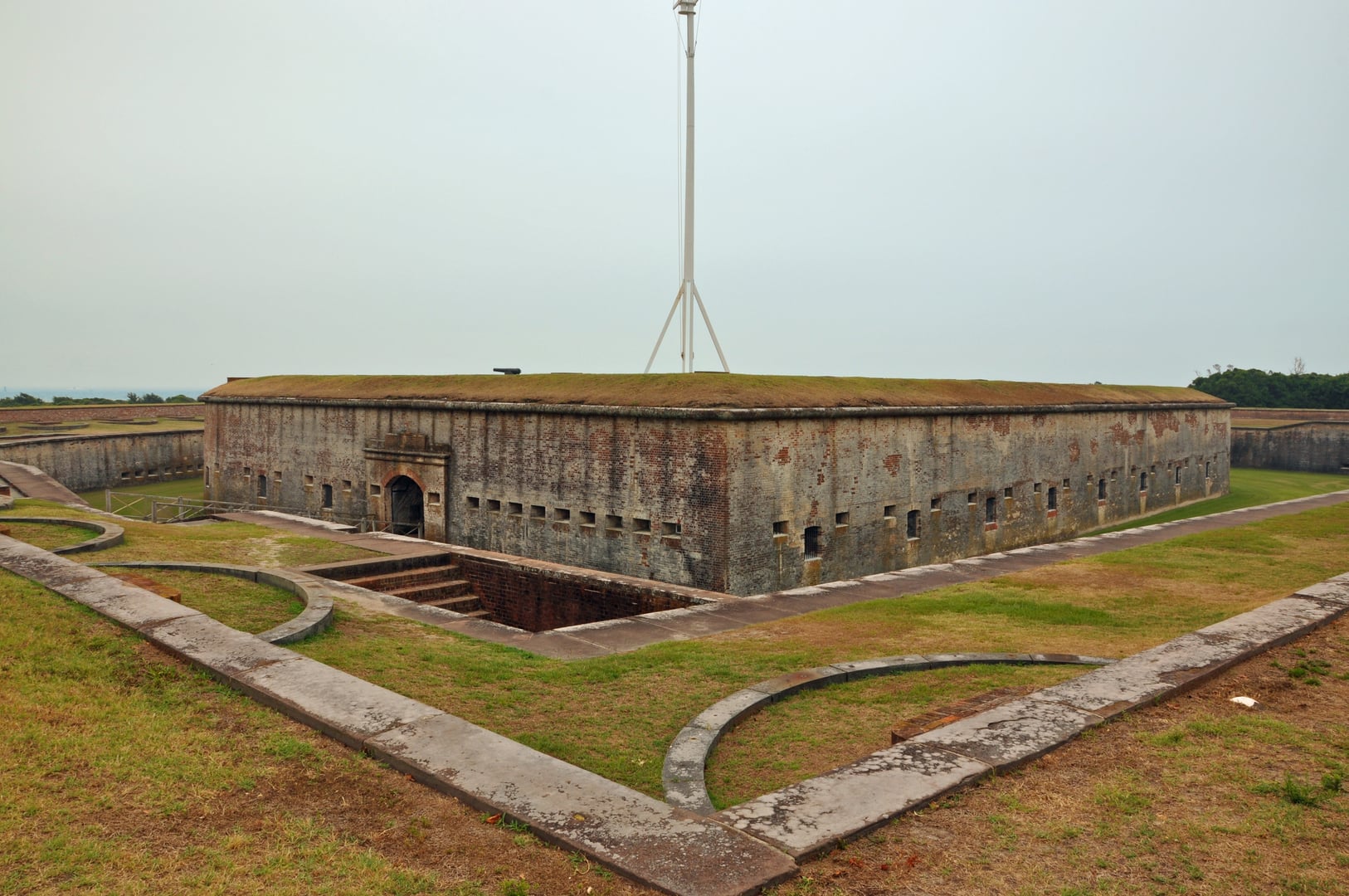
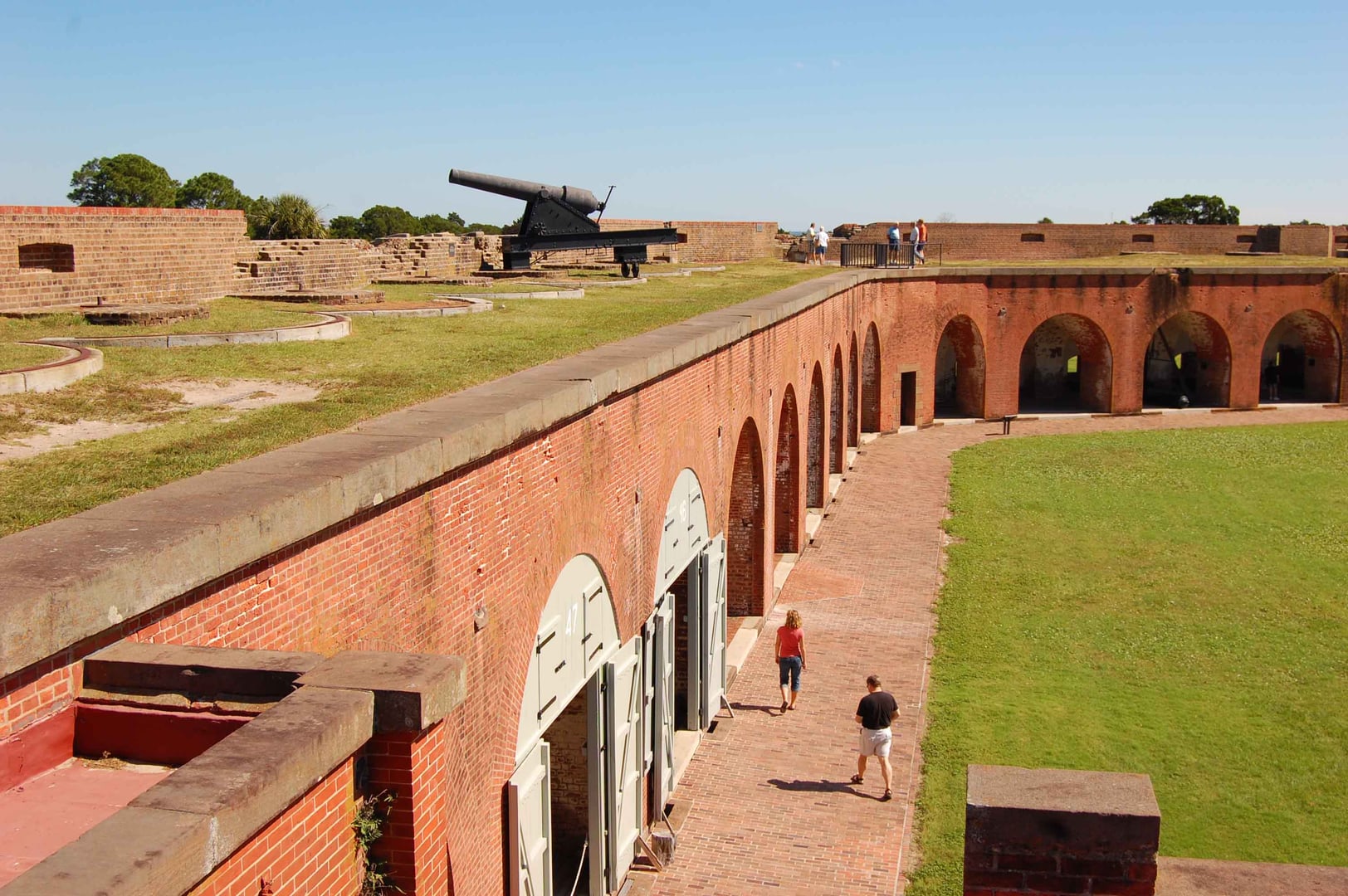
Construction of Fort Clinch began in 1847 as part of the United States' Third System of coastal fortifications, an effort to defend the Atlantic seaboard with masonry forts after the experience of the War of 1812. The fort was sited on the northern tip of Amelia Island, controlling the entrance to the St. Marys River and Cumberland Sound. Work proceeded slowly, and by the outbreak of the Civil War in 1861 the fort comprised two completed bastions facing the river, two connecting walls, and a partial complement of supporting structures.
Confederate forces occupied the unfinished fort in the summer of 1861. By December 1,524 Confederate troops were stationed there. In March 1862, after Confederate Gen. Robert E. Lee ordered the evacuation of Fernandina, a Union flotilla of twenty-eight gunboats arrived as the last Confederate train was leaving. Fort Clinch became the first Union fortress restored to Federal control during the war, although no significant battle was fought at the site.
The fort was briefly garrisoned again during the Spanish-American War in 1898 but otherwise sat largely unused for decades. The Civilian Conservation Corps stabilized and partially reconstructed the masonry in the 1930s, and the State of Florida opened the property as Fort Clinch State Park in 1938. Today the park encompasses the fort, the surrounding beach and dune system on the northern tip of Amelia Island, and a network of hiking and biking trails.
Sources
- https://en.wikipedia.org/wiki/Fort_Clinch
- https://www.battlefields.org/visit/heritage-sites/fort-clinch-state-park
- https://www.floridastateparks.org/parks-and-trails/fort-clinch-state-park/history
- https://www.southernspiritguide.org/spectral-humor-fort-clinch-fernandina-beach-florida/
ApparitionsPhantom footstepsDisembodied screamingCold spots
Most of Fort Clinch's documented folklore comes from people who spend the night inside its walls during reenactment encampments. Two re-enactors stationed on a barracks porch one July weekend described watching four figures in Civil War uniforms emerge from one of the bastion tunnels, cross the parade ground, march up the ramp, and disappear. The account is repeated in regional folklore writing.
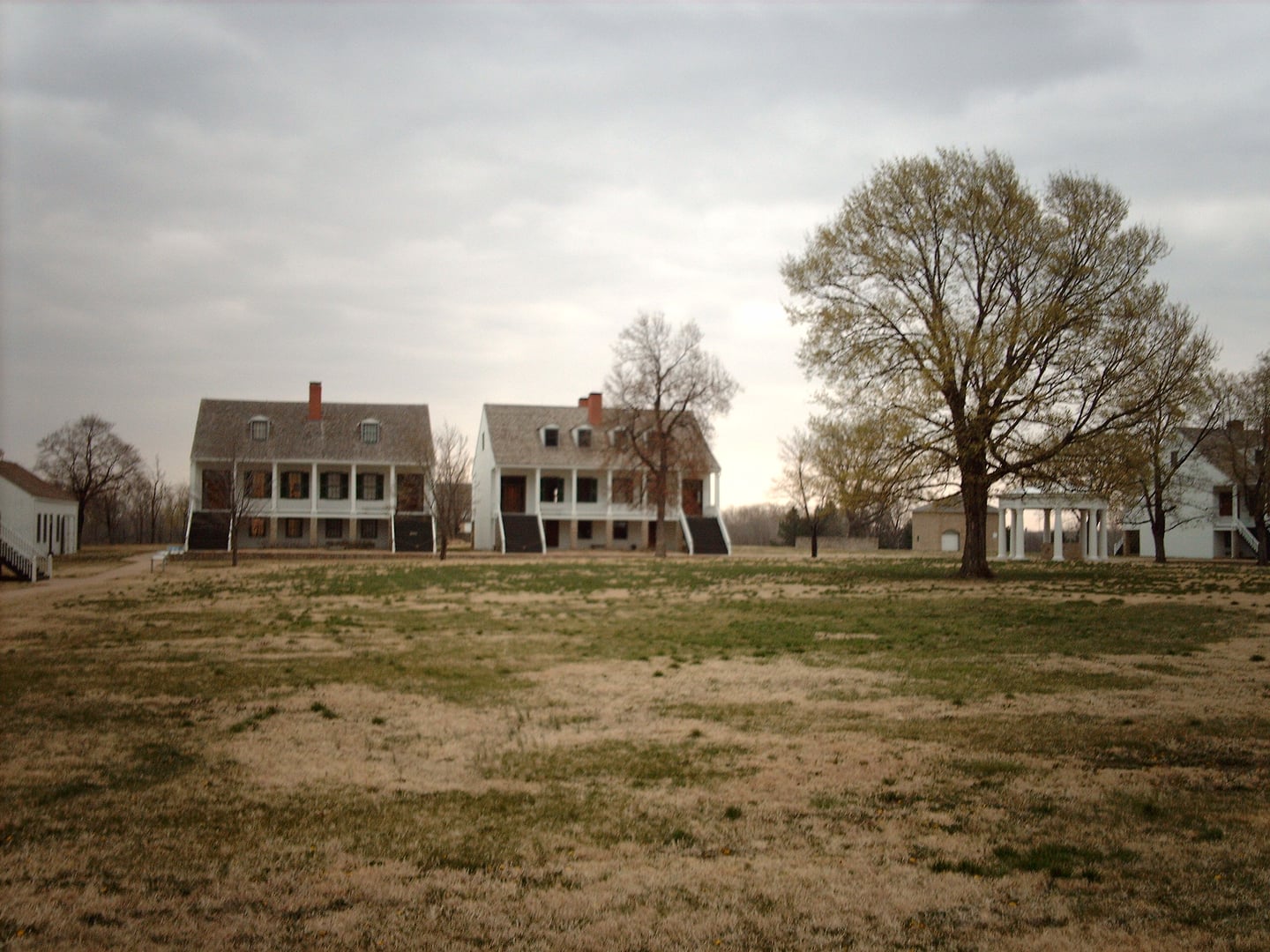
Guests sleeping in the period barracks during living-history weekends have reported being awakened by the sound of booted feet moving through the rooms, with no source visible. A woman carrying a lantern has been described moving through the lower levels; some accounts speculate she is a nurse, an interpretation tied to the fort's role as a place of refuge for injured soldiers, several of whom are said by tradition to have been buried just outside the walls.
The southwest tunnel has its own distinct report: visitors and staff have described hearing the sound of an infant crying. A local explanation traces the sound to a homeless family said to have sheltered in the abandoned fort during a quiet period in its history, with one of the family's children dying at the site. This element of the folklore is not as well-documented as the parade-ground accounts and is presented as local tradition rather than archival fact.
The Florida Park Service's monthly candlelight tours move through the fort after sunset and are the closest thing to an organized paranormal-adjacent program on offer; rangers focus on documented history and let the building's atmosphere speak for itself.
Notable Entities
The Lantern WomanThe Crying Child