Est. 1862 · Largest Confederate POW Camp West of Mississippi · Civil War Prisoner Deaths 1863-1865 · Match Plot Executions · Smith County Historical Landmark
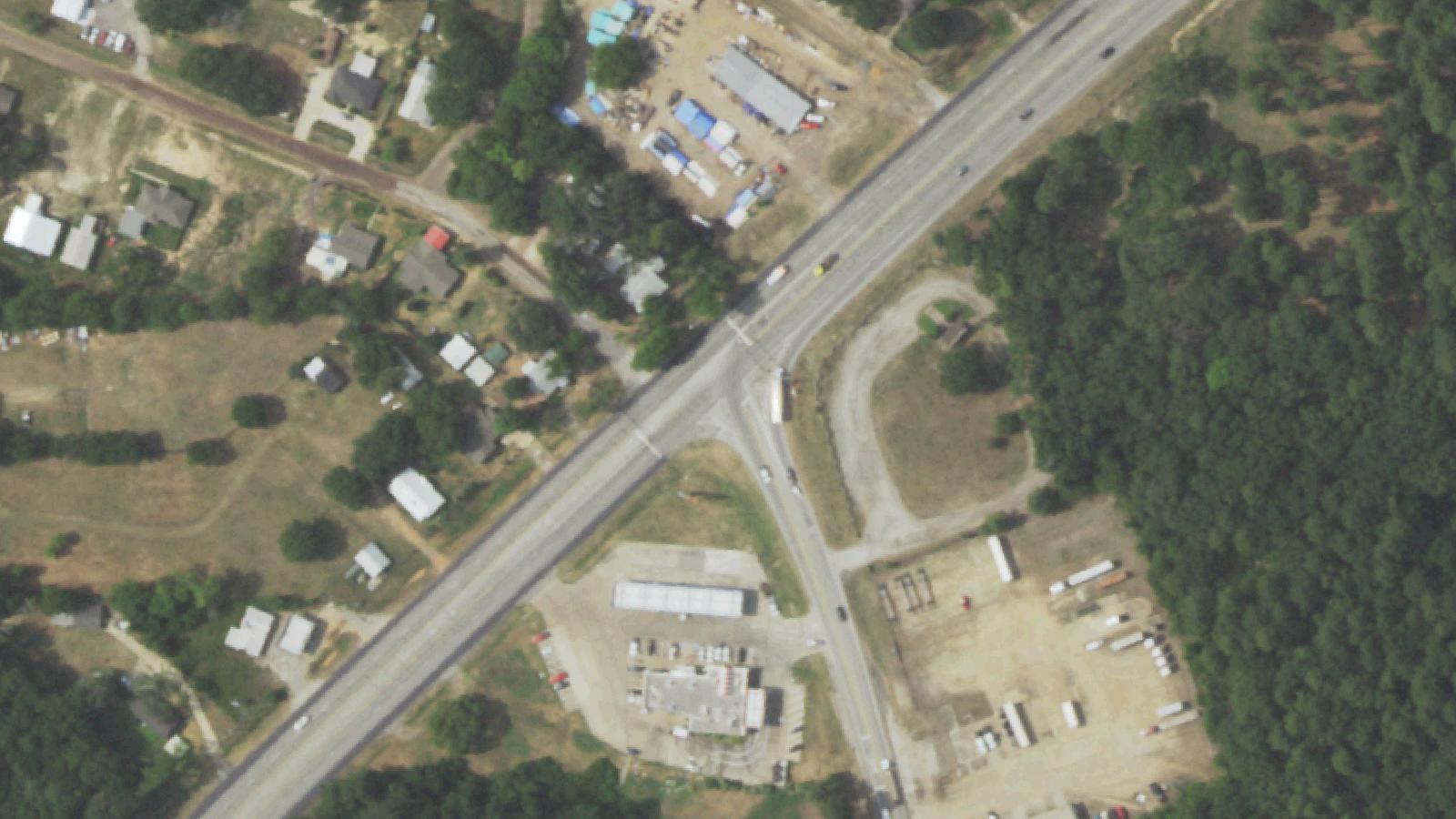
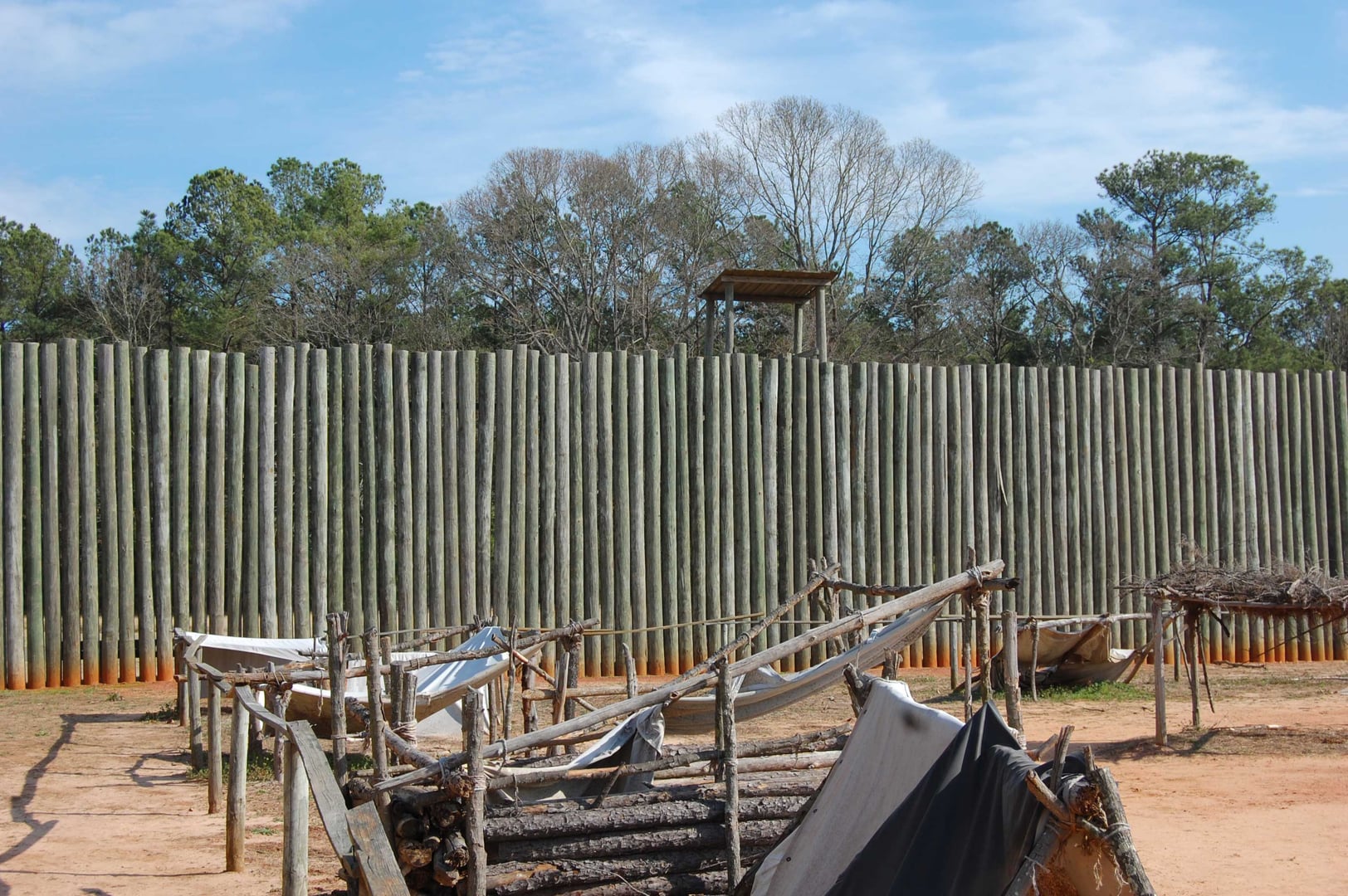
Camp Ford was established in spring 1862 on the eastern outskirts of Tyler, Texas, initially as a Confederate training facility. By August 1863, it received its first Union prisoners—officers captured at Brashear City and naval personnel—and its purpose shifted permanently to detention. A wooden stockade enclosing four acres was constructed in November 1863 after a mass-escape threat by approximately 800 newly arrived prisoners.
The camp's population exploded in the spring of 1864. Following Confederate victories at Mansfield and Pleasant Hill in Louisiana, more than 2,000 additional prisoners arrived in April, forcing the stockade to quadruple in size. By July 1864, Camp Ford held its peak population: roughly 5,000 Union soldiers confined to a compound that had been designed for far fewer. Food, water, and shelter were grossly inadequate. Over the course of the camp's operation, more than 350 US Army personnel died from starvation, exposure, and disease.
Among the darker episodes documented in prisoner diaries and post-war accounts is the so-called Match Plot—a series of executions described by members of the 49th Ohio Infantry involving the arrest and summary punishment of local citizens accused of Union sympathies, including accounts of hangings and burning. Smith County's own historical record acknowledges the grim conditions and mortality rate without minimizing them.
Prisoner exchanges reduced the population in July and October 1864, then again in February and May 1865. Camp Ford was disbanded at the close of the war. The site passed eventually to Smith County, which now manages it as a free public park with interpretive signage. The Smith County Historical Society maintains the Camp Ford documentation.
Sources
- https://en.wikipedia.org/wiki/Camp_Ford
- https://smithcountyhistoricalsociety.org/camp-ford/
- https://knue.com/camp-ford-tyler-haunted-history/
Balls of lightShadow figuresUnexplained whispersEVP recordings
The association between mass suffering and reported paranormal activity has drawn investigators to Camp Ford for years. Local paranormal enthusiasts describe the park as among the most active sites in East Texas, citing its documented death toll and the documented inhumanity of conditions there.
Fieldwork at the site has produced accounts of luminous orbs visible in the tree line, shadowy figures moving across open ground, and what investigators describe as ghostly whispers or murmurs on audio equipment. The accounts align loosely with the geography of the former stockade perimeter, though the park's interpretive markers do not extend to any paranormal claims.
Whether the phenomena are genuine remnants of Civil War suffering or the product of expectation in a place with well-documented tragedy, Camp Ford's history supplies more than enough documented death to give pause to any visitor walking its quiet trails.