Museum Visit
Mill City Museum self-guided visit
Eight-story Flour Tower ride, observation deck overlooking St. Anthony Falls, and exhibits set inside the burned-out limestone ruins of the Washburn A Mill.
- Duration:
- 1.5 hr
HauntBound archive · catalog record
Reported phenomena, as catalogued
Minnesota Historical Society museum built within the limestone ruins of the Washburn A Mill, once the world's largest flour mill, where 18 workers died in the 1878 dust explosion.
704 S 2nd St, Minneapolis, MN 55401
Research updated June 2026
Age
All Ages
Cost
$$
General admission ~$12 adult; MNHS member free
Access
Wheelchair OK
Indoor museum and outdoor ruins courtyard; paved
Equipment
Photos OK
Est. 1874 · 1878 dust explosion — one of the deadliest industrial accidents in Minnesota history · Largest flour mill in the world at the time of the 1878 disaster · Reshaped flour-milling safety practices worldwide · National Historic Landmark designation · Anchor of the St. Anthony Falls Historic District
The Washburn A Mill was built in 1874 by Cadwallader C. Washburn on the west bank of the Mississippi River at St. Anthony Falls, the only natural waterfall on the Mississippi and the power source that made Minneapolis a milling capital. At its opening the mill was the largest flour mill in the world, capable of producing enough flour for 12 million loaves of bread per day.
On the evening of May 2, 1878, two dry millstones rubbed against one another, throwing a spark into the flour-laden air. The resulting dust explosion leveled the Washburn A and ignited fires that consumed several adjacent mills along the riverfront. Fourteen workers inside the A Mill died instantly; four more workers in neighboring mills died in the spreading fire, bringing the disaster's toll to 18. Mill manager John A. Christian identified flour dust as the cause, and two University of Minnesota professors later confirmed the diagnosis through controlled combustion experiments — work that reshaped milling safety worldwide.
Cadwallader Washburn rebuilt the mill on the same limestone foundation, with engineer William de la Barre designing dust collectors and improved ventilation. The rebuilt Washburn A operated from 1880 until 1965, by which time Minneapolis milling had migrated to Buffalo, NY and elsewhere. The empty hulk sat on the riverfront for decades.
On February 22, 1991, arson destroyed the rebuilt mill, leaving only the limestone exterior walls standing. Rather than demolish the ruins, the Minnesota Historical Society stabilized them and built a new museum structure inside the shell. The Mill City Museum opened in 2003 and has anchored the revitalization of the Minneapolis riverfront, including the adjacent Mill Ruins Park.
Sources
The Mill City Museum's paranormal reputation traces directly to May 2, 1878, when the dust explosion killed 18 workers without warning. According to Meet Minneapolis and the American Ghost Walks bus tour, the spirits of the men who died are said to linger among the limestone ruins where they worked and died, and visitors and tour groups have reported a heavy, watched feeling along the courtyard walls after dark.
The 1991 arson fire that gutted the rebuilt mill is sometimes folded into the same lore: ghost-tour narration describes 'thundering booms' said to echo across the ruins on quiet evenings, attributed both to the original explosion and to the later fire. The Minneapolis Ghost Bus Tour treats the site as one of its anchor stops for tragic-industrial-death narratives in the Twin Cities, alongside the Stone Arch Bridge and the Soap Factory.
First-person paranormal accounts at the museum itself are thin in the published record — the lore is anchored by tour-operator narration rather than by guest investigations or staff reports, which is unusual for a venue with this scale of documented historical trauma.
Notable Entities
Media Appearances
Eight-story Flour Tower ride, observation deck overlooking St. Anthony Falls, and exhibits set inside the burned-out limestone ruins of the Washburn A Mill.
Some links on this page may earn HauntBound a small commission when you book, at no extra cost to you. Our editorial picks are independent. Full disclosure
This Minneapolis tour includes Mill City Museum (Washburn A Mill Ruins) on its route.
Every HauntBound history is researched from documented sources. We clearly separate verified historical fact from paranormal folklore.
Free Guide
11 verified stops, rated for families, mapped in order. Free.
One email to confirm, then the guide link. Unsubscribe anytime.
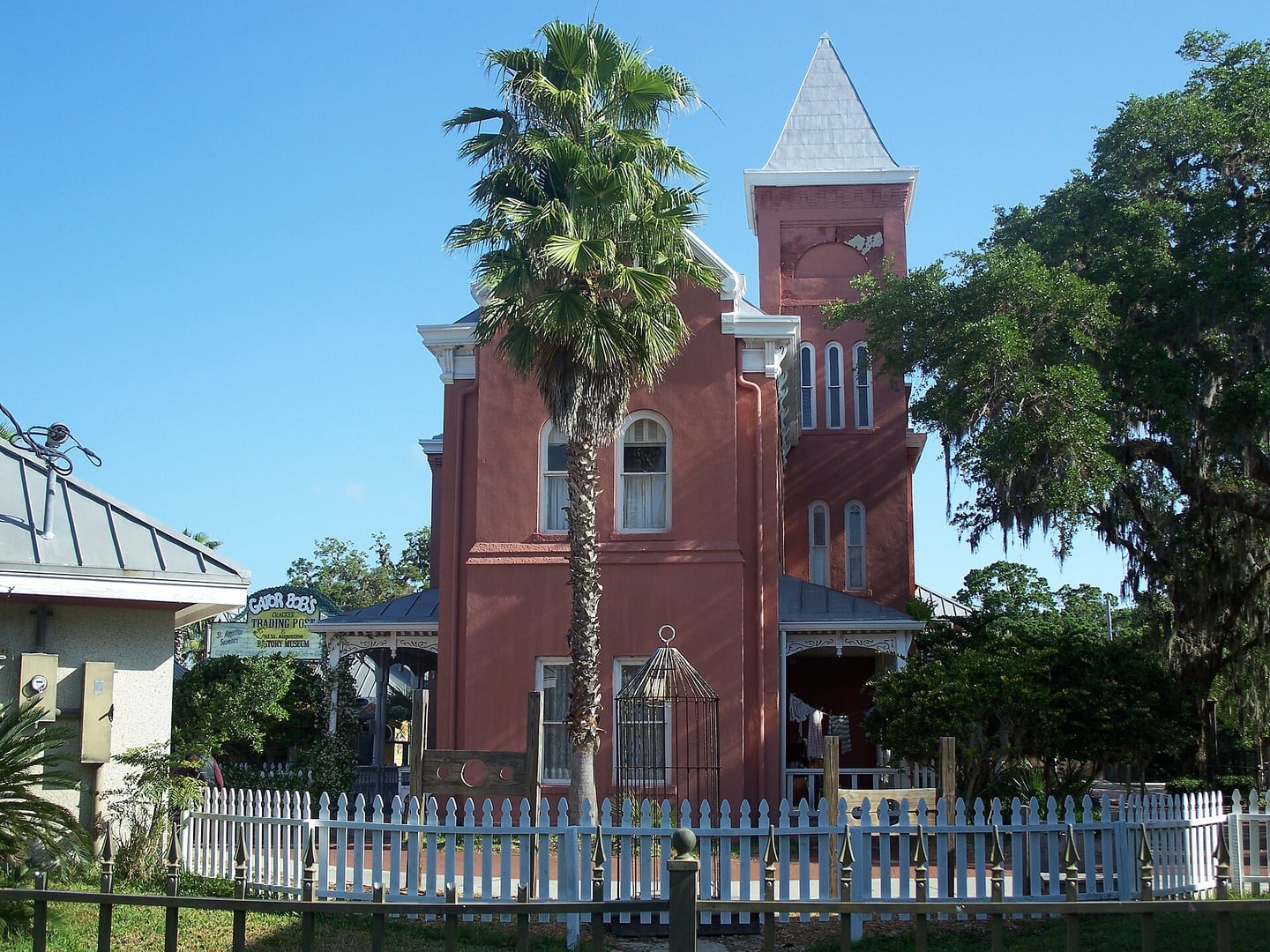
St. Augustine, FL
The Old St. Johns County Jail at 167 San Marco Avenue in St. Augustine, Florida was commissioned by railroad magnate Henry Flagler and constructed in 1891. Designed by the same architectural firm later used for Alcatraz, the facility housed prisoners under conditions so severe — one bucket per cell as a toilet, minimal diet, and labor in Flagler's fields — that it was closed in 1953. Eight documented executions occurred on site before the county converted the building to a tourist attraction in 1954.
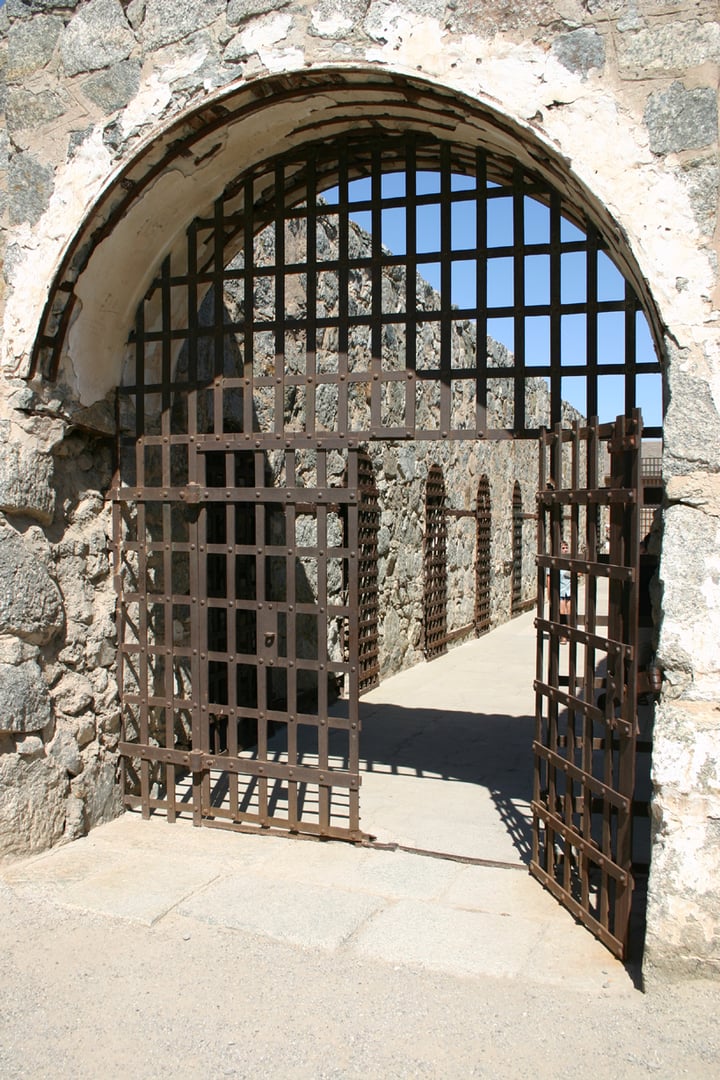
Yuma, AZ
Yuma Territorial Prison operated from 1876 to 1909 on a bluff overlooking the Colorado River in Yuma, Arizona. It held 3,069 prisoners during its 33-year operation, including 29 women. The facility became a state historic park and has been voted by USA Today readers as the Best Haunted Destination in the nation.
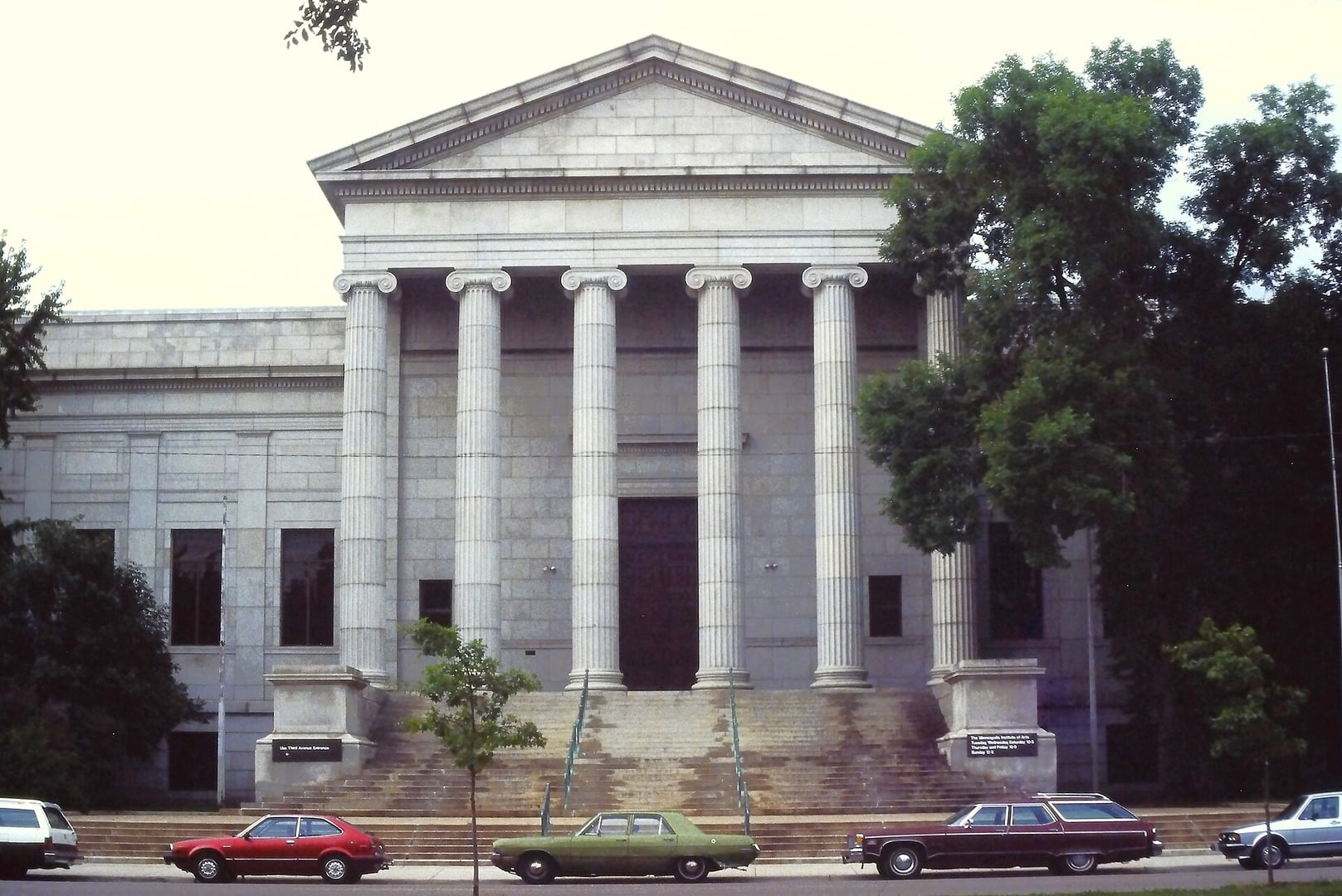
Minneapolis, MN
The Minneapolis Institute of Art (Mia) opened in 1915 as the public art museum of the Minneapolis Society of Fine Arts. The original Beaux-Arts building was designed by McKim, Mead & White and has been expanded multiple times. Mia's encyclopedic collection includes more than 100,000 objects spanning 5,000 years. Among its signature spaces are several period rooms — wholly reassembled historic interiors transplanted from older buildings — including the Tudor Room (ca. 1600, England) and the Connecticut Room (ca. 1740, near New Haven).