98 people killed on July 13, 1890 — Minnesota's deadliest inland waterway disaster · 77 of the 98 victims were Red Wing residents, devastating the city · Bronze memorial plaque in Levee Park documented by the Minnesota Historical Markers Database
The Sea Wing was a 135-foot stern-wheel steamer built in 1888 and operated out of Diamond Bluff, Wisconsin. On Sunday, July 13, 1890, the vessel departed on a daylong pleasure cruise on Lake Pepin with approximately 215 passengers aboard — many of them residents of Red Wing making the most of a summer holiday. The return trip ran directly into a violent squall line. Both the Sea Wing and the barge it was towing capsized, trapping passengers beneath the overturned hulls. Ninety-eight people drowned.
Because 77 of the dead were Red Wing residents, the disaster effectively halved the social fabric of entire neighborhoods. Regional newspapers described the city as 'the City of the Dead' in the days that followed. Bodies were recovered from Lake Pepin and the Mississippi over subsequent days, and the St. James Hotel on Main Street was converted to a temporary morgue to process the remains.
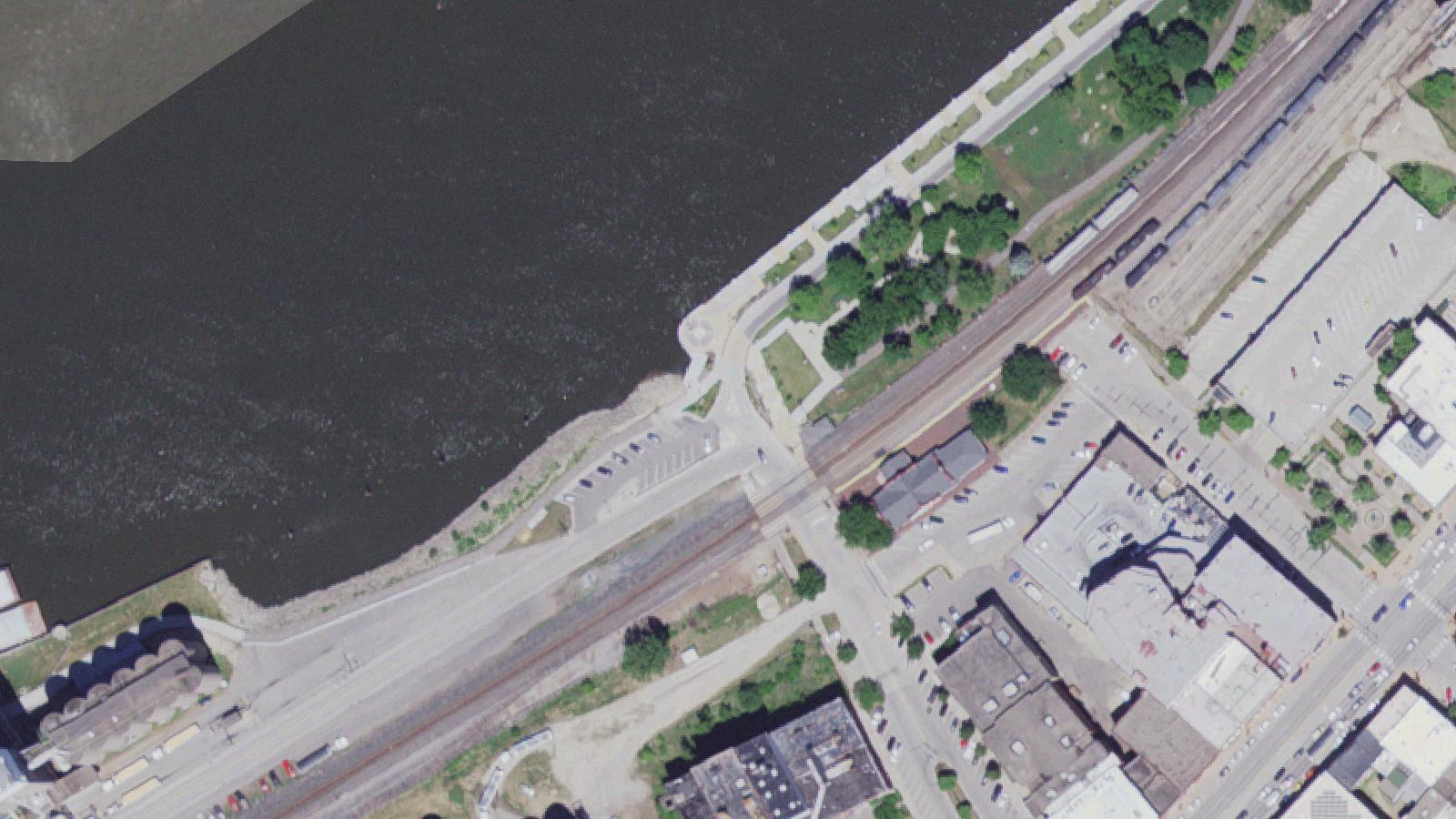
The disaster's captain was convicted of negligence. A bronze memorial plaque set in a stone base in Levee Park commemorates the victims and marks the departure point from which the fatal excursion began. The Minnesota Historical Society's MNopedia project and the Minnesota Historical Markers Database both document the event and the memorial's significance as one of the state's most consequential and least-known mass casualty events.
KSTP-TV in Minneapolis covered the disaster's haunted legacy in its 'So Minnesota' documentary series, noting that the scale of sudden death concentrated in a single small city has left a lasting imprint on Red Wing's collective memory.
Sources
- https://en.wikipedia.org/wiki/Sea_Wing_disaster
- https://www.mnopedia.org/event/sea-wing-disaster-1890
- https://redwing.org/listings/sea-wing-disaster-memorial/
- https://www.redwingmn.gov/405/Sea-Wing-Memorial
- https://www.boreal.org/2020/10/27/332773/video-so-minnesota-haunted-history-of-the-sea-wing-disaster
Atmospheric unease described at riverside memorial siteBroader paranormal lore attached to the disaster's multi-site impact on Red Wing
The death of 77 Red Wing residents in a single evening in July 1890 produced the kind of concentrated communal grief that paranormal traditions attach to particular places. In Red Wing's case, the trauma dispersed across the city rather than concentrating at a single structure — the lake itself, the hotels repurposed as morgues, and the households that lost multiple family members all carry pieces of the lore.
Levee Park, as the memorial site closest to the disaster's origin point, has become a focal element of Red Wing ghost tour narratives. American Ghost Walks references the Sea Wing disaster prominently in their Red Wing programming. KSTP's 'So Minnesota' segment on the haunted history of the Sea Wing disaster aired in 2020 and described an ongoing local belief that the magnitude of the loss left the city permanently marked.
Primary paranormal claims are more commonly attached to the St. James Hotel (used as a morgue) than to the outdoor park memorial itself. The Levee Park site functions primarily as a solemn historical anchor for understanding the disaster's scale rather than as an active paranormal investigation destination.
Media Appearances
- So Minnesota: Haunted History of the Sea Wing Disaster (KSTP-TV, 2020)
Where this legend is told