Union Army Campground 1862–1865 · Civil War Soldier Carvings in Limestone · Alleged Jesse James Hideout 1868 · Site of Major Kentucky Environmental Remediation
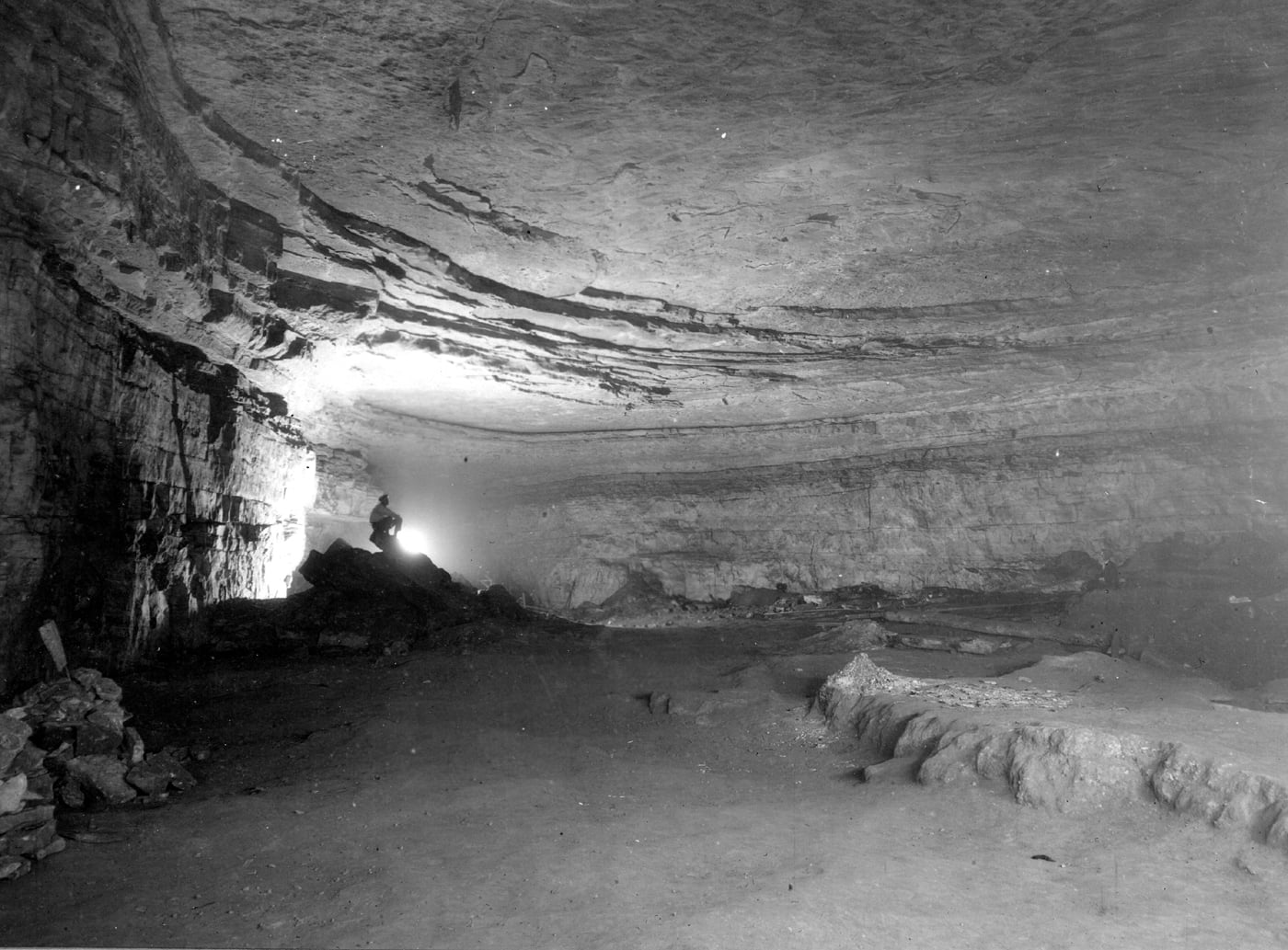
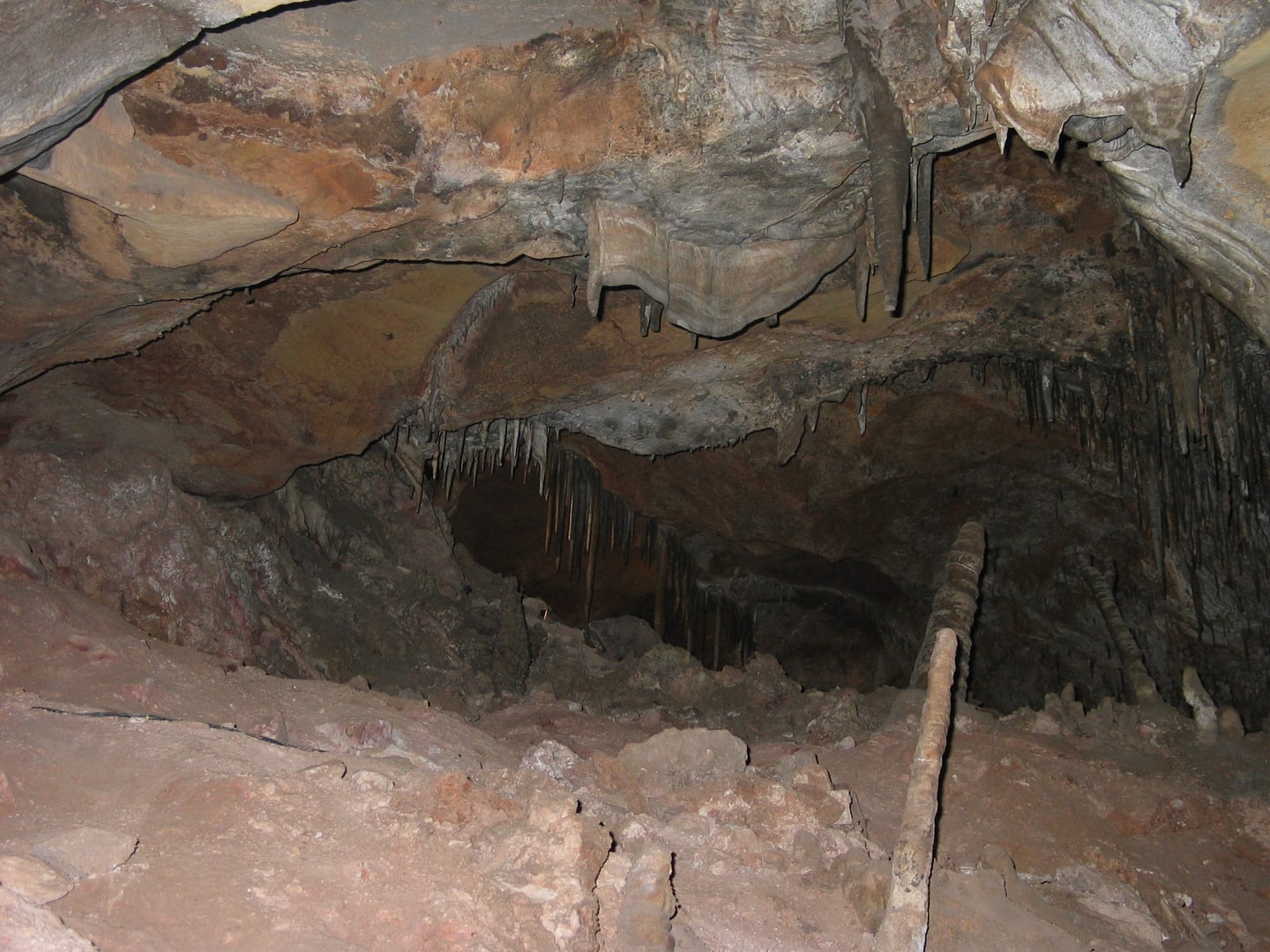
The Lost River Cave system extends approximately seven miles beneath Bowling Green and Warren County, its underground river flowing through a series of limestone chambers carved over millions of years. Euro-American settlers used the cave mouth as early as the 18th century, but the Civil War brought its most dramatic chapter.
From 1862 to 1865, Union forces established a major campground at and around the cave, with some accounts citing as many as 40,000 soldiers cycling through the site. The soldiers left physical evidence of their presence: names and unit designations carved into the limestone walls that are still visible today. The cave also appears in accounts of Jesse James, who allegedly used it as a refuge after a Bowling Green bank robbery in 1868 — a claim that has circulated in local histories, though documentary evidence is thinner than the Civil War record.
In the 20th century the cave fell into industrial misuse. Kentucky environmental records documented it as the site of one of the state's largest illegal dump operations, with waste accumulated inside and around the entrance. A subsequent remediation effort cleared the site and established it as a nature preserve and tourist attraction. The venue now offers both standard underground boat tours and a seasonal 'Lost Tales of the Underground' dark-history program that addresses the full arc of the cave's complicated past.
Sources
- https://en.wikipedia.org/wiki/Lost_River_Cave
- https://www.bgdailynews.com/special_sections/bicentennial/lost-river-cave-has-long-colorful-history/article_07edfe10-feb5-11e1-8595-0019bb2963f4.html
- https://www.lostrivercave.org/event/lost-tales-of-the-underground/
Oppressive Atmosphere in Underground PassagesHistorical Artifacts (Soldier Carvings)
The Jesse James connection to Lost River Cave is the kind of story that lodged in Kentucky local history precisely because it is plausible — James was active throughout the region in the late 1860s, and the cave's isolated underground passages would have offered genuine concealment. The 1868 Bowling Green bank robbery is the anchor event in these accounts, though no contemporaneous documentation tying James specifically to the cave has been published in the accessible record.
More firmly grounded are the accounts of Civil War soldiers. Their carved names remain on the limestone walls, physical artifacts of mass human presence during a particular crisis. The Union Army's use of the cave as a staging ground for tens of thousands of men over three years left an imprint the geological record preserves. The venue's 'Lost Tales of the Underground' seasonal program addresses this history directly, framing it as dark history rather than paranormal entertainment.
Notable Entities
Jesse James (alleged 1868 fugitive use)