Haunted Oklahoma

48 haunted destinations cataloged across Oklahoma, spanning 30 counties. The collection features outdoor, cemetery, and museum — every listing verified with family ratings, accessibility info, and practical visit logistics.

48 locations 30 counties 12 classifications 21 wheelchair accessible

Featured in Oklahoma

Top 6
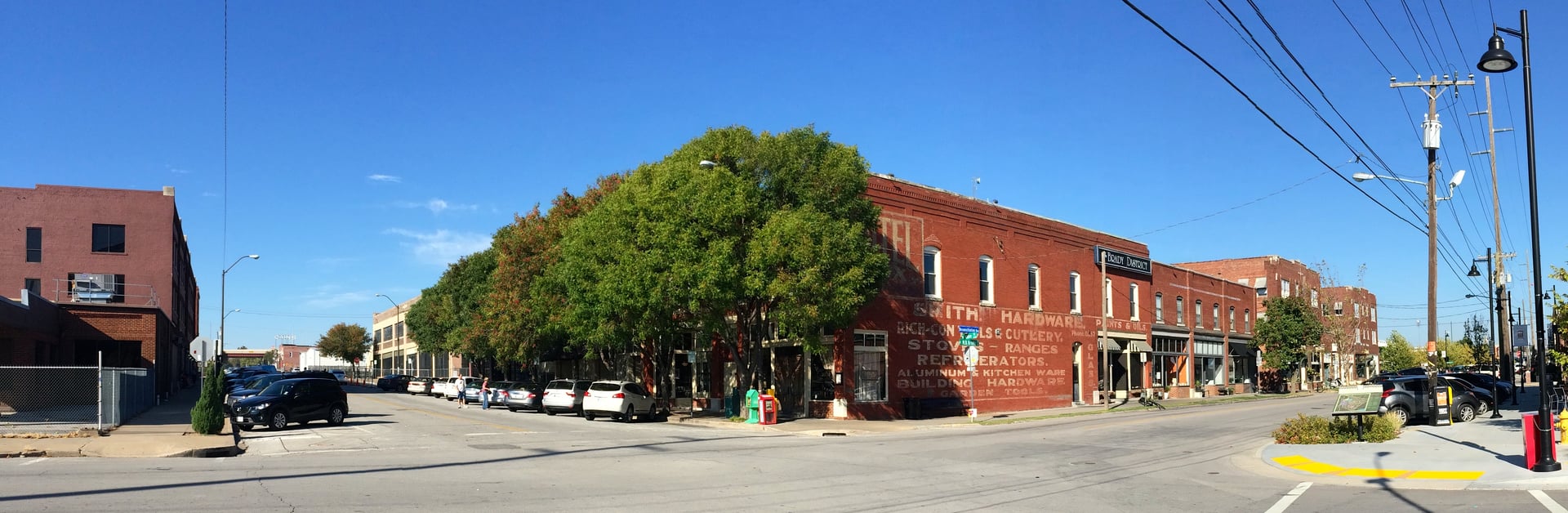
Boulevard Avenue in downtown Muskogee, Oklahoma
Photo coming soon
Outdoor / Natural Site

Boulevard Ave.

Muskogee, OK

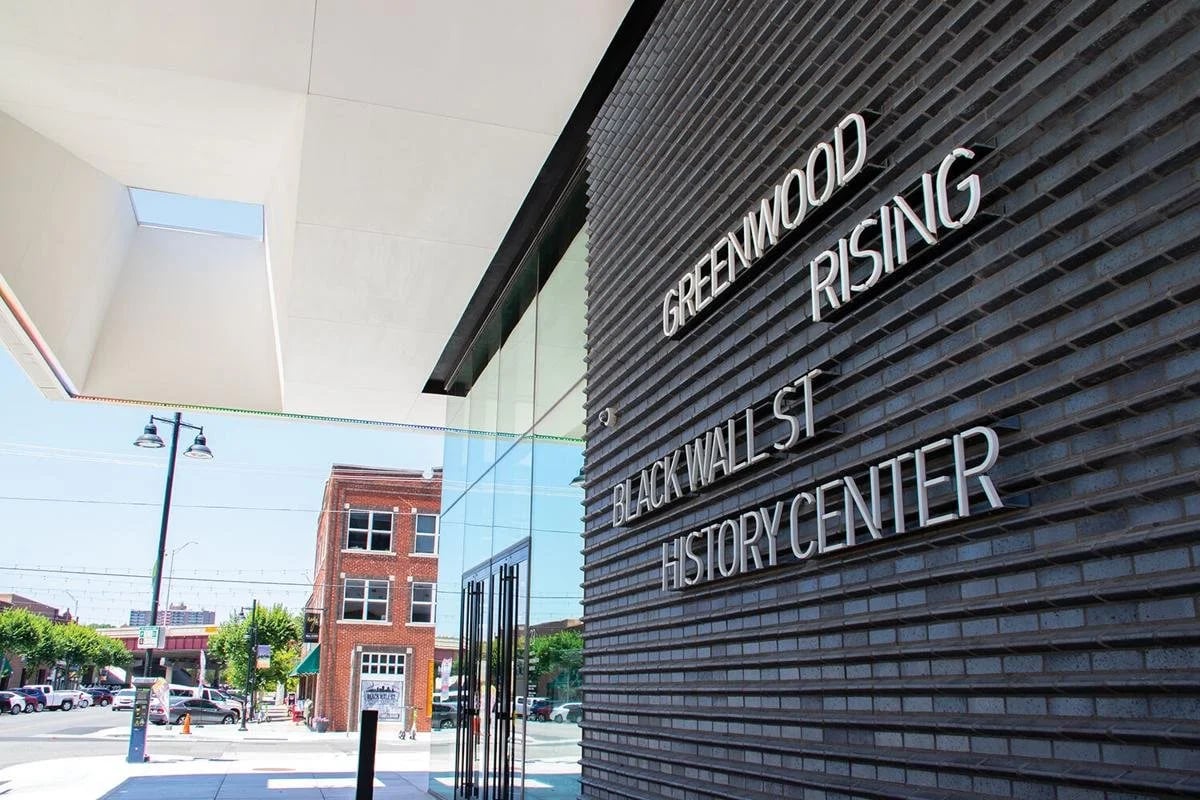
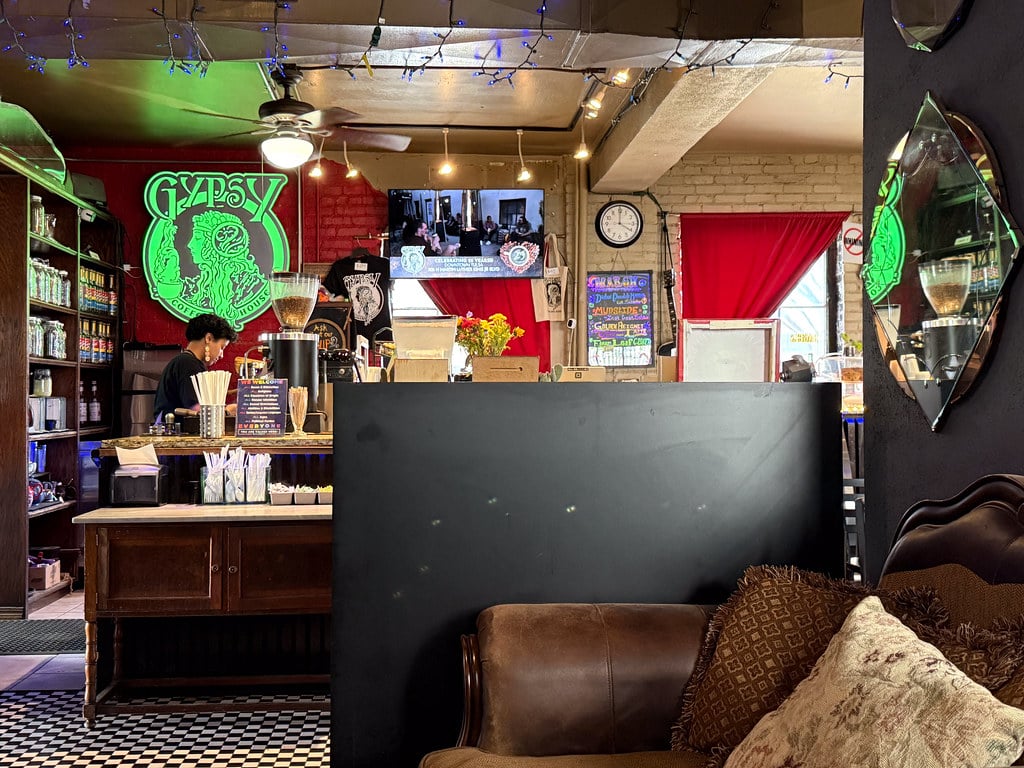
Muskogee, Oklahoma, was founded in 1872 as a railroad town in Indian Territory and served as headquarters of the Union Agency for the Five Civilized Tribes. The surrounding area was shaped by the Trail of Tears forced-removal routes of the 1830s.

$ All Ages Family: High
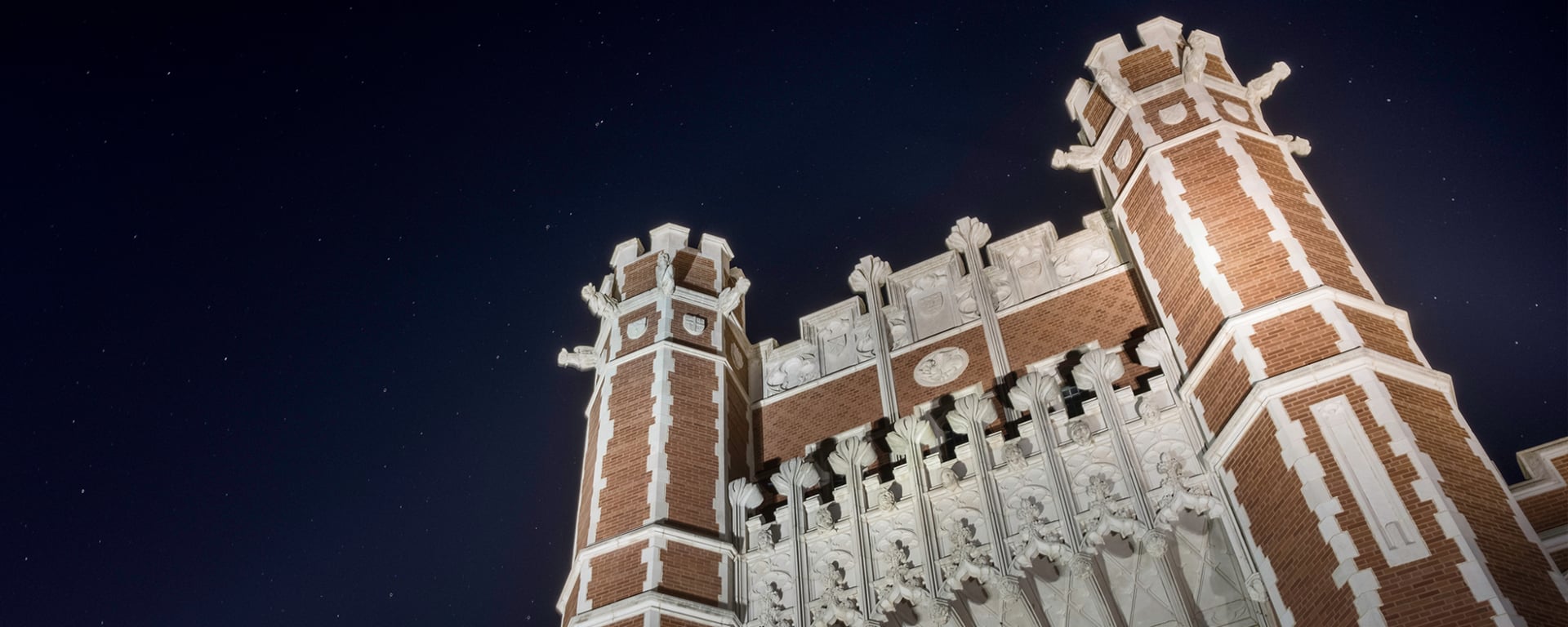
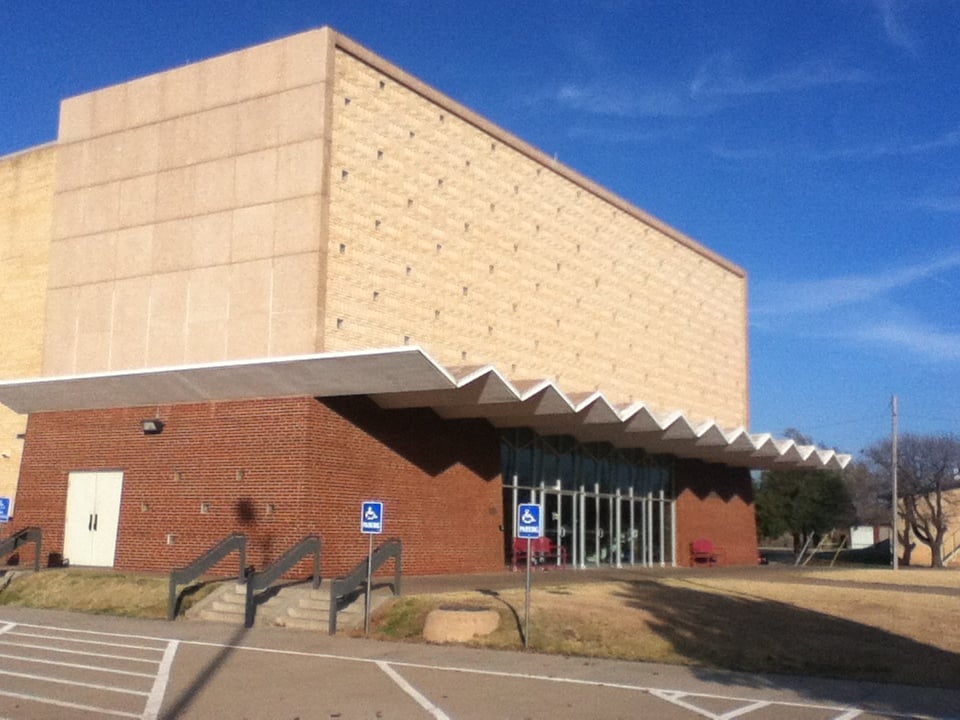
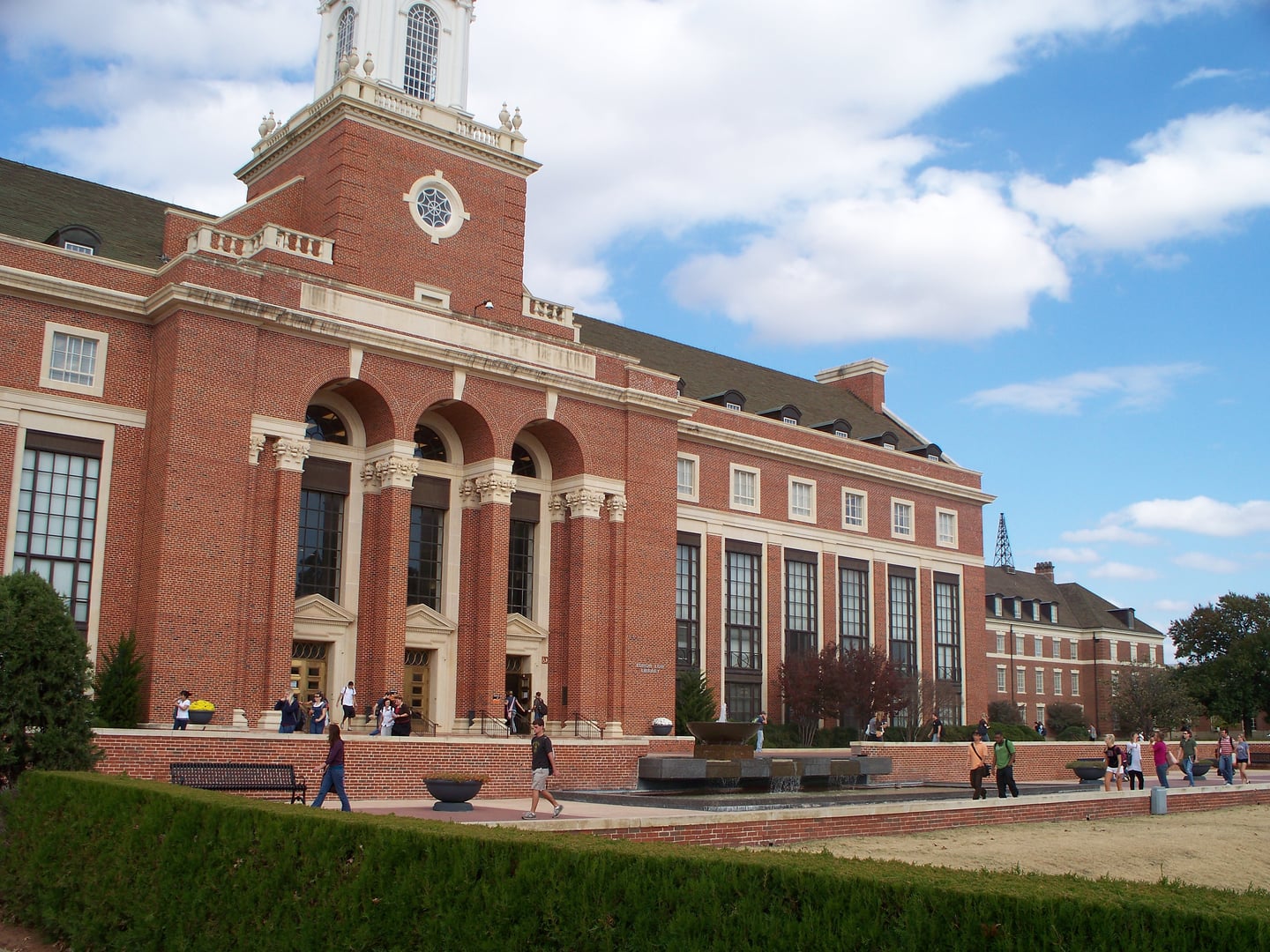
Briggs Auditorium on the campus of Northern Oklahoma College, Enid, Oklahoma
Theater / Performance Venue

Briggs Auditorium

Enid, OK

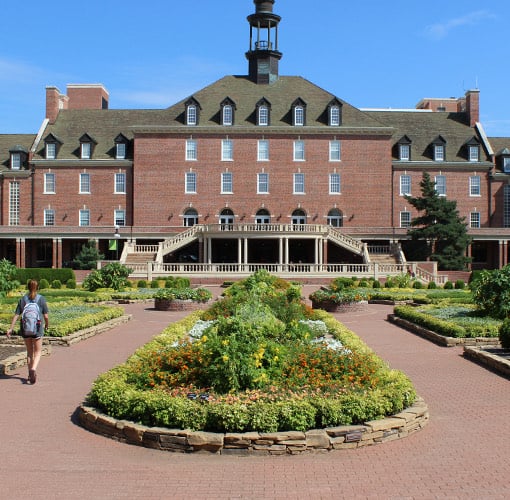
Briggs Auditorium was built in 1957-58 at what was then Phillips University in Enid, Oklahoma, and is named for longtime Phillips president Eugene S. Briggs. The campus was acquired by Northern Oklahoma College in 1999 after Phillips's 1998 bankruptcy.

$ All Ages Family: High
A small overgrown rural cemetery set into the edge of woods off County Road 2700 south of Bartlesville Oklahoma
Photo coming soon
Cemetery / Burial Ground

Jesse Creek Cemetery

Bartlesville, OK

Jesse Creek Cemetery (also spelled Jessie Creek) is a small abandoned cemetery off County Road 2700 south of Bartlesville, in Washington County, Oklahoma. The cemetery is set back into the edge of the woods adjacent to a closed lawn and landscape business, and is hard to spot from the road. Available documentation is limited to community paranormal aggregators and local Oklahoma folklore sites.

$ All Ages (drive-by) Family: Moderate
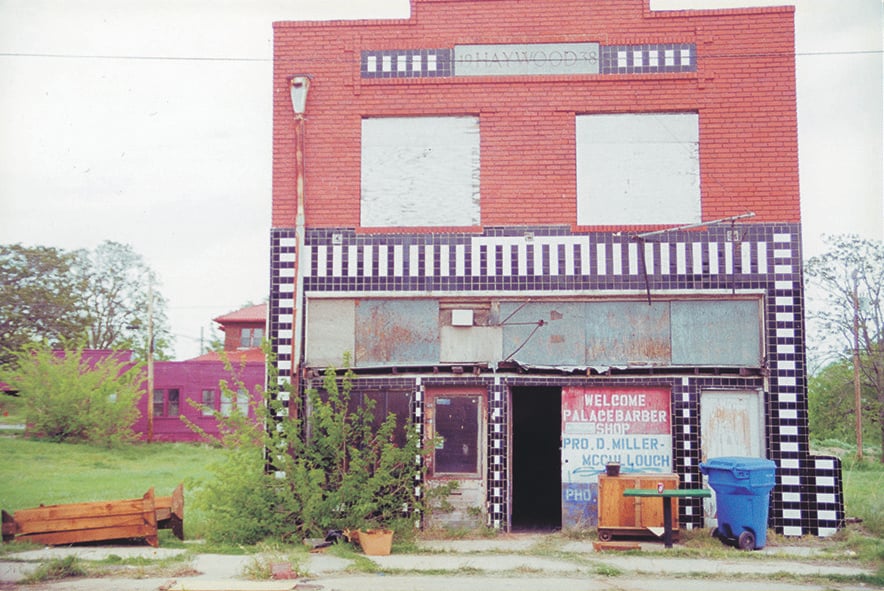
The Haywood Building (now Deep Deuce Grill) at 307 NE 2nd Street in Oklahoma City's historic Deep Deuce district, built 1926 by Dr. W.L. Haywood.
Haunted Dining / Bar

Deep Deuce Grill (Haywood Building)

Oklahoma City, OK

Deep Deuce Grill opened in 2002 in the 1926 Haywood Building at 307 NE 2nd Street, in the heart of Oklahoma City's historic Deep Deuce district — the city's center of Black commerce, jazz, and culture during segregation. Dr. William Lewis Haywood, the first Black physician on faculty at University Hospital, purchased the building in 1938 and operated a clinic from its second floor. The building retains pews from the burned Calvary Baptist Church and the original red clinic door.

$$ All Ages Family: High
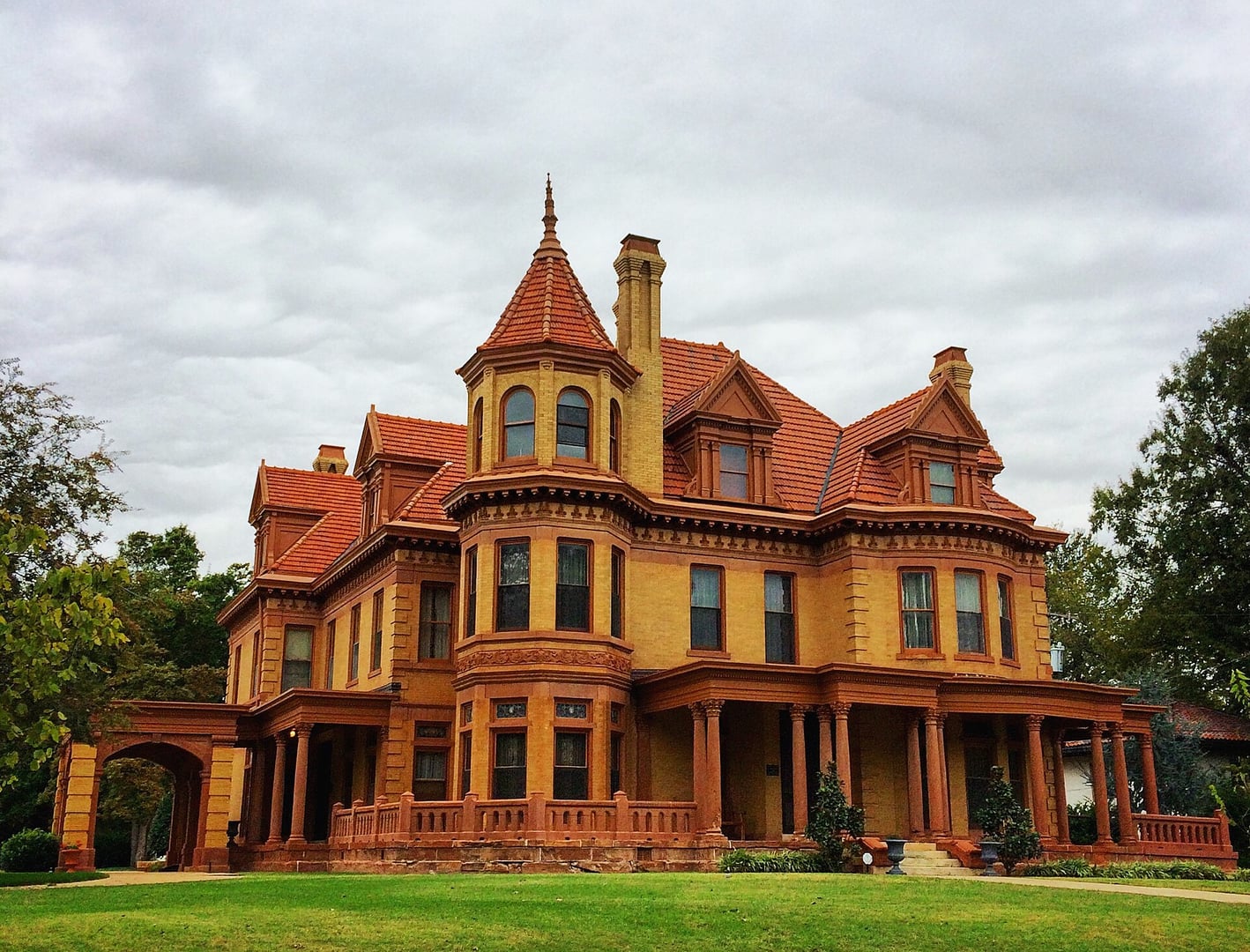
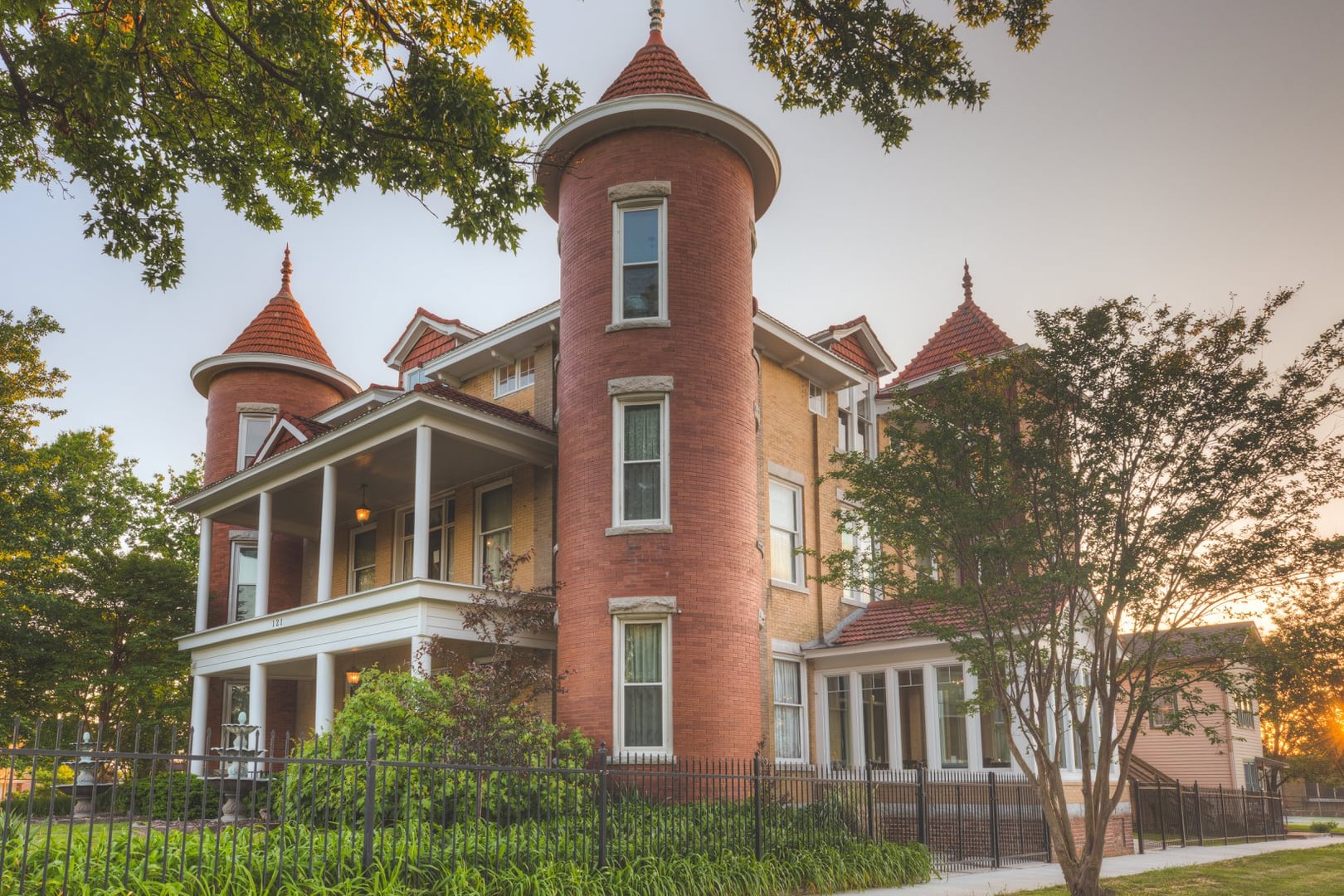
The Henry & Anna Overholser Mansion, a 1903 Chateauesque-style historic house at 405 NW 15th Street in Oklahoma City's Heritage Hills.
Haunted House / Historic Home

Henry & Anna Overholser Mansion

Oklahoma City, OK

Built in 1903 for Oklahoma City pioneer businessman Henry Overholser and his wife Anna Ione Murphy Overholser, this Chateauesque-style mansion is widely considered the city's first mansion. The home anchored what became the Heritage Hills neighborhood and was listed on the National Register of Historic Places in 1970. It has operated as a house museum since the early 1970s and is managed today by Preservation Oklahoma.

$ All Ages Family: High
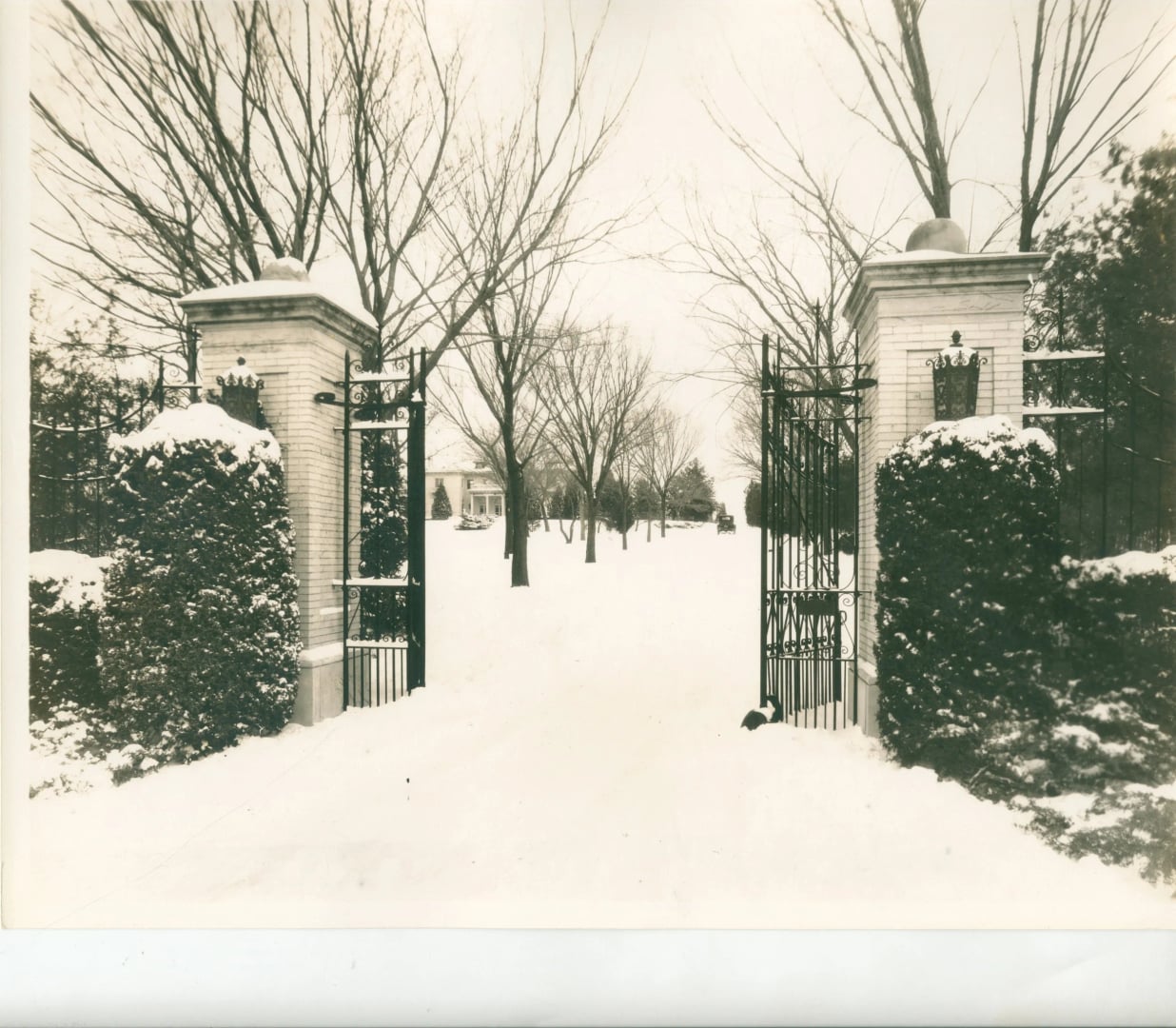
Front gate and façade of the Snedden / Travis Mansion at the Tulsa Garden Center in Woodward Park, Tulsa, Oklahoma.
Haunted House / Historic Home

Tulsa Garden Center (Snedden Mansion / Travis Mansion)

Tulsa, OK

The Italian Renaissance villa at 2435 S Peoria Avenue was designed by Tulsa architect Noble B. Flemming for oil-field equipment magnate David R. Travis (originally David Rabinowitz), with construction beginning 1919 and completion in 1921. J. Arthur Hull purchased the home and surrounding ten acres in 1923; the Snedden family bought it from the Hulls for $25,000 on January 5, 1932. Oilman William G. Skelly purchased it in October 1950 without occupying it, and the City of Tulsa acquired the property on October 18, 1954, for $85,000. It has housed the Tulsa Garden Center within Woodward Park ever since.

$ All Ages Family: High

More in Oklahoma

Oklahoma City — 6

Exterior of the former Kentucky Club building at 1226 NE 63rd Street, Oklahoma City, a Prohibition-era speakeasy now vacant
Photo coming soon
Haunted Dining / Bar

The County Line (Formerly)

Oklahoma City, OK

The building at 1226 NE 63rd Street in Oklahoma City was constructed around 1938 as the Kentucky Club, a Prohibition-era speakeasy, dance hall, gambling den, and bordello positioned far enough from the city center to operate outside immediate law enforcement reach. The County Line Barbeque occupied it until closing in 2010; Gabriella's Italian Grill subsequently operated in the space before the building became vacant. The site has been listed for commercial lease since at least 2024.

$ All Ages Family: High
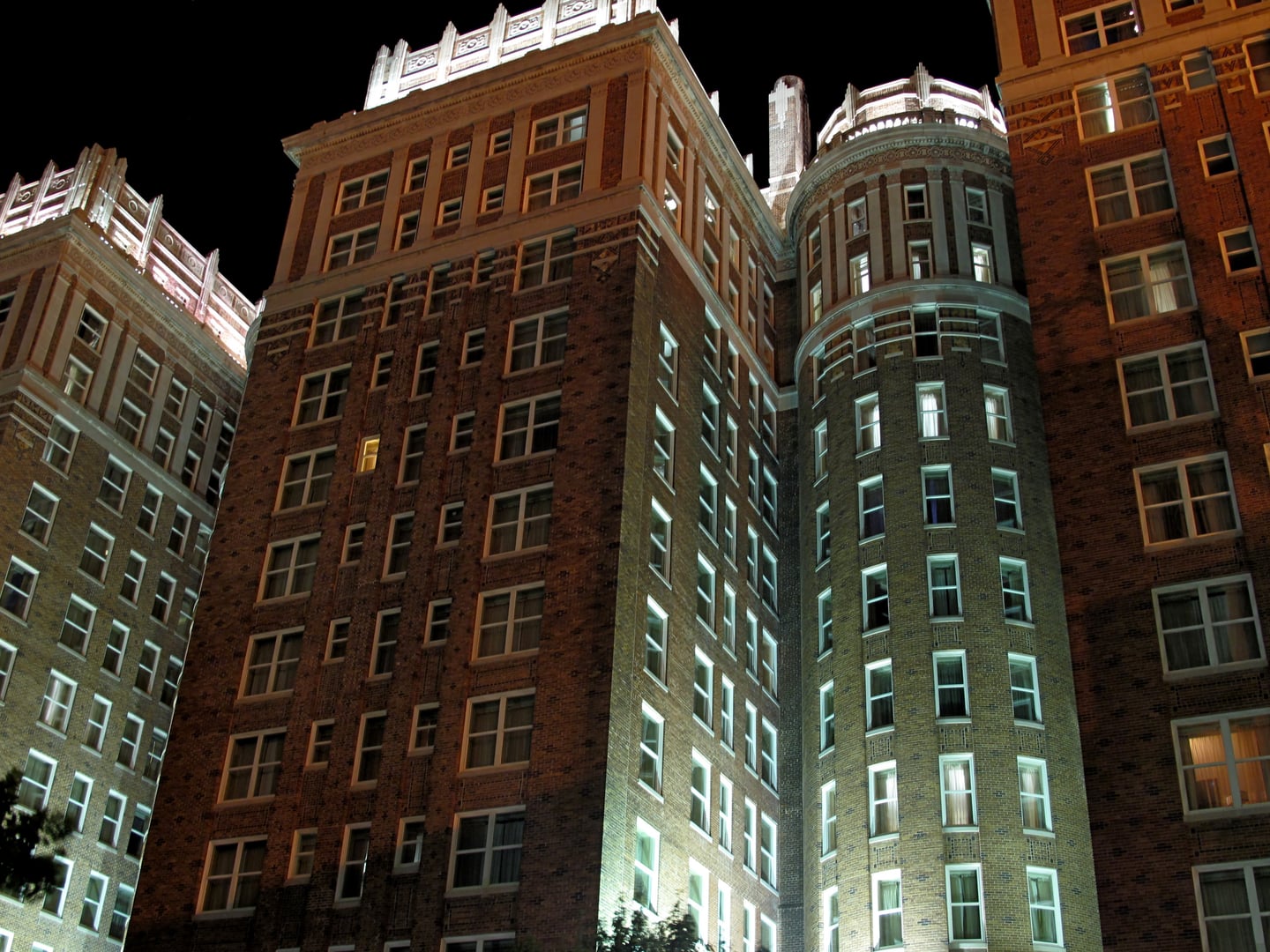
Skirvin Hilton Hotel illuminated at night in downtown Oklahoma City, the restored 1911 landmark hotel
Haunted Hotel / Inn

Skirvin Hilton Hotel

Oklahoma City, OK

The Skirvin opened September 26, 1911 as Oklahoma City's premier hotel, built by oilman W.B. Skirvin. After decades of decline it closed in 1988, was meticulously restored, and reopened in 2007 as the Skirvin Hilton.

$$$ All Ages Family: High
A rural Oklahoma road approaching the small bridge over Kitchen Lake outflow south of Oklahoma City
Photo coming soon
Outdoor / Natural Site

Kitchen Lake Bridge

Oklahoma City, OK

Kitchen Lake Bridge sits on a rural lane south of Oklahoma City near the corner of Air Depot Boulevard and SE 119th Street. A chimney and fireplace foundation remain from a house that once stood near the bridge. The witch-house legend appears to date from the 1960s; local researchers have not located any newspaper record of a fatal fire that would anchor the story.

$ All Ages Family: Moderate
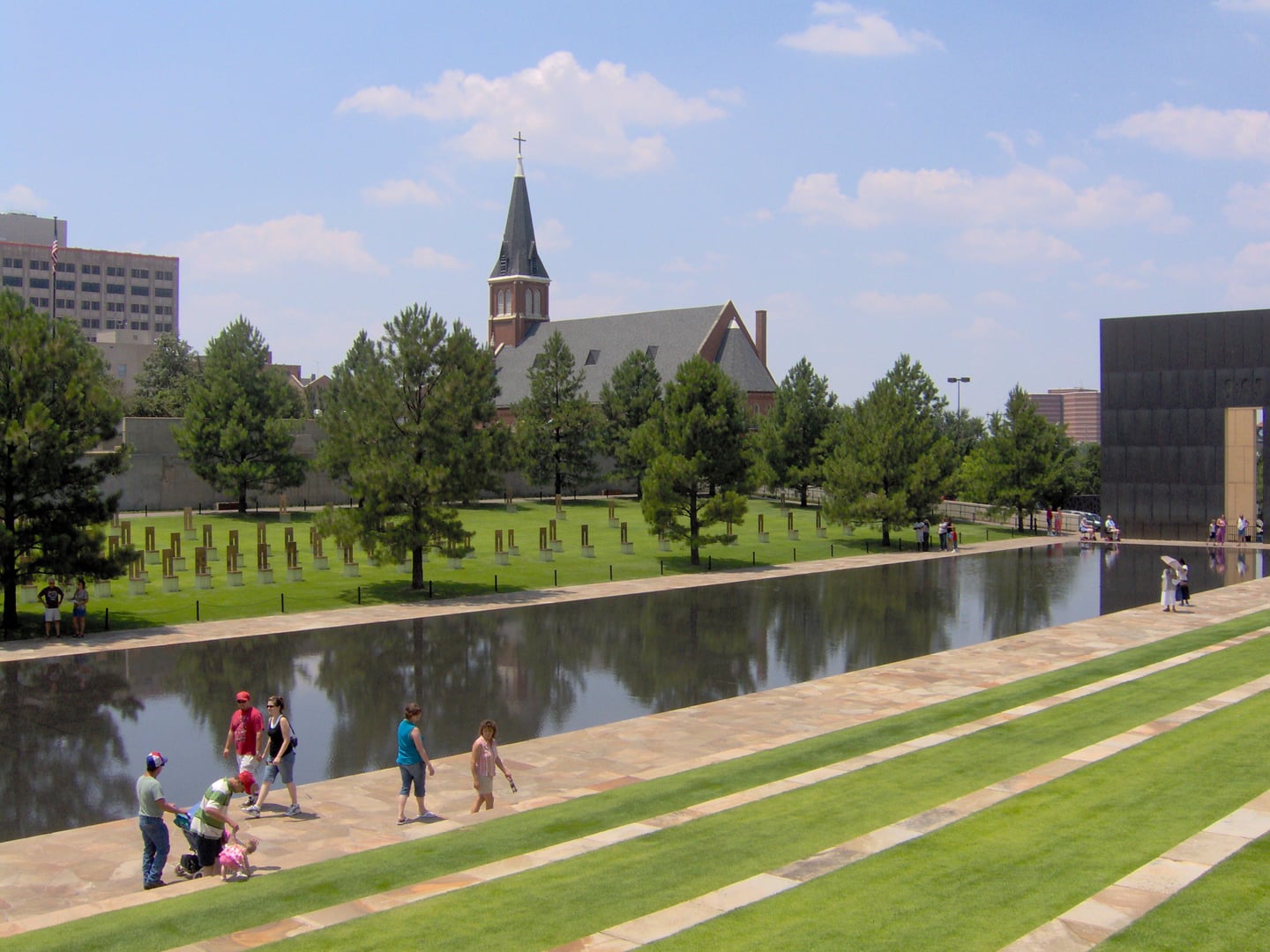
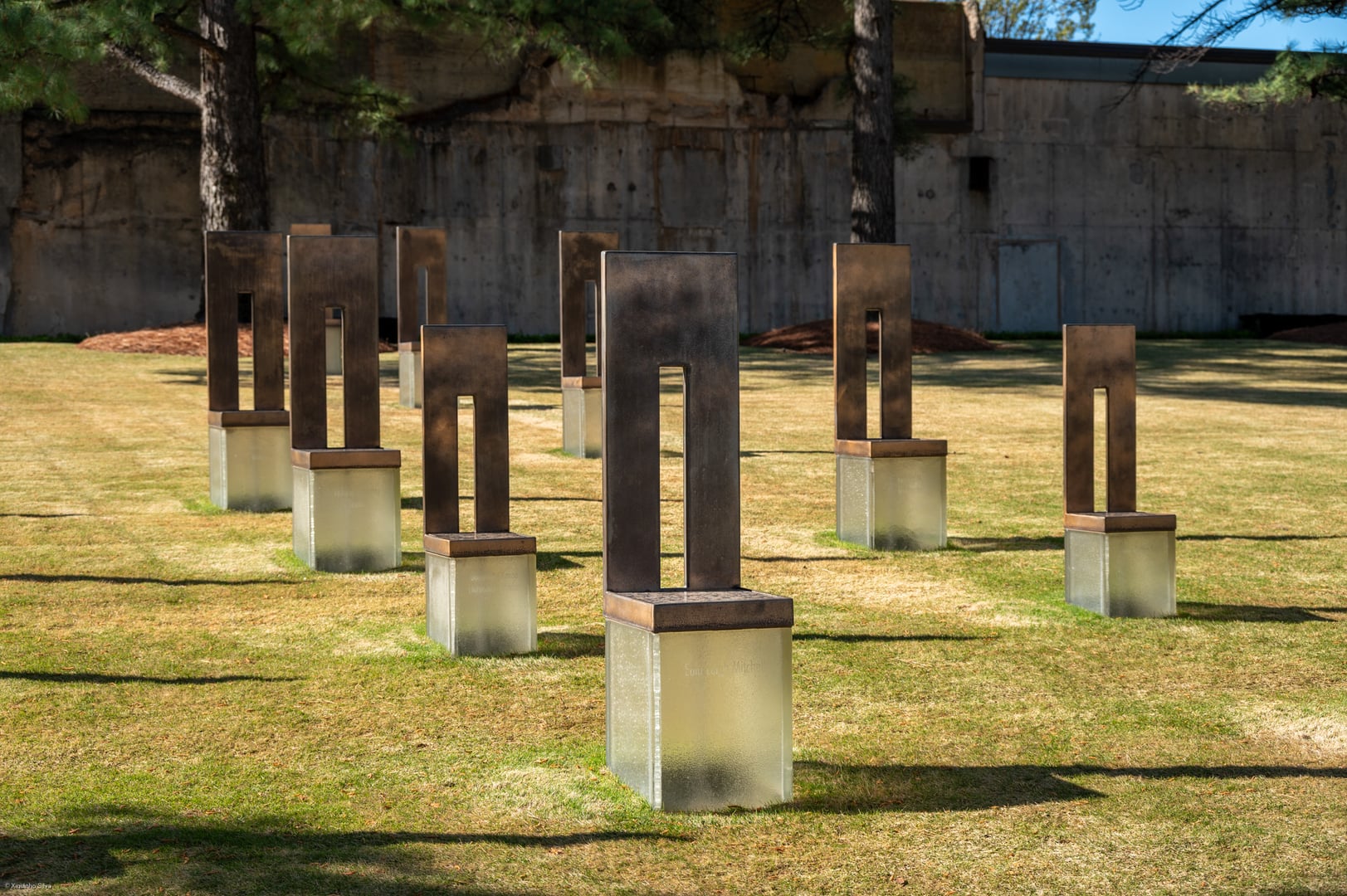
The Oklahoma City National Memorial commemorating victims of the 1995 Murrah Building bombing
Museum / Historical Site

Oklahoma City National Memorial

Oklahoma City, OK

At 9:02 a.m. on April 19, 1995, a truck bomb detonated beneath the north face of the Alfred P. Murrah Federal Building in Oklahoma City, killing 168 people and injuring 684 more. The building was demolished in May 1995. The Oklahoma City National Memorial was dedicated on the fifth anniversary of the bombing in 2000, occupying the former footprint of the building and the adjacent streets.

$$ All Ages Family: Moderate
Skirvin Hilton Hotel illuminated at night in downtown Oklahoma City, 1911 historic high-rise
Haunted Hotel / Inn

Skirvin Hilton Hotel

Oklahoma City, OK

The Skirvin Hotel opened September 26, 1911, founded by Oklahoma City oil and land developer William Balser Skirvin. Oklahoma City's oldest operating hotel, the 13-story, 225-room Hilton-branded property is listed on the National Register of Historic Places. It closed in 1988 due to low occupancy and remained vacant for 19 years before a $51 million renovation restored it in 2007; a further $22 million renovation was completed in 2025.

$$$ All ages Family: High
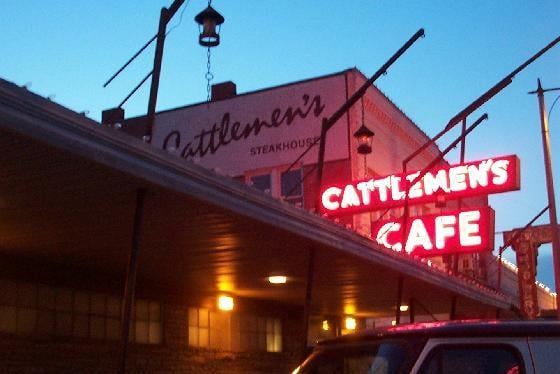
Cattlemen's Steakhouse on Agnew Avenue in Oklahoma City's historic Stockyards City, a working steakhouse open since 1910.
Haunted Dining / Bar

Cattlemen's Steakhouse

Oklahoma City, OK

Founded in 1910, Cattlemen's Steakhouse is Oklahoma City's oldest continuously operating restaurant, anchoring the historic Stockyards City district. Its most retold story is the 1945 Christmas Eve craps game at the Biltmore Hotel in which owner Hank Frey lost the restaurant to Gene Wade. Wade and his father then renovated the building and ran it around the clock. Current owner Dick Stubbs acquired the business from the Wades in 1990.

$$$ All Ages Family: High

Tulsa — 6

Open Graph image from www.tulsatheater.com
Photo coming soon
Theater / Performance Venue

Brady Theatre

Tulsa, OK

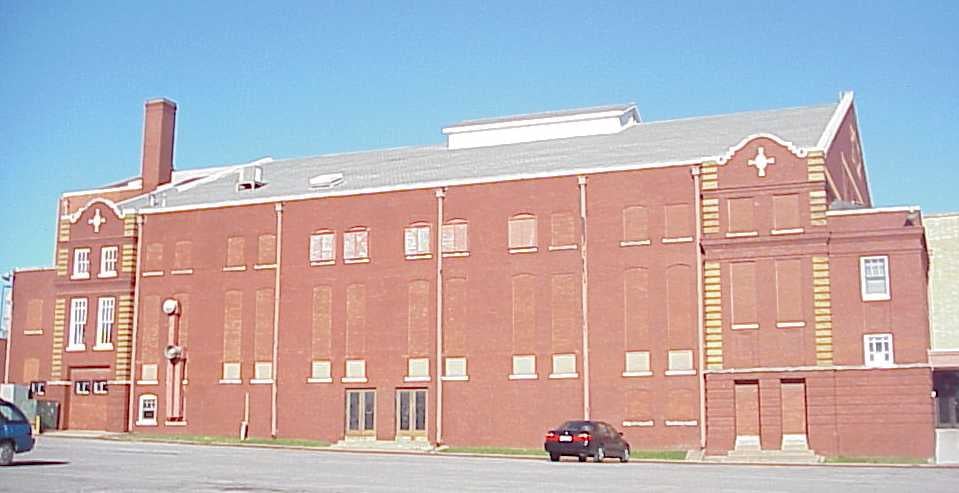
Tulsa Theater, formerly known as Brady Theater, is a historic performing arts venue completed in 1914. Designed by the architectural firm Rose and Peterson, the building served as a municipal auditorium and convention hall. It was renamed Tulsa Theater in 2019 after the previous namesake, W. Tate Brady, was revealed to have Ku Klux Klan affiliations.

$$ All Ages Family: High
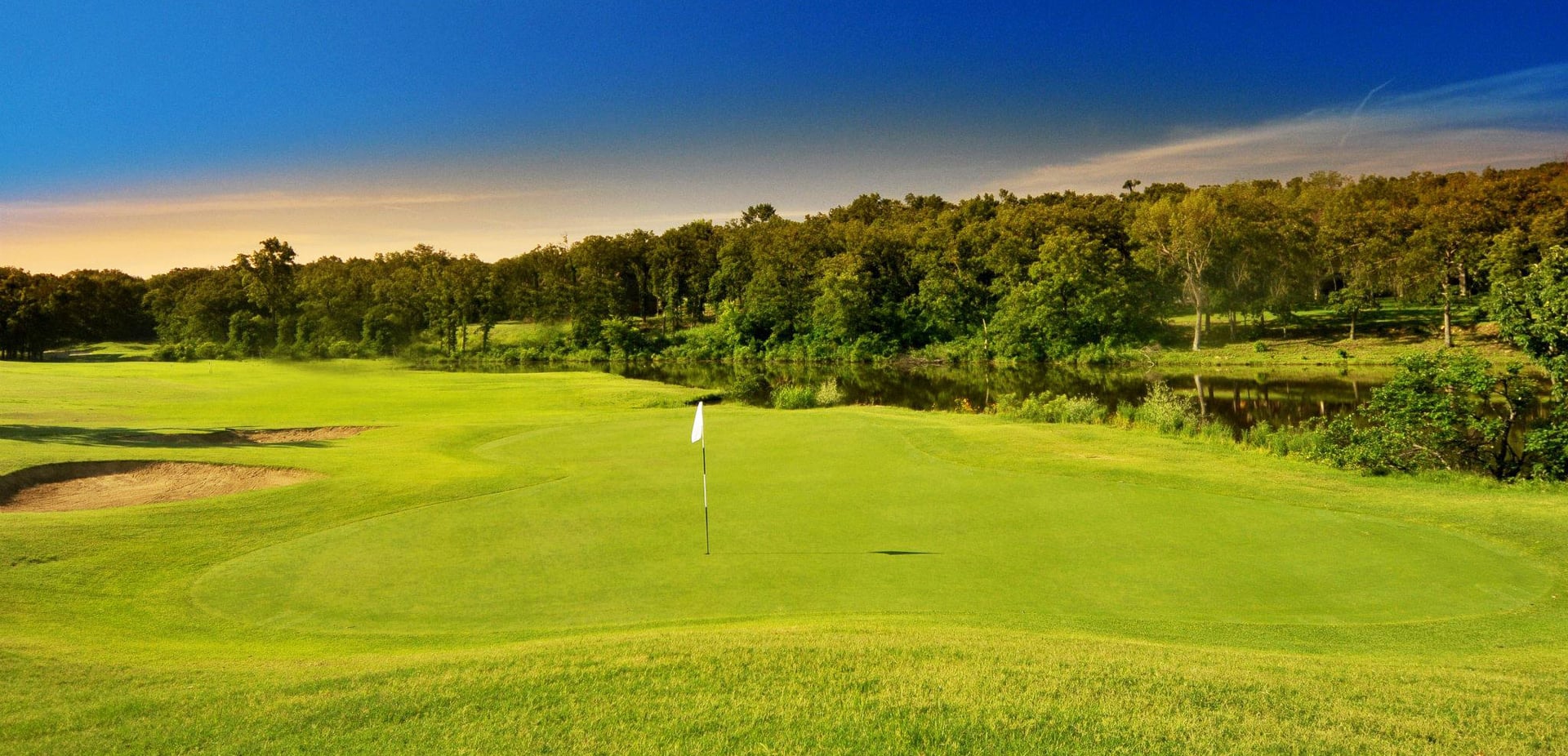
Fairway at Mohawk Park Golf Course in Tulsa, Oklahoma
Photo coming soon
Outdoor / Natural Site

Mohawk Park Golf Course

Tulsa, OK

Mohawk Park was created in 1924 as part of Tulsa's infrastructure expansion and became home to Mohawk Golf Course in 1934, originally 18 holes later expanded to 36. The 3,300-acre park is one of the largest municipal parks in the United States and contains the Tulsa Zoo, Oxley Nature Center, and a lake.

$$ All Ages Family: High
Wooded trail through Mohawk Park in Tulsa, Oklahoma
Photo coming soon
Outdoor / Natural Site

Mohawk Park

Tulsa, OK

Mohawk Park was established in 1924 as an outgrowth of the Spavinaw Water Project that brought water to Tulsa. Federal New Deal programs developed it through the 1930s into a 3,300-acre complex containing the Tulsa Zoo, Mohawk Golf Course (1934), a recreation lake, and what would become the 804-acre Oxley Nature Center.

$ All Ages Family: High
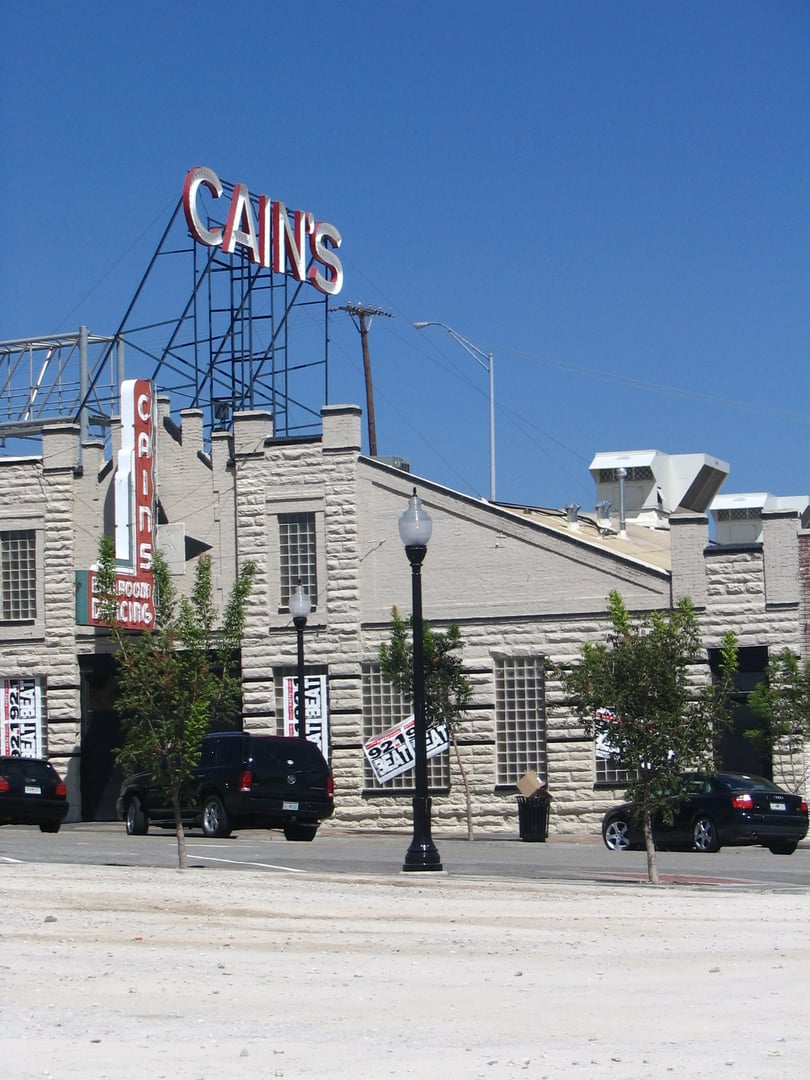
Exterior of Cain's Ballroom on N Main Street in Tulsa, Oklahoma, the 1924 brick western swing dance hall with neon signage.
Other Dark Tourism Site

Cain's Ballroom

Tulsa, OK

Cain's Ballroom was built in 1924 by Tulsa businessman W. Tate Brady as a private garage for his automobile collection. In 1930 Madison W. 'Daddy' Cain purchased the building and opened Cain's Dance Academy, a 'dime-a-dance' venue. From 1935 to 1942 it served as the home base of Bob Wills and his Texas Playboys, where western swing was popularized via daily live KVOO radio broadcasts. The building was listed on the National Register of Historic Places in 2003.

$$ All Ages Family: Moderate
Exterior of the Thomas Gilcrease House, a sandstone home on a hillside in northwest Tulsa surrounded by gardens.
Photo coming soon
Museum / Historical Site

Gilcrease Museum (Thomas Gilcrease House)

Tulsa, OK

The original sandstone home at the heart of what is now the Gilcrease Museum was built in 1913 by Tulsa attorney Flower Nelson on a 90-acre parcel he had purchased in 1909 from the Mackey family. Oilman and art collector Thomas Gilcrease (1890-1962), a citizen of the Muscogee (Creek) Nation, briefly used the home as an orphanage for Indigenous children starting in 1943 before moving in himself in 1949. He willed the home and collection to the city of Tulsa, which has operated it as the Gilcrease Museum ever since.

$$ All Ages Family: Moderate
Exterior of the Tulsa Little Theatre (Delaware Playhouse) on South Delaware Avenue in Tulsa's Maple Ridge neighborhood.
Photo coming soon
Theater / Performance Venue

Tulsa Little Theatre (Delaware Playhouse)

Tulsa, OK

Theatre Tulsa (founded as the Tulsa Little Theater in 1922) purchased land at 15th Street and South Delaware Avenue in 1929 and completed its permanent building in 1932. The theater was designed in an art nouveau / art-style mode and served as Tulsa's premier community-theater home for sixty years. The building later became known as the Delaware Playhouse and underwent a 2004 restoration; it operates today as the Tulsa Little Theatre, hosting events and productions.

$$ All Ages Family: Moderate

Ada — 2

Rural road through the Kalihoma Indian Reservation near Ada, Oklahoma at night
Photo coming soon
Outdoor / Natural Site

Kalihoma Indian Reservation Road

Ada, OK

The Kalihoma (also spelled Kullihoma) grounds near Ada, Oklahoma are part of the Chickasaw Nation's historic territory in Pontotoc County. The road connecting Highway 48 to Highway 1 through the reservation has accumulated a local legend of a phantom vehicle over several decades, with accounts dating at least to the late 1990s.

$ All Ages Family: Moderate
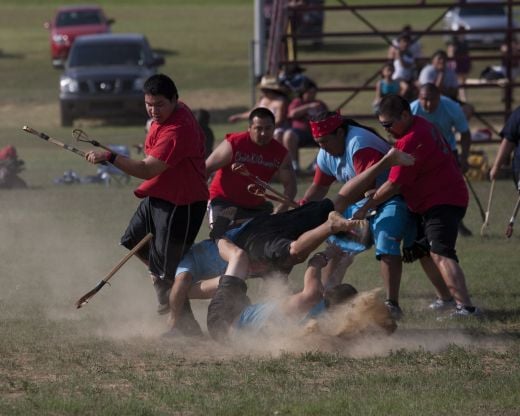
Two teams playing at the Kullihoma Stickball Tournament in Oklahoma.
Outdoor / Natural Site

Kullihoma

Ada, OK

Kullihoma — meaning 'Red Springs' in the Chickasaw language, referencing the reddish waters that preceded storms — was established as a Chickasaw Nation trust property following the Indian Welfare Act of 1936. The original parcel of over 146 acres expanded to more than 1,961 acres by 2011 and serves as a center for Chickasaw cultural practice, hosting stomp dancing and traditional activities that trace their roots to the 1800s.

$ All Ages Family: High

Guthrie — 2

Historic limestone-and-brick Logan County Jail in Guthrie, Oklahoma
Photo coming soon
Prison / Reformatory

Logan County Jail

Guthrie, OK

The Logan County Jail at 216 S Broad Street in Guthrie, Oklahoma, has operated as a detention facility since 1898, making it one of the oldest continuously used jails in the region. Built of thick dark limestone and brick, it once held famous Old West outlaws including the Dalton Gang and Bill Doolin. Guthrie itself was Oklahoma's first territorial and state capital.

$ All Ages Family: Moderate
The restored five-story former Logan County Memorial Hospital, now the Villas of Benedictine Pointe, in Guthrie, Oklahoma.
Photo coming soon
Asylum / Hospital

Logan County Memorial Hospital (Villas of Benedictine Pointe)

Guthrie, OK

The building at 2000 W Warner Avenue in Guthrie began as a Methodist Episcopal hospital project in 1925, halted by the Great Depression. A Guthrie nonprofit completed it in 1932 as Cimarron Valley Wesley Hospital; the Benedictine Sisters bought it in 1946 and finished construction. It became Alverno Heights Hospital under the Sisters of St. Francis in 1964, was renamed Logan County Memorial Hospital in 1974, deeded to Logan County in 1977, and replaced by a new facility in 1978. The five-story building then stood abandoned for roughly four decades before being redeveloped around 2020 into the Villas of Benedictine Pointe, an affordable senior-living community.

$ All Ages Family: Moderate

Konawa — 2

The 'Murdered by human wolves' headstone of Katherine Cross in Konawa Cemetery, Seminole County, Oklahoma.
Photo coming soon
True Crime Site

Konawa Cemetery — 'Murdered by Human Wolves' Grave

Konawa, OK

Konawa Cemetery, east of Konawa in Seminole County, holds the grave of Katherine Ann Cross (March 13, 1899 - October 10, 1917), whose headstone bears Oklahoma's most famous epitaph: 'Murdered by human wolves.' Cross, three months pregnant, is believed to have died from a botched abortion. A Konawa physician, Dr. A.H. Yates, was charged in connection with the deaths of Cross and another young woman; he was acquitted in the related case, and the charge tied to Cross was never brought to trial. Her family carved the epitaph to express their belief about who was responsible.

$ All Ages Family: Moderate
Surviving ruins and cemetery of Sacred Heart Mission near Konawa, Pottawatomie County, Oklahoma.
Photo coming soon
Cemetery / Burial Ground

Sacred Heart Mission Site and Cemetery

Konawa, OK

Sacred Heart Mission was founded in 1877 by Father Isidore Robot, O.S.B., a French Benedictine monk who had entered Indian Territory in 1875 and settled among the Citizen Band Potawatomi in the southeast corner of present Pottawatomie County. By 1880 the mission included a monastery, schools for Native American boys and girls, a technical institute, and a seminary; a large church followed in 1892 and the mission attained abbey status in 1896. A catastrophic fire destroyed most of the complex on the night of January 14-15, 1901. Though rebuilt, the community gradually relocated north - founding St. Gregory's College at Shawnee in 1915 and moving the abbey seat there in 1929. Sacred Heart Priory closed in 1955 and most buildings were razed; the site, cemeteries, and remaining structures survive as a historic landmark.

$ All Ages Family: High

Lawton — 2

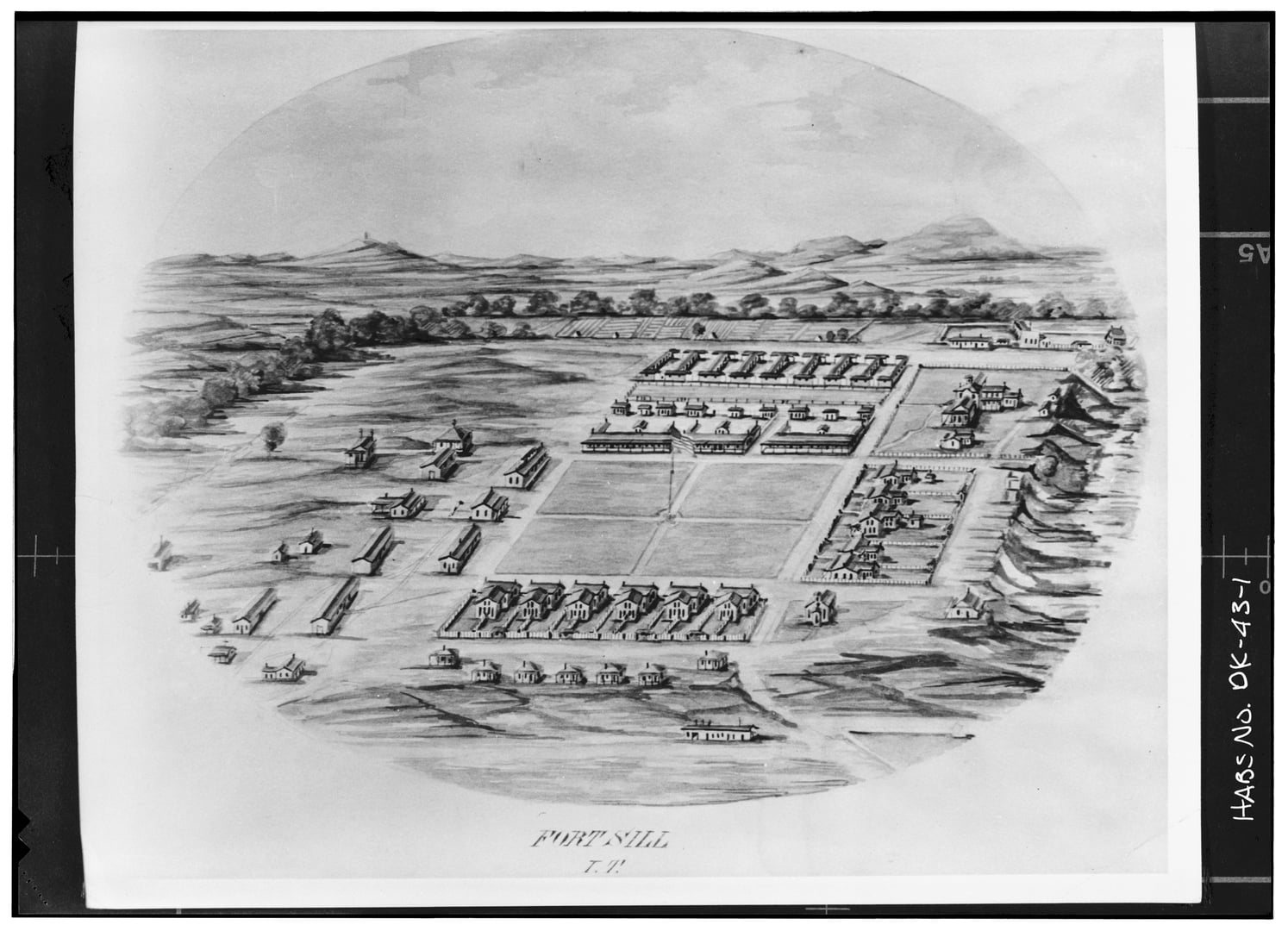
Historic American Buildings Survey photocopy of a bird's-eye-view drawing of Fort Sill in Medicine Park, Comanche County, Oklahoma, depicting the historic Old Post and its surrounding cemeteries
Cemetery / Burial Ground

Fort Sill (Geronimo's Grave & Apache Cemeteries)

Lawton, OK

Fort Sill is an active U.S. Army post in southwest Oklahoma, established in 1869 during the Indian Wars. From 1894 onward it was the final imprisonment site of the Chiricahua Apache, including Geronimo, who is buried in the Apache Prisoner-of-War Cemetery on post.

$ All Ages Family: Moderate
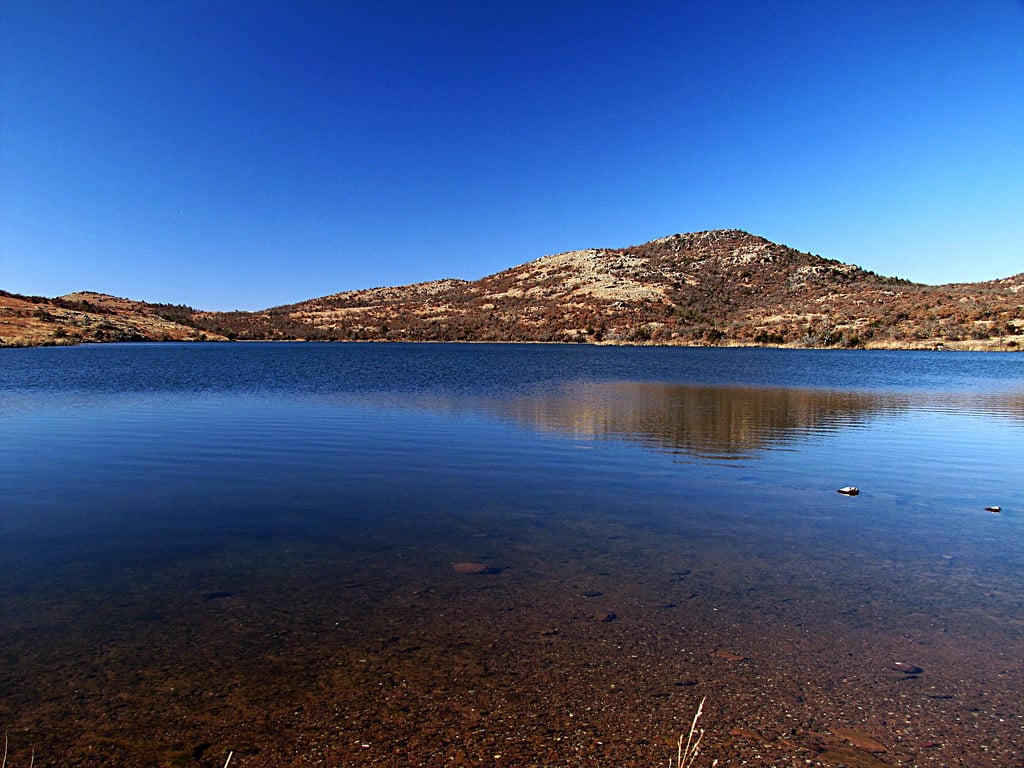
Lake Jed Johnson reflection.
Outdoor / Natural Site

Lake Jed Johnson

Lawton, OK

Lake Jed Johnson is a 57.5-acre reservoir in the Wichita Mountains Wildlife Refuge in Comanche County, Oklahoma, created in 1940 by the construction of a dam across Blue Beaver Creek. The lake and adjacent stone observation tower — built in 1941 by the Civilian Conservation Corps — are named for Jed Johnson (1888-1963), a 10-term Oklahoma congressman who championed the refuge's development.

$ All Ages Family: Moderate

Sand Springs — 2

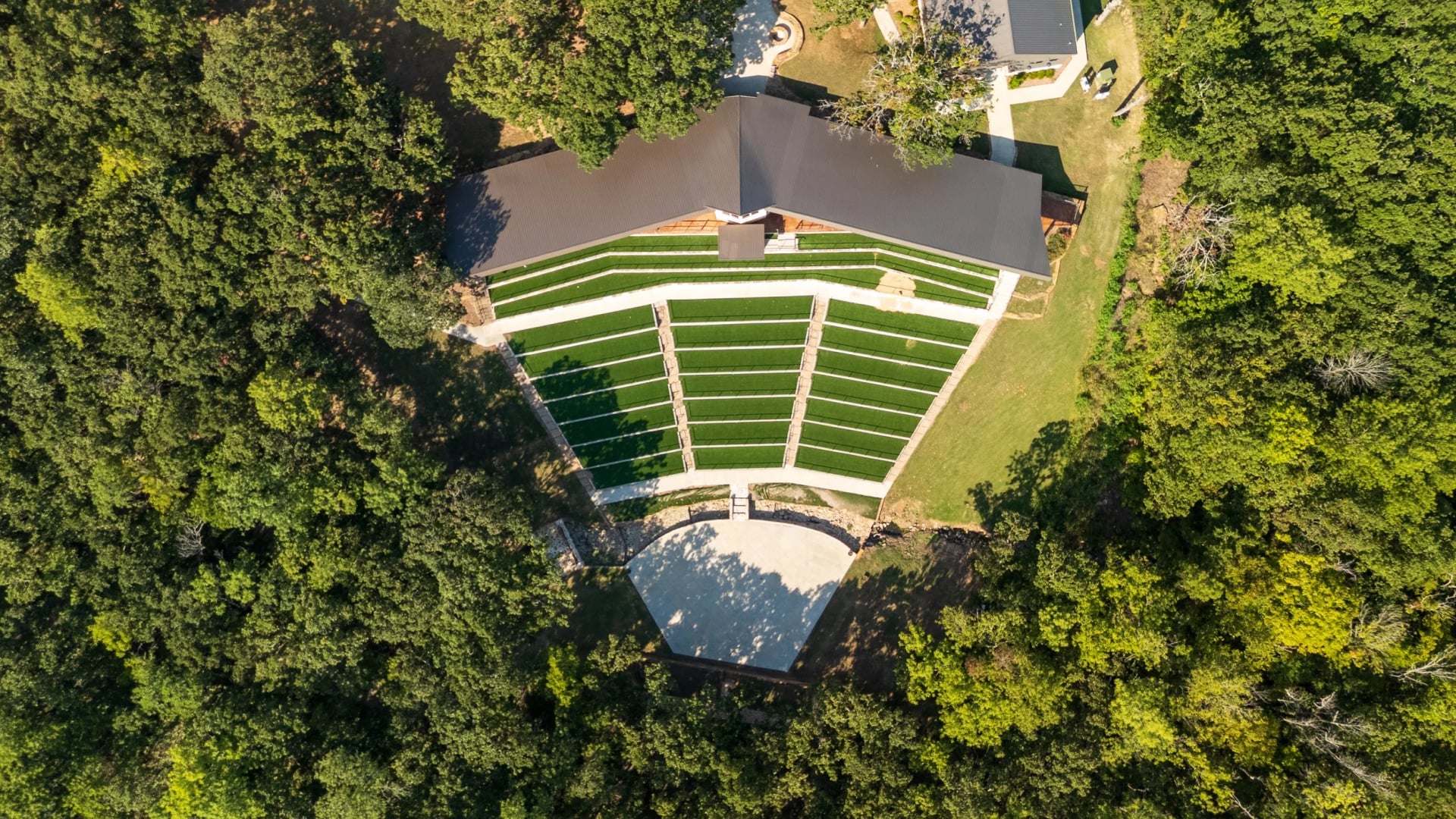
Aerial drone view of the historic Discoveryland Ranch amphitheater in Sand Springs, Oklahoma, the longtime home of the Rodgers and Hammerstein musical Oklahoma!
Theater / Performance Venue

Discoveryland Ranch (Discoveryland! Amphitheater)

Sand Springs, OK

Discoveryland Amphitheater opened in 1976 as a 2,000-seat outdoor venue west of Tulsa in Sand Springs, Oklahoma. From 1977 to 2011 it served as the official home of the Rodgers and Hammerstein musical 'Oklahoma!' The venue closed in 2014 and was reopened in 2019 as Discoveryland Ranch, a multi-use event property.

$$ All Ages Family: High
Entrance sign of the 1886 Postoak Cemetery ('Sparky's Graveyard') outside Sand Springs, Oklahoma.
Photo coming soon
Cemetery / Burial Ground

Postoak Cemetery (Sparky's Graveyard)

Sand Springs, OK

Postoak Cemetery, on private land just outside Sand Springs in Tulsa County, was established in 1886 and is one of the area's oldest burial grounds. It is named for the Postoak family: Phoebe Postoak, who died November 22, 1886, at age 15, is believed to be the first person buried there, and her parents Taylor Postoak (d. 1891) and Mariah 'Molea' Fisher Postoak (d. 1907) are buried there as well. The cemetery contains roughly 143 marked graves, with burials peaking in the 1930s and the most recent in 1998. The land is held today by Lyntab 3 LP.

$ All Ages Family: Moderate

Alva — 1

Former Alva General Hospital, now the Cherokee Strip Museum in Alva, Oklahoma
Photo coming soon
Museum / Historical Site

Cherokee Strip Museum

Alva, OK

The museum building was constructed in 1932 as the Alva General Hospital and operated as a hospital until 1972. The Morton Share Trust donated the building to the Cherokee Strip Museum Association in 1975, and the museum reopened in its current form in 1976. The collection had previously been housed at Northwestern State College (1961) and the Alva City Library (1965).

$ All Ages Family: High

Blanchard — 1

Entrance to Blanchard Cemetery off State Highway 76 in McClain County, Oklahoma.
Photo coming soon
Cemetery / Burial Ground

Blanchard Cemetery

Blanchard, OK

Blanchard Cemetery was established in 1917 on a roughly twenty-acre lot just off State Highway 76 in Blanchard, McClain County, Oklahoma. It remains an active cemetery with monthly business meetings, ongoing maintenance, and new burials. Despite ranking on numerous lists of Oklahoma's most haunted places, there is no documented historical tragedy or origin event tied to its paranormal reputation — it appears to have simply served as the resting place for nearby town residents.

$ All Ages Family: Moderate

Broken Bow — 1

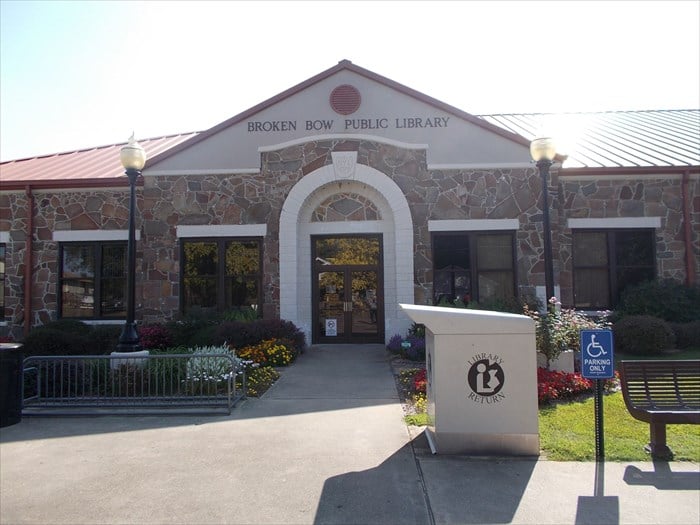
Broken Bow Public Library, housed in a historic former high school building in McCurtain County
Photo coming soon
Museum / Historical Site

Broken Bow Library/Old High School

Broken Bow, OK

The Broken Bow Public Library is housed in the historic former Broken Bow High School building, located in McCurtain County in southeastern Oklahoma. The building was donated to the community by a group of Broken Bow businessmen for conversion into the public library. Broken Bow sits in central McCurtain County, approximately 12 miles north-northeast of Idabel.

$ All Ages Family: High

Catoosa — 1

Rural family cemetery near Catoosa, Oklahoma
Photo coming soon
Cemetery / Burial Ground

Timber Ridge Cemetery

Catoosa, OK

Timber Ridge Cemetery is a small family cemetery at 30356 S. 4130 Road near Catoosa, Oklahoma, six miles east of town off Highway 412. Find a Grave documents the site, and Catoosa-area sources describe it as an active family burial ground.

$ All Ages Family: High

Drummond — 1

Rural cemetery in Garfield County Oklahoma with flat plains visible behind the headstones
Photo coming soon
Cemetery / Burial Ground

Imo Cemetery

Drummond, OK

Imo Cemetery is a small rural burial ground in Drummond, Garfield County, Oklahoma, with 50 documented memorials and a history rooted in the homesteading families who settled the Cherokee Outlet after the 1893 land run. The cemetery is maintained on a volunteer basis.

$ All Ages Family: High

Durant — 1

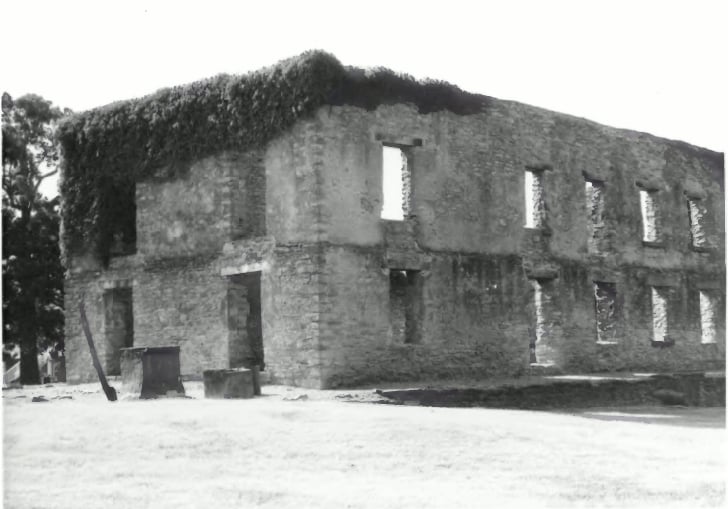
Overgrown ruins of the West Barracks at Fort Washita Historic Site near Durant, Oklahoma, photographed 1975
Battlefield / Military Site

Fort Washita Historic Site

Durant, OK

Fort Washita was established in 1842 by the United States Army to protect the Chickasaw and Choctaw Nations following their forced relocation to Indian Territory. The post operated until 1865, when it was abandoned during the Civil War. The Oklahoma Historical Society acquired the site in 1962, and it is now managed by the Chickasaw Nation.

$ All Ages Family: Moderate

Hammon — 1

Rural Oklahoma cemetery with limestone headstones on open prairie
Photo coming soon
Cemetery / Burial Ground

Kiowa Cemetery

Hammon, OK

Kiowa Cemetery was established in March 1899 when homesteader George Lacey designated the southeast corner of his Roger Mills County property for community burial after infant Tommy Hill's death. Named for the Big and Little Kiowa Creeks flanking the site, the cemetery has always accepted all denominations free of charge and is maintained today under a trust fund.

$ All Ages Family: High

Idabel — 1

Open Graph image from umcmission.org
Museum / Historical Site

Kulli Tuklo United Methodist Church

Idabel, OK

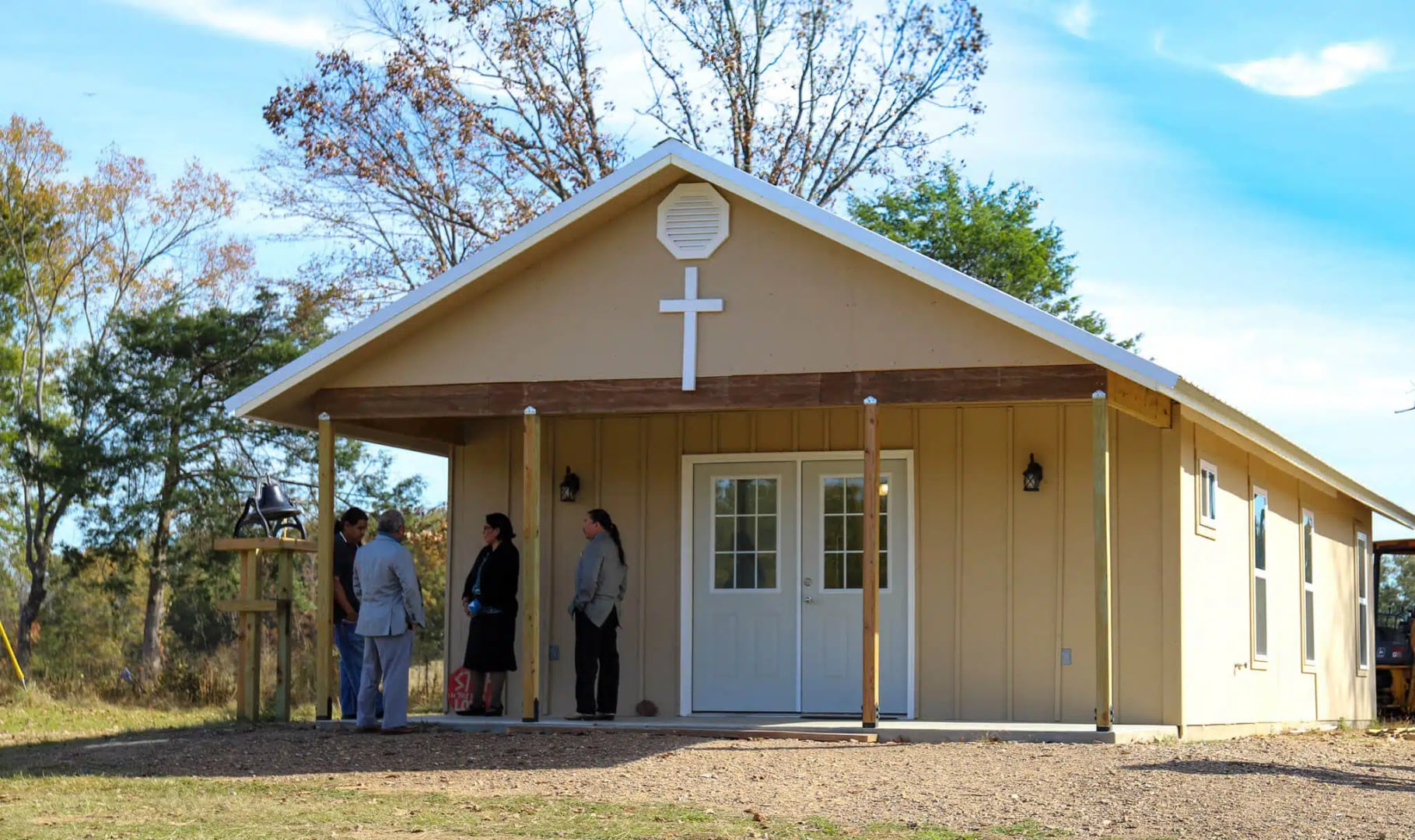
Kulli Tuklo United Methodist Church, located approximately seven miles southeast of Idabel in McCurtain County, is one of the oldest Choctaw congregations in the Oklahoma Indian Missionary Conference. The settlement was established in the late 1830s when Choctaw people removed from Mississippi during the Trail of Tears founded a community around two sandy springs, naming the location 'Kvlli Tuklo' — meaning Two Springs in the Choctaw language.

$ All Ages Family: High

Kellyville — 1

Rural Slick Road creek crossing south of Kellyville, Oklahoma, site of the 'original' Cry Baby Bridge legend.
Photo coming soon
Outdoor / Natural Site

Kellyville Cry Baby Bridge

Kellyville, OK

Kellyville, in Creek County south of Tulsa along old Route 66, is home to what locals call the 'original' Oklahoma Cry Baby Bridge. The legend was set at a bridge over Polecat Creek along Slick Road south of town. The original bridge no longer stands and the road has been re-routed. Kellyville is widely cited as the source of the legend that later spread to Kiefer, Schulter, Catoosa, and other Oklahoma towns.

$ All Ages Family: Moderate

Keys — 1

Exterior of Keys Elementary School in Cherokee County, Oklahoma
Photo coming soon
Other Dark Tourism Site

Keys Elementary School

Keys, OK

Keys Elementary School is part of Keys Public Schools, a PK-12 district serving the rural Cherokee County area near Lake Tenkiller in eastern Oklahoma. The school serves a predominantly Cherokee Nation community; the school mascot, the Keys Cougars, reflects the local identity. The Keys area has a long history of Cherokee settlement following removal from the southeastern United States in the 1830s.

$ All Ages Family: High

Millerton — 1

Historic Wheelock Academy buildings near Millerton, McCurtain County, Oklahoma
Photo coming soon
Museum / Historical Site

Wheelock Academy

Millerton, OK

Wheelock Academy, about three miles east of Millerton in McCurtain County, Oklahoma, originated in 1832 when missionary Alfred Wright established a Choctaw mission station, naming it for Dartmouth founder Eleazar Wheelock. It became the Choctaw Nation's first national academy in 1842 and operated as a boarding school and orphanage for Choctaw girls until 1955. It is a National Historic Landmark now owned by the Choctaw Nation.

$ All Ages Family: Moderate

Pawnee — 1

Pawnee Bill Ranch mansion exterior, Pawnee Oklahoma
Museum / Historical Site

Pawnee Bill Ranch and Museum

Pawnee, OK

Pawnee Bill Ranch at 1141 Pawnee Bill Road in Pawnee, Oklahoma preserves the 500-acre estate of Gordon W. 'Pawnee Bill' Lillie, a Wild West entertainer who operated shows alongside Buffalo Bill Cody in the early 20th century. The 1910 mansion, fully furnished with original Lillie family belongings, is operated by the Oklahoma Historical Society and listed on the National Register of Historic Places.

$ All Ages Family: High

Rose — 1

The 1884 Saline Courthouse, the only surviving original Cherokee Nation district courthouse, near Rose, Oklahoma.
Photo coming soon
Museum / Historical Site

Saline Courthouse Museum

Rose, OK

The Saline Courthouse, built in 1884 near present-day Rose in Delaware County, is the only one of the nine original Cherokee Nation district courthouses still standing. It served the Saline District until the Cherokee court system was dissolved under the federal Curtis Act around 1898-1902, after which it passed through private ownership before the Cherokee Nation reacquired it. Restoration was completed in 2019 and it now operates as the Saline Courthouse Museum under Cherokee Nation Cultural Tourism.

$ All Ages Family: Moderate

Shawnee — 1

Shawnee Twin Lakes reservoir in Pottawatomie County, Oklahoma
Photo coming soon
Outdoor / Natural Site

Shawnee Twin Lakes

Shawnee, OK

Shawnee Twin Lakes are a pair of City of Shawnee water-supply reservoirs in Pottawatomie County, Oklahoma. Lake Number 1 was completed in 1935 and Lake Number 2 in 1960, with a connecting canal opened in 1962. The system supports municipal water supply and public recreation seven miles west of Shawnee.

$ All Ages Family: High

Skiatook — 1

Historic Hillside Mission Cemetery north of Skiatook, Oklahoma, home of the Witch's Grave legend
Photo coming soon
Cemetery / Burial Ground

Witch's Grave - Hillside Mission Cemetery

Skiatook, OK

Hillside Mission Cemetery began in 1882 in conjunction with a Quaker-founded Indian Mission near Skiatook, Oklahoma, in Tulsa County. It holds burials from the late 1800s and early 1900s and is marked as a historic site. Over time it became locally famous for a grave reputed to belong to a witch.

$ All Ages Family: Moderate

Sulphur — 1

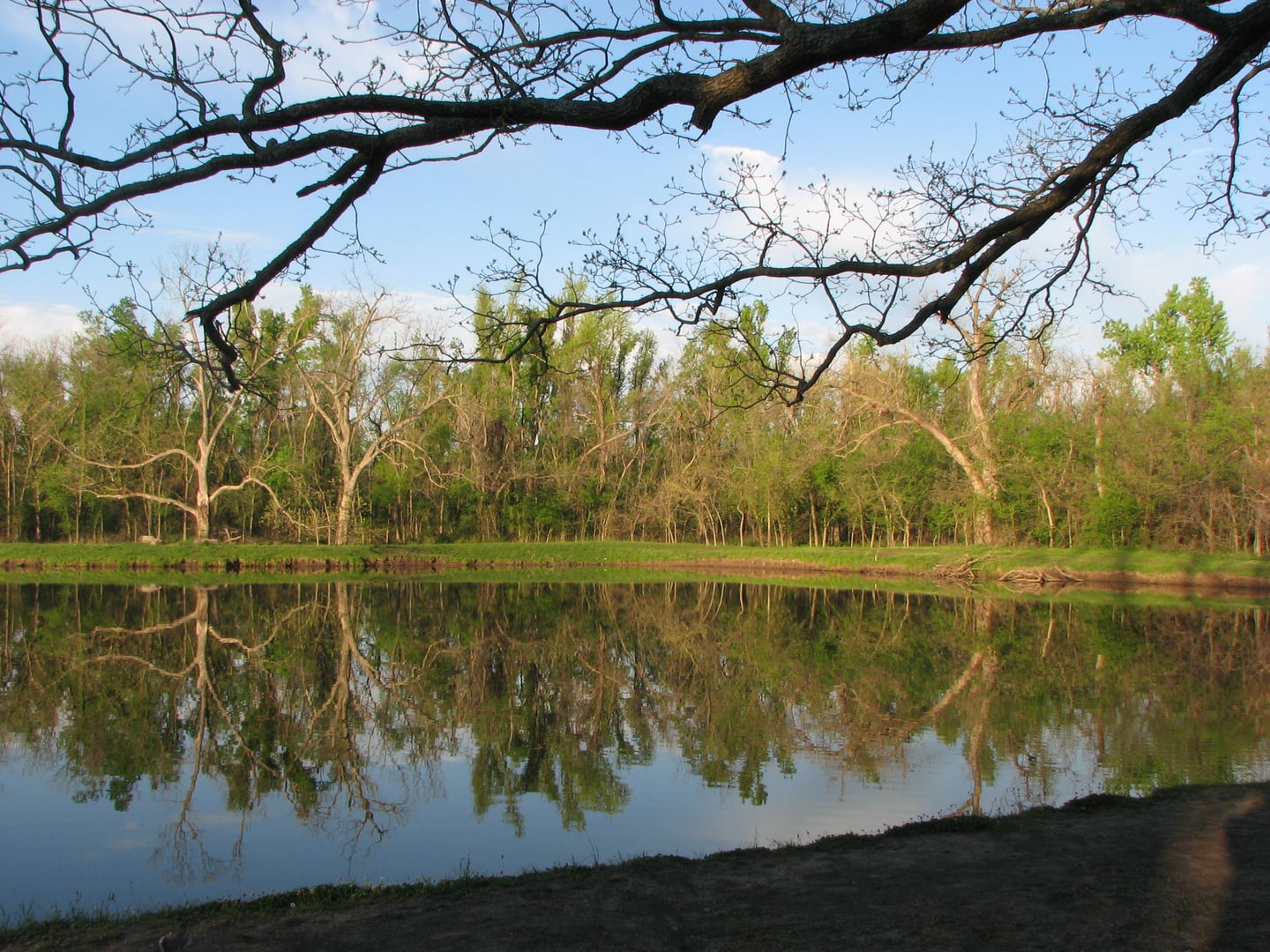
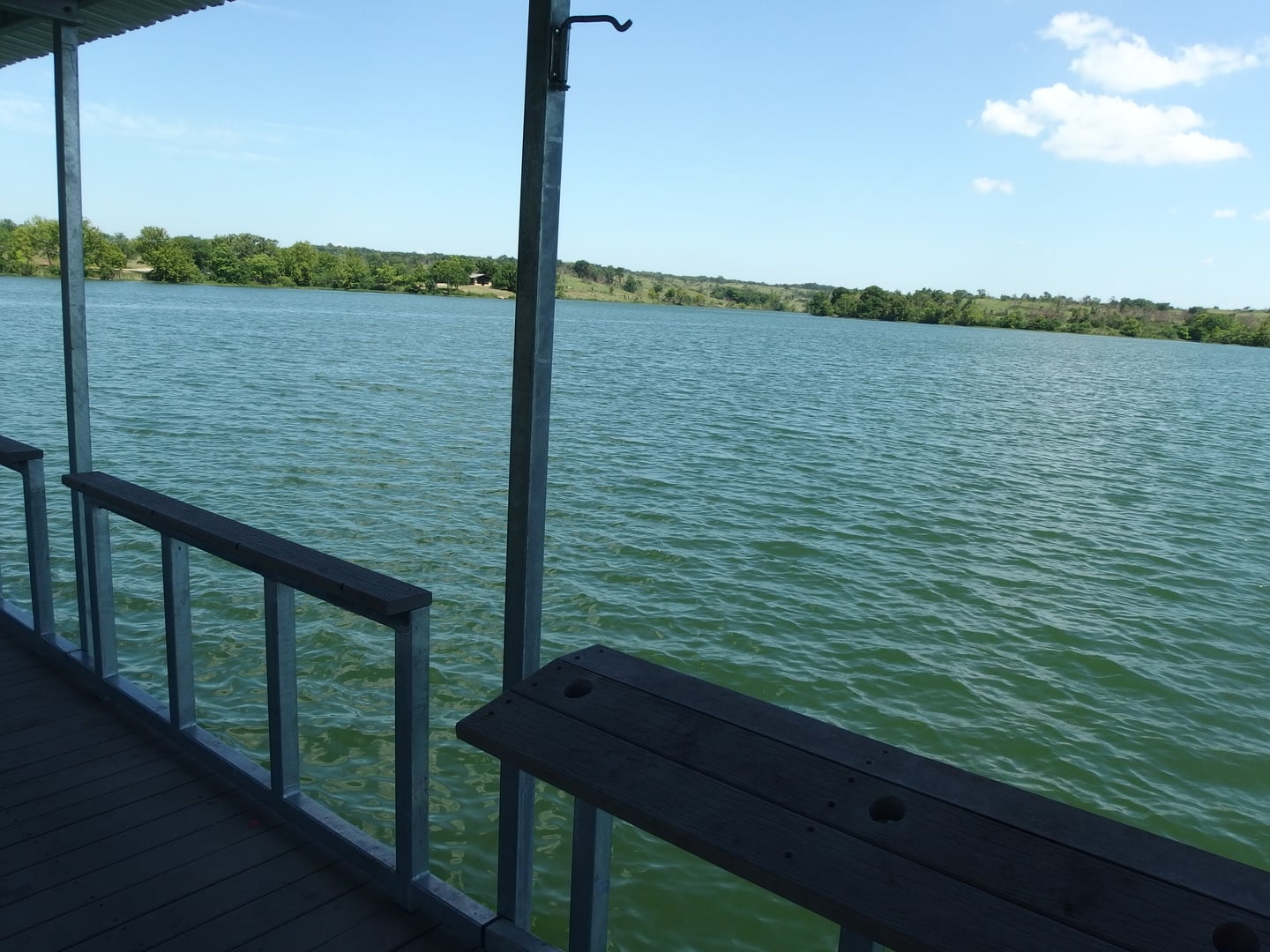
Fishing dock and eastern shoreline of Veterans Lake in Chickasaw National Recreation Area, Sulphur, Oklahoma
Outdoor / Natural Site

Veterans Lake

Sulphur, OK

Veterans Lake is a 67-acre reservoir in Murray County, Oklahoma, constructed by the Civilian Conservation Corps and Public Works Administration as a Great Depression-era public works project. The lake was dedicated to American war veterans in 1933 and was incorporated into Chickasaw National Recreation Area in 1983.

$ All Ages Family: High

Tahlequah — 1

The two-story brick Cherokee County Courthouse on West Delaware Street in Tahlequah, Oklahoma.
Photo coming soon
Other Dark Tourism Site

Cherokee County Courthouse

Tahlequah, OK

The Cherokee County Courthouse in Tahlequah, Oklahoma, occupies a building that previously served as the city hospital before being remodeled in 1978-79 to house the county courts and city hall. The structure is a two-story brick and concrete building on a T-shaped plan in the center of Tahlequah, which served as the historic capital of the Cherokee Nation.

$ All Ages on exterior; security screening for interior court business Family: High

Thackerville — 1

Brown Springs Cemetery hilltop in Love County, Oklahoma, marked by barbed wire fence
Photo coming soon
Cemetery / Burial Ground

Brown Springs

Thackerville, OK

Brown Springs Cemetery is an abandoned, largely unmarked burial ground located on a steep hilltop in Love County near Thackerville, Oklahoma, about five miles north of the Texas state line. The cemetery's dark history involves outlaws and bodies from violent crimes, disposed in the springs as clandestine burial sites. The area has been a hiding place for criminals and a dumping ground for murdered individuals for well over a century.

$ All Ages Family: Low

Waynoka — 1

Early-20th-century three-story hotel building in downtown Waynoka, Oklahoma
Photo coming soon
Haunted House / Historic Home

Eastman Hotel

Waynoka, OK

The Eastman Hotel — originally the Campbell Hotel — was built in Waynoka, Oklahoma, to serve passengers of Transcontinental Air Transport, the first commercial transcontinental airline. Charles Lindbergh selected Waynoka as the airline's Oklahoma stop in 1929. The hotel is no longer in operation, but the building remains in Waynoka.

$ All Ages Family: Moderate

Wynnewood — 1

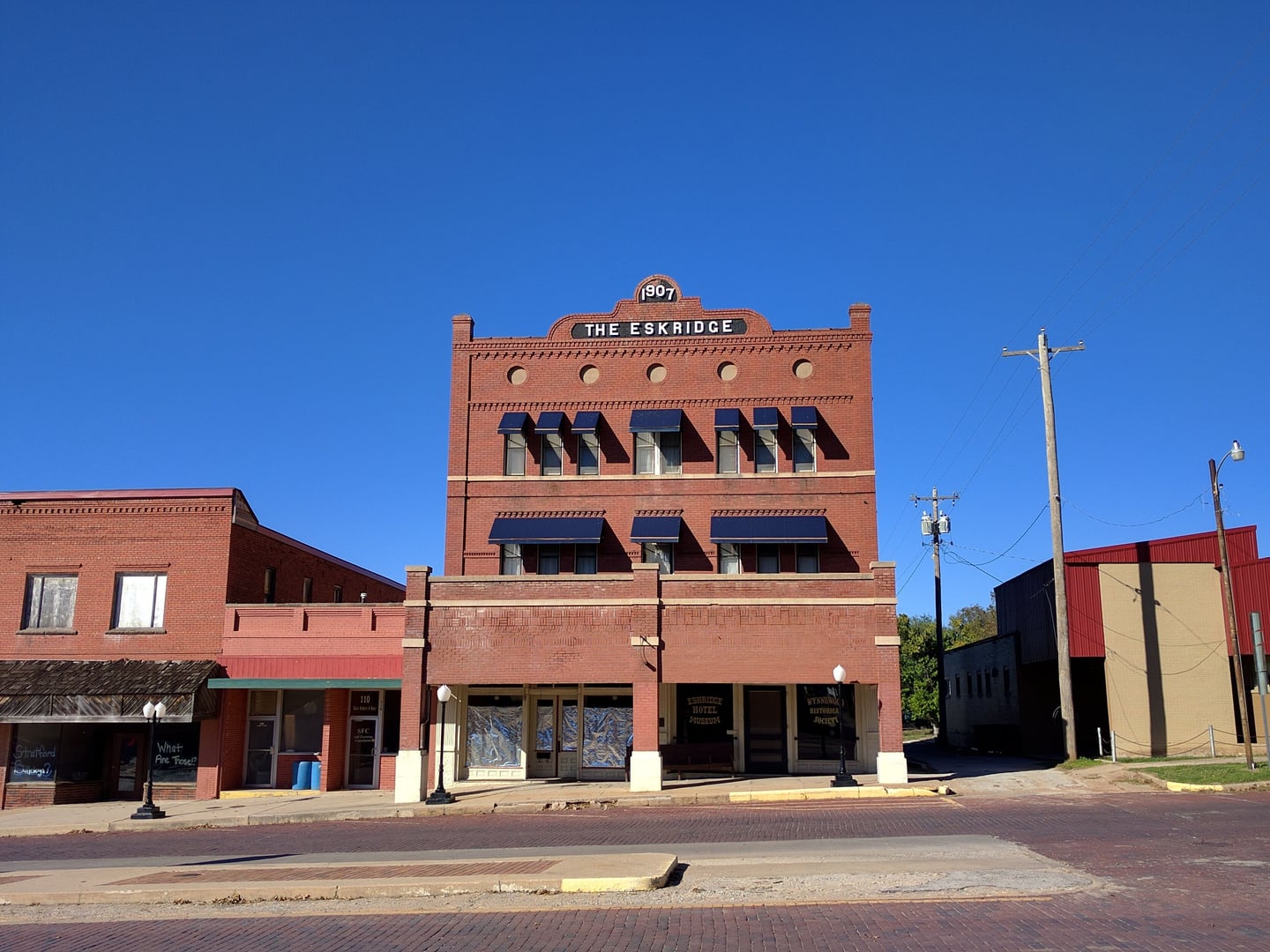
Exterior of the three-story 1907 Eskridge Hotel Museum in Wynnewood, Oklahoma.
Photo coming soon
Museum / Historical Site

Eskridge Hotel Museum

Wynnewood, OK

The Eskridge Hotel was built in 1907 — the year of Oklahoma statehood — by traveling cotton salesman Pinckney Reid Eskridge, who wanted a comfortable stop on the Santa Fe Railroad route between Oklahoma City and Dallas. The thirty-room hotel became famous for its food, especially chicken dinners, and operated until 1970. In 1973 the Wynnewood Historical Society bought the building and turned it into a museum; it was added to the National Register of Historic Places in 1978.

$ All Ages Family: High

By type