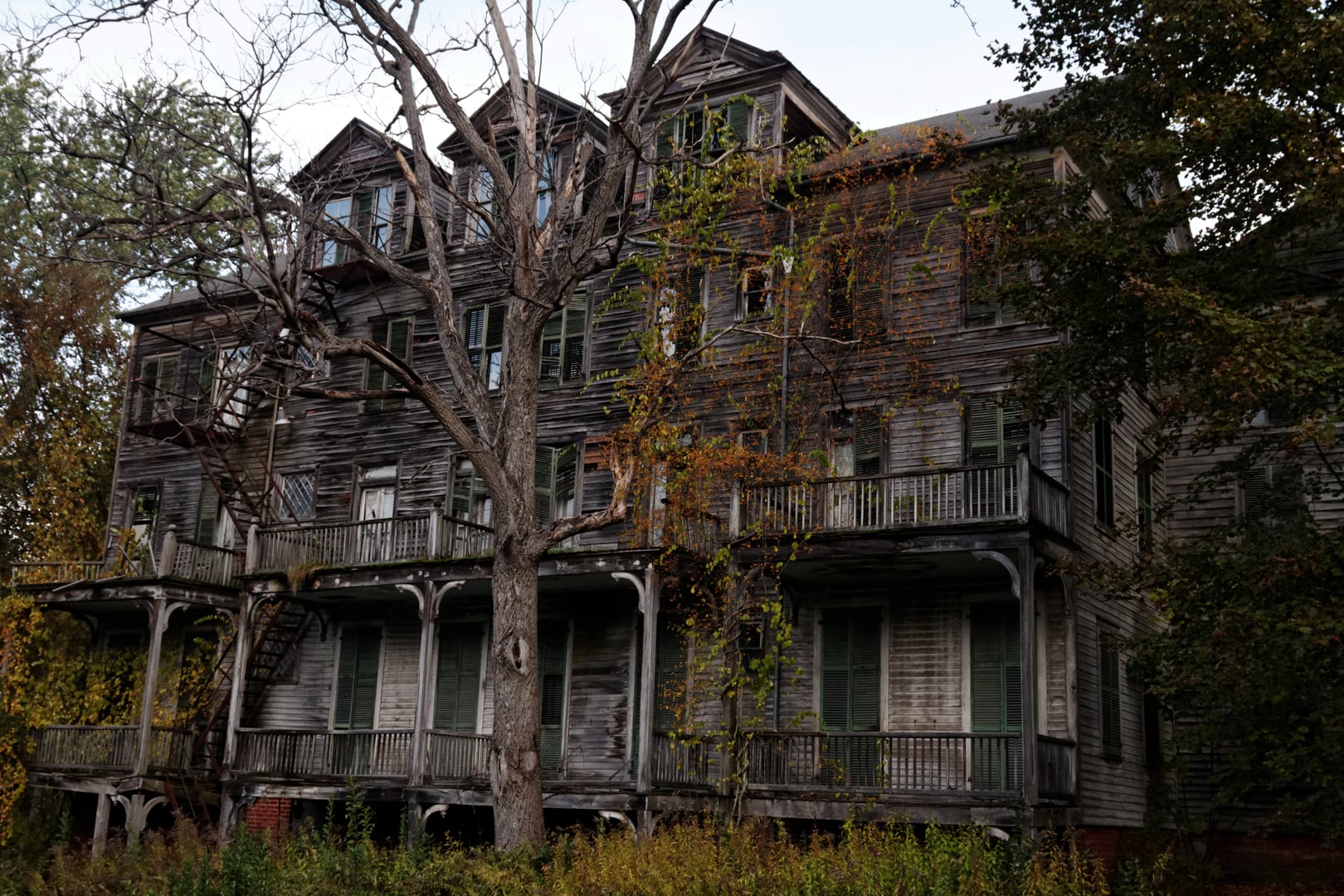
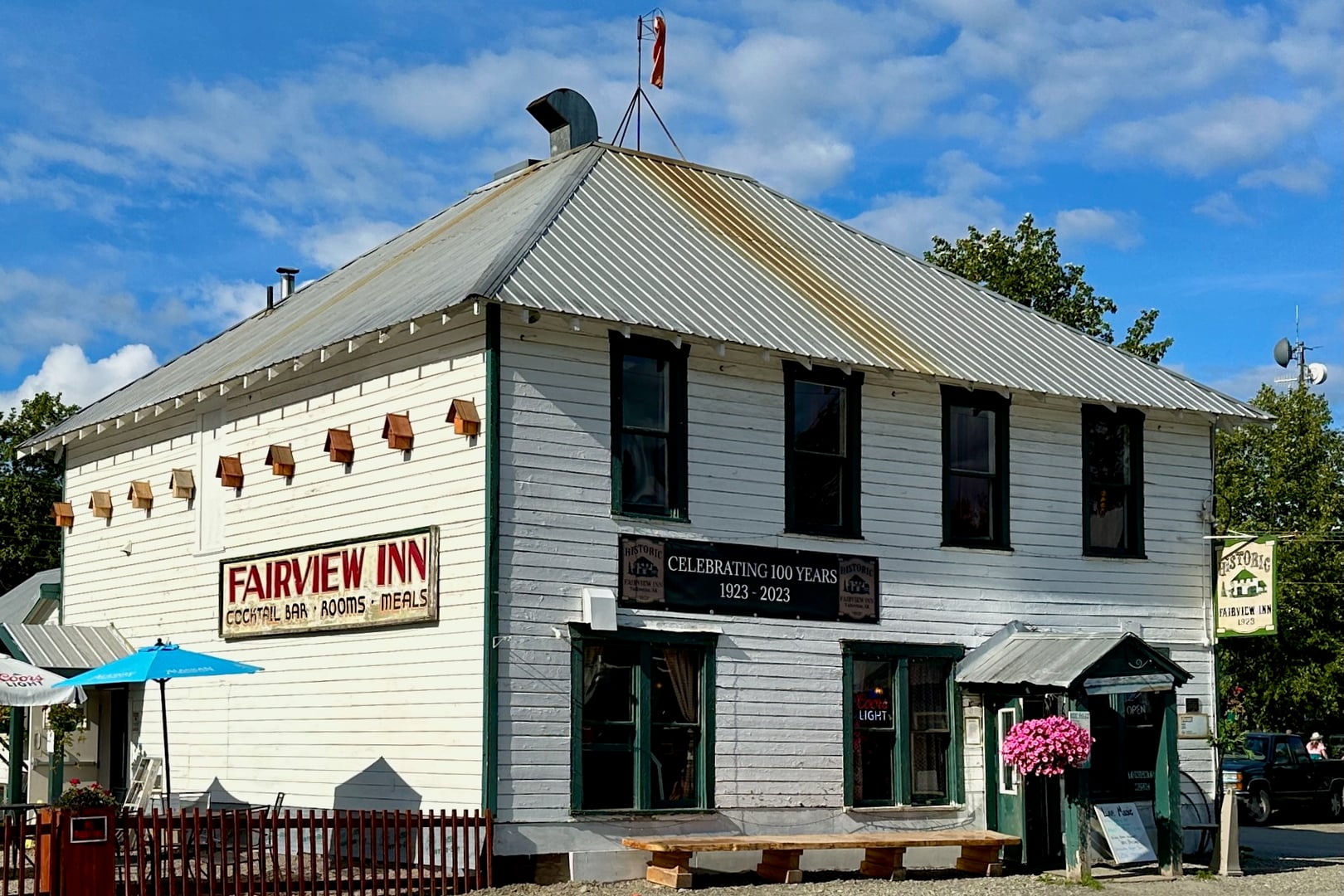
Est. 1898 · Built 1898 as Grand Avenue Hotel in Enid, Oklahoma · Site of David E. George's death by strychnine, January 13, 1903 · George's deathbed confession claiming to be John Wilkes Booth documented by Oklahoma Historical Society · George's embalmed body subsequently displayed publicly as a traveling exhibit · Building now operates as commercial furniture store (Garfield Furniture)
The Grand Avenue Hotel was constructed in 1898 in downtown Enid, then a booming young city in the recently opened Cherokee Strip. It operated as a standard commercial hotel serving travelers and commercial men in northwestern Oklahoma Territory.
On January 13, 1903, a guest registered under the name David E. George died in the third-floor corner room by strychnine poisoning. Before his death, George made a deathbed confession claiming to be John Wilkes Booth — the assassin of President Abraham Lincoln, officially killed at the Garrett farm in Virginia on April 26, 1865. George reportedly displayed physical features consistent with Booth, including a broken right leg bone consistent with the leg Booth broke jumping from the presidential box at Ford's Theatre. The claim attracted significant attention.
Following George's death, his body was embalmed by a local undertaker and subsequently put on public display and toured as part of a traveling exhibit capitalizing on the Booth identification claim. The Oklahoma Historical Society has documented the episode in its encyclopedia as an example of the persistent nineteenth-century legend that Booth escaped the 1865 manhunt. Historians have consistently rejected the identification — DNA testing in the twentieth century confirmed that remains in the official Booth grave are consistent with known Booth family DNA — but the Enid episode entered permanent local legend.
The building now operates as Garfield Furniture, a commercial store occupying the ground floor. The third-floor corner room where George died remains a point of local dark-history interest.
Sources
- https://www.okhistory.org/publications/enc/entry.php?entry=BO016
- https://kfor.com/2013/02/05/john-wilkes-booth-or-david-e-george/
Apparition of a man peering from the third-floor corner windowUnexplained presence in the upper floors
The haunting associated with the former Grand Avenue Hotel centers on the third-floor corner room where David E. George died in January 1903. Witnesses have described seeing the apparition of a man looking out from that window, observed from the street below. The figure is typically described in terms consistent with a man of the late-nineteenth or early-twentieth century in appearance.
The figure is associated in local tradition with George himself — or, depending on who is telling the story, with Booth, accepting the disputed identification at face value. No resolution of the historical question is possible from the apparition reports alone, but the double-identity mystery embedded in the case gives the haunting an unusual narrative complexity. Local lore connects the apparition sightings to the room number and position, making the building's corner window a consistent landmark in Enid's dark-history geography.
Regional television programs have documented the haunting at this address as part of Oklahoma paranormal coverage, according to sources reviewed.
Notable Entities
David E. George (died January 13, 1903 — documented historical death at this address)John Wilkes Booth (claimed identity — historically disputed and rejected by forensic evidence)