Est. 1771 · Oldest Inn in Vermont · Revolutionary-Era Bennington · Monument Avenue Historic District
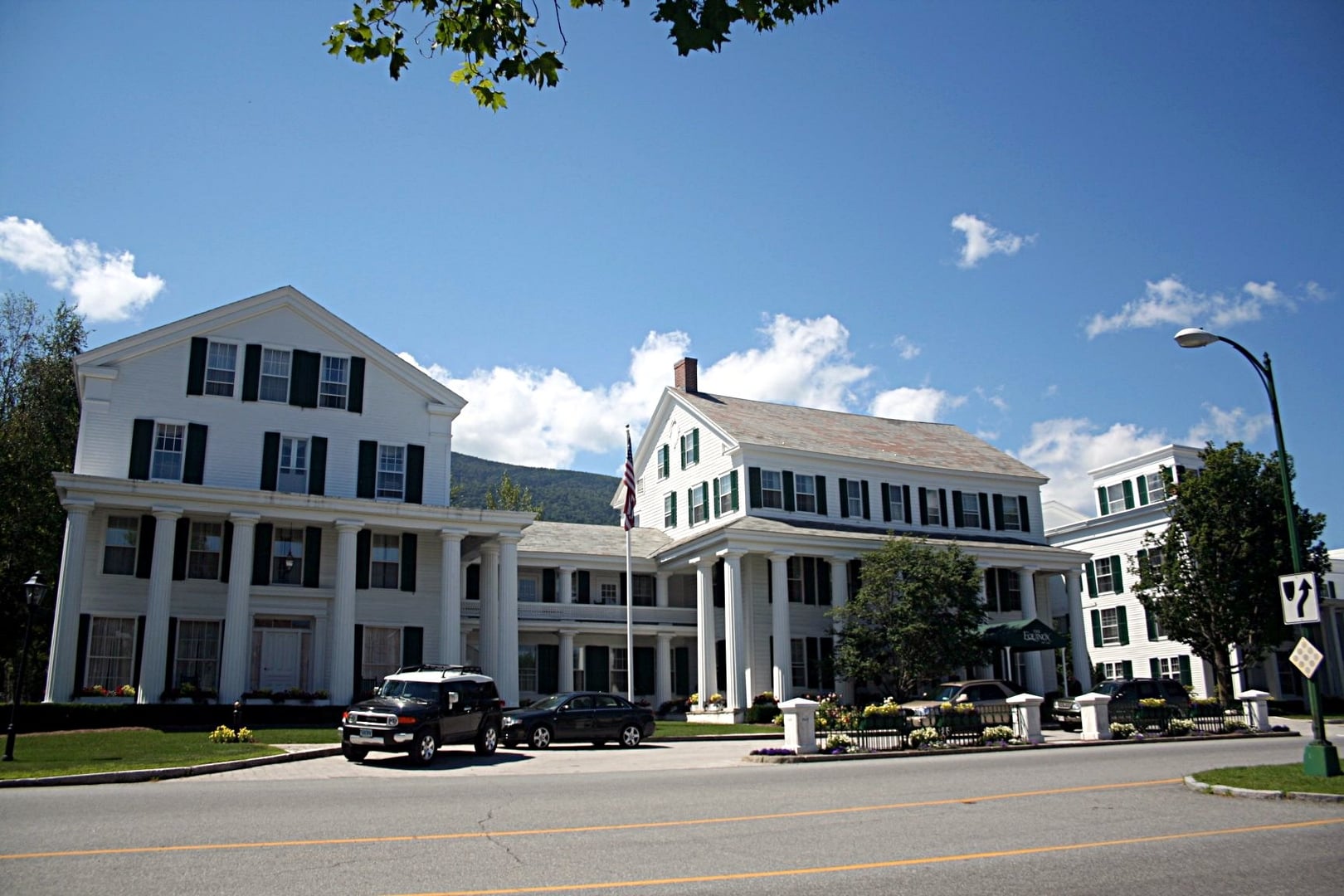
The Walloomsac Inn stands on Monument Avenue in Old Bennington, the colonial-era heart of the town. Most accounts date its construction to 1771, attributing it to Captain Elijah Dewey, son of the Reverend Jedediah Dewey, Bennington's first settled minister; a few sources place its origin slightly earlier, around 1764. By either date it is regularly described as the oldest operating inn in Vermont.
The inn sat in the middle of the events that made Bennington famous. The tavern was a gathering place in the years of the Green Mountain Boys and the Revolutionary period, and the Battle of Bennington was fought in August 1777 in the surrounding region. Over its long life the guest register collected notable names; documented accounts include President Rutherford B. Hayes and the poet Robert Frost, who lived in the area and is buried in the Old First Church burying ground a short distance away.
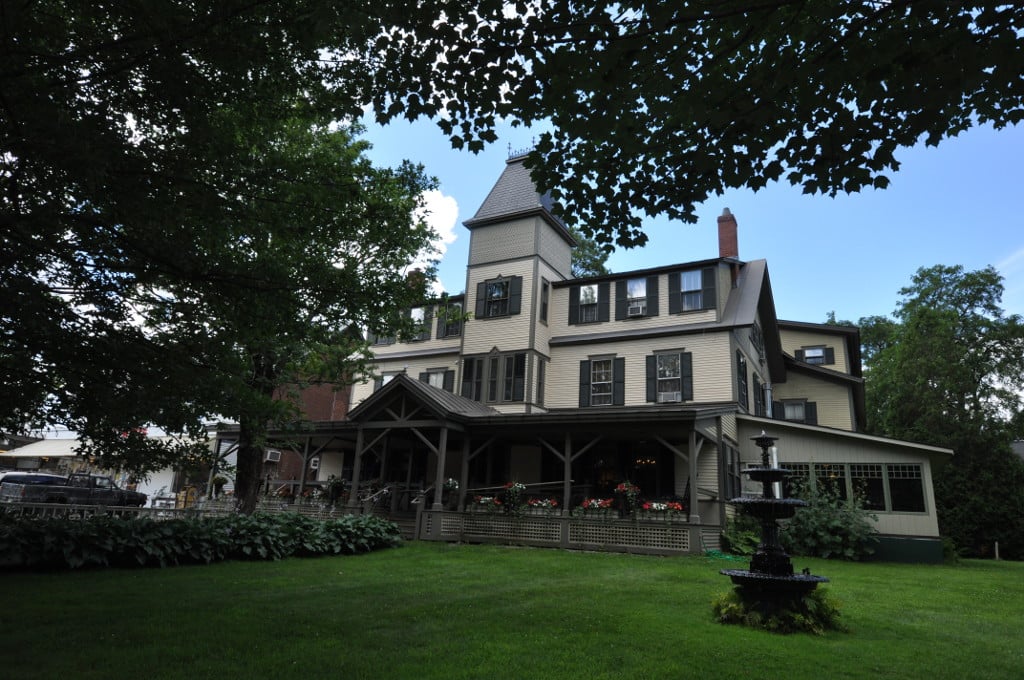
The building changed hands and was renovated repeatedly from the 1820s onward, and its fortunes declined as rail and then automobile travel reshaped New England tourism in the twentieth century. The Walloomsac Inn closed in 1996. It has remained shuttered since, a prominent and weathered landmark on Monument Avenue near the Bennington Museum, with preservation interest continuing in the years that followed.
Sources
- https://www.newyorkalmanack.com/2023/03/history-of-benningtons-walloomsac-inn/
- https://obscurevermont.com/the-walloomsac-inn-2/
- https://sites.lsa.umich.edu/mqr/2015/06/unsolved-histories-a-haunted-inn-a-hallowed-ground-and-the-ghost-of-robert-frost/
Figures seen at windowsSense of presenceApparition reports
The Walloomsac Inn's reputation as a haunted building predates and outlasts its closure in 1996. Writers documenting the property describe a place that looks the part — a large, weathered nineteenth-century inn standing dark and empty on Monument Avenue — and the lore has accumulated around that image for decades.
Reported phenomena are the standard vocabulary of an abandoned landmark: figures or movement glimpsed at the windows, a sense of being watched from the vacant rooms, and accounts passed along from the years when the inn still took guests. One commonly retold story describes a guest who reported a figure in green clothing in the building during its operating era. Because the inn has been closed for decades, recent accounts are necessarily exterior observations rather than firsthand interior experiences.
The stories sit alongside the heavily documented history of Old Bennington itself — the Battle of Bennington, the Old First Church and its burying ground, and Robert Frost's grave nearby — which gives the whole stretch of Monument Avenue a layered, much-visited past. The inn remains a viewing stop from the public sidewalk rather than a venue: it is closed, and the paranormal reputation is part of its biography as a landmark, not an attraction the building stages.