Est. 1924 · Tulsa Park History · New Deal Public Works · Oxley Nature Center
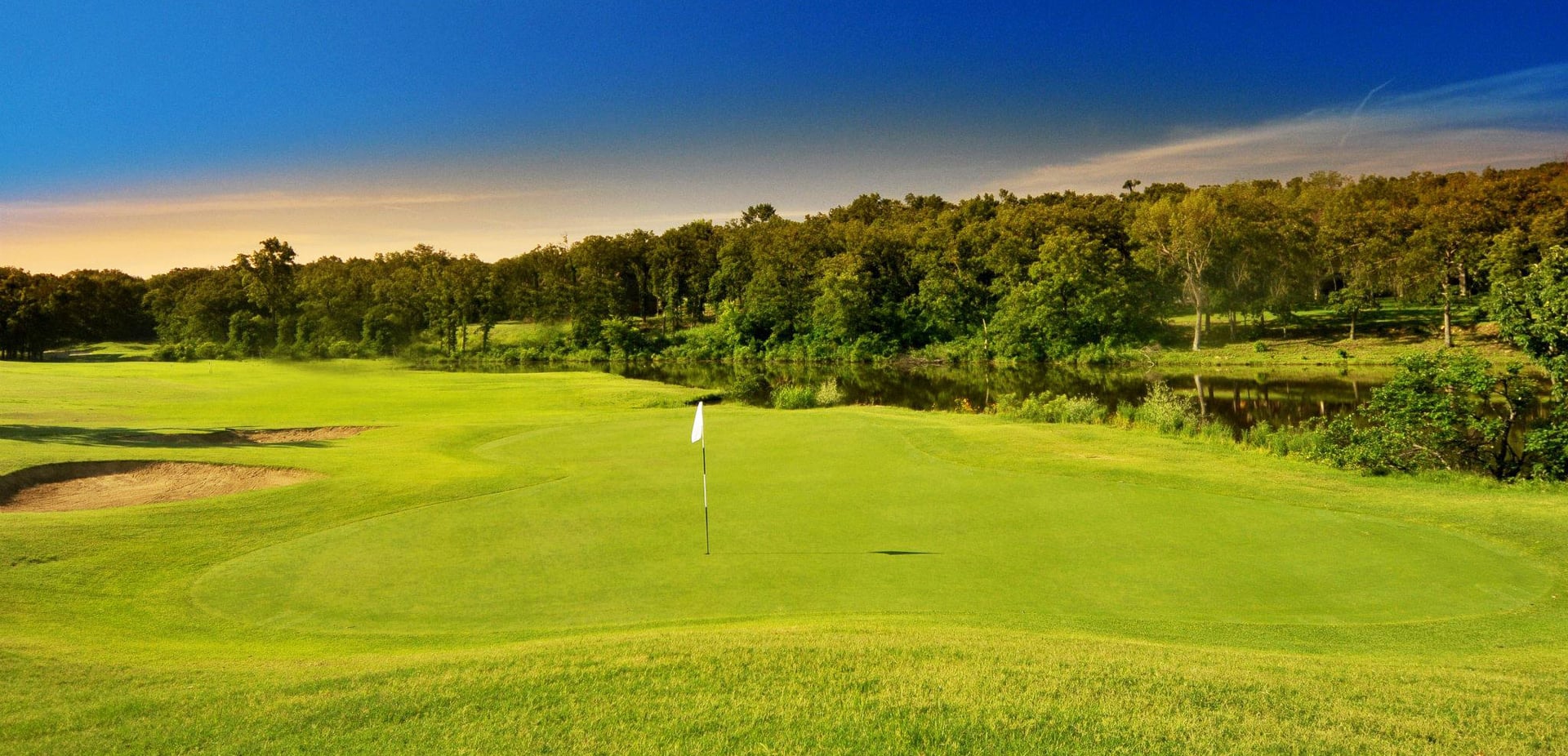
Mohawk Park's creation in 1924 was tied to the engineering project that extended Spavinaw Dam water service to Tulsa. The city acquired the land and developed it incrementally through the 1920s and 1930s, with New Deal federal programs funding a substantial portion of the construction — the Tulsa Zoo, a recreation lake, shelters, fish hatcheries, and, in 1934, Mohawk Golf Course.
In that same year, a 70-acre Bird and Wildflower Sanctuary was established within the park's boundaries. That sanctuary eventually became the foundation for the 804-acre Oxley Nature Center, formally established in 1974 and now one of the more significant urban nature preserves in the region.
At 3,300 acres, Mohawk Park is among the largest parks owned and operated by an American city. Much of it is wooded and relatively undeveloped — the kind of urban-edge wilderness that transitions quickly from maintained paths to dense forest. The Spavinaw line that gave the park its existence was, when it opened in 1924, the longest gravity-flow water pipeline in the United States; Tulsa's transformation from frontier oil town to functioning city ran through this stretch of land.
The park's interior carries deeper Indigenous and regional folkloric layers — Plains Nations cosmologies of small spirit beings and the Deer Woman among them — that predate and persist alongside its modern recreational identity.
Sources
- https://en.wikipedia.org/wiki/Mohawk_Park
- https://tulsaworld.com/archive/history-of-mohawk-park-researched/article_51597680-f4fb-560f-a90d-e790238d16c9.html
- https://www.okhistory.org/learn/trm
Phantom voicesPhantom soundsApparitions
Two distinct folkloric traditions attach to Mohawk Park, and they represent very different categories of supernatural claim.
The first involves 'little people' — small presences heard in conversation and movement throughout the park's woodland sections without ever becoming visible. Accounts describe voices, the sound of movement, and the clear sense of being in proximity to something that declines to show itself. This category of encounter appears across multiple Indigenous traditions of the southern Plains, where small spirit beings associated with natural areas are a recognized part of the cosmology. Whether the Mohawk Park accounts draw directly from those traditions or are a parallel development is not established in available sources.
The second is the Deer Lady (also called Deer Woman): described as standing approximately eight feet tall on hind legs, half human and half deer. This figure appears in Ponca, Cherokee, Muscogee, and other Plains and southeastern Nations folklore as a supernatural being who often functions as an agent of consequence — particularly toward men who have wronged women. Her appearance in accounts from Mohawk Park places the park within this regional tradition rather than inventing a local one.
The golf course entry for Mohawk Park carries an additional anomaly — the bathroom structure with no power showing a light at night — which may be related to the broader atmospheric quality of the park or may simply be a separate, low-intensity phenomenon.
Notable Entities
The Deer LadyThe Little People