Museum Visit
Wheelock Academy museum & grounds
Tour the restored LeFlore Hall museum and the historic grounds of the Choctaw Nation's first national academy.
- Duration:
- 1 hr
HauntBound archive · catalog record
Reported phenomena, as catalogued
A National Historic Landmark near Millerton, this 1832-founded Choctaw girls' boarding school and orphanage operated until 1955 and is now a Choctaw Nation museum where visitors report a lingering, melancholy atmosphere.
Wheelock Academy Historic Site (3 mi E of Millerton, off US-70), Millerton, OK 74750
Research updated May 2026
Age
All Ages
Cost
Free
Choctaw Nation historic site and museum (LeFlore Hall). Admission is typically free; confirm hours with the Choctaw Nation Cultural Services.
Access
Limited Access
Rural historic grounds with deteriorating 19th-century buildings; uneven terrain.
Equipment
Photos OK
Est. 1832 · Choctaw Nation's first national academy (1842) · Founded as a Choctaw mission school in 1832 by Alfred and Harriet Wright · National Historic Landmark and NRHP-listed site · Choctaw girls' boarding school and orphanage until 1955
Wheelock Academy stands on rural grounds roughly three miles east of Millerton, just north of U.S. Highway 70 in McCurtain County, southeastern Oklahoma. Its history reaches back to 1832, when the missionary couple Alfred and Harriet Wright resumed work among the Choctaw under the American Board of Commissioners for Foreign Missions. Alfred Wright named the station 'Wheelock' in honor of his mentor Eleazar Wheelock, the first president of Dartmouth College.
A dormitory was built in 1839, and in 1842 the school was adopted into the Choctaw national school system as the Wheelock Female Seminary, becoming the Choctaw Nation's first national academy. The original seminary and most mission buildings, including the wooden portions of the church, burned after the Civil War. In the early 1880s Choctaw leaders rebuilt the school a short distance to the northeast, and in September 1884 a Choctaw orphanage opened there. The institution grew from five buildings in 1884 to eighteen by the time it closed in 1955, when its functions merged with Jones Academy.
As a boarding school for Native children, Wheelock is part of the broader and painful history of American Indian boarding-school education, a history the Choctaw Nation today documents with candor and care. Only a handful of the historic buildings survive, several in fragile condition; one, LeFlore Hall, has been restored as a museum. The site is a National Historic Landmark, has appeared on America's Most Endangered Places list, and is owned by the Choctaw Nation and administered with the Bureau of Indian Affairs.
HauntBound documents Wheelock primarily as a historic and cultural landmark. There is no documented record of any mass murder at the academy; sensational claims to that effect are folklore and are addressed below.
Sources
Wheelock Academy is frequently described as one of southeastern Oklahoma's most atmospheric historic sites, and visitors and museum staff alike acknowledge a 'haunted' reputation. The most commonly reported experiences are gentle and elegiac: a pervasive sense of sadness on the grounds, and the faint sound of children laughing, echoing the generations of Choctaw girls who lived and studied there. The museum has even noted audio of children occasionally laughing that has surprised visitors.
According to reporting in Indian Country Today (ICT News), the Native American Paranormal Project (N.A.P.P.) — a nine-member team of Native American investigators founded in 2011 by Choctaw filmmaker Mark D. Williams — conducted an investigation at Wheelock Academy that 'put them on the map' as paranormal researchers. The team recorded multiple instances of ghostly voices and unidentifiable sounds; near the end of the investigation, the female members reported footsteps and girls' voices. Williams was notably the only filmmaker ever granted full access to the site by the Choctaw Nation. The resulting documentary, 'Wheelock Academy: A Native American Paranormal Documentary,' was screened at institutions including the University of Texas at Arlington during Native American Heritage Month.
The original anonymous Shadowlands submission, by contrast, presents a sensational and entirely undocumented horror narrative: a man who 'forced entry' and 'brutally murdered the little girls,' walls and trees that bleed, ghosts hanging from trees, mysterious underground tunnels, and a curse on those who take items from the nearby graves. None of this is supported by the academy's documented history, which records a school and orphanage that closed in 1955 with no mass-murder event. HauntBound explicitly rejects this fabricated narrative and presents only the gentle, respectful folklore and the N.A.P.P. investigation findings, which honor rather than exploit the Choctaw Nation's stewardship of this site.
Notable Entities
Media Appearances
Tour the restored LeFlore Hall museum and the historic grounds of the Choctaw Nation's first national academy.
Some links on this page may earn HauntBound a small commission when you book, at no extra cost to you. Our editorial picks are independent. Full disclosure
Every HauntBound history is researched from documented sources. We clearly separate verified historical fact from paranormal folklore.
Free Guide
9 verified stops, rated for families, mapped in order. Free.
One email to confirm, then the guide link. Unsubscribe anytime.
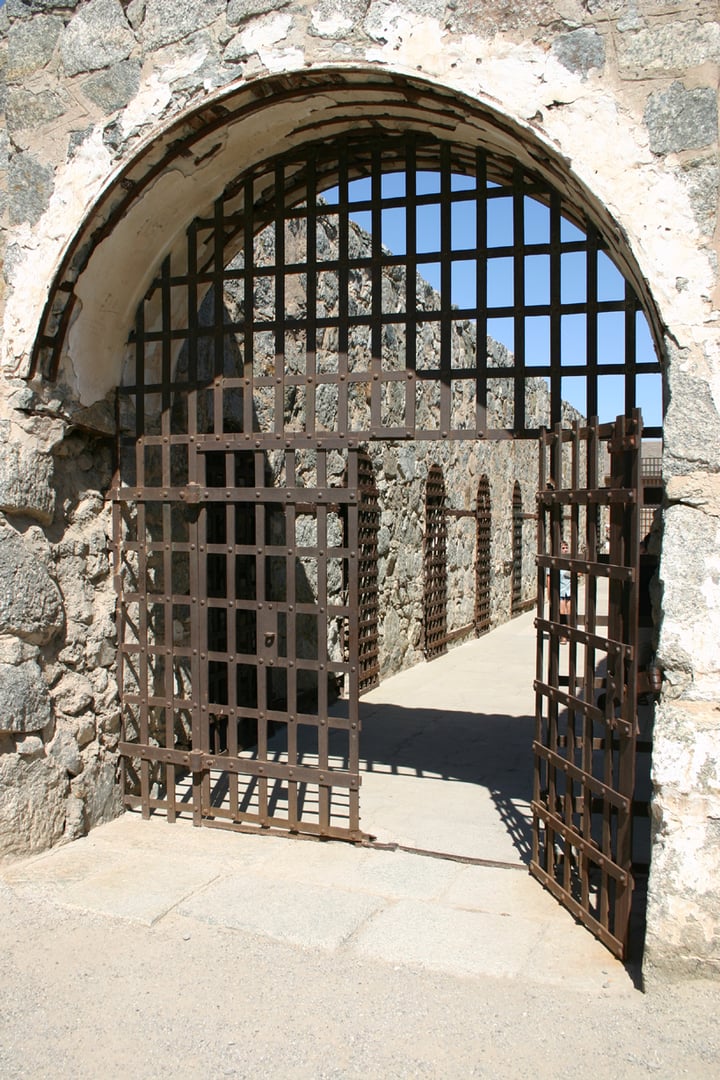
Yuma, AZ
Yuma Territorial Prison operated from 1876 to 1909 on a bluff overlooking the Colorado River in Yuma, Arizona. It held 3,069 prisoners during its 33-year operation, including 29 women. The facility became a state historic park and has been voted by USA Today readers as the Best Haunted Destination in the nation.
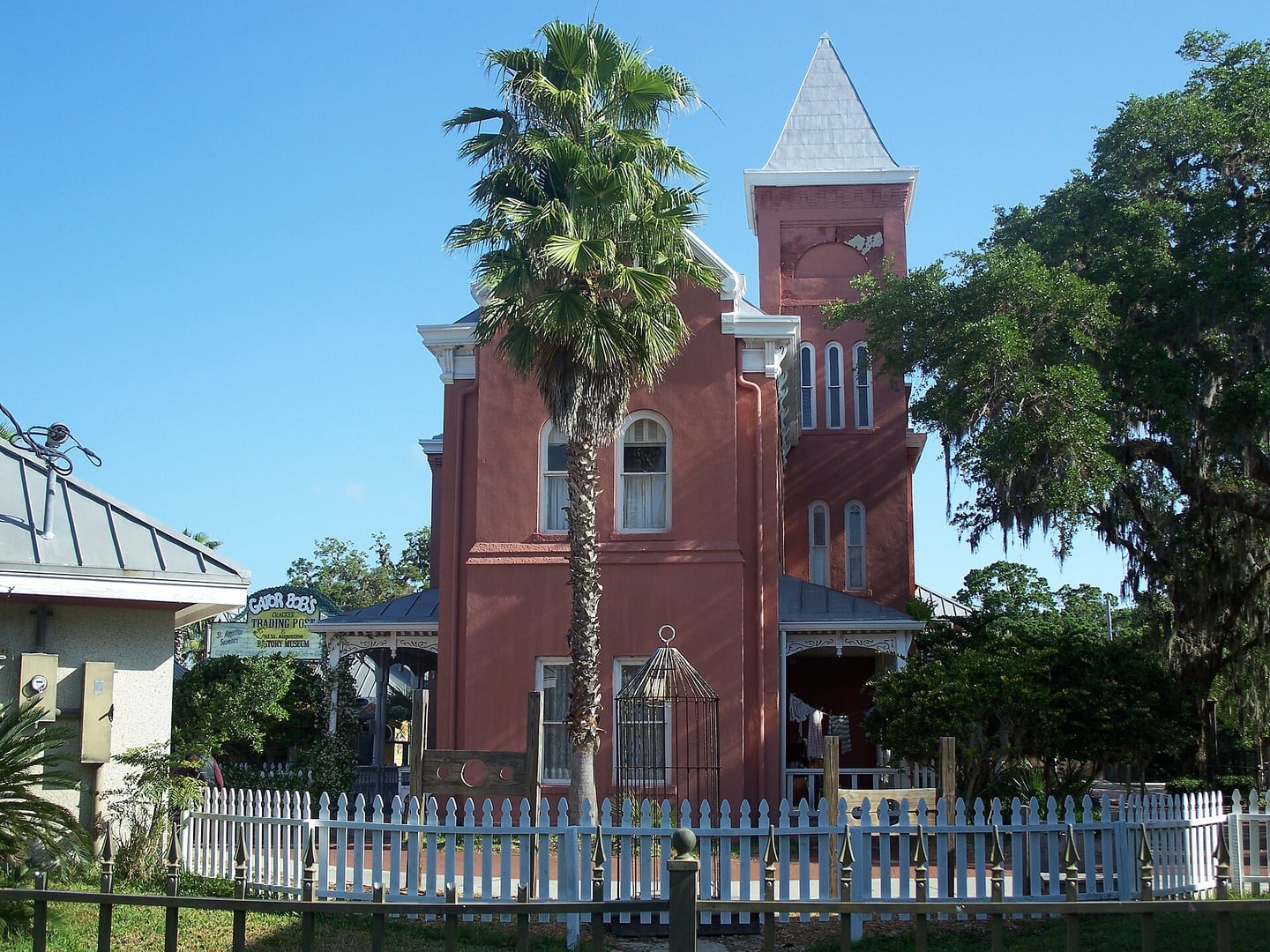
St. Augustine, FL
The Old St. Johns County Jail at 167 San Marco Avenue in St. Augustine, Florida was commissioned by railroad magnate Henry Flagler and constructed in 1891. Designed by the same architectural firm later used for Alcatraz, the facility housed prisoners under conditions so severe — one bucket per cell as a toilet, minimal diet, and labor in Flagler's fields — that it was closed in 1953. Eight documented executions occurred on site before the county converted the building to a tourist attraction in 1954.
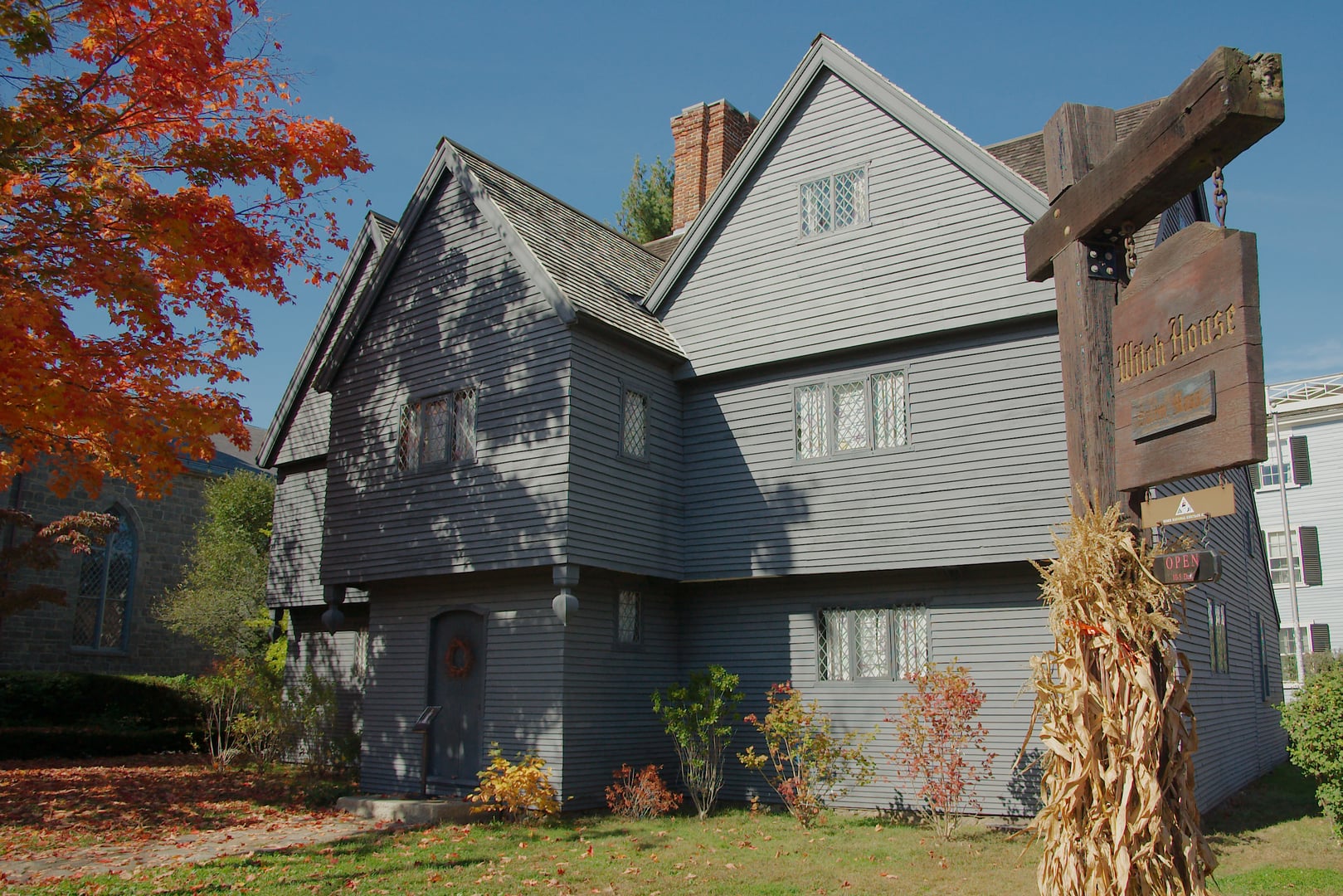
Salem, MA
The Jonathan Corwin House at 310 Essex Street is the only surviving structure in Salem with direct ties to the 1692 Salem witch trials. Built circa 1675 and purchased by Corwin that same year, the house served as the site of pretrial examinations for several of the accused. The property has operated as a museum since 1948 under City of Salem ownership.