Historic School Building · Community Library · Adaptive Reuse Architecture
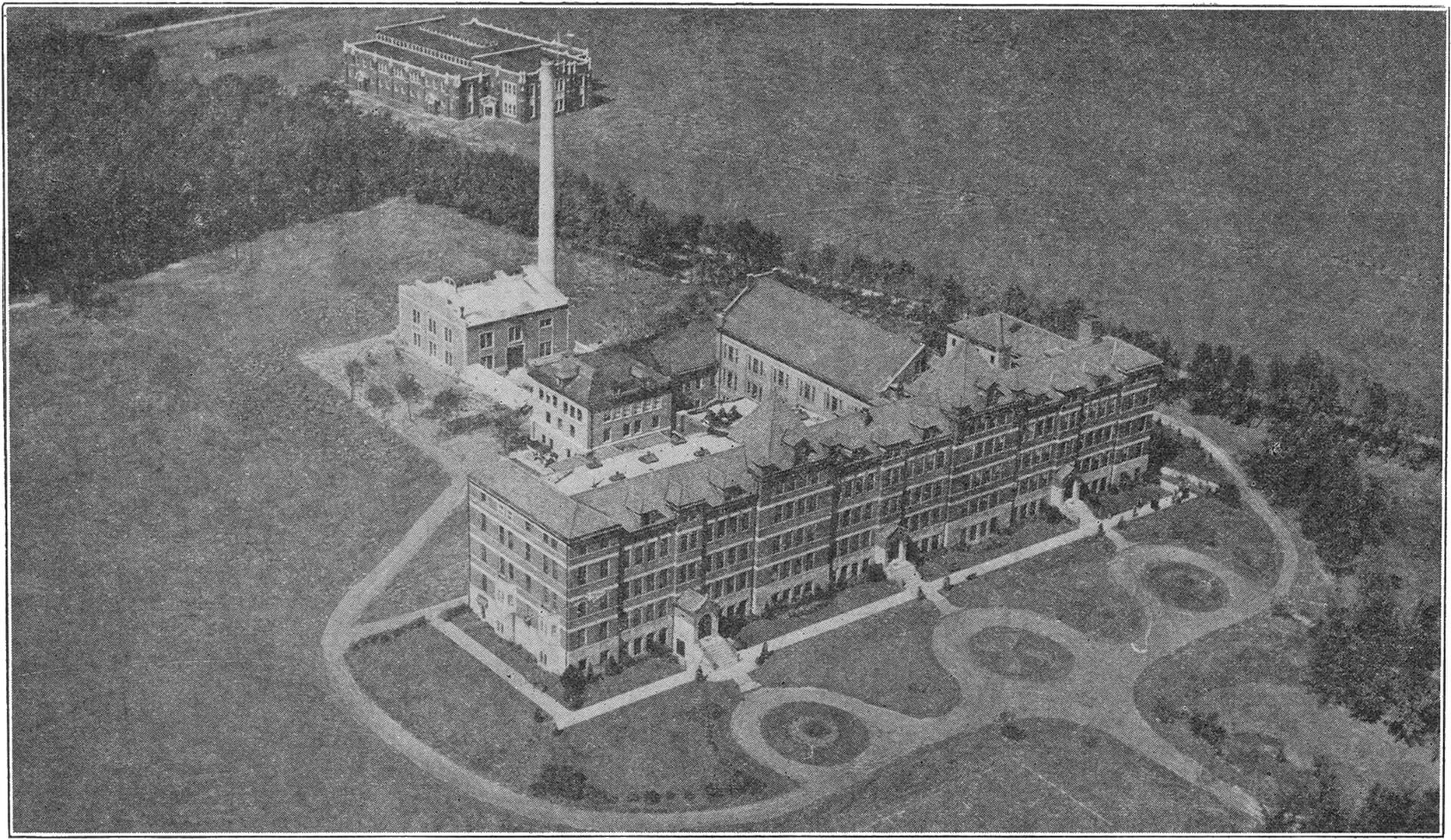
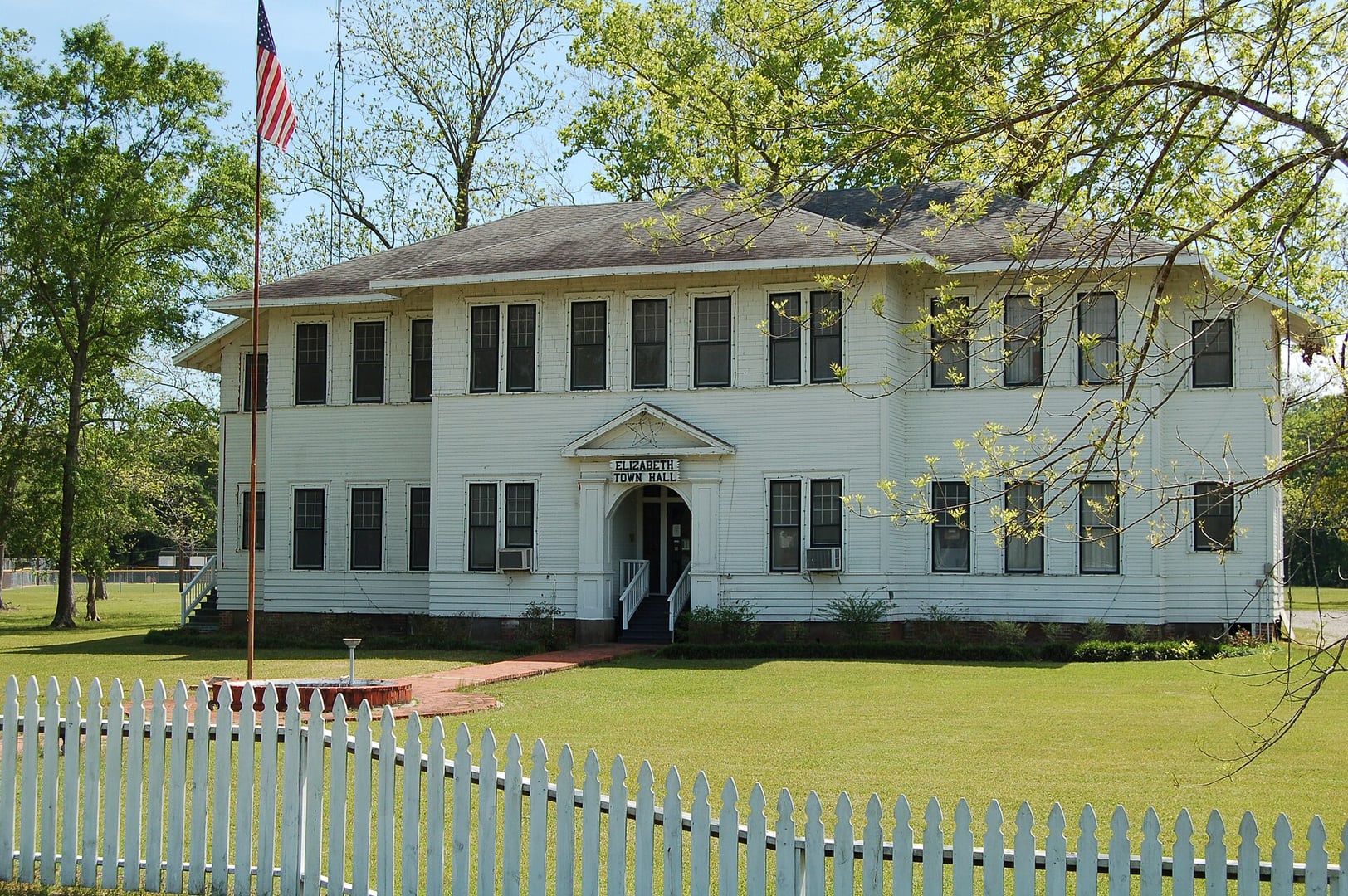
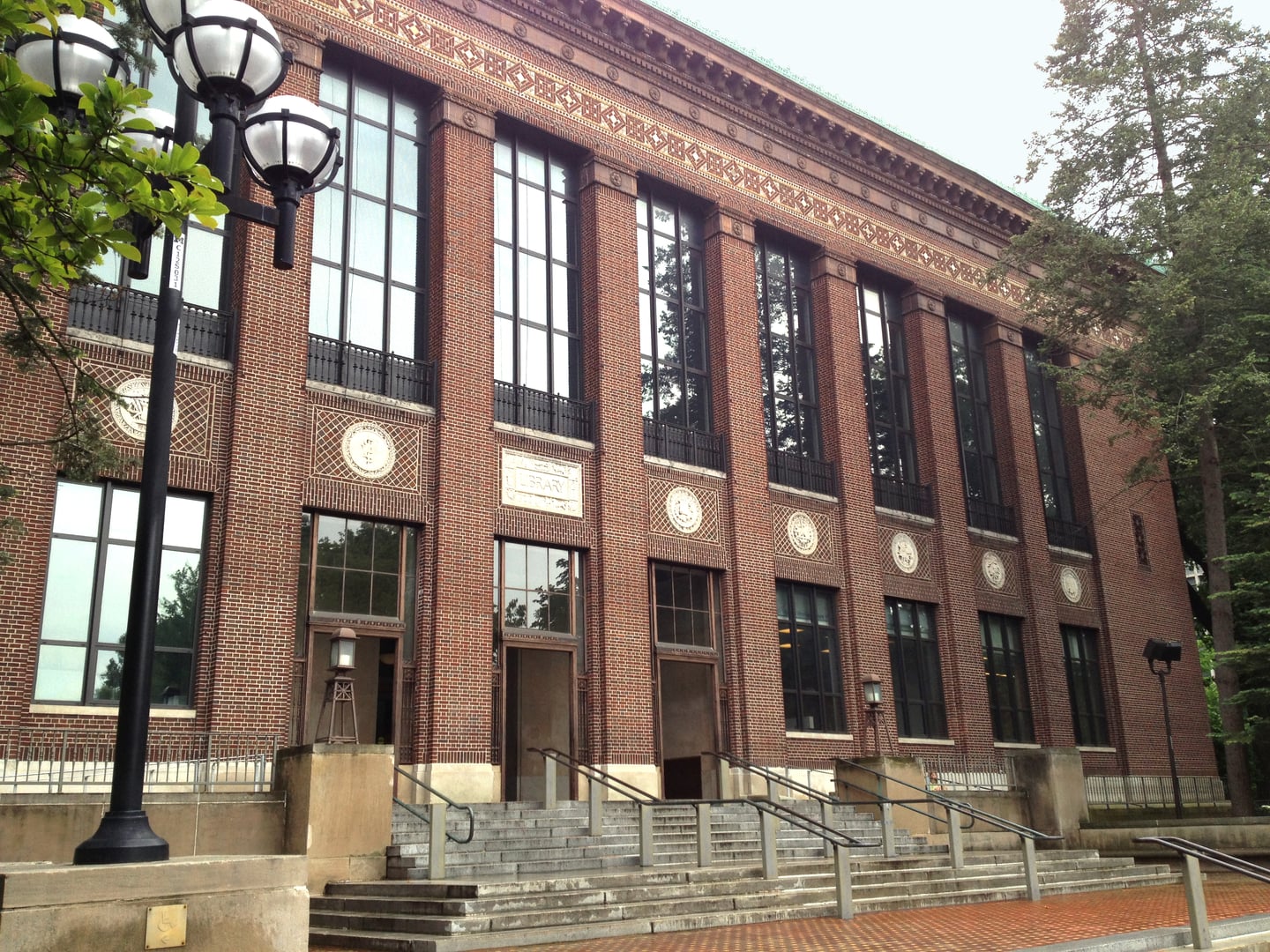
The Broken Bow Public Library occupies a repurposed historic structure—the former Broken Bow High School building. The original educational facility served the local community's secondary students for decades before transitioning to public library use. A dedicated group of local businessmen donated the property to the city, enabling its conversion into the Broken Bow Public Library.
This conversion reflects a common community pattern in Oklahoma—adaptive reuse of aging educational facilities to meet evolving public service needs. Rather than demolish the structure, the community recognized its utility and transformed it into a cultural institution serving a different demographic and purpose.
Broken Bow is situated in central McCurtain County, in the southeastern corner of Oklahoma, approximately 12 miles north-northeast of Idabel, the county seat, and 16 miles west of the Arkansas border. The town represents typical rural Oklahoma settlement patterns and community infrastructure.
The library operates as part of the Southeast Oklahoma Library System, providing resources and community services to Broken Bow residents. The historic building continues to serve a public function more than a century after its original construction as an educational facility.
Sources
- https://www.seolibraries.com/about/hours-locations/broken-bow
- https://en.wikipedia.org/wiki/Broken_Bow,_Oklahoma
Disembodied voicesPhantom soundsCold spotsDisembodied laughterResidual haunting
The primary paranormal phenomena associated with the Broken Bow Library center on auditory manifestations and ambient environmental anomalies. Multiple layers of disembodied voices have been documented, suggesting different categories of spirits or psychic imprints.
The most prominent accounts involve disembodied voices engaged in heated arguments. These vocalizations are heard in the southeastern corner of the building, particularly during evening hours as the library prepares to close. The voices are described as either teenage or adult in register, suggesting conflict or emotional distress among past students or staff from the building's educational era. The arguments are described as loud enough to be clearly heard, yet no visible speakers are present.
Additional vocal phenomena include the sounds of small children laughing and playing—a distinct acoustic signature separate from the adult arguing. These childish vocalizations suggest either a different temporal layer of psychic imprint, or spirits of younger individuals connected to the building's past.
Temperature anomalies accompany these auditory phenomena. Cold spots, specifically concentrated in the southeastern corner of the building, create environmental anomalies inconsistent with standard heating or air conditioning. The cold chills appear to correlate with the auditory manifestations, suggesting a connection between the emotional/psychic activity and physical environmental responses.
The pattern of phenomena—voices and cold spots concentrated in a specific building sector during specific hours—suggests residual haunting rather than intelligent manifestation. The spirits appear to be replaying past moments of emotional intensity from the building's educational history.