Est. 1914 · Enrico Caruso 1920 Performance Venue · Civic Architecture · National Register of Historic Places · Performing Arts Heritage
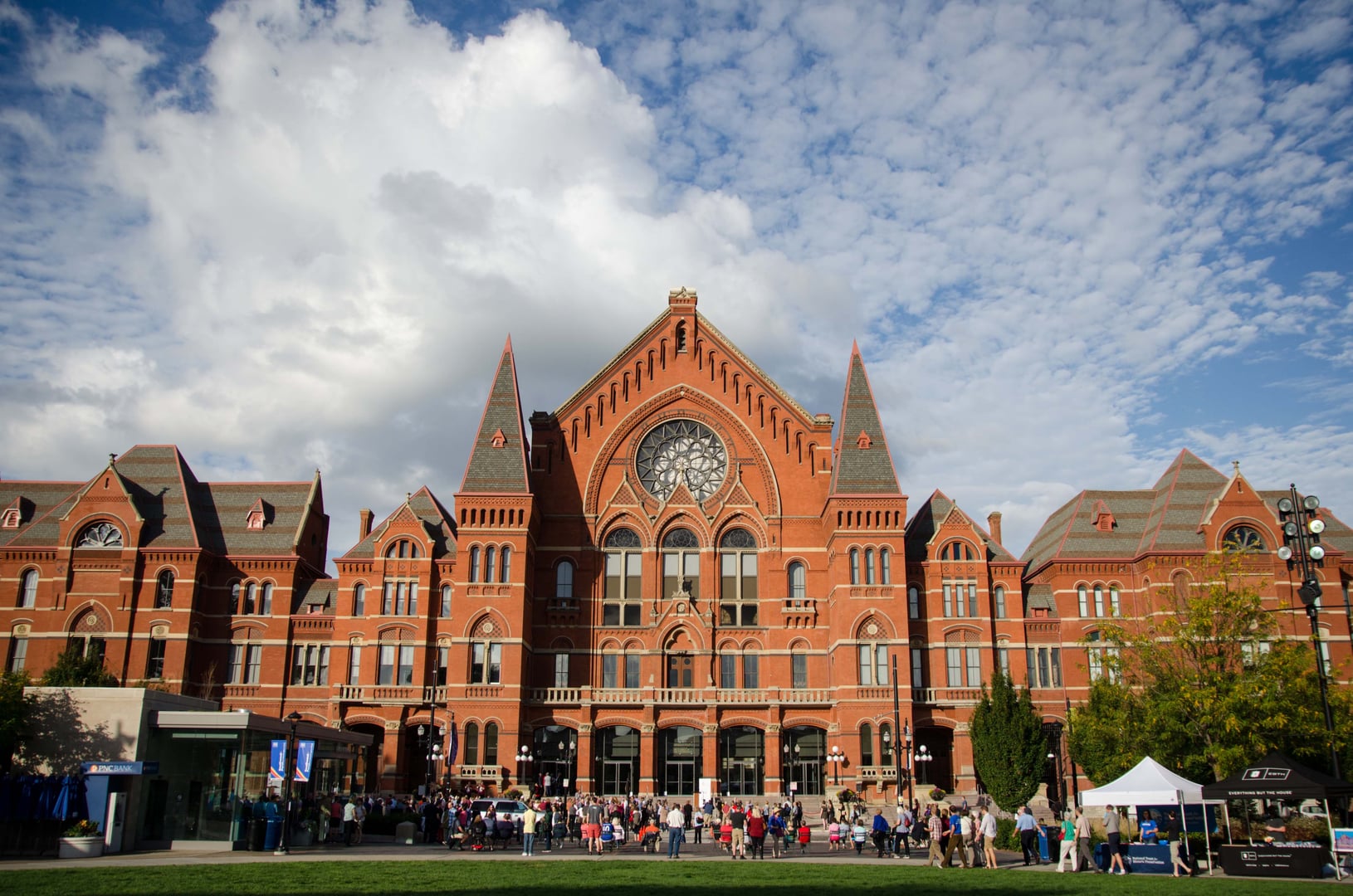
The Tulsa Theater stands as a monumental public assembly facility completed in 1914, representing early 20th-century civic optimism and cultural investment. The building was constructed following the approval of a $125,000 bond issue by the City of Tulsa, reflecting the municipality's commitment to cultural infrastructure.
Designed by the architectural firm Rose and Peterson of Kansas City, Kansas, the building combined elegant theatrical design with functional convention and assembly spaces. Located at the corner of W. Reconciliation Way and N. Boulder Avenue, the theater became a destination for major touring productions and world-class performers.
During its heyday, the venue hosted artists of international renown, including the legendary tenor Enrico Caruso, who performed here in October 1920. Caruso died on August 2, 1921, in Naples, of a subphrenic abscess — the illness that ended his career began in December 1920 in New York, when he hemorrhaged during a Brooklyn Academy of Music concert and suffered a collapse on December 24 at the Metropolitan Opera. The Tulsa engagement predated that December crisis by roughly two months. Local legend holds that a cold Caruso reportedly caught during his Oklahoma visit contributed to his final illness, though the medical record does not support a direct causal link.
The building was expanded and remodeled in 1952 with additions to the front and rear. In 1978, the City of Tulsa sold the venue by sealed bid to local entrepreneur Peter Mayo, who has owned and operated it since. The theater was listed on the National Register of Historic Places in 1979, recognizing its architectural and cultural significance.
In 2019, the building was officially renamed Tulsa Theater due to the association of the previous namesake, W. Tate Brady, with the Ku Klux Klan—a historical correction reflecting contemporary values and an acknowledgment of the building's true purpose as a space for cultural inclusion.
The official Tulsa Theater event listings provide the current schedule and Buy Tickets controls.
Sources
- https://en.wikipedia.org/wiki/Tulsa_Theater
- https://www.tulsatheater.com/venue-info/
- https://cinematreasures.org/theaters/15220
- https://en.wikipedia.org/wiki/Enrico_Caruso
- https://tulsaworld.com/photovideo/slideshows/throwback-tulsa-galllery-ma-hu-mansion-hex-house-and-tulsa/collection_3c475c5a-5771-59e4-94af-fde6875fadd3.html
- https://smalltowntravelguide.com/usa/ok/tulsa/us-ghost-adventures/
ApparitionsPhantom footstepsPhantom soundsObject movementDisembodied voicesResidual haunting
The most prominent haunting narrative involves Enrico Caruso, the legendary Italian tenor who performed at Brady Theatre in 1920. Caruso's presence in Tulsa marked a significant cultural moment, yet it would prove fateful. During his Oklahoma performances, Caruso contracted a cold that developed into pleurisy—a respiratory inflammation that ultimately claimed his life on August 2, 1921, in New York. Local legend holds that this final illness began during his Tulsa engagement, making the theater a poignant final chapter in the life of one of history's greatest singers.
Paranormal accounts describe Caruso's ghost as an intelligent, conscious presence within the theater—a residual manifestation tied to his final performance before death. Witnesses report sensing his presence during performances, particularly during operatic productions where the emotional weight of great vocal artistry might strengthen his psychic connection to the space.
Secondary paranormal accounts involve a separate tragedy: a workman employed in theater maintenance who fell from a ladder and died. This accident created another layer of traumatic history within the building. The phantom associated with this death is characterized as kinetic and somewhat chaotic in nature. Objects have been found displaced—ladders and theater equipment moved from their original positions without human explanation. Unexplained noises occur throughout the building, including disembodied footsteps and sounds consistent with construction or maintenance activity.
Together, these two haunting narratives—the romantic ghost of a legendary performer and the disrupted spirit of a workman—create a complex paranormal environment within Tulsa Theater (formerly Brady Theater). The building's function as a stage intensifies these manifestations, as the boundary between performance, emotion, and psychic reality becomes permeable within theatrical spaces.
Notable Entities
Enrico CarusoThe Workman