Est. 1978 · Cherokee Nation Capital · Former City Hospital · Adaptive Reuse
Tahlequah, the seat of Cherokee County, served as the capital of the Cherokee Nation following the Trail of Tears in the 1830s and 1840s. The Cherokee National Capitol Building, built between 1867 and 1869 a few blocks away, served first as the Cherokee Capitol and then, after Oklahoma statehood in 1907, as the original Cherokee County Courthouse for many decades.
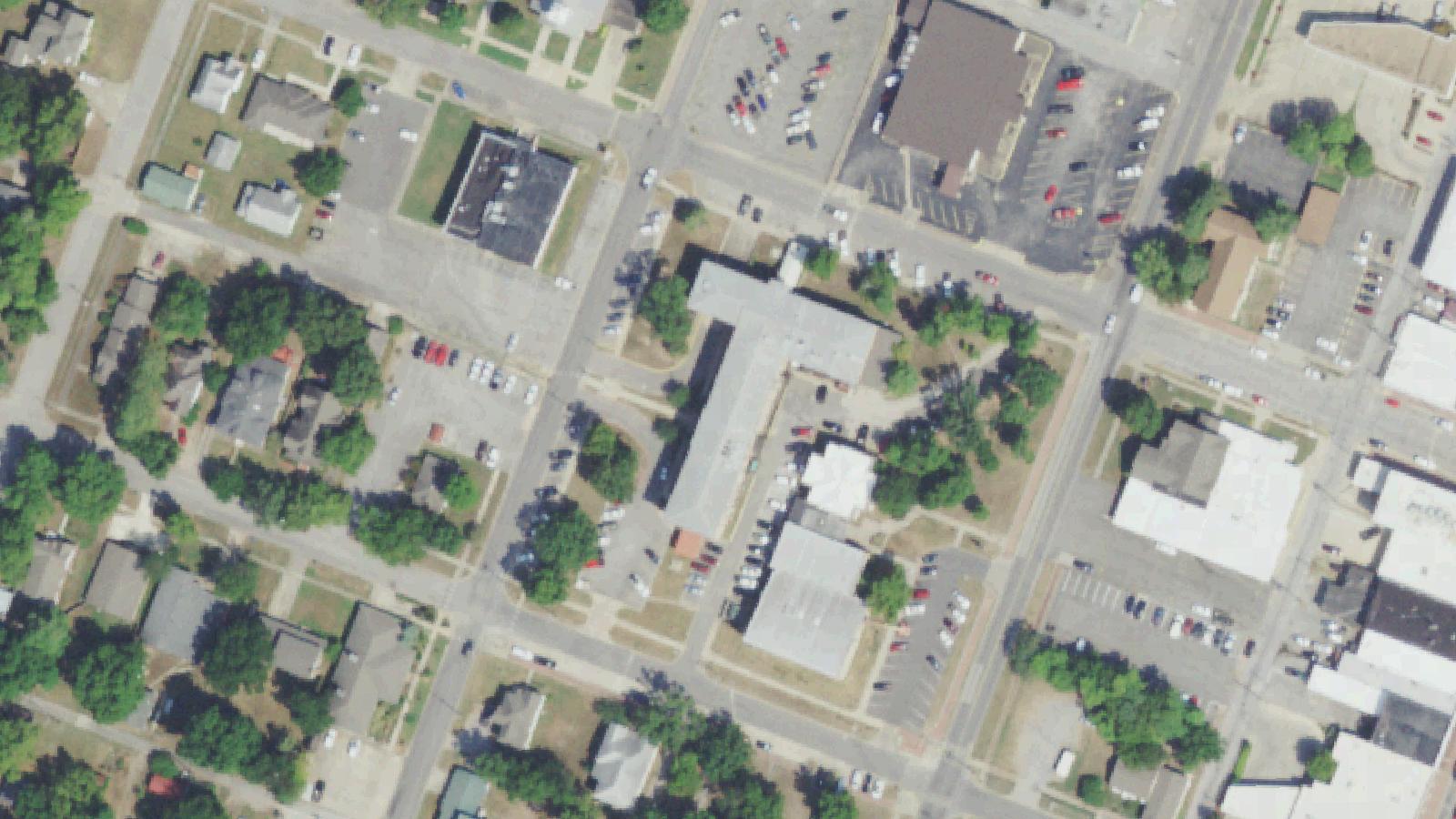
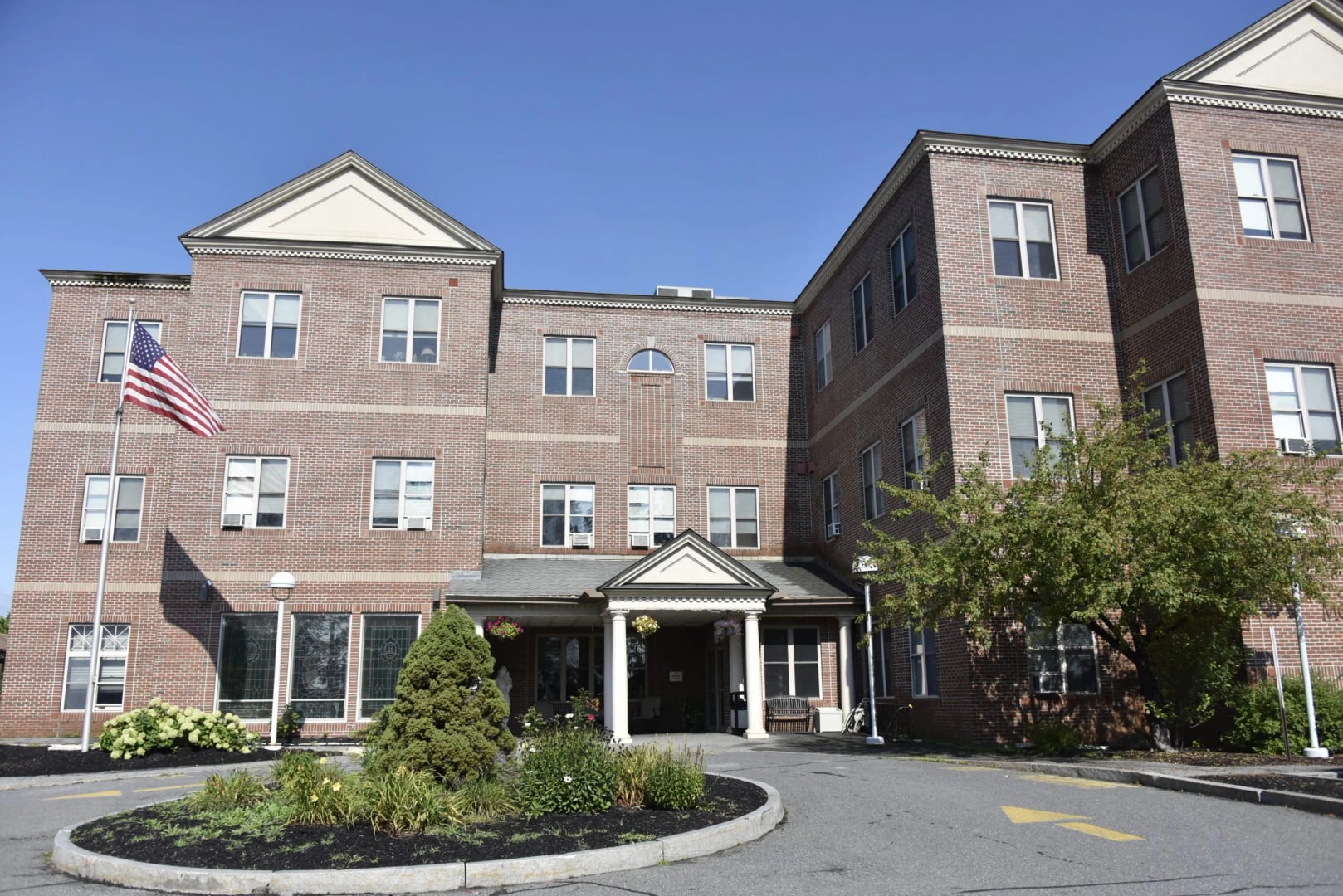
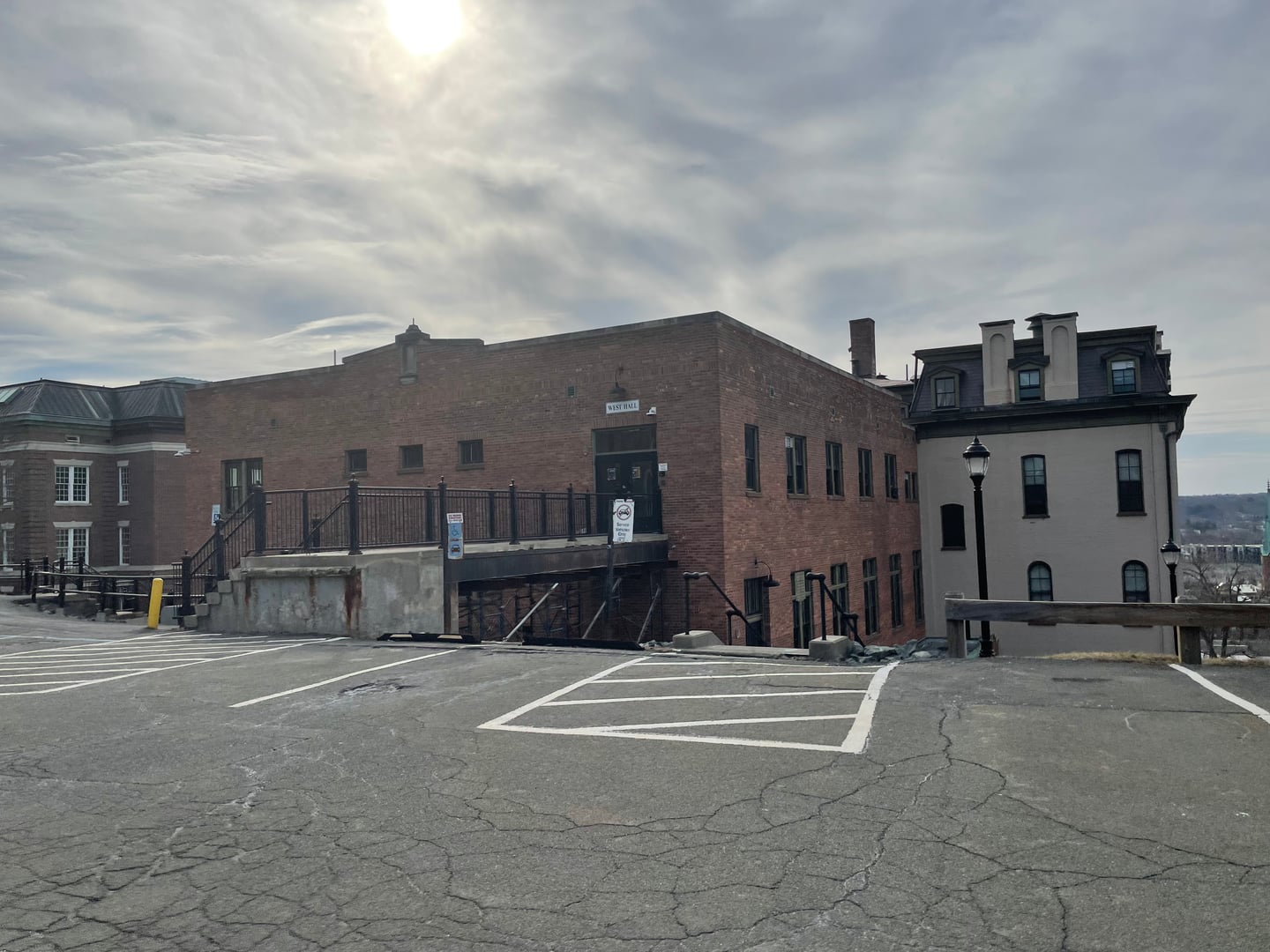
The current Cherokee County Courthouse, located on West Delaware Street, is a separate building. It was formerly a city hospital and was remodeled in 1978-79 for use as a courthouse and city hall. The building faces north and is a two-story light-red brick and concrete structure on a T-shaped plan with an east-west wing on the north side and a center wing extending south. The interior reuses former hospital spaces: the first-floor police department occupies the building's former emergency-room area, the second floor houses the sheriff's department and dispatch center, and the third floor (formerly the operating rooms) holds the district court and district attorney's offices.
The building's hospital era ended with the construction of newer medical facilities in Tahlequah, after which the building was repurposed for county and municipal use. Tahlequah today remains a town strongly identified with Cherokee Nation history and government, with the Cherokee National Capitol Building serving as a museum and the Cherokee Supreme Court Building also documented on the National Register of Historic Places.
Sources
- https://courthouses.co/us-states/o-u/oklahoma/cherokee-county/
- https://www.okhistory.org/publications/enc/entry?entry=TA002
- https://www.okhistory.org/publications/enc/entry?entry=CH017
Phantom soundsDoors opening/closing
Night staff at the Cherokee County Courthouse have, over the years, described a consistent set of unexplained sounds rooted in the building's prior life as a city hospital. In the jail visitation area on the second floor, a large Plexiglas wall and connecting door make a heavy, distinctive bass noise when the door is closed and flexes the panel. Staff have reported hearing that exact sound at night and finding the surveillance cameras showing the door perfectly still, with no one in the area.
The third floor is the more-told version of the story. When the building was a hospital, this floor held the operating rooms and was finished in large-cracked ceramic tile. It has been carpeted for many years, with the only remaining hard flooring being smooth vinyl. Dispatchers on the second floor describe occasionally hearing what sounds like the wheels of a hospital gurney being rolled across cracked ceramic tile overhead — sometimes slow, sometimes sprinting. Deputies have responded to check the floor when the sounds occur and have consistently found it dark, empty, and floored in vinyl that would not produce the click-click cadence reported. The reports remain staff anecdotes; we found no formal investigation publication on the building.