Est. 1913 · Tri-State Lead-Zinc Mining District · World War I and World War II Munitions Supply · EPA Superfund Site · Pediatric Lead Poisoning Crisis · Forced Municipal Dissolution
Picher's mines began producing in earnest around 1913, part of the broader Tri-State Mining District spanning northeastern Oklahoma, southeastern Kansas, and southwestern Missouri. At peak production in the 1920s and 1930s, the district supplied roughly 50 percent of the world's lead and zinc. Picher and its immediate neighbors — Cardin, Quapaw, and Commerce — were company towns in the truest sense: Eagle-Picher Industries and other operators controlled employment, housing, and commerce.
The mines supplied 75 percent of the lead and zinc used in American bullets and bombs during World War I, and significant quantities during World War II. This wartime production is documented in federal records and was long a point of local pride. The human cost was slower to arrive in official memory.
By the 1950s the ore was running out. Mining wound down through the 1960s. What remained were more than 70 million tons of chat — the finely crushed tailings left after ore separation — piled in mountains up to 200 feet tall, and a subsurface riddled with 14,000 open mine shafts. In 1983 the EPA placed the Tar Creek Superfund site, which includes Picher, on the National Priorities List.
A 1994 federal health study found 34 percent of children in Picher and neighboring towns had blood lead levels above the CDC's action threshold of 10 micrograms per deciliter. The figure represented one of the worst pediatric lead poisoning rates ever documented in a U.S. community at that time. Residents were offered voluntary buyouts beginning in 1997; mandatory buyouts followed.
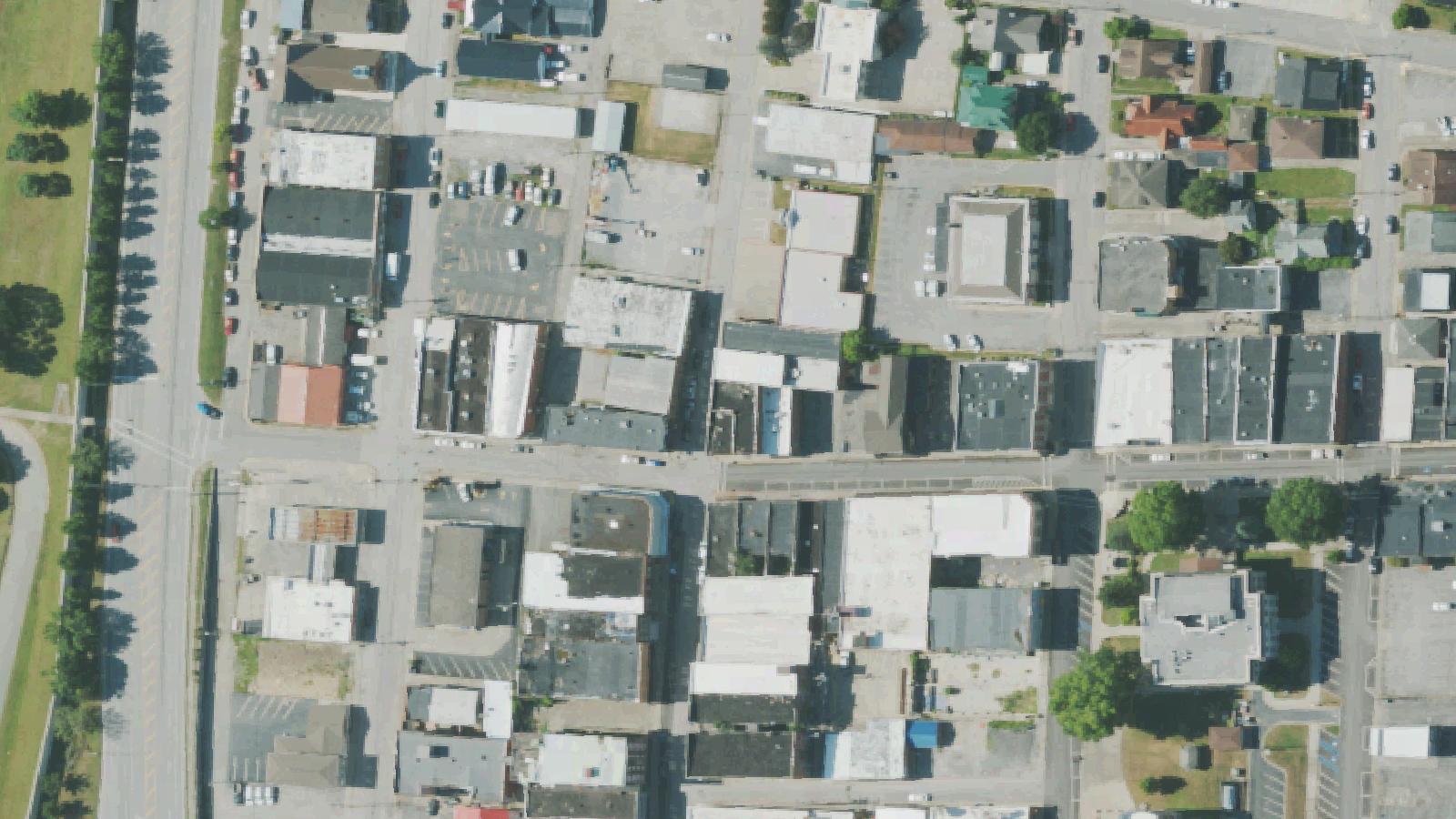
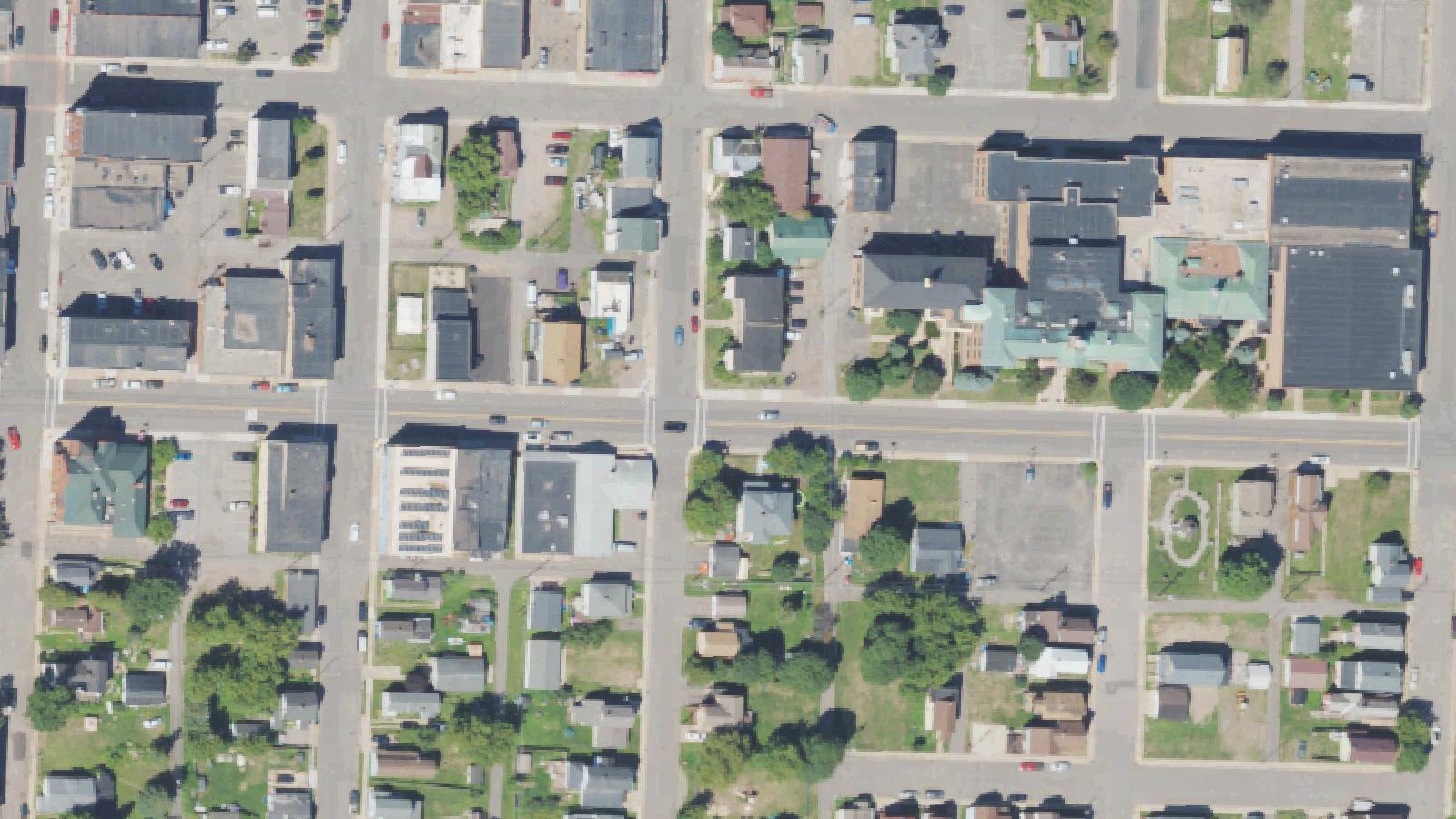
In May 2008, an EF4 tornado struck Picher and killed six people, accelerating the final evacuation. The town's population, which had peaked near 14,000 in the 1920s, was below 20 year-round residents by 2009. The municipality of Picher was formally dissolved in 2013. Its former streets remain publicly driveable.
Sources
- https://en.wikipedia.org/wiki/Picher,_Oklahoma
- https://quirkytravelguy.com/visiting-picher-oklahoma-ghost-town-toxic-waste/
- https://www.travelandtourworld.com/news/article/picher-oklahoma-from-mining-boom-to-toxic-wasteland-the-dark-tourism-destination-that-comes-alive-once-a-year/
Oppressive atmosphereSense of absence
Picher is not a haunted town in the conventional sense, and residents and observers who have written about it are consistent on that point: what makes it disturbing is not spirits but facts. The chat piles — pale gray, mathematically enormous, impossible to photograph adequately — are real industrial ruins built from the waste of a process that poisoned children across two generations.
The annual Christmas parade tradition, in which former residents return each December to drive through the empty streets, has been documented by regional journalists and photographed widely. It is the most-cited detail in dark tourism writing about Picher: a community returning to a place that is legally uninhabited to enact the rituals of a town that no longer exists. The Discovery Channel's Forgotten Planet series featured Picher in 2011 as one of America's abandoned industrial communities.
Some former residents have reported an emotional weight to returning that they describe in terms that approximate the uncanny — the intact grid of streets, the silence, the chat piles still standing exactly as they were left. But these are accounts of trauma and loss rather than paranormal experience. No ghost sightings, EVP records, or paranormal investigations are documented at Picher in the published record.
The site's primary significance for dark tourism researchers is its clarity: the cause-and-effect relationship between the mining industry's operations and the public health disaster that followed is unusually well-documented, and the physical evidence — 70 million tons of chat visible to the unaided eye — is still there.
Media Appearances
- Forgotten Planet (television series, 2011)
Where this legend is told