Est. 1900 · Michigan's worst industrial disaster — 51 deaths · Bodies never recovered — mine became permanent grave · Prompted Michigan mining inspection reform · Memorial park in development, Ely Township
The Barnes-Hecker Mine, an iron ore operation on the Marquette Iron Range in Ely Township, had been producing ore since the early twentieth century. By 1926 it was operated by the Cleveland-Cliffs Iron Company. The mine extracted ore from a network of underground drifts and shafts that extended beneath the nearby terrain.
At approximately 6:30 a.m. on November 3, 1926, a section of the mine's roof gave way. The cave-in opened a connection to an overlying body of water — likely Barnes-Hecker Lake — and water poured into the workings at a rate that overwhelmed any possibility of escape. Fifty-one men were underground at the time; all 51 died, including Marquette County mine inspector John Lehto, who was conducting a routine inspection. Only one man, Andrew Maki, had been working near the mine entrance and escaped before the flooding cut off egress.
The bodies were never recovered. Repeated attempts to re-enter the flooded workings were abandoned as unviable. The mine effectively became a mass grave, sealed by the water that killed its crew. The disaster prompted significant revisions to Michigan mining inspection regulations.
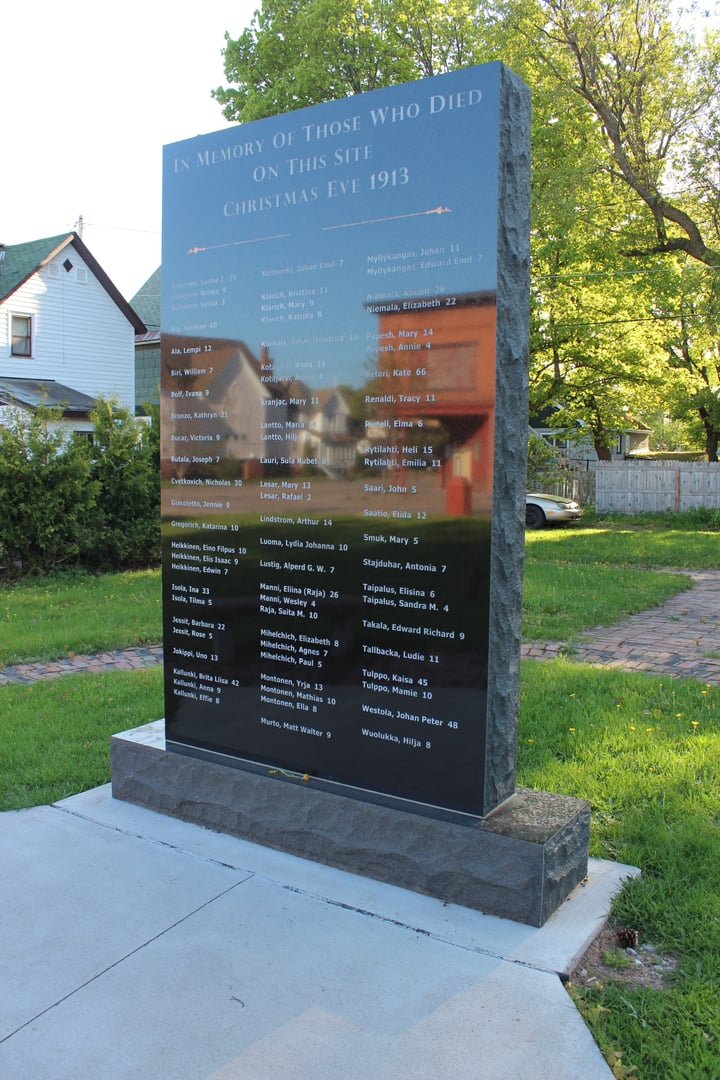
For decades, commemoration of the Barnes-Hecker disaster was largely informal. A digitization project launched in 2025-2026 by regional historians captured photographs, documents, and oral history recordings from families of the victims. A formal memorial park is being developed in Ely Township with bronze plaques naming each victim, funded through local historical preservation channels. The Cliffs Shaft Mine Museum in Negaunee holds the most developed public exhibit on Marquette Iron Range mining history and includes material on the Barnes-Hecker disaster.
Sources
- https://en.wikipedia.org/wiki/Barnes-Hecker_Mine_Disaster
- https://www.uppermichiganssource.com/2025/11/17/barnes-hecker-mine-disaster-memorial-works-ely-township/
- https://www.wnmufm.org/northern-arts-culture/2026-03-19/barnes-hecker-mining-disaster-digitization-days-memorial-park-and-more
- https://usminedisasters.miningquiz.com/saxsewell/barnes_hecker.htm
The Barnes-Hecker Mine disaster does not have a body of ghost accounts the way Michigan's lighthouse tragedies or theater haunting sites do. The 51 men who died on November 3, 1926 were never retrieved; their mine became their grave, sealed beneath Ely Township. That fact — a mass burial underground, accessible to no one — has shaped how locals speak of the site in terms of memorial solemnity rather than paranormal speculation.
The disaster did produce the kind of community memory that persists across generations. Families of the victims kept the story alive through oral tradition; some descendants describe the mine's location as ground that should not be disturbed. Regional mining historians note that awareness of Barnes-Hecker is higher among long-term Upper Peninsula residents than among visitors, in contrast to more commercially promoted disaster sites.
As the formal memorial park takes shape in Ely Township, the site will gain interpretive infrastructure for the first time. For now, the most accessible way to engage with this history is through the Cliffs Shaft Mine Museum in Negaunee, which contextualizes Barnes-Hecker within the broader arc of Marquette Iron Range mining and its human cost.
Where this legend is told