Est. 1903 · Founded 1866 as Western Health Reform Institute · Dr. John Harvey Kellogg developed corn flakes here — origin of the breakfast cereal industry · Converted to Percy Jones Army Hospital 1942 — WWII amputee rehabilitation center · Treated future Senators Bob Dole, Philip Hart, and Daniel Inouye · Now Hart-Dole-Inouye Federal Center — no public access
The Battle Creek Sanitarium traces its origins to 1866, when the Western Health Reform Institute was established by the Seventh-day Adventist church on a modest property in south Battle Creek. The institution changed names and management before a devastating fire in 1902 destroyed much of the original building. The replacement facility, completed in 1903 and designed by Frank M. Andrews, was a dramatically scaled eleven-story Italian Renaissance structure that projected the sanitarium's ambitions onto the downtown skyline.
Dr. John Harvey Kellogg, who had been medical superintendent since 1876, made the rebuilt sanitarium internationally known. Under his administration the facility combined conventional medicine with Adventist health principles — vegetarianism, abstinence from alcohol and tobacco, vigorous exercise, and hydrotherapy. The grain-based foods Kellogg developed to replace meat in the patient diet became commercially significant: corn flakes, developed through a process he patented in 1896, spawned the American breakfast cereal industry. His brother William Keith Kellogg commercialized the product independently, founding what became the Kellogg Company in Battle Creek in 1906.
At its peak the sanitarium housed more than a thousand patients and employed a staff of several hundred. The clientele included industrialists, politicians, and celebrities, giving the institution a social prominence beyond its medical function. John Harvey Kellogg operated it until 1943, when financial pressures during the Depression and wartime had already undermined its viability as a private health resort.
In 1942 the federal government acquired the property and converted it into Percy Jones Army Hospital, a specialty rehabilitation center focused on amputees, peripheral nerve injuries, and neurosurgical cases from the European and Pacific theaters of World War II. Among the thousands treated there were three future U.S. Senators: Bob Dole of Kansas, who lost the use of his right arm at Percy Jones; Philip Hart of Michigan, who was treated for a wartime injury; and Daniel Inouye of Hawaii, who lost his right arm in combat in Italy. The intersection of their recoveries in the same building gave the federal center its current name — the Hart-Dole-Inouye Federal Center — after all three men had served in the Senate.
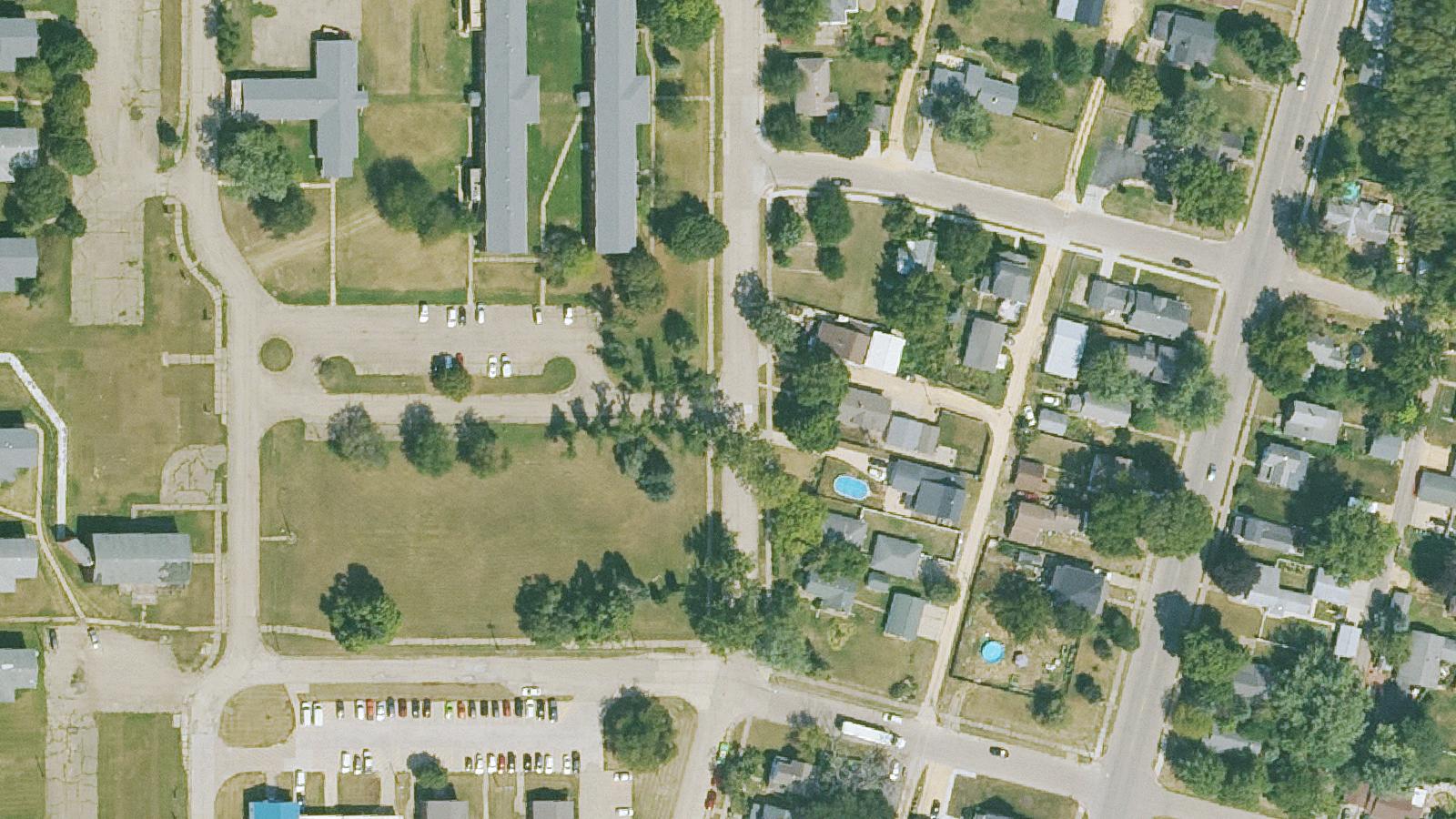
The building has operated as federal office space since the hospital's closure. Access is restricted to federal employees and credentialed visitors; no public tours operate. The exterior remains visually intact and is viewable from the surrounding streets.
Sources
- https://en.wikipedia.org/wiki/Hart%E2%80%93Dole%E2%80%93Inouye_Federal_Center
- https://www.thehenryford.org/explore/blog/percy-jones-general-hospital-battle-creek-michigan
- https://www.atlasobscura.com/places/former-battle-creek-sanitarium
The dark-tourism appeal of the Hart-Dole-Inouye Federal Center is rooted in history rather than paranormal tradition. Dr. John Harvey Kellogg's sanitarium was not only a health resort; it was also the site of significant medical experimentation. Kellogg performed hundreds of surgeries on patients — including routine intestinal procedures based on his theories about autointoxication — and deaths occurred at the facility over its decades of operation. The grand building's sealing from public access has concentrated speculation about what remains inside.
The Percy Jones Army Hospital chapter adds another layer. The facility processed thousands of men with catastrophic injuries during World War II. Amputations, reconstructive surgeries, and the psychological toll of disability created an environment of acute suffering within the building. Bob Dole, who spent thirty-nine months recovering from a right-arm injury that left him permanently disabled, described Percy Jones as a turning point that shaped his subsequent public life. Daniel Inouye underwent the amputation of his right arm after sustaining a grenade wound while leading his platoon in Italy — he was nineteen years old.
No documented ghost-hunting tradition or formal paranormal programming is associated with the site. The federal government's restricted access has prevented the investigator visits that typically generate the specific encounter reports that populate haunted-location databases. The building's appeal is as a place where American history compresses: cereal commerce, health-reform ideology, and wartime medical sacrifice all present in the same structure, inaccessible and largely unchanged.
Notable Entities
Dr. John Harvey KelloggBob DolePhilip HartDaniel Inouye
Media Appearances
- T.C. Boyle's The Road to Wellville (novel, 1993)
- The Road to Wellville (film, 1994)
Where this legend is told