Est. 1908 · 1913 Italian Hall Disaster — 73 victims, 59 children · Copper Strike of 1913 Labor History · National Park Service Memorial Site · Annual December 24 Commemoration
By December 1913, the Western Federation of Miners had been on strike against the copper mining companies of Michigan's Keweenaw Peninsula for five months. Tension between strikers, company guards, and local officials had already produced violence; the companies hired armed men who clashed repeatedly with strikers on the streets of Calumet and neighboring towns.
On December 24, 1913, the miners' union Local 15 organized a Christmas party for striking families in the second-floor hall of the Italian Benevolent Society building at 7th and Elm in Calumet. Approximately 700 people attended — adults and children of Italian, Finnish, Croatian, and other immigrant mining families. At about 2:30 in the afternoon, someone at or near the door shouted 'fire.' No fire existed. Witnesses later gave conflicting accounts of who shouted and why; no one was ever charged. The accounts consistently noted that several men — some later described as wearing Citizens' Alliance buttons, an anti-union organization — were seen near the stairwell around the time of the cry.
The hall's single usable exit was a steep stairway to the street. Panicking attendees rushed toward it. The doors at the bottom of the stairs opened inward. The crowd compressed and could not push them open. Seventy-three people died from crushing asphyxiation — 59 of them children. The youngest victim was two years old.
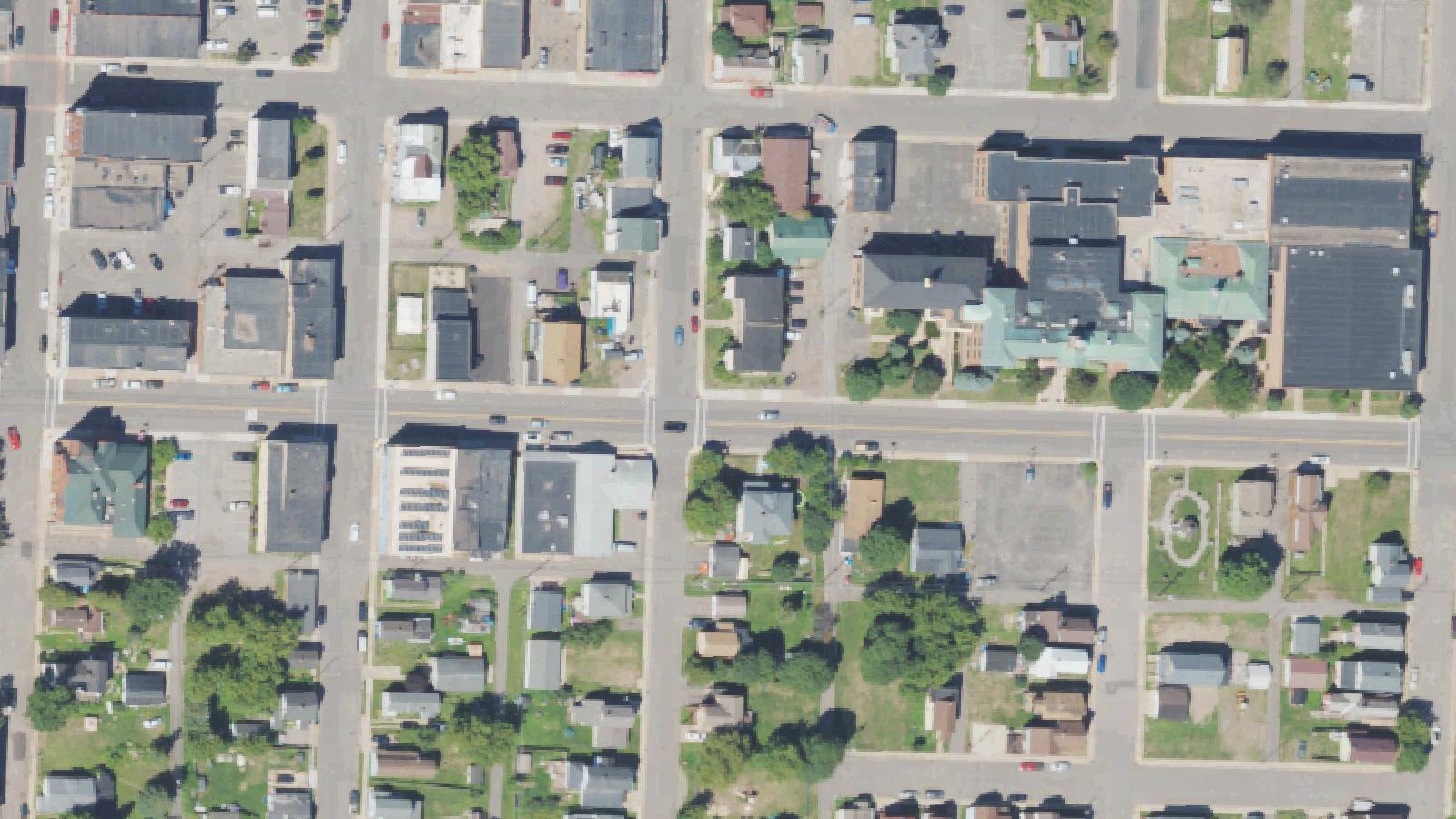
The disaster galvanized national labor movement attention. The union accused the copper companies of orchestrating the false alarm. A congressional investigation was launched but produced no criminal charges. The Italian Hall continued to operate until its demolition in 1984. The National Park Service, administering Keweenaw National Historical Park, preserved the building's main archway and created the current memorial park on the footprint of the demolished hall. Annual commemoration services are held each December 24.
Sources
- https://en.wikipedia.org/wiki/Italian_Hall_disaster
- https://www.nps.gov/places/italian-hall-memorial-park.htm
- https://www.nps.gov/kewe/learn/historyculture/italian-hall.htm
Atmospheric heavinessResidual sense of presence
The Italian Hall site is maintained by the National Park Service as a historical memorial rather than a paranormal attraction. The documented history of 73 deaths — most of them children — on Christmas Eve 1913 is the primary reason for its place in dark tourism.
The Calumet Theatre, two blocks away on 6th Street, serves a related but distinct role in local ghost lore. The theatre was commandeered as a temporary morgue in the hours after the disaster, where families identified the dead. Visitors to the theatre have reported apparitions of unidentified adults and children on the stage and in the seating area; local guides have long associated these accounts with the events of Christmas Eve 1913. The theatre was documented by Travel Channel programming in 2018.
At the Italian Hall memorial archway itself, visitor accounts are quieter — people describe a particular stillness and weight at the site, and some report the persistent sense that the space is not empty. These impressions align with what visitors commonly describe at mass-casualty memorial sites and are not systematically documented as paranormal events.
Any visit to the Italian Hall site benefits from pairing with the Keweenaw NHP visitor center and the [[Calumet Theatre]], where the documented dark history and its reported echoes are most directly presented.
Where this legend is told