Est. 1924 · Built 1924 as Enid Masonic Temple · Masonic operations closed abruptly 1946; upper floors remained largely vacant · Known as the Knox Building in later commercial use · Documented by Wikipedia as the Enid Masonic Temple
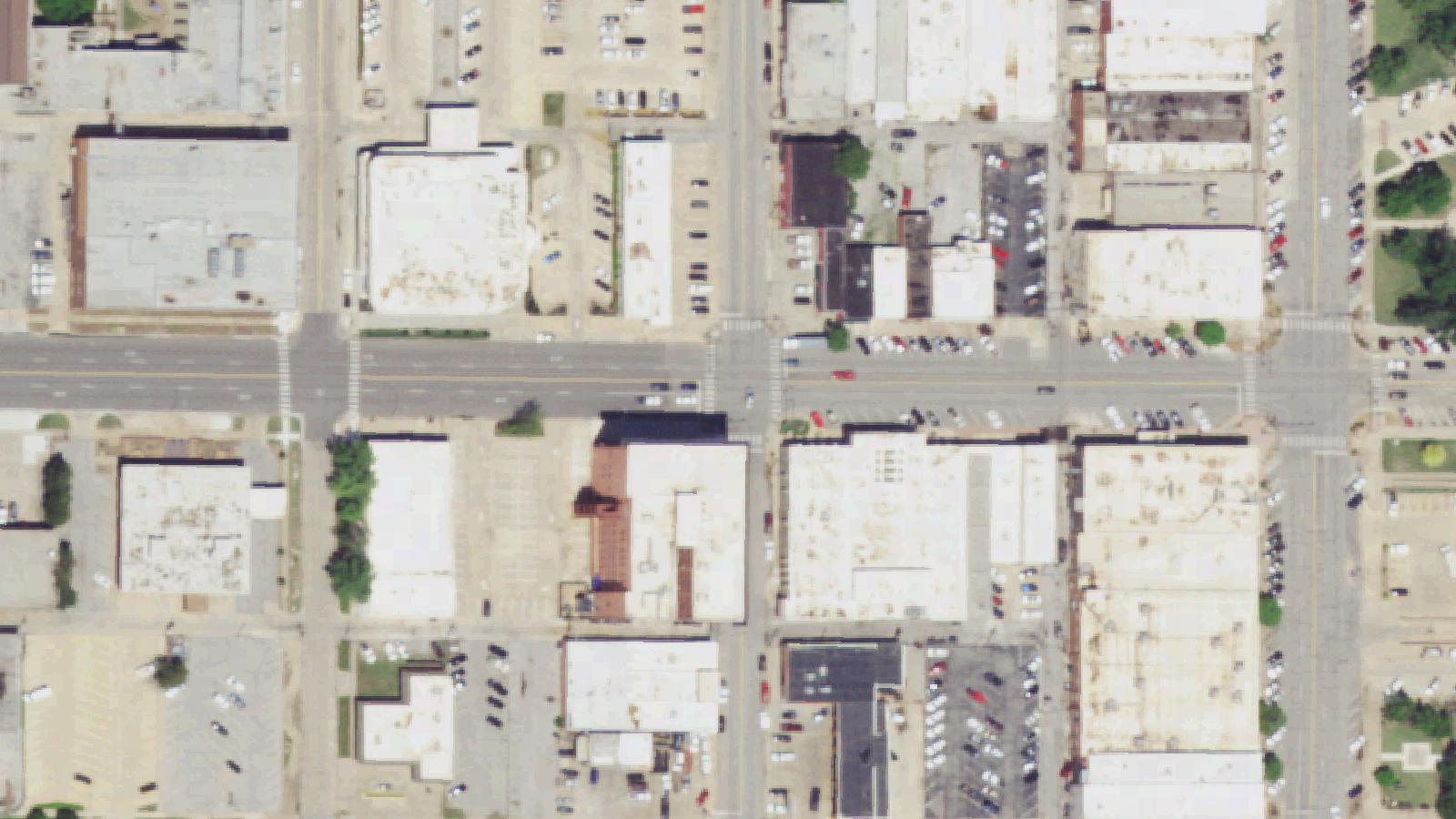
The Enid Masonic Temple was completed in 1924 at 303 W. Broadway in downtown Enid, constructed by the local Masonic lodge as a meeting hall and civic building. The structure is a substantial multi-story building reflecting the civic ambitions of early-twentieth-century Enid, which was then one of Oklahoma's more prominent commercial cities.
According to Wikipedia, the Masonic operations at the building closed abruptly in 1946, and the upper floors remained vacant for years afterward. The building subsequently operated under various commercial uses on its lower floors, becoming known as the Knox Building, while the upper stories accumulated the particular quality of long-disused institutional spaces — sealed off, deteriorating, and accumulating legend.
The building's Masonic origins and abrupt 1946 closure gave it a certain mystique in Enid's local culture. Masonic temples, by virtue of their historical association with secrecy and ritual, attract a layer of popular imagination that often precedes any specific haunted claim. In this case, a specific account attached to the building through the reported death of an elevator repairman in the elevator shaft, and the subsequent sighting of his apparition on the premises. The building was renamed The Cole Building in February 2025 after Kriztofer Cole and William LaVigna bought floors one to three and the basement; the Enid Symphony Orchestra retains floors four and five. The elevator-repairman legend attaches to the building itself, not to any owner.
Sources
- https://en.wikipedia.org/wiki/Enid_Masonic_Temple
- https://www.enidbuzz.com/hauntings-lore/
Apparition of a short man in a blue work suit monogrammed 'George'Unexplained footsteps throughout the buildingDoors opening and closing without causeSounds of phantom music in empty rooms
The Knox Building's principal haunting account involves Doug Newell, described in local sources as a music director for the Enid Symphony, who encountered a short man in a blue work suit with the name 'George' monogrammed on it in the building's stairwell. According to the account, Newell spoke with the man briefly before the figure vanished. When Newell subsequently contacted the elevator service company to report what he assumed was a technician, the company informed him they had sent no one named George to the building.
Local legend holds that George was an elevator repairman who died in the building's elevator shaft at some undetermined point in the past. The Enid Buzz documents the Knox Building as a recognized location in Enid's local haunted history, noting reports of unexplained footsteps, doors opening and closing, and phenomena associated with the building's sheet music — sounds of music heard when no music is playing. The building's long vacancy on its upper floors and its Masonic history contribute to its local reputation as a place where the ordinary rules are somewhat loosened.
The OKHauntedHouses.com entry for the building specifically documents the Doug Newell encounter as the most detailed firsthand account in circulation, treating it as the anchor story for the Knox Building's haunted reputation.
Notable Entities
George (alleged elevator repairman — no archival death record confirmed in sources reviewed)Doug Newell (witness — described as Enid Symphony music director; encounter documented in local sources)