Museum Visit
Saline Courthouse Museum Visit
Guided or self-guided visit to the restored 1884 Cherokee district courthouse, including the springhouse and historic cemetery on the 14-acre grounds.
- Duration:
- 1 hr
HauntBound archive · catalog record
Reported phenomena, as catalogued
The only surviving original Cherokee Nation district courthouse, built in 1884 near Rose, Oklahoma, where 19th-century hangings and an 1897 triple shooting feed reports of restless spirits and a ghostly presence.
55870 S 490 Rd, Rose, OK 74364
Research updated June 2026
Age
All Ages
Cost
Free
Operated by Cherokee Nation Cultural Tourism; admission is typically free. Confirm hours and access before visiting.
Access
Limited Access
Rural 14-acre site with a historic stone-and-timber courthouse, springhouse, and historic cemetery; uneven ground.
Equipment
Photos OK
Est. 1884 · Only surviving original Cherokee Nation district courthouse (one of nine) · Served the Saline District until the Cherokee court system ended c. 1898-1902 under the Curtis Act · Site of late-19th-century executions and the deadly September 1897 Saline Courthouse massacre (Baggett and Ridge killed Sept. 20; Sunday died the following day) · Restored and reopened as a museum in 2019 under Cherokee Nation Cultural Tourism
The Saline Courthouse was built in 1884 to serve as the seat of justice for the Saline District of the Cherokee Nation, one of nine judicial districts in Indian Territory. It is the only one of those nine original Cherokee district courthouses that survives today, making it a uniquely important piece of Cherokee governmental and architectural history. The courthouse sits on rural land near the small community of Rose, on the border between Mayes and Delaware counties — it is frequently associated with the nearby town of Salina but is not located within it.
The court functioned for the Saline District until the Cherokee Nation's independent court system was shut down by the federal government's Curtis Act, with operations ending in the years around 1898-1902. The courthouse property was then auctioned and passed through a succession of private owners before the Cherokee Nation reacquired it in the 1980s.
The building was the site of capital sentencing in the late 19th century, and executions by hanging are documented to have taken place at the grounds. The most notorious violent episode unfolded over two days in September 1897. On September 20, storekeeper Thomas Baggett was shot and killed outside his shop near the courthouse, and sitting sheriff Dave Ridge — who had arrived at Baggett's store that night — was killed by blunt-force trauma to the head while pursuing the shooter. Outgoing sheriff Jesse Sunday, investigating the killings the following day with a deputy, was shot while searching near the courthouse grounds; he died shortly after. According to a 1955 account in the Chronicles of Oklahoma cited by the Cherokee Phoenix, the killings are collectively known as the Saline Courthouse massacre.
After years of preservation work led in part by the Saline Preservation Association, restoration of the courthouse was completed in 2019, and the site reopened as the Saline Courthouse Museum, operated by Cherokee Nation Cultural Tourism. The grounds also include a springhouse and a historic cemetery.
Sources
The Saline Courthouse's history of capital punishment and violent death anchors its haunted reputation. According to the Cherokee Phoenix and regional accounts, the courthouse handed down many death sentences in the late 19th century, with hangings carried out at the grounds, and it is said that the spirits of the condemned still linger in the area.
The September 1897 killings — storekeeper Thomas Baggett and sitting sheriff Dave Ridge killed on September 20, and outgoing sheriff Jesse Sunday shot while investigating the next day — are frequently cited as a source of the site's unsettled atmosphere. Visitors and staff describe a strong sense of being watched, cold spots, and unexplained feelings of presence around the surviving holding cell and the historic cemetery across the nearby creek.
The anonymous folklore that originally flagged this site (under the name 'Old Salina') described a holding cell still standing, the old courthouse with a 'whipping tree' and a former 'hanging tree,' a creek to the north, and an old cemetery, along with claims of recorded heartbeat-like audio and figures appearing in photographs. Those specific sensational claims are uncorroborated and are presented here only as reported folklore; the documented historical violence at the site, however, is well established. Because the named figures attached to the lore (Sunday, Ridge, Baggett) are tied to a verified 1897 event rather than fabricated, the historical core is sound, but the paranormal effects remain anecdotal.
Notable Entities
Media Appearances
Guided or self-guided visit to the restored 1884 Cherokee district courthouse, including the springhouse and historic cemetery on the 14-acre grounds.
Some links on this page may earn HauntBound a small commission when you book, at no extra cost to you. Our editorial picks are independent. Full disclosure
Every HauntBound history is researched from documented sources. We clearly separate verified historical fact from paranormal folklore.
Free Guide
9 verified stops, rated for families, mapped in order. Free.
One email to confirm, then the guide link. Unsubscribe anytime.
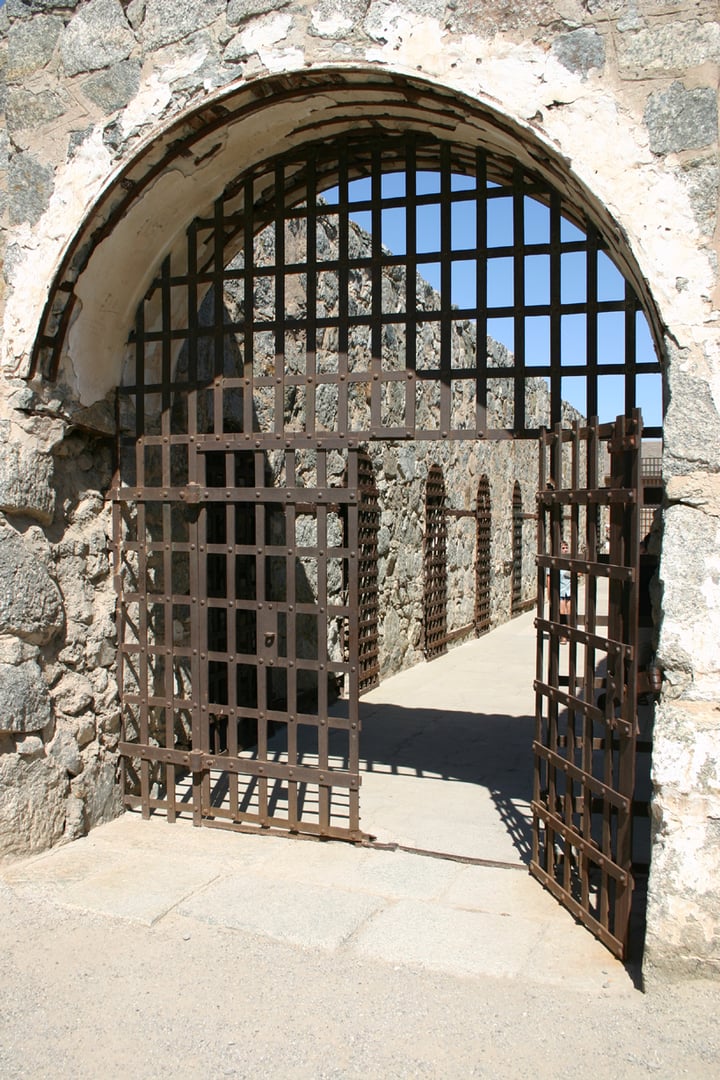
Yuma, AZ
Yuma Territorial Prison operated from 1876 to 1909 on a bluff overlooking the Colorado River in Yuma, Arizona. It held 3,069 prisoners during its 33-year operation, including 29 women. The facility became a state historic park and has been voted by USA Today readers as the Best Haunted Destination in the nation.
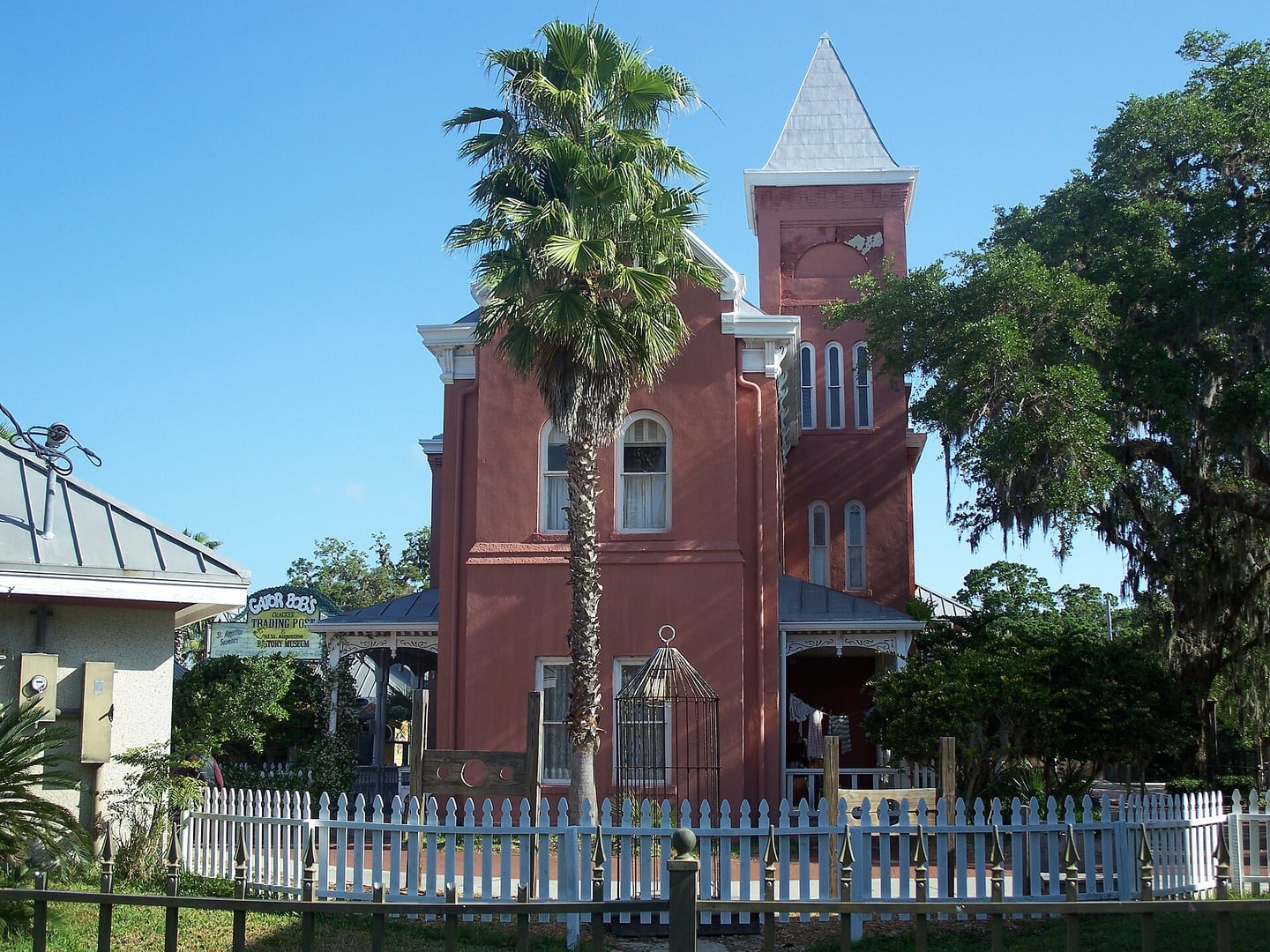
St. Augustine, FL
The Old St. Johns County Jail at 167 San Marco Avenue in St. Augustine, Florida was commissioned by railroad magnate Henry Flagler and constructed in 1891. Designed by the same architectural firm later used for Alcatraz, the facility housed prisoners under conditions so severe — one bucket per cell as a toilet, minimal diet, and labor in Flagler's fields — that it was closed in 1953. Eight documented executions occurred on site before the county converted the building to a tourist attraction in 1954.
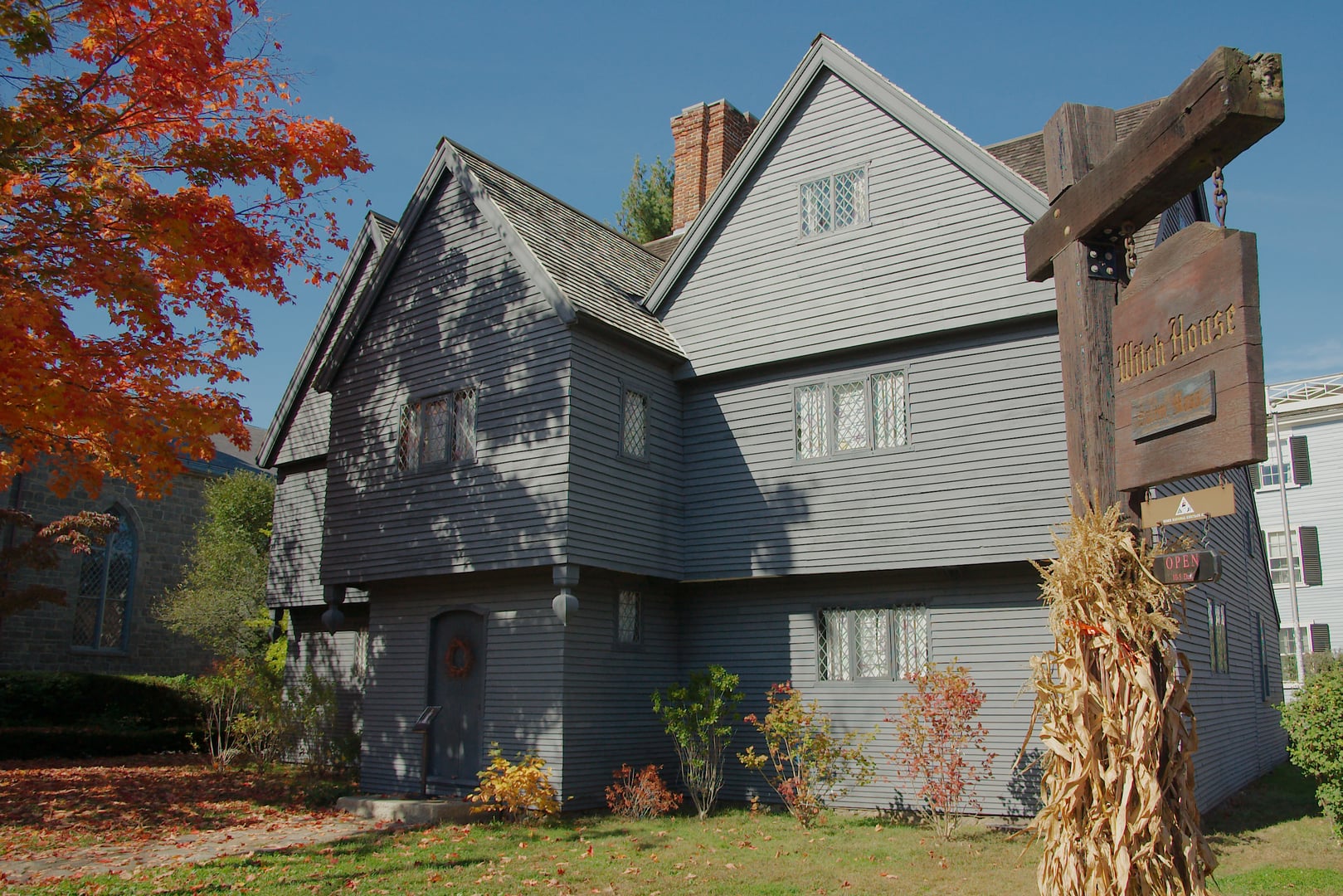
Salem, MA
The Jonathan Corwin House at 310 Essex Street is the only surviving structure in Salem with direct ties to the 1692 Salem witch trials. Built circa 1675 and purchased by Corwin that same year, the house served as the site of pretrial examinations for several of the accused. The property has operated as a museum since 1948 under City of Salem ownership.