Haunted Utah

77 haunted destinations cataloged across Utah, spanning 21 counties. The collection features museum, outdoor, and theater — every listing verified with family ratings, accessibility info, and practical visit logistics.

77 locations 21 counties 12 classifications 45 wheelchair accessible

Featured in Utah

Top 6
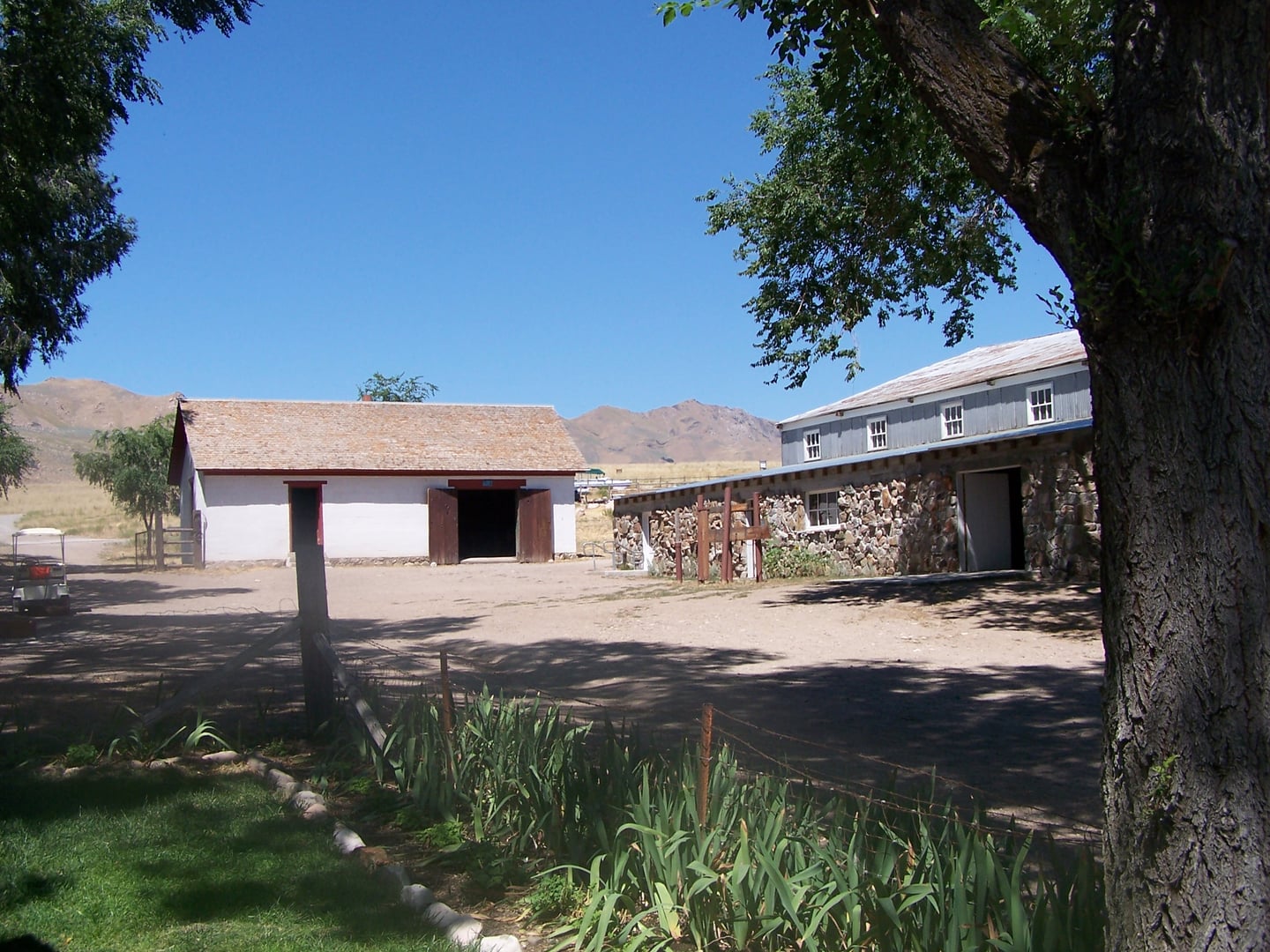
Fielding Garr Ranch on Antelope Island, Utah — the 1848 adobe ranch house and outbuildings set against the Wasatch Mountains and the Great Salt Lake
Outdoor / Natural Site

Fielding Garr Ranch, Antelope Island

Syracuse, UT

Fielding Garr, sent by the LDS Church to manage its livestock herds, established the ranch on Antelope Island in 1848. The adobe structure he built that year remains Utah's oldest building still on its original foundation. After the Church sold the island in 1870 to rancher John Dooley, the operation grew into one of the largest sheep ranches in the United States, eventually supporting 10,000 animals. Ranching continued until 1981, when Antelope Island State Park was established. The island's most notorious historical figure is Jean Baptiste, a Salt Lake City gravedigger convicted in 1862 of robbing more than 300 graves; he was tattooed on the forehead with 'Robbing the Dead,' banished to Antelope and then Fremont Island, and vanished within weeks.

$ All Ages Family: High
The Howard Hotel, a historic building in Brigham City, Utah, United States.
Haunted Dining / Bar

Idle Isle Cafe and Candy Co.

Brigham City, UT

Idle Isle Cafe was established on May 7, 1921 by P.C. Knudson and his wife Verabel in Brigham City, Utah, originally operating as an ice cream parlor and candy store. The name was selected through a community contest won by Mrs. Waldemar Call on April 5, 1921. The building itself predates the cafe — it is the 1892 Armeda Block, built by B.M. Young, son of Brigham Young, in honor of his wife Armeda Snow Young. Idle Isle operated continuously for over 104 years before closing in May 2025, at which point it was sold to an undisclosed buyer.

$ All Ages Family: High
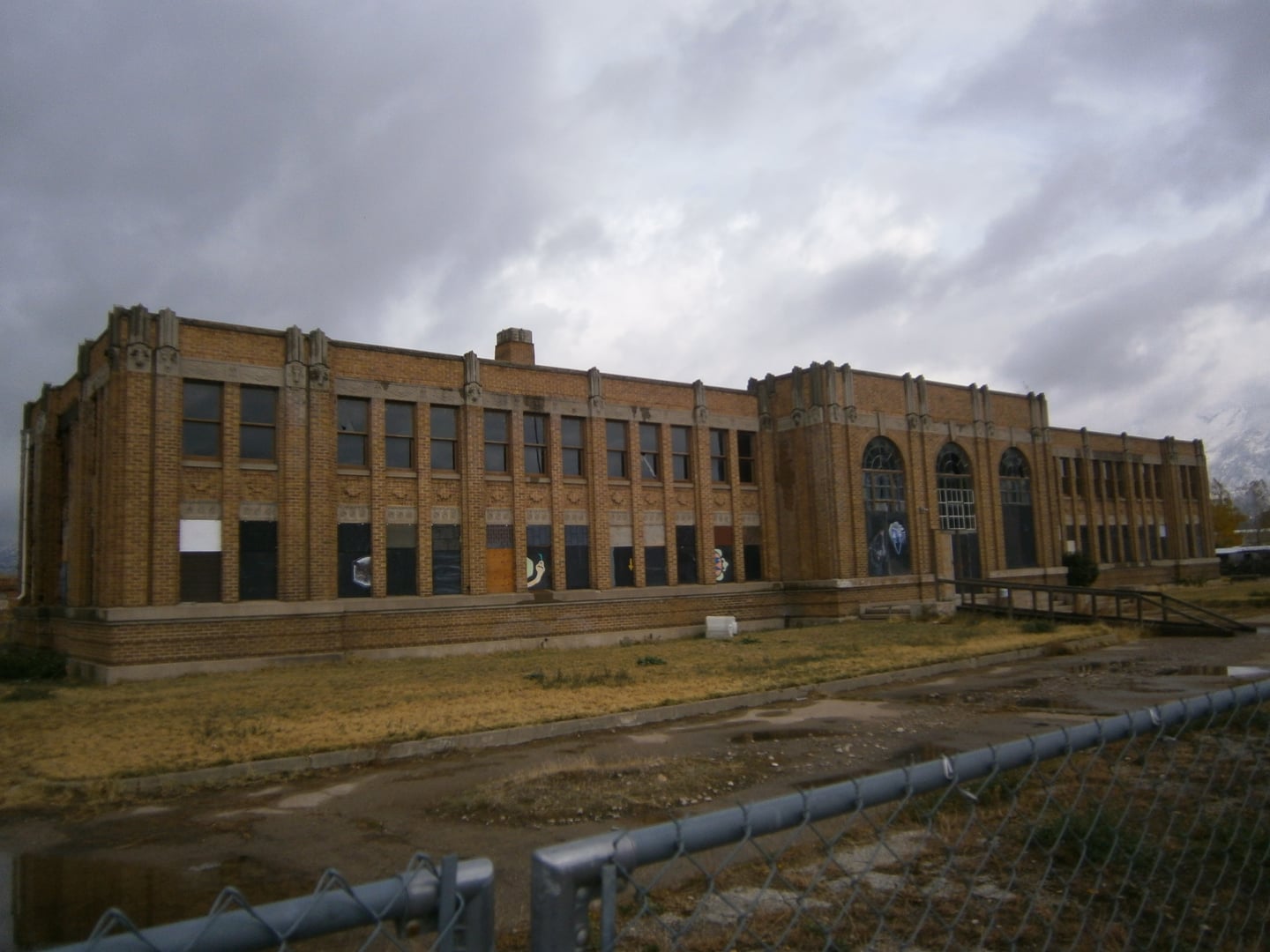
Photo of Ogden Exchange Building
Asylum / Hospital

Ogden Exchange Building

Ogden, UT

Erected in 1930 as offices for the Union Pacific stockyard complex in West Ogden, the Exchange Building served the livestock trade until 1959, when Weber County purchased it and converted it into the Weber County Mental Health Institute. The basement functioned as a county morgue during those decades. The building was eventually vacated and has sat largely abandoned since, landing on Preservation Utah's 2025 Most Endangered list.

$ All Ages Family: Moderate
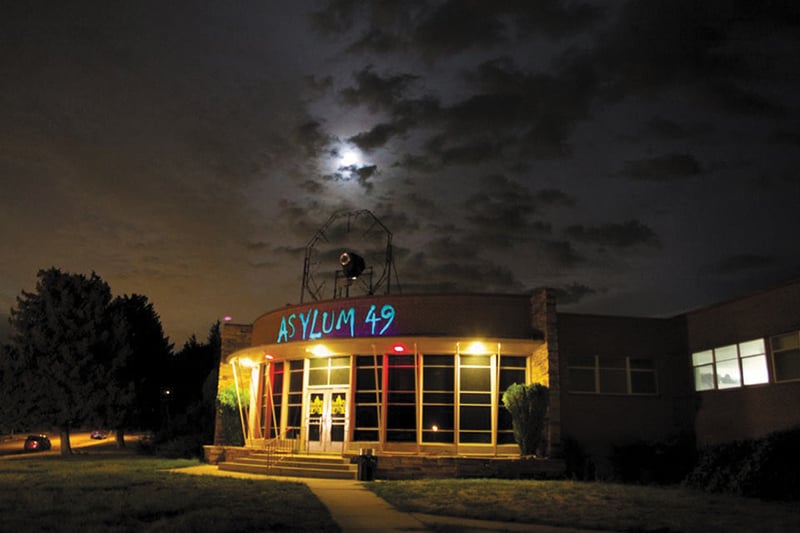
Old Tooele Hospital, an 1873 building (originally the Samuel F. Lee residence) at 140 East 200 South in Tooele, Utah, now operating as the Asylum 49 haunted attraction
Theatrical Haunted Attraction

Old Tooele Hospital (Asylum 49)

Tooele, UT

The building now operating as Asylum 49 in Tooele, Utah, was constructed in 1873 by Samuel F. Lee as a residence. It was converted in 1913 to a county poor house and later operated as the Tooele Hospital. The new Tooele Hospital opened in 1953, and the older facility reverted to an elderly care use. Since 2006 the structure has functioned as Asylum 49, a haunted attraction and paranormal investigation venue.

$$ 18+ for full-contact attraction; younger ages for daytime paranormal investigations Family: Not Recommended
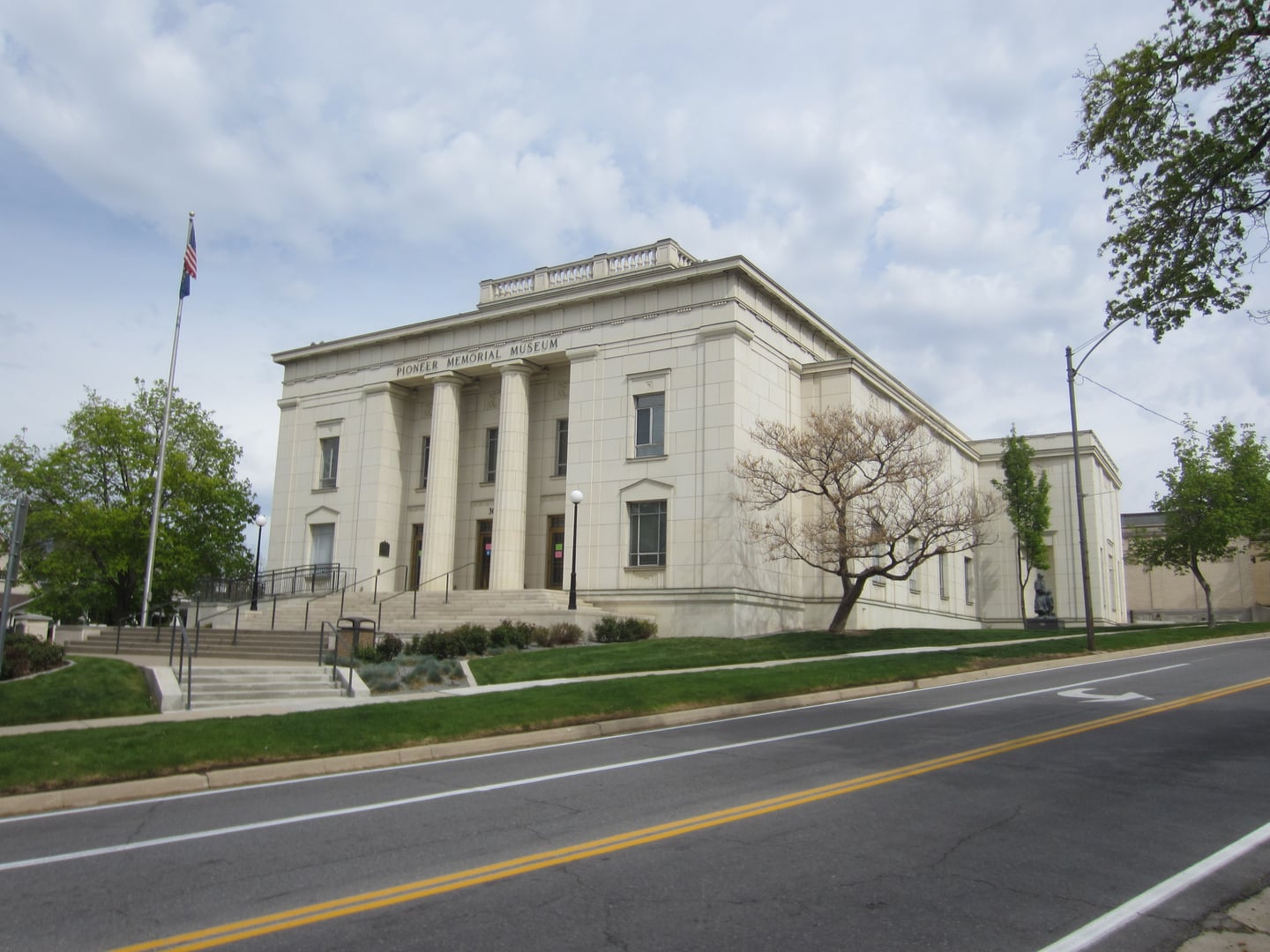
The Pioneer Memorial Museum, a stately neoclassical building on Capitol Hill in Salt Lake City, Utah
Museum / Historical Site

Pioneer Memorial Museum

Salt Lake City, UT

The Pioneer Memorial Museum is operated by the International Society Daughters of Utah Pioneers (DUP) on Capitol Hill in Salt Lake City. The museum displays artifacts spanning Utah's pioneer era, from the earliest settlers entering the Salt Lake Valley through the completion of the transcontinental railroad at Promontory Summit on May 10, 1869.

$ All Ages Family: High
The Brigham Young Forest Farmhouse at This Is the Place Heritage Park, Salt Lake City — a Gothic Revival cottage with white stucco walls and decorative trim, photographed July 2019
Museum / Historical Site

This Is the Place Heritage Park (Brigham Young Forest Farmhouse)

Salt Lake City, UT

Brigham Young's Forest Farm stood four miles southeast of downtown Salt Lake City, where a wife-in-residence supervised Young's agricultural experiments — including Utah's first alfalfa and sugar beet cultivation. The Gothic Revival cottage, built between 1861 and 1863 at a cost of $25,000, was listed on the National Register of Historic Places in 1971. In 1975 it was sawed in half horizontally and transported to Pioneer Trail State Park (now This Is the Place Heritage Park), reopening for tours on July 24, 1976.

$$ All Ages Family: High

More in Utah

Salt Lake City — 11

Alta Club at 100 East South Temple, Salt Lake City, Italian Renaissance clubhouse established 1898
Haunted Dining / Bar

Alta Club

Salt Lake City, UT

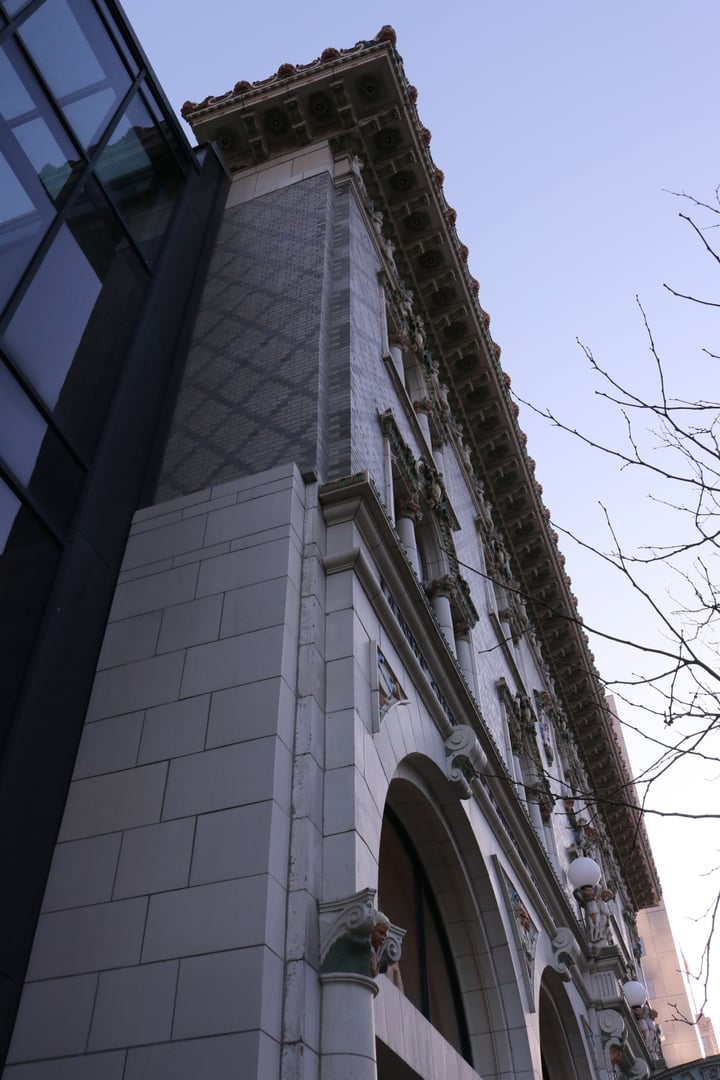
The Alta Club was founded in 1883 by eighty-one charter members—thirteen years before Utah statehood—and modeled on prominent gentlemen's clubs in England and San Francisco. Its current Italian Renaissance clubhouse at 100 East South Temple was designed by architect Frederick Albert Hale and opened June 1, 1898.

$$$$ 21+ Family: Low
Exterior facade of the Capitol Theatre at 50 West 200 South in Salt Lake City, Utah, showing the Italian Renaissance Revival architecture
Theater / Performance Venue

Capitol Theatre

Salt Lake City, UT

The Capitol Theatre opened August 2, 1913 as the Orpheum Theatre, designed by architect G. Albert Lansburgh in the Italian Renaissance Revival and Beaux Arts styles at 50 West 200 South in Salt Lake City. It was renamed the Capitol Theatre in 1927. On July 4, 1949 — exactly 59 years after a fire at the Grand Opera House that previously occupied the site — a basement fire killed 17-year-old usher Richard Duffin while approximately 600 patrons evacuated safely. A $8.6 million renovation in 1975 restored the building; a $32 million renovation began in 2013.

$$ All Ages Family: High
Theatrical Haunted Attraction

Fear Factory (Portland Cement Works)

Salt Lake City, UT

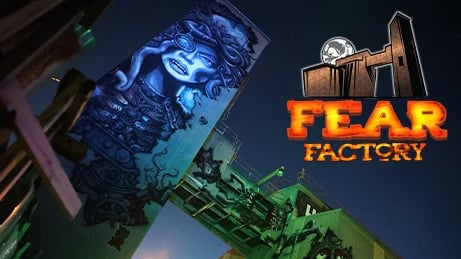
The Portland Cement Company began operations at this west Salt Lake City site in 1894. Over the following decades, the plant recorded more than 11 documented worker deaths from machinery accidents, falls, and industrial hazards. The facility closed and sat derelict for years before Fear Factory Entertainment Group acquired it in 2010 and opened a seasonal haunted attraction in 2011.

$$$ All Ages Family: Low
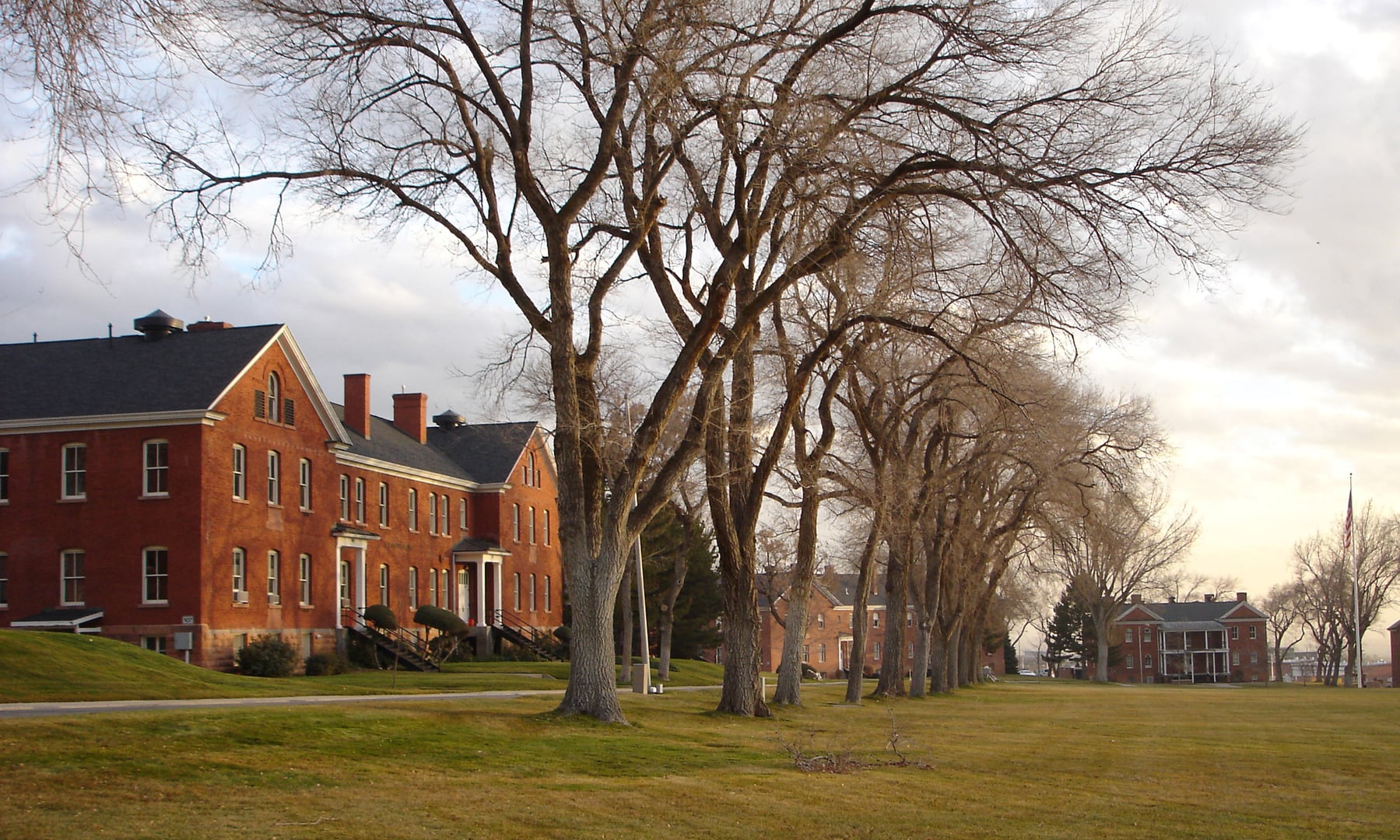
Soldier's Circle at Fort Douglas Reserve Center, Salt Lake City, Utah, showing historic brick buildings
Museum / Historical Site

Fort Douglas Military Museum

Salt Lake City, UT

Fort Douglas was established in October 1862 when Colonel Patrick E. Connor led 750 California–Nevada Volunteers to a plateau east of Salt Lake City. Connor's mandate included guarding the overland mail routes and monitoring the Mormon-controlled territory. The fort served through the Spanish-American War, both World Wars, and functioned as a prisoner-of-war hospital for German soldiers during World War I.

$ All Ages Family: High
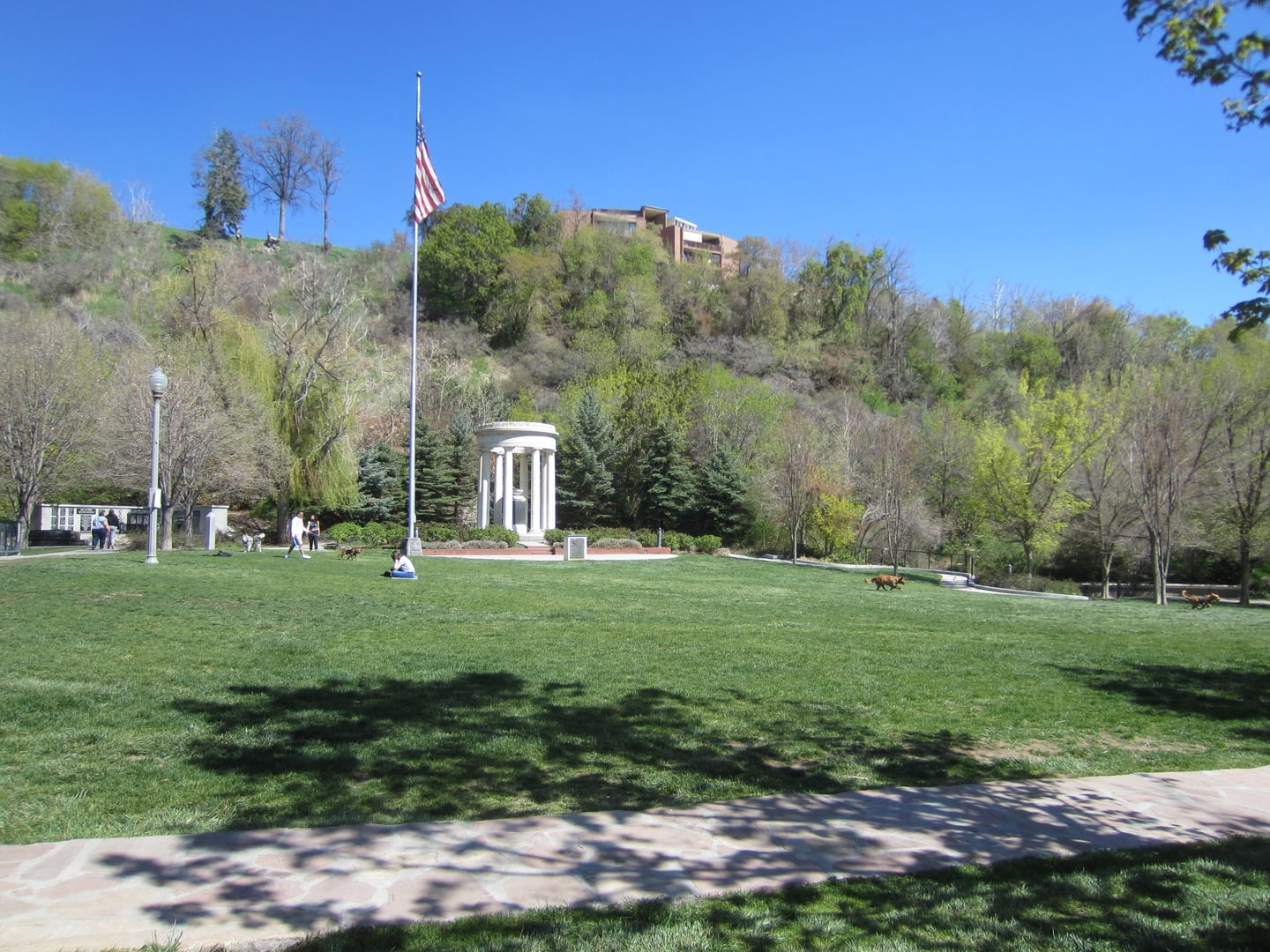
Memory Grove Park in Salt Lake City, Utah, with stone paths and mature trees in City Creek Canyon
Outdoor / Natural Site

Memory Grove

Salt Lake City, UT

Memory Grove Park in Salt Lake City occupies a portion of City Creek Canyon at the mouth of the Wasatch Mountains. The city set aside the land as a park in 1902. In the 1920s, the Service Star Legion — a women's memorial organization — led the effort to develop it as a formal military memorial, planting trees and installing monuments honoring Utah's veterans.

$ All Ages Family: High
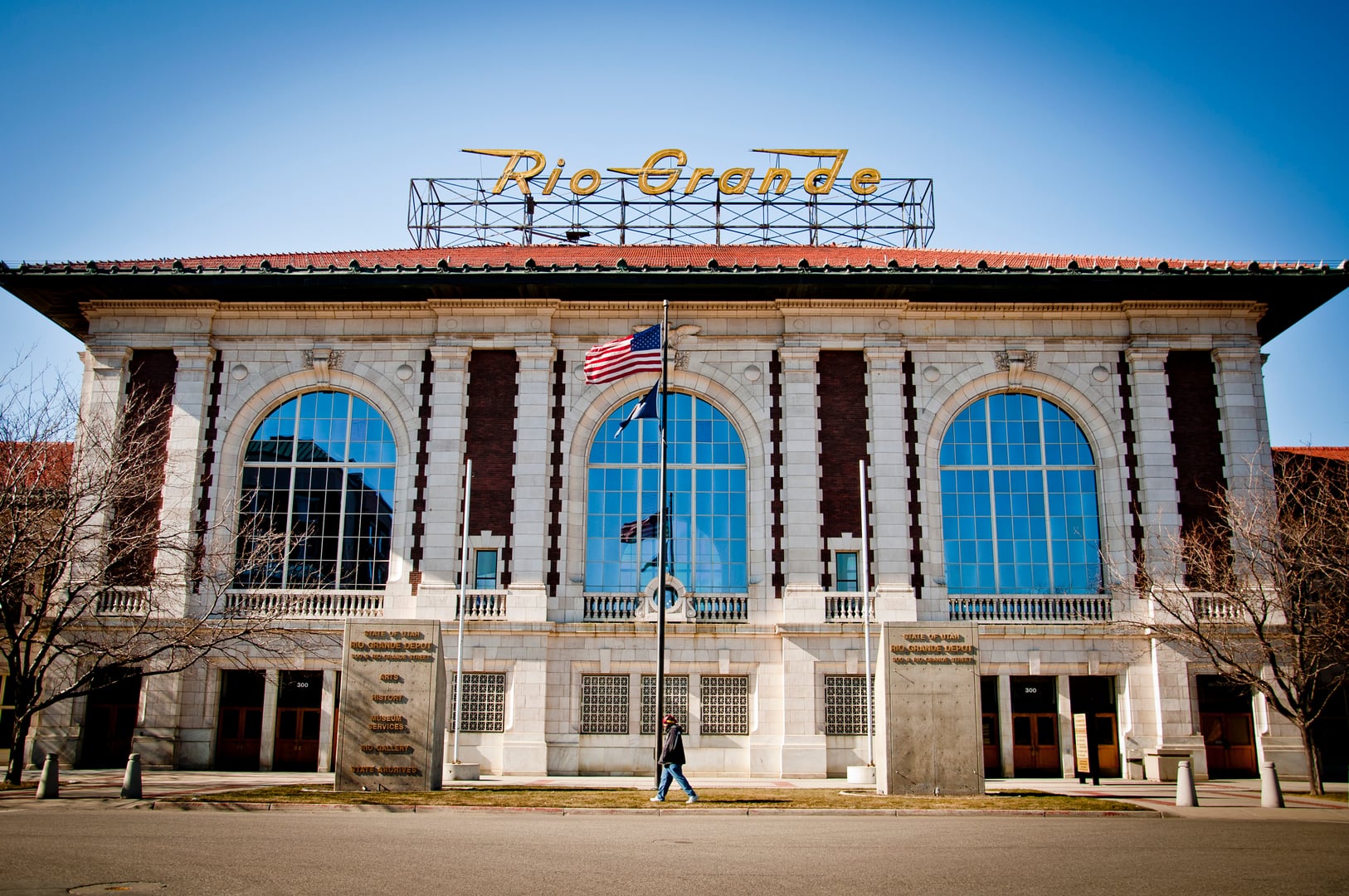
Exterior view of the Denver and Rio Grande Western Depot in Salt Lake City, Utah, showing the French Renaissance and Beaux-Arts limestone and brick facade
Museum / Historical Site

Rio Grande Depot

Salt Lake City, UT

The Denver and Rio Grande Western Depot opened in 1910 at 300 S. Rio Grande Street in Salt Lake City, designed by Chicago architect Henry Schlack at a cost of $750,000. Built deliberately to outshine the Union Pacific Depot completed a year earlier, the French Renaissance and Beaux-Arts structure features a limestone, brick, and terra-cotta exterior with three large arched windows on each side. During World War II, the depot processed 15 to 20 trains daily. It served as Salt Lake City's Amtrak station from 1986 to 1999. The building now houses the Utah Division of State History and the Rio Gallery.

$ All Ages Family: High
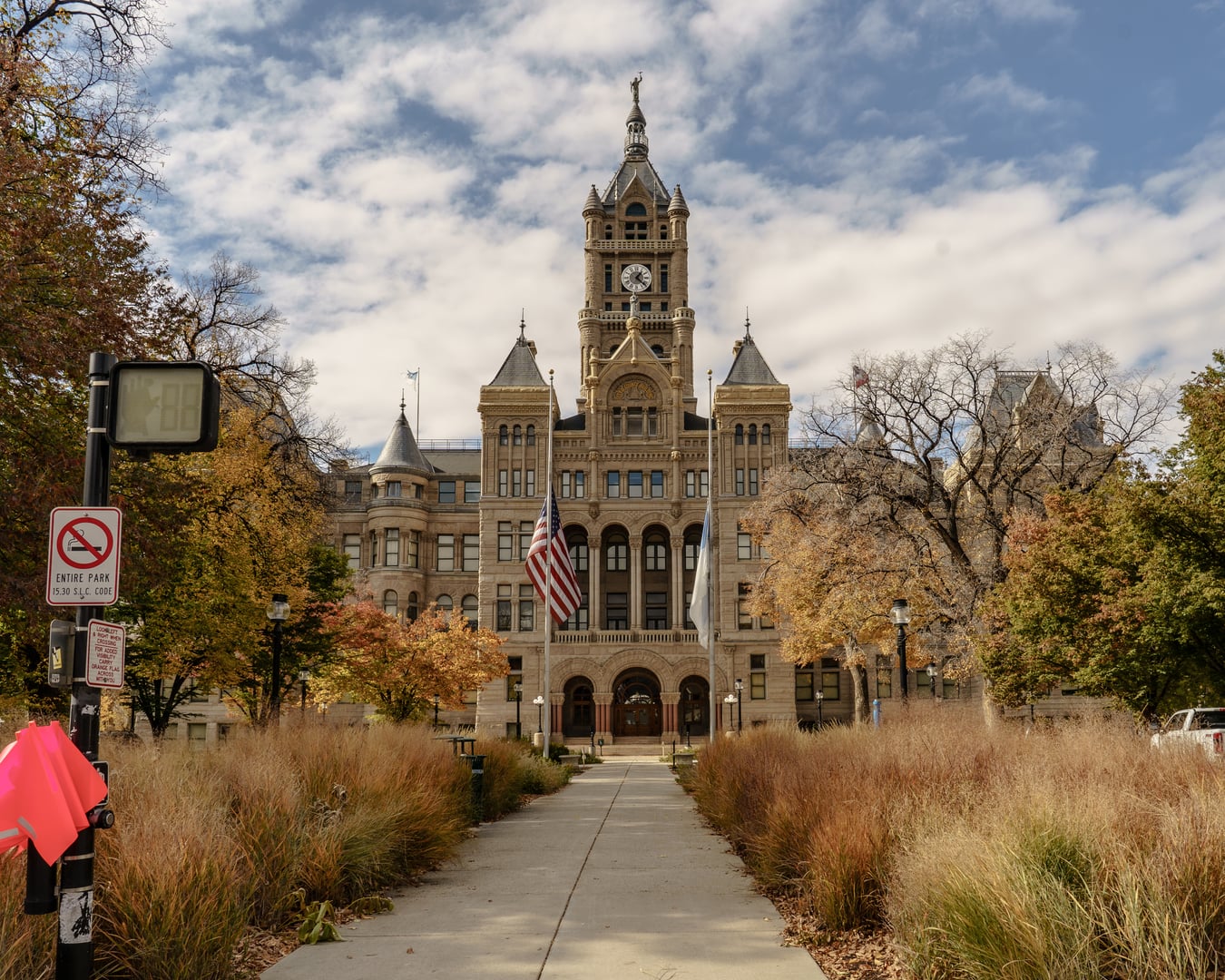
Exterior view of the Salt Lake City and County Building on Washington Square, a Richardsonian Romanesque civic building with a prominent sandstone clock tower
Museum / Historical Site

Salt Lake City and County Building

Salt Lake City, UT

The Salt Lake City and County Building was constructed on Washington Square between 1891 and 1894 by the firm of Monheim, Bird, and Proudfoot in the Richardsonian Romanesque style, at a cost of more than $900,000. The cornerstone was laid July 25, 1892, and the building was dedicated December 28, 1894. It served as Utah's capitol from statehood in 1896 until 1915, and housed the courtroom where labor organizer Joe Hill was condemned to death in 1914. Salt Lake County relocated to a new complex in the 1980s; the structure now functions as city hall for Salt Lake City.

$ All Ages Family: High
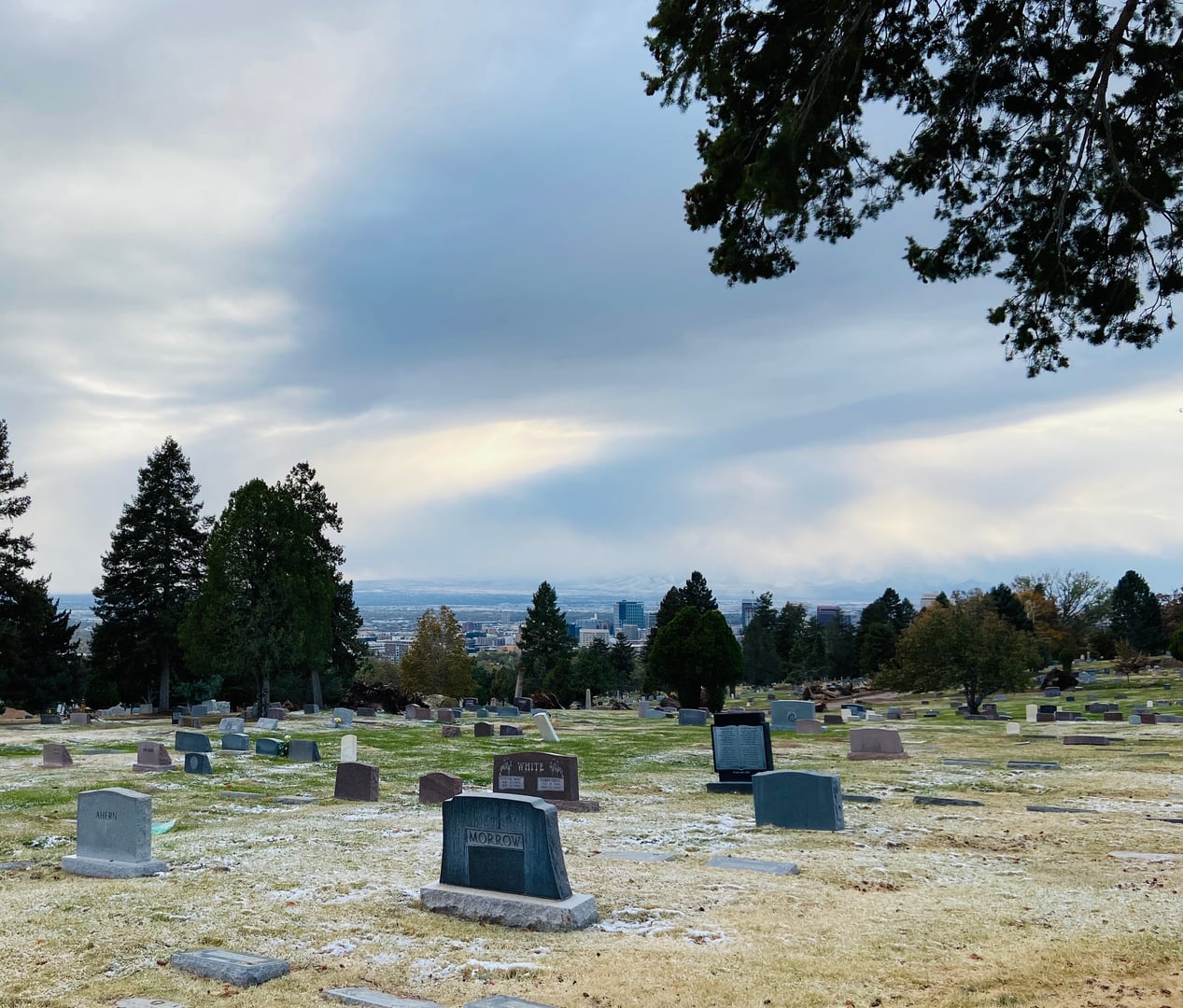
Salt Lake City Cemetery in fall, showing headstones across the 120-acre grounds with the Avenues neighborhood beyond
Cemetery / Burial Ground

Salt Lake City Cemetery

Salt Lake City, UT

Salt Lake City established its municipal cemetery in 1848 with the first burial of Mary Wallace. The grounds were formally incorporated in 1851 and grew to 120 acres containing roughly 130,000 burial sites—the largest municipally-owned cemetery in the United States. The cemetery served as both civic burial ground and stage for one of Utah Territory's most notorious criminal scandals.

$ All Ages Family: High
Front facade of the Salt Lake Masonic Temple's Egyptian Revival granite building on South Temple Street, Salt Lake City, Utah
Museum / Historical Site

Salt Lake Masonic Temple

Salt Lake City, UT

The Salt Lake Masonic Temple is the headquarters of Utah Freemasonry. Built between 1925 and 1927 from Little Cottonwood Canyon granite at a cost of approximately $750,000 and dedicated in November 1927, the five-story building is widely regarded as Salt Lake City's best example of Egyptian Revival architecture. The building has been in continuous Masonic use since opening.

$ All Ages Family: High
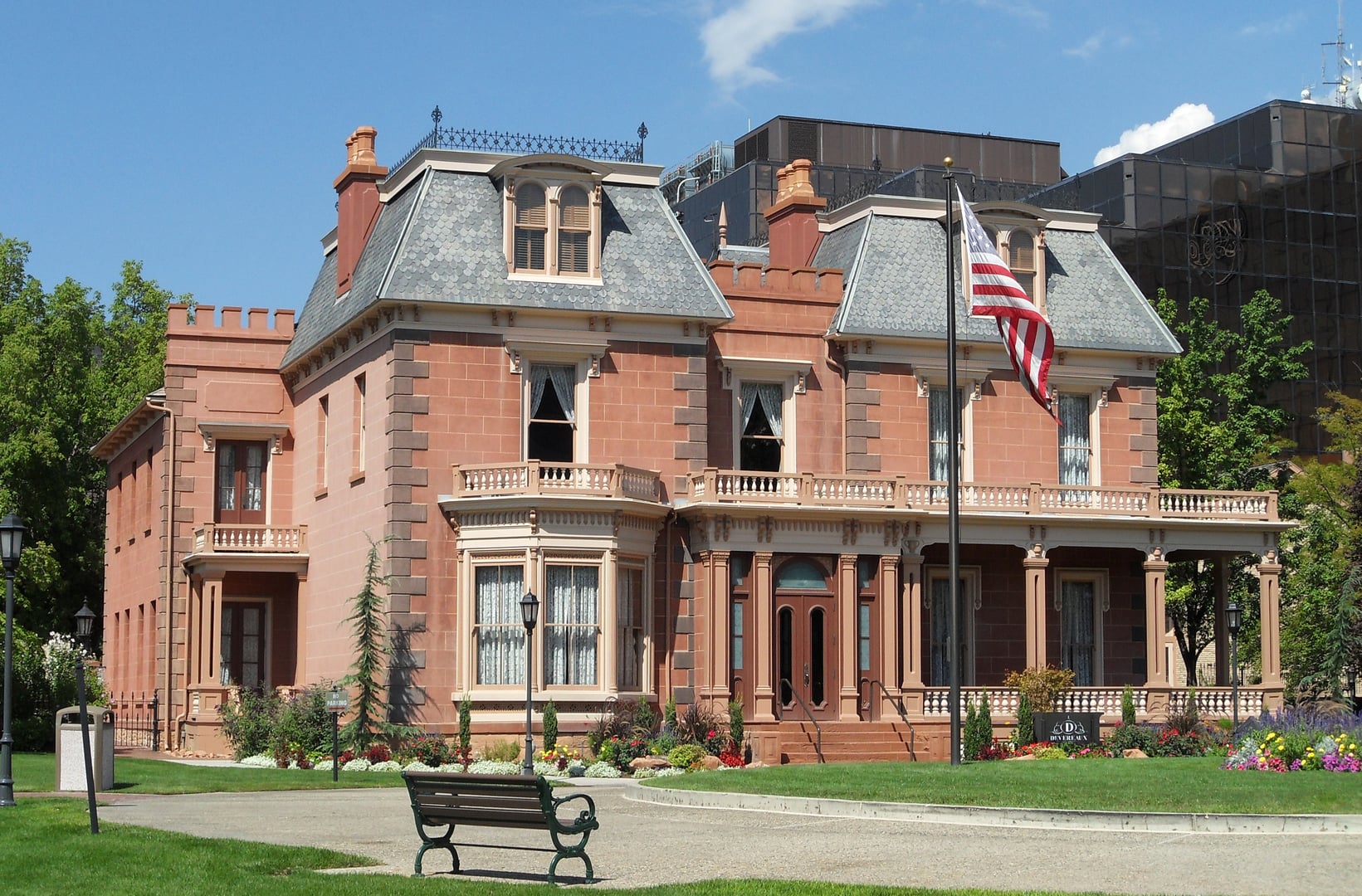
The Devereaux House (Staines-Jennings Mansion), Utah's first mansion built in 1857 in downtown Salt Lake City
Haunted House / Historic Home

The Devereaux House

Salt Lake City, UT

The Devereaux House, also called the Staines-Jennings Mansion, was built in 1857 for William Staines and is the first building in the Salt Lake Valley constructed on a scale that could be described as a mansion. Local entrepreneur William Jennings, the valley's first millionaire, named the house 'Devereaux' for a family property in Yardley, Birmingham, England.

$ All Ages Family: High
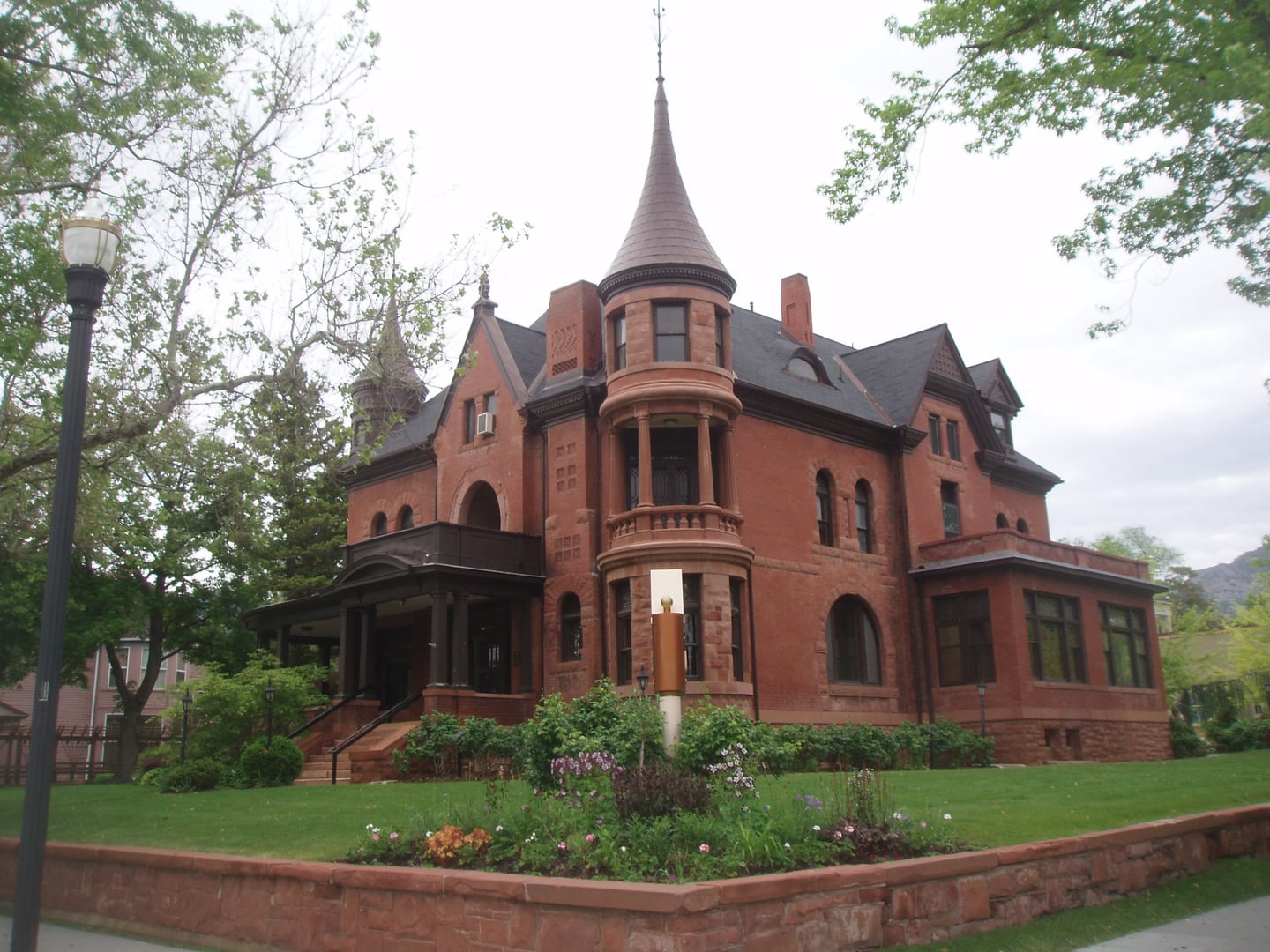
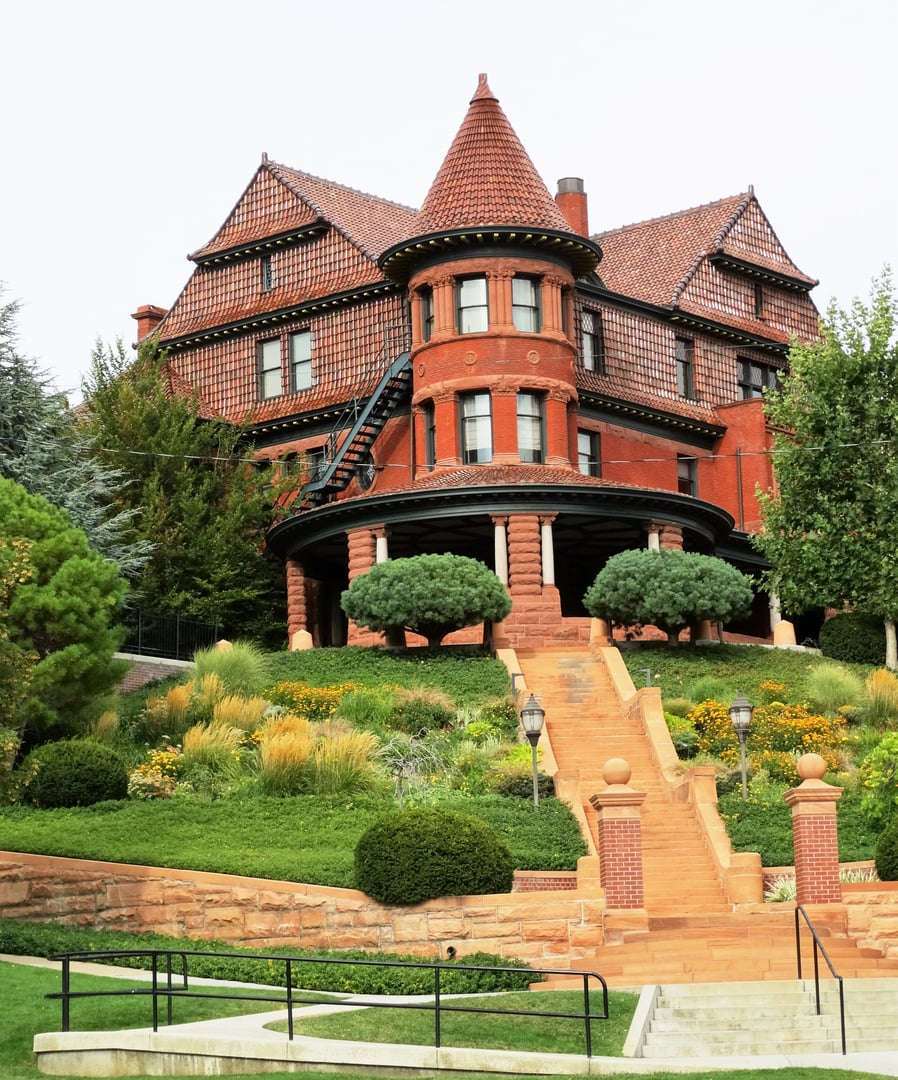
Gothic Revival exterior of the 1901 Alfred McCune Home (McCune Mansion) in Salt Lake City, Utah
Haunted House / Historic Home

The McCune Mansion

Salt Lake City, UT

The McCune Mansion was built between 1898 and 1901 for railroad magnate Alfred William McCune and his wife Elizabeth at a reported cost of $1 million. The Gothic Revival design with East Asian influences was developed by architect S.C. Dallas after a two-year McCune-funded study tour of America and Europe.

$$$ All Ages Family: Moderate

Ogden — 9

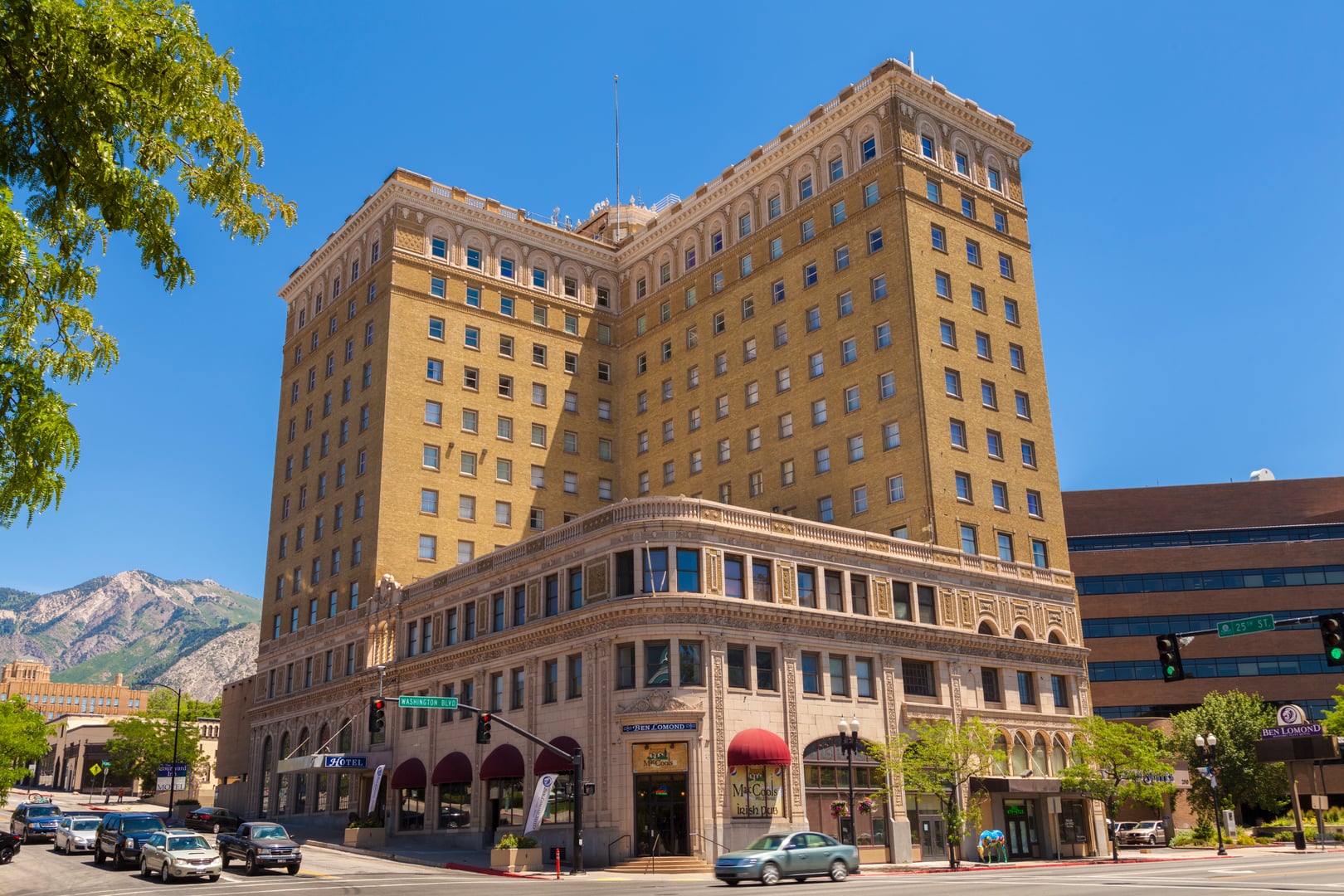
Ben Lomond Hotel (Bigelow Hotel) in Ogden, Utah, showing the 10-story Italian Renaissance Revival facade on Washington Boulevard
Haunted Hotel / Inn

Ben Lomond Hotel (Bigelow Hotel)

Ogden, UT

Ogden banker Archie P. Bigelow commissioned the hotel in 1927; architects Hodgson & McClenahan designed it in Italian Renaissance Revival style at a construction cost of $1.25 million. The 10-story building has remained the largest hotel in Ogden since it opened. It was added to the National Register of Historic Places in 1990. The building was renamed Ben Lomond Hotel in 1933 and restored to the Bigelow name in 2017; it was converted to apartments and event venue use around 2019.

$$ All Ages Family: High
Aerial survey view of BLDG 1205
Aerial survey · USDA NAIP
Other Dark Tourism Site

BLDG 1205

Ogden, UT

Hill Air Force Base was established in 1940 on land near Ogden, Utah, designated as Ogden Air Depot. Named after Major Ployer Peter Hill, a U.S. Army Air Corps pilot who died testing the B-17 Flying Fortress prototype in 1935, the base officially opened November 7, 1940. The facility was expanded during World War II and redesignated as Hill Air Force Base in 1948. BLDG 1205 represents one of the numerous structures constructed during the base's expansive mid-twentieth-century development.

$ 18+ (Military installation — restricted access) Family: Moderate
Aerial survey view of Ogden City Cemetery (Flo's Grave)
Aerial survey · USDA NAIP
Cemetery / Burial Ground

Ogden City Cemetery (Flo's Grave)

Ogden, UT

Ogden City Cemetery was established in 1851 and spans 60 acres east of Washington Boulevard. Florence Louise Grange was buried here on December 29, 1918, having died of influenza at age 15 after a ten-day illness. Her father Ralph Manton Grange was one of Utah's first auto mechanics—a biographical fact that likely seeded the car-related legend that grew around her grave.

$ All Ages Family: High
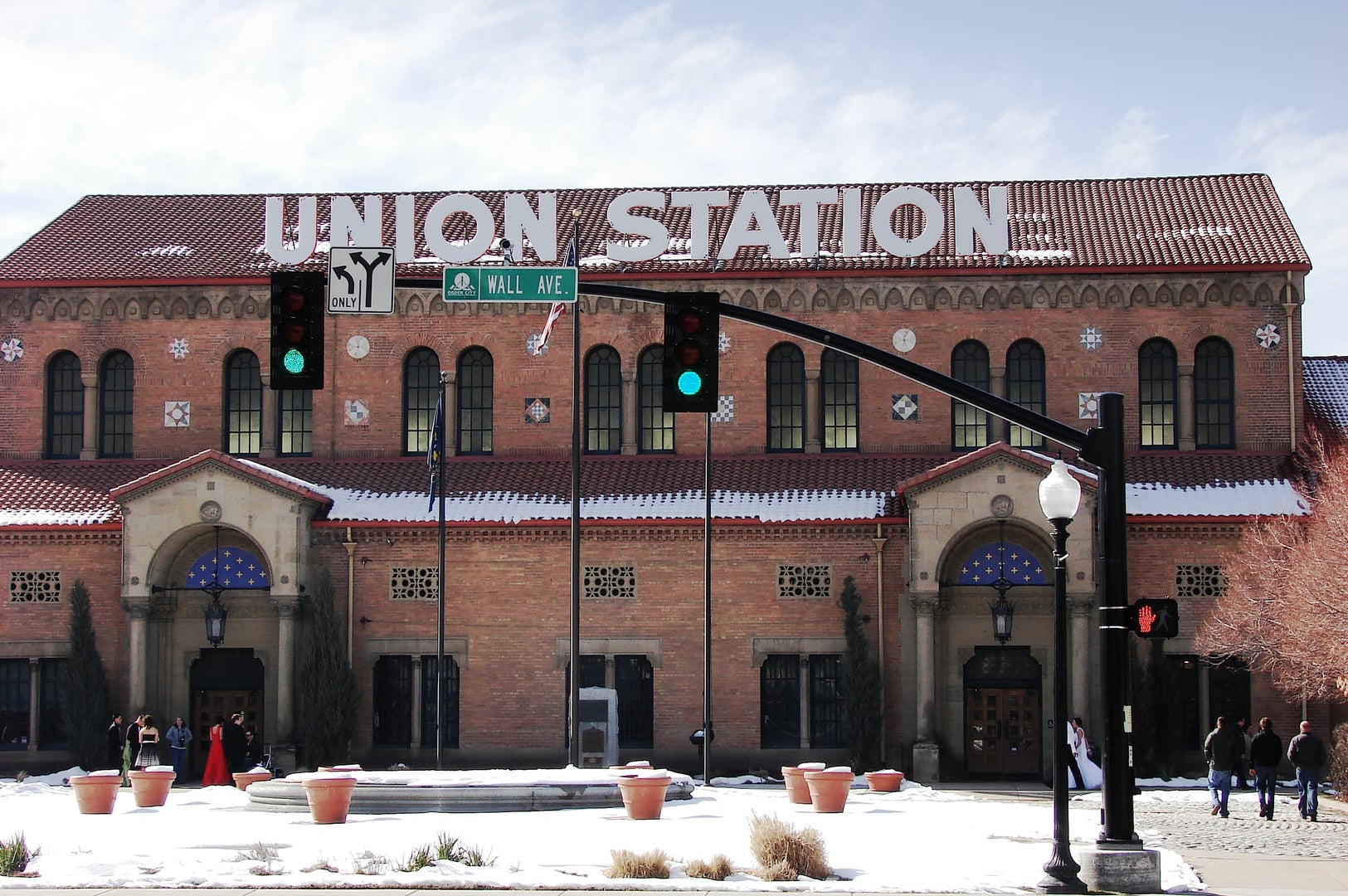
Ogden Union Station exterior showing the 1924 Spanish Colonial Revival facade on Wall Avenue
Museum / Historical Site

Ogden Union Station

Ogden, UT

Architects John and Donald Parkinson designed the current Ogden Union Station building, completed in 1924, after fire destroyed its 1889 predecessor. The station was known as the 'Crossroads of the West' during its peak, handling more than 60 trains per day. On New Year's Eve 1944, two passenger trains collided in heavy fog near Bagley, Utah—killing 48 people—and the station's downstairs ballroom served as a temporary morgue. Amtrak ended service in 1997; Ogden City purchased the property in 2022.

$ All Ages Family: High
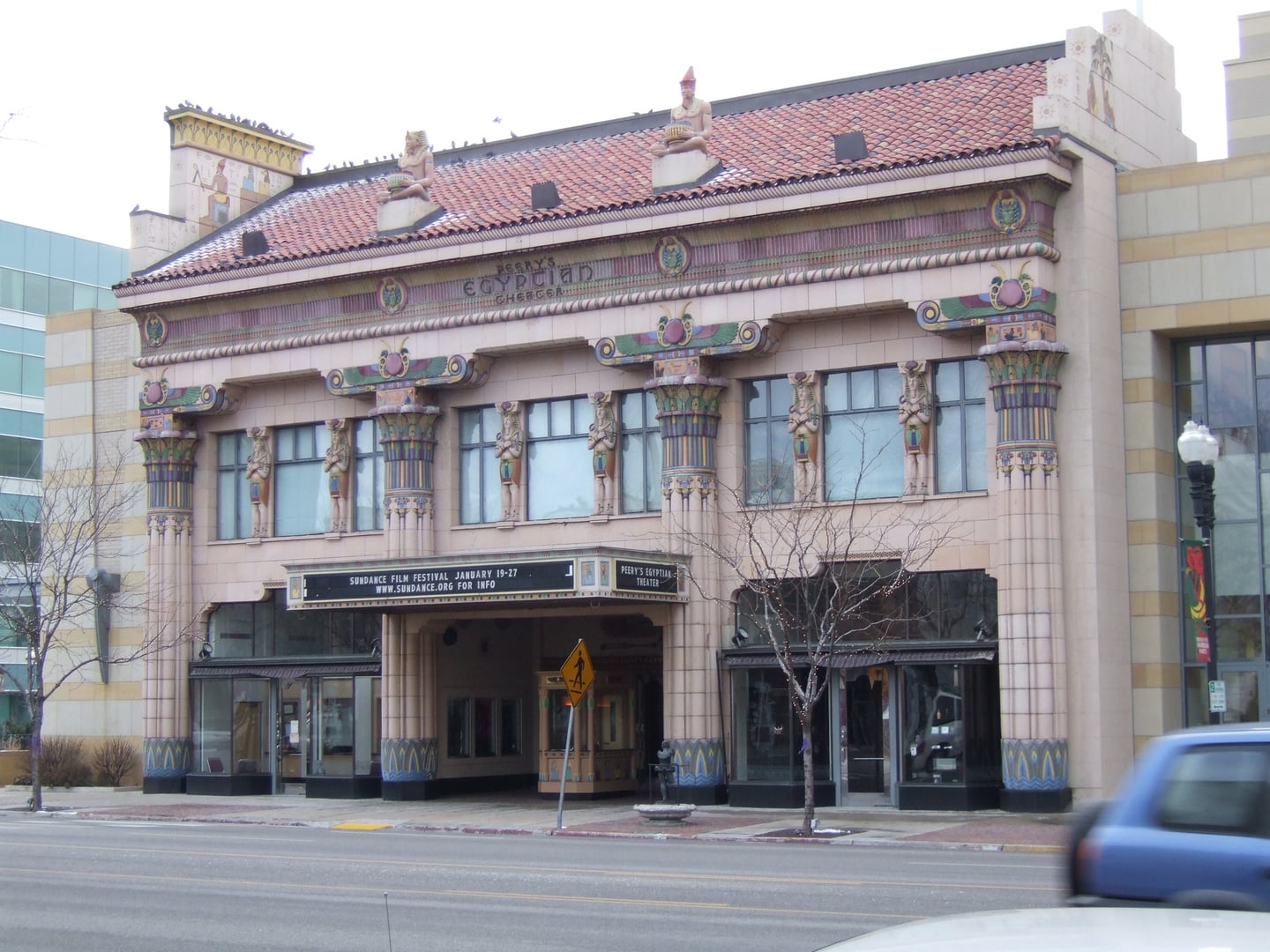
Peery's Egyptian Theater facade on Washington Boulevard, Ogden, Utah — Egyptian Revival architecture with marquee
Theater / Performance Venue

Peery's Egyptian Theater

Ogden, UT

Construction of Peery's Egyptian Theater began in autumn 1923 on Washington Boulevard in Ogden. The atmospheric movie palace, designed by Leslie S. Hodgson and Myrl A. McClenahan in Egyptian Revival style, opened July 3, 1924 at a cost of $250,000. After a 1984 closure and extensive restoration, the theater reopened in 1997 and is now operated by a foundation on behalf of Weber County and Ogden City.

$$ All Ages Family: High
Museum / Historical Site

Eccles Community Art Center

Ogden, UT

The mansion at 2580 Jefferson Avenue was built in 1893 for Ogden businessman James Clarence Armstrong. In 1896 it was bought by David and Bertha Eccles, who raised their large family there for roughly half a century. The house is listed on the National Register of Historic Places and now operates as the Eccles Community Art Center, a free public gallery.

$ All Ages Family: High
Haunted House / Historic Home

John M. Browning Mansion

Ogden, UT

The eight-bedroom sandstone-and-brick mansion at 505 27th Street was built around the turn of the twentieth century and served as the primary residence of firearms inventor John Moses Browning until his death in 1926. It was added to the National Register of Historic Places in 1973 (reference number 73001863). After decades of varied use, it is again privately held and stewarded by a preservation nonprofit.

$ All Ages Family: Moderate
Haunted Dining / Bar

Lighthouse Lounge

Ogden, UT

The Lighthouse Lounge is a bar on Ogden's Historic 25th Street, a block long associated with the city's rougher railroad-era trade. The building it occupies is described in local sources as a former brothel from the street's red-light period. Twenty-Fifth Street's saloons, brothels, and reputed underground passages are a documented part of Ogden's history.

$$ 21+ Family: Moderate
Haunted Dining / Bar

Prairie Schooner Restaurant

Ogden, UT

The Prairie Schooner is a long-running Old West-themed steakhouse in Ogden where guests dine inside enclosed covered-wagon booths beneath a painted night sky. The restaurant's ghost lore is tied to a former family owner said to have died after the family lost the business, and the story is repeated in Ogden's local and tourism press.

$$ All Ages Family: High

Park City — 7

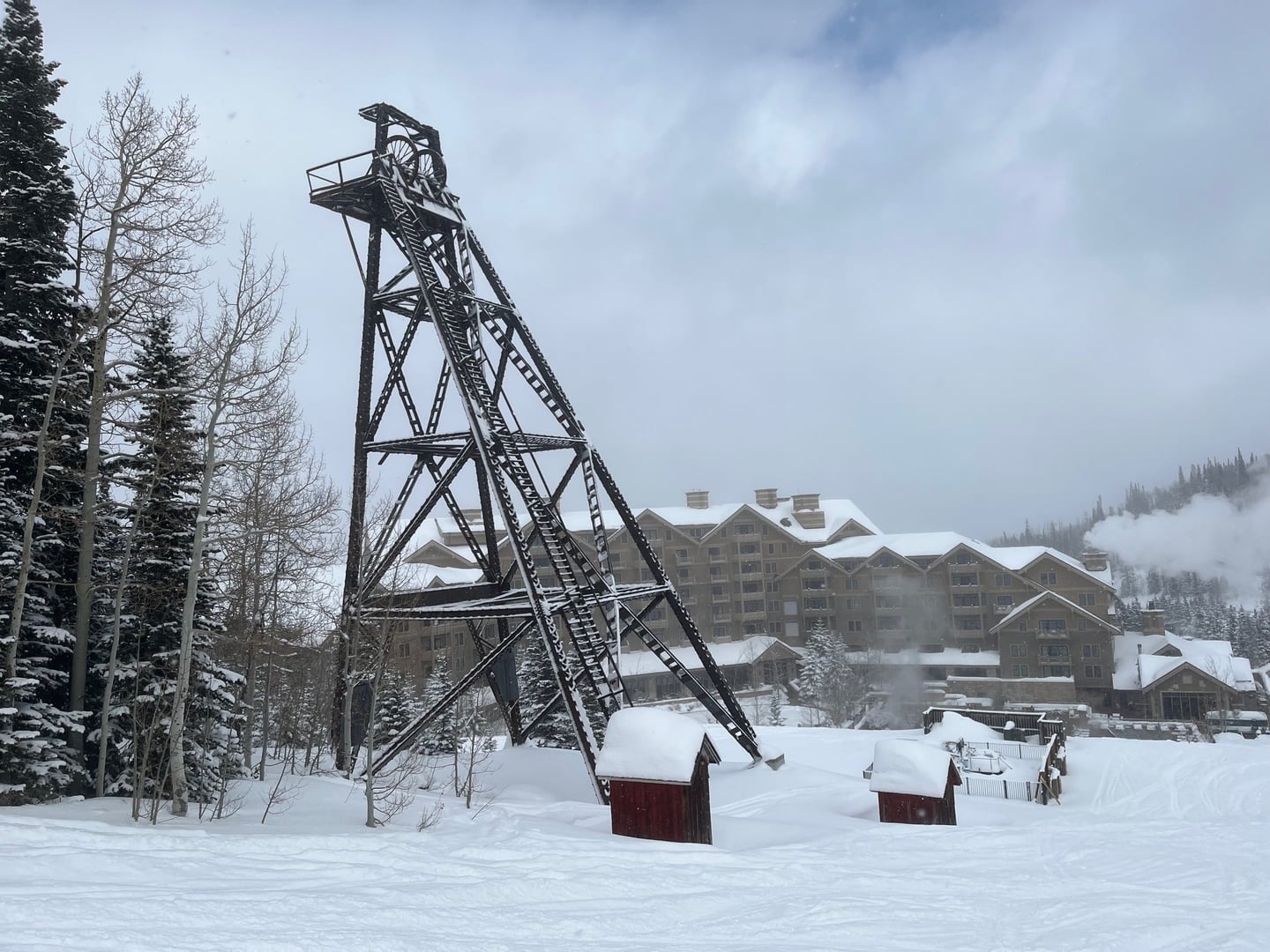
Aerial survey view of Daly-West Mine Disaster Site (Deer Valley area)
Aerial survey · USDA NAIP
Outdoor / Natural Site

Daly-West Mine Disaster Site (Deer Valley area)

Park City, UT

The Daly-West Mine began operating in the late 1800s as part of Park City's silver and lead mining boom. At 11:15 PM on July 15, 1902, an underground explosion on the 1,200-foot level killed 34 miners—the worst mining disaster in Park City's history. Most died from asphyxiation rather than the blast itself, as poisonous gas spread through connecting tunnels into the adjacent Ontario Mine. The State of Utah enacted legislation after the disaster prohibiting the routine underground storage of explosives.

$ All Ages Family: Moderate
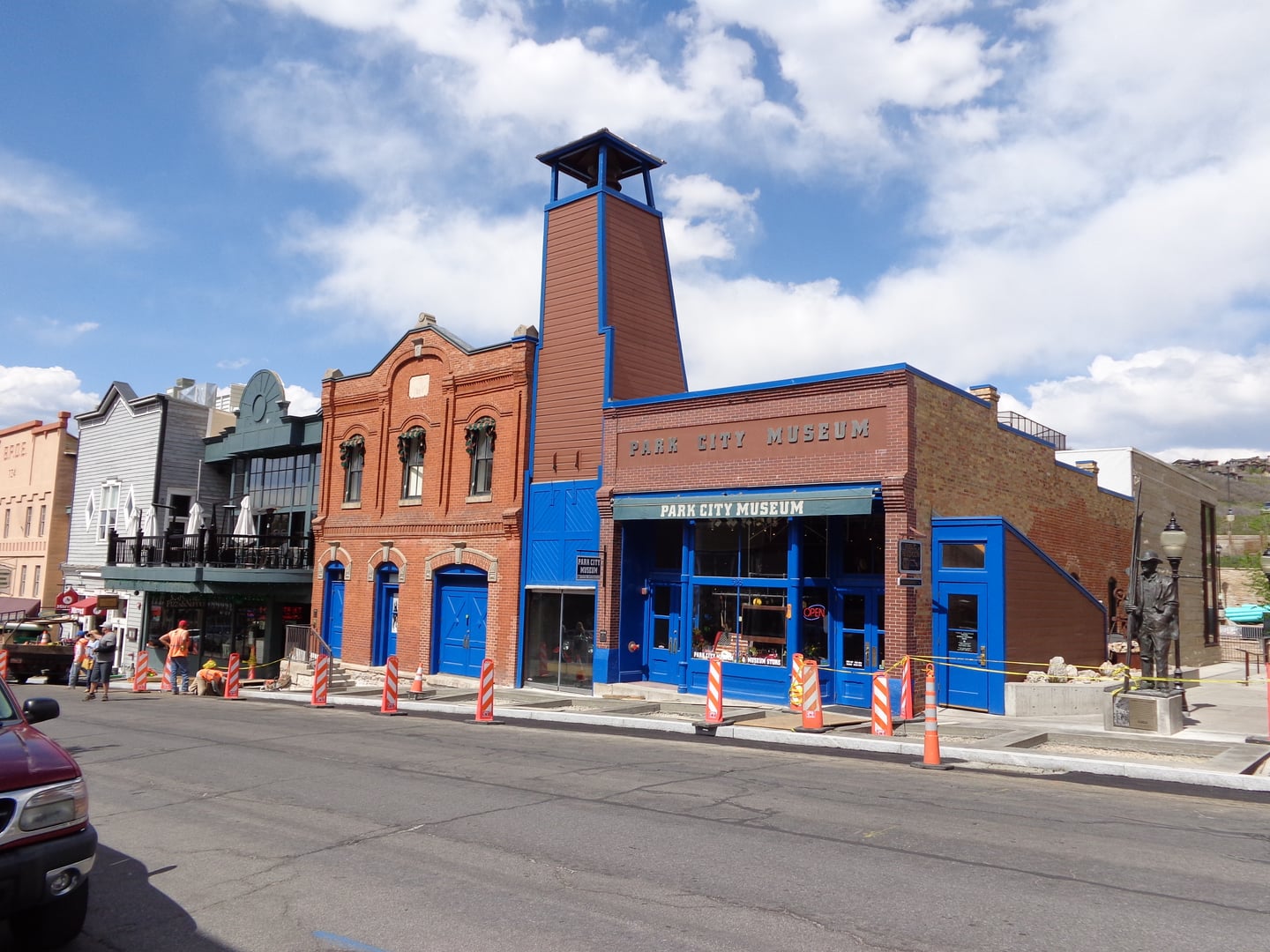
Park City Museum and former City Hall housing the Territorial Jail on Main Street in Park City, Utah
Museum / Historical Site

Park City Territorial Jail at the Park City Museum

Park City, UT

The Park City Territorial Jail is preserved in the basement of the Park City Museum at 528 Main Street, the building that historically served as Park City's City Hall. Built in 1885 during the silver-mining boom, the jail operated for more than 80 years and held its final prisoners in 1966. Today it functions as the centerpiece exhibit of the Park City Museum, operated by the Park City Historical Society.

$$ All Ages Family: High
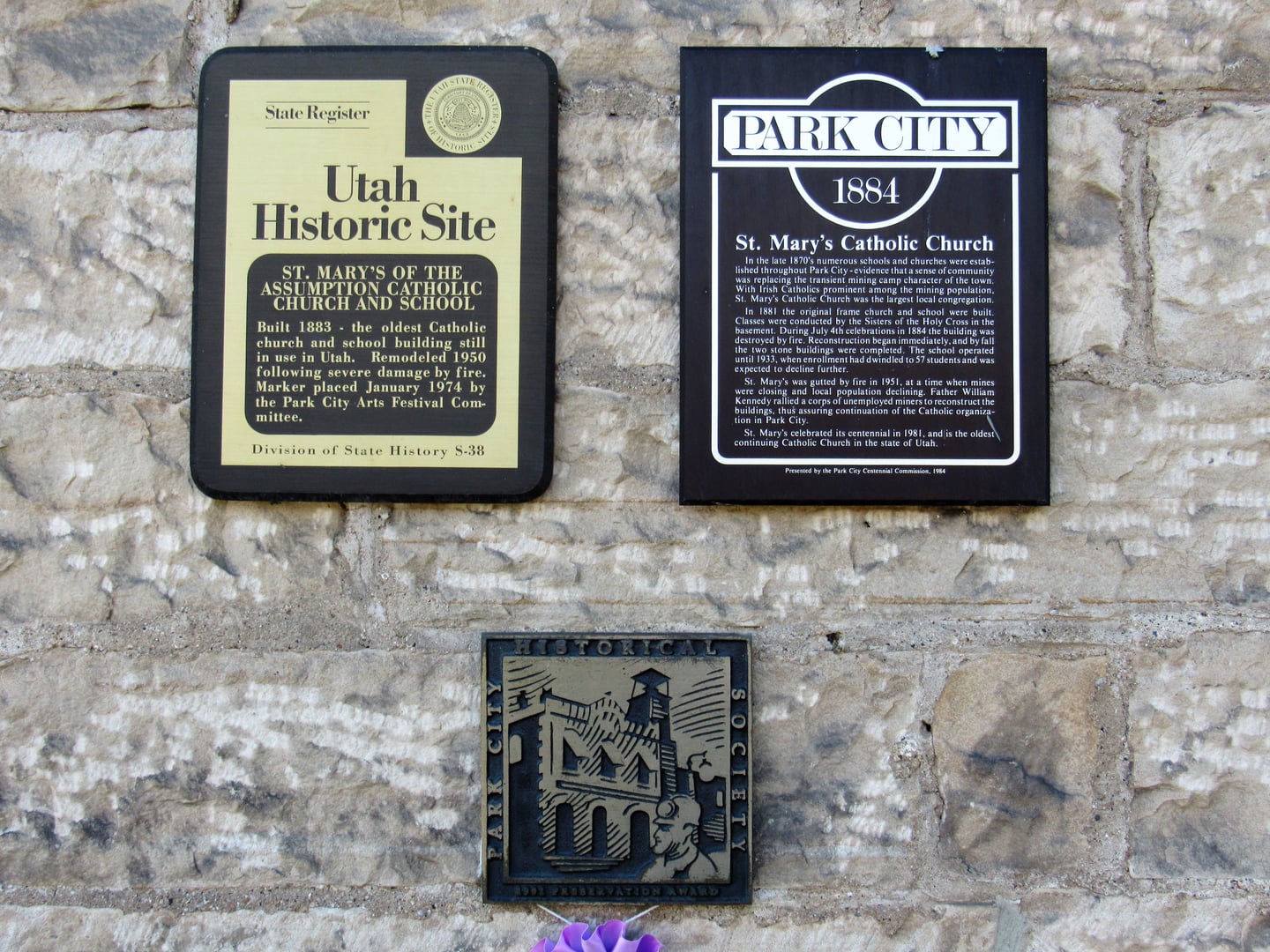
St. Mary's Old Town Chapel in Park City, Utah — the 1884 buff limestone church with Gothic arched windows at the top of Park Avenue, Utah's oldest Catholic church
Theater / Performance Venue

St. Mary's Old Town Chapel

Park City, UT

St. Mary's Parish was established in 1881 to serve Park City's largely non-Mormon mining community. A small wood-frame church burned within a year of completion. The replacement, built in 1884 from buff limestone with Gothic arches and a wooden belfry, survived the 1898 fire that destroyed much of downtown and is now Utah's oldest Catholic church still in use. Added to the National Register of Historic Places on January 25, 1979.

$ All Ages Family: High
Haunted Hotel / Inn

Snowed Inn

Park City, UT

The Snowed Inn operated as a bed and breakfast in an older mansion off Park City's State Route 224 beginning in 1986. The original owners launched a sleigh-ride dining program in 1990. After selling the original property in 2000, the operation moved to a new Victorian-style replica building at Park City Mountain Resort, which opened in December 2000 and continues to host sleigh rides and dinners.

$$ All Ages Family: High
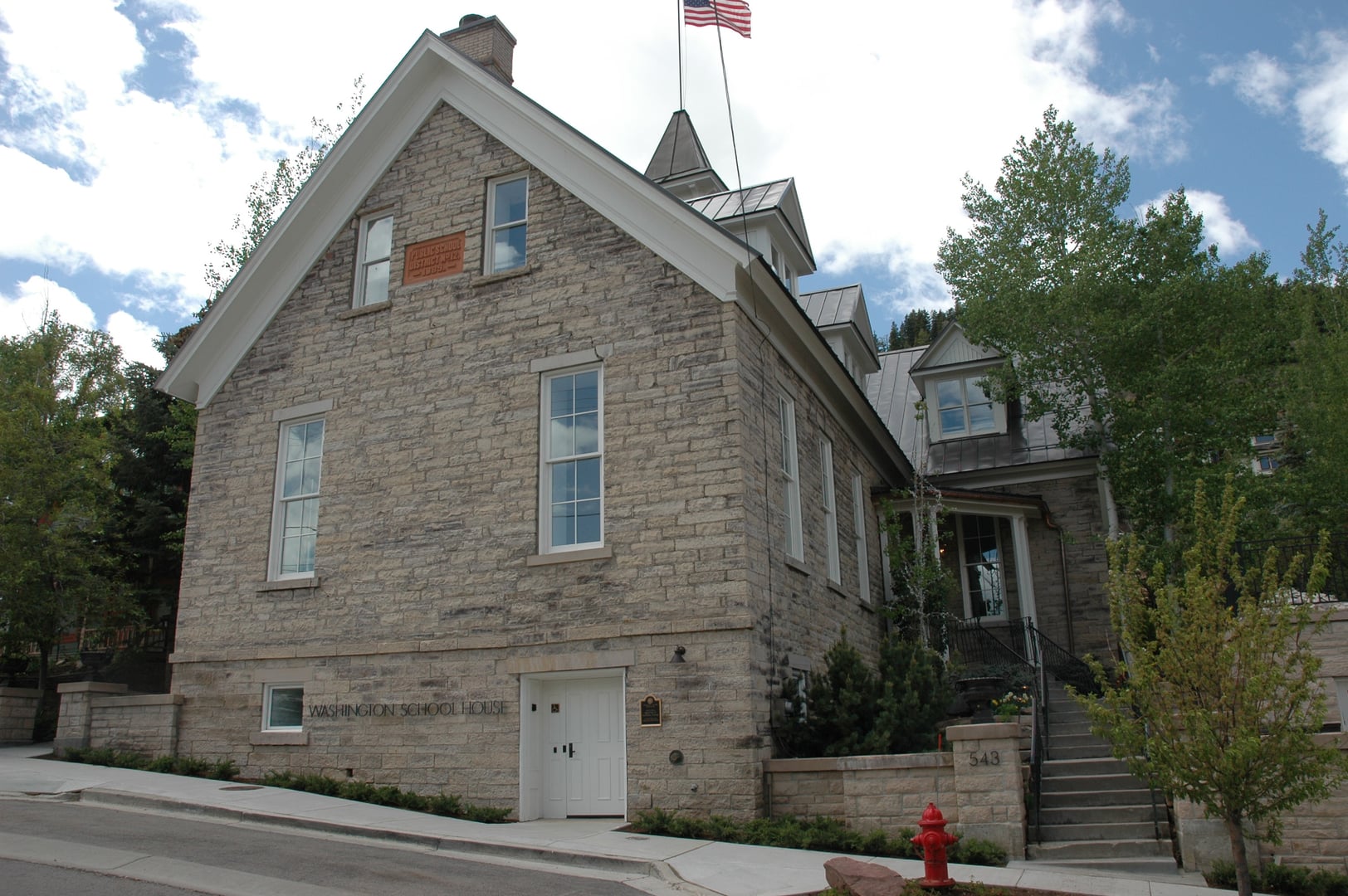
Photo of Washington School House Hotel
Haunted Hotel / Inn

Washington School House Hotel

Park City, UT

Washington School House was built in 1889 as one of three original public schools in Park City, named for George Washington and constructed in hammered limestone that survived the town's catastrophic 1898 fire. After the school closed, the building served as a dancehall for a local Veterans of Foreign Wars post before reopening as a bed and breakfast in 1984. A 2011 renovation converted it to the luxury boutique hotel it is today.

$$$ All Ages Family: High
Haunted Hotel / Inn

Imperial Hotel

Park City, UT

John Bogan completed a boarding house at 221 Main Street in Park City in 1904; it is the building Parkites later knew as the Imperial Hotel. It briefly served as an emergency hospital during the 1918 influenza pandemic and survived a 1940 fire. After operating as a hotel into the mid-2000s, the building was acquired by the owners of Riverhorse on Main and reopened as Riverhorse Provisions, a café and market.

$$ All Ages Family: High
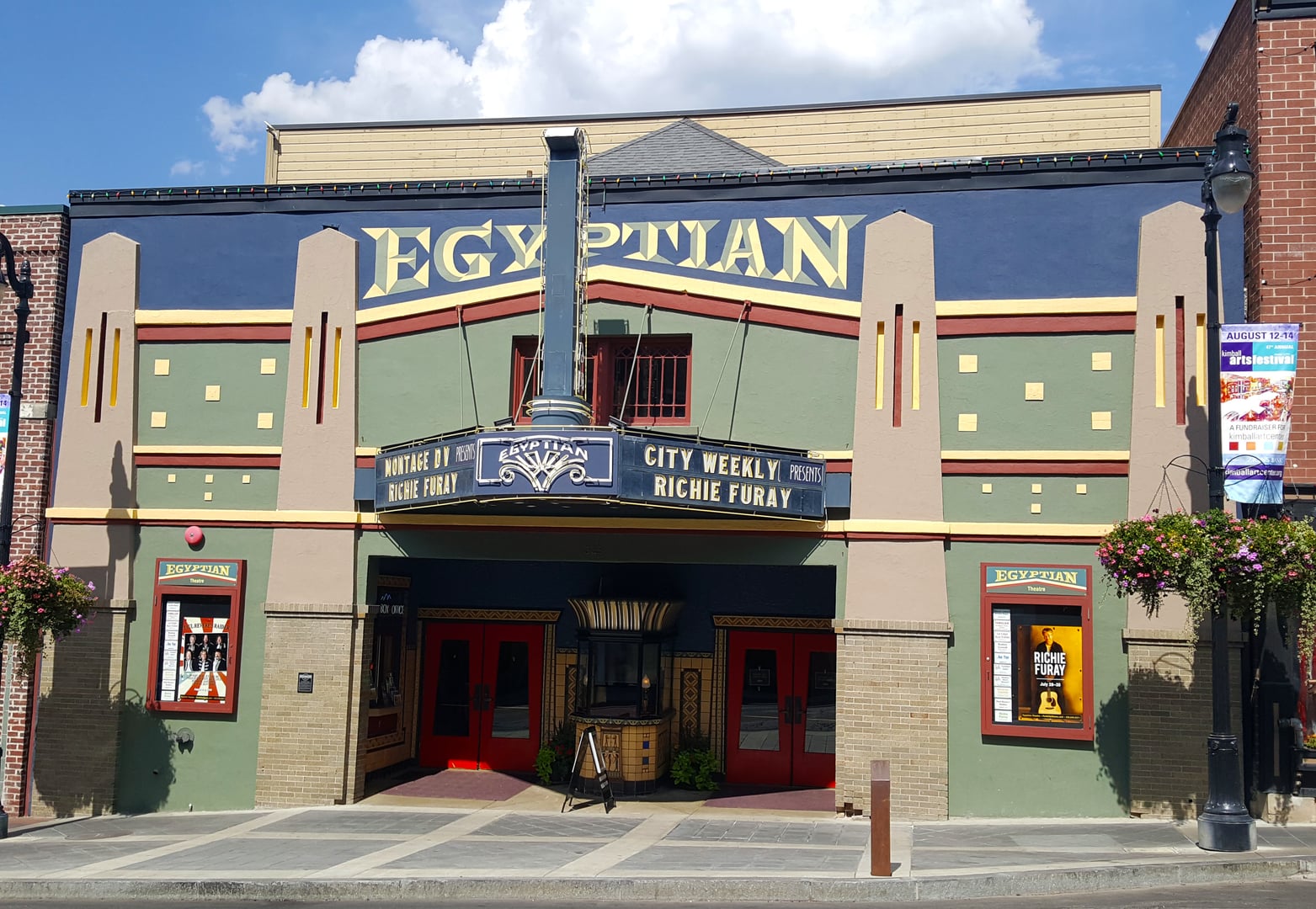
Exterior facade of the Egyptian Theatre on Main Street in Park City, Utah, with its 1926 marquee
Theater / Performance Venue

Park City Egyptian Theatre

Park City, UT

The Egyptian Theatre opened on Christmas Day 1926 at 328 Main Street, built on the site of the Dewey Theatre, which had collapsed under a snow load in January 1916. Its Egyptian Revival decoration followed the 1922 discovery of Tutankhamun's tomb. It is now the Mary G. Steiner Egyptian Theatre, owned by a preservation foundation and operated as a year-round performing-arts venue and a Sundance Film Festival site.

$$ All Ages Family: High

Helper — 4

Aerial survey view of The White Lady of Spring Canyon (Latuda)
Aerial survey · USDA NAIP
Outdoor / Natural Site

The White Lady of Spring Canyon (Latuda)

Helper, UT

Spring Canyon, west of Helper in Carbon County, Utah, was one of the state's busiest coal-mining districts in the early-to-mid 20th century. Camps including Latuda, Standardville, Rains, Peerless, and Mutual sprang up after 1912, collectively home to thousands of miners and families and producing tens of millions of tons of coal before the mines closed by the 1960s. Latuda began around 1917 with the Liberty Mine and once had a post office, school, company store, and roughly 400 residents.

$ All Ages Family: Moderate
Haunted Hotel / Inn

Carbon Hotel

Helper, UT

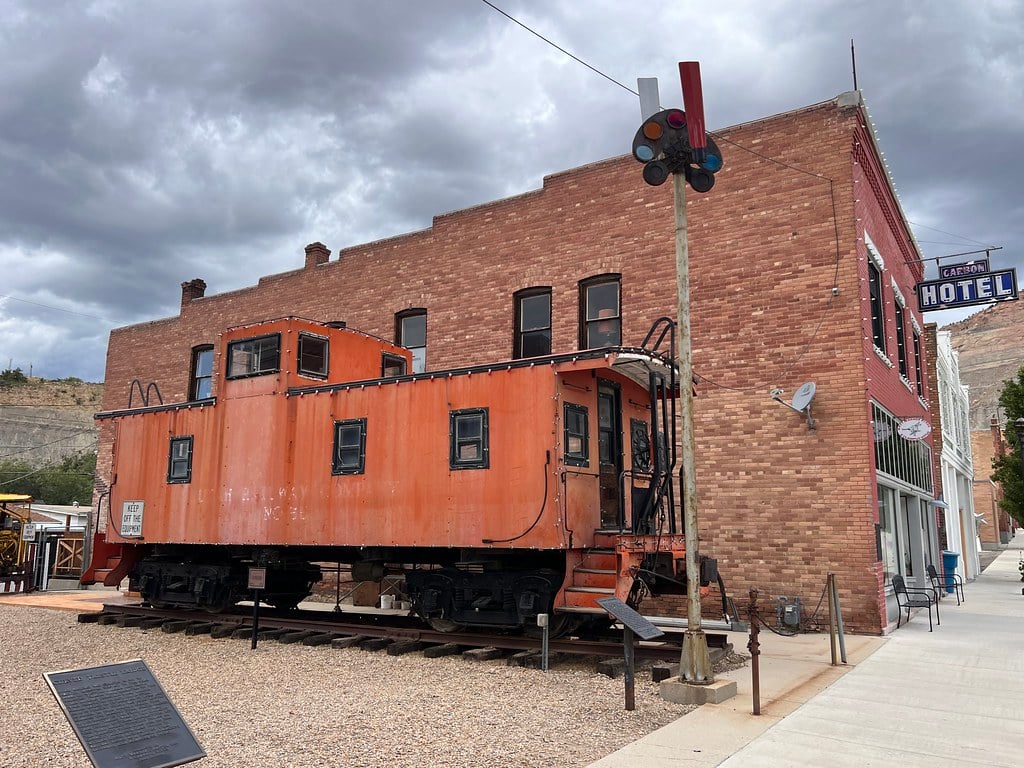
The Carbon Hotel at 258 South Main Street in Helper dates to the early 1900s and operated as a hotel, bar, and cafe, with a second-floor bordello that ran until 1976. Helper grew as a railroad and coal-mining town, and the brothel served miners and railroad workers. The Matt Warner Chapter of the Westerners purchased the building in 1987 and restored it as a meeting hall.

$ All Ages Family: High
Other Dark Tourism Site

Gateway Lanes (Helper Bowling Alley)

Helper, UT

Gateway Lanes is a bowling alley on Helper's Main Street, in a building that previously operated as a theater. Helper grew as a railroad and coal-mining town in Carbon County, and its Main Street retains a dense run of early-20th-century commercial buildings now on the National Register.

$ All Ages Family: Moderate
The Western Mining and Railroad Museum in Helper, Utah, housed in the 1913-14 former Helper Hotel building
Museum / Historical Site

Western Mining and Railroad Museum

Helper, UT

The Western Mining and Railroad Museum opened in 1964 and occupies the old Helper Hotel building, built in 1913-1914 on Main Street. It documents the coal-mining and railroad history of Carbon County. Helper, named for the helper locomotives that pushed trains up Price Canyon, grew as a key rail and mining town.

$ All Ages Family: Moderate

Logan — 3

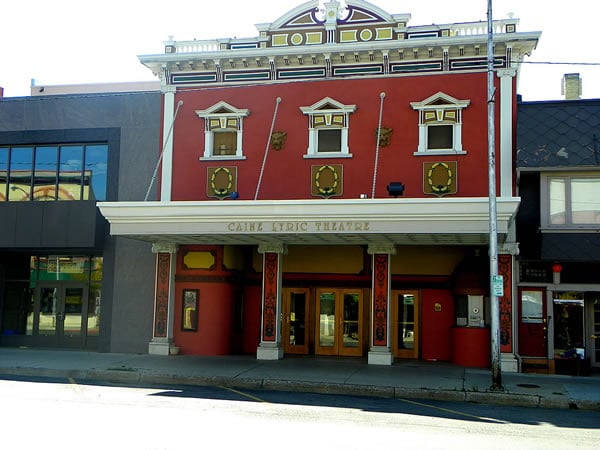
The Caine Lyric Theatre, a 1913 historic theater on Center Street in downtown Logan, Utah
Theater / Performance Venue

Caine Lyric Theatre

Logan, UT

The Caine Lyric Theatre opened in 1913, built by the prominent Thatcher family after a fire destroyed the Thatcher Opera House. It stands at 28 West Center Street in downtown Logan. Utah State University bought the theater in 2000, restored and expanded it, reopening in 2001, and it now houses the Lyric Repertory Company.

$$ All Ages Family: High
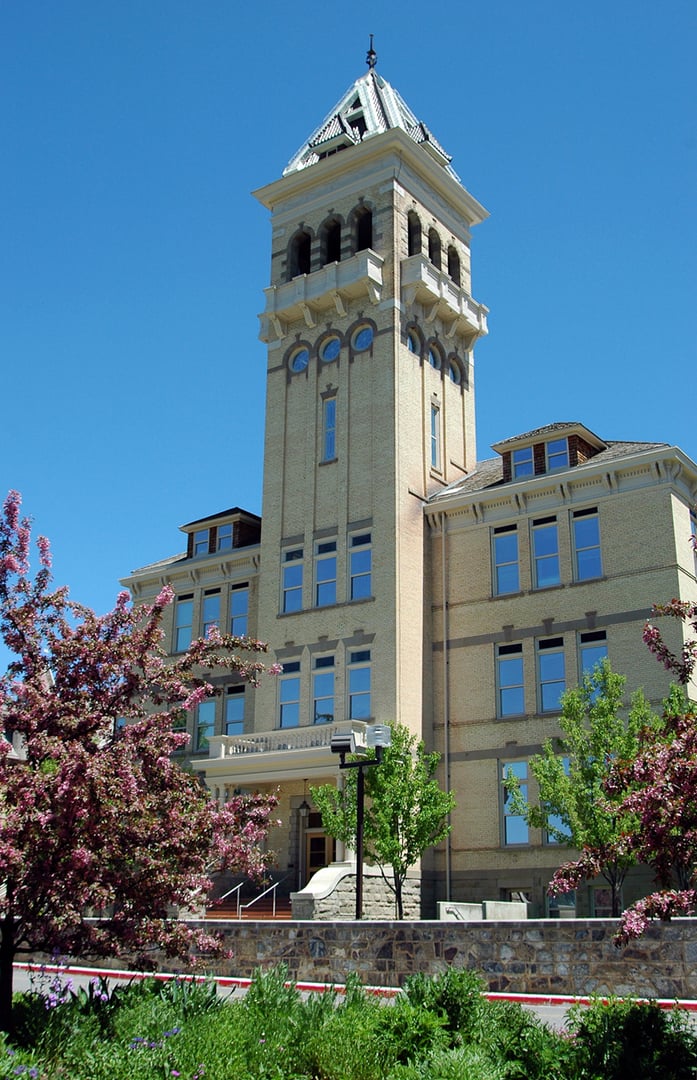
Old Main, the oldest building at Utah State University, with its bell tower atop Old Main Hill in Logan, Utah
Museum / Historical Site

Old Main (Utah State University)

Logan, UT

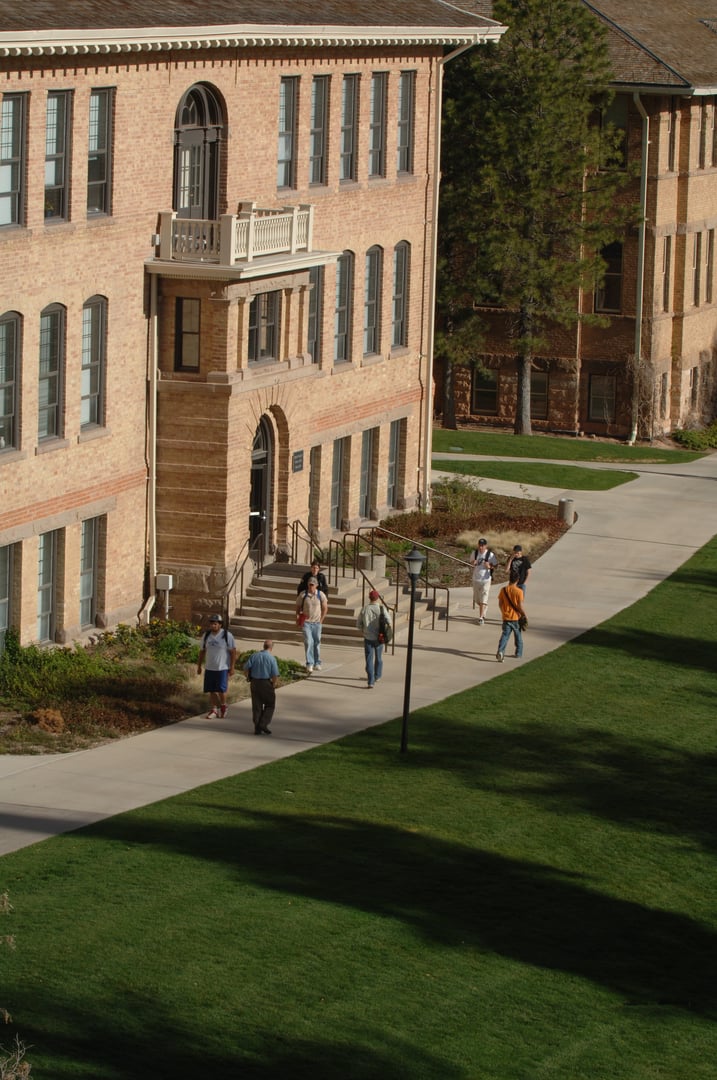
Old Main is the oldest building on the Utah State University campus, begun in 1889, the year after the institution was founded as the Agricultural College of Utah. It crowns Old Main Hill above Logan and has served the school for more than a century, with its bell tower a longtime campus landmark.

$ All Ages Family: Moderate
Cemetery / Burial Ground

The Weeping Woman (Cronquist Monument), Logan City Cemetery

Logan, UT

The Cronquist monument was placed in Logan City Cemetery in 1914. It marks the plot of the Cronquist family, who lost five of their eight children over a span of about twelve years. The grief-laden history of the family burial is the foundation of the statue's later legend.

$ All Ages Family: High

Provo — 3

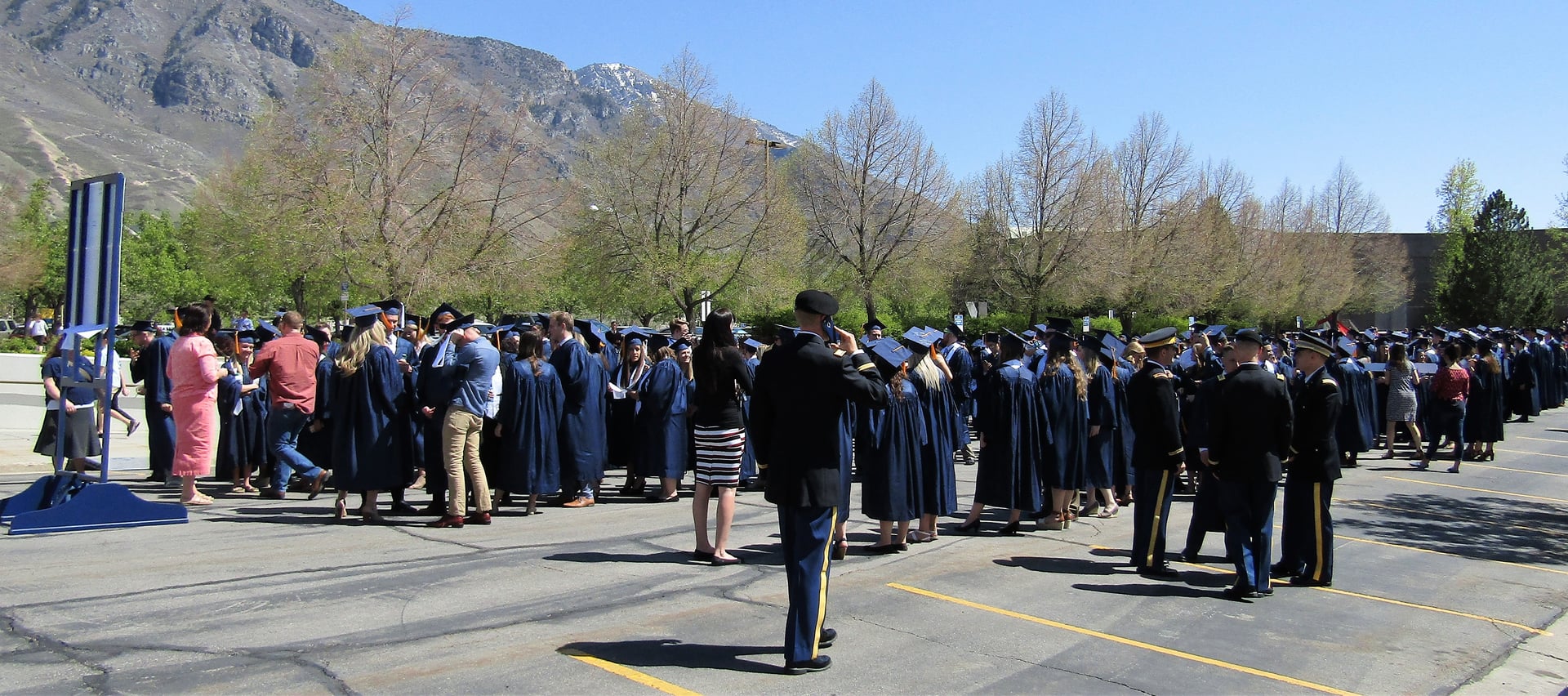
BYU graduates waiting to march to the Marriott Center for Commencement.
Museum / Historical Site

Brigham Young University

Provo, UT

Brigham Young University is a private research institution operated by The Church of Jesus Christ of Latter-day Saints, located in Provo, Utah. The Harold B. Lee Library serves as BYU's primary library facility, housing extensive collections across multiple subject areas including music, archives, and recordings. The Music Section occupies Level 4 of the library, providing specialized resources for music scholarship and research.

$ All Ages (University campus) Family: High
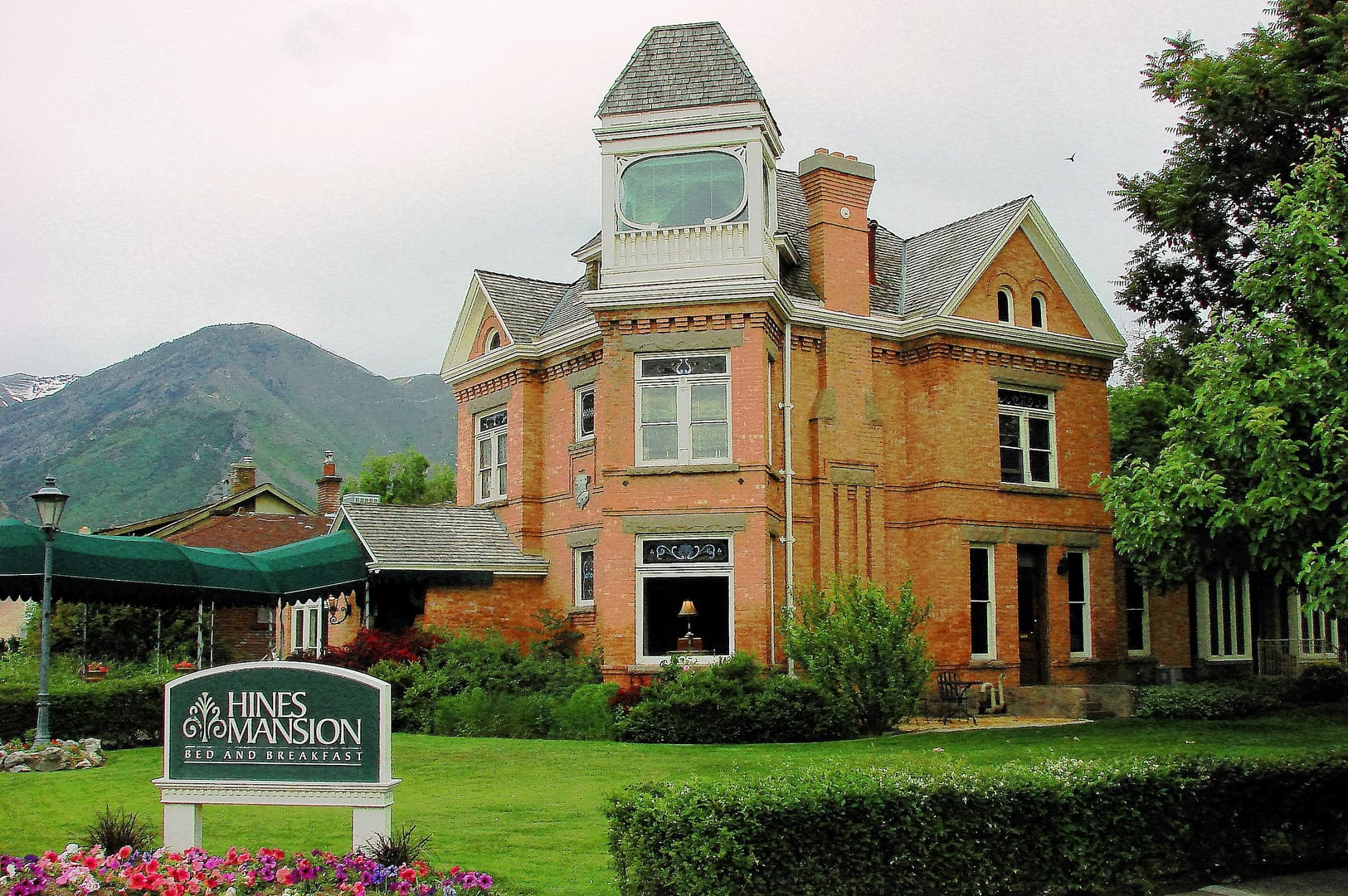
The Hines Mansion in Provo, Utah — 1895 Victorian brick mansion now operating as a bed and breakfast
Haunted Hotel / Inn

Hines Mansion Bed and Breakfast

Provo, UT

R. Spencer Hines, a Provo businessman with real estate and mining interests, built the mansion in 1895. At construction, it was described as one of the finest homes in Provo. The brick Victorian structure is attributed in regional sources to Utah architect Richard K.A. Kletting (designer of the Utah State Capitol), though Wikipedia notes Richard C. Watkins as an alternative attribution. The mansion was added to the National Register of Historic Places on July 12, 1978, and to the Provo City Historic Landmarks Registry in 1996.

$$$ All Ages Family: High
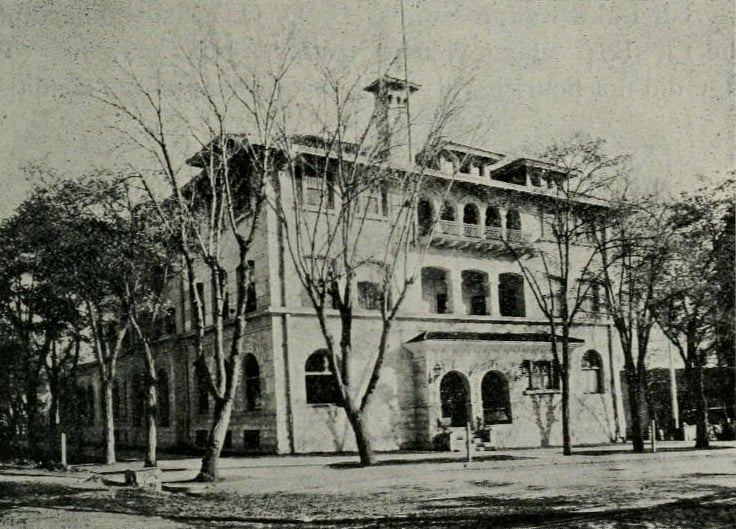
Utah State Hospital campus buildings in Provo, Utah.
Asylum / Hospital

Utah State Hospital — Castle Amphitheater & Museum

Provo, UT

Utah State Hospital was founded in 1885 as the Territorial Insane Asylum, Utah's first public psychiatric institution. By the 1940s the 700-bed facility held over 1,100 patients, with mattresses lining hallways. A WPA-built amphitheater on the grounds became the site of the Haunted Castle, a Halloween haunted house that ran from 1971 to 1997 and was staffed in part by the hospital's own patients.

$ All Ages Family: High

Brigham City — 2

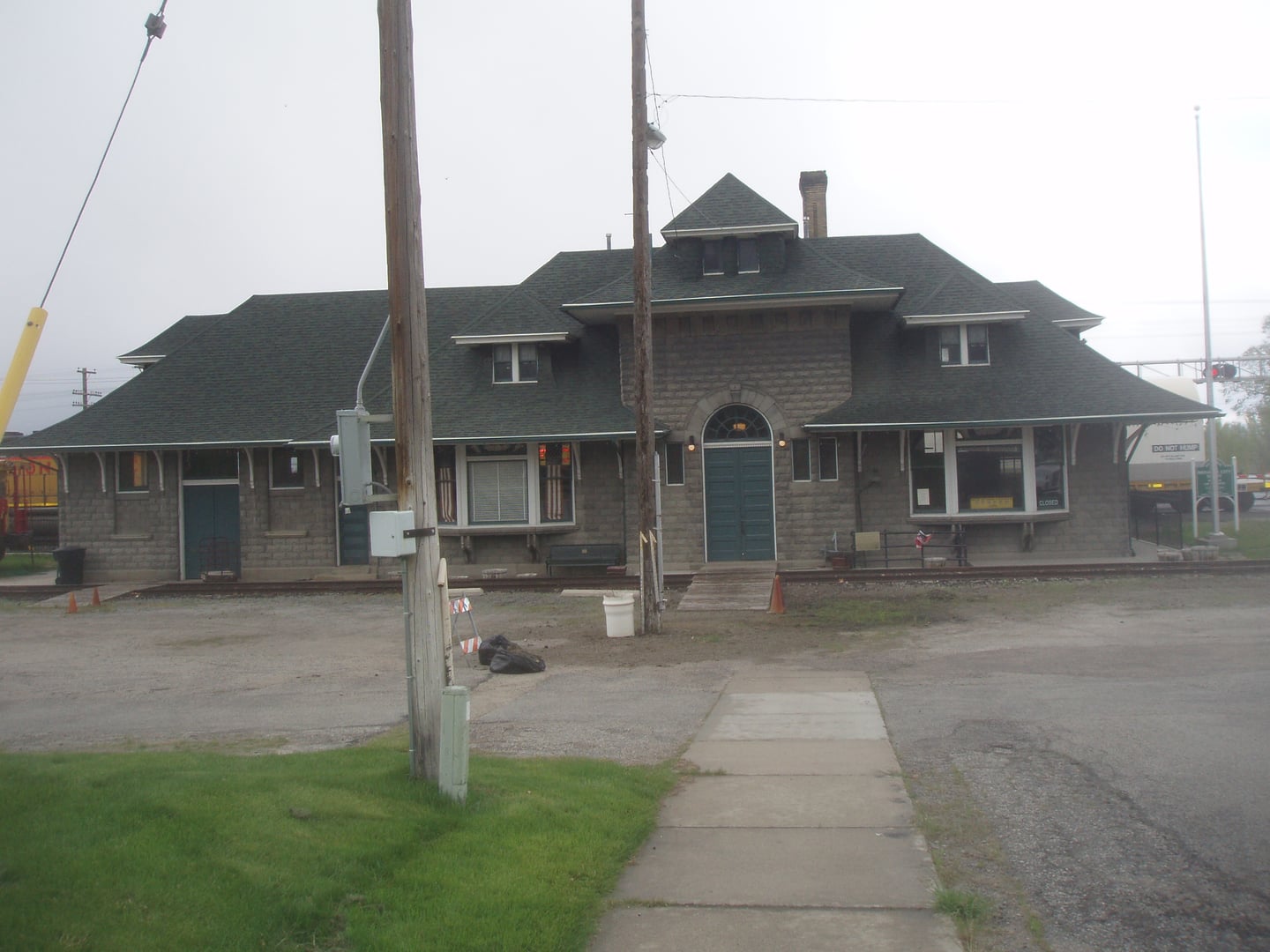
Photo of Brigham City Train Depot
Museum / Historical Site

Brigham City Train Depot

Brigham City, UT

The Oregon Short Line began construction of the Brigham City depot in 1906; it opened May 19, 1907. Built in Craftsman style from concrete blocks cast to resemble stone — the only commercial Craftsman structure in Brigham City — the depot handled up to 140 carloads of fruit per day at its 1910 peak and served military personnel during World War II. Passenger service declined through the 20th century. In 1994 the building was deeded to the Golden Spike Association for restoration as an educational center.

$ All Ages Family: High
Box Elder High School Gymnasium, a historic NRHP-listed brick building in Brigham City, Utah, now part of the Box Elder Middle School campus where locker-room paranormal activity is reported
Other Dark Tourism Site

Brigham City

Brigham City, UT

Box Elder Middle School is an active public middle school in Brigham City, Utah, serving grades 6-8 for the Box Elder School District. The school provides standard secondary education and athletic facilities including gymnasium, locker rooms, and weight room amenities.

$ 18+ (Active school — no public access) Family: High

Cedar City — 2

Theater / Performance Venue

Adams Memorial Theatre / Auditorium, Southern Utah University

Cedar City, UT

The Adams Memorial Shakespearean Theatre at Southern Utah University in Cedar City has served for decades as the outdoor home of the Utah Shakespeare Festival, founded in 1961. The adjoining Auditorium is a campus performance and rehearsal space. Together they anchor SUU's long-running theater program in southern Utah.

$$ All Ages Family: High
Museum / Historical Site

Braithwaite Fine Arts Gallery, Southern Utah University

Cedar City, UT

The Braithwaite Fine Arts Gallery is Southern Utah University's art gallery in Cedar City, presenting rotating exhibitions of student, faculty, and visiting work. It sits within SUU's performing and visual arts complex, part of a campus whose roots reach back to the 1897 founding of the Branch Normal School.

$ All Ages Family: High

Eureka — 2

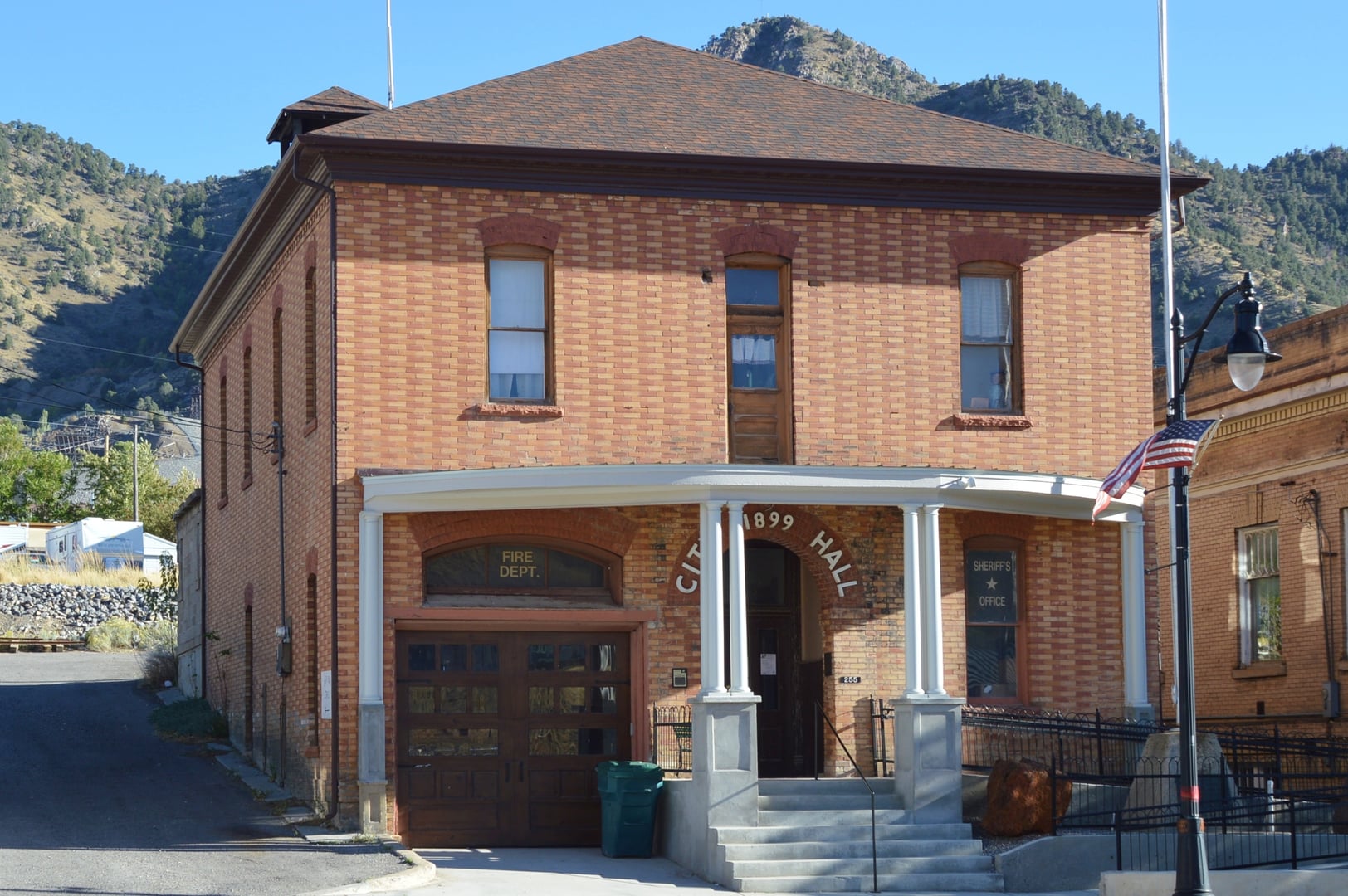
Eureka City Hall, an 1899 two-story masonry building in the Tintic Mining District of Eureka, Utah
Museum / Historical Site

Eureka City Hall

Eureka, UT

Eureka City Hall was built in 1899, during the Tintic Mining District's peak as one of Utah's top gold-, silver-, and lead-producing areas. The building housed the city court, mayor, recorder, treasurer, council chamber, and the volunteer fire department. Eureka and the surrounding district were listed on the National Register of Historic Places in 1979 as part of the Tintic Mining District Multiple Resource Area.

$ All Ages Family: High
Museum / Historical Site

Gatley Building

Eureka, UT

The Gatley Building is a historic commercial building on Eureka's Main Street in the Tintic Mining District. It now houses Crazy Mary's Rocks, a rock and mineral shop owned by Mary Crank. The building dates to the town's mining-boom era, when Eureka was the financial center of one of Utah's leading gold and silver districts.

$ All Ages Family: High

Layton — 2

Aerial survey view of Bell Printing
Aerial survey · USDA NAIP
Other Dark Tourism Site

Bell Printing

Layton, UT

Bell Printing and Design operates at 901 East Highway 193 in Layton, Utah, serving as a full-service printing and graphic design company. The business acquired the property approximately three years before documentation of paranormal activity. The building's pre-Bell Printing history and original construction date remain undocumented in available sources.

$ All Ages Family: High
Layton Commons Park in Layton, Utah, with green lawn and recreational paths on the former Verdeland Park site
Outdoor / Natural Site

Layton City Park

Layton, UT

Layton City Park sits on land that was Verdeland Park — a wartime federal housing project built to house Hill Field workers after the base broke ground in January 1940. As the housing crisis eased in the 1950s, the project was dismantled and the cleared land became a civic complex now including Layton High School, the Davis County Library branch, the Heritage Museum, city offices, and the park itself.

$ All Ages Family: High

Moab — 2

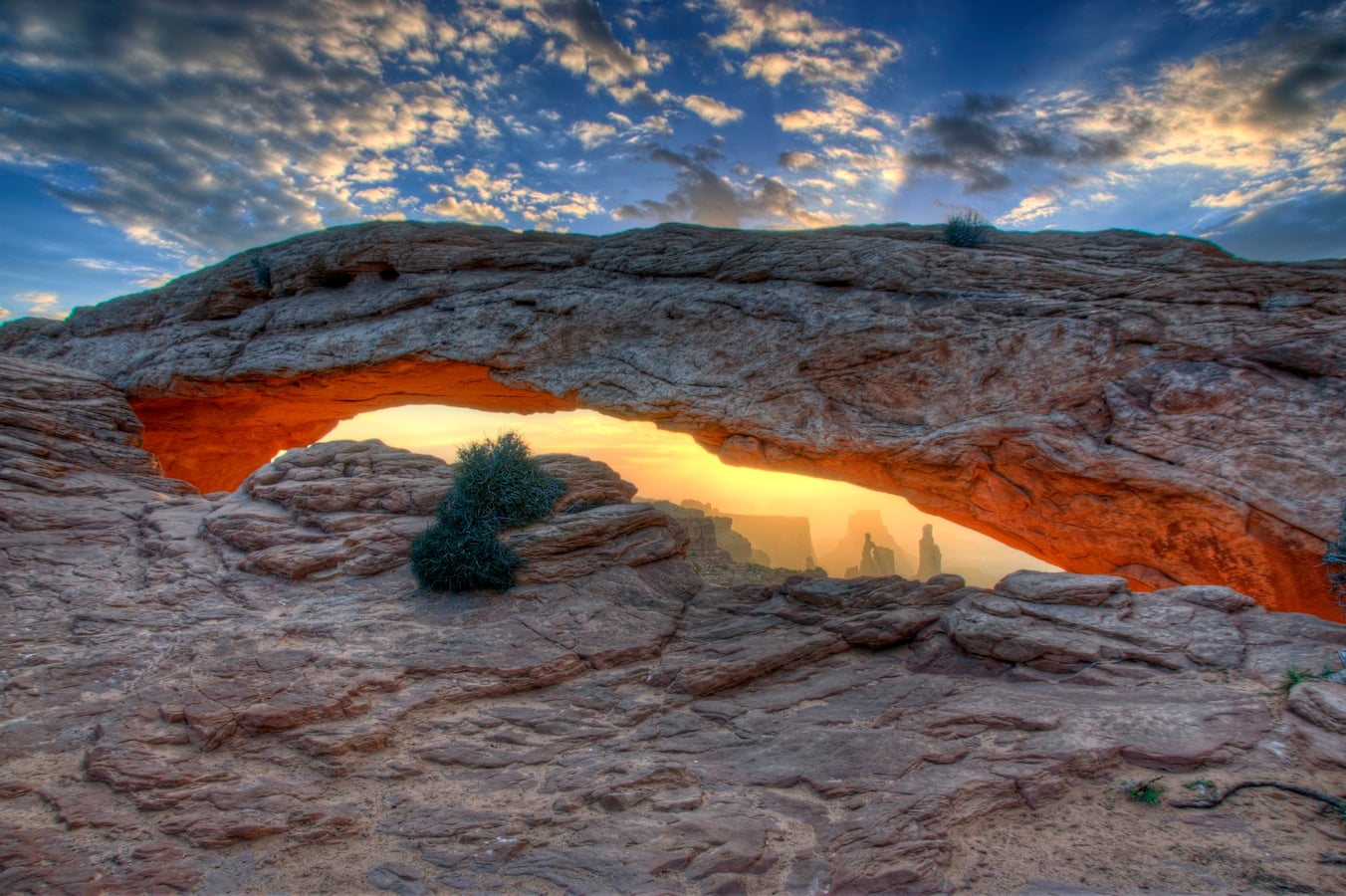
Mesa Arch at sunrise framing the canyon country of Canyonlands National Park's Island in the Sky district in southeastern Utah
Outdoor / Natural Site

Canyonlands National Park

Moab, UT

Canyonlands National Park preserves 337,598 acres of sandstone canyons, mesas, and rivers at the confluence of the Colorado and Green Rivers in southeastern Utah. The landscape has been continuously inhabited for at least 10,000 years, including substantial Ancestral Puebloan settlement between approximately 300 and 1300 AD, and remains within the ancestral homeland of the Ute people.

$$ All Ages Family: Moderate
Haunted Hotel / Inn

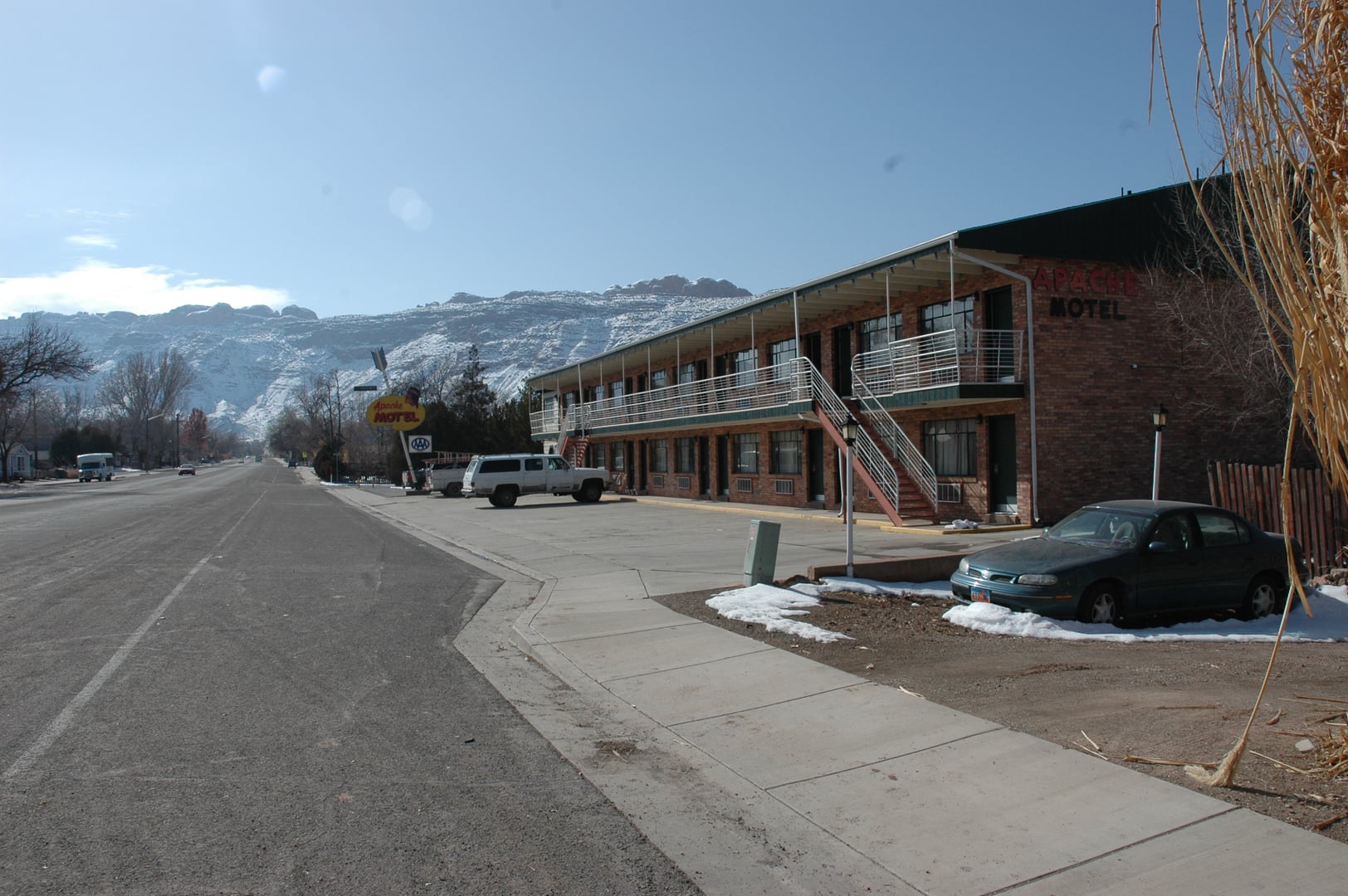
Apache Motel

Moab, UT

The Apache Motel is a mid-20th-century motel in Moab, built during the era when the surrounding canyon country drew Hollywood productions. It was used to house cast and crew working on Westerns filmed in the region, a heritage the motel still highlights.

$$ All Ages Family: High

Pleasant Grove — 2

Theater / Performance Venue

Grove Event Center (former Alhambra Theater)

Pleasant Grove, UT

The building at 20 S Main Street in Pleasant Grove opened in 1926 as the New Alhambra Theatre, a silent movie house built by Albert Vanwagoner and his brothers. It operated as a discount cinema until December 1997, then briefly as the Little London Dinner Theatre (1999-2002), then as the Grove Theatre under owners Gayliene Omary and Jan Shelton. It currently operates as the Grove Event Center, a multipurpose banquet hall and live performance space with 180 seats.

$ All Ages Family: High
Tree-lined canyon trail at Kiwanis Park with Battle Creek monument visible
Outdoor / Natural Site

Kiwanis Park

Pleasant Grove, UT

Kiwanis Park in Pleasant Grove, Utah stands at the mouth of Battle Creek Canyon, where Mormon militiamen killed at least four Timpanogos men on March 5, 1849. The settlement bearing the creek's name was later renamed Pleasant Grove. A monument in the park commemorates the confrontation, described on its plaque as the first armed engagement between Mormon pioneers and the Timpanogos people of Utah Valley.

$ All Ages Family: Moderate

Veyo — 2

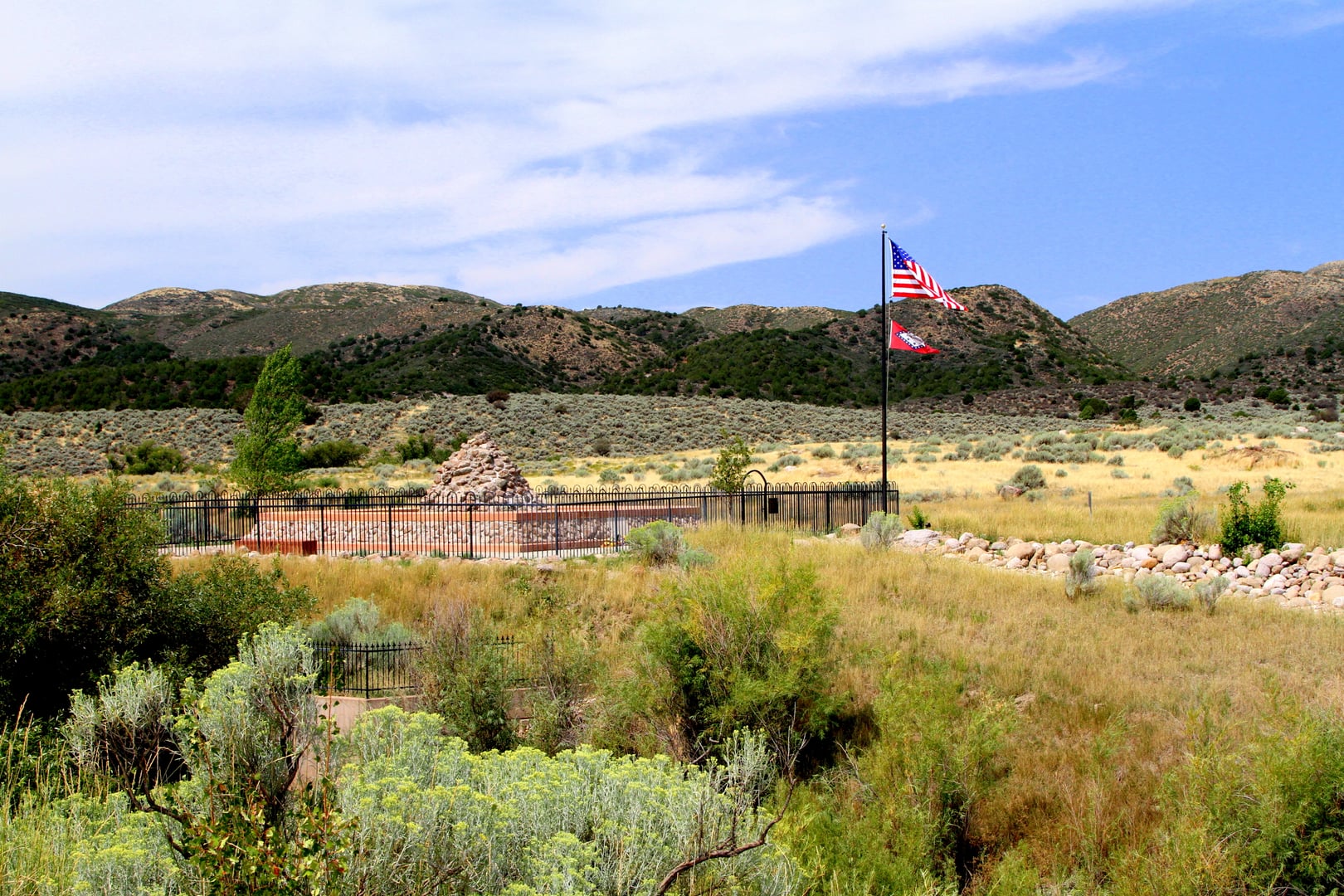
Mountain Meadows Massacre Memorial in Washington County, Utah, with stone monument and interpretive signage
Battlefield / Military Site

Mountain Meadows Massacre Memorial

Veyo, UT

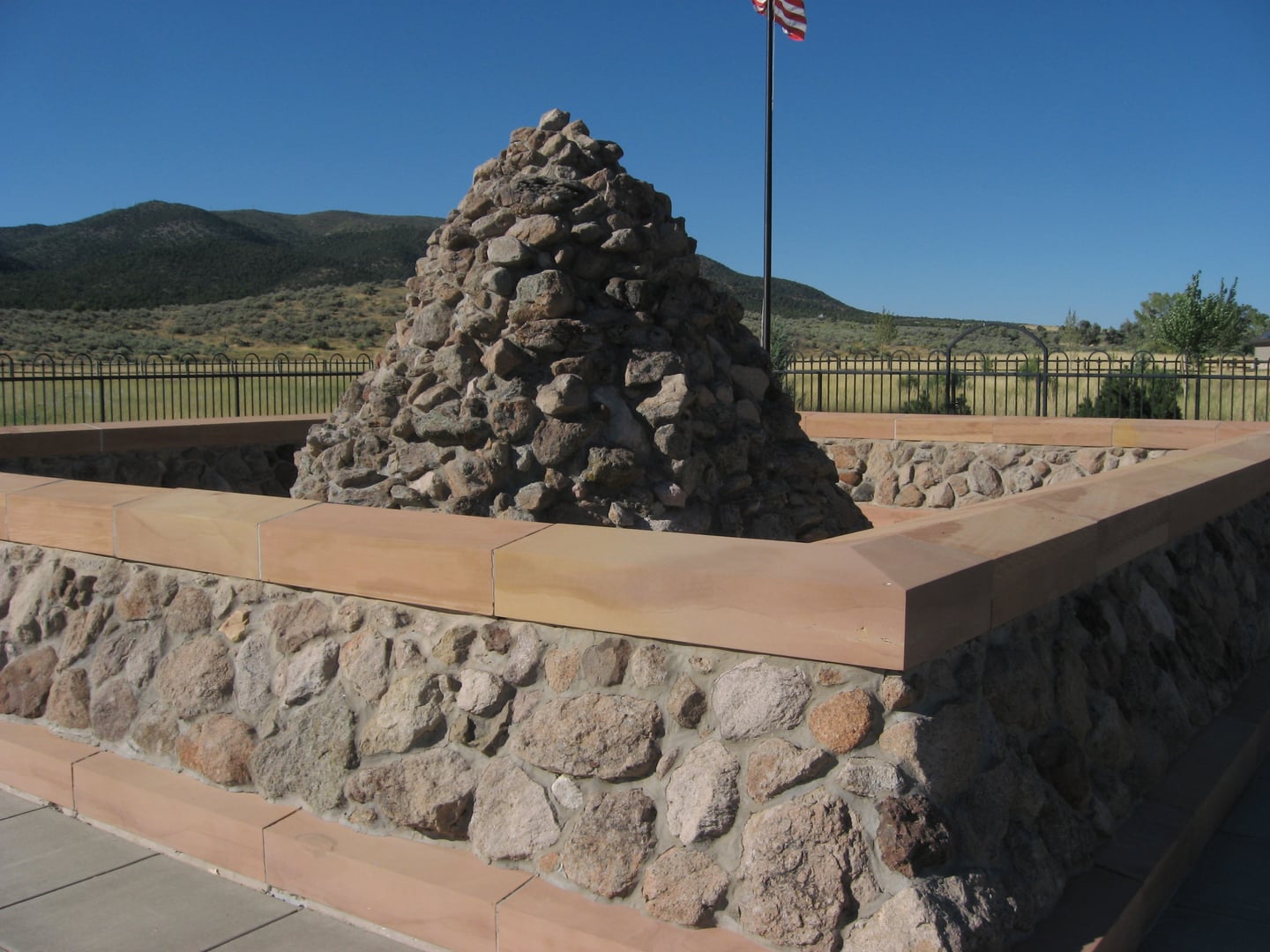
Between September 7 and 11, 1857, members of the Iron County district of the Utah Territorial Militia — acting with some Southern Paiute auxiliaries — massacred approximately 120 members of the Baker-Fancher wagon train in the valley of Mountain Meadows. The emigrants were traveling from Arkansas to California. Only 17 children under the age of six were spared. A single militiaman, John D. Lee, was convicted and executed in 1877.

$ All Ages Family: Moderate
Aerial view of the Mountain Meadows Massacre site in Washington County, Utah, showing the valley where the 1857 massacre occurred
True Crime Site

Mountain Meadows Massacre Site

Veyo, UT

Between September 7 and 11, 1857, members of the Iron County district of the Utah Territorial Militia — acting alongside some Southern Paiute auxiliaries — massacred approximately 120 members of the Baker-Fancher wagon train at Mountain Meadows in what is now Washington County, Utah. The emigrants, traveling from Arkansas to California, were approached under a flag of truce and then killed. Only 17 children under age six were spared. One militiaman, John D. Lee, was executed at the site in 1877. Congress designated Mountain Meadows a National Historic Landmark in 2011.

$ All Ages Family: Moderate

Ballard — 1

Entrance to Skinwalker Ranch in the Uintah Basin near Ballard, Utah, subject of paranormal research since the 1990s
Outdoor / Natural Site

Skinwalker Ranch

Ballard, UT

Skinwalker Ranch is a 512-acre property southeast of Ballard, Utah, in the Uintah Basin. Formerly known as the Sherman Ranch, it has been the subject of paranormal and UAP research since the mid-1990s and is now owned by businessman Brandon Fugal, whose investigation has been documented in the History Channel series The Secret of Skinwalker Ranch.

$ Public access prohibited Family: Moderate

Brighton — 1

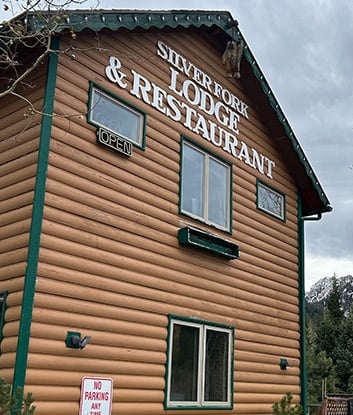
Silver Fork Lodge exterior in Big Cottonwood Canyon, showing the historic 1947 timber mountain retreat surrounded by Wasatch pines
Haunted Hotel / Inn

Silver Fork Lodge and Restaurant

Brighton, UT

The Silver Fork community in Big Cottonwood Canyon, Utah dates to the 1850s as a mining and sawmill settlement of approximately 2,500 residents. The current lodge building evolved from a general store; Ethel and Ted Glines added the dining room and lodge addition in the mid-1950s. The reclaimed wood ceiling beams in the dining room came from the Cardiff Fork Mine. Current owner Dan Knopp purchased the property in 1993 and undertook extensive renovations while preserving historical materials.

$$ All Ages Family: High

Cisco — 1

Outdoor / Natural Site

Cisco Ghost Town

Cisco, UT

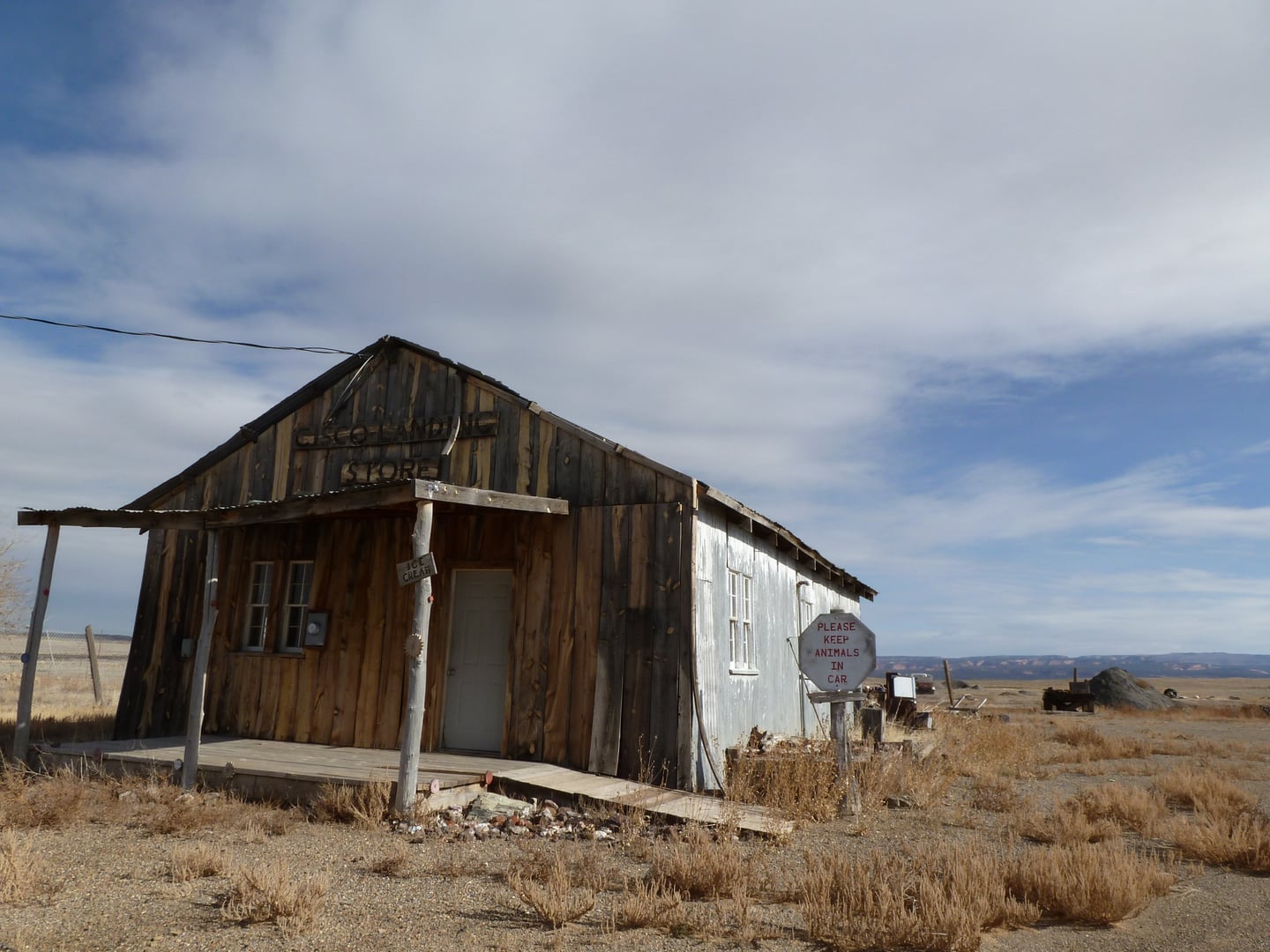
Cisco began in the 1880s as a saloon and water-refilling stop for the Denver and Rio Grande Western Railroad in eastern Utah. It grew with ranching, sheep shipping, and later oil and gas, then declined as diesel locomotives ended its rail role and Interstate 70 bypassed the town. By 2020 it had about four residents.

$ All Ages Family: Moderate

Echo — 1

Haunted Dining / Bar

The Kozy Cafe (Former)

Echo, UT

The Kozy Cafe in Echo, Utah, was built in 1924 and was originally owned by Willa and Cora Dilloree as a family-run roadside restaurant in the historic railroad town at the mouth of Echo Canyon. The cafe served as a community gathering place across multiple generations, and was used as a filming location for the television series 'Touched By An Angel.' The building is currently listed as closed in regional cafe directories.

$ All Ages Family: High

Fairfield — 1

The Stagecoach Inn at Camp Floyd State Park in Fairfield, Utah, a restored 19th-century stage stop and Pony Express waystation
Museum / Historical Site

Camp Floyd State Park & Stagecoach Inn

Fairfield, UT

Camp Floyd was established in 1858 in Fairfield, Utah Territory, as the base for 3,500 US Army troops dispatched under General Albert Sidney Johnston to restore federal authority during the Utah War — the standoff between the US government and Latter-day Saint settlers. At its peak it was the largest US Army installation in the country, with approximately 400 buildings. When the Civil War began in 1861, the troops were recalled east. Most buildings were sold or demolished; the army left behind an unmarked military cemetery with approximately 84 graves.

$ All Ages Family: High

Highland — 1

Aerial survey view of Highland City Cemetery
Aerial survey · USDA NAIP
Cemetery / Burial Ground

Highland City Cemetery

Highland, UT

Highland City Cemetery in Highland, Utah County, is a municipally operated burial ground with approximately 450 interments, the earliest dating to 1965. The cemetery is managed by the City of Highland and contains primarily modern grave markers.

$ All Ages Family: High

Honeyville — 1

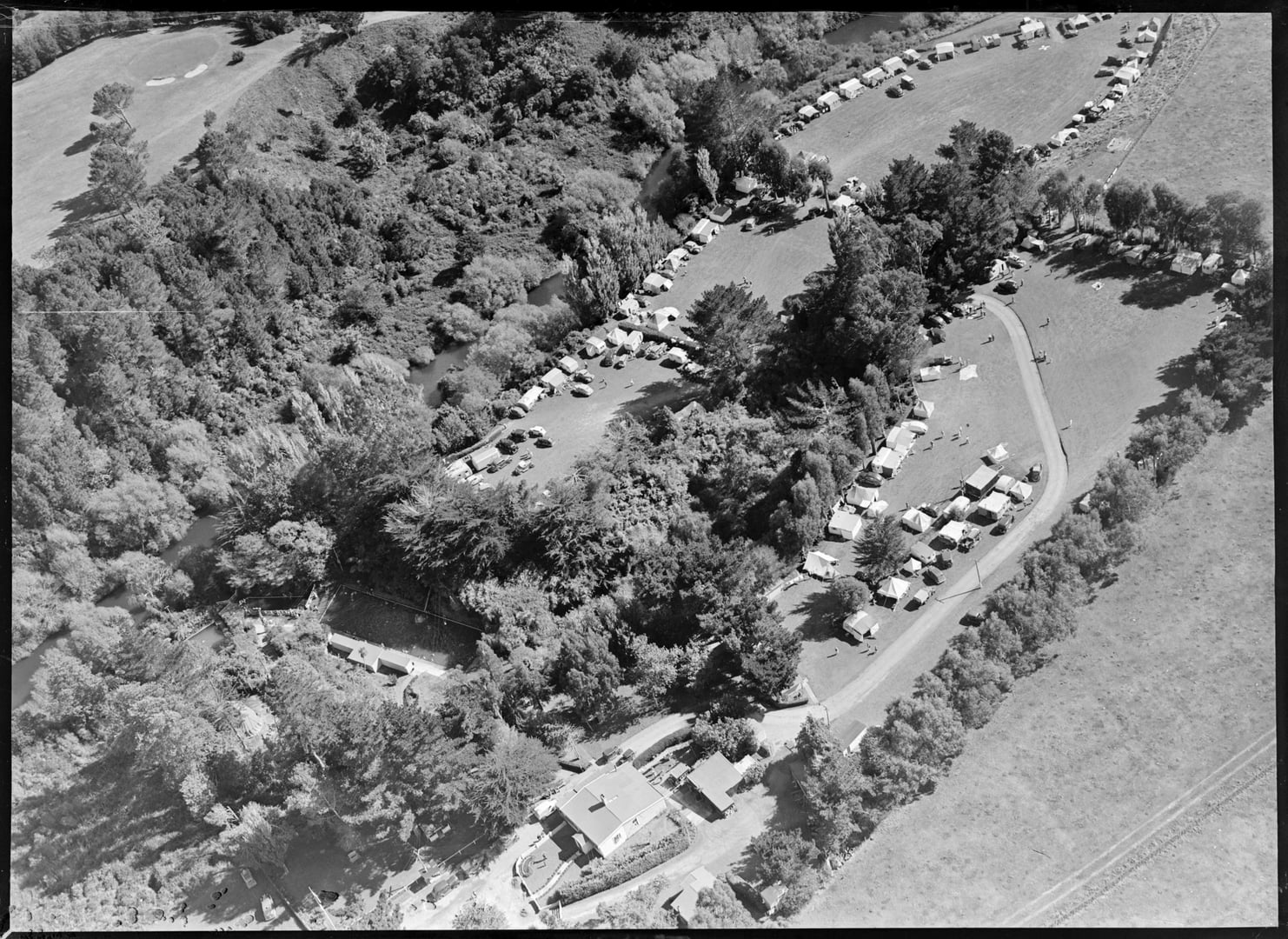
Crystal Springs in 1949, Okauia
Other Dark Tourism Site

Crystal Hot Springs

Honeyville, UT

Crystal Hot Springs in Honeyville, Utah operates on a site known since at least the early 1900s, when it was commercially developed as Madsen Hot Springs. The Great Basin Shoshone-Bannock people used the springs long before European settlement. A 1937 lightning strike destroyed the original indoor pool structure; the modern outdoor complex was built in its place.

$$ All Ages Family: High

Kaysville — 1

Aerial survey view of Kay's Cross
Aerial survey · USDA NAIP
Other Dark Tourism Site

Kay's Cross

Kaysville, UT

Kay's Cross was a large stone monument—approximately 20 feet tall and 13 feet wide—built in 1946 on land owned by the Kingston family, a fundamentalist LDS offshoot in Davis County. The structure stood in a wooded hollow near Kaysville for decades, accumulating paranormal legends during the 1980s Satanic panic. On February 15, 1992, roughly 80 pounds of dynamite destroyed the cross at its base. The culprit was never identified. In 2013, the Kingston family opened the site as a commercial guided tour operation called 'Haunted Kay's Cross.'

$ All Ages Family: Moderate

Ogden Canyon — 1

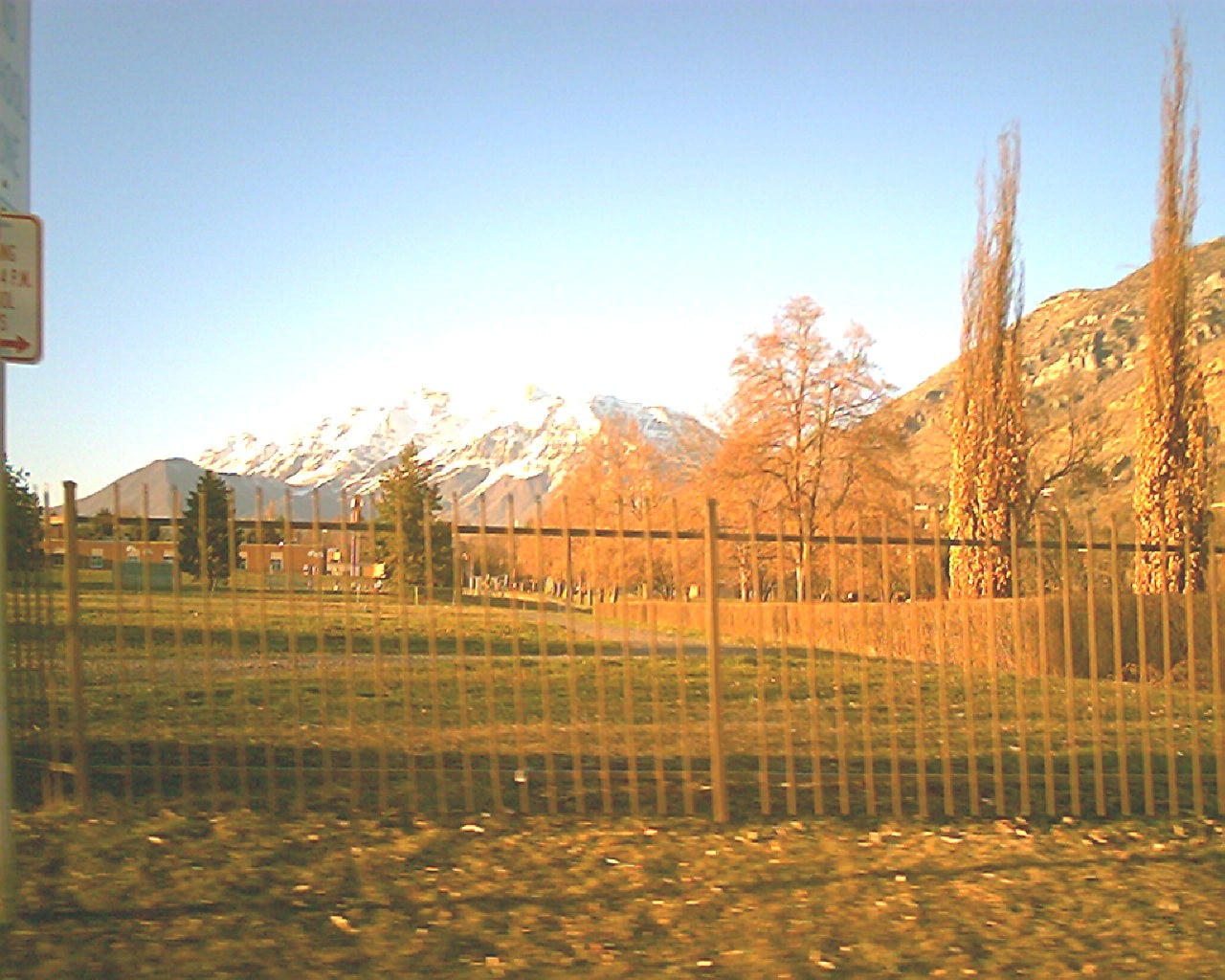
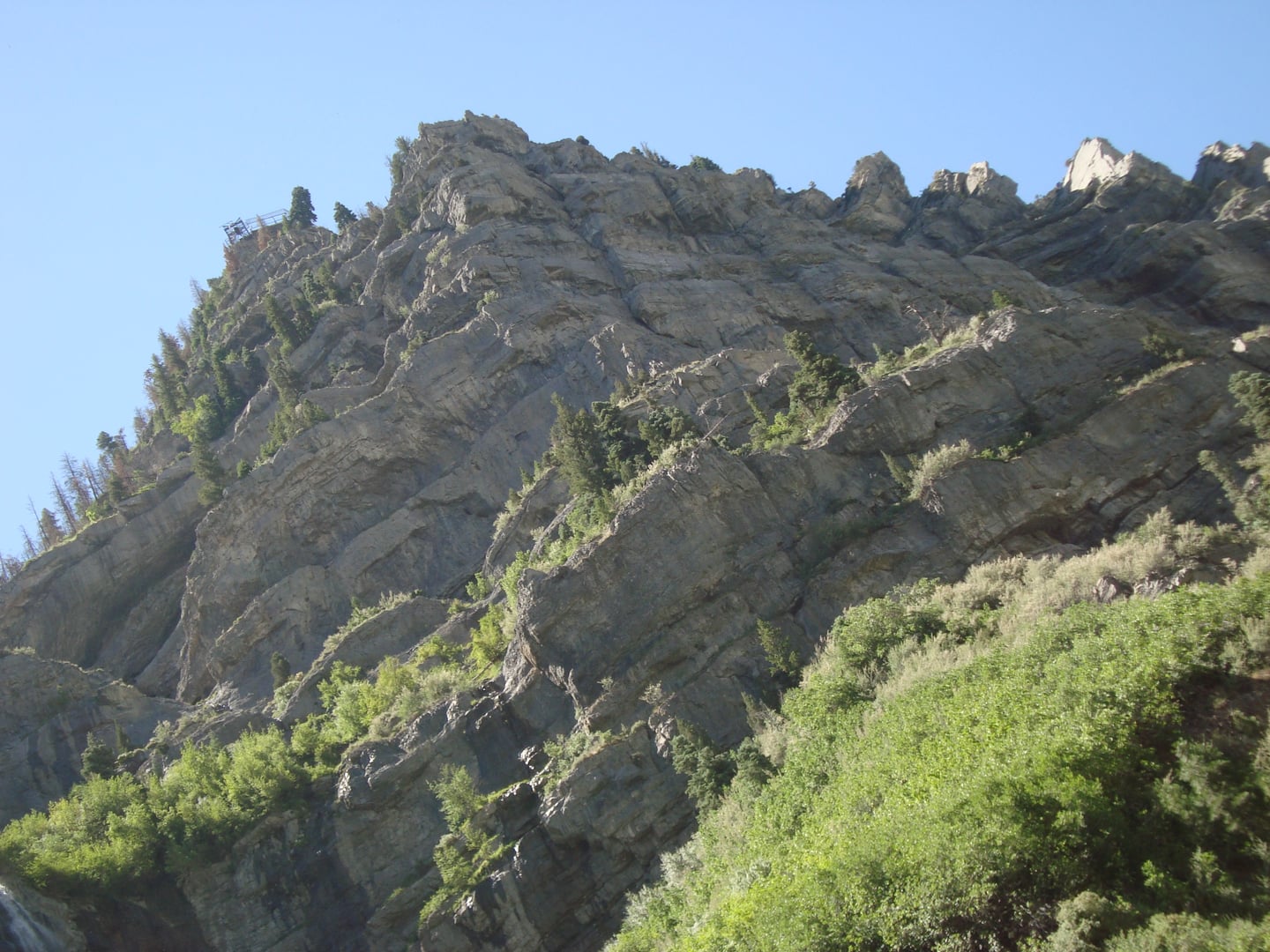
Bridal Veil Falls, United States
Outdoor / Natural Site

Bridal Veil Falls Road

Ogden Canyon, UT

Ogden Canyon, a scenic mountain pass between Ogden and Huntsville in Weber County, Utah, has served as a primary transportation corridor for over a century. The canyon road is characterized by winding curves and elevation changes that have historically contributed to vehicle accidents. The area has long been associated with paranormal folklore, including the widely distributed vanishing hitchhiker legend that emerged across North America in the 1930s.

$ All Ages Family: Moderate

Price — 1

Theater / Performance Venue

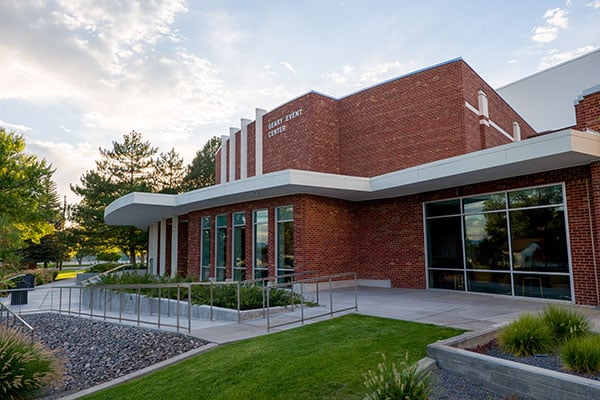
Geary Event Center (Geary Theatre), USU Eastern

Price, UT

The Geary Event Center, originally the Geary Theatre, is among the oldest buildings on the Utah State University Eastern campus in Price, completed in 1961. It is named for Elmo Geary, a professor of speech, debate, and theater who taught from 1951 until his death in 1961 and who championed the theater's construction. The venue has served as the campus's main proscenium performance hall and underwent a multi-million-dollar refurbishment.

$$ All Ages Family: High

Santaquin — 1

Haunted Dining / Bar

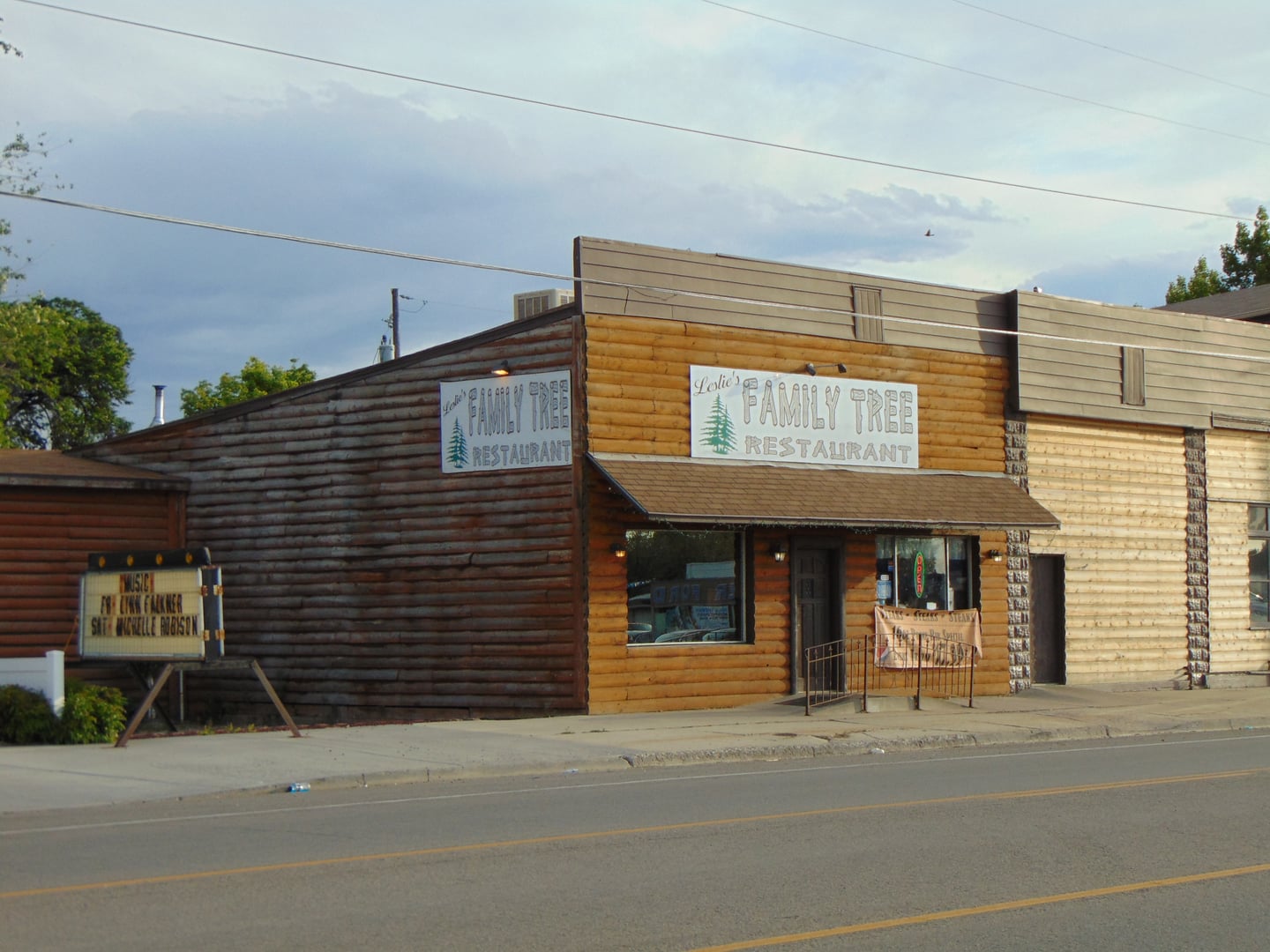
Family Tree Restaurant (Leslie's)

Santaquin, UT

Leslie's Family Tree Restaurant operated at 77 W Main Street in Santaquin, Utah for 36 years before permanently closing on November 13, 2020. The building is over 100 years old and served as a mechanic shop, floral shop, post office, and Greyhound bus stop before becoming a restaurant. The owners retired during the COVID-19 pandemic; the closure ended a three-generation community institution.

$ All Ages Family: Moderate

Scofield — 1

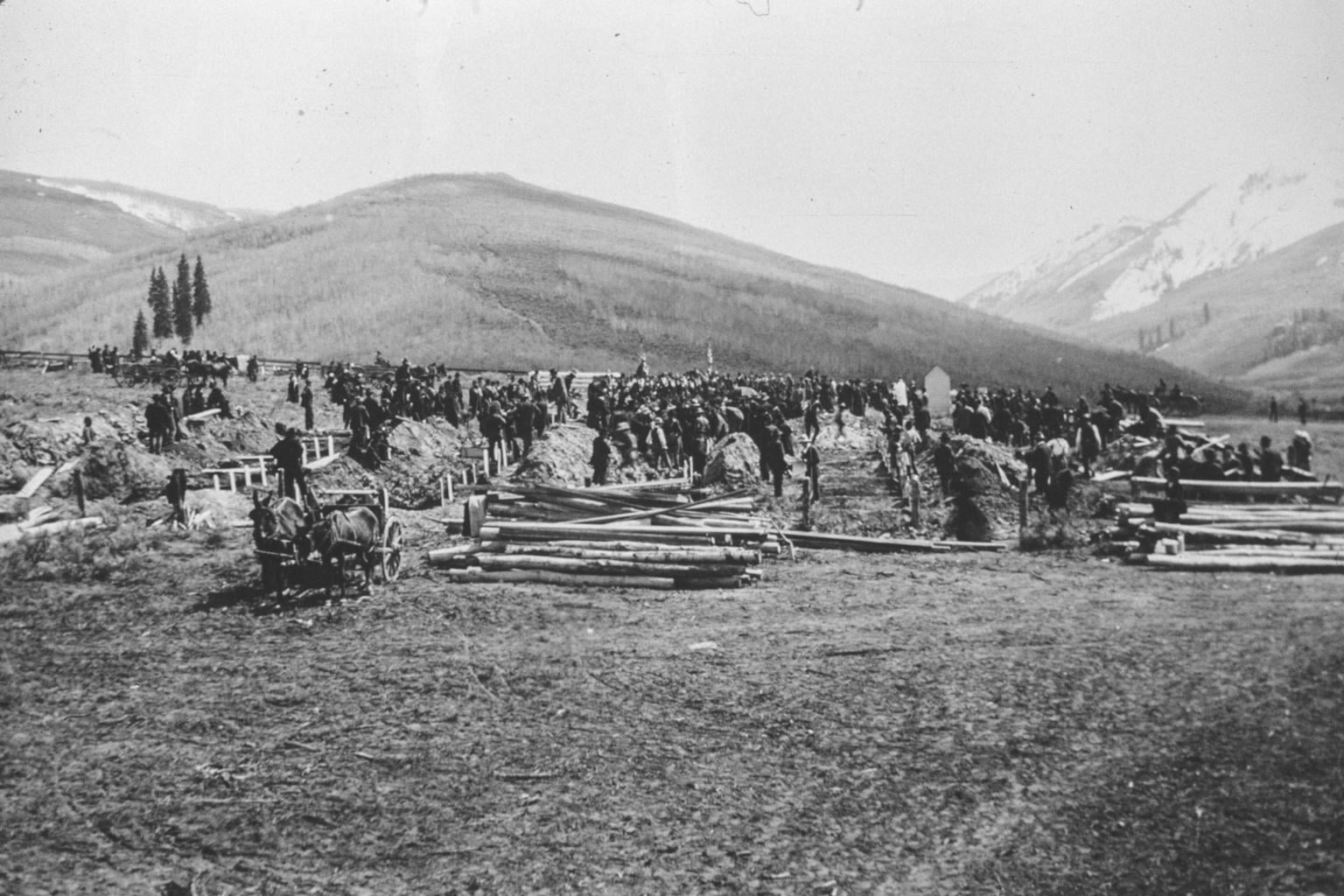
Men preparing mass graves at the Scofield Cemetery following the May 1900 Winter Quarters Mine disaster, Utah
Cemetery / Burial Ground

Scofield Mine Disaster Site and Cemetery

Scofield, UT

On May 1, 1900, a black powder detonation in the Winter Quarters Mine No. 4 triggered a coal dust explosion that killed at least 200 men — the worst mining accident in American history at that time. The disaster left 107 widows and 268 fatherless children. Two mass funeral services were held on May 5, and 135 graves were dug at the Scofield Cemetery, some widened to accommodate fathers and sons buried together.

$ All Ages Family: Moderate

South Jordan — 1

True Crime Site

1938 South Jordan School Bus–Train Collision Memorial

South Jordan, UT

On December 1, 1938, a school bus carrying students to Jordan High School was struck by a Denver and Rio Grande freight train at the Jordan Narrows crossing south of Salt Lake City. Dense fog and a blinding snowstorm obscured the approaching 'Flying Ute' train. The bus driver stopped and looked but did not see the train before crossing. The collision killed 24 people — 23 students and driver Farrold H. Silcox — and injured 16 others. It remains the deadliest school bus railroad crossing accident in United States history.

$ All Ages Family: High

Spanish Fork — 1

Aerial survey view of Spanish Fork City Cemetery
Aerial survey · USDA NAIP
Cemetery / Burial Ground

Spanish Fork City Cemetery

Spanish Fork, UT

Spanish Fork City Cemetery dates to the first burial in 1853, was officially established in 1868, and now spans 32 acres with over 12,000 headstones in the heart of Spanish Fork. Among its most notable monuments is the kneeling stone figure commissioned by Horace Ferreday in memory of his wife Laura Daniels Ferreday, who died in 1929 at age 32. Horace, a prominent local plumber, had the statue installed as a permanent expression of grief; he was buried beside her in 1972.

$ All Ages Family: High

St. George — 1

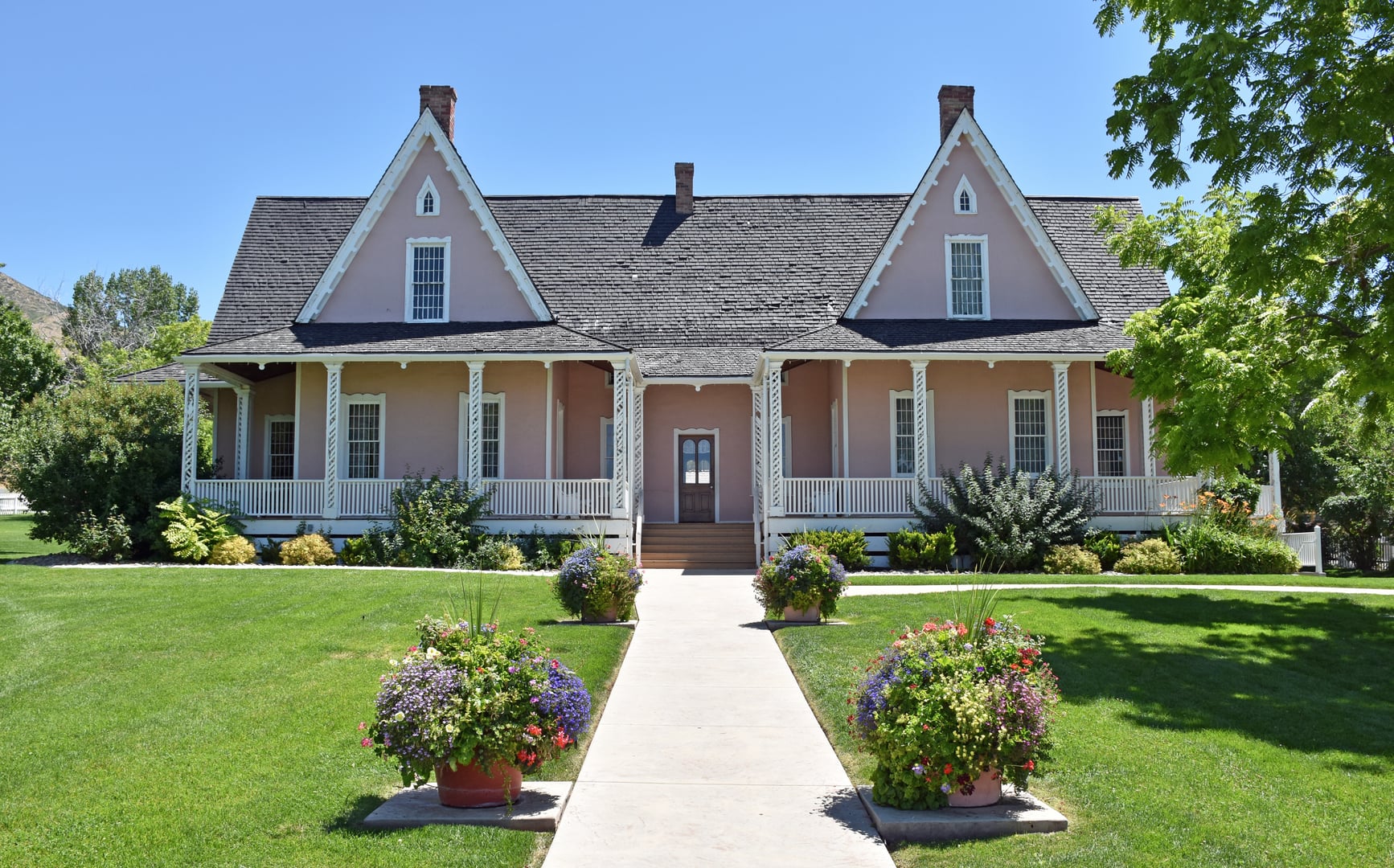
Exterior of the Augustus Hardy House at 46 West St. George Boulevard in Ancestor Square, St. George, Utah — an 1871 basalt and adobe structure with classical Dixie dormers
Haunted House / Historic Home

Hardy House — Ancestor Square

St. George, UT

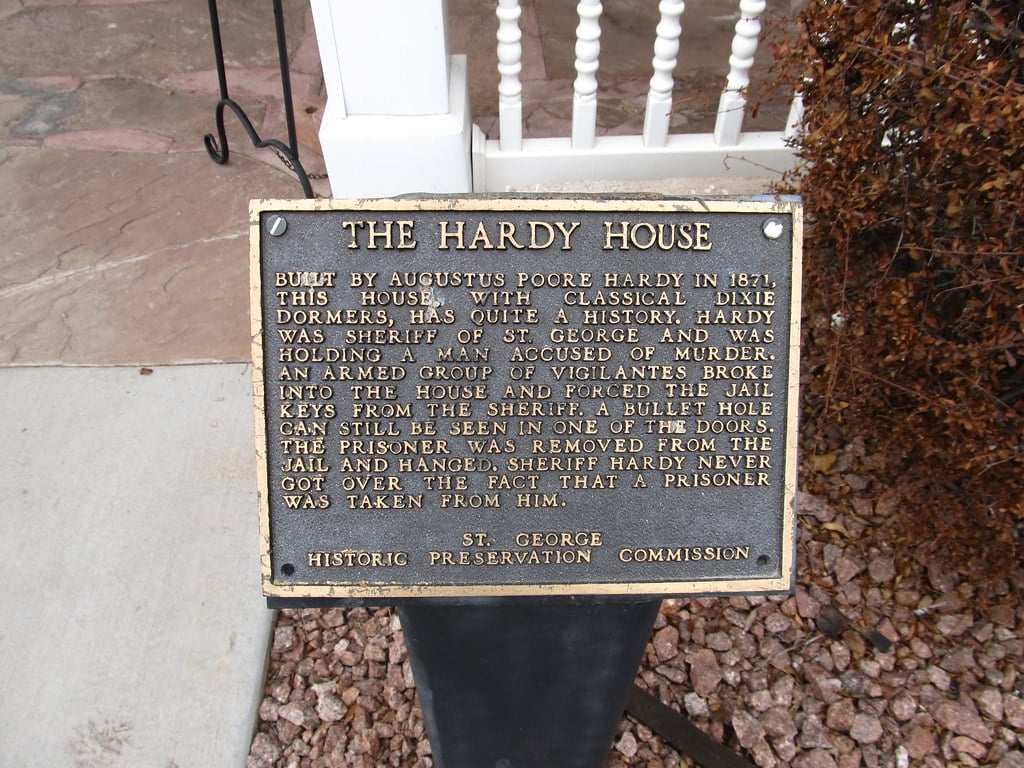
The Augustus Hardy House at 46 West St. George Boulevard was built around 1871 for the local sheriff, constructed with a basalt rock foundation and double-thick adobe walls. While Hardy served as sheriff, vigilantes broke into the house, overpowered him, seized his jail keys, and removed a prisoner accused of murder — hanging him from a nearby tree. A bullet hole from the confrontation remains visible in one of the original doors.

$ All Ages Family: High

Stansbury Park — 1

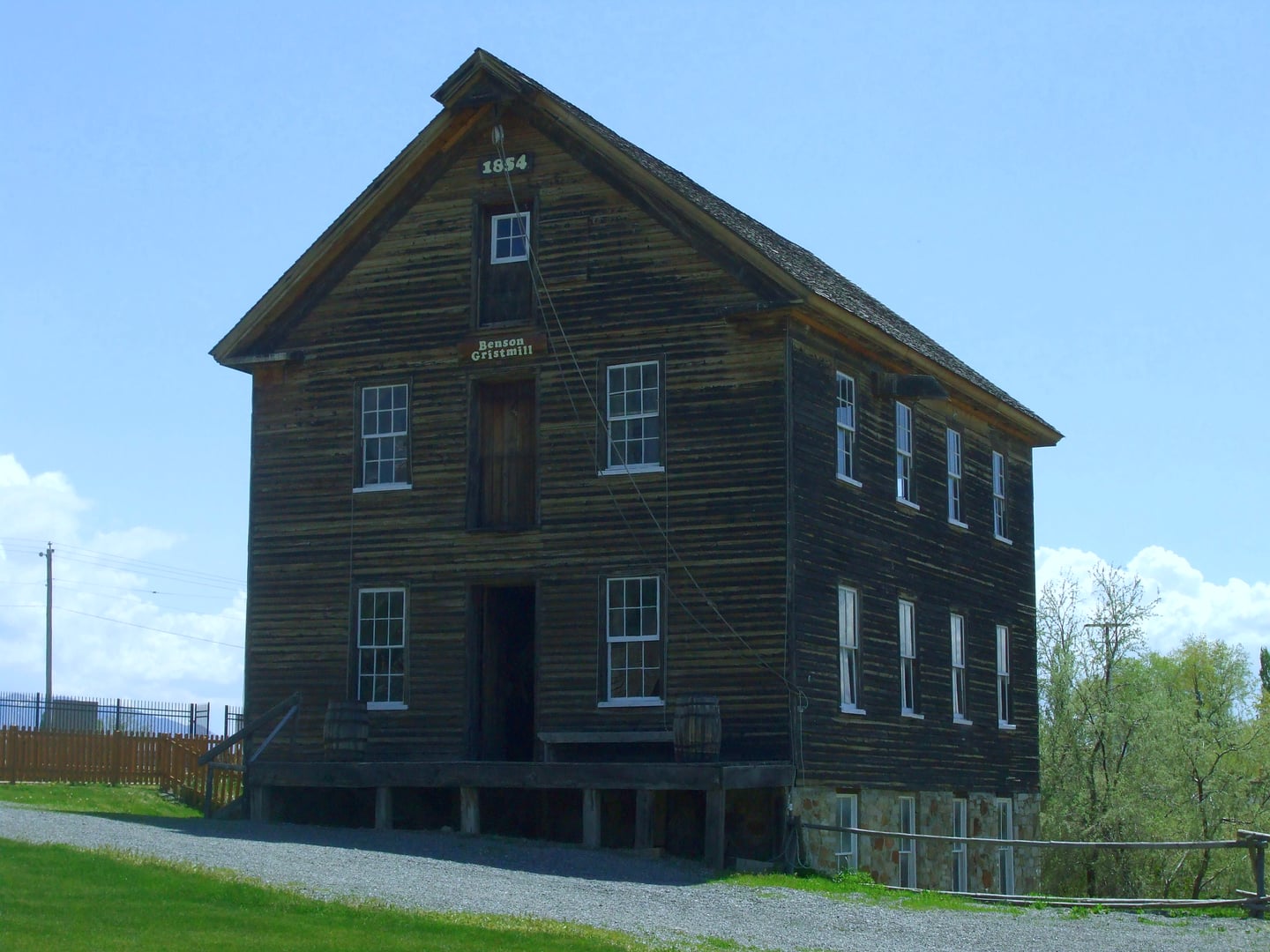
Benson Grist Mill in Stansbury Park, Utah — a restored 1854 pioneer grist mill with wood siding and weathered exterior, surrounded by open land
Museum / Historical Site

Benson Grist Mill

Stansbury Park, UT

Built in 1854 on the orders of LDS apostle Ezra Taft Benson, the grist mill at what settlers called Richville processed wheat and corn for Tooele Valley pioneers for nearly ninety years. The Lee brothers constructed the mill under the direction of a church corporation that included Benson, John Rowberry, and Benjamin Crosland. Brigham Young purchased the property for the church in 1860. The mill ceased regular operation around 1938, sat dormant for four decades, and was restored by volunteers in the 1980s. It was listed on the National Register of Historic Places in 1972.

$ All Ages Family: Moderate

Thistle — 1

Ruins of the Thistle School building in Spanish Fork Canyon, Utah, following the 1983 landslide flood
Other Dark Tourism Site

Thistle Ghost Town

Thistle, UT

Thistle was a Denver and Rio Grande Western Railroad service town established in the 1880s in Spanish Fork Canyon, Utah County. In April 1983, record snowmelt and rainfall saturated the canyon walls, producing a massive earthflow that dammed the Spanish Fork River. The resulting lake submerged Thistle under up to 50 feet of water. Federal and state agencies have called it the most costly landslide in U.S. history, with direct damages estimated at $200 million in 1983 dollars.

$ All Ages Family: High

Tooele — 1

Exterior of Old Tooele Hospital, now Asylum 49, at 140 E 200 S in Tooele, Utah
Asylum / Hospital

Old Tooele Hospital (Asylum 49)

Tooele, UT

The building at 140 E 200 S in Tooele, Utah was originally constructed in 1873 as a private residence by Samuel F. Lee. It was converted into a hospital serving the Tooele area and operated as a medical and elderly care facility through much of the 20th century. The hospital closed in 2001 when a modern medical center opened elsewhere in the county. In 2006, the building was converted into Asylum 49, a haunted attraction and paranormal investigation venue.

$$ 18+ for ghost hunts and haunted attraction Family: Not Recommended

Tooele County — 1

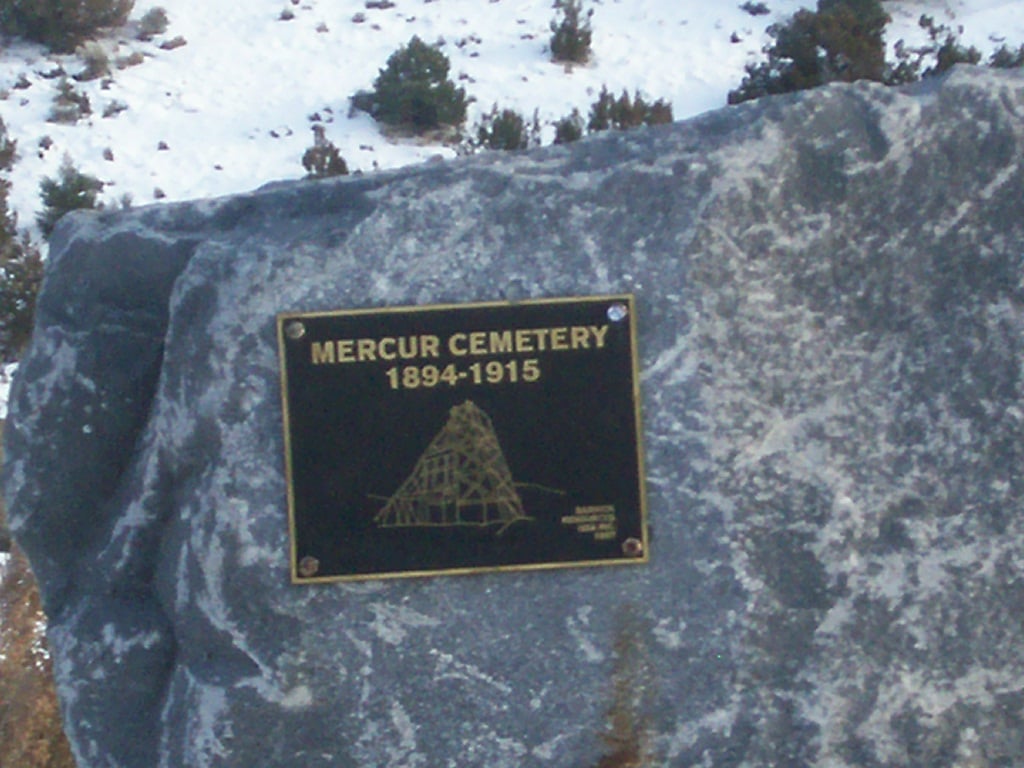
Memorial plaque at the entrance to Mercur Cemetery in Tooele County, Utah, marking the site of the former gold-mining ghost town
Cemetery / Burial Ground

Mercur Cemetery and Ghost Town

Tooele County, UT

Gold was discovered in the Oquirrh Mountains in 1870, founding the settlement first called Lewiston, later renamed Mercur. The town grew to roughly 5,000 residents after Gilbert S. Peyton successfully applied the cyanide process to gold extraction in December 1891 — the first successful use of that method in the United States. Fire swept through the business district in 1902 and destroyed most of the town. Mining continued intermittently through 1913, when the mines closed and the population dispersed. Barrick Gold operated the site again from 1985 to 1997, erasing all surface remnants of the original townsite except the cemetery.

$ All Ages Family: Moderate

West Valley City — 1

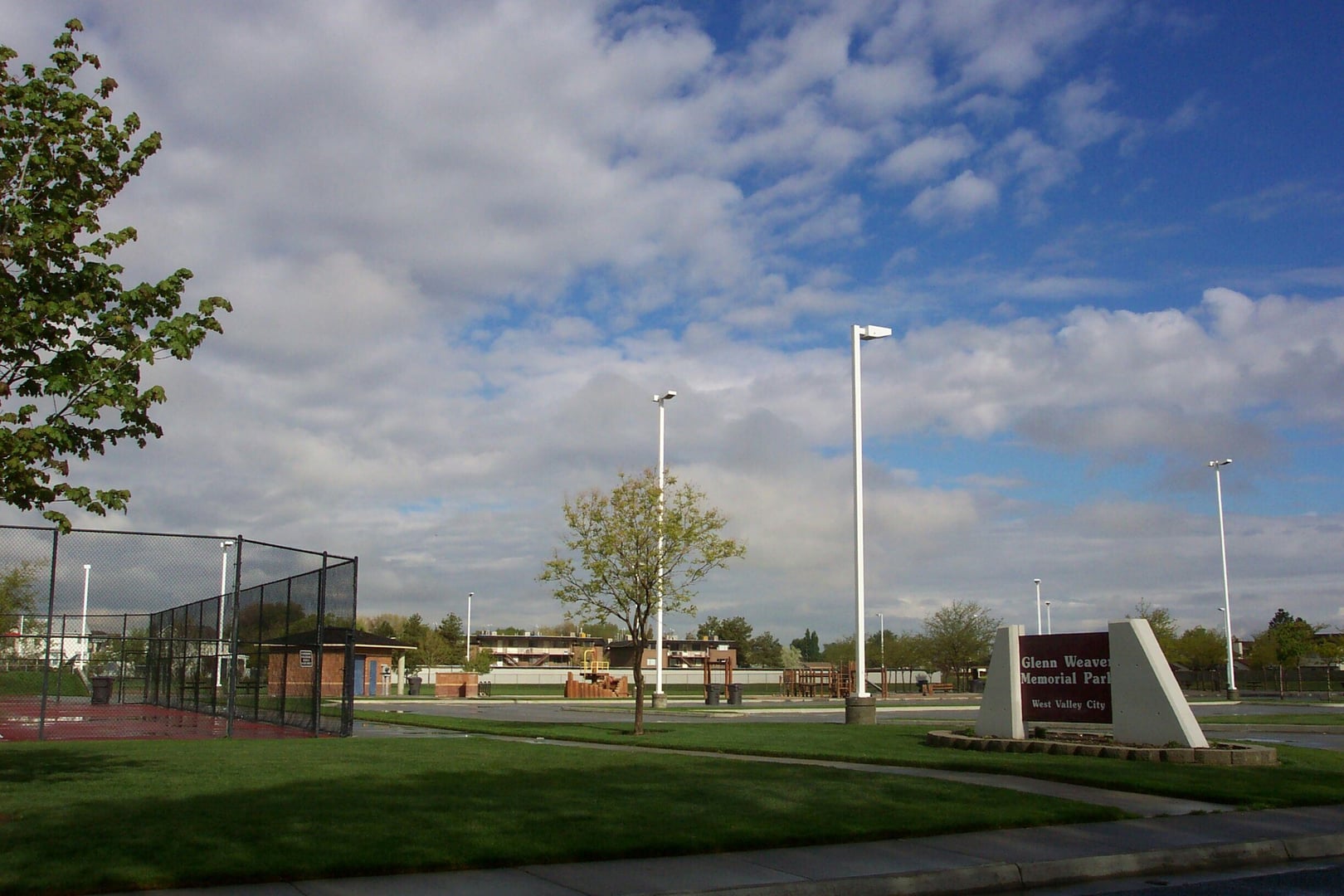
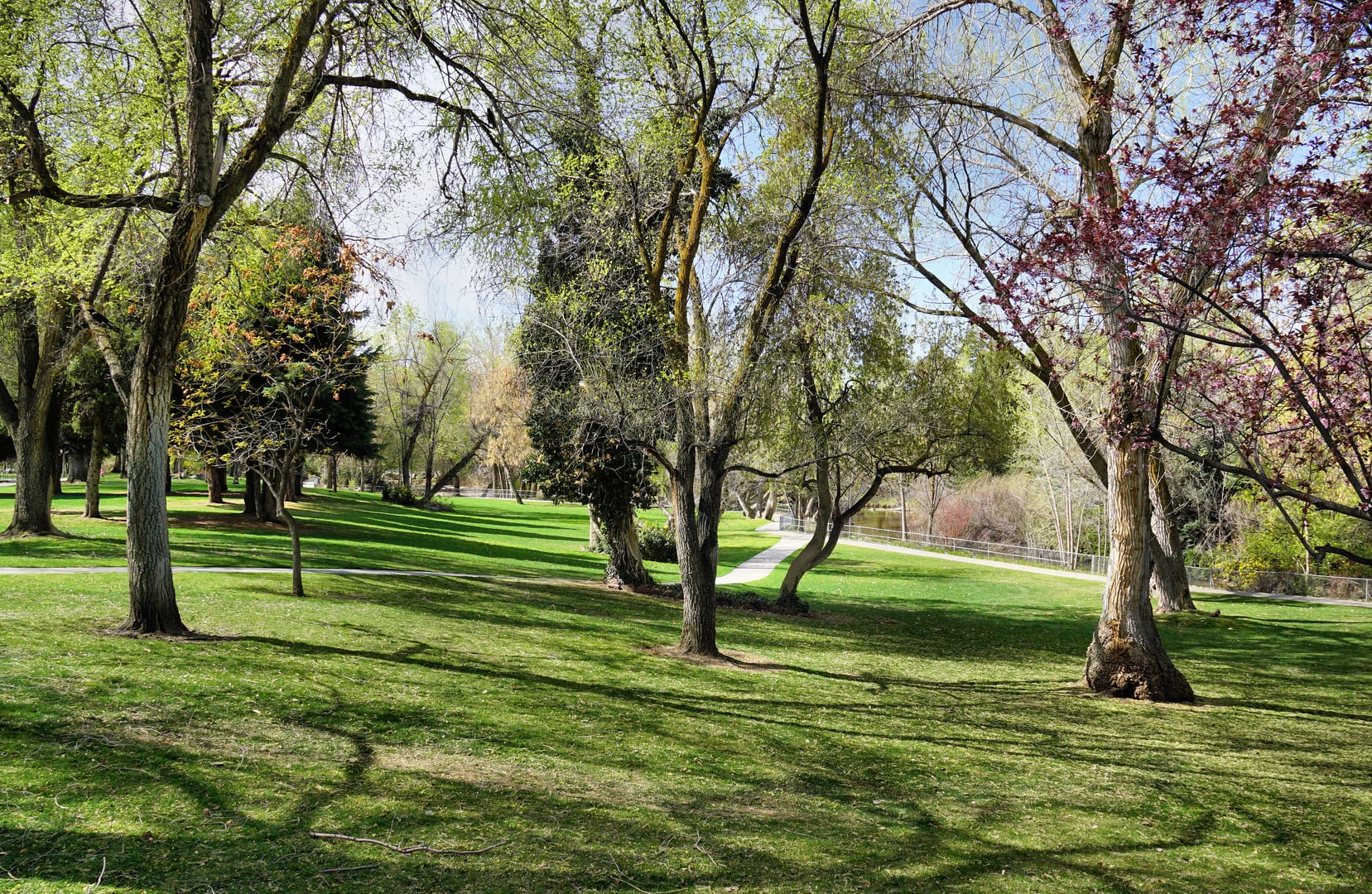
Glenn Weaver Memorial Park at 6380 Cape Ridge Lane in West Valley City, Utah
Outdoor / Natural Site

Glenn Weaver Memorial Park

West Valley City, UT

Glenn Weaver Memorial Park is a public neighborhood park in West Valley City, Utah, operated by the city's Parks and Recreation department. The park sits at 6385 West Cape Ridge Lane and offers playground equipment, a baseball field, paved walking paths, and maintained green space. West Valley City was incorporated in 1980 and grew rapidly through the late 20th century as suburban development extended south and west from Salt Lake City; Glenn Weaver Park's namesake honors a community member memorialized by the city.

$ All Ages Family: High

By type