Est. 1885 · 1885 Park City Territorial Jail · Park City Main Street Historic District · Final Use 1966 · Park City Historical Society Museum
Park City, Utah developed in the 1870s and 1880s as a silver-mining boomtown in the Wasatch Mountains east of Salt Lake City. The city's 1885 territorial jail was constructed in the basement of the building that served simultaneously as City Hall, a typical late-19th-century municipal arrangement in western mining camps. The jail's cells are bare-walled rough-stone enclosures with a dirt floor and a central wood stove that provided the only heat. The jail had no running water and no electricity during its operating life and was used primarily to hold miners arrested for drunkenness and disorderly conduct.
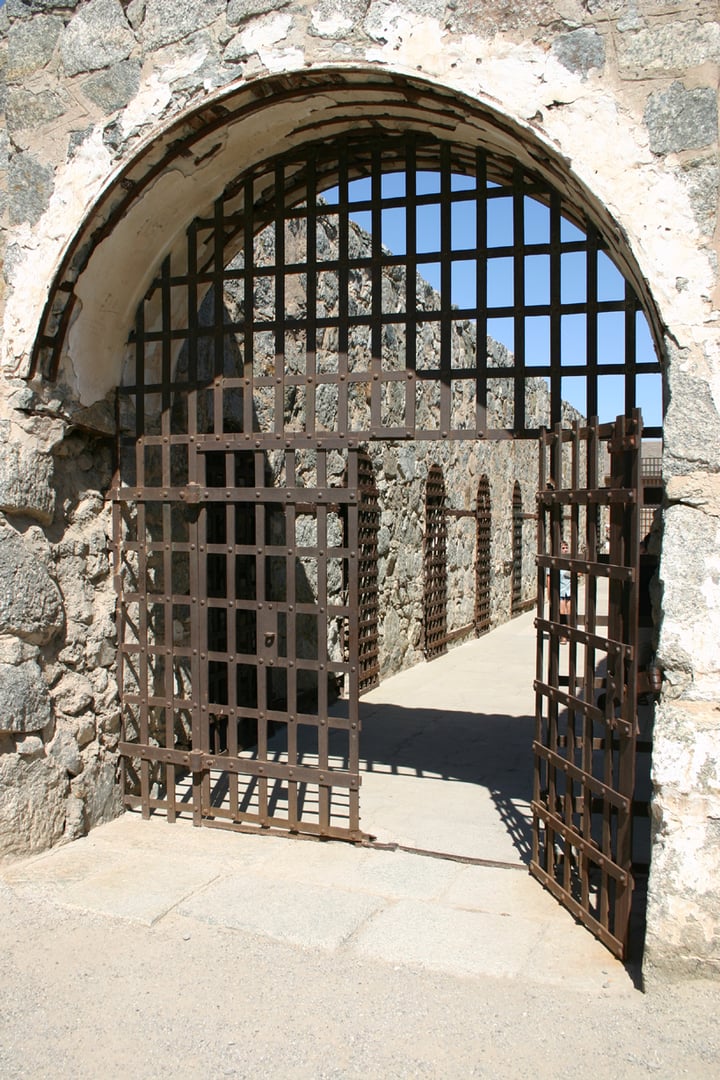
The jail held its final prisoners in 1966 before being decommissioned. The building above continued in municipal use until being adapted into the Park City Museum operated by the Park City Historical Society. The current museum interpretation preserves the jail's original character, including the iron-barred cell doors, dirt floors, and limited ventilation.
The Park City Museum is a contributing structure within the Main Street National Register Historic District. The territorial jail exhibit is widely featured in Park City tourism materials and is among the most-photographed exhibits in the museum.
Sources
- http://parkcityhistory.org/exhibits/_dsc0096/
- https://www.parkcitymag.com/arts-and-culture/2018/05/the-dungeon-on-main-street
- https://parkcityhistory.org/
Unusual sensory effectsCold pocketsSense of presence
The Park City Territorial Jail exhibit at the Park City Museum carries a specific and unusual paranormal report: visitors who put on the period ball-and-chain restraint as part of the interpretive demonstration occasionally describe difficulty removing it, despite the device's straightforward mechanical operation. Park City Museum docents and regional Utah paranormal materials describe the report as a recurring feature of the exhibit's reception, particularly during late-day visits when the basement is quieter.
The basement's atmospherics contribute to the experience. The original dirt floor, rough-stone walls, low ceiling, and limited natural light produce an acoustic and sensory environment unlike most museum interiors. Park City paranormal collections also describe occasional cold pockets and a recurring sense of being observed in the deepest cell space.
The Park City Museum has not commercialized the building as a haunted attraction. The folklore is preserved in regional Utah paranormal compilations and in Park City Magazine longform coverage of the museum's basement exhibit.
Media Appearances
- Park City Magazine basement exhibit coverage