Est. 1870 · First Successful Cyanide Gold Extraction in the United States (1891) · Utah Mining History · Italian Immigrant Settlement History · Tooele County Ghost Town
Gold was first found in the mountains above what would become Mercur in 1870, drawing enough prospectors to establish a camp called Lewiston. The initial rush peaked around 1873 and then faded as silver prices fluctuated; the community stagnated through the early 1880s. The decisive change came in December 1891, when Gilbert S. Peyton, working with the Golden Gate Mine, successfully demonstrated the cyanide gold-extraction process on Mercur's low-grade ore — the first successful operation of its kind in the United States. The breakthrough attracted capital and workers from across the West, many of them Italian immigrants, and the population climbed toward 5,000.
The 1902 fire began in the business district and burned nearly the entire city. The community rebuilt and resumed operations, but the mines were in decline. By 1913 the ward was discontinued as the population scattered. One building reportedly stood in 1916; by 1930 nothing was left above ground.
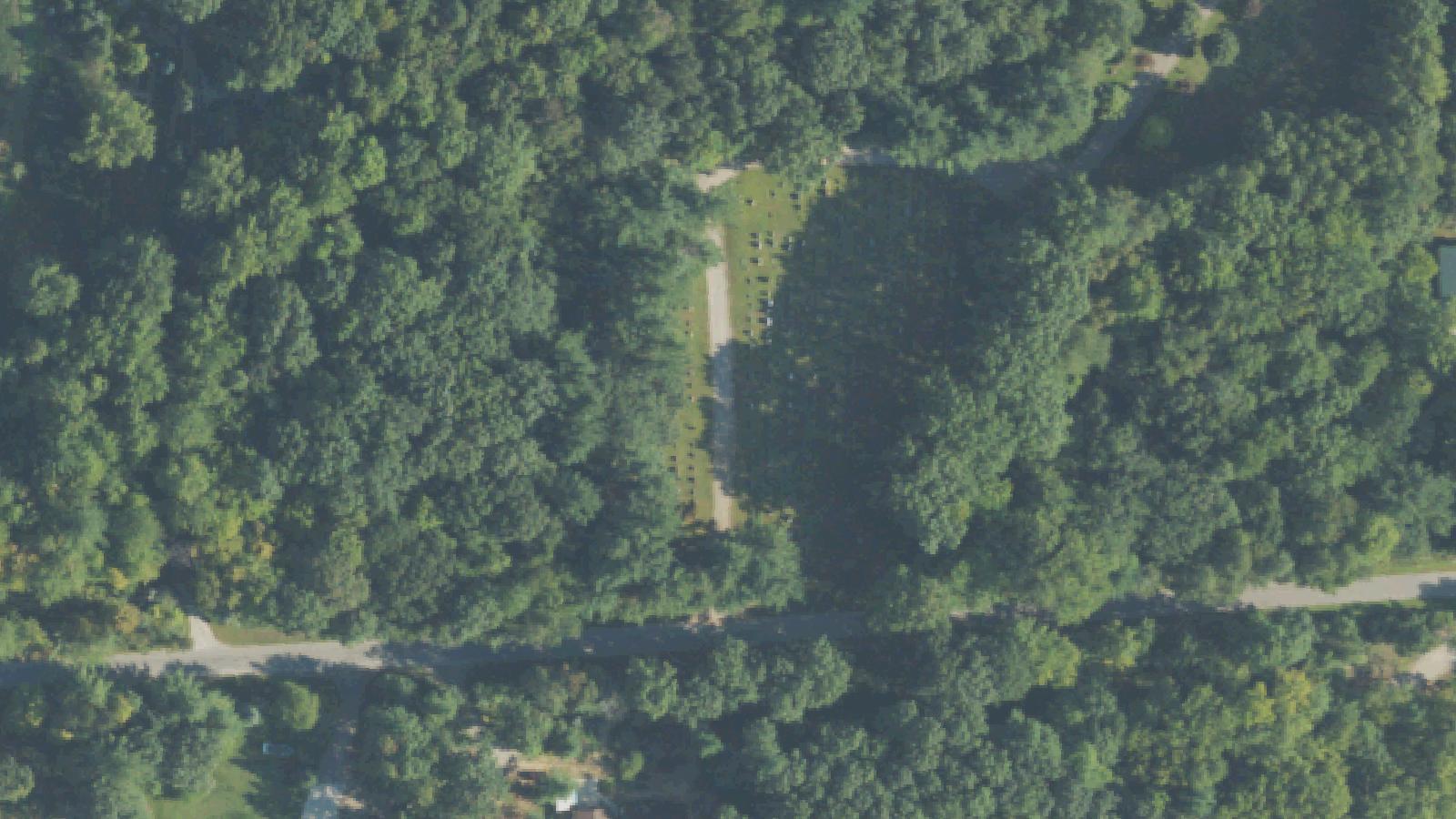
Barrick Gold reopened the mine in 1985 and operated it until 1997, using open-pit methods that removed the last surface traces of the original townsite. The cemetery, located on a hilltop separate from the mining footprint, survived. It holds approximately 100 graves — some with hand-cut stone markers, others unmarked. A memorial plaque at the entrance documents the town's history. The cemetery is maintained informally by Tooele County and occasional volunteer work parties.
Sources
- https://en.wikipedia.org/wiki/Mercur,_Utah
- https://www.thetravel.com/exploring-mercur-cemetery-ghost-town-in-utah/
- https://www.fox13now.com/news/uniquely-utah/most-haunted-place-in-utah-long-forgotten-cemeterys-history-dug-back-up
- https://paranormaltraveler.com/3460/mercur-cemetery-a-hauntingly-beautiful-remnant-of-utahs-mining-history/
- https://www.tooeleonline.com/articles/news/local-ghost-hunters-document-evidence-of-hauntings-at-mercur/
- https://bonnevillemariner.wordpress.com/2010/10/29/ghosts-of-mercur-cemetery-dont-reveal-themselves-easily/
Phantom hoofbeatsApparition of child at graveEMF responses attributed to Italian minerCold spotsShadow figuresOrb photography
Of the claimed paranormal activity at Mercur, the most consistent accounts involve three figures: a horseman, a child, and a miner. The horseman is an auditory phenomenon — the sound of hooves on the hard desert ground, heard by multiple visitors at night, with no horse or rider visible when a light is turned toward the sound. The tradition is well-documented in regional paranormal literature and in Fox 13's 2021 feature on Utah's most haunted locations.
The child is associated with a specific grave. Visitors who bring small dolls or toys report the gifts being moved or disturbed after they leave the graveside. Investigators posting to regional paranormal forums have documented this across multiple visits; no single named child is consistently identified as the figure.
The Italian miner is described as interactive — voices and EMF meter responses that investigators attribute to one of the many Italian immigrants who died in Mercur's mines or in the 1902 fire. The Paranormal Traveler documented an investigation in which an EMF meter produced responses that investigators interpreted as a conversation. Cold spots, shadow figures, and orb photography have been reported by multiple independent groups across different decades.
The penny tradition is secular and widely observed: visitors leave coins on graves to help the restless dead pay their way, a practice that blends Catholic immigrant tradition with general ghost-lore sensibility. The Shellatreille and World of Urban Legends write-ups both document it as an established local custom.
Notable Entities
The horsemanAn unnamed child (doll grave)An Italian immigrant miner
Media Appearances
- Most haunted place in Utah? Long-forgotten cemetery's history dug back up (Television / Fox 13 Now, 2021)
Where this legend is told