Est. 1884 · Worst U.S. coal mine disaster at time of occurrence · Utah labor history · Finnish American immigrant history
At 10:28 a.m. on May 1, 1900, ten 25-pound kegs of black powder detonated in Section 4 of the Winter Quarters Mine near Scofield, Utah. The explosion ignited a coal dust fireball that killed an estimated 100 men outright. The blast damaged the mine's ventilation fan, and poisonous afterdamp — primarily carbon monoxide — was pulled into the adjacent No. 1 mine. Miners attempting to escape through the gas died so quickly that rescuers found some still clutching their tools.
The final death count reached approximately 200, though contemporary accounts placed it as high as 246. The Pleasant Valley Coal Company sent emergency requests for caskets: 75 were imported from Denver, 125 more from Salt Lake City. The Finnish American community lost 61 men; the Luoma family alone lost nine — six sons and three grandsons. A total of 107 women were left without husbands, and 268 children without fathers.
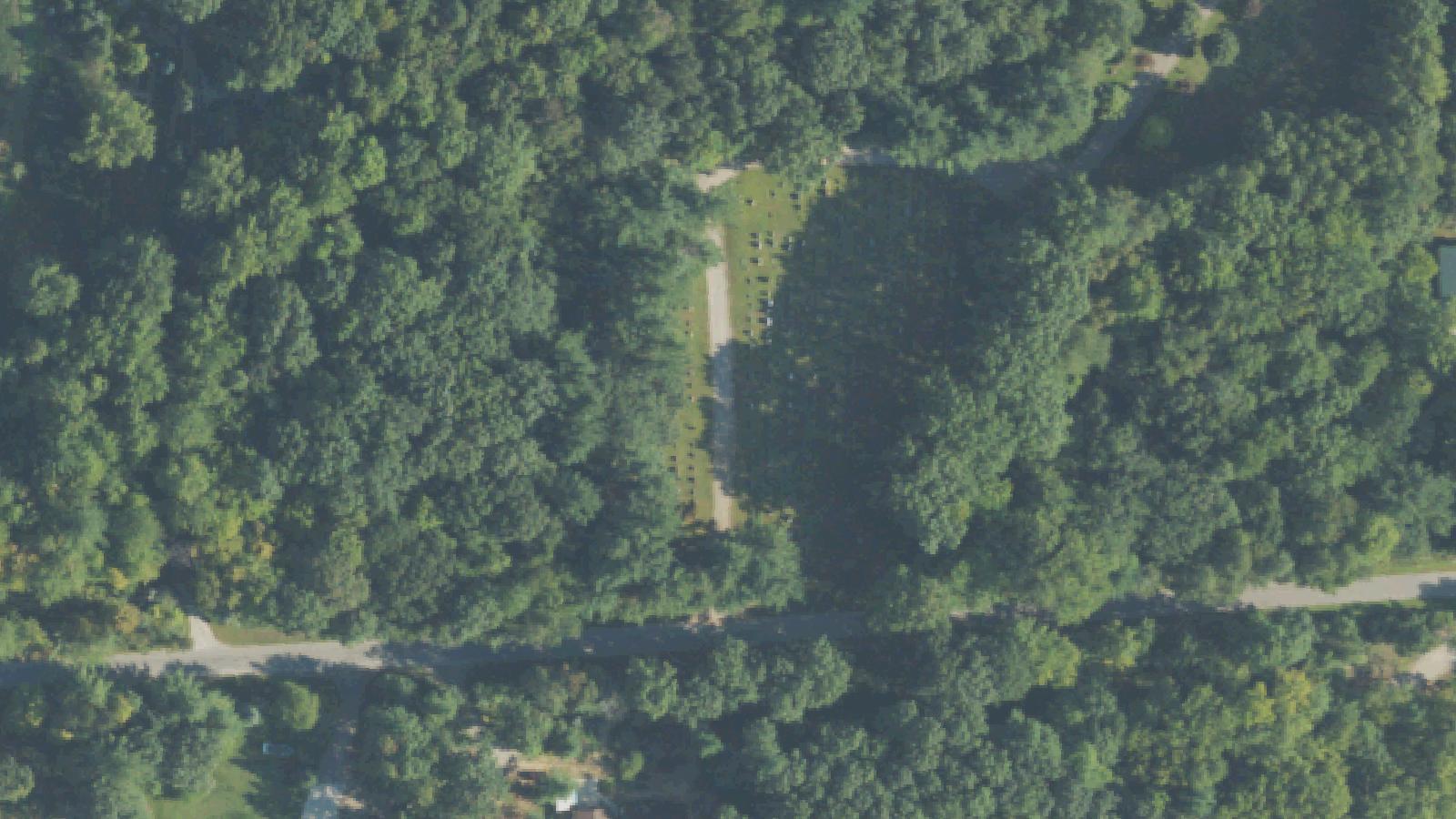
On May 5, two simultaneous funeral services were held in Scofield: a Lutheran service for the Finnish miners, and an LDS service attended by church leadership. The Scofield Cemetery received 135 graves from the disaster, several of which were widened to accommodate fathers and sons interred side by side. Three-quarters of the dead were buried at Scofield; funeral trains carried the remaining 50 caskets to other cemeteries across Utah.
A state investigation cleared the Pleasant Valley Coal Company of wrongdoing, a conclusion contested by the miners themselves. The following year, all Winter Quarters miners struck — citing the haunting of the mine as their reason, a claim documented in multiple contemporary newspapers including the Anaconda Standard and the Salt Lake Herald. The mine continued operations until 1923, after which Scofield declined into the near-abandoned community it remains today.
Sources
- https://en.wikipedia.org/wiki/Scofield_Mine_disaster
- https://www.uen.org/utah_history_encyclopedia/s/SCOFIELD_MINE_DISASTER.shtml
- https://historytogo.utah.gov/scofield-mine/
- https://www.deseret.com/utah/2024/05/01/deseret-news-archives-mine-disaster-scofield-may-1-1900/
ApparitionsUnexplained lightsPhantom soundsShadow figures
After the May 1900 explosion, miners at Winter Quarters refused to enter the mine graveyard after dark, reporting strange blue lights appearing around the headstones of disaster victims. By 1901, 40 to 50 miners had separately claimed to see apparitions inside the mine, a claim documented in multiple regional newspapers including the Anaconda Standard and the Salt Lake Herald.
The most consistent account involved Sandy McGovern, a Scottish miner whose head was never recovered from the explosion. Drivers reported McGovern sitting beside them in coal cars during their shifts. His figure reportedly vanished at the tunnel entrance each time. Between noon and 2 p.m. daily — the approximate time of the original explosion — strange cries and moans were described occurring throughout the workings.
In 1901, all Winter Quarters miners walked off the job. The Pleasant Valley Mine Company officially attributed the strike to safety complaints. Contemporary newspaper coverage was more specific: the workers stated plainly that the mine was haunted and they would not return. The strike became one of the few on record where supernatural fear was offered as the documented, publicly stated cause by the workers themselves.
The Scofield Cemetery, where most of the 200 victims remain buried, retains its character as a site dominated by a single event. Over 125 years later, most of the grave markers still date to May 1900.
Notable Entities
Sandy McGovern (headless miner)
Where this legend is told