Est. 1863 · National Register of Historic Places (listed 1971, delisted 1975 after relocation) · Brigham Young Agricultural History · First Alfalfa and Sugar Beet Cultivation in Utah · Gothic Revival Pioneer Architecture
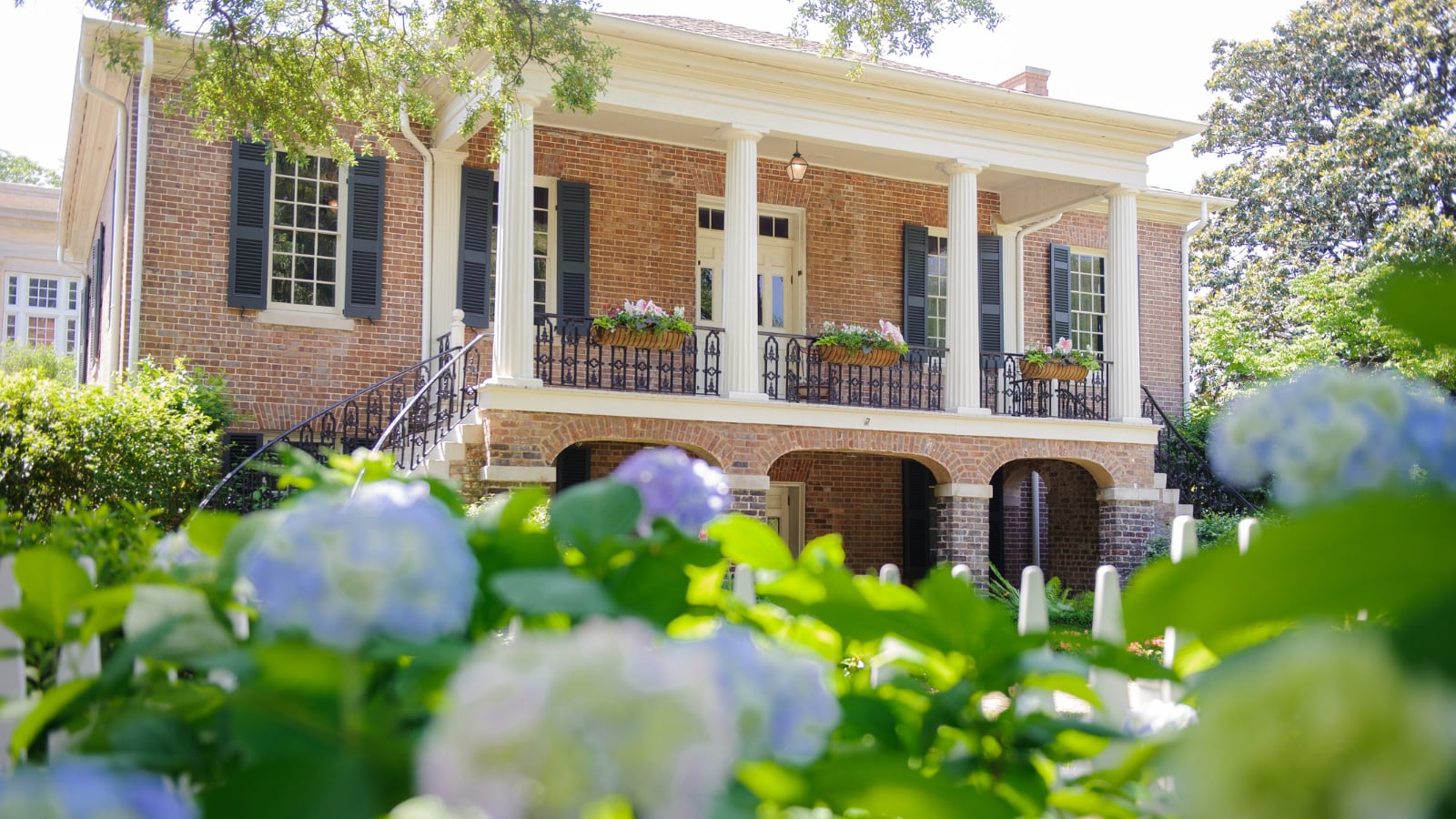
Brigham Young owned extensive agricultural properties around Salt Lake Valley, and the Forest Farm — about four miles southeast of Temple Square — was among the most productive. Young did not live there himself; instead, one of his wives served as a resident manager, overseeing what functioned as an experimental farm. Crops grown there included what is documented as Utah's first alfalfa and among the earliest sugar beet cultivation in the territory. The farmhouse built on the property between 1861 and 1863 cost $25,000, a substantial figure reflecting its Gothic Revival Cottage styling: rock foundation, wood-frame walls with stucco, and detailed decorative woodwork.
The LDS Church and Frank and Gwen Wilcox, who owned and restored the building in 1969–1970, secured its National Register of Historic Places listing on May 14, 1971. The farmhouse was in the Forest Dale Historic District at its original location.
In 1974 the LDS Church and Utah state government exchanged properties as part of a broader land deal. The farmhouse was moved to Pioneer Trail State Park — now This Is the Place Heritage Park — in a dramatic operation conducted May 12–17, 1975, that required sawing the building horizontally and transporting both halves separately. The building was delisted from the National Register on May 29, 1975, because the relocation removed the historical context that had grounded the listing. It reopened at the heritage park on Pioneer Day, July 24, 1976, and has been a regular stop on park tours ever since.
The park at 2601 E. Sunnyside Ave. was developed to commemorate the site where Brigham Young reportedly said 'This is the right place' upon seeing the Salt Lake Valley in 1847.
Sources
- https://en.wikipedia.org/wiki/Brigham_Young_Forest_Farmhouse
- https://www.deseret.com/2005/10/24/19918936/scary-tales-add-to-farmhouse-mystery/
- https://www.thisistheplace.org/
- https://www.onlyinyourstate.com/experiences/utah/most-haunted-house-ut
- https://homes.ksl.com/blog/7-real-haunted-houses-in-utah
Apparition of Brigham Young with caneApparition of Ann Eliza WebbPhantom footstepsRattling doorknobsUnexplained children's voicesObjects moving without cause
The farmhouse's haunting tradition has been building since at least the 1990s. The Wilcox family, who restored the building and spent years with it before the 1975 move, reportedly had what they described as conversations with Brigham Young's presence in the house. After the relocation to the heritage park, tour guides and park employees began documenting their own encounters.
The most commonly reported figure is Brigham Young himself — seen walking through the farmhouse with a cane, or standing in a doorway smiling at visitors. Young died in 1877 and never visited the farmhouse at its heritage park location; investigators point to this as evidence that the apparition is tethered to the building itself rather than the property.
Ann Eliza Webb was Brigham Young's 19th wife, who eventually divorced him in 1873 in a case that drew national attention as a challenge to polygamy law. She is described in park ghost lore as a figure still present in the farmhouse, reportedly seen by multiple guides, and characterized as angry — connecting her documented historical resentment of Young's household to the paranormal tradition.
The 2005 Deseret News article documenting 'scary tales' at the farmhouse quoted park interpreter Michael Bennett calling it 'the most haunted house in Utah,' based on reports from staff who experienced phantom footsteps, rattling doorknobs, moving objects, and children's voices with no visible source. The farmhouse's haunting was part of the park's formal Halloween programming by that point, with actors performing first-person accounts based on the reported encounters.
Notable Entities
Brigham YoungAnn Eliza Webb (Young's 19th wife)