Est. 1889 · 1889 silver boom — town of 10,000 in one year · Bob Ford (Jesse James's killer) operated and died here, 1892 · Soapy Smith operated confidence games in Creede before Skagway · Underground museum blasted into cliff by local miners
The silver boom at Creede, Colorado began in late 1889 when Nicholas Creede discovered high-grade silver ore in the Rio Grande valley of what is now Mineral County. The discovery triggered one of the last great western silver rushes. Within eighteen months, a town of 10,000 had grown in a narrow canyon that barely had room for the main street. The crush of buildings, saloons, and gambling halls drew national attention; journalist Cy Warman wrote of Creede that 'it's day all day in the daytime and there is no night in Creede.'
The town attracted men whose reputations preceded them from other boomtowns. Bob Ford arrived in Creede in 1892, ten years after he shot Jesse James in the back of the head in St. Joseph, Missouri. Ford operated a tent saloon and dance hall in Creede and was widely known and largely despised — the man who killed James had earned no honor from the act. On June 8, 1892, Ford was shot dead in his tent saloon by Ed O. Kelly, reportedly in retaliation for Ford's role in the arrest of Kelly's cousin. Kelly served a prison sentence; Ford was buried in Creede.
Jefferson Randolph 'Soapy' Smith, the confidence man who had operated in Denver and Leadville, also worked Creede during the boom. Smith ran shell games and other cons in the saloon district before eventually moving on to Skagway, Alaska, where he was shot dead in 1898.
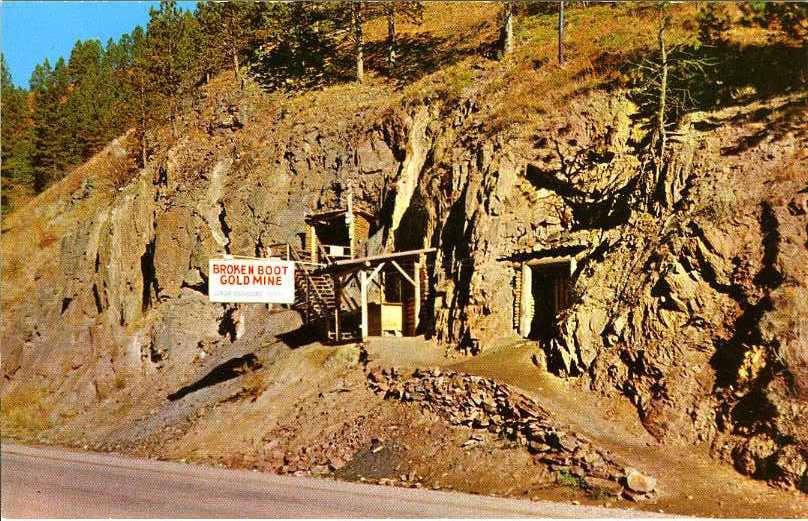
Creede's silver mines produced steadily through the late nineteenth and early twentieth centuries. The Commodore Mine was among the largest producers. The mines closed in 1985 as silver prices collapsed. Local civic effort then produced the Underground Mining Museum: miners blasted 600 feet of drift tunnels directly into the cliff face above the town of Creede, creating a physical recreation of the mine environment. The museum opened to preserve the history of Creede's silver era for a tourist economy.
Sources
- https://undergroundminingmuseum.com/
- https://www.legendsofamerica.com/creede-colorado/
- https://www.uncovercolorado.com/activities/north-creede-ghost-town/
- https://www.mineralcountycolorado.com/underground-mining-museum/page/haunted-museum
Residual atmosphere at Bob Ford saloon site ruinsAnnual Haunted Museum underground event
Creede does not lack for historical incidents that generate ghost stories. Bob Ford — the man who killed Jesse James — was himself killed in his own tent saloon on June 8, 1892, shot by Ed O. Kelly in front of witnesses. Ford's original grave marker in the Creede cemetery has been a site of visitor interest since the nineteenth century. His presence in Creede is documented; whether his spirit remains is a matter of opinion.
The North Creede ghost town above the museum, accessible via the Bachelor Historic Loop, contains the ruins of the camp where Ford's saloon stood and the remnants of mining operations that employed hundreds. Visitors regularly describe the ruins as carrying a particular weight, especially the collapsed saloon-district buildings where the town's violent history concentrated.
The Underground Mining Museum's annual Haunted Museum event draws explicitly on Creede's history of mining deaths, outlaw violence, and the compressed, combustible social conditions of a boomtown in a narrow canyon. The underground tunnel environment — the same physical conditions in which miners worked in darkness and heat — lends the event an authenticity that purpose-built haunted attractions cannot replicate.
Whether specific apparitions are attributed to Ford, Smith, or unnamed miners in the museum's tour narrative is not documented in published sources reviewed here. The Haunted Museum event is documented by Mineral County tourism materials.
Notable Entities
Bob Ford (Jesse James's killer, died Creede 1892)
Where this legend is told