Est. 1899 · Worst Mining Disaster in Park City History · 1902 Daly-West Explosion · Utah Mining Safety Legislation · Restored 1914 Headframe
Park City's Daly-West Mine was among the most productive silver and lead operations in the mountain West during the 1880s and 1890s. The mine descended more than 2,100 feet below the surface of the Wasatch Range, connected by horizontal tunnels to neighboring operations including the Ontario Mine.
At 11:15 PM on July 15, 1902, a powder monkey named John Burgy descended to the 1,200-foot level to retrieve explosives from the underground powder magazine. The cause of the resulting explosion—whether a dropped lamp, a spark, or some other ignition—was never definitively established. The blast itself killed a handful of men immediately; the poisonous gas released by the giant powder then spread through the connecting tunnel network into the Ontario Mine, killing dozens more as they worked.
The final death toll was 34 confirmed. Among those who died were three rescue workers: John McLaughlin, who made five trips into the gas-filled tunnels attempting to save others before succumbing; John Ekstrom; and Richard Dillon. John Burgy's body was never fully recovered; only a foot, believed to be his, was found. A coroner's jury found the company blameless—a verdict that drew criticism given the known hazards of storing explosives underground.
The state responded by passing legislation prohibiting the routine underground storage of explosives—a direct legislative consequence of the disaster. A major funeral procession for 12 of the Catholic victims drew more than 600 miners and members of the Order of Hibernians.
The mine's steel headframe was built in 1914 following a fire. The structure stood for over a century before collapsing in May 2015 due to a cave-in. A restoration campaign funded by Park City and the Empire Pass Master Owners Association, costing over $400,000, culminated in the headframe being raised again on July 1, 2022.
Sources
- https://www.usdeadlyevents.com/1902-july-15-daly-west-leadsilver-mine-explosion-and-asphyxiation-park-city-ut-34/
- https://parkcityhistory.org/mining/daly-west-mine/
- https://www.kpcw.org/2022-07-01/history-headframe-rise-at-deer-valley
- https://www.parkrecord.com/2022/07/01/historic-daly-west-mine-head-frame-standing-again-after-7-years/
The Daly-West disaster site carries no established ghost tradition; the Park City Museum and Deer Valley Resort present it as a heritage landmark rather than a paranormal one. The headframe stands as a physical marker above a mine where men died and some were never recovered.
John Burgy, the powder monkey whose descent to the 1,200-foot magazine triggered the event, left behind only a foot. The rest of what was in the powder magazine when it detonated was not recoverable. The bodies of miners killed deep in the tunnel network by gas—some in the connected Ontario Mine—were brought to the surface over days of careful recovery work by volunteers wearing improvised breathing equipment.
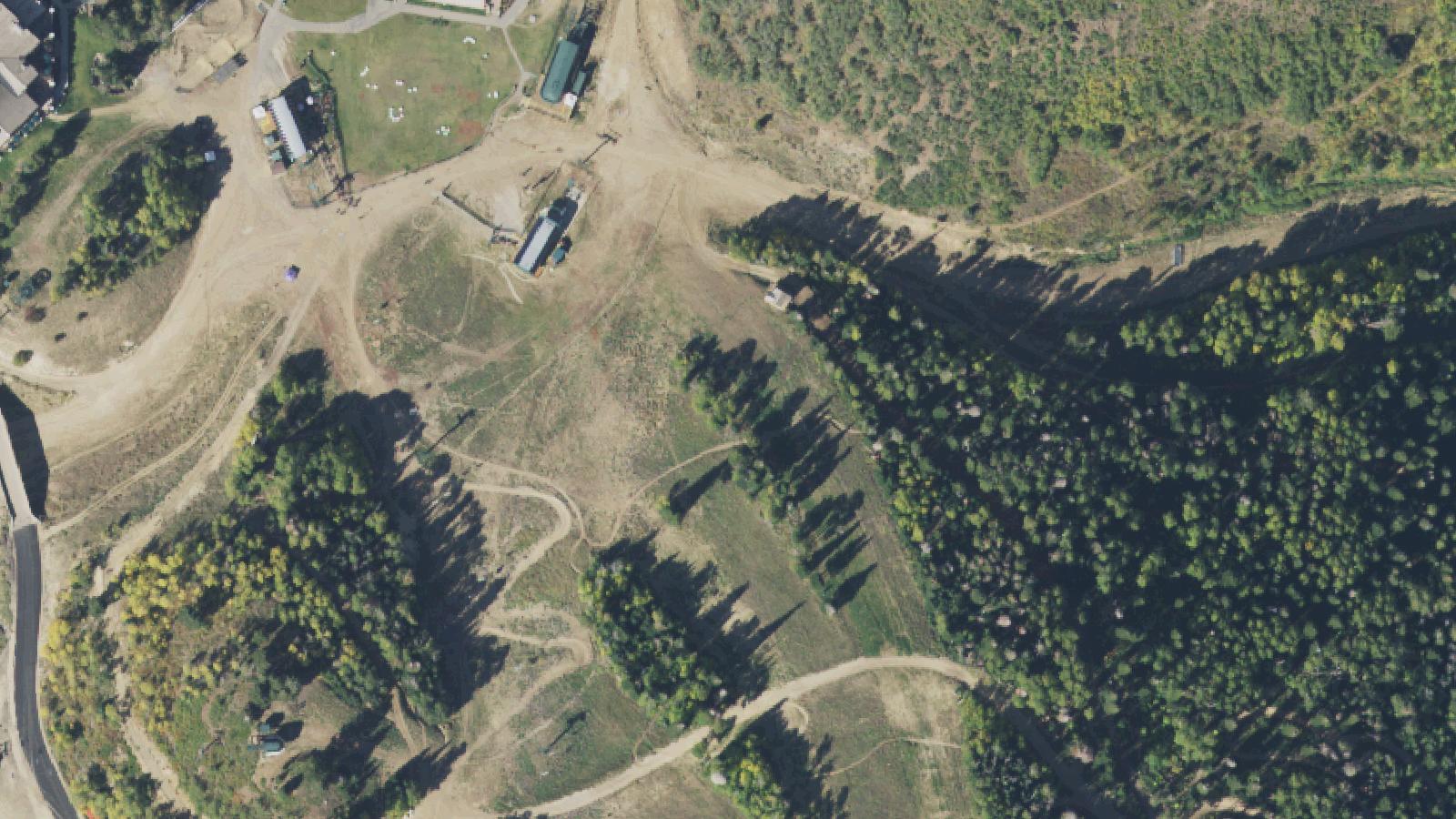
The mine was sealed after the cleanup. The terrain above it became the ski slopes that now make up Deer Valley Resort. The headframe stands roughly 100 yards from the Montage hotel and the Empire Lift terminal—a piece of industrial infrastructure preserved in the middle of a luxury ski resort, visible to anyone riding the chairlift.
Park City's historical community has resisted the site's incorporation into paranormal tourism frameworks, preferring to treat it as labor history: a monument not to the mine's owners, but to the men who worked underground and the 34 who did not come back up.
Where this legend is told