Est. 1901 · Historic Resort · Indigenous Land Use · Railroad History · WWII Recreation Site
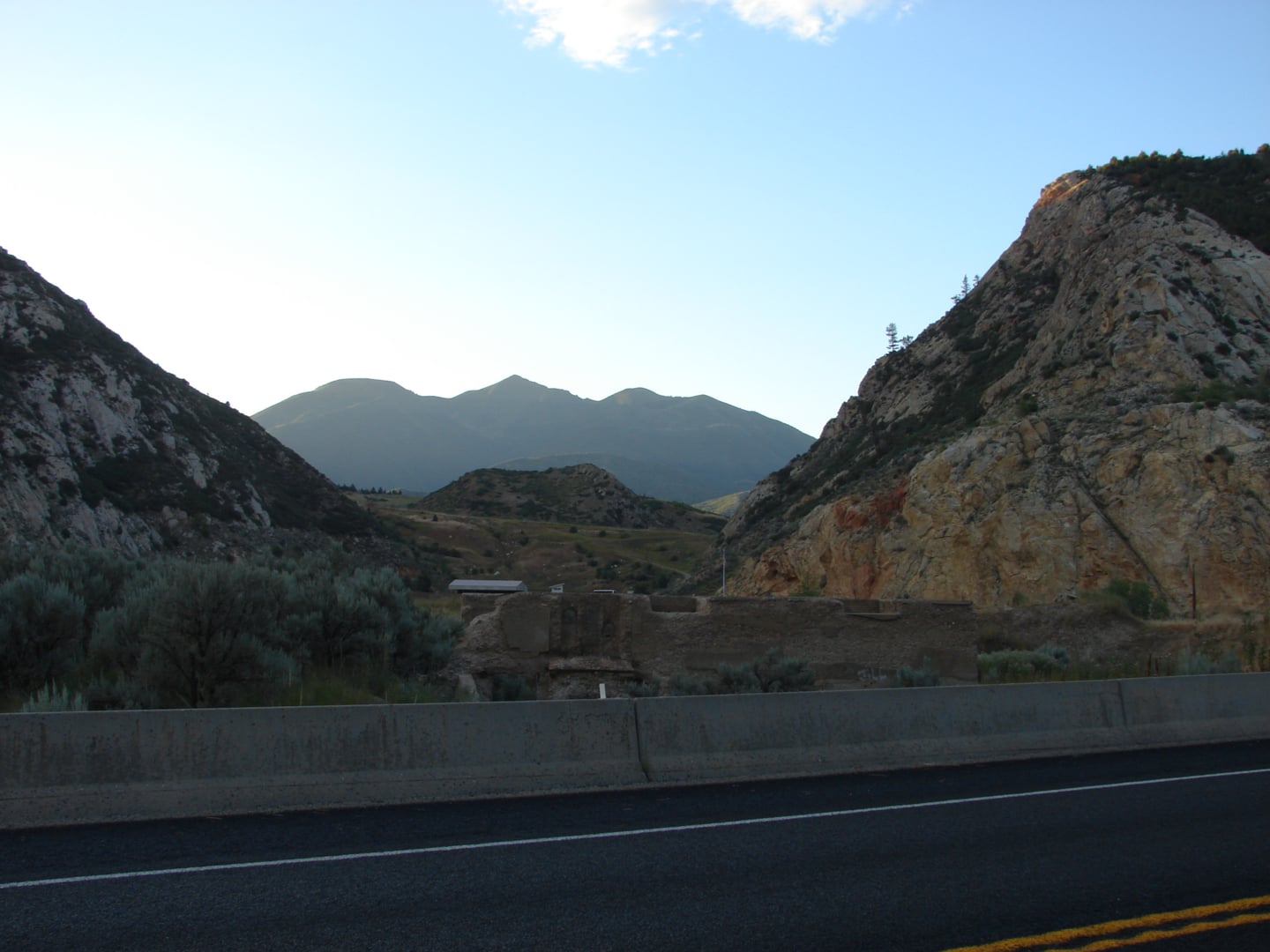
The springs at Honeyville, Utah draw from a geological anomaly that makes the site geographically singular: a hot spring and a cold spring emerge within 50 feet of each other — one of the closest hot-cold pairs in the world. The Shoshone-Bannock people of the Great Basin used the site for relaxation and wellness long before European settlement, and Chinese railroad workers discovered the springs as the Transcontinental Railroad expanded westward through northern Utah in the 1860s.
Commercial development began in 1901 under the name Madsen Hot Springs. The original enterprise centered on an indoor pool structure within the main building — a three-story lodge that housed not just the pool but social spaces including a second-floor room used for parties and gatherings.
In 1937, a lightning strike hit the main wooden building, destroying the indoor pool. Rather than rebuild the indoor structure, the owners converted the operation to outdoor pools and built a new lodge adjacent. The outdoor format allowed expansion over the decades, eventually incorporating two 365-foot water slides fed by naturally heated water from the springs, a cave pool, and multiple mineral soaking tubs.
During the Second World War, the resort served hundreds of buses carrying recovering military personnel through its facilities. The springs' therapeutic mineral content made it a practical rehabilitation destination during the war years.
The main lodge building — three stories, with the second floor's event space and the third floor above it — is the structure associated with paranormal reports. The building remains part of the resort complex.
Sources
- https://www.crystalhotsprings.net/history-and-information/
- https://www.intermountainhistories.org/items/show/330
- https://hotspringers.net/crystal-hot-springs-utah/
Shadow figuresPhantom footstepsDoors opening/closingApparitions
The paranormal accounts from Crystal Hot Springs come primarily from people who worked inside the main lodge building after hours. A former employee described the second floor — historically used as a party and event room — as a location where doors could be heard shutting and footsteps tracked across the ceiling from the floor above when no one was present on the third story.
The same account describes a specific recurring event visible from outside the building: after closing, when the building was locked and empty, a silhouette was observed moving past a computer screen that was always left powered on. The movement was deliberate — a figure crossing in front of the light source — rather than a reflection or peripheral anomaly.
Other staff accounts describe a feeling of being watched in the upper floors, shadows cast at angles inconsistent with available light sources, and the sensation of a presence distinct from the sounds of the building settling. The specificity of the computer screen account — a detail that requires both a particular light source and a witness outside the building — distinguishes it from general atmospheric discomfort.
The third floor of the main building, according to the earliest circulated account, is where footsteps are most consistently placed. Whether that floor was used for residential or storage purposes during the resort's operational history is not confirmed in available records.