Est. 1917 · One of Utah's most productive early-20th-century coal-mining districts · Cluster of Carbon County ghost towns (Latuda, Standardville, Rains, Peerless, Mutual) · Source of one of Utah's most enduring ghost legends, the White Lady · Documented by Legends of America and Utah regional historical sources
The Spring Canyon mining district developed in the rugged hills west of Helper, Utah, beginning in the early 1910s. Over the following decades a string of company coal camps grew along the canyon, including Standardville, Rains, Peerless, Mutual, and Latuda. At its peak the district was home to more than 2,000 miners, businessmen, and their families, and its mines extracted roughly 43 million tons of coal before operations wound down through the 1960s.
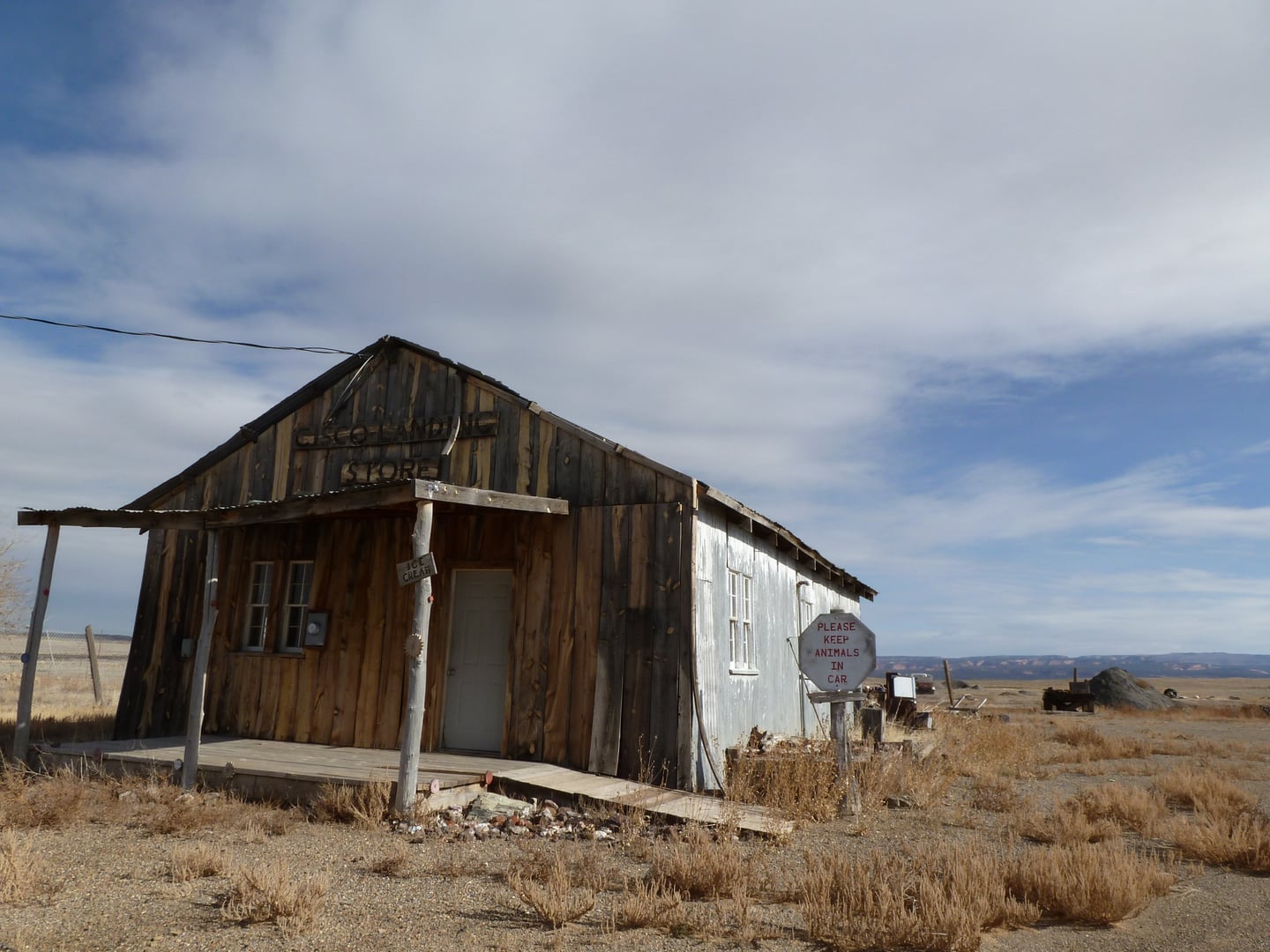
Latuda, about seven miles west of Helper, started around 1917 when the Liberty Mine went into production. The camp grew to include homes, a post office, a school, a company store, and mining offices, supporting a population of around 400. Coal mining in the canyon was dangerous work, and fatal accidents were a recurring part of life in the camps, a context that gave rise to much of the area's later folklore.
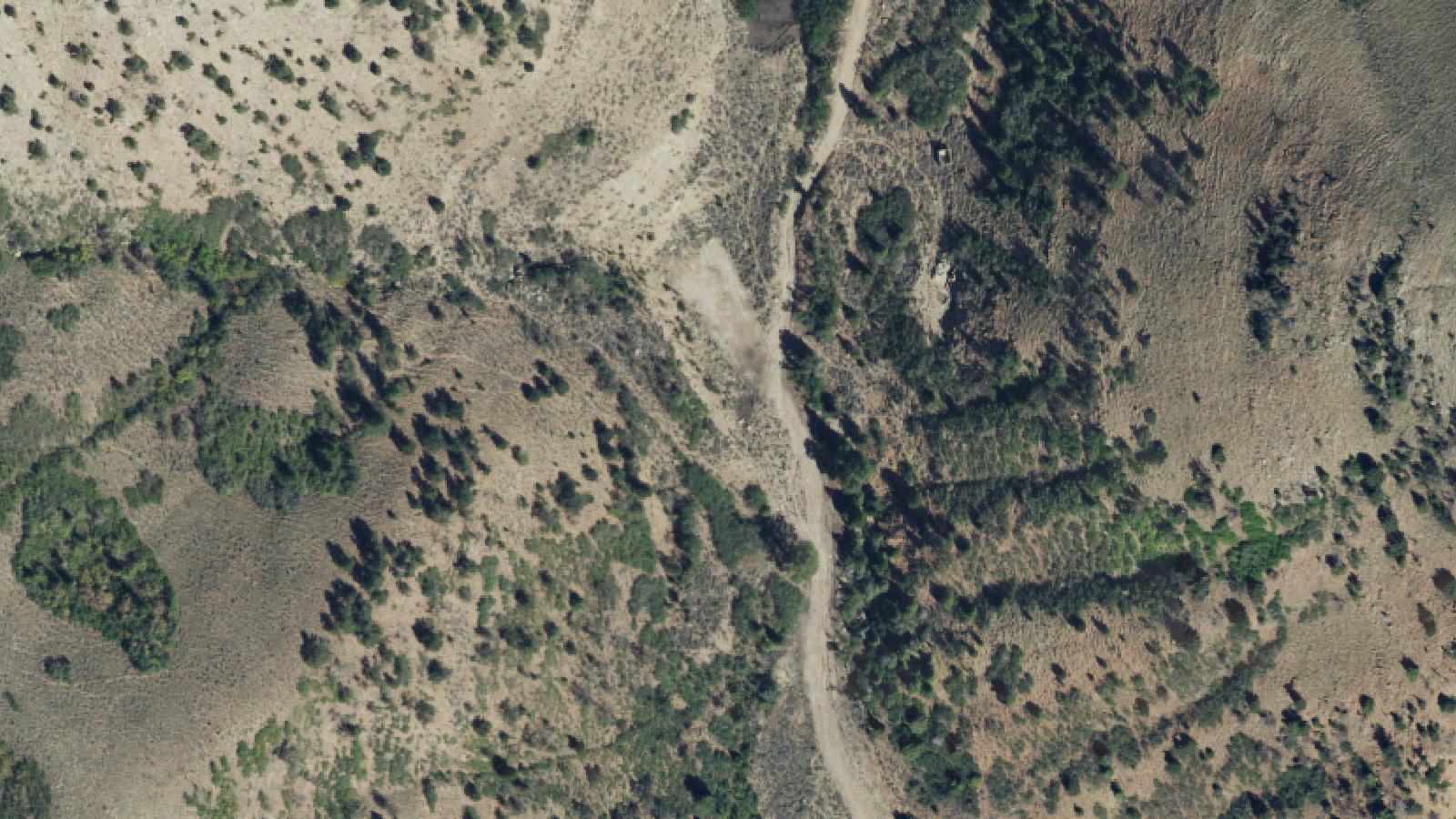
As the coal economy declined in the mid-20th century, the camps emptied and the buildings were abandoned or salvaged. Today Spring Canyon is a corridor of ghost towns. Stone foundations, the prominent ruin of the Latuda mine office, and scattered structures remain, some on public land and some on posted private parcels. The area is documented by Legends of America, Utah Stories, and local Carbon County historical accounts, and is a well-known stop for ghost-town travelers.
Sources
- https://www.legendsofamerica.com/ut-springcanyonlady/
- https://www.legendsofamerica.com/carbon-county-utah-ghost-towns/
- https://utahstories.com/2012/08/utah-ghost-towns/
- https://usueasterneagle.com/2019/10/18/white-lady-still-roams-the-canyon/
Sightings of a woman in white near the Latuda ruinsSudden chills and a sense of being watchedReports clustered around the old mine office, especially at night
The White Lady of Spring Canyon is among Utah's best-known ghost legends, recounted by Legends of America, the USU Eastern student newspaper, and numerous Utah folklore collections. The core of the tale, as repeated across sources, is a grieving miner's widow whose husband was killed in one of the canyon's mines. With no survivors' benefits available, she was left destitute, and her infant child later died; in despair, she is said to have taken her own life. Her spirit, dressed all in white, is reported wandering the Latuda townsite searching for her lost family.
Multiple versions of her story circulate: in some her husband's body was never recovered; in another her husband and son died in a mine accident and her surviving baby was later drowned in a wash; in yet another she lived in nearby Peerless and was denied compensation because her husband's death from blood poisoning was deemed non-mining-related. The variations themselves are a hallmark of long-lived oral folklore, and no single historical individual has been firmly documented behind the legend, so HauntBound presents the White Lady as a regional ghost tradition rather than a claim about a specific named person.
Witness accounts collected over decades describe a pale female figure near the ruined Latuda mine office, sudden chills, and the unnerving sense of being watched, with hunters and night hikers reporting the most encounters. The legend is corroborated as a long-standing tradition by multiple independent Utah sources.
Notable Entities
The White Lady (a miner's widow of Spring Canyon folklore)