Haunted New Mexico

27 haunted destinations cataloged across New Mexico, spanning 15 counties. The collection features haunted hotel, outdoor, and haunted dining — every listing verified with family ratings, accessibility info, and practical visit logistics.

27 locations 15 counties 9 classifications 14 wheelchair accessible

Featured in New Mexico

Top 6
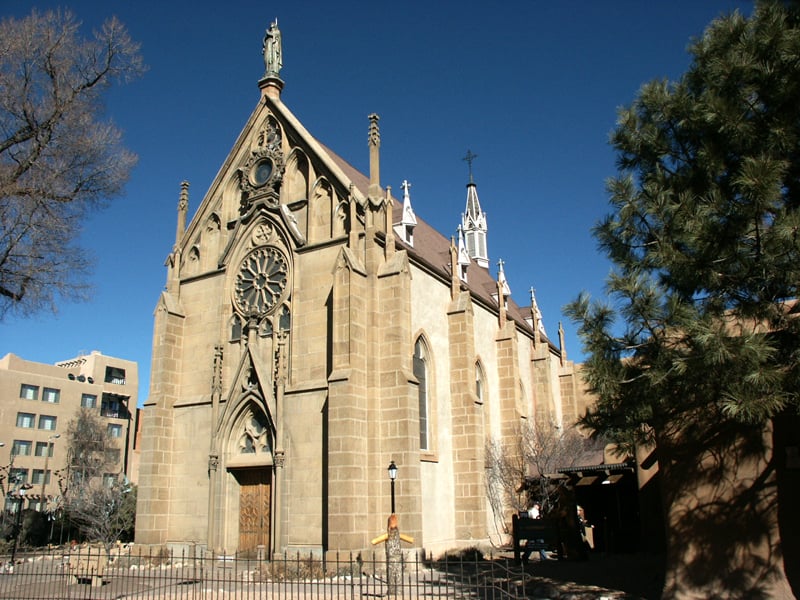
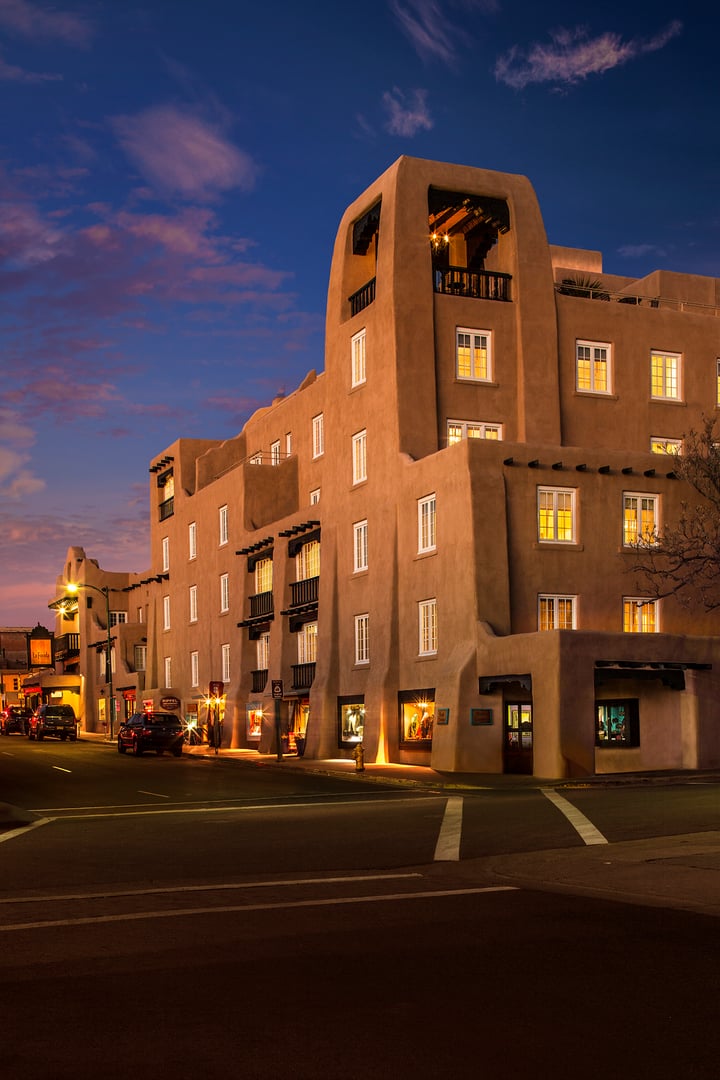
La Fonda Hotel Pueblo Revival exterior on the plaza in Santa Fe New Mexico
Haunted Hotel / Inn

La Fonda on the Plaza

Santa Fe, NM

La Fonda on the Plaza in Santa Fe occupies the oldest continuously occupied inn site in the United States. Records show an inn at this location when the Spanish founded Santa Fe in 1607; the current building dates to 1922 and operated as a Fred Harvey property from 1926 to 1968. At least two documented violent deaths occurred within the original structure, including the 1867 shooting death of Chief Justice John P. Slough.

$$$ All Ages Family: High
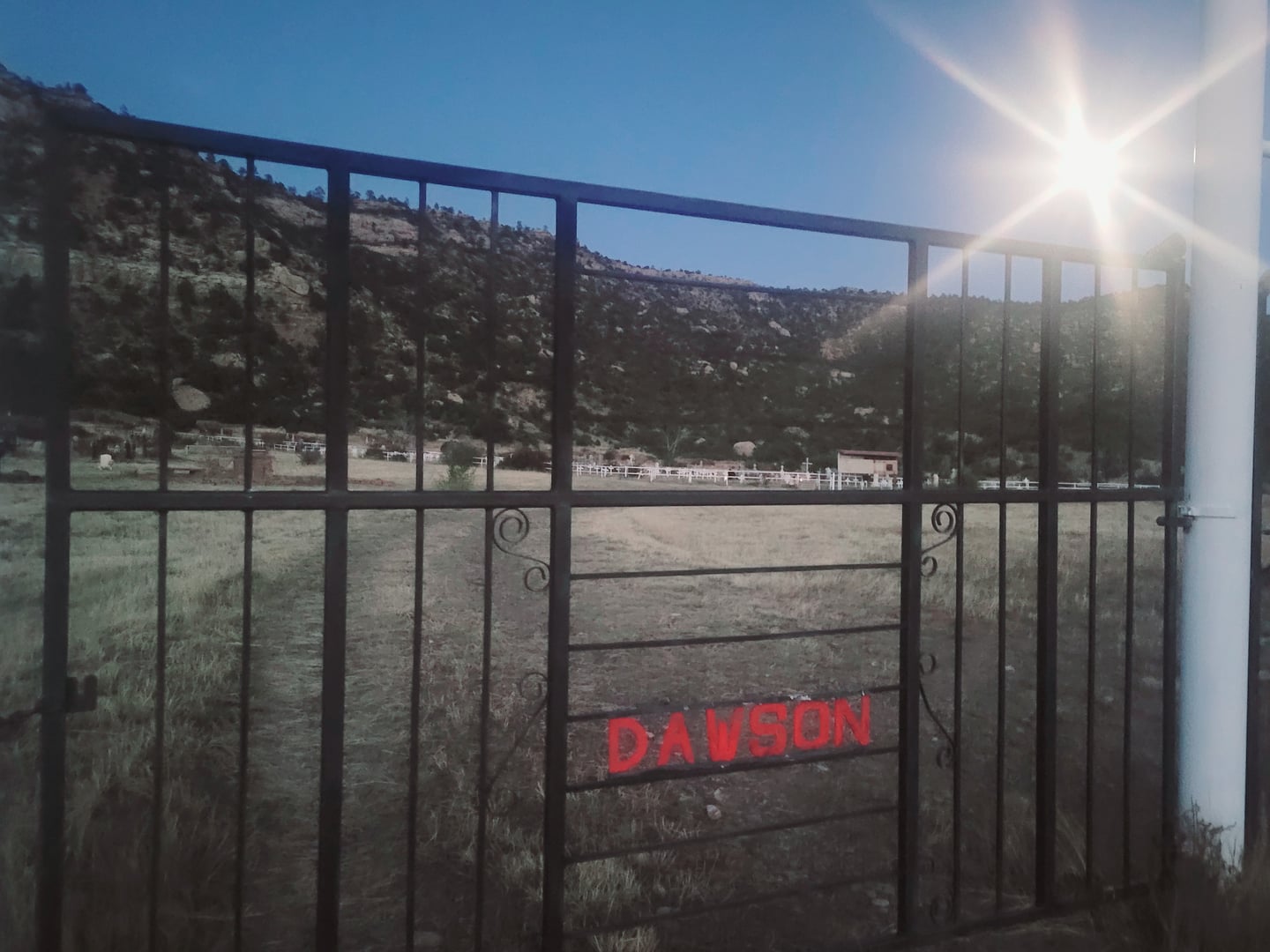
Iron gates at the entrance to Dawson Cemetery in Colfax County, northeast New Mexico, a National Register-listed mining-town cemetery.
Cemetery / Burial Ground

Dawson Cemetery

Dawson, NM

Dawson is a former coal company town in Colfax County, New Mexico, founded in 1901 and abandoned by 1954. The Dawson Cemetery on the National Register of Historic Places holds 383 victims of two catastrophic mine explosions in 1913 (263 dead) and 1923 (123 dead). Iron crosses identify miners from at least six immigrant nationalities.

$ All Ages Family: High
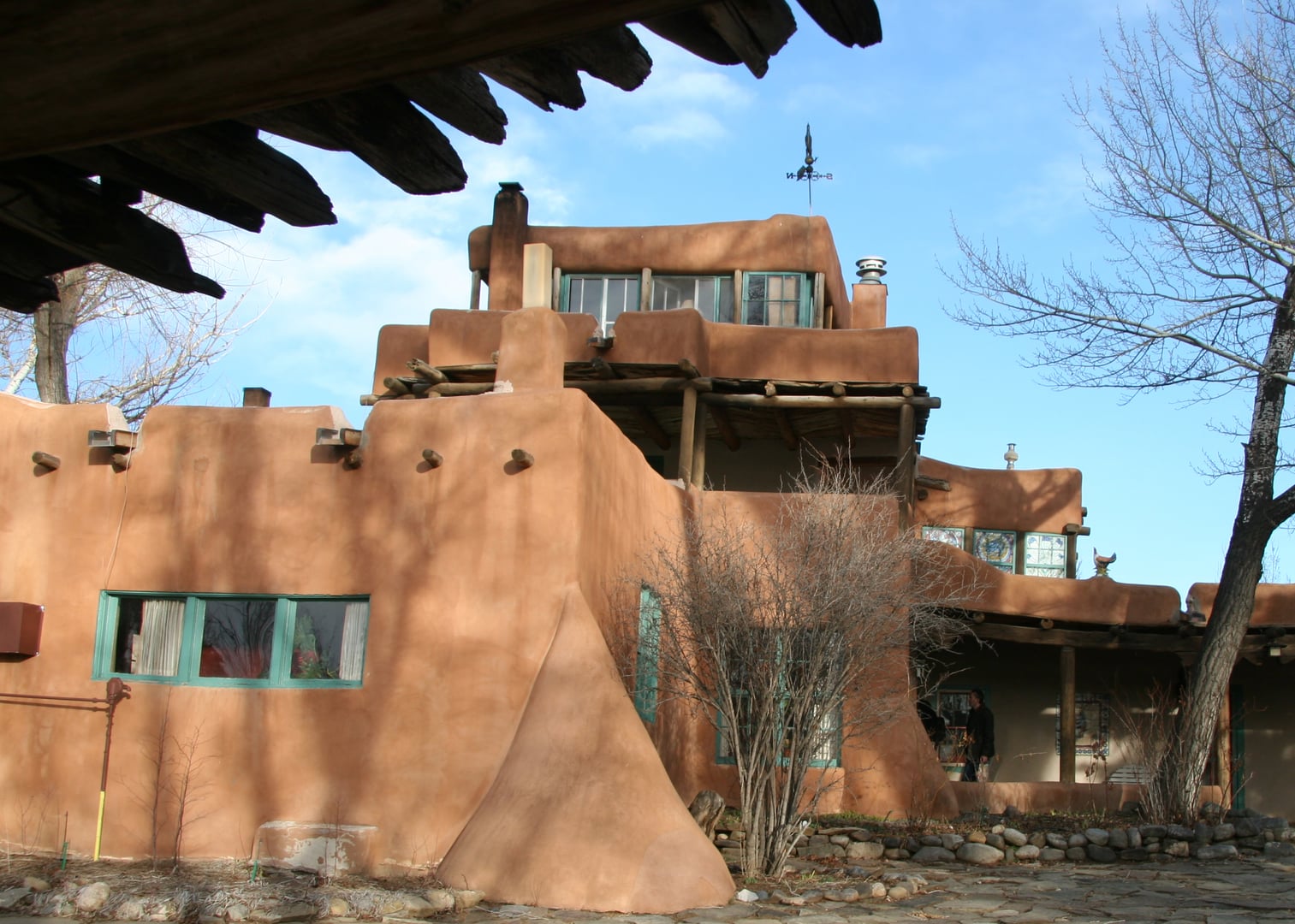
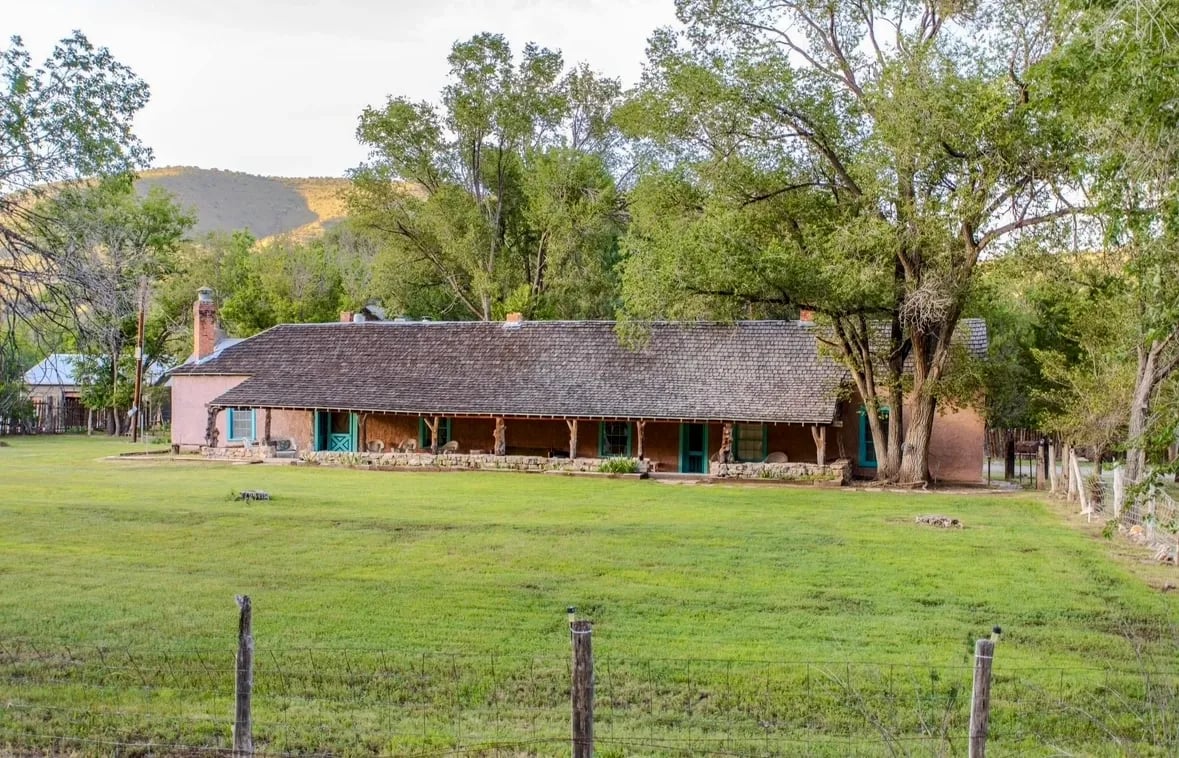
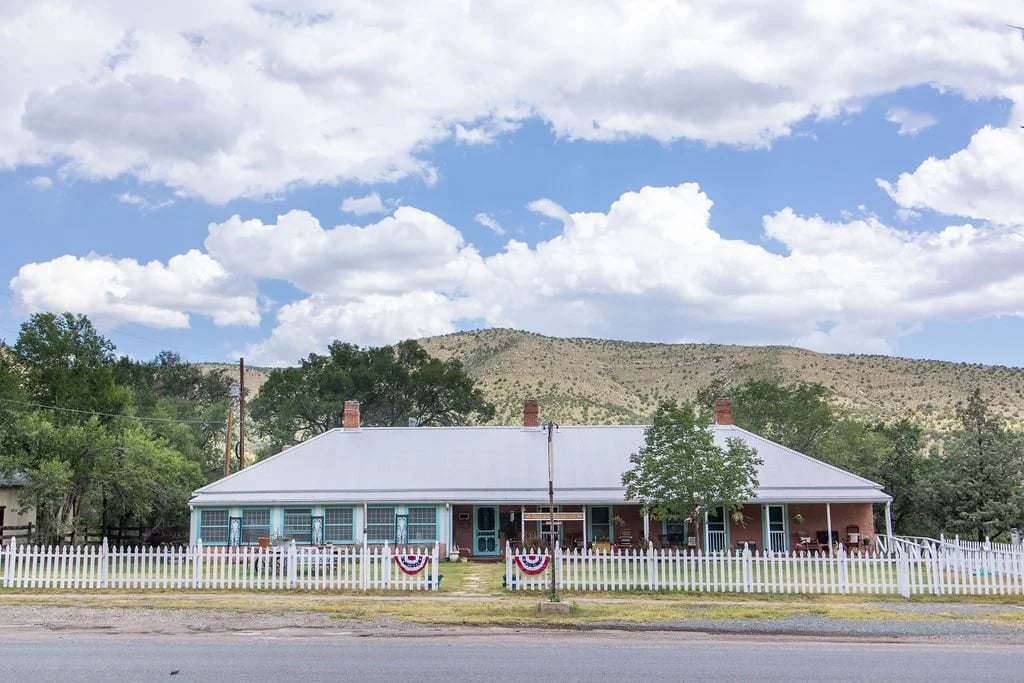
Historic adobe Double Eagle restaurant on the plaza in Old Mesilla, New Mexico, dating to the 1840s and considered Mesilla's oldest building.
Haunted Dining / Bar

Double Eagle Restaurant & Peppers Restaurant

Mesilla, NM

The Double Eagle Restaurant occupies a large adobe structure on the Historic Old Mesilla Plaza that was built during the Mesilla boom period of the 1840s and is acknowledged as the oldest building in Old Mesilla. The Mesilla Plaza was the site where the Gadsden Purchase was formally transferred from Mexico to the United States. The Maes family relocated from Santa Fe to Mesilla following the Mexican-American War of 1846–1848 and occupied the building through the mid-19th century.

$$$ All Ages Family: Moderate
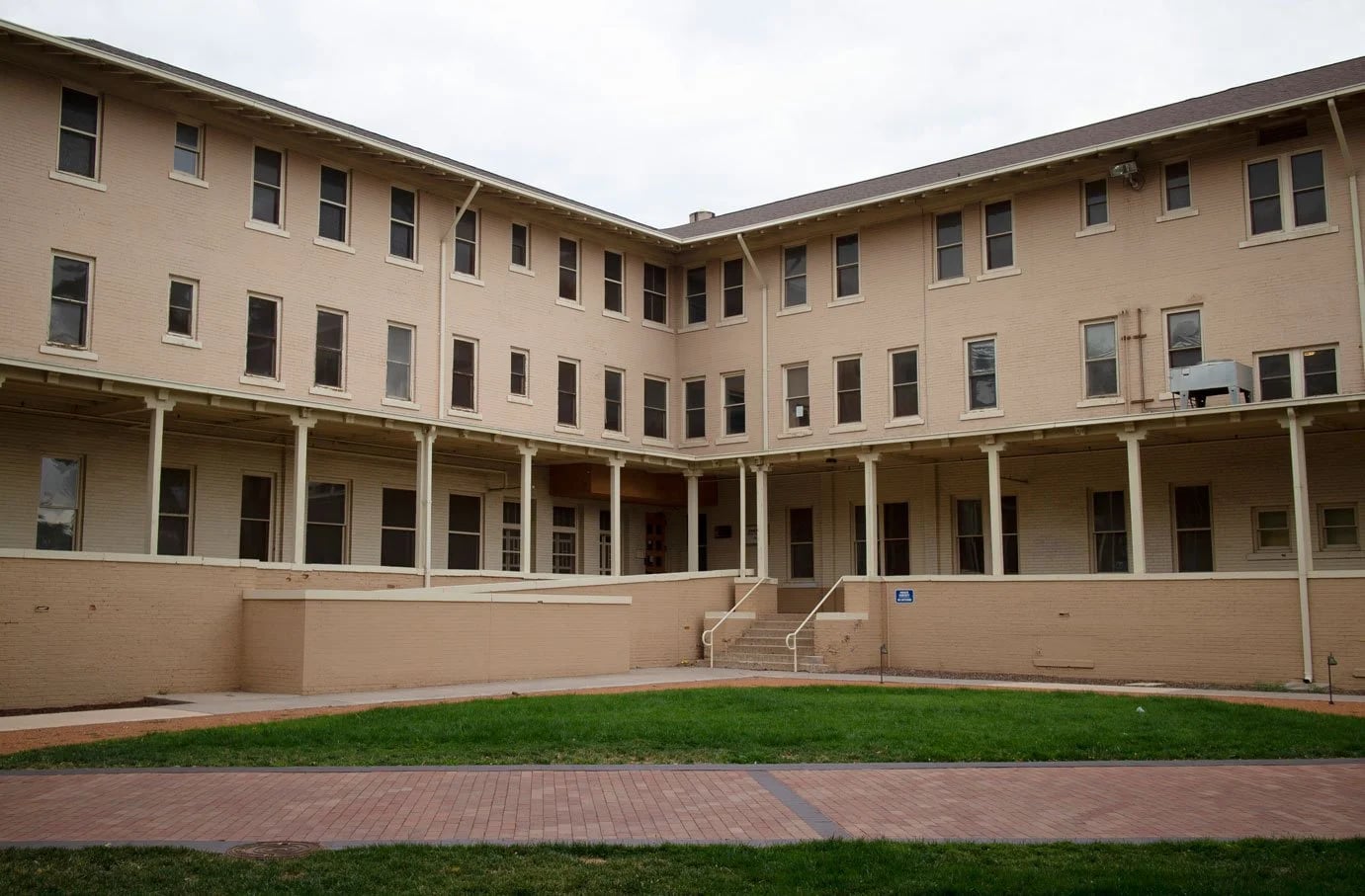
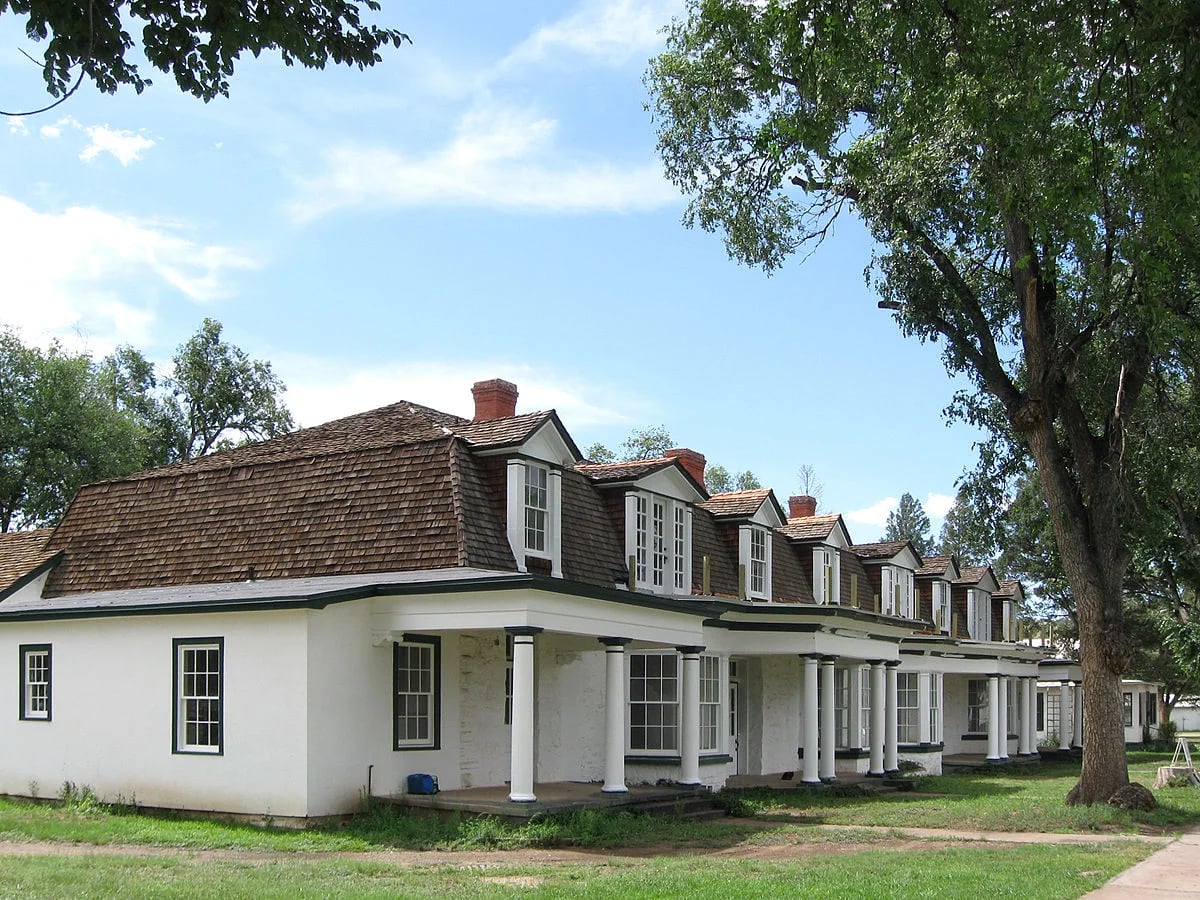
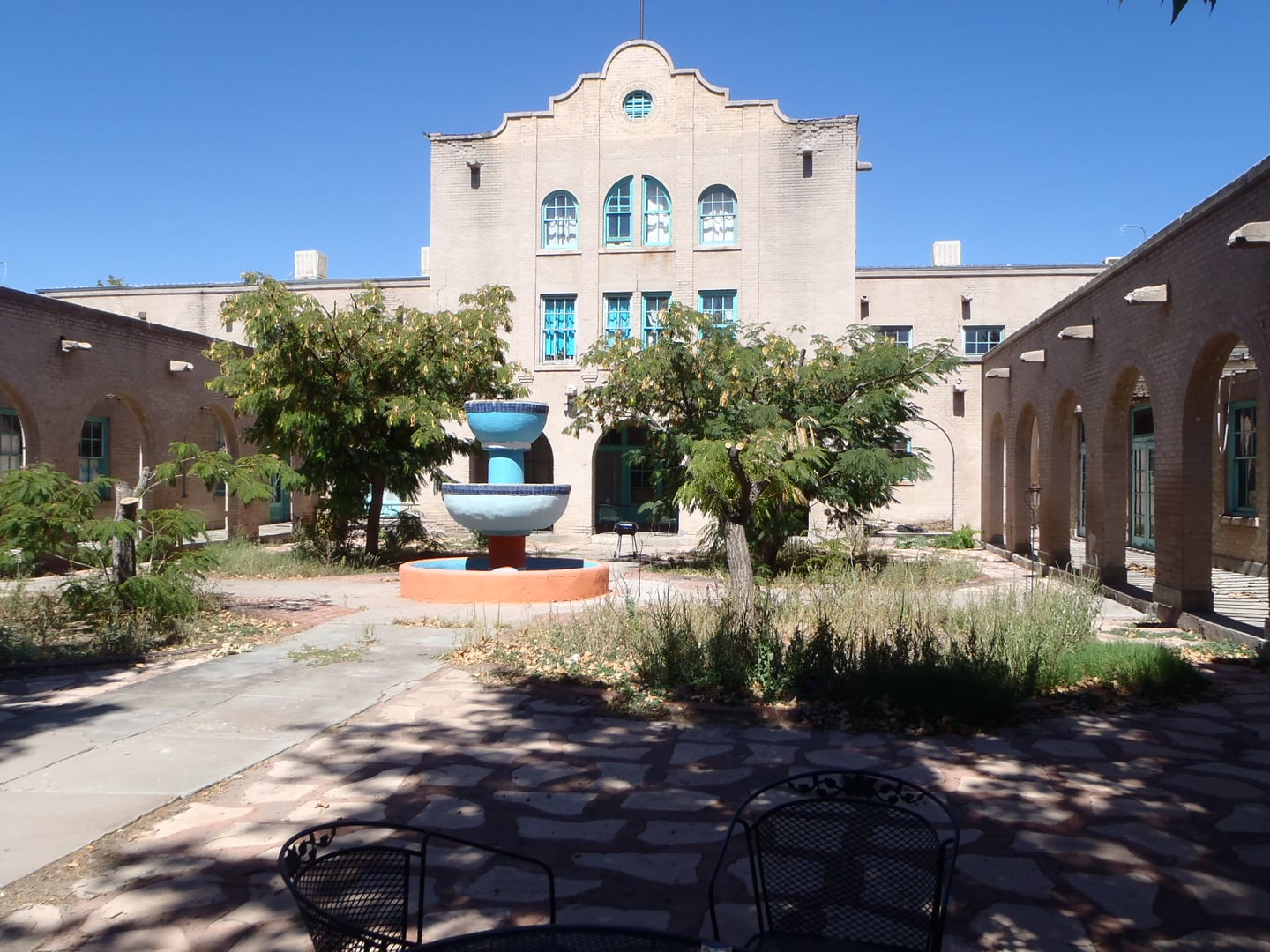
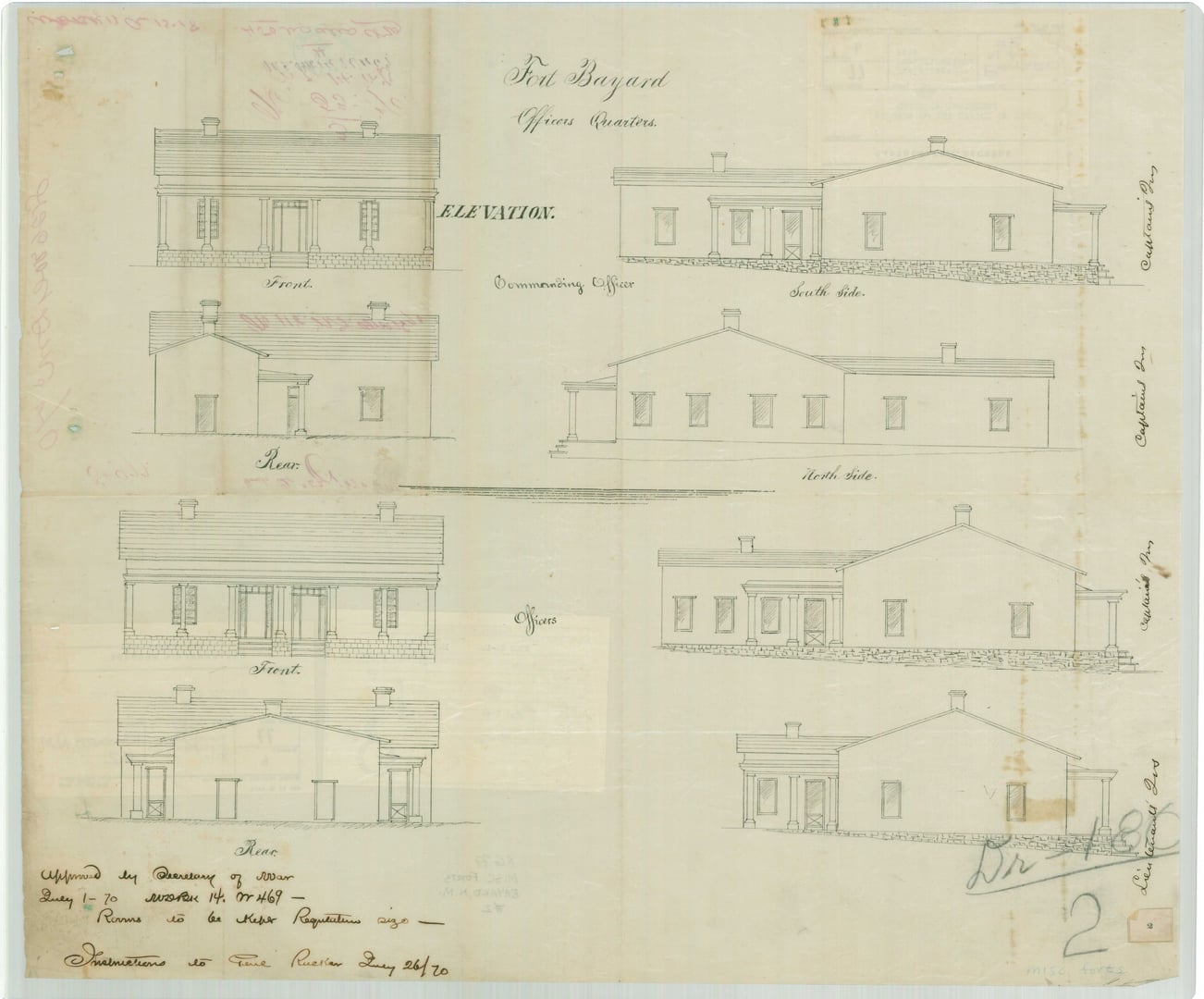
Officers' quarters at Fort Bayard, New Mexico, a former U.S. Army post and tuberculosis sanitarium in the Fort Bayard Historic District near Santa Clara.
Battlefield / Military Site

Fort Bayard Historic District

Santa Clara, NM

Fort Bayard was established in 1866 in southwestern New Mexico Territory as a cavalry post protecting settlers and miners during the Apache Wars. The post was garrisoned by the 25th United States Colored Infantry and 9th Cavalry, the African American regiments who became known as the Buffalo Soldiers. Decommissioned as a fort in 1899, it was converted into the U.S. Army's first dedicated tuberculosis sanitarium and continues today as a New Mexico state long-term care facility within a National Historic Landmark District.

$ All Ages Family: High
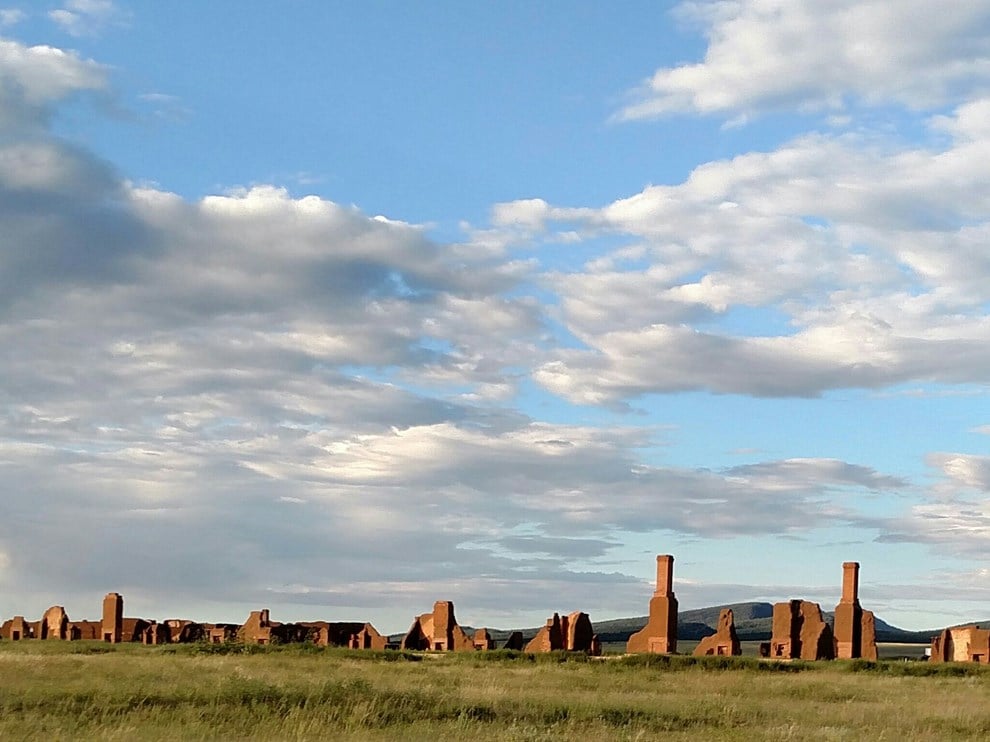
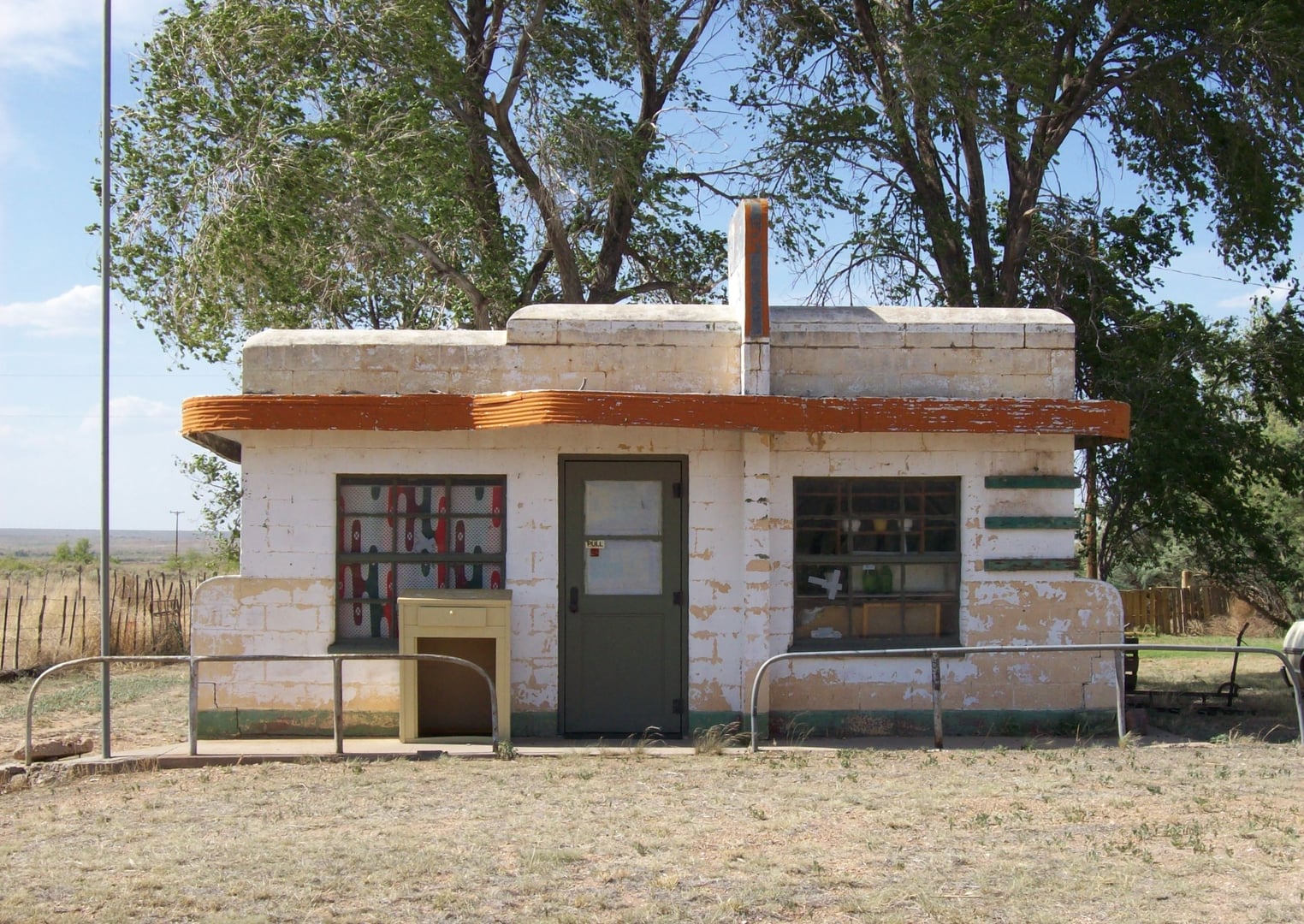
Abandoned Streamline Moderne cafe at Glenrio ghost town on the New Mexico-Texas Route 66 border
Outdoor / Natural Site

Glenrio

Glenrio, NM

Glenrio is a former railroad and Route 66 settlement straddling the Texas-New Mexico state line in Deaf Smith and Quay counties. Founded in 1903 as a Rock Island Railroad siding, it became a popular Route 66 service stop between Amarillo and Tucumcari before Interstate 40 bypassed the town in September 1973. The 31.7-acre Glenrio Historic District was listed on the National Register of Historic Places in 2007.

$ All Ages Family: High
KiMo Theatre Pueblo Deco facade on Central Avenue in Albuquerque New Mexico
Theater / Performance Venue

KiMo Theatre

Albuquerque, NM

The KiMo Theatre opened on September 19, 1927, as the first theater constructed in the Pueblo Deco style — a fusion of adobe Pueblo Revival architecture with Art Deco linear decoration and indigenous cultural motifs. Designed at a total cost of $150,000, including an $18,000 Wurlitzer organ, the theater was built for Oreste Bachechi and named by Pablo Abeita, former governor of Isleta Pueblo, whose entry 'Kimo' (loosely 'king of the beasts') won a public naming contest. In 1977, Albuquerque citizens voted to purchase the building for preservation; restoration was completed in 2000.

$ All Ages Family: High

More in New Mexico

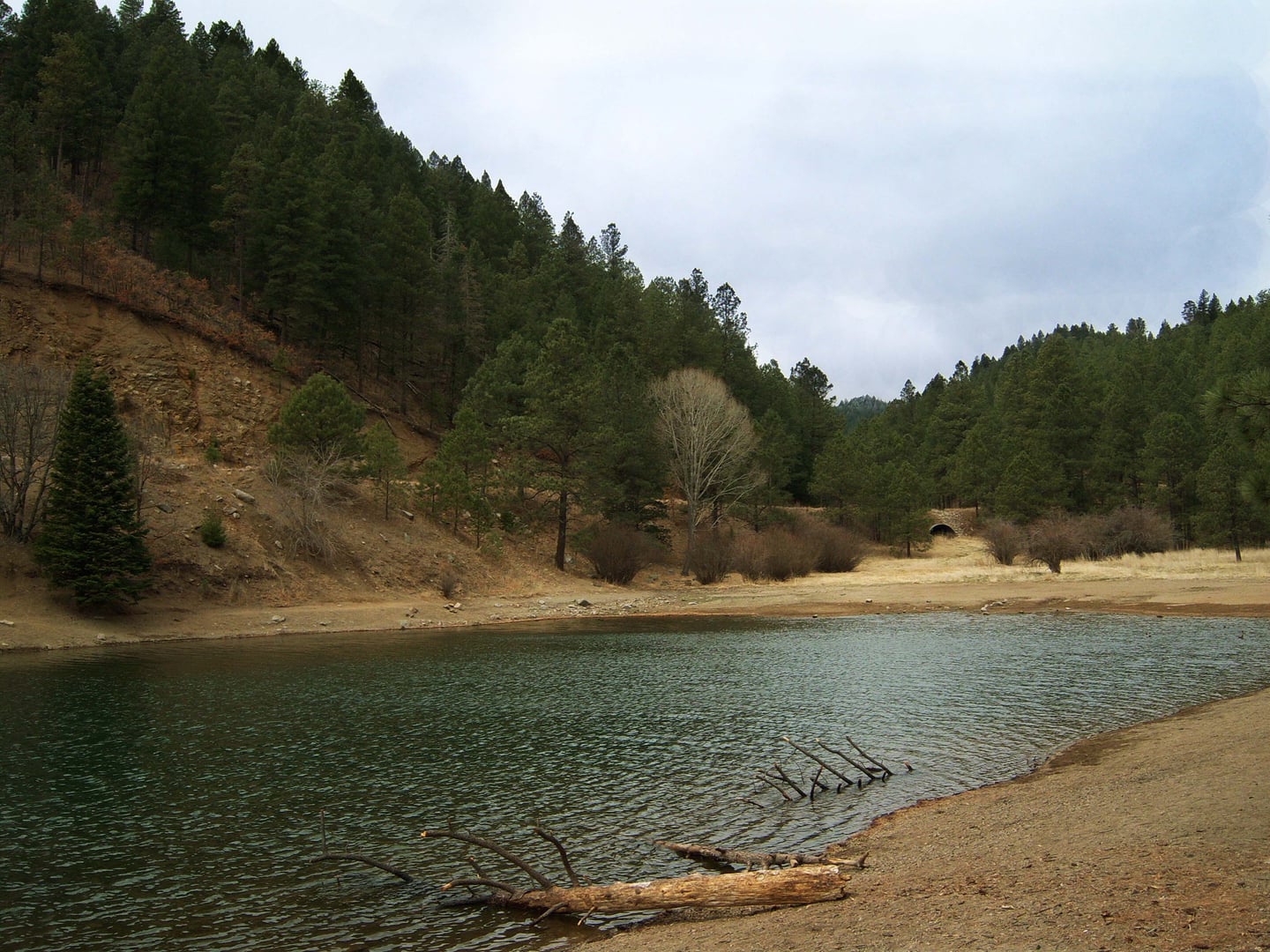
Bonito Lake, New Mexico
Outdoor / Natural Site

Bonita Lake

Ruidoso, NM

Bonito City was founded in 1882 as a mining camp following the discovery of silver ore in the area. By the mid-1880s, the town had developed into a proper community with a schoolhouse, three general stores, saloon, post office, hotel, boarding house, blacksmith, and law office. As the gold rush ended and families departed, the town declined into abandonment. In 1930, the government authorized construction of a dam on Bonito Creek to supply water for the railroad. The resulting lake deliberately flooded the remaining structures of Bonito City beneath 40+ feet of water.

$ All Ages Family: Moderate
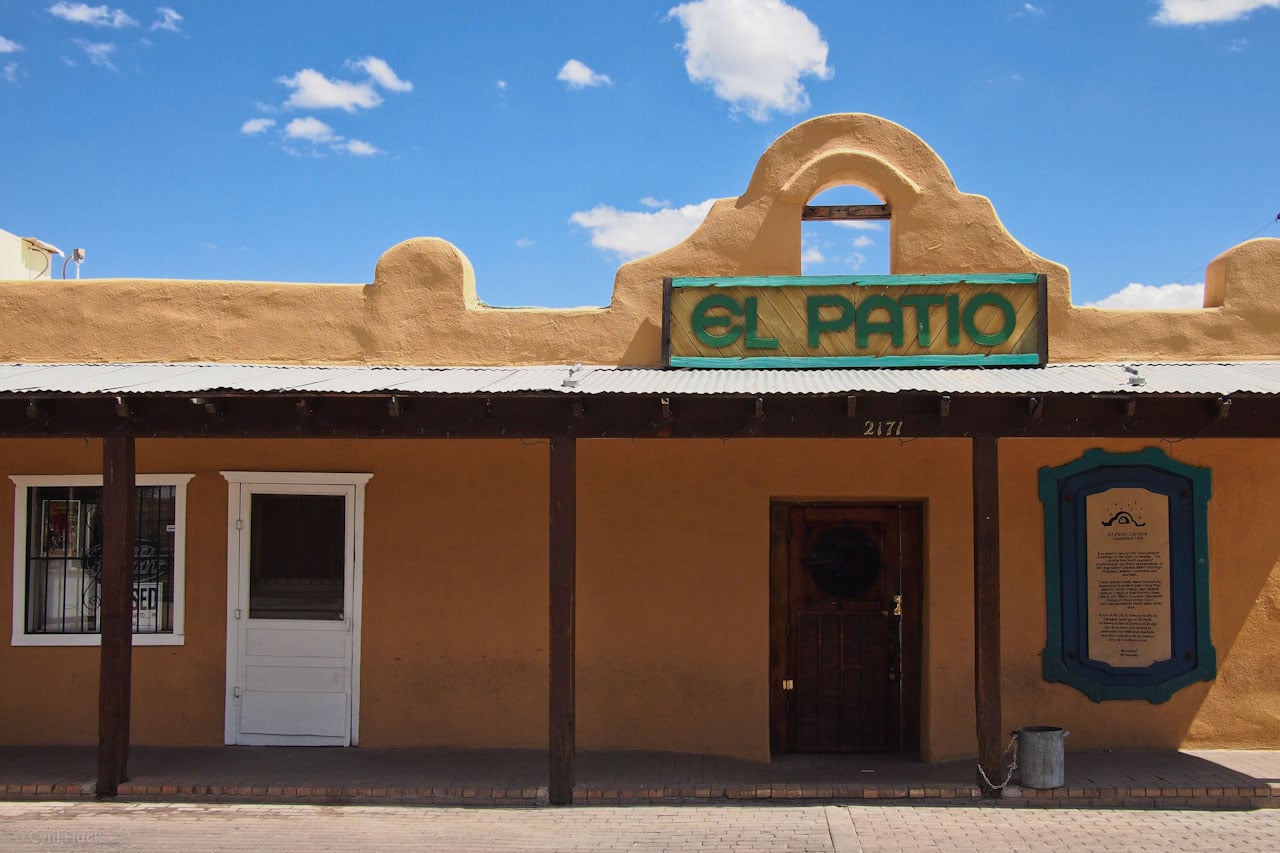
Exterior storefront of El Patio Bar on Calle de Parian, a longtime adobe cantina on the historic Mesilla Plaza in Mesilla, New Mexico
Haunted Dining / Bar

El Patio Cantina

Mesilla, NM

El Patio Cantina at 2171 Calle de Parian has operated on Historic Old Mesilla Plaza for approximately 75 years, making it one of the longest-running establishments in the region. The site is adjacent to the former Butterfield Overland Mail stagecoach line's regional offices, a connection that places the property within the 1850s–1860s commercial infrastructure of Mesilla when the town was a critical waystation on the southern mail route.

$ 21+ for bar areas Family: Low
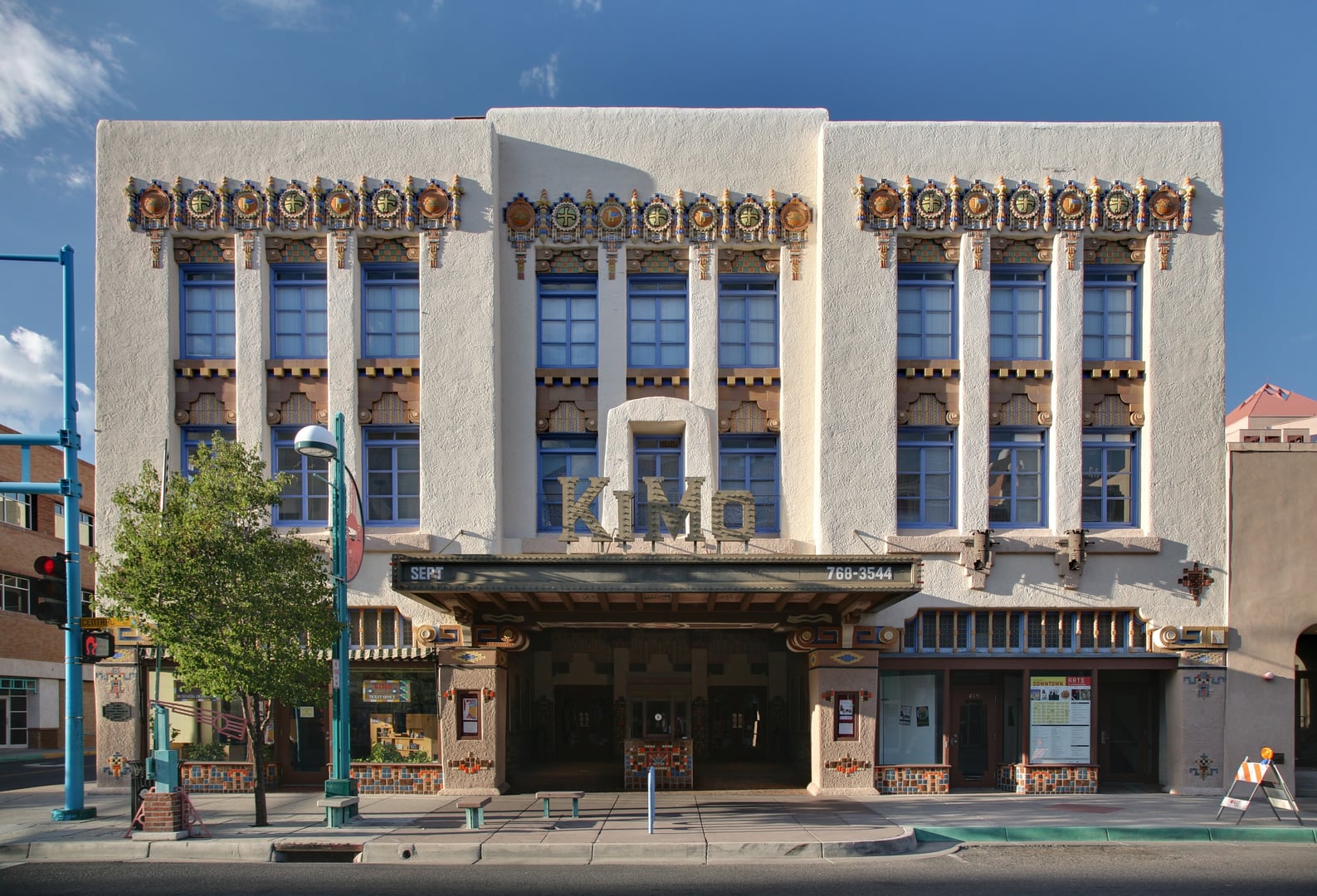
Pueblo Deco terracotta facade of the KiMo Theater on Central Avenue in downtown Albuquerque, New Mexico
Theater / Performance Venue

KiMo Theater

Albuquerque, NM

The KiMo Theater opened on September 19, 1927 in downtown Albuquerque as a Pueblo Deco picture palace. Italian-American entrepreneur Oreste Bachechi commissioned the theater; Carl Boller of the Boller Brothers firm designed it after studying Southwestern Indigenous architectural traditions. The City of Albuquerque purchased and restored the theater in 1977, and it remains a working performance venue.

$$ All Ages Family: High
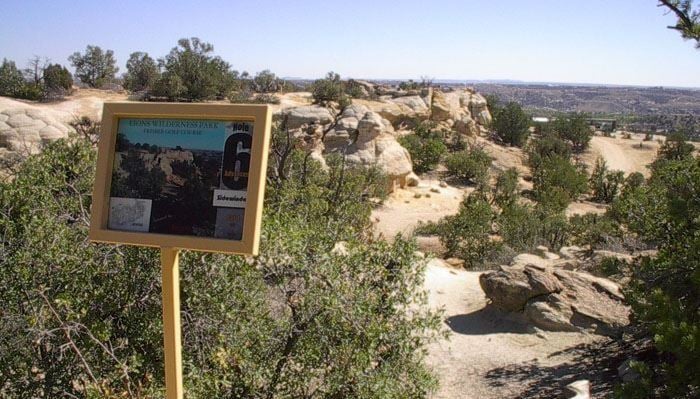
Sandstone terrain and hiking trails at Lions Wilderness Park in Farmington, New Mexico
Photo coming soon
Outdoor / Natural Site

Lions Wilderness Park

Farmington, NM

Lions Wilderness Park is a 184.5-acre city park in Farmington, New Mexico, operated by the City of Farmington at 5800 College Blvd. The park features hiking and mountain bike trails with connections to Bureau of Land Management lands, a disc golf course, picnic areas, and the Sandstone Amphitheatre, which hosts outdoor summer theater productions.

$ All Ages Family: Moderate
Former Montecarlo Cafe building on Route 66 in Grants, New Mexico
Photo coming soon
Haunted Dining / Bar

Montecarlo Cafe

Grants, NM

The Montecarlo Cafe was established by Escolástico Mazon in the early 1950s on W Santa Fe Avenue — the Route 66 corridor through Grants, New Mexico. Business boomed with uranium discovery in the region, and the cafe became a fixture for miners and local residents. An early 1990s fire gutted the upstairs apartments, which were subsequently rebuilt as banquet space. The restaurant has been closed for several years.

$ All Ages Family: High
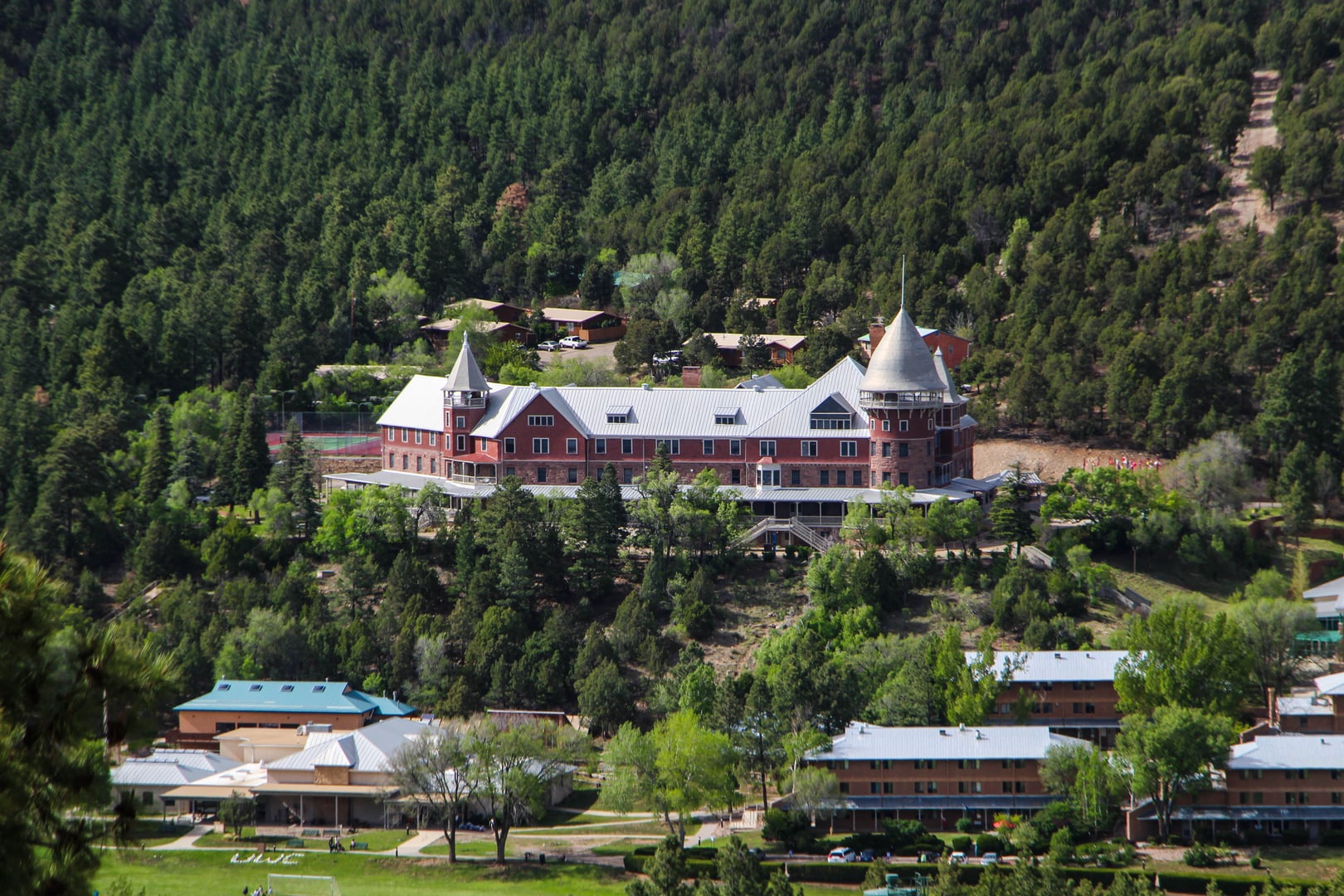
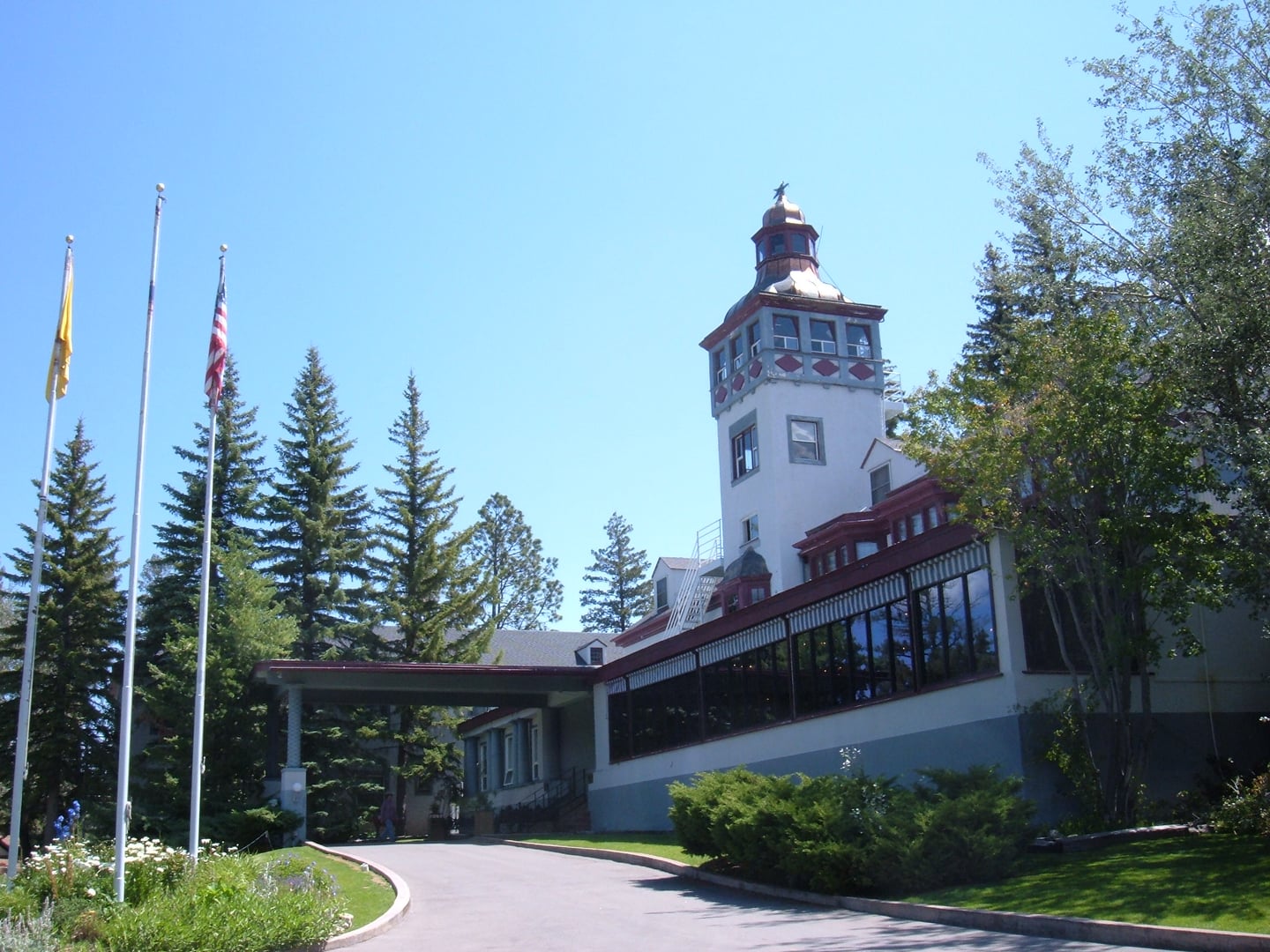
The historic 1886 Montezuma Castle hotel building, now part of UWC-USA campus near Las Vegas, New Mexico
Haunted House / Historic Home

Montezuma Castle — UWC-USA

Montezuma, NM

The Montezuma Castle near Las Vegas, New Mexico is the third hotel on this site — the first two, dating to 1881 and 1885, were among New Mexico's first electrically lit buildings and both burned down. The 90,000-square-foot Queen Anne structure built by the Atchison, Topeka & Santa Fe Railroad in 1886 hosted President Theodore Roosevelt and General William T. Sherman before closing in 1903. It passed through ownership by the YMCA, a Baptist college, and Catholic Jesuits before becoming the campus of UWC-USA (United World College) in 1981.

$ All Ages Family: High
Stone Gothic Revival buildings on the New Mexico Military Institute campus in Roswell, New Mexico, photographed in 2024.
Museum / Historical Site

New Mexico Military Institute

Roswell, NM

New Mexico Military Institute was founded in 1891 by Colonel Robert S. Goss and Captain Joseph C. Lea as the Goss Military Institute, initially enrolling 38 students. Recognized by the territorial legislature and renamed NMMI in 1893, it faced closure in 1895 but reopened in 1898 after James Hagerman donated 40 acres of land. Today it enrolls approximately 1,000 cadets at both high school and junior college levels.

$ All Ages Family: High
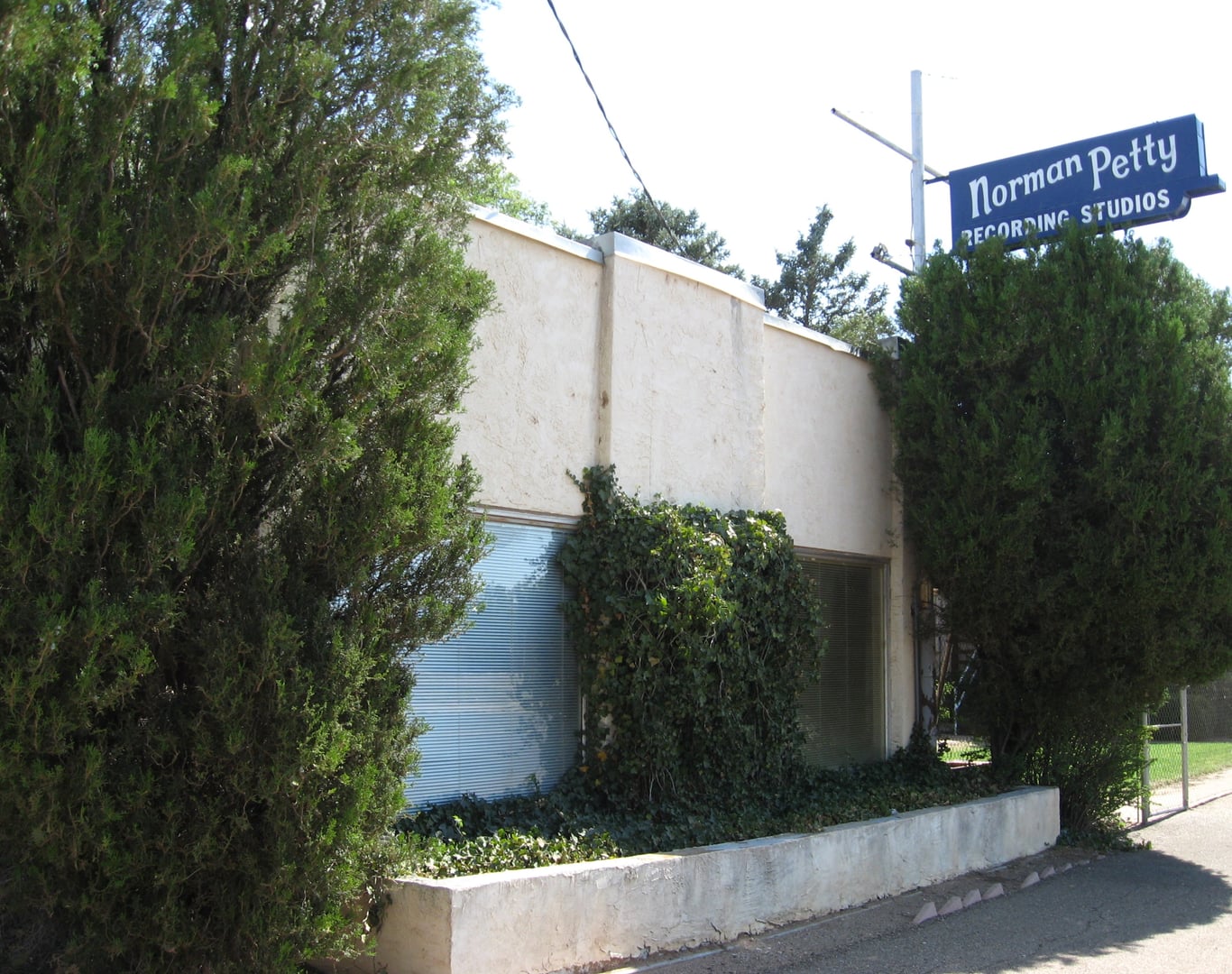
Norman Petty Recording Studios at 1313 W 7th Street in Clovis, New Mexico
Museum / Historical Site

Norman Petty Studios

Clovis, NM

Norman Petty completed his recording studio at 1313 West 7th Street in Clovis, New Mexico in 1956, designing it for the acoustic properties that would define the Clovis Sound. Buddy Holly and the Crickets recorded the majority of their catalog here, including 'That'll Be the Day' and 'Peggy Sue.' Petty died in 1984; his wife Vi preserved the studio exactly as it was until her death, and it now operates as a museum with appointment-only tours.

$ All Ages Family: High
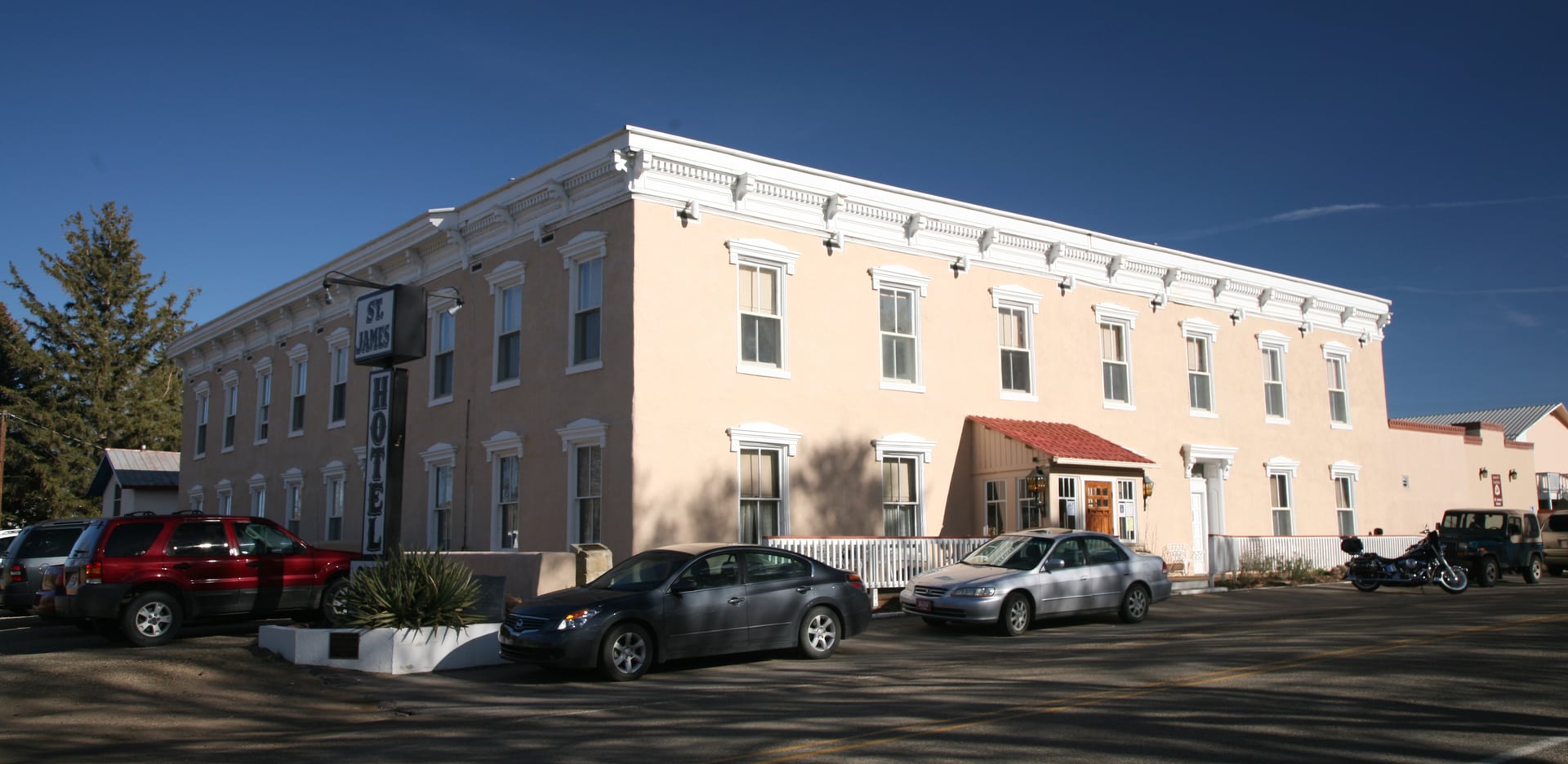
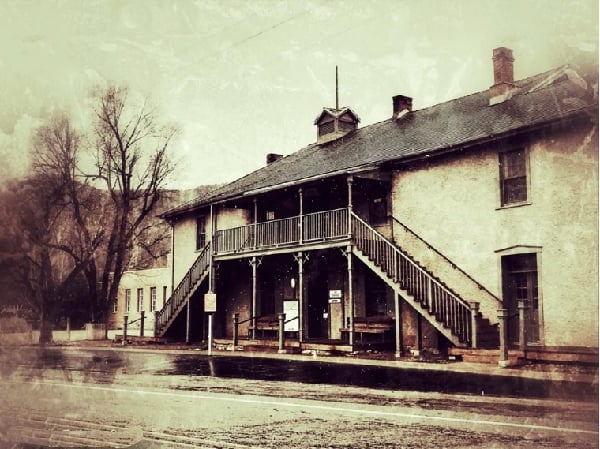
St. James Hotel in Cimarron New Mexico, 1872 Wild West hotel on Santa Fe Trail
Haunted Hotel / Inn

St. James Hotel

Cimarron, NM

The St. James Hotel in Cimarron, New Mexico was built in 1872 by Henri Lambert, who had served as personal chef to President Abraham Lincoln. Situated on the Santa Fe Trail, the hotel's saloon and restaurant witnessed at least 26 documented murders during the Wild West era. A father-daughter team under M Vacation Properties & Resorts purchased the property and reopened it December 20, 2024, after its previous closure in September 2024.

$$ All ages Family: Moderate
Exterior of Marian Hall, the historic former St. Vincent Sanitarium and Hospital in downtown Santa Fe, New Mexico, built 1910.
Haunted Hotel / Inn

The Old St. Vincent Hospital (Marian Hall Complex)

Santa Fe, NM

The Old St. Vincent Hospital complex in downtown Santa Fe — the oldest hospital in New Mexico — was established in 1865 by the Sisters of Charity from Ohio. The complex grew across multiple buildings, including a tuberculosis sanitarium on the third floor of the 1911 Marian Hall. The hospital moved to St. Michael's Drive in 1977. The downtown complex was renovated and now operates as the Drury Plaza Hotel Santa Fe.

$$ All Ages Family: High
Adobe exterior of the 1840 Salvador Armijo House (now Casa Esencia) in Old Town Albuquerque, New Mexico, listed on the National Register of Historic Places.
Haunted House / Historic Home

The Salvador Armijo House (Casa Esencia)

Albuquerque, NM

The Salvador Armijo House was built in the 1840s by Salvador Armijo (1823–1879), a prosperous merchant and nephew of Governor Manuel Armijo. The Old Town hacienda is listed on the National Register of Historic Places and operated as the Maria Teresa restaurant from 1977 until 2004 before becoming the Casa Esencia members-only social club.

$$$ 21+ Family: Moderate
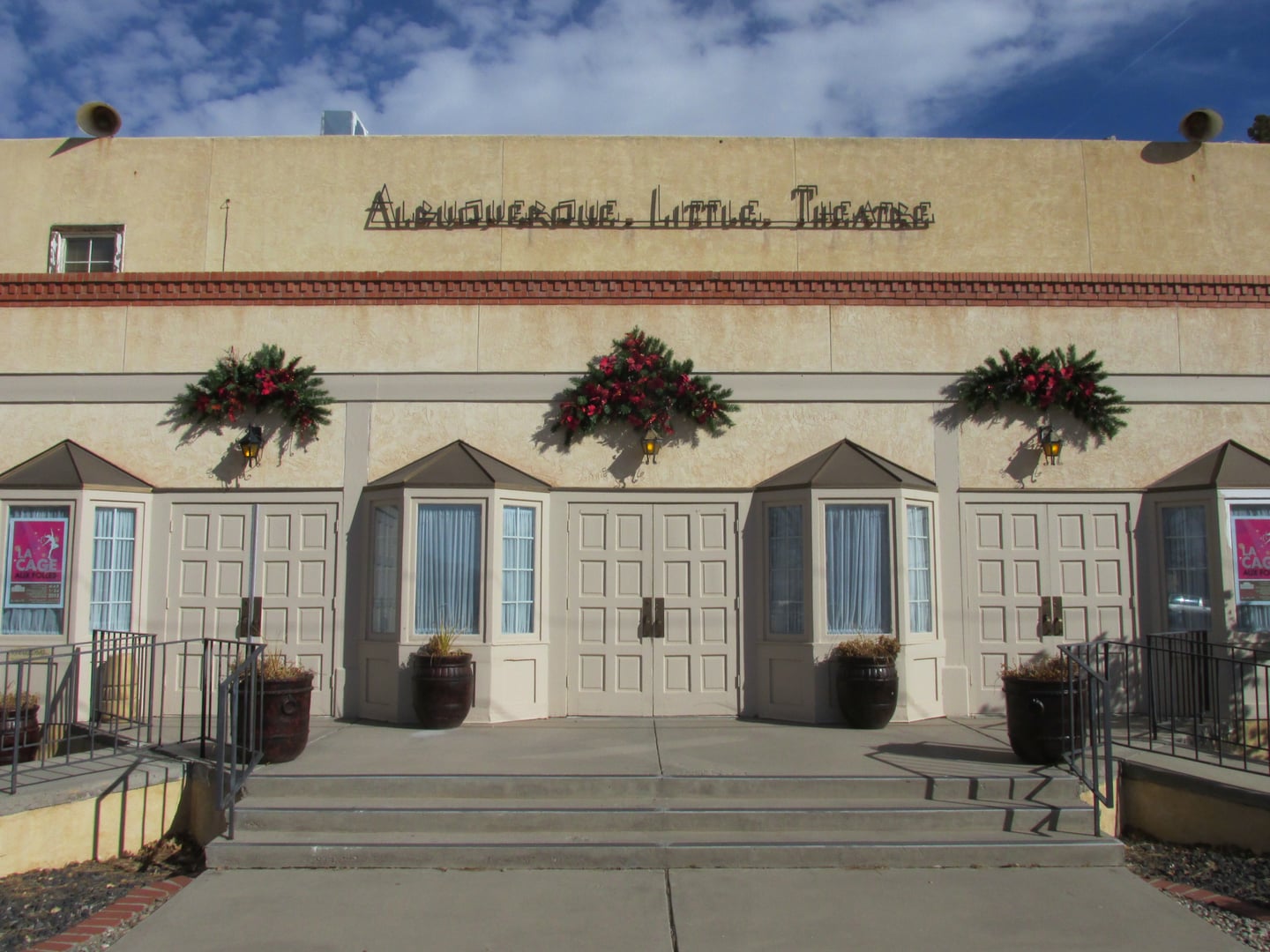
Pueblo Revival WPA-built facade of the 1936 Albuquerque Little Theatre at 224 San Pasquale Avenue SW, designed by John Gaw Meem in Albuquerque, New Mexico.
Theater / Performance Venue

Albuquerque Little Theatre

Albuquerque, NM

Albuquerque Little Theatre was founded in 1930 by reporter Irene Fisher with director Kathryn Kennedy O'Connor. The current building at 224 San Pasquale Avenue SW was designed by architect John Gaw Meem and completed in 1936 as the first Albuquerque structure built by the Works Progress Administration. Vivian Vance performed in the theater's inaugural production.

$$ All Ages Family: High
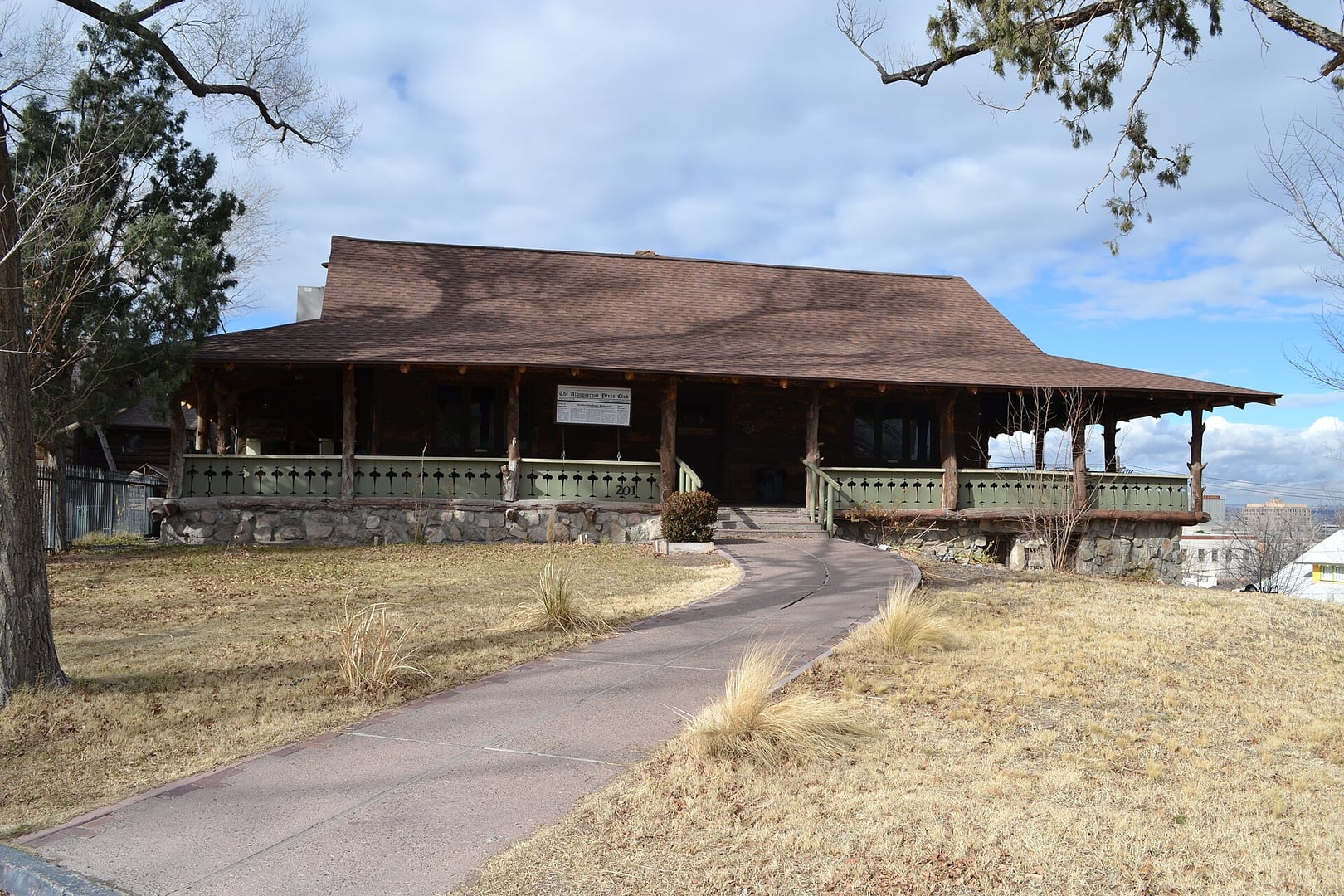
Whittlesey House log-and-stone three-story Norwegian Vernacular residence at 201 Highland Park Circle SE, Albuquerque
Photo coming soon
Haunted House / Historic Home

Albuquerque Press Club (Whittlesey House)

Albuquerque, NM

Whittlesey House at 201 Highland Park Circle SE was built in 1903 by Charles Frederick Whittlesey, an architect for the Atchison, Topeka & Santa Fe Railway. The three-story log-and-stone Norwegian Vernacular building was added to the New Mexico State Register of Cultural Properties in 1975 and is a contributing property in the Huning Highlands Historic District (1978). The Albuquerque Press Club has owned and operated it since 1973.

$$ 21+ Family: Low
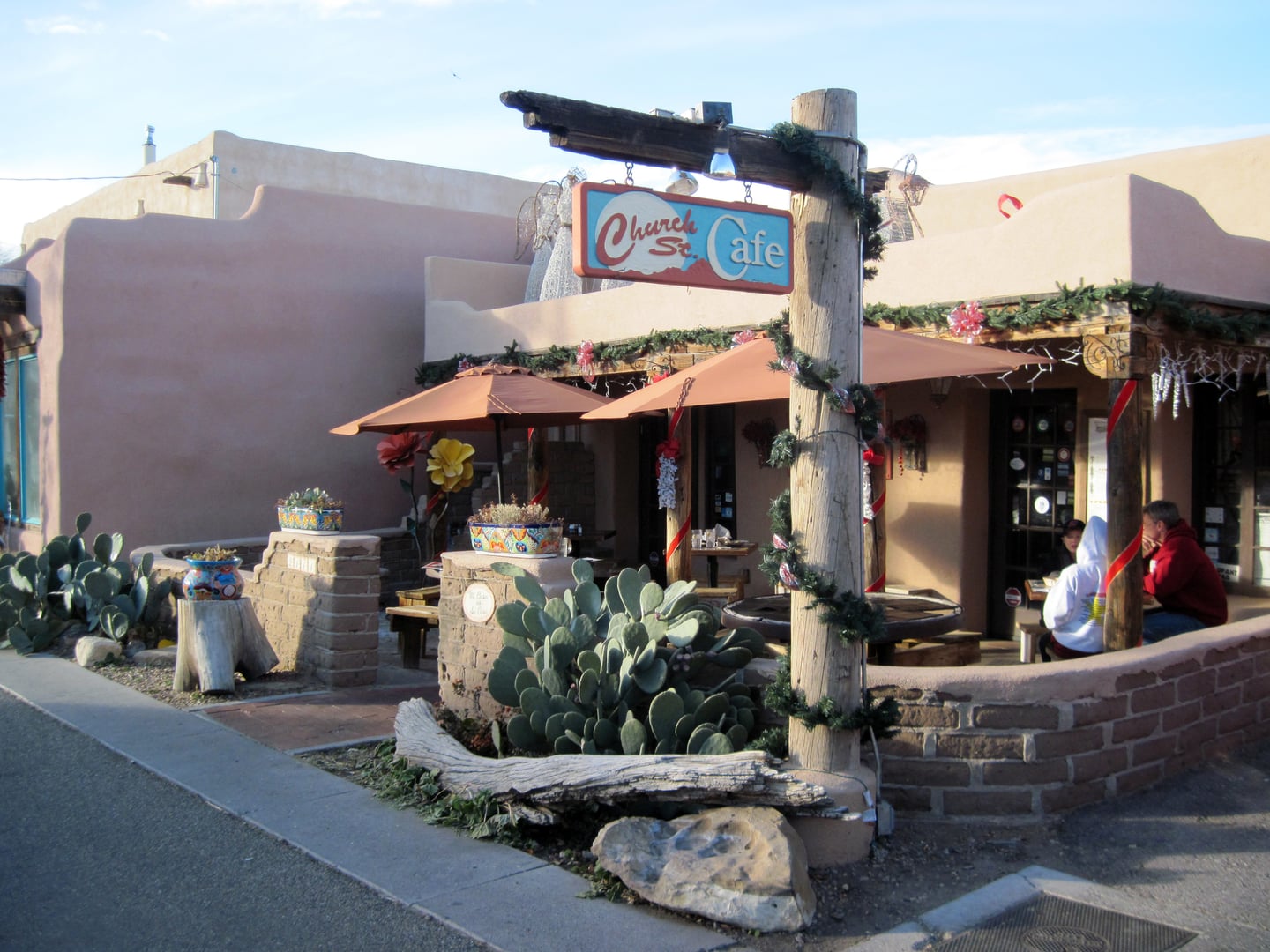
Adobe facade of the Casa de Ruiz, which houses Church Street Cafe at 2111 Church Street NW in Old Town Albuquerque, New Mexico.
Haunted Dining / Bar

Church Street Cafe (Casa de Ruiz)

Albuquerque, NM

Church Street Cafe occupies the Casa de Ruiz adobe at 2111 Church Street NW, one of the oldest residences in Albuquerque, traditionally dated to circa 1706 (with some sources giving 1709). The Ruiz family owned the property in continuous family succession until 1991, when the last family member sold the eighteen-room hacienda after the death of Rufina G. Ruiz. It has operated as Church Street Cafe since.

$$ All Ages Family: High
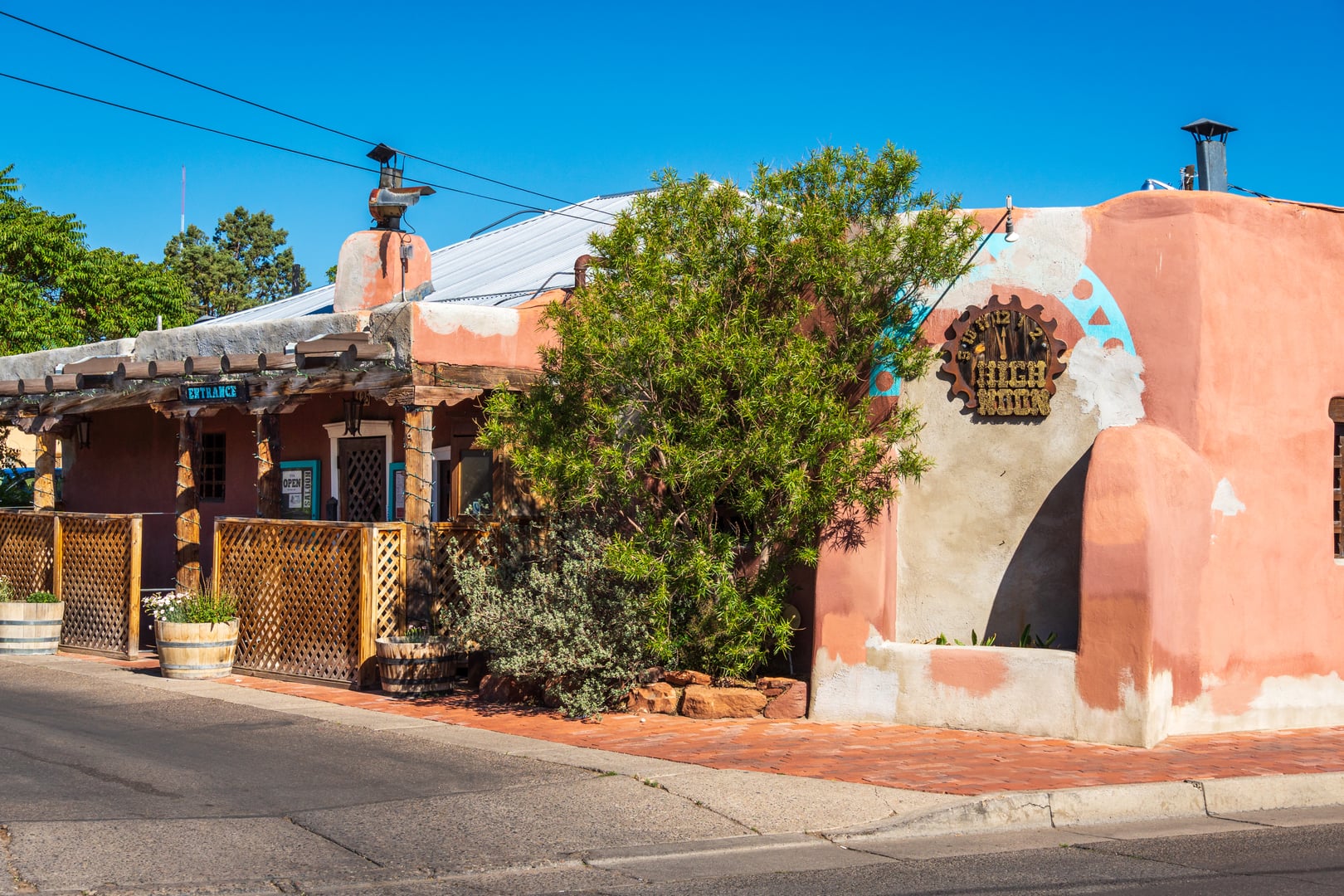
Adobe exterior of the High Noon Restaurant & Saloon at 425 San Felipe Street NW in Old Town Albuquerque, New Mexico, photographed in 2024.
Haunted Dining / Bar

High Noon Restaurant & Saloon

Albuquerque, NM

High Noon Restaurant & Saloon opened in 1974 in an adobe building dating to between roughly 1750 and 1785 on San Felipe Street NW, just west of the Old Town Albuquerque plaza. The structure has served as a private residence, trading post, gambling parlor, brothel, Spanish furniture workshop, and apartment building before its conversion to a restaurant.

$$$ All Ages Family: Moderate
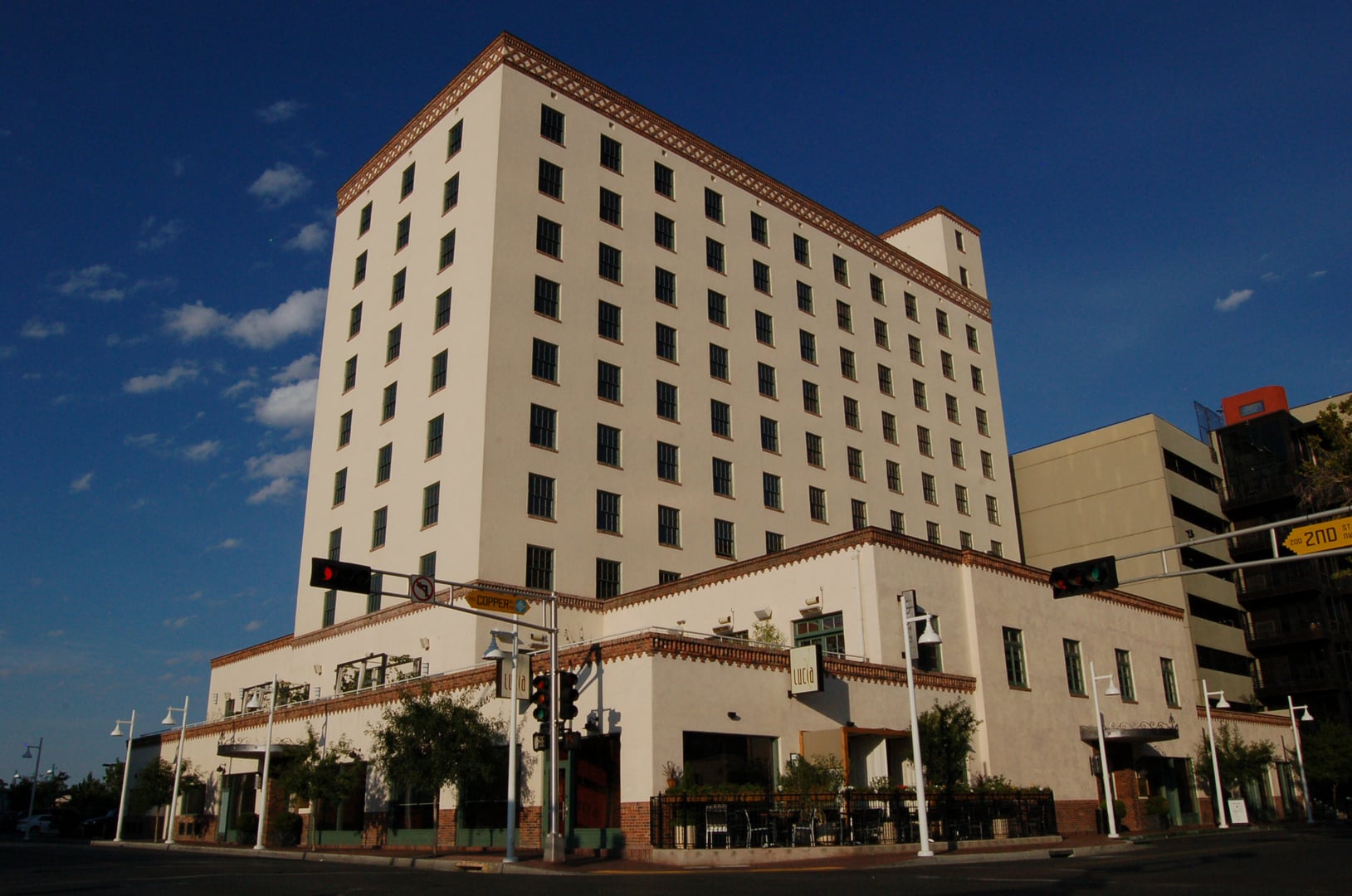
Hotel Andaluz, a ten-story 1939 Conrad Hilton-built historic hotel with New Mexico Territorial-style detailing in downtown Albuquerque
Haunted Hotel / Inn

Hotel Andaluz

Albuquerque, NM

Hotel Andaluz opened June 9, 1939 as the first Hilton Hotel built outside Texas and the first modern high-rise hotel in New Mexico. Designed by Anton F. Korn for Conrad Hilton, it operated as a Hilton through 1971, was rebranded as the Hotel Plaza in 1974, closed in 1981, and reopened in 1984 as La Posada de Albuquerque. After a $30 million renovation, it reopened in 2009 as Hotel Andaluz and joined the Curio Collection by Hilton in 2019.

$$$ All Ages Family: High
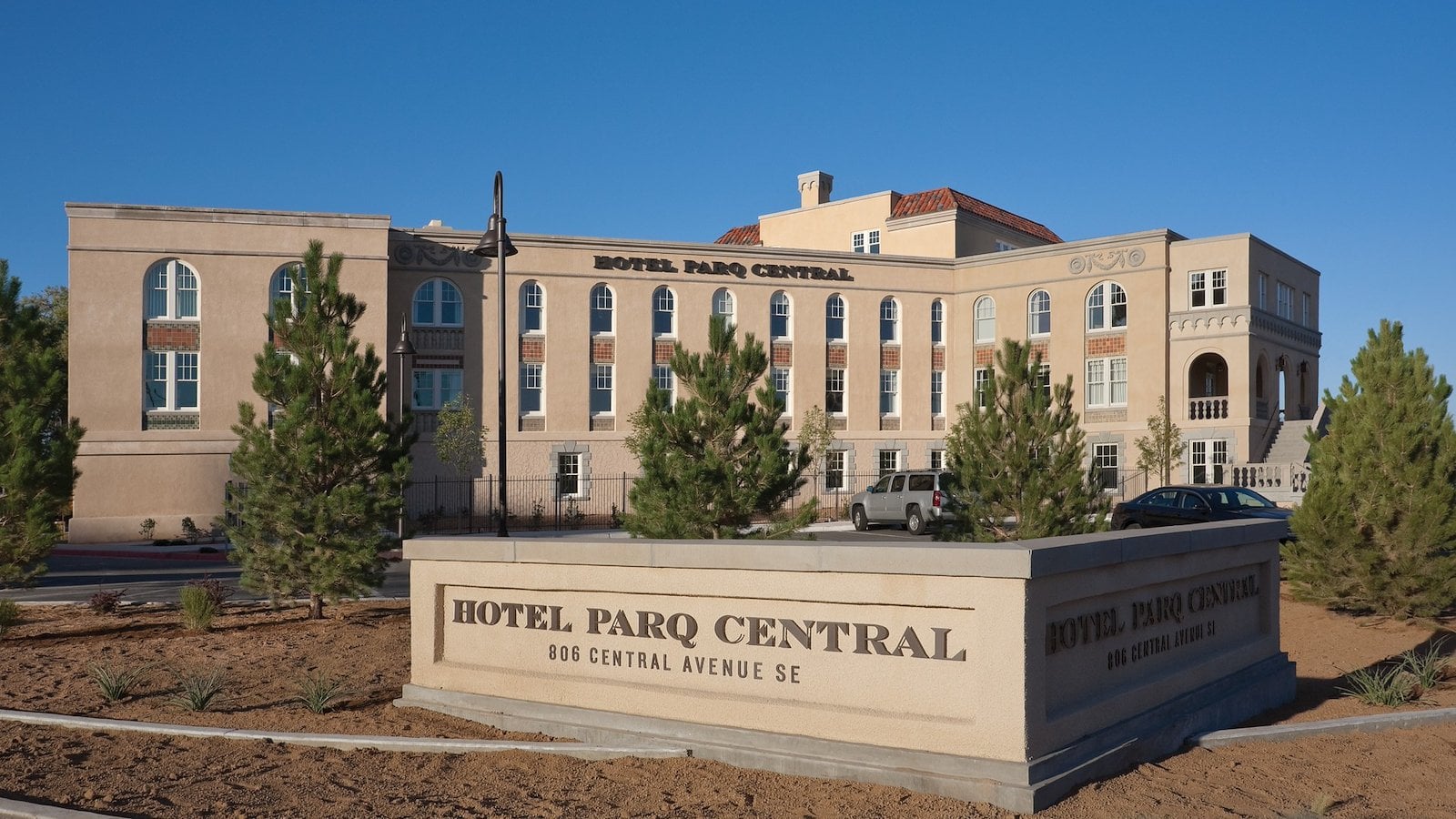
Spanish Mission-style facade of Hotel Parq Central in Albuquerque, the former 1926 AT&SF Memorial Hospital on Route 66.
Haunted Hotel / Inn

Hotel Parq Central

Albuquerque, NM

The building at 806 Central Avenue SE opened in 1926 as Santa Fe Hospital, serving employees of the Atchison, Topeka & Santa Fe Railway. Renamed AT&SF Hospital and later Memorial Hospital, the property operated as a psychiatric facility for children and young adults before closing. Following a $21 million renovation, it reopened in 2010 as Hotel Parq Central, a 74-room boutique hotel.

$$$ All Ages Family: Moderate
The historic 1881 Painted Lady Bed & Brew building exterior in Albuquerque, New Mexico, a former saloon now operating as a beer-focused bed and breakfast.
Haunted Hotel / Inn

Painted Lady Bed & Brew

Albuquerque, NM

The Painted Lady Bed & Brew occupies an 1881 building at 1100 Bellamah Avenue NW in Albuquerque's Wells Park neighborhood. The structure historically operated as a saloon and brothel and was renovated and reopened by owner Jesse Herron, officially opening in August 2018 as the first 'bed and brew' in New Mexico.

$$$ 21+ Family: Not Recommended
Historic dirt-street storefronts in the old mining village of Cerrillos, New Mexico, on the Turquoise Trail.
Photo coming soon
Outdoor / Natural Site

Cerrillos and the Cerrillos General Store

Cerrillos, NM

Cerrillos is a small historic mining village in Santa Fe County, about 27 miles south of Santa Fe on the Turquoise Trail (NM-14). The area has a mining tradition spanning a thousand years, with turquoise and lead worked by Ancestral Puebloan and later Spanish miners; a major hard-rock strike in 1879 turned Cerrillos into a regional hub for gold, silver, copper, turquoise, lead, and coal. Its dirt streets and adobe storefronts have changed little, and the village has appeared in several Western films.

$ All Ages Family: High
Exterior of the former College of Santa Fe campus, built on the WWII Bruns General Hospital site in Santa Fe, New Mexico.
Photo coming soon
Other Dark Tourism Site

Former College of Santa Fe (Midtown Campus / Bruns Hospital Site)

Santa Fe, NM

The former College of Santa Fe campus stands on the grounds of Bruns General Hospital, a large U.S. Army general hospital built during World War II that treated wounded soldiers, including survivors of the Bataan Death March. After the hospital was decommissioned in 1946, the Christian Brothers established St. Michael's College on the site in 1947; it later became the College of Santa Fe. The college closed in 2009, reopened as Santa Fe University of Art and Design, and closed again in 2018. The campus is now the City of Santa Fe's 'Midtown' redevelopment area.

$ All Ages Family: Moderate
Restored coal-company houses lining NM-14 in the revived ghost town of Madrid, New Mexico.
Photo coming soon
Outdoor / Natural Site

Madrid and the Surrounding Hills

Madrid, NM

Madrid is a former coal-mining company town in Santa Fe County on the Turquoise Trail (NM-14). Coal was mined on a large scale from the 1880s, and at its peak the town held some 3,000 residents. The mines closed in 1954 and Madrid became a ghost town until artists and craftspeople revived it beginning in the early 1970s. It is now an active artist colony and tourist stop.

$ All Ages Family: High

By type