Est. 1855 · Primary Army post for Apache Wars in south-central New Mexico · Buffalo Soldiers (9th Cavalry) stationed here during Lincoln County War · Federal hospital 1899–1953 with documented suspicious death records
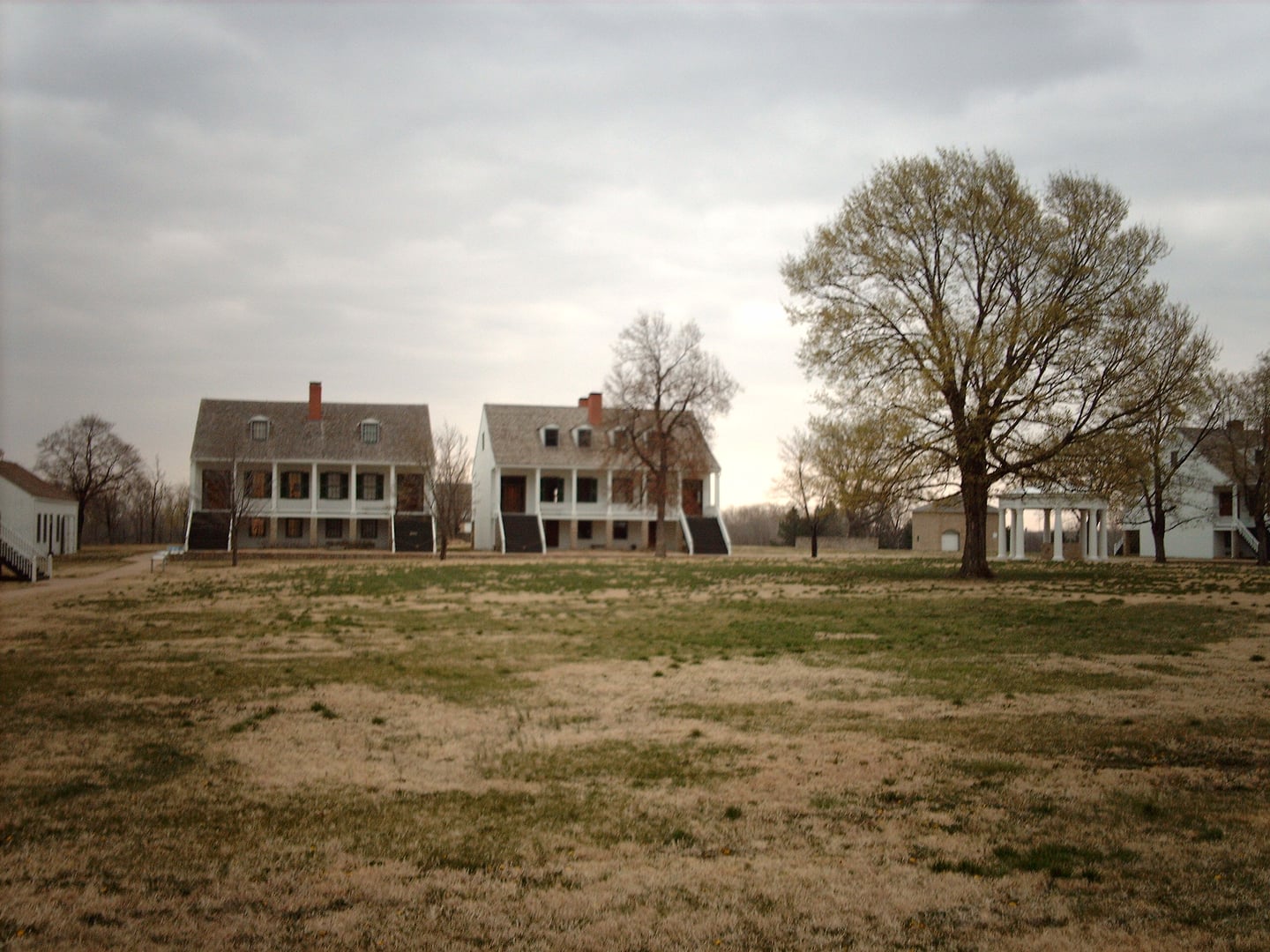
The U.S. Army established Fort Stanton in May 1855 on the Rio Bonito in what is now Lincoln County, New Mexico — territory still actively contested with the Mescalero Apache. The post served as the staging point for a series of punitive campaigns that culminated in the forced relocation of Mescalero bands to the Bosque Redondo reservation in 1863.
The fort was briefly abandoned and burned during the Confederate invasion of New Mexico in 1861, then reoccupied by Union forces. After the Civil War it became a major post for the 9th Cavalry — the Buffalo Soldiers — who served in the region through the Lincoln County War period of the late 1870s. Officers and enlisted men at Fort Stanton during that period had documented interactions with figures central to the conflict, including sheriff Pat Garrett and William Bonney (Billy the Kid).
In 1899 the Army transferred the fort to the Marine Hospital Service, which converted it into a treatment facility for merchant marine sailors suffering from tuberculosis. The facility expanded through the 1900s and 1910s, eventually holding hundreds of patients. Records from the hospital period document 37 suicides and 24 deaths the facility classified as suspicious in its internal records. The facility closed in 1953 and the state of New Mexico has operated it as a historic site since the 1980s.
Sources
- https://nmhistoricsites.org/fort-stanton/history
- https://en.wikipedia.org/wiki/Fort_Stanton,_New_Mexico
Civil War-era apparitionsShadow figuresUnexplained cryingPhysical contact (hair grab)Audio anomalies
The Ghost Hunters crew from A&E filmed at Fort Stanton and released an episode that the show's producers publicly described as among the most evidentially significant they had produced. The New Mexico Department of Cultural Affairs issued a press release around the episode's airing noting the episode had increased visitor interest in the site. The specific evidence captured on film included audio anomalies and equipment responses in the original adobe structures.
Older accounts — independent of the TV exposure — come primarily from the hospital period. Staff at the tuberculosis facility in the 1920s reported shadow figures in the ward buildings and unexplained crying in areas where no patients were housed. A more dramatic account from the 1940s describes a patient or staff member experiencing a forceful hair grab in an empty corridor — an account that made it into facility records rather than remaining purely oral.
Apparitions in Civil War-era clothing have been reported in the ruins on the west end of the fort complex — the portion that predates the hospital conversion and has been less extensively restored. The fort's After Dark program, which brings together NPS-trained rangers, local historians, and paranormal investigators, treats the site's documented history and paranormal reports as part of the same interpretive whole, which reflects how well-established the site's reputation has become.
Media Appearances
- Ghost Hunters (television, 2008)
Where this legend is told