Est. 1936 · Founded 1930 by Irene Fisher and Kathryn Kennedy O'Connor · 1936 building designed by John Gaw Meem · First Albuquerque structure built by the WPA · Vivian Vance performed in the inaugural 1930 production
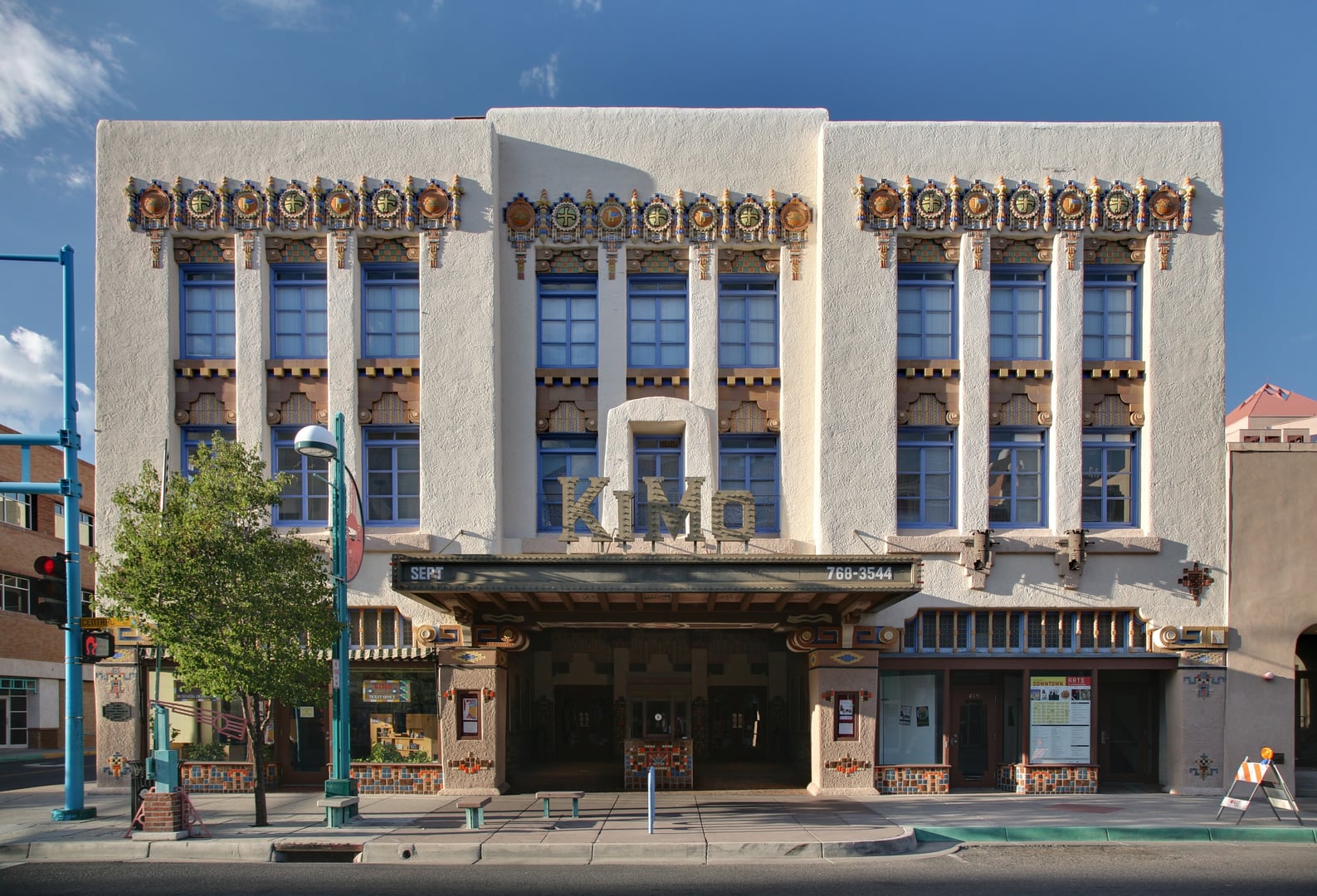
Albuquerque Little Theatre (ALT) was founded in 1930 by civic leaders led by Irene Fisher, a reporter for the New Mexico Tribune, with director Kathryn Kennedy O'Connor as its first artistic head. The theater operated initially at the KiMo Theatre downtown before moving to its permanent home in 1936.
The current building at 224 San Pasquale Avenue SW was designed by architect John Gaw Meem, the leading New Mexico practitioner of Pueblo Revival and Spanish Pueblo Revival architecture. The theater was the first structure in Albuquerque built by the Works Progress Administration under Roosevelt's New Deal. Vivian Vance — later celebrated as Ethel Mertz on I Love Lucy and winner of the first Emmy for Outstanding Supporting Actress — performed in ALT's inaugural 1930 production; her Emmy is displayed in the theater's lobby.
Kathryn Kennedy O'Connor directed the theater until 1961. She was succeeded by Bernard 'Bernie' Thomas, who served as executive director through 1980, and by a sequence of later leaders. Manuel 'Manny' Jaramillo, a longtime caretaker and master carpenter, served the theater for decades and is the second figure central to its ghost lore. ALT continues to operate as a producing community theater with a full season of mainstage productions.
Sources
- https://albuquerquelittletheatre.org/about-us/history/
- https://www.abqjournal.com/news/history/article_54eb0ba8-8261-11ef-9041-bb2758dbae45.html
- https://www.visitalbuquerque.org/abq365/blog/post/albuquerques-most-haunted-places/
- https://www.codypolston.com/albuquerque-little-theater/
Doors opening and closing on their ownFelt presence in hallwaysSense of being watched, attributed to former staff
According to the Albuquerque Journal's 2024 reporting, Albuquerque Little Theatre is associated with two benevolent presences. Bernard 'Bernie' Thomas served as executive director from 1961 through 1980 and is described in staff lore as continuing to watch over the operation. Manuel 'Manny' Jaramillo, the theater's longtime caretaker and master carpenter, is the second figure; the Journal reports that his ashes were scattered under the stage at his request.
ALT staff describe doors opening and closing on their own and a felt presence in the hallways, particularly attributed to Manny. ALT's resource director is quoted by the Journal saying the spirits are 'still looking over us,' maintaining the theater's legacy. Both presences are described as benevolent and protective rather than threatening; the lore is part of the theater's cultural identity rather than a thrill draw.
Notable Entities
Bernard 'Bernie' Thomas (executive director 1961-1980)Manuel 'Manny' Jaramillo (longtime caretaker and master carpenter)
Media Appearances
- Listed by the Albuquerque Journal among the five most haunted places in Albuquerque
- Featured in Visit Albuquerque haunted-places guide